Tag: Mobile home insurance in florida cost

  • A Complete Guide to Mobile Home Insurance in Florida

    Mobile homes are an affordable housing option in Florida, providing flexibility, convenience, and the opportunity to live in a desirable climate. However, just like traditional homes, mobile homes need insurance to protect them from potential risks such as weather-related damage, theft, and liability claims. Given Florida’s unique environmental factors, such as hurricanes and tropical storms, having the right mobile home insurance is even more crucial.

    This comprehensive guide covers everything you need to know about mobile home insurance in Florida, from the types of coverage available to tips on saving money. Whether you’re a first-time mobile homeowner or looking to review your current policy, understanding your insurance options can provide peace of mind and financial security.
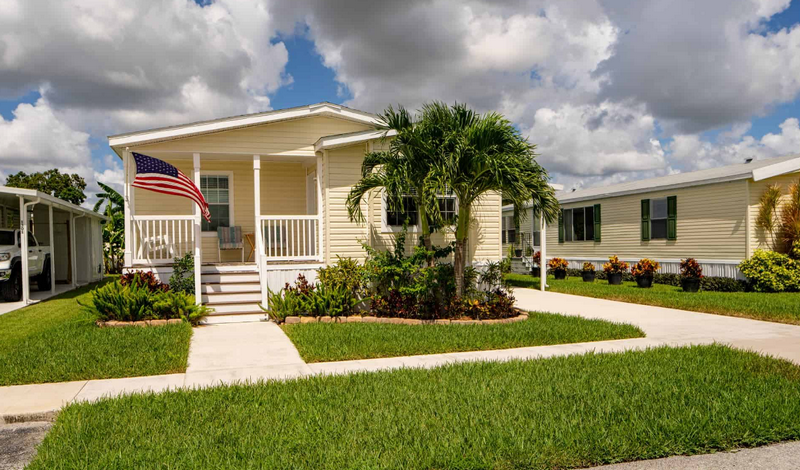
    mobile home insurance in Florida

    What Is Mobile Home Insurance?

    Mobile home insurance, also known as manufactured home insurance, is a type of policy designed to protect the structure of your mobile home and its contents, as well as provide liability coverage in case of accidents or injuries on your property. It is similar to standard homeowners insurance but is specifically tailored to the unique features and risks associated with mobile homes.

    In Florida, mobile homes are particularly vulnerable to weather-related damage due to hurricanes, tropical storms, and flooding. Mobile home insurance can cover repairs, replacements, and other expenses resulting from these events, making it an essential safeguard for homeowners.

    Types of Coverage in Mobile Home Insurance

    Mobile home insurance policies typically offer several types of coverage to protect you and your property from a wide range of risks. Here are the key components of a standard mobile home insurance policy:

    1. Dwelling Coverage

    Dwelling coverage is the most basic type of protection, which insures the physical structure of your mobile home. This includes the walls, roof, and foundation, as well as built-in appliances and fixtures. If your mobile home is damaged by a covered peril—such as a hurricane, fire, or vandalism—dwelling coverage will pay for repairs or replacement costs up to the policy limit.

    In Florida, where hurricanes are a common threat, it’s crucial to ensure your policy includes hurricane or windstorm coverage.

    2. Personal Property Coverage

    This type of coverage protects your personal belongings inside the mobile home, such as furniture, electronics, clothing, and appliances. If these items are damaged, destroyed, or stolen, personal property coverage helps cover the cost of replacing them. Keep in mind that high-value items, like jewelry or expensive electronics, may have coverage limits, so you may need to purchase additional coverage for those specific items.

    3. Liability Protection

    Liability protection covers legal and medical expenses if someone is injured on your property or if you accidentally damage someone else’s property. For example, if a guest slips and falls while visiting your mobile home, your liability insurance can help cover their medical bills and legal fees if they decide to sue. This coverage is essential for protecting your financial well-being in case of an accident.

    4. Additional Living Expenses (ALE) Coverage

    If your mobile home becomes uninhabitable due to a covered loss, ALE coverage helps pay for temporary living arrangements, such as hotel stays, meals, and other expenses. This ensures you have a place to stay while your mobile home is being repaired or replaced.

    5. Flood Insurance

    Flooding is not typically covered under standard mobile home insurance policies, but it is a significant risk in many parts of Florida. You will need to purchase separate flood insurance through the National Flood Insurance Program (NFIP) or a private insurer to protect your home from flood-related damage.

    Factors That Affect Mobile Home Insurance Costs in Florida

    Mobile home insurance premiums vary depending on several factors, including the location of your home, the value of the dwelling, and the coverage options you select. Here are the main factors that can influence your insurance costs in Florida:

    1. Location

    Where your mobile home is located has a big impact on your insurance rates. If your home is in a coastal area or a region prone to hurricanes and tropical storms, your premiums may be higher due to the increased risk of wind and flood damage. Conversely, mobile homes in inland areas may have lower premiums because they face fewer weather-related risks.

    2. Age and Condition of the Mobile Home

    Older mobile homes may cost more to insure, especially if they haven’t been updated with modern building standards. Mobile homes built before 1976, when the Department of Housing and Urban Development (HUD) established stricter building codes for manufactured homes, are considered higher-risk and may have higher premiums. Keeping your mobile home well-maintained and up to code can help lower your insurance costs.

    3. Size and Value of the Home

    Larger and more expensive mobile homes typically require more coverage, which can lead to higher premiums. It’s essential to get enough dwelling coverage to fully replace your home in the event of a total loss.

    4. Security Features

    Having security measures in place, such as a home security system, smoke detectors, and deadbolt locks, can reduce the risk of theft, vandalism, or fire. Many insurance companies offer discounts for homes with these safety features.

    5. Deductible

    The deductible is the amount you agree to pay out of pocket before your insurance kicks in to cover a claim. Choosing a higher deductible can lower your monthly premium, but it also means you’ll need to cover more of the repair costs in the event of a loss.

    How to Save Money on Mobile Home Insurance in Florida

    Insurance can be a significant expense for mobile homeowners, but there are ways to reduce your premiums without sacrificing essential coverage. Here are some tips to help you save money on mobile home insurance in Florida:

    1. Shop Around for the Best Rates

    Different insurance companies offer varying rates and coverage options for mobile home insurance, so it’s essential to shop around and compare quotes from multiple providers. Look for insurers who specialize in mobile home policies and have experience with Florida’s unique risks.

    2. Bundle Your Policies

    Many insurance companies offer discounts if you bundle multiple policies, such as mobile home insurance and auto insurance, with the same provider. Bundling your policies can save you money on both.

    3. Ask About Discounts

    Insurance providers often offer various discounts that can help lower your premium. Common discounts include those for installing security systems, being claims-free for a certain period, or belonging to specific associations or organizations. Be sure to ask your insurer about any discounts you may qualify for.

    4. Maintain a Good Credit Score

    In Florida, insurance companies are allowed to consider your credit score when determining your premium. Maintaining a good credit score can lead to lower insurance rates, as insurers view homeowners with better credit as less likely to file claims.

    5. Increase Your Deductible

    As mentioned earlier, raising your deductible can reduce your monthly premium. However, make sure the deductible amount is one you can comfortably afford to pay out of pocket if you need to file a claim.

    6. Upgrade Your Mobile Home

    Updating your mobile home with modern materials and features can improve its structural integrity and reduce the risk of damage. For example, installing hurricane shutters, reinforcing the roof, or adding skirting can make your home more resilient to storms, which may qualify you for lower insurance rates.

    Common Exclusions in Mobile Home Insurance Policies

    It’s important to understand what your mobile home insurance policy doesn’t cover. Common exclusions in mobile home insurance policies may include:

    • Flood damage: As mentioned earlier, flood insurance is usually not included in standard mobile home insurance policies and must be purchased separately.
    • Wear and tear: Insurance typically does not cover normal wear and tear, maintenance issues, or gradual deterioration of your mobile home.
    • Earthquake damage: Earthquake damage is also typically excluded from standard policies and requires additional coverage.
    • Pest infestations: Damage caused by termites, rodents, or other pests is usually not covered under mobile home insurance.

    Make sure to review your policy carefully and ask your insurer about any exclusions or limitations to avoid unexpected surprises in the event of a claim.

    Conclusion

    Mobile home insurance in Florida is essential for protecting your investment, especially given the state’s vulnerability to hurricanes and flooding. Understanding the types of coverage available, the factors that influence your premiums, and how to save money on your policy can help you make informed decisions about your insurance needs. By choosing the right coverage and taking proactive steps to minimize risks, you can ensure that your mobile home and belongings are protected for years to come.


    See Also:

  • The Ultimate Guide to Mobile Home Insurance in Florida

    Mobile homes, also known as manufactured homes, are a popular housing option in Florida due to their affordability and flexibility. However, like any other type of home, they are susceptible to various risks, such as hurricanes, floods, fire, and theft. This makes having proper insurance coverage essential for mobile homeowners. In this guide, we’ll cover everything you need to know about mobile home insurance in Florida, including why it’s important, what it covers, how to choose the right policy and tips for reducing your insurance costs.

    Why Mobile Home Insurance is Essential in Florida

    Florida’s unique climate and geographical features make mobile home insurance particularly crucial. Here are some of the key reasons why:

    1. Hurricane and Storm Risks: Florida is prone to hurricanes and tropical storms, especially during the hurricane season from June to November. These natural disasters can cause significant damage to mobile homes due to their lighter construction.
    2. Flooding: Many areas in Florida are prone to flooding, which is not typically covered under standard mobile home insurance policies. Given the state’s low elevation and frequent storms, flood insurance is often necessary for comprehensive protection.
    3. Fire Hazards: Due to their construction materials, mobile homes can be at higher risk of fire. While modern mobile homes are built to stricter fire safety standards, the risk still exists, particularly in areas where wildfires are a concern.
    4. Theft and Vandalism: Mobile homes, especially those located in less populated or rural areas, can be targets for theft or vandalism. Insurance can help cover the cost of replacing stolen items or repairing damage caused by vandalism.

    What Mobile Home Insurance Covers

    Mobile home insurance is similar to homeowners insurance but is specifically tailored to the needs of mobile and manufactured homes. Here’s a breakdown of the typical coverage options:

    1. Dwelling Coverage: This covers the physical structure of your mobile home, including built-in appliances, plumbing, and electrical systems. If your home is damaged by a covered peril, such as fire, wind, or vandalism, dwelling coverage helps pay for repairs or rebuilding.
    2. Personal Property Coverage: This covers your personal belongings inside the mobile home, such as furniture, electronics, clothing, and appliances. If these items are stolen or damaged by a covered peril, your policy helps replace them.
    3. Liability Coverage protects you if someone is injured on your property or if you accidentally damage someone else’s property. It helps pay for legal fees, medical expenses, and any resulting settlements.
    4. Loss of Use Coverage: If your mobile home becomes uninhabitable due to a covered loss, loss of use coverage helps pay for additional living expenses, such as hotel stays or temporary housing, while your home is being repaired.
    5. Additional Structures Coverage: If you have other structures on your property, such as a shed, carport, or deck, this coverage helps pay for repairs or replacement if a covered peril damages them.
    6. Optional Flood Insurance: As mentioned earlier, standard mobile home insurance typically does not cover flood damage. However, you can purchase separate flood insurance through the National Flood Insurance Program (NFIP) or a private insurer to protect against this risk.

    How to Choose the Right Mobile Home Insurance Policy

    Selecting the right mobile home insurance policy in Florida requires careful consideration of your needs, risks, and budget. Here are some tips to help you make an informed decision:

    1. Assess Your Coverage Needs: Start by evaluating the value of your mobile home and its contents. Consider the risks you face based on your location, such as hurricane, flood, or wildfire exposure. This will help you determine the level of coverage you need.
    2. Compare Insurance Providers: Not all insurance companies offer mobile home insurance, and those that do may vary in terms of coverage options, premiums, and customer service. Research and compare multiple providers to find the best balance of coverage and cost.
    3. Understand the Policy Exclusions: Carefully review the policy exclusions, which are events or damages not covered by your insurance. Common exclusions may include wear and tear, pet damage, or certain types of water damage. Ensure you understand what is and isn’t covered before purchasing a policy.
    4. Consider the Deductible: The deductible is the amount you must pay out of pocket before your insurance kicks in. While a higher deductible can lower your premium, it also means you’ll have to pay more in the event of a claim. Choose a deductible that fits your budget and risk tolerance.
    5. Check for Discounts: Many insurers offer discounts that can help reduce your premium. Common discounts include installing safety features (like smoke detectors or security systems), bundling multiple policies (such as auto and home insurance), or having a claim-free history.
    6. Evaluate Customer Service and Claims Process: In a disaster, you’ll want an insurer with a reputation for good customer service and a smooth claims process. Check customer reviews and ask about the claims process when comparing policies.

    Tips for Reducing Your Mobile Home Insurance Costs

    Mobile home insurance in Florida can be expensive, especially with the added risks of hurricanes and flooding. However, there are several strategies you can use to lower your insurance costs:

    1. Install Safety Features: Adding safety features like smoke detectors, fire extinguishers, burglar alarms, and storm shutters can reduce the risk of damage or loss, making you eligible for discounts on your insurance premiums.
    2. Regular Maintenance: Keeping your mobile home in good condition can help prevent claims and decrease your insurance costs. Regularly inspect and maintain your roof, plumbing, electrical systems, and anchoring to avoid costly repairs and potential hazards.
    3. Upgrade Your Home: If your mobile home is older, consider upgrading it to meet modern safety standards. This could include reinforcing the structure, upgrading to hurricane-resistant windows, or adding additional tie-downs. Insurers may offer lower premiums for homes that meet current building codes.
    4. Bundle Policies: If you have multiple insurance needs, such as auto and life insurance, consider bundling them with the same provider. Many insurers offer significant discounts for bundling policies.
    5. Increase Your Deductible: As mentioned earlier, opting for a higher deductible can lower your premium. Just be sure you can afford the higher out-of-pocket cost in the event of a claim.
    6. Shop Around: Insurance rates can vary widely between providers, so it’s worth shopping around to find the best deal. Be sure to compare not just the price, but also the coverage options, policy limits, and customer service.
    7. Review Your Policy Annually: Your insurance needs may change over time, so it’s important to review your policy annually. If your home’s value has increased or you’ve made significant improvements, you may need to adjust your coverage. Conversely, if you’ve paid off your mortgage, you may be able to reduce certain coverages or adjust your deductible.

    Filing a Claim: What to Expect

    If your mobile home is damaged or you suffer a loss, filing a claim with your insurance company is the first step toward recovery. Here’s what you can expect during the claims process:

    1. Contact Your Insurer Immediately: After a loss, contact your insurance company as soon as possible to report the damage and start the claims process. Be prepared to provide details about the damage, including when and how it occurred.
    2. Document the Damage: Take photos or videos of the damage to your mobile home and personal belongings. This documentation will be important when filing your claim and can help speed up the process.
    3. Meet with an Adjuster: Your insurance company will likely send an adjuster to assess the damage and determine the amount of your claim. Be sure to provide them with any documentation you have, such as photos, receipts, or repair estimates.
    4. Receive Payment: Once your claim is approved, your insurance company will issue a payment to cover the cost of repairs or replacement. The payment may come in installments, especially for large claims, and may be made out to both you and your mortgage lender if you have a loan on your mobile home.
    5. Repair and Rebuild: Use the insurance payout to repair or replace damaged parts of your mobile home. Be sure to keep all receipts and records of the repairs for future reference.

    Conclusion

    Mobile home insurance in Florida is a vital investment for protecting your home and personal belongings against the unique risks posed by the state’s climate and geography. By understanding the types of coverage available, choosing the right policy, and taking steps to reduce your insurance costs, you can ensure that your mobile home is well-protected. Regularly review your policy, stay informed about potential hazards, and maintain your home to minimize risks and keep your insurance premiums affordable. With the right coverage in place, you can have peace of mind knowing that your mobile home is safeguarded against the unexpected.


    See Also:

  • The Cost of Mobile Home Insurance in Florida and Why You Should Get One

    Florida’s allure extends far beyond theme parks and pristine beaches. It’s a state where many seek an affordable yet comfortable lifestyle, often turning to mobile homes as a viable housing option. However, like traditional houses, mobile homes require insurance to protect against unforeseen circumstances. But how much does mobile home insurance cost in Florida? Understanding the factors influencing the price can help you make informed decisions when securing coverage for your mobile home.

    mobile home insurance in florida

    The Power of Protection: Why Mobile Home Insurance Matters

    Mobile homes, despite their affordability, represent a significant financial investment. Unforeseen events like hurricanes, fire, or theft can cause substantial damage, burdening you financially. Mobile home insurance acts as a safety net, providing financial protection and peace of mind in the event of a covered loss.

    Here’s a breakdown of the primary types of coverage typically offered in mobile home insurance policies:

    • Dwelling Coverage: This policy protects your mobile home from damage caused by covered perils such as fire, wind, hail, vandalism, and theft.
    • Personal Property Coverage: Covers your belongings inside the mobile home in case of a covered loss.
    • Liability Coverage: Protects if someone gets injured or their property is damaged on your property.

    Factors Affecting Mobile Home Insurance in Florida

    The cost of mobile home insurance in Florida is more than just a one-size-fits-all answer. Several factors influence the final premium you’ll pay:

    • Location: Living in a coastal region prone to hurricanes typically results in higher insurance costs than inland areas.
    • Coverage Options: The type and amount of coverage you choose will significantly impact the premium. Higher dwelling coverage and broader coverage for personal property will naturally cost more.
    • Deductible: The deductible is the amount you’ll pay out of pocket before your insurance kicks in. A higher deductible generally translates to a lower premium.
    • Age and Condition of the Mobile Home: Insurance companies may consider older or poorly maintained mobile homes to be at higher risk, leading to higher premiums.
    • Claims History: Having a history of filing claims can increase your insurance costs.
    • Manufacturer and Model: Your mobile home’s construction quality and features can influence the insurance premium.
    • Park Amenities: Mobile home parks with security features and amenities like fire hydrants might qualify for discounts.

    Exploring Additional Coverage Options

    While the standard coverage options mentioned earlier provide a solid foundation, there are additional coverages you might consider:

    • Flood Insurance: Standard mobile home insurance doesn’t cover flood damage. If you live in a flood-prone area, consider purchasing separate flood insurance.
    • Windstorm Coverage: In windstorm-prone areas like Florida, windstorm coverage may be offered as a separate policy or endorsement to your mobile home insurance.

    Strategies for Lowering Your Premium

    Here are some tips for lowering your mobile home insurance cost in Florida:

    • Shop Around: Compare quotes from insurance companies to find the best rate.
    • Increase Your Deductible: A higher deductible will lower your premium but ensure you can afford the upfront cost in case of a claim.
    • Maintain Your Mobile Home: Regular maintenance can help prevent problems and potentially qualify you for discounts some insurance companies offer.
    • Bundle Your Policies: Bundling your mobile home insurance with other policies, like auto insurance from the same company, can often lead to discounts.
    • Ask About Discounts: Many insurers offer discounts for security systems, being a senior citizen, or having a claims-free history. Be sure to inquire about available discounts.

    Securing Your Sunshine State Dream

    Mobile home insurance in Florida is crucial for protecting your affordable living space. Understanding the factors influencing the cost and exploring options to lower your premium empower you to make informed decisions. By shopping around, choosing the right coverage options, and potentially implementing cost-saving measures, you can secure affordable insurance that provides peace of mind for your mobile home in the Sunshine State.


    See Also:


  • How Much is Mobile Home Insurance Cost in Florida

    Florida, the Sunshine State, attracts many residents seeking a warm climate and beautiful beaches. But whether you’re a permanent resident or a snowbird escaping the winter chill, if you own a mobile home in Florida, you’ll need proper insurance protection. But how much does mobile home insurance cost in Florida?

    While there’s no one-size-fits-all answer, understanding the factors that influence rates and the average costs can help you budget and shop for the best coverage. This comprehensive guide will delve into the world of Florida mobile home insurance, exploring costs, factors affecting premiums, and tips for getting the best deal.

    Understanding Mobile Home Insurance in Florida

    Mobile home insurance, also known as manufactured home insurance, functions similarly to traditional homeowner’s insurance. It protects your dwelling against various perils, including fire, theft, vandalism, and weather-related damage. However, there are crucial distinctions to consider.

    mobile home insurance cost in Florida

    Unlike traditional homes built on foundations, mobile homes are considered personal property. This can affect coverage options and pricing. Additionally, Florida’s unique weather patterns, particularly hurricane threats, significantly impact mobile home insurance costs in the state.

    How Much Does Mobile Home Insurance Cost in Florida?

    The big question: how much can you expect to pay for mobile home insurance in Florida?  According to various sources, the average cost of mobile home insurance in Florida falls between $894 and $1,349 annually. However, this is just a starting point. Your individual premium can be significantly higher or lower depending on several factors.

    Factors Affecting Mobile Home Insurance Costs in Florida

    Here’s a breakdown of the key factors that influence your mobile home insurance premium in Florida:

    • Location: Living near the coast or in a hurricane-prone area will undoubtedly increase your premium. The higher risk of wind damage translates to higher insurance costs for providers.
    • Age and Condition of Your Mobile Home: Newer mobile homes generally have lower premiums compared to older ones. The overall condition of your home also plays a role, with well-maintained homes attracting lower rates.
    • Coverage Limits: The amount of coverage you choose directly affects your premium. Higher coverage limits for dwelling and belongings will result in a higher premium.
    • Deductible: A deductible is the amount you pay out of pocket before your insurance kicks in. Opting for a higher deductible lowers your premium but increases your initial financial responsibility in case of a claim.
    • Claims History: A history of previous claims can significantly raise your rates. Maintaining a clean claims history is crucial for keeping your premiums low.
    • Mitigation Measures: Installing hurricane shutters or wind mitigation devices can demonstrate proactive risk reduction and potentially earn you discounts on your premium.

    Additional Considerations for Florida Mobile Home Insurance

    While the factors above significantly impact your premium, here are some additional points to consider:

    • Windstorm Coverage: In Florida, windstorm coverage is often a separate policy from your standard mobile home insurance. Understanding the cost and importance of windstorm coverage is crucial, especially in coastal areas.
    • Flood Insurance: Standard mobile home insurance doesn’t cover flood damage. Depending on your location and flood risk, purchasing separate flood insurance might be necessary.

    Getting the Best Deal on Mobile Home Insurance in Florida

    Now that you understand the cost factors and additional considerations, how can you ensure you’re getting the best possible rate on your Florida mobile home insurance? Here are some valuable tips:

    • Shop Around: Don’t settle for the first quote you receive. Get quotes from multiple insurance companies to compare rates and coverage options.
    • Increase Your Deductible: Raising your deductible can lower your premium. However, ensure you can comfortably afford the higher out-of-pocket expense in case of a claim.
    • Bundle Your Policies: Consider bundling your mobile home insurance with other policies, such as auto insurance, with the same company. Bundling often leads to discounts.
    • Ask for Discounts: Many insurance companies offer discounts for things like having security systems, being a senior citizen, or maintaining a good credit score.
    • Work with an Independent Agent: An independent agent can represent multiple insurance companies and can help you shop around and find the best coverage for your needs.

    The Takeaway: How Much is Mobile Home Insurance in Florida?

    There’s no single answer to “how much is mobile home insurance in Florida?”  The cost depends on various factors specific to your situation. However, by understanding these factors and following the tips above, you can shop around confidently and find the best possible coverage at an affordable price. Remember, proper mobile home insurance is an essential investment that protects your valuable property and provides peace of mind in the Sunshine State.


    See Also:

Reset password

Enter your email address and we will send you a link to change your password.

Get started with your account

to save your favourite homes and more

Sign up with email

Get started with your account

to save your favourite homes and more

By clicking the «SIGN UP» button you agree to the Terms of Use and Privacy Policy
Powered by Estatik