Tag: mobile home hvac systems prices

  • Choosing The Right AC Size For Your Mobile Home

    Mobile homes, or manufactured homes, offer a unique housing option for many individuals and families. These structures come in various sizes and designs, providing comfortable living spaces in a compact package. However, one crucial aspect of mobile home living is ensuring proper temperature control, especially during hot summer. Selecting the right size air conditioning (AC) unit for your mobile home is essential for maintaining a comfortable indoor environment while optimizing energy efficiency and cost-effectiveness.

    Factors to Consider when Choosing Mobile Home Air Conditioning

    Several factors come into play when determining the appropriate AC size for your mobile home. These include the size of your home, local climate conditions, insulation levels, and personal preferences for indoor comfort. By carefully evaluating these factors, you can choose an AC unit that meets your cooling needs without overspending on unnecessary capacity or sacrificing performance.
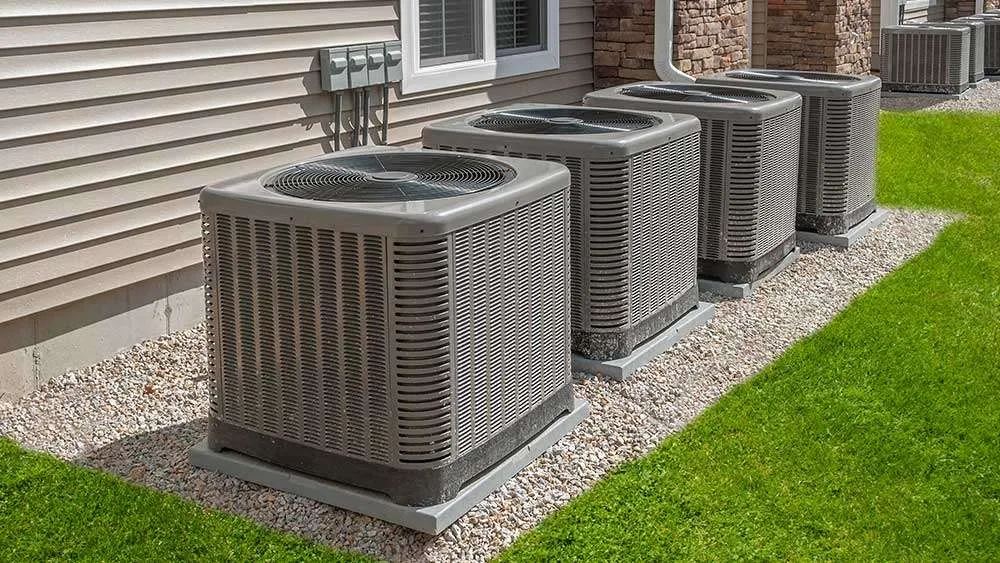
    mobile home air conditioning
    Mobile home air conditioning
    • Size of the Mobile Home

    The size of your mobile home is a fundamental consideration when selecting an AC unit. Larger homes require more cooling power to maintain comfortable indoor temperatures, while smaller homes can be adequately cooled with a smaller capacity unit. Measure the square footage of your home to determine its size accurately. This measurement will serve as a guide when choosing the appropriate AC size.

    • Climate Conditions

    Local climate conditions play a significant role in determining the cooling requirements for your mobile home. Areas with hot and humid summers may require larger AC units to cope with high temperatures and humidity. Conversely, regions with milder climates may allow smaller AC units to provide sufficient cooling. Consider your area’s average summer temperatures and humidity levels when selecting the right AC size for your mobile home.

    • Insulation Levels

    The insulation level of your mobile home affects its energy efficiency and cooling requirements. Well-insulated homes retain cool air more effectively, reducing the workload on the AC unit. Conversely, poorly insulated homes may require larger AC units to compensate for heat loss and maintain comfortable indoor temperatures. Evaluate the insulation level of your mobile home and factor it into your AC size calculation.

    • Personal Comfort Preferences

    Personal comfort preferences vary from individual to individual. Some prefer cooler indoor temperatures, while others are comfortable at slightly higher temperatures. Consider your family’s comfort preferences when selecting the right AC size for your mobile home. A properly sized AC unit will ensure you can maintain a comfortable indoor environment without overcooling or overspending on energy bills.

    Calculating the Right AC Size

    Once you have considered the relevant factors, you can calculate the right AC size for your mobile home. The most common method for sizing AC units is the Manual J load calculation, which considers home size, insulation, climate conditions, etc. While this calculation can be complex and requires professional assistance, you can use simplified methods to estimate the necessary AC size.

    • Rule of Thumb

    A common rule for sizing AC units is estimating 20-25 BTUs (British Thermal Units) per square foot of living space. This approximation provides a general guideline for selecting the appropriate AC size based on the square footage of your mobile home. For example, a 1,000-square-foot mobile home would require a 20,000-25,000 BTU AC unit.

    • Online Calculators

    Several online calculators are available to help you determine the right AC size for your mobile home based on various factors such as home size, insulation, climate conditions, and more. These calculators provide a convenient way to estimate the required cooling capacity and assist you in selecting the appropriate AC unit for your needs.

    Professional Assistance

    While DIY methods can roughly estimate the required AC size, seeking professional assistance for accurate sizing and installation is essential. HVAC professionals have the expertise and experience to perform comprehensive load calculations and recommend the most suitable AC unit for your mobile home. Additionally, professional installation ensures optimal performance, energy efficiency, and long-term reliability of your AC system.

    Final Thoughts

    Choosing the right AC size for your mobile home is crucial for maintaining a comfortable indoor environment while optimizing energy efficiency and cost-effectiveness. You can select an AC unit that effectively meets your cooling needs by considering home size, climate conditions, insulation levels, and personal comfort preferences. Whether using simplified estimation methods or seeking professional assistance, investing in the proper AC size ensures reliable and efficient cooling for your mobile home.


    See Also:

  • Keeping Warm: Essential Mobile Home Heating Maintenance Tips

    As winter’s chill sets in, ensuring your mobile home’s heating system is in top condition becomes paramount. Mobile homes have unique heating challenges, often requiring special attention and maintenance to keep them warm and comfortable throughout the colder months. Whether you’re a new mobile homeowner or a seasoned one, understanding how to maintain your mobile home heating system can save you money, prevent breakdowns, and, most importantly, keep you warm when you need it the most.

    mobile home heating system

    Understanding Your Heating System

    Before diving into maintenance tips, it’s crucial to understand the type of heating system your mobile home uses. Most mobile homes are equipped with one of the following heating systems:

    1. Forced Air Furnaces: These are mobile homes’ most common heating systems. They distribute heat through ducts and vents powered by gas, oil, or electricity.
    2. Electric Baseboard Heaters: These heaters are mounted along the baseboard of each room and provide heat through convection.
    3. Heat Pumps: Heat pumps provide heating and cooling by extracting heat from the air outside and transferring it inside during winter.
    4. Wood Stoves or Pellet Stoves: Some mobile homeowners opt for wood or pellet stoves for their heating needs, especially in rural areas.

    Each heating system has its maintenance requirements, but there are general tips that apply to most types.

    Maintenance Tips

    1. Regular Inspections

    Schedule annual inspections for your heating system, preferably before the start of winter. A professional HVAC technician can identify potential issues and perform necessary maintenance tasks.

    2. Clean or Replace Filters

    Clean or replace your furnace filters regularly, typically every one to three months, depending on usage. Clogged filters reduce airflow, making your heating system work harder and less efficiently.

    3. Check Thermostat Settings

    Ensure your thermostat is set correctly for the desired temperature. Consider investing in a programmable thermostat to optimize energy usage and maintain consistent comfort levels.

    4. Seal Air Leaks

    Inspect windows, doors, and any other openings for air leaks. Seal gaps with weatherstripping or caulking to prevent warm air from escaping and cold air from entering your home.

    5. Insulate Ductwork

    Properly insulate your ductwork to minimize heat loss as air travels from your furnace to the vents. Insulation helps maintain warmer air temperatures throughout your home and improves energy efficiency.

    6. Clean Vents and Registers

    Regularly clean vents and registers to remove dust, dirt, and debris that can obstruct airflow. Ensure that furniture or other objects do not block vents to allow for optimal air circulation.

    7. Monitor Carbon Monoxide Detectors

    Carbon monoxide (CO) leaks can be deadly. Install carbon monoxide detectors in your home and test them regularly to ensure they function correctly. If you suspect a CO leak, evacuate your home immediately and contact emergency services.

    8. Maintain Outdoor Units

    If you have a heat pump or an outdoor HVAC unit, keep it clear of debris such as leaves, branches, and snow. Proper airflow around the unit is essential for efficient operation.

    9. Schedule Professional Maintenance

    While there are maintenance tasks you can do yourself, such as changing filters and cleaning vents, some jobs require professional expertise. Schedule annual maintenance checks with a qualified HVAC technician to keep your heating system running smoothly.

    10. Monitor Energy Usage

    Keep track of your energy usage and bills to identify any unusual spikes, which could indicate potential issues with your heating system. Addressing problems early can prevent costly repairs down the road.

    11. Consider Insulating Skirting

    If your mobile home has skirting, consider insulating it to prevent cold air from infiltrating underneath your home. This can help maintain a warmer indoor temperature and reduce heating costs.

    12. Use Ceiling Fans Wisely

    In the winter, set your ceiling fans to rotate clockwise at a low speed to help distribute warm air more evenly throughout your home. This can reduce the workload on your heating system and improve overall comfort.

    13. Plan for Power Outages

    Mobile homes are susceptible to power outages during winter storms. Have a backup plan for heating, such as a generator or alternative heating source, to stay warm during emergencies.

    14. Keep Heating Vents Open

    Avoid closing heating vents or blocking them with furniture, curtains, or rugs. Blocked vents restrict airflow and can lead to uneven heating throughout your home.

    15. Monitor Humidity Levels

    Maintain optimal indoor humidity levels (between 30% and 50%) to maximize comfort and prevent dry skin and respiratory problems. Consider using a humidifier if your home’s air is too dry.

    Conclusion

    Proper maintenance of your mobile home’s heating system is essential for staying warm and comfortable during winter. By following these maintenance tips and staying proactive, you can ensure your heating system operates efficiently, prolong its lifespan, and avoid costly repairs. Remember, it’s always better to be proactive than reactive when it comes to your comfort and safety. Stay warm and cozy all winter with a well-maintained heating system in your mobile home.


    See Also:

Reset password

Enter your email address and we will send you a link to change your password.

Get started with your account

to save your favourite homes and more

Sign up with email

Get started with your account

to save your favourite homes and more

By clicking the «SIGN UP» button you agree to the Terms of Use and Privacy Policy
Powered by Estatik