Tag: mobile home heat pump package unit

  • Mobile Home Air Conditioning Options: Stay Cool Without Breaking the Bank

    Mobile Home Air Conditioning Options: Stay Cool Without Breaking the Bank

    Mobile home air conditioning options make it easy to stay cool, comfortable, and energy-efficient—even in the hottest months. Whether you’re living in a single-wide or a double-wide, there’s a solution that fits your space, your needs, and your budget.

    Let’s take a look at the best ways to keep your mobile home cool all year long.

    Why Air Conditioning Matters in Mobile Homes

    Mobile homes can heat up quickly during the summer. Because they often have less insulation than traditional houses, they require smart cooling choices. The right air conditioning setup can make a huge difference in your daily comfort and energy bills.

    Most mobile home air conditioning options are cost-effective, space-saving, and quick to install. With several models and systems available, it’s easy to find something that works for your home.

    Types of Mobile Home Air Conditioning Options

    You don’t need a big HVAC system to cool a mobile home. Below are some popular and effective choices:
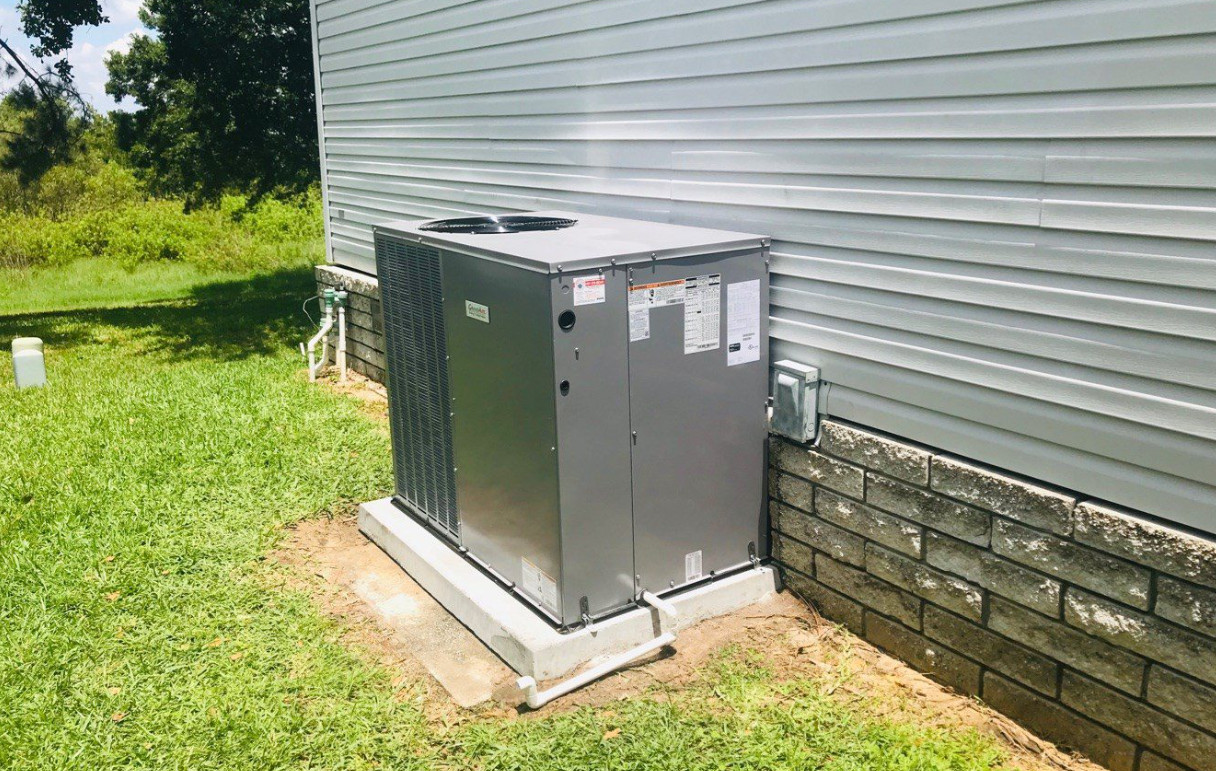
    Mobile Home Air Conditioning

    Window and Portable Units

    These options are affordable and simple.

    • Window Units: Great for small spaces. They’re easy to install and cost less than $300.
    • Portable Units: These plug into any outlet and can be moved from room to room.

    Many homeowners choose these because:

    • No professional installation is needed
    • Perfect for renters or short-term use
    • Low upfront cost

    These units are perfect for spot cooling and smaller mobile homes.

    Ductless Mini-Split Systems

    Mini-split systems are a favorite in mobile homes for several reasons:

    • No ductwork needed
    • Quiet operation
    • High energy efficiency

    With indoor and outdoor units, these systems cool your home with less energy. You can even set up different zones for different rooms.

    Central Split and Packaged Units

    These are ideal for larger mobile homes or permanent setups.

    • Split Systems: Use both indoor and outdoor units connected through ductwork.
    • Packaged Units: All-in-one systems are installed outside the home.

    Both options deliver even, full-home cooling. They’re more expensive but are great for long-term use.

    What’s the Best Fit for You?

    Choosing from the different mobile home air conditioning options depends on your lifestyle. Ask yourself:

    • How large is your mobile home?
    • Do you want to cool one room or the entire home?
    • Are you looking for a temporary or permanent solution?

    Answering these will help you decide if a window unit or a split system makes more sense.

    Costs and Financing

    Let’s talk numbers. Air conditioning doesn’t need to drain your wallet.

    Basic Cost Breakdown

    Here’s what to expect:

    • Window or Portable Units: $200–$600
    • Mini-Split Systems: $1,500–$3,000 (without installation)
    • Packaged Central Systems: $3,500–$7,000 (with installation)

    Installation usually costs an extra $1,000–$5,000 based on system type.

    Financing Options

    If paying upfront isn’t possible, don’t worry. Many companies offer:

    • Traditional loans (FHA or VA)
    • Chattel loans for mobile homes without land
    • Rent-to-own plans
    • Low down payment options 

    Working with mobile home lenders can help you find a plan that works.

    Energy Efficiency Is a Big Deal

    Lower energy use equals lower monthly bills.

    Look for SEER Ratings

    SEER stands for Seasonal Energy Efficiency Ratio. The higher the SEER, the more efficient the system. Choose a SEER rating of at least 14.

    Ductless Units Save Power

    Mini-splits cool just the areas you need, using less energy. They’re perfect for smaller mobile homes or rooms that stay hot.

    Alternatives to Traditional AC Units

    Not every cooling option needs refrigerant or big machines. Some alternatives include:

    Fans

    These are simple and affordable:

    • Ceiling fans
    • Portable fans
    • Window fans

    They don’t reduce temperature but improve airflow. This helps rooms feel cooler.

    Evaporative Coolers (Swamp Coolers)

    These are perfect in dry climates:

    • Use water to cool the air
    • Lower power use than AC units
    • Eco-friendly and affordable 

    They work best in dry states like Arizona or New Mexico.

    Easy Tips to Improve Cooling

    You can boost your cooling efforts with a few easy steps:

    • Use blackout curtains to block heat
    • Seal air leaks around windows and doors
    • Run appliances (like ovens) less during the day
    • Add insulation to walls or roof if possible 

    These steps reduce how hard your AC system needs to work.

    Where to Get Help

    If you’re unsure what system is right for your home, companies like Manufactured Housing Consultants can help. They specialize in systems made for mobile homes and offer installation and financing support.

    Short FAQ: Mobile Home Air Conditioning Options

    1. What is the best air conditioning for a mobile home?
      The best option depends on home size and budget. Mini-splits are popular for efficiency and comfort.
    2. Can I use a window AC unit in my mobile home?
      Yes. They’re affordable, simple to install, and cool individual rooms well.
    3. How much does a central AC system cost for a mobile home?
      Expect to spend between $3,500 and $7,000, including installation.
    4. Do mobile homes need special AC units?
      Some models are built for mobile homes, but most standard systems can work with minor adjustments.
    5. What’s the cheapest cooling option?
      Fans or window units are the most affordable upfront.
    6. Is professional installation required?
      It depends. Portable and window units don’t need it. Central systems do.
    7. How can I lower my cooling costs?
      Use high SEER-rated units, seal your home well, and install proper insulation.
    8. Do mobile homes use ductwork?
      Some do, especially double-wides with central AC systems.
    9. Are there energy-efficient AC options?
      Yes. Mini-splits and high SEER-rated systems save energy and money.
    10. What’s the lifespan of a mobile home AC unit?
      With good care, expect 10–15 years of service.

    Final Thoughts

    There are mobile home air conditioning options for every budget, climate, and home size. From window units to full central systems, each one offers comfort and cost control in its own way.

    Take time to review your space, cooling needs, and budget. With smart planning, you can enjoy a cool and comfortable mobile home all summer long.

    For more help, visit www.sellmobilehome.com and explore your options with The Mobile Home Dealer.
    See Also:

  • Keeping Warm: Essential Mobile Home Heating Maintenance Tips

    As winter’s chill sets in, ensuring your mobile home’s heating system is in top condition becomes paramount. Mobile homes have unique heating challenges, often requiring special attention and maintenance to keep them warm and comfortable throughout the colder months. Whether you’re a new mobile homeowner or a seasoned one, understanding how to maintain your mobile home heating system can save you money, prevent breakdowns, and, most importantly, keep you warm when you need it the most.

    mobile home heating system

    Understanding Your Heating System

    Before diving into maintenance tips, it’s crucial to understand the type of heating system your mobile home uses. Most mobile homes are equipped with one of the following heating systems:

    1. Forced Air Furnaces: These are mobile homes’ most common heating systems. They distribute heat through ducts and vents powered by gas, oil, or electricity.
    2. Electric Baseboard Heaters: These heaters are mounted along the baseboard of each room and provide heat through convection.
    3. Heat Pumps: Heat pumps provide heating and cooling by extracting heat from the air outside and transferring it inside during winter.
    4. Wood Stoves or Pellet Stoves: Some mobile homeowners opt for wood or pellet stoves for their heating needs, especially in rural areas.

    Each heating system has its maintenance requirements, but there are general tips that apply to most types.

    Maintenance Tips

    1. Regular Inspections

    Schedule annual inspections for your heating system, preferably before the start of winter. A professional HVAC technician can identify potential issues and perform necessary maintenance tasks.

    2. Clean or Replace Filters

    Clean or replace your furnace filters regularly, typically every one to three months, depending on usage. Clogged filters reduce airflow, making your heating system work harder and less efficiently.

    3. Check Thermostat Settings

    Ensure your thermostat is set correctly for the desired temperature. Consider investing in a programmable thermostat to optimize energy usage and maintain consistent comfort levels.

    4. Seal Air Leaks

    Inspect windows, doors, and any other openings for air leaks. Seal gaps with weatherstripping or caulking to prevent warm air from escaping and cold air from entering your home.

    5. Insulate Ductwork

    Properly insulate your ductwork to minimize heat loss as air travels from your furnace to the vents. Insulation helps maintain warmer air temperatures throughout your home and improves energy efficiency.

    6. Clean Vents and Registers

    Regularly clean vents and registers to remove dust, dirt, and debris that can obstruct airflow. Ensure that furniture or other objects do not block vents to allow for optimal air circulation.

    7. Monitor Carbon Monoxide Detectors

    Carbon monoxide (CO) leaks can be deadly. Install carbon monoxide detectors in your home and test them regularly to ensure they function correctly. If you suspect a CO leak, evacuate your home immediately and contact emergency services.

    8. Maintain Outdoor Units

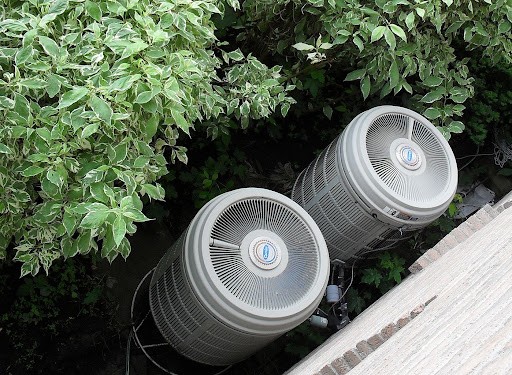
    If you have a heat pump or an outdoor HVAC unit, keep it clear of debris such as leaves, branches, and snow. Proper airflow around the unit is essential for efficient operation.

    9. Schedule Professional Maintenance

    While there are maintenance tasks you can do yourself, such as changing filters and cleaning vents, some jobs require professional expertise. Schedule annual maintenance checks with a qualified HVAC technician to keep your heating system running smoothly.

    10. Monitor Energy Usage

    Keep track of your energy usage and bills to identify any unusual spikes, which could indicate potential issues with your heating system. Addressing problems early can prevent costly repairs down the road.

    11. Consider Insulating Skirting

    If your mobile home has skirting, consider insulating it to prevent cold air from infiltrating underneath your home. This can help maintain a warmer indoor temperature and reduce heating costs.

    12. Use Ceiling Fans Wisely

    In the winter, set your ceiling fans to rotate clockwise at a low speed to help distribute warm air more evenly throughout your home. This can reduce the workload on your heating system and improve overall comfort.

    13. Plan for Power Outages

    Mobile homes are susceptible to power outages during winter storms. Have a backup plan for heating, such as a generator or alternative heating source, to stay warm during emergencies.

    14. Keep Heating Vents Open

    Avoid closing heating vents or blocking them with furniture, curtains, or rugs. Blocked vents restrict airflow and can lead to uneven heating throughout your home.

    15. Monitor Humidity Levels

    Maintain optimal indoor humidity levels (between 30% and 50%) to maximize comfort and prevent dry skin and respiratory problems. Consider using a humidifier if your home’s air is too dry.

    Conclusion

    Proper maintenance of your mobile home’s heating system is essential for staying warm and comfortable during winter. By following these maintenance tips and staying proactive, you can ensure your heating system operates efficiently, prolong its lifespan, and avoid costly repairs. Remember, it’s always better to be proactive than reactive when it comes to your comfort and safety. Stay warm and cozy all winter with a well-maintained heating system in your mobile home.


    See Also:

Reset password

Enter your email address and we will send you a link to change your password.

Get started with your account

to save your favourite homes and more

Sign up with email

Get started with your account

to save your favourite homes and more

By clicking the «SIGN UP» button you agree to the Terms of Use and Privacy Policy
Powered by Estatik