Tag: mobile home foundation requirements

  • What Is a Runner Foundation for Mobile Home Use?

    A runner foundation for mobile home support gives stability and strength to the structure. It is one of the most common options used when setting up a mobile home.

    This type of foundation includes two parallel concrete strips. These run the length of the mobile home and support the weight along both sides. Many mobile home owners choose this setup for its lower cost and simple construction.

    If you are planning to set up a new home or move an existing one, this article helps explain why a runner foundation might be a great fit.

    Benefits of a Runner Foundation for Mobile Home Owners

    Many people choose runner foundations because they are practical and affordable. Here’s why they work well:

    • Lower cost than full slab foundations
    • Simple to install in many soil types
    • Strong support along the main beams
    • Easy access for future repairs under the home
    • Meets code in most areas, depending on soil and frost lines

    With proper setup, a runner foundation helps your home stay level and secure for many years. It also works well with mobile home skirting to protect the underside.

    Because of its advantages, many installers recommend this type of base for single and double-wide homes.
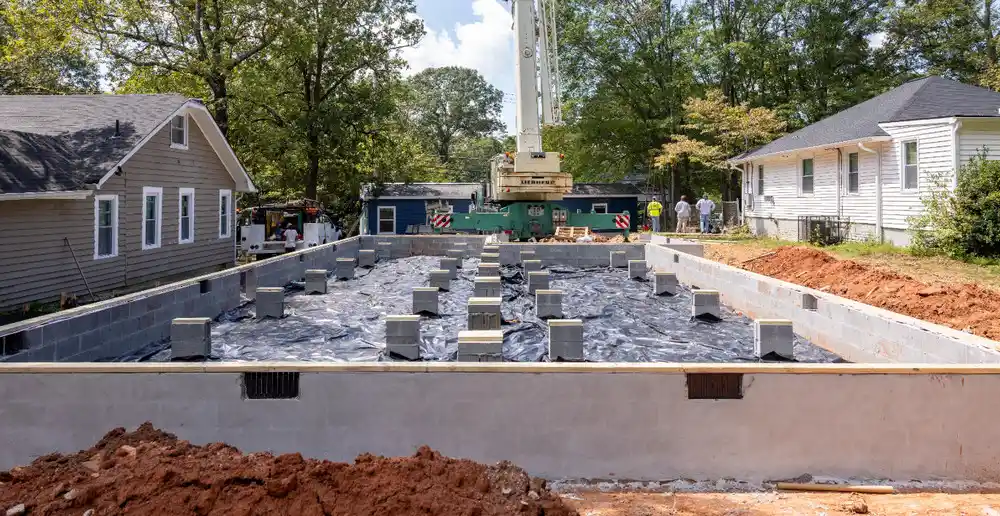
    runner foundation for mobile home

    How a Runner Foundation Is Installed

    The process is straightforward. Most licensed installers can complete it in just a few days.

    Here’s what happens:

    1. Workers clear and level the site
    2. They dig trenches for the runners
    3. Concrete is poured into forms along the trenches
    4. Steel or wood beams are placed above the runners
    5. The mobile home is moved in and placed on piers or blocks

    This setup gives your home a strong footing on both sides. Although the middle of the home is open, added blocks or footers can help support the center if needed.

    Since this method is simpler than full slabs or basements, it saves time and labor.

    Is a Runner Foundation Right for Every Mobile Home?

    Not every site will work well for a runner foundation. Before you choose this type, it helps to check:

    • Local building codes and zoning
    • Frost depth and soil stability
    • Slope and drainage of the lot
    • Size and type of your mobile home

    Runner foundations are more common in warmer states. In colder places, frost protection might require extra work. Still, even with added insulation or deeper trenches, it can be more affordable than full basements.

    Always talk with a local installer. They will check your soil and city codes to help you make the right choice.

    Common Materials Used in Runner Foundations

    Several materials go into a runner foundation for mobile home support. Each one plays an important role in keeping your home stable.

    These include:

    • Concrete – Used for the long runners, it forms the main structure
    • Steel – Rebar or mesh inside the concrete strengthens the runner
    • Wood or metal beams – Support the mobile home above the runners
    • Concrete blocks or piers – Used to support the beams and carry the weight

    With the right materials, your foundation will last for decades with little maintenance.

    Key Benefits of Mobile Homes on Runner Foundations

    This type of setup helps protect your mobile home in several ways. Here are more benefits:

    • Better air circulation under the home
    • Simpler plumbing and electrical access
    • Strong support in key areas
    • Lower risk of settling when done right

    Since air can move under the home, it helps prevent moisture problems. Plus, future repairs are easier because the area below is accessible.

    When to Consider Other Foundation Types

    While runner foundations work well in many places, some owners choose other options. These may include:

    • Full concrete slabs
    • Pier and beam setups
    • Basement or crawl space foundations

    You might need one of these if your area gets deep frost or if your lot has heavy clay soil. Still, most homeowners find a runner setup works just fine and meets all local codes.

    Long-Term Care for Runner Foundations

    Once your runner foundation is installed, very little work is needed to keep it in good shape.

    Here are a few simple tips:

    • Check for cracks or damage each year
    • Make sure drainage pulls water away from the runners
    • Look under the home after heavy storms
    • Avoid heavy machinery near the foundation

    If anything shifts or settles, a professional can make small adjustments. Since these changes are rare, many homeowners enjoy peace of mind.

    What to Ask Before Installation

    If you’re thinking about using a runner foundation for mobile home support, ask these questions first:

    • Will this setup meet local zoning rules?
    • Is my soil firm enough for concrete runners?
    • How long will the installation take?
    • Will this support my specific home size and weight?
    • How does pricing compare to other options?

    Asking early helps you avoid surprises later. It also helps you stay on budget.

    FAQ: Runner Foundation for Mobile Home

    1. What is a runner foundation?
      It’s two long concrete strips that support the weight of a mobile home.
    2. Is it cheaper than other foundations?
      Yes, it usually costs less than full slabs or basements.
    3. Can you use it in cold states?
      Yes, but it may need deeper runners and added insulation.
    4. How long does it take to install?
      Most crews finish in two to three days, depending on the weather.
    5. Does it support double-wide homes?
      Yes, with added center piers or supports.
    6. Is a permit needed to install one?
      Most cities require a permit. Check with your local office.
    7. How long does it last?
      Concrete runners can last 30 years or more with little care.
    8. Can you move the home later?
      Yes, homes on runners can be moved with the right equipment.
    9. Do I need skirting with a runner foundation?
      Skirting helps protect pipes and keeps animals out. It’s a smart choice.
    10. Can I add tie-downs to a runner foundation?
      Yes, tie-downs can be added for extra wind protection.

    If you are setting up a mobile home and want a solid, affordable base, a runner foundation may be the right pick. It works well with many soil types and helps keep your home stable year-round. For help with selling or setting up your mobile home, visit The Mobile Home Dealer.


    See Also:


  • Best Foundation for Your Manufactured Home: A Secure Base for Years to Come

    Manufactured homes, also known as mobile homes or prefabricated homes, offer a budget-friendly and customizable housing option. However, unlike traditional site-built homes with permanent foundations, manufactured homes require a specific foundation system for stability and safety. Choosing the best foundation for a manufactured home depends on several factors, including your location’s climate, soil conditions, and local building codes. This article will explore the most common foundation types for manufactured homes, their pros and cons, estimated costs, and considerations for Florida specifically.

    best foundation for a mobile home

    Foundation Options for Manufactured Homes

    There are three main foundation options for manufactured homes, each with its own advantages and disadvantages:

    • Pier and Beam Foundation: This is the most popular choice for manufactured homes due to its affordability, versatility, and resilience. It uses piers made of concrete, precast blocks, or treated lumber posts to support the home’s steel frame. Beams, typically constructed from steel or wood, connect the piers and create a level platform for the home. Pier and beam foundations are ideal for areas with expansive soils, potential flooding, or seismic activity.

    Estimated Cost:* $3,000 – $8,000+

    • Slab Foundation: A slab foundation is a flat concrete pad poured directly on a prepared gravel base. This foundation type is common for site-built homes and can also be used for manufactured homes, particularly in areas with stable soil conditions. Slab foundations offer a finished look and ease of access to plumbing and electrical beneath the home. However, they are less forgiving of shifting soils and may not be suitable for areas with freezing temperatures.

    Estimated Cost:* $4,000 – $10,000+

    • Runner Foundation: This foundation system utilizes continuous concrete or treated wood runners that run along the length of the home. The runners function as beams, distributing the weight of the home evenly. Runner foundations are a cost-effective option for flat lots with good drainage but may not be ideal for areas with expansive soils or high seismic activity.

    Estimated Cost:* $2,000 – $6,000+

    Additional Considerations:

    • Skirting: All manufactured home foundations require skirting to enclose the space beneath the home. Skirting protects the home’s underbelly from the elements, prevents pests, and contributes to a finished appearance. Skirting materials include vinyl, aluminum, concrete block, and insulated panels.

    • Local Building Codes: Always check with your local building department to ensure your chosen foundation system complies with all relevant codes and regulations.

    Best Foundation for Your Florida Mobile Home?

    Florida’s unique climate presents specific challenges when choosing a foundation for your manufactured home. The state experiences hot, humid summers, frequent heavy rain events, and the potential for hurricanes. Here’s how each foundation type fares in the Sunshine State:

    • Pier and Beam Foundation: The clear winner for Florida is the pier and beam foundation. Its elevated design allows for proper drainage during heavy rains and minimizes the risk of flooding. Additionally, the space beneath the home promotes air circulation and helps mitigate moisture issues common in Florida’s humid climate. Furthermore, the flexibility of pier and beam foundations can better handle potential ground movement during hurricanes compared to a slab foundation.

    • Slab Foundation: While slab foundations can work in some parts of Florida with stable soil, they are generally not recommended due to the risk of cracking from expansive soils and potential water issues during heavy rainfall.

    • Runner Foundation: Similar to slab foundations, runner foundations may not be the best choice for Florida due to their susceptibility to movement in expansive soils and their limited ability to promote drainage during heavy rains.

    Conclusion

    Choosing the best foundation for a manufactured home requires careful consideration of your location’s climate, soil conditions, and building codes. For Florida specifically, a pier and beam foundation offers the most advantages in terms of stability, drainage, and hurricane resilience. Remember, a secure foundation is crucial for the longevity and safety of your manufactured home. Consult with a qualified foundation contractor who can assess your specific needs and recommend the most appropriate foundation system for your Florida manufactured home.


    See Also:

  • What is a Mobile Home Concrete Runner Foundation?

    The foundation of any building is a crucial element that ensures stability, strength, and longevity. Among the various foundation types available for specific construction and mobile home scenarios, the concrete runner foundation has gained popularity. In this article, we will delve into what a concrete runner foundation is, its components and construction process, advantages, limitations, and why it might be the right choice for your new mobile home. So, let’s pour the facts!

    Understanding Foundations

    Foundations are the literal bedrock of a building. They distribute the weight of a structure evenly to the soil or bedrock beneath, ensuring that the building doesn’t settle unevenly or collapse. The right foundation type depends on various factors, including soil type, moisture content, building weight, and local climate.

    mobile home concrete runner
    Mobile home concrete runner foundation

    Defining the Concrete Runner Foundation

    A concrete runner foundation, often referred to as a grade beam foundation, is a type of foundation that consists of reinforced concrete beams supporting the walls of a structure. These beams run along the ground’s surface, which explains the name “runner.”

    In its basic form, a concrete runner foundation consists of two parallel concrete beams (runners) laid along the length of the building. If you imagine the building as a rectangle, like manufactured typical homes, these runners would typically be situated along the longer sides.

    Components and Construction

    Let’s break down the key components and construction process of a concrete runner foundation:

    1. Footings: Before the concrete runners are poured, footings are dug at intervals along the planned runner’s path. These footings are usually square or rectangular holes that go deeper than the frost line. This depth ensures stability during freeze-thaw cycles.
    2. Reinforcement: Steel rebar is used to reinforce the concrete, giving it added strength and preventing it from cracking under pressure. The rebar is strategically placed to provide maximum structural support.
    3. Pouring: Once the footings are dug and the reinforcements are in place, concrete is poured to form the runners. The depth and width of the runners can vary based on the structure’s size and weight. The concrete is typically of high quality to ensure durability.
    4. Wall Support: Once the runners have set and cured, they act as a solid support base for the structure’s walls. The even distribution of weight ensures that the building remains stable over time.

    Advantages of a Concrete Runner Foundation

    Concrete runner foundations offer several advantages that make them an attractive choice for various construction scenarios, including mobile homes:

    1. Cost-Effective: Concrete runners can be more cost-effective due to reduced materials and labor compared to other foundation types, such as full slab foundations.
    2. Versatility: These foundations are suitable for various soil types, including soils containing clay or sand with humus. Their design ensures an even distribution of weight, minimizing settlement issues.
    3. Flood Resistance: Elevating a building on a concrete runner foundation can be a wise choice for areas prone to flooding. This elevation can prevent water from making its way into the building or home during minor flood events.
    4. Ease of Installation: With fewer complexities involved in the process, installing a concrete runner foundation can be quicker than some other foundation types. This time and cost savings can be a significant advantage.

    Limitations and Considerations

    While concrete runner foundations offer many benefits, it’s important to be aware of their limitations and considerations:

    1. Insulation: Since concrete runner foundations elevate a building slightly, there is typically a gap between the ground and the structure. This space must be adequately insulated to prevent heat loss and maintain energy efficiency.
    2. Pest Control: This foundation type sometimes allows pests like rodents to take shelter underneath the structure. Periodic inspections and preventive measures are essential to avoid infestations.
    3. Not Ideal for Heavy Structures: For exceptionally heavy or multi-story structures, concrete runner foundations might not provide the required support, and a more robust foundation type might be necessary. However, in most cases, this won’t be a problem for mobile homes.

    Concrete Runner Foundations: Final Thoughts

    Concrete runner foundations offer a practical solution for many mobile homes and construction scenarios, blending cost-effectiveness with durability. However, like any construction decision, it’s crucial to consult with experts to determine if it fits your specific project needs. Whether you’re building a modest home or moving into a manufactured home, understanding the nuances of your chosen foundation can pave the way for a stable and long-lasting structure.

    When choosing a foundation type, it’s vital to consider your specific needs, the local environment, and the structural requirements of your building. A well-planned and executed concrete runner foundation can provide the stability and strength needed for your mobile home, ensuring it stands the test of time. So, before you embark on your construction journey, make sure to explore all your options and consult with professionals to make an informed decision about your building’s foundation. After all, a solid foundation is the first step towards a safe and comfortable home.

    See Also:

Reset password

Enter your email address and we will send you a link to change your password.

Get started with your account

to save your favourite homes and more

Sign up with email

Get started with your account

to save your favourite homes and more

By clicking the «SIGN UP» button you agree to the Terms of Use and Privacy Policy
Powered by Estatik