Tag: mobile home flooring replacement

  • Best Flooring Options for Mobile Homes in Humid Climates

    Choosing the right mobile home flooring in humid climates can be challenging. Moisture, heat, and constant temperature changes impact flooring materials’ durability. You can ensure your floors withstand the elements while looking great with the right choices. This guide will explore the best flooring options for mobile homes in high-humidity areas.

    Why Flooring Matters in Humid Climates

    Humidity impacts flooring materials differently. Some options swell or warp, while others resist moisture effectively. Selecting a moisture-resistant material is key for mobile homes, where temperature control may vary. You want a floor that balances durability, style, and maintenance with ease.

    Common problems caused by humidity include:

    • Warping: Wood or laminate can expand and buckle.
    • Mold and mildew: Moisture trapped beneath flooring encourages growth.
    • Stains or discoloration: High humidity can cause unsightly damage.

    Understanding these challenges helps you make better flooring decisions.

    right mobile home flooring

    Vinyl Flooring: A Top Choice for Humid Areas

    Vinyl flooring is a popular option for mobile homes in humid climates. It’s water-resistant and easy to maintain, ideal for moisture-prone areas.

    Advantages of vinyl flooring:

    • Affordable and widely available
    • Durable against wear and tear
    • Comes in various styles, including wood and tile looks

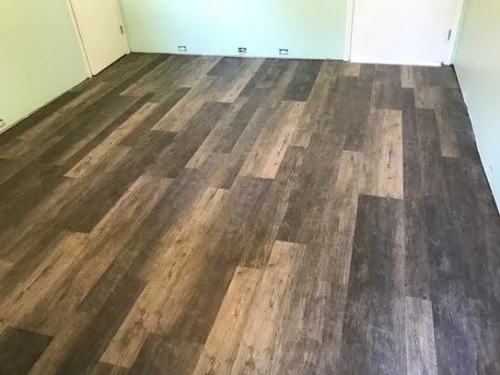
    Vinyl plank flooring is beautiful because it resembles hardwood without the moisture-related risks. Installation is simple, and its resistance to mold ensures long-term value.

    Tile Flooring: Durable and Stylish

    Tile is another excellent choice for mobile homes in humid climates. It resists moisture, heat, and heavy foot traffic.

    Benefits of tile flooring:

    • Long-lasting and strong
    • Stays cool, which helps in warm weather
    • Available in numerous colors and patterns

    Ceramic and porcelain tiles work best for humid areas. While tile can feel cold underfoot, adding rugs softens its look and feel. Ensure proper installation to prevent water from seeping between the tiles.

    Engineered Wood: A Realistic Hardwood Alternative

    If you love the look of hardwood but worry about humidity, engineered wood is a great compromise. It handles moisture better than solid wood and resists warping.

    Why choose engineered wood?

    • Mimics the look of traditional hardwood
    • More stable under humid conditions
    • Can be refinished for a fresh look

    While not fully waterproof, engineered wood performs better than natural hardwood in humid climates. Regular maintenance keeps it looking its best.

    Laminate Flooring: Budget-Friendly and Versatile

    Laminate flooring offers a cost-effective solution for mobile homes. Newer versions include water-resistant options that hold up better in high-moisture areas.

    Features of laminate flooring:

    • Affordable and stylish
    • Quick and easy to install
    • Available in a variety of finishes

    Always choose water-resistant or waterproof laminate for humid areas. Standard laminate may swell when exposed to excess moisture, so take care when cleaning.

    Carpet: Soft but Risky

    Carpet adds warmth and comfort but is not the best choice for humid climates. It absorbs moisture, leading to potential issues like mold, mildew, and odors.

    If you prefer carpet, limit it to areas with less humidity, such as bedrooms. Look for low-pile options that are easier to clean and dry quickly. Use dehumidifiers to keep the air and flooring dry.

    Waterproof Flooring: The Ultimate Solution

    Waterproof flooring provides peace of mind in humid climates. These materials include luxury vinyl, ceramic tile, and some engineered products.

    Why waterproof flooring stands out:

    • Protects against moisture damage
    • Low maintenance
    • Ideal for kitchens, bathrooms, and entryways

    When selecting waterproof options, check for durability and warranties. These floors often require minimal upkeep, making them a smart investment.

    Maintenance Tips for Mobile Home Flooring

    Proper care extends the life of your mobile home flooring. Follow these tips to keep your floors looking great in humid climates:

    1. Control indoor humidity: Use dehumidifiers or air conditioning to reduce moisture levels.
    2. Clean up spills quickly: Avoid letting water sit on the floor.
    3. Sweep and mop regularly: Keep dirt and debris from scratching the surface.
    4. Use rugs or mats: Protect high-traffic areas and absorb moisture near entrances.

    Routine maintenance prevents damage and ensures your flooring lasts longer.

    Factors to Consider When Choosing Flooring

    When selecting flooring for your mobile home, think about these factors:

    • Moisture resistance: Prioritize materials that can handle humidity.
    • Ease of installation: Choose flooring that fits your budget and DIY skills.
    • Style and comfort: Look for options that complement your home’s décor.
    • Durability: Invest in floors that can withstand daily wear and tear.

    Considering these elements, you’ll find the flooring that meets your needs and preferences.

    Pros and Cons of Popular Flooring Materials

    Here’s a quick comparison of popular flooring options for mobile homes:

    • Vinyl: Water-resistant, budget-friendly, and versatile, but may feel less natural.
    • Tile: Durable and moisture-proof, but can be cold and hard underfoot.
    • Engineered wood: Stylish and moisture-resistant but not waterproof.
    • Laminate: Affordable, easy to install, but vulnerable to swelling without waterproof options.
    • Carpet: Comfortable and warm but prone to moisture problems in humid areas.

    Choose the material that offers the best balance for your lifestyle.

    Budget-Friendly Flooring Options

    You don’t need to overspend to find quality flooring for your mobile home. Vinyl and laminate are cost-effective choices that perform well in humid climates. Look for sales or discounted materials at local stores. Buying in bulk can also save money.

    If you’re handy, installing flooring yourself reduces costs. Stick to materials designed for easy installation, like click-lock vinyl or laminate.

    Finding the Right Flooring for Mobile Homes

    Selecting the best mobile home flooring for humid climates requires careful thought. Vinyl, tile, and waterproof options offer the most durability and moisture resistance. Engineered wood and laminate provide style and affordability with proper maintenance. By weighing the pros and cons of each material, you can create a comfortable and long-lasting space in your mobile home.
    See Also:

  • Affordable Flooring Options for Mobile Homes

    When you live in a mobile home, choosing the right flooring is essential for style and functionality. The floor you select must be durable, easy to maintain, and affordable. Fortunately, several affordable flooring options for mobile homes can help you enhance the look of your space without breaking the bank. This guide explores the best flooring choices for mobile homes, focusing on budget-friendly options that offer great value.

    Factors to Consider When Choosing Flooring for Mobile Homes

    Before diving into specific flooring options, it’s essential to consider a few key factors:

    • Durability: Mobile homes often face shifting, which can affect flooring materials. Choose options that can withstand movement.
    • Moisture resistance: Mobile homes may face moisture-related issues, especially in humid areas like Florida. Flooring needs to handle humidity and spills.
    • Ease of installation: Some flooring types are easier to install than others. DIY-friendly options can save on installation costs.
    • Maintenance: Consider how easy it is to clean and maintain your flooring over time. Some materials require more care than others.

    affordable mobile home flooring

    1. Vinyl Flooring

    Vinyl flooring is one of the most popular choices for mobile homes due to its durability, affordability, and ease of maintenance. Vinyl can mimic the look of wood, tile, or stone, offering a variety of aesthetics without the hefty price tag.

    • Durability: Vinyl is highly resistant to wear, moisture, and stains, making it an excellent choice for high-traffic areas.
    • Variety of styles: Vinyl comes in many styles, including sheet vinyl, vinyl planks, and vinyl tiles, allowing you to choose a look that suits your home.
    • Easy to install: Vinyl planks and tiles, even for DIYers, are often easy to install.
    • Cost-effective: Vinyl flooring ranges from $1 to $5 per square foot.

    Pros:

    • Water and stain-resistant.
    • Available in many designs and colors.
    • Affordable and easy to install.

    Cons:

    • Can be scratched or dented if not properly maintained.
    • May not add as much value to your home as other flooring options.

    2. Laminate Flooring

    Laminate flooring is another budget-friendly option that can provide the look of wood or tile at a fraction of the cost. It’s a synthetic material that mimics the appearance of natural wood.

    • Affordability: Laminate flooring is one of the least expensive options, typically costing between $1 and $4 per square foot.
    • Easy to install: Many laminate flooring options feature a click-lock installation system, making them popular choices for DIY projects.
    • Durability: Laminate is durable and resistant to scratches, fading, and stains. It is an excellent choice for high-traffic areas.
    • Variety of styles: Laminate is available in various finishes, from hardwood to stone looks.

    Pros:

    • Durable and easy to clean.
    • Comes in various designs that mimic real wood or stone.
    • Affordable and cost-effective.

    Cons:

    • Not as water-resistant as vinyl, so it’s not ideal for wet areas like bathrooms.
    • Can be damaged by standing water or excessive moisture.

    3. Carpet

    Carpet is a classic flooring that provides warmth and comfort, especially in living rooms and bedrooms. It’s relatively affordable and available in various textures, colors, and pile heights.

    • Affordable: Depending on the material and quality, basic carpet options can cost as little as $1 to $3 per square foot.
    • Comfort: Carpet adds a soft, cozy feel to rooms, making it ideal for areas where you want to relax, like living rooms and bedrooms.
    • Variety: Carpets are available in various colors, patterns, and textures, so you can find something that matches your mobile home’s style.
    • Easy to replace: If damaged, individual carpet sections can be replaced without redoing the entire room.

    Pros:

    • Comfortable and warm underfoot.
    • Available in a wide range of colors and styles.
    • Relatively easy to replace or update.

    Cons:

    • Can stain easily and is difficult to clean.
    • Not ideal for high-moisture areas like bathrooms and kitchens.
    • Requires regular maintenance, including vacuuming and occasional deep cleaning.

    4. Ceramic or Porcelain Tile

    While ceramic and porcelain tiles are generally more expensive than other options, affordable versions are available, especially when you opt for smaller tiles or simpler designs.

    • Durability: Tiles are incredibly durable and can last many years if installed correctly.
    • Water resistance: Ceramic and porcelain tiles are water-resistant, ideal for kitchens, bathrooms, and other moisture-prone areas.
    • Easy to maintain: Tiles are easy to clean and require minimal maintenance over time.
    • Variety of options: Tiles come in various colors, patterns, and sizes, so you can create a custom look for your space.

    Pros:

    • Water-resistant and easy to clean.
    • Long-lasting and durable.
    • Ideal for kitchens and bathrooms.

    Cons:

    • Installation can be more expensive and complex.
    • Can be cold and hard underfoot unless paired with a radiant heating system.
    • Tiles can crack or chip if not handled carefully.

    5. Cork Flooring

    Cork flooring is a sustainable, eco-friendly option that offers comfort and style. It’s softer than wood or tile, making it comfortable for standing or walking for long periods.

    • Eco-friendly: Cork is a renewable resource, making it an environmentally friendly flooring choice.
    • Comfortable: Cork is soft and cushioned, providing a more relaxed feel underfoot than tile or laminate.
    • Noise reduction: Cork has excellent sound-absorbing qualities, making it ideal for mobile homes where noise can travel.
    • Affordable: Cork flooring is relatively inexpensive, ranging from $2 to $5 per square foot.

    Pros:

    • Soft and comfortable to walk on.
    • Eco-friendly and sustainable.
    • Good for noise reduction.

    Cons:

    • Can be damaged by sharp objects or heavy furniture.
    • Needs periodic sealing to protect it from moisture.
    • Not as widely available as other flooring types.

    6. Vinyl Sheet Flooring

    Vinyl sheet flooring is another affordable option for mobile homes, particularly in kitchens and bathrooms. It comes in large rolls and offers seamless installation.

    • Water-resistant: Vinyl sheet flooring is highly water-resistant, making it an ideal choice for areas exposed to moisture.
    • Affordable: Vinyl sheet flooring is one of the most budget-friendly options, with prices typically ranging from $1 to $3 per square foot.
    • Easy to maintain: Vinyl is easy to clean and maintain, requiring only regular sweeping and occasional mopping.
    • Variety of designs: Vinyl sheet flooring comes in many patterns and styles, allowing you to create your desired look.

    Pros:

    • Affordable and easy to install.
    • Water-resistant and easy to clean.
    • Comfortable and soft underfoot.

    Cons:

    • Can be prone to tearing or scratching over time.
    • Seams may become worn or damaged with heavy use.
    • Limited aesthetic appeal compared to more upscale flooring options.

    7. Bamboo Flooring

    Bamboo is a sustainable and affordable flooring option that offers a unique, natural look. It is becoming increasingly popular due to its durability and eco-friendliness.

    • Durability: Bamboo is strong and durable, providing long-lasting performance in your mobile home.
    • Eco-friendly: Bamboo is a renewable resource, making it an environmentally friendly option for homeowners.
    • Variety: Bamboo comes in various styles and finishes, allowing you to choose a look that fits your home.
    • Affordability: Bamboo flooring is affordable, ranging from $2 to $6 per square foot.

    Pros:

    • Strong, durable, and eco-friendly.
    • Attractive natural look.
    • Easy to maintain and clean.

    Cons:

    • Can be scratched or dented easily.
    • Not ideal for high-moisture areas unless properly sealed.
    • Installation can be challenging for DIYers.

    Conclusion

    When choosing flooring for your mobile home, it’s important to consider both budget and functionality. The options listed here provide a variety of styles, durability levels, and price points to suit any home. Whether you’re looking for the water resistance of vinyl, the comfort of carpet, or the eco-friendly benefits of cork, there is a flooring solution that will meet your needs. By selecting the right material for your space and lifestyle, you can enhance your mobile home’s aesthetic and value while keeping costs low.


    See Also:

  • Best Flooring Options for Mobile Homes

    Mobile homes, also known as manufactured homes, offer many people a comfortable and affordable living option. However, due to their unique construction, specific considerations arise when it comes to renovations. Flooring is a prime example. Unlike traditional stick-built houses, mobile homes have weight restrictions and subfloors that might not handle certain materials. So, what’s the best flooring for a mobile home?

    This guide dives deep into the top flooring choices for mobile homes, considering factors like weight, moisture resistance, durability, and budget. We’ll also explore installation considerations and offer valuable tips to help you select the perfect floor for your mobile sanctuary.

    Understanding Mobile Home Subfloors

    Mobile homes typically have subfloors made from plywood or oriented strand board (OSB). These subfloors are designed to be lightweight and flexible, allowing the home to adapt to uneven terrain. However, this flexibility also means they might not be suitable for heavy materials like natural stone tiles.

    best flooring for a mobile home
    Mobile home flooring

    Critical Considerations for Mobile Home Flooring

    • Weight: Mobile homes have weight limitations. Opt for lightweight flooring materials to avoid putting undue stress on the structure.
    • Moisture Resistance: Mobile homes are susceptible to moisture issues from plumbing leaks or condensation. Choose materials that resist moisture damage, like vinyl or engineered wood.
    • Durability: Consider the amount of foot traffic each area gets. High-traffic areas require more durable flooring like laminate or luxury vinyl plank (LVP).
    • Installation: Mobile home flooring installations often require specific techniques. Think about your DIY skills or if you’ll hire a professional.
    • Budget: Flooring materials come in a wide range of price points. Determine your budget beforehand to narrow down your options.

    Top Flooring Choices for Mobile Homes

    1. Luxury Vinyl Plank (LVP): LVP is a top contender for mobile homes. It offers exceptional durability, mimicking the look of hardwood or stone at a fraction of the weight and cost. LVP is also water-resistant, easy to clean, and comes in a vast array of styles. Installation is generally a breeze using a click-lock system.
    2. Engineered Hardwood: Engineered hardwood provides the warmth and beauty of real wood with better moisture resistance than solid hardwood. Its multi-layered construction makes it more stable and less prone to warping or buckling, ideal for mobile home subfloors. Engineered hardwood offers a floating installation method, eliminating the need for glue or nails.
    3. Sheet Vinyl: A classic and budget-friendly choice, sheet vinyl is known for its affordability and ease of installation. It’s waterproof, making it perfect for kitchens, bathrooms, and laundry rooms. However, sheet vinyl may not be as durable as LVP or engineered hardwood and can show wear and tear more easily in high-traffic areas.
    4. Laminate: Laminate offers a beautiful wood-look finish at a reasonable price point. It’s relatively durable, scratch-resistant, and easy to maintain. However, laminate can be susceptible to moisture damage if seams aren’t properly sealed.  It’s also less comfortable underfoot than some other options.
    5. Carpet: Due to moisture concerns, carpet is not the most popular choice for mobile homes. However, it can still be a viable option for bedrooms or low-traffic areas. Choose moisture-resistant padding and ensure proper ventilation to prevent mold growth. Opt for short-pile carpets that are easier to clean and maintain.

    Additional Considerations

    • Transition Strips: Use transition strips to create a smooth and finished look when transitioning between different flooring types. Choose low-profile strips to avoid adding unnecessary weight.
    • Underlayment: For added comfort and soundproofing, consider using an underlayment pad beneath your chosen flooring, especially for laminate or LVP. Ensure the underlayment is compatible with your flooring material and suitable for mobile homes.
    • Existing Flooring Removal: If you’re replacing existing flooring, be mindful of the weight limitations and choose a disposal method that won’t damage the subfloor. Consult a professional if necessary.

    Beyond the Basics: Style and Design

    Once you’ve chosen your flooring material, consider the aesthetics. Explore the vast array of colors, patterns, and textures in each category. Here are some design tips:

    • Light and Bright: Lighter-colored floors create a sense of spaciousness, which is desirable in mobile homes.
    • Open Floor Plan: If your mobile home has an open floor plan, consider using the same flooring throughout to create a cohesive flow.
    • Area Rugs: Area rugs can add pops of color, define specific areas, and protect high-traffic zones.
    • Personalize: Don’t be afraid to personalize your space! Choose flooring that reflects your style and complements your décor.

    Conclusion

    Finding the best flooring for your mobile home doesn‘t require a one-size-fits-all approach. You can make an informed decision by understanding their unique characteristics and considering the factors discussed above.


    See Also:

  • Your Sarasota Florida Mobile Home Flooring System Explained!

    As any Buyer or Seller of a Sarasota Florida mobile home knows, the structural components of a mobile home are quite a bit different than that of a single-family home.

    One of the main differences between a single-family home and a mobile home is that of the flooring system.

    Most mobile home flooring systems consist of two parts:

    1. The Over Flooring
    2. The Sub Flooring

    The over-flooring can be laminate, carpet, tile, or wood.

    Laminate

    The laminated floor is one of the most affordable options in the market, as well as one of the easiest to clean. Drinks and spilled foods can be easily cleaned without leaving evidence. Most laminated floors are made to resemble wood with different designs and colors to choose from.

    Bay Indies-Venice Florida
    Bay Indies-Venice Florida

    Carpet

    Quality carpets that are installed correctly can last more than 15 years before they need to be replaced, as long as you take the necessary care. You can find carpets from different fibers such as acrylic, wool, polyester, and nylon. You can also find both long and short carpet lengths to adapt to the needs of your room.

    The carpet usually comes in a colored rainbow with a price range that varies from around  $1 per square foot (0.09 m2) to more than $5 per square foot (0.09 m2). The carpets can be stained and the dirt can be put between the fibers, so passing the vacuum cleaner and the steam cleaners on a regular basis is necessary.

    Tile

    The tile is another easy-to-clean floor option ideal for mobile homes that see a large amount of traffic on foot. From flat tiles to elaborate designs and colors, there is always an adequate option for each room in the house. While it consumes a lot of time, they can easily be installed by a single person if necessary. You can expect to pay around $10 per square foot (0.09 m2).

    Hardwood

    Hardwood can withstand spills better than other options for floors such as carpets but is susceptible to scratches with intensive use. Most wood floors are dyed for the color chosen by the owner, but some people prefer to paint their wooden floors with colors that coincide with those in the room. Wood floors vary in price from $10 to more than US $20 per square foot (0.09 m2).

    This is the portion of the flooring that one will see and be walking on as they live in their Sarasota Florida mobile home. All of this flooring can be used interchangeably between that a mobile home and a single-family home.

    The subflooring is where a mobile home and a single-family home begin to differ quite a bit.

    A subflooring system is what is between the over-flooring that one walks on and sees on a daily basis and the physical concrete pad that the home is built on.

    In a single-family home, this is usually concrete or some type of material similar to this when the home is located within the Sarasota Florida area.

    With a mobile in the Sarasota Florida area, this subflooring system is usually particle board or 3/4 inch plywood both of which will be nailed into either 2X8 or 2X6 boards that create the box the floor sits on.

    Particle board is exactly what it sounds like, different wood particles that are glued together at a factory to make a solid wood composite style flooring. This type of subflooring is what normally comes from the factory in mobile homes as the base of the subfloor system.

    Particle board has the tendency to break apart when it gets wet and will cause what is known as “soft spots” in a flooring system.

    Soft spots are when the particle board begins to sag and, if not treated correctly, can lead to gaping holes in the flooring system that are dangerous to walk on and can lead to injury.

    Most mobile home subfloors that are installed with particle board can last anywhere between 10-30 years depending on how wet the underbelly of the home gets and how well the floor of the home is maintained by the owner.

    Buckingham Club-Sarasota Florida
    For sale mobile home in Florida

    Eventually, the subfloor of the home will either need to be patched in order to fix the soft spots provided by the particle board or completely replaced with the 3/4 inch thick plywood.

    The plywood option is one that is much more expensive than particle board but will hold up much better over time than a particle board subfloor.

    When a subflooring system needs to be replaced due to soft spots or other issues rarely do the supporting beams of the subflooring need to be replaced as well as the 2X8 or 2X6 are usually in good shape and can be reused if the subflooring is replaced.

    Although replacing subflooring can be a more expensive repair it is always suggested that it be done before the subflooring of your Sarasota Florida mobile home is too far gone as if this repair is not tended to quickly it may lead to injury when falling through the flooring system of your mobile home!

    You can install many of the floor coverings in a mobile home floor that you could put in an average fixed house. Some options for less flexible floors, such as ceramics, may require cement reinforcements in plywood and agglomerate wood soils before they can be installed, and in some cases, the carpet has to be cut away from the walls of a mobile home before it is installed on the floor with a simple adjustment. In case of doubt, it is best to contact a professional to know what needs to be done to prepare the area correctly for your new floor.

    This is Mark Kaiser with The Mobile Home Dealer and we help mobile home Buyers and Sellers get to a better place in life.

    See Also:

Reset password

Enter your email address and we will send you a link to change your password.

Get started with your account

to save your favourite homes and more

Sign up with email

Get started with your account

to save your favourite homes and more

By clicking the «SIGN UP» button you agree to the Terms of Use and Privacy Policy
Powered by Estatik