Mobile homes, often referred to as manufactured homes, are an affordable housing option that appeals to many individuals and families in Florida. However, one of the primary concerns for mobile homeowners is depreciation. Unlike traditional homes that tend to appreciate over time, mobile homes often face depreciation due to various factors. In this article, we will explore strategies to slow down depreciation and maintain or even increase the value of your mobile home in Florida.
Understanding Mobile Home Depreciation
Before diving into maintenance strategies, it’s crucial to understand what depreciation is and why it affects mobile homes more than traditional homes.
What is Depreciation?
Depreciation refers to the decrease in the value of an asset over time, often due to wear and tear, aging, or obsolescence. For mobile homes, several factors contribute to depreciation:
- Location: The neighborhood’s desirability can impact the home’s value.
- Condition: The overall condition of the mobile home, including structural integrity and aesthetics, plays a significant role.
- Market Trends: Economic factors and trends in the real estate market can influence property values.
Why Do Mobile Homes Depreciate Faster?
- Manufacturing Perception: Mobile homes are often viewed as less desirable than traditional homes, leading to lower market values.
- Financing Challenges: Financing options for mobile homes can be limited, impacting resale value.
- Land Ownership: Many mobile homes are placed in mobile home parks where land ownership differs from traditional homeownership.
Despite these challenges, there are proactive steps you can take to maintain or increase the value of your mobile home.
Tips to Maintain and Increase Your Mobile Home’s Value
1. Regular Maintenance and Repairs
Keeping your mobile home in good condition is the first step in slowing depreciation. Regular maintenance not only preserves the home’s aesthetics but also ensures its structural integrity.
- Inspect the Roof: Regularly check for leaks, damages, or signs of wear. A well-maintained roof can prevent significant issues down the line.
- HVAC System Maintenance: Schedule annual inspections and cleanings for your heating and cooling systems to ensure they operate efficiently.
- Plumbing and Electrical Checks: Regularly inspect plumbing and electrical systems to identify and fix issues early.
2. Enhance Curb Appeal
First impressions matter, especially in real estate. Enhancing the curb appeal of your mobile home can significantly impact its perceived value.
- Landscaping: Maintain a neat lawn, plant flowers, and trim shrubs to create an inviting exterior.
- Exterior Upgrades: Consider repainting or updating the siding. New paint or upgraded materials can give your home a fresh look and protect it from the elements.
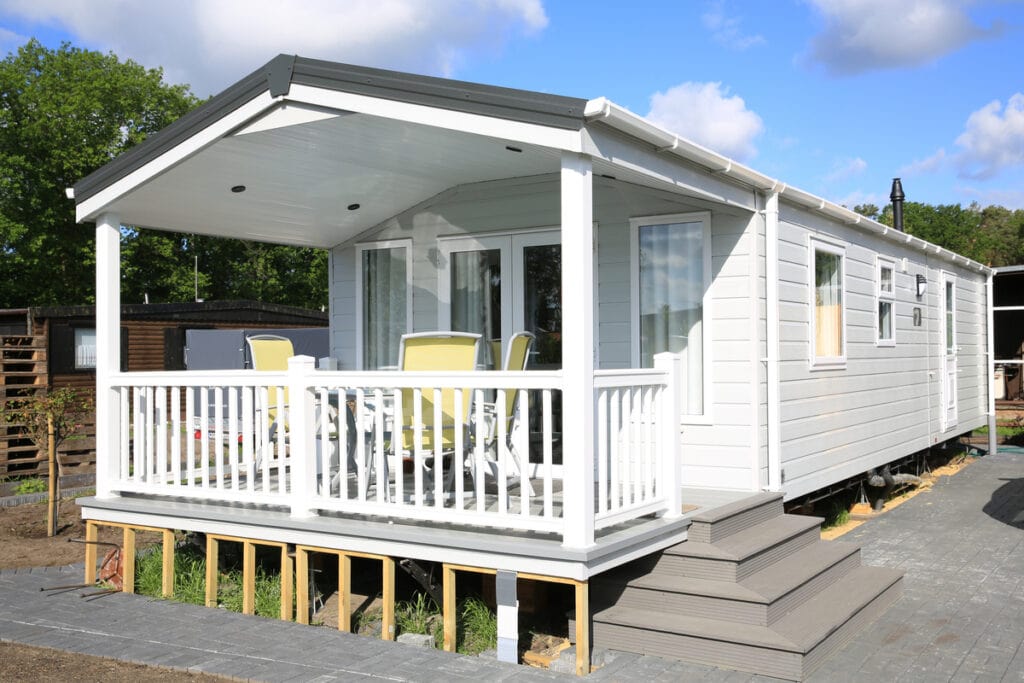
- Porches and Decks: Adding or maintaining a porch or deck can enhance outdoor living space and increase property appeal.
3. Interior Updates
Updating the interior of your mobile home can also contribute to its value. Focus on modernizing key areas to attract potential buyers or renters.
- Kitchen Remodels: Upgrading appliances, cabinets, and countertops can significantly boost your home’s value.
- Bathroom Improvements: Simple fixes like new fixtures, paint, or flooring can make a big difference.
- Flooring Upgrades: Consider replacing worn-out carpets with laminate or vinyl flooring, which can offer a more modern look and durability.
4. Energy Efficiency Improvements
Energy-efficient upgrades can appeal to environmentally conscious buyers while also reducing utility bills. These improvements can make your mobile home more desirable in the market.
- Insulation: Proper insulation can significantly reduce heating and cooling costs. Inspect and upgrade insulation in walls, ceilings, and floors as needed.
- Energy-Efficient Windows: Replacing old windows with energy-efficient ones can improve comfort and reduce energy costs.
- Solar Panels: Installing solar panels can increase the home’s value and attract buyers looking for sustainable living options.
5. Know Your Market
Understanding the local real estate market is essential for making informed decisions about your mobile home. Keeping abreast of trends and market conditions can help you position your home effectively.
- Monitor Comparable Sales: Track the sale prices of similar mobile homes in your area to gauge your home’s market value.
- Engage with Local Real Estate Agents: Work with agents who specialize in mobile home sales to gain insights into market conditions and trends.
6. Proper Insurance Coverage
Having the right insurance coverage can protect your investment and ensure that you can recover financially from potential damages. Consider the following:
- Comprehensive Insurance Policies: Invest in comprehensive insurance that covers not just the mobile home but also personal belongings and liability.
- Regular Policy Reviews: Periodically review your insurance policy to ensure it aligns with your home’s current value and condition.
7. Choose the Right Mobile Home Park
If your mobile home is located in a park, the park’s quality and management can affect your home’s value.
- Research Parks: Before moving into a mobile home park, research the park’s reputation, amenities, and management. Well-maintained parks tend to have higher property values.
- Community Involvement: Participate in park activities and meetings to foster a sense of community and keep up with improvements or changes that could impact your home’s value.
8. Renovation and Upgrading
Strategic renovations can lead to a significant increase in value. Consider larger projects that can enhance your home’s marketability:
- Additions: If space allows, consider adding rooms or extending existing spaces to increase square footage.
- Outdoor Features: Installing a patio, shed, or fencing can enhance outdoor living and appeal.
9. Stay Organized with Documentation
Keep thorough records of all maintenance, upgrades, and repairs performed on your mobile home. This documentation can be beneficial when selling your home, as it shows potential buyers the care and attention you’ve given it.
10. Be Mindful of Depreciation Trends
Lastly, stay informed about the overall trends in mobile home values and depreciation. Awareness of economic shifts, interest rates, and housing demands can help you make proactive decisions about your mobile home.
Conclusion
While mobile homes in Florida face unique challenges related to depreciation, homeowners can take proactive steps to maintain and even increase their value. By focusing on regular maintenance, enhancing curb appeal, making strategic interior and exterior upgrades, and staying informed about the local market, you can ensure your mobile home remains a valuable investment for years to come. Ultimately, the effort you put into your mobile home will pay off when it comes time to sell or rent, allowing you to enjoy the benefits of homeownership in the Sunshine State.
See Also:
- How to Rent a Mobile Home in Florida: What Tenants and Landlords Need to Know
- Mobile Home Amenities to Look For in Florida: What Adds Value and Comfort?
- Can You Upgrade a Mobile Home to Feel Like a Traditional House?
- The Future of Mobile Homes in Florida: Trends to Watch in 2024 and Beyond
- How to Avoid Common Pitfalls When Selling Your Mobile Home in Florida

