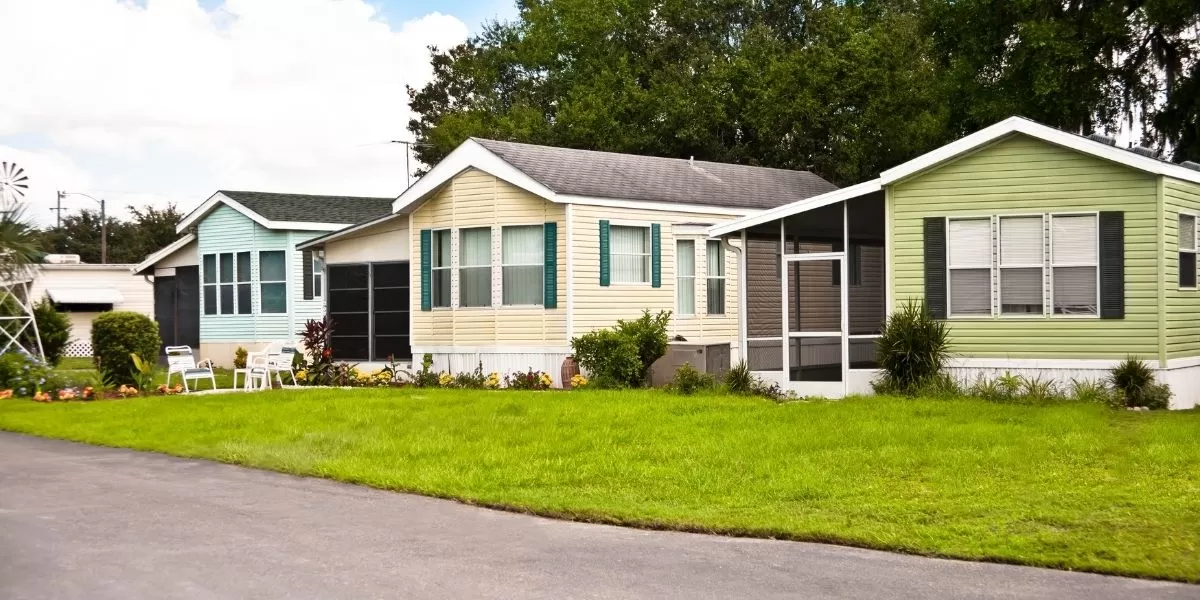
Choosing the right mobile home type can make your living experience more comfortable and budget-friendly. Whether you’re downsizing or buying your first home, mobile homes offer flexibility and value.
The key is knowing which mobile home type fits your needs best. Let’s explore the options and help you decide with confidence.
Why Mobile Homes Are a Smart Housing Option
Mobile homes are affordable, modern, and available in different sizes. They are built in factories and then placed on land you rent or own. This gives you control over your living setup and helps you save money compared to traditional housing.
Many buyers prefer mobile homes because:
They are quicker to build and move into.
You can choose from different layouts.
They are available at a range of prices.
Maintenance is usually easier and cheaper.
If you’re considering this path, picking the right mobile home type is the next important step.
What Are the Main Mobile Home Types?
There are several common types of mobile homes, each with unique features. The right choice depends on how much space you need and how long you plan to stay.
Let’s break them down:
Single-Wide Mobile Homes
Single-wide homes are compact and efficient. They are usually 18 feet wide or less and up to 90 feet long.
Benefits include:
Lower price tag
Faster setup time
Less land needed
These homes are perfect for individuals or small families. If you want a smaller footprint and less upkeep, this mobile home type might be ideal.
Double-Wide Mobile Homes
Double-wides are made by joining two sections on-site. They usually offer over 1,000 square feet of space.
Highlights:
More room for bedrooms, kitchens, and living areas
Better resale value
A more traditional house feel
They suit growing families or anyone wanting extra space without paying for a full-size house.
Triple-Wide and Multi-Wide Mobile Homes
These homes are built from three or more sections and often exceed 2,000 square feet.
You’ll get:
More layout options
Larger kitchens and bathrooms
A spacious, home-like feel
If space is a top priority, this type can rival traditional homes in comfort and design.
Modular Homes
Modular homes are factory-built like mobile homes but follow local building codes and sit on permanent foundations.
Key features:
Custom layouts
More long-term stability
Can look identical to site-built homes
They work well for buyers who want something more permanent but still affordable.
Which Mobile Home Type Matches Your Lifestyle?
Your living style and goals help decide the best mobile home type.
Ask yourself:
Will you live alone, with a partner, or with family?
Do you need extra space for hobbies or work?
Is this a long-term home or a short-term solution?
Do you own land, or will you rent in a mobile home park?
By answering these, you’ll better understand what layout and features are right for you.
Top Things to Consider Before You Decide
To make a smart choice, keep these factors in mind:
1. Budget
Can you afford the home and lot rent?
Are you ready for maintenance, utility, and insurance costs?
2. Size Needs
How many people will live in the home?
Do you need two bathrooms or a home office?
3. Location
Will your mobile home sit on private land or in a park?
Are you close to work, schools, or stores?
4. Long-Term Plans
Do you plan to stay for years?
Will you need more room down the line?
Quick Comparison: Mobile Home Types
Feature
Single-Wide
Double-Wide
Triple-Wide
Modular
Avg. Sq. Ft.
600–1,000
1,000–1,600
1,600–2,400+
1,200–2,500+
Bedrooms
1–2
2–3
3–5
2–5
Setup Speed
Fast
Medium
Slower
Slowest
Foundation
Pier or slab
Pier or slab
Pier or slab
Permanent
Custom Design
Limited
Moderate
High
Very high
Pros of Choosing a Mobile Home
Here are some great reasons to pick a mobile home:
Affordable pricing
Quick setup
Flexible locations
Low maintenance needs
Many layout choices
How to Pick the Right Mobile Home Type
Use these tips:
Make a checklist of your space and budget needs.
Visit homes in person to compare layouts.
Talk to dealers to learn about features and prices.
Plan ahead for future needs like kids or home offices.
Each mobile home type has its own strengths. Knowing what matters most to you will help you make a good decision.
FAQ: Choosing the Best Mobile Home Type
What is the most affordable mobile home type? Single-wide homes are the cheapest to buy and set up.
Which mobile home type offers the most space? Triple-wide homes provide the largest living space.
Are modular homes considered mobile homes? No. Modular homes follow local building codes and sit on permanent foundations.
Can I put a mobile home on my own land? Yes, if zoning laws allow it.
Do mobile homes hold their value? Double-wides and modular homes often keep their value better than single-wides.
How long do mobile homes last? With care, mobile homes can last 30 years or more.
Can mobile homes be customized? Modular and triple-wide homes often offer customization.
Is it cheaper to live in a mobile home park? Yes, lot rent is usually lower than a mortgage or apartment rent.
Can mobile homes be moved later? Some can, but it’s expensive and not always recommended.
Do mobile homes come with warranties? New mobile homes often include a limited warranty for parts and structure.
Start Your Search with The Mobile Home Dealer
At The Mobile Home Dealer, we offer all types of mobile homes to match your lifestyle and budget. Whether you need a small single-wide or a full-sized modular home, we’re here to help you find the right fit.
Ready to discover your perfect mobile home type? Visit The Mobile Home Dealer and explore the options waiting for you today.
Mobile homes, often referred to as manufactured homes or trailers, have long been associated with a specific population segment. However, in recent years, there has been a shift in the demographics of mobile home residents. An increasing number of people from all walks of life choose mobile homes as affordable and flexible housing options.
This trend is being driven by several factors, including the rising cost of traditional housing, the growing popularity of minimalism and tiny living, and the increasing availability of high-quality manufactured homes. Mobile homes offer several advantages over traditional housing, including affordability, lower maintenance costs, and a sense of community.
Challenges Faced by Mobile Home Residents
However, mobile home ownership also comes with its own set of challenges. One of the biggest challenges is that mobile homes are often located in manufactured housing communities, also known as trailer parks. Private landlords typically own these communities and can raise rents at will. This can make it difficult for residents to budget for their housing costs and lead to instability.
In addition, manufactured housing communities are often located in less desirable areas, with limited access to amenities and services. They may also be more susceptible to flooding and other natural disasters.
The Rise of Resident-Owned Communities
In response to these challenges, some mobile home residents are taking matters into their own hands. They are forming cooperatives to buy their communities from the landlords. This gives them more control over their housing costs and the management of their community.
Resident-owned communities (ROC) are manufactured housing communities in which the residents own the land on which their homes are located. This gives residents a greater sense of stability and security, as they are no longer at the mercy of a landlord who can raise rents at will.
How One Community Became a Resident-Owned Community
One example of a successful ROC is the Pinewood Cooperative in Park Rapids, Minnesota. The Pinewood community was facing a rent increase of 25% when the residents decided to band together to buy the community from the landlord.
The residents were able to secure financing for the purchase with the help of a non-profit organization. They also worked together to develop a plan for managing the community, which included setting up a board of directors and establishing rules and regulations.
The Pinewood Cooperative is now a thriving community with a strong sense of ownership and pride. The residents have kept their housing costs stable and have made several improvements to the community, such as adding a playground and a community center.
The Benefits of Resident-Owned Communities
Living in a resident-owned community has several benefits. First, residents have more control over their housing costs. ROCs are typically governed by a board of directors elected by the residents. The board is responsible for setting the rent, typically lower than that in a landlord-owned community.
Second, ROCs tend to be better-maintained communities. Residents are vested in maintaining their community, as it is their property. This can lead to a higher quality of life for all residents.
Third, ROCs can foster a stronger sense of community. Residents who own their homes are more likely to be invested in and proud of their community, which can lead to a more cohesive and supportive community environment.
The Future of Mobile Home Ownership
The rise of resident-owned communities is a positive development for the mobile home industry. It gives mobile home residents more control over their housing costs and communities. As more and more communities become resident-owned, mobile homes will likely become an even more attractive housing option for people of all income levels.
Additional Considerations
While mobile home ownership can be an excellent option for many people, it is important to consider all the factors involved before deciding. Some things to consider include the cost of the mobile home itself, the cost of lot rent, the quality of the manufactured housing community, and the availability of amenities and services.
However, for those willing to consider these factors, mobile home ownership can be a great way to achieve the dream of homeownership. Mobile homes offer several advantages over traditional housing, including affordability, lower maintenance costs, and a sense of community. With the rise of resident-owned communities, mobile homes will likely become an even more attractive housing option for people of all income levels.
Manufactured homes, often called mobile homes, have recently gained significant popularity. They offer a compelling combination of affordability, comfort, and modern features. However, a common question lingers in the minds of potential buyers – are manufactured homes durable?
This question stems from historical perceptions of mobile homes being less substantial than traditional site-built houses. However, the reality is far more nuanced. Modern manufactured homes are built with strict regulations and high-quality materials, making them surprisingly durable dwellings. Let’s delve deeper into this topic, debunking myths and highlighting the strengths of manufactured homes in terms of durability.
Dispelling the Myths: Why Manufactured Homes Get a Bad Rap
The perception of manufactured homes as less durable likely stems from a few factors:
Historical Association: Early mobile homes, built before the 1970s, often used less robust construction methods and materials. These older models might not have withstood the test of time as well as their modern counterparts.
Focus on Affordability: Mobile homes are frequently marketed as affordable, leading some to assume a trade-off in quality and durability.
Misconceptions About Building Materials: There’s a misconception that manufactured homes are built with flimsy materials. Modern manufactured homes utilize high-quality building materials like steel framing, engineered wood products, and durable siding options.
These factors have contributed to the lingering perception that manufactured homes are less durable than traditional houses. However, reality paints a different picture.
The Durability of Modern Manufactured Homes
Modern manufactured homes are built to last. Here’s what contributes to their durability:
Strict Regulations: Since 1976, all manufactured homes in the United States must comply with the Department of Housing and Urban Development (HUD) code. This code ensures homes meet specific safety and construction standards related to structural integrity, wind resistance, fire safety, and energy efficiency.
Quality Materials: Modern manufactured homes utilize high-quality building materials like steel frames, engineered wood products, and durable siding options. These materials are chosen for their strength, ability to withstand weather elements, and resistance to fire and pests.
Controlled Manufacturing Environment: Manufactured homes are built in controlled factory settings. This reduces exposure to weather elements during construction and allows for consistent quality control throughout the process.
Modern Construction Techniques: Modern manufactured homes employ advanced construction techniques that enhance their structural integrity. Techniques like floor trusses and strong roof systems contribute to a robust structure.
Durability in Action:
Studies have shown that properly maintained manufactured homes can last for several decades. The Manufactured Housing Institute (MHI) cites an average lifespan of 55.8 years for manufactured homes. However, with proper care and maintenance, some well-built manufactured homes have been known to last even longer.
Factors Affecting the Durability of Manufactured Homes
While modern manufactured homes are built to last, several factors can influence their lifespan:
Quality of Construction: The quality of construction plays a crucial role. Homes built by reputable manufacturers who are committed to quality materials and workmanship are likely to be more durable.
Maintenance: Regular maintenance is essential for maximizing a home’s lifespan. This includes inspecting the roof, foundation, and anchoring system for signs of damage and addressing them promptly.
Climate and Location: Homes located in areas with harsh weather conditions, such as strong winds, heavy snowfall, or extreme temperatures, may require additional maintenance or specific design features to ensure durability.
Site Preparation and Installation: Proper site preparation and a well-installed foundation are crucial for the long-term stability of a manufactured home.
Maximizing the Durability of Your Manufactured Home
If you’re considering a manufactured home, here are some tips to ensure its longevity:
Choose a Reputable Manufacturer: Research and select a manufacturer known for high-quality construction and adherence to HUD codes.
Invest in a Proper Foundation: A well-constructed foundation is essential for your home’s stability and long-term durability.
Prioritize Regular Maintenance: Regularly inspect the roof, foundation, anchoring, plumbing, and electrical systems. Address any issues promptly.
Consider Weather Conditions: If you live in an area with harsh weather, choose a home designed for those conditions or consider additional weatherization measures.
By following these tips, you can ensure your manufactured home provides a safe and comfortable living space for many years.
Manufactured Homes vs. Site-Built Homes: A Durability Comparison
While both manufactured homes and site-built homes can be durable dwellings, there are some key differences to consider:
Construction Process (continued): Site-built homes face exposure to the elements during construction, which can introduce potential inconsistencies.
Susceptibility to Damage: Manufactured homes, due to their transportable nature, might be slightly more susceptible to foundation issues if not properly installed. With their permanent foundations, site-built homes are less prone to such issues.
Maintenance Needs: Both types of homes require maintenance. However, manufactured homes may require slightly less maintenance due to their controlled environment during construction and the use of prefabricated components.
Ultimately, the durability of both manufactured and site-built homes depends on various factors like construction quality, maintenance practices, and environmental factors. Both types can offer a long lifespan when built and maintained properly.
Beyond Durability: Additional Considerations for Manufactured Homes
While durability is crucial, it’s not the only consideration when choosing a home. Here are some additional points to keep in mind:
Financing: Manufactured homes are often easier to finance than site-built homes due to lower purchase prices and the potential for land-lease agreements.
Appreciation: While site-built homes generally appreciate in value over time, some well-maintained manufactured homes in desirable locations can also experience value appreciation.
Customization: Modern manufactured homes offer a surprising degree of customization options, allowing you to personalize your living space.
Resale Potential: While the resale market for manufactured homes might differ slightly from site-built homes, properly maintained manufactured homes in desirable locations can still attract buyers.
Conclusion: Durability and Beyond
Modern manufactured homes are surprisingly durable dwellings built with high-quality materials and strict regulations. By choosing a reputable manufacturer, investing in a proper foundation, and prioritizing regular maintenance, you can ensure your manufactured home provides a safe and comfortable haven for decades.
The decision between a manufactured or site-built home ultimately depends on your individual needs, priorities, and budget. Consider factors like durability, affordability, financing options, and your desired lifestyle when making your choice.
Manufactured homes offer a compelling alternative for those seeking an affordable, comfortable, and surprisingly durable living space. By understanding the facts and dispelling common myths, you can make an informed decision about whether a manufactured home is the right choice for you.
Have you ever wondered what the cost benefits of a manufactured home might be? There are many misconceptions about mobile homes, with many people believing them to be expensive investments that don’t offer the same amenities as single-family homes. However, you may be surprised to find out that manufactured homes can be more affordable than you think.
In this article, we’ll explore the cost benefits of mobile homes and why they may be the more affordable and viable option when it comes to housing. Specifically, we’ll discuss the price savings between manufactured homes and single-family homes, the advantages of manufactured homes, and why mobile homes can be a great option for those looking for a home.
Price Savings on Mobile Homes vs Single-Family Traditional Homes
Manufactured homes are typically constructed with energy-efficient materials that help reduce heating and cooling costs.
Manufactured homes are a great option for those looking for a more affordable living space. They are constructed with energy-efficient materials that help reduce heating and cooling costs, making them a more economical choice than traditional homes.
Mobile homes are built in factories and shipped to their intended location as prefabricated units. This helps reduce the time and labor it takes to construct a traditional home, which saves money and reduces waste. In addition, they are often designed with energy-efficient features such as insulated walls, energy-saving windows, and high-efficiency lighting. These features help reduce the amount of energy used to heat and cool the home, resulting in lower utility bills.
Furthermore, mobile homes come in a variety of shapes and sizes to fit the needs of the homeowner. Many models come with adjustable floor plans that can be customized to fit the homeowner’s needs. This makes them ideal for those who need extra space or want to add a bedroom or bathroom.
Finally, mobile homes are also often constructed with durable materials such as steel and aluminum that can withstand high winds and other weather-related events. This helps ensure the safety of the occupants and offers added protection against natural disasters.
Overall, manufactured homes offer a cost-effective alternative to traditional homes. They come with energy-efficient materials that help reduce heating and cooling costs, making them an attractive option for those looking to save money. In addition, they are versatile, customizable, and often constructed with durable materials that can withstand severe weather conditions.
Camelot East Village
Many mobile homes come with factory-installed appliances, which can save homeowners from having to buy expensive appliances separately.
Mobile homes come with many advantages for homeowners, including the potential to save money on expensive appliances due to factory-installed options. Many manufactured homes come with a variety of factory-installed appliances, such as a refrigerators, stoves, ovens, dishwashers, and washing machines. This can be especially beneficial for first-time homebuyers who may not have the resources to purchase all of these appliances separately. Additionally, factory-installed appliances can help homeowners save money on installation costs that would otherwise need to be paid for separately.
Manufactured homes can also provide homeowners with the benefit of energy efficiency due to the appliances being specifically designed for the home. As many appliances are specially designed for mobile homes, they can work together efficiently, resulting in lower energy costs over time. Furthermore, factory-installed appliances often come with warranties, which can provide peace of mind for homeowners and additional financial savings if something does go wrong.
The cost of installation for a manufactured home is usually much lower than the cost of building a traditional home. This cost differential is due to several factors.
Manufactured homes are typically built in a factory setting, which reduces the labor costs associated with on-site construction. In addition, materials used in the construction of a mobile home are often less costly than traditional building materials, and these materials are already pre-cut and pre-drilled in the factory, further reducing labor costs.
Second, the construction of a manufactured home is often much quicker than traditional construction. Mobile homes generally arrive at a home site in the form of pre-constructed units, which are then quickly connected, allowing for a relatively quick and easy installation process. By contrast, traditional construction requires weeks or even months of on-site labor and can be subject to delays due to weather and other external factors.
Finally, manufactured homes are usually built to a set of standard specifications, allowing for easier and faster approvals from local authorities. This means that the preparation and approval costs associated with a manufactured home are typically lower than those associated with traditional construction.
The cost of land for a mobile home can be significantly less than the cost of land for a traditional home.
Mobile homes are often installed on leased land Leasing land for a manufactured home can offer significant financial benefits. It does not require a large down payment and it may allow for lower monthly payments compared to buying land. Additionally, leasing land can provide more flexibility, allowing you to move your home if you need to.
Leasing land for a manufactured home typically requires a contract between the homeowner and the landowner. The contract should outline the rights and responsibilities of both parties and should include an explanation of how long the lease will last and how much rent will be paid each month. It is important to understand the terms of the lease agreement and to negotiate any changes that might benefit you.
Additionally, when renting land for a mobile home, it is important to ensure that local zoning and building codes are met. Some jurisdictions may require additional permits or inspections before the manufactured home can be installed. It is important to research local zoning regulations before entering into a lease agreement.
Finally, some communities may offer rent-to-own agreements for mobile homes. Under this type of agreement, the homeowner pays rent to the landlord, then at the end of the lease period, the homeowner owns the land. These rent-to-own agreements can provide the benefits of homeownership without having to pay for the land upfront.
There are fewer regulations for manufactured homes than for traditional homes, which can lead to more affordable construction and maintenance costs.
Because these homes are constructed in a factory setting, there are fewer regulations than for traditional homes, meaning that construction and maintenance costs can be reduced significantly.
One way in which regulations for mobile homes can be less stringent is about building materials. Since the homes are built in a factory setting, the materials used to construct them can often be cheaper than those used in traditional homes. In addition, the quality of materials used in the construction of a manufactured home is subject to oversight by the factory and is generally consistent, which can lead to more cost-effective maintenance over time.
Another way that mobile homes differ from traditional homes when it comes to regulations is in the construction process itself. Traditional homes may require multiple building inspections and permits before they can be occupied. With manufactured homes, however, this step may not be necessary since the home has already been inspected and approved at the factory before being transported to its destination. This saves time and money on the part of the homeowner since they don’t have to go through the time and paperwork associated with obtaining multiple building permits.
Finally, because manufactured homes are often smaller than traditional homes, they may be exempt from certain zoning regulations that would otherwise apply to traditional homes. This exemption can lead to cost savings since homeowners don’t have to pay for additional permits and fees that may otherwise be required for traditional homes.
Mobile homes require less labor to build, which also helps to keep costs down.
Mobile homes offer a unique and cost-effective housing option for many people due to their relatively low cost of construction. These homes are often constructed in a factory or off-site location and then transported to their ultimate destination. This process eliminates the need for traditional on-site construction, resulting in less labor and fewer man-hours needed to construct the home. The lack of on-site contractors, laborers, and construction materials also helps to keep costs down, as there is no need to hire a team of workers or purchase large amounts of material.
In addition to the cost savings, manufactured homes are typically considered more energy-efficient than traditional stick-built homes. Factory-built housing tends to have fewer air leaks, as the parts of the home are secured together and sealed more tightly than those of a site-built home. This leads to less energy being used for heating and cooling, resulting in lower utility bills for homeowners.
Mobile homes also offer potential buyers the ability to personalize their new homes. Mobile homes typically offer buyers a variety of floor plans, colors, and styles to choose from, allowing them to customize their living space and make it unique.
Furthermore, because these homes are made in a factory setting, they can be constructed faster than traditional homes. This means that buyers may be able to move into their new home sooner than if they were to purchase a traditional home.
Nathan Benderson Park
Manufactured homes are typically smaller than traditional homes, which can lead to lower utility bills.
As compared to traditional homes, manufactured homes are typically much smaller, but this can be an advantage in terms of utility bills.
Due to their small size, mobile homes tend to have lower utility bills than traditional homes. This is because smaller spaces require less energy to heat and cool, resulting in lower energy and water usage. Many manufactured home models are designed with energy efficiency in mind, so they often feature energy-saving features such as energy-efficient lighting and appliances.
In addition to lower energy costs, manufactured homes also tend to have lower water bills than traditional homes. This is because they typically have smaller plumbing fixtures and reduced water usage since there is less area to cover in comparison to a traditional home. Furthermore, some models may even come with water-saving features such as dual flush toilets and low-flow showerheads.
Overall, mobile homes can be a great option for those looking to save on utility bills without sacrificing comfort. With their smaller size and energy-efficient features, these homes can help you save money on your energy and water bills while still providing a comfortable living experience.
Many manufactured homes come with versatile floor plans that can be customized to fit your lifestyle and budget.
Manufactured homes offer a unique solution for those looking for a customized living space on a budget. They come with a variety of floor plans that can be tailored to fit any lifestyle or budget. These homes are built off-site, in a factory environment, which allows for a greater degree of customization than traditional new construction.
Most mobile homes are constructed with premade-made walls and floor systems. This means that they can be easily adjusted to create different room sizes or even combinations of rooms that best suit your needs. For example, you may be able to turn a small bedroom into two separate living spaces or create a large living room with open access to the kitchen.
Manufactured homes also come with a variety of options for fixtures and finishes. You can choose from a variety of cabinetry, countertops, appliances, flooring, and wall coverings to create a custom look that fits your style and budget. Additionally, you can add special features such as fireplaces and built-in shelving to further customize your home.
Not only is it possible to customize the interior of your manufactured home, but you can also select from various exterior designs. There are several styles available such as ranch, cape cod, and log cabin, which can be further customized with different siding, roof styles, and window treatments.
Mobile home park
Insuring a mobile home is usually less expensive than insuring a traditional home.
Insuring a mobile home can be significantly less expensive than insuring a traditional home. According to the Insurance Information Institute, this is because manufactured homes are factory-built and constructed in one piece, so they are typically less expensive to repair and replace than traditional homes. In addition, mobile homes are often built from sturdier materials and are subject to more stringent building codes than traditional homes. This means that manufactured homes are less likely to experience costly damage due to storms, wind, or other natural disasters.
Because of these cost savings, insurers typically offer lower premiums on manufactured home insurance policies. These policies usually include coverage for both the structure of the home and its contents, and they offer special endorsements to cover things like losses resulting from floods, mold damage, earthquakes, and other types of natural disasters. Additionally, most mobile home insurance policies also include liability and medical payments coverage, which can provide added financial protection if someone is injured on the property.
Because they are built in factories, manufactured homes tend to have fewer defects than traditional homes and require less maintenance over time.
Manufactured homes are built in factories, which provide a controlled environment where experienced workers ensure that each component is built to exacting standards. This ensures that manufactured homes have fewer defects than traditional homes, which are largely built on-site, where unpredictable factors such as inclement weather and inexperienced laborers can lead to a greater number of defects. Additionally, since the components in a mobile home are produced in a factory, these components are more likely to be more uniform and consistent in quality. This reduces the chance of parts being installed incorrectly, which can be a major source of problems in traditional homes.
Due to their consistent quality, manufactured homes also require less maintenance over time. For example, many manufactured homes come with a warranty that covers defects for a certain period of time, allowing homeowners to address issues without having to worry about paying for extensive repairs.
In contrast, traditional homes typically do not come with a warranty and require more frequent maintenance. Furthermore, mobile homes are typically constructed with durable materials that stand up better to the elements and require less frequent repairs.
Lastly, manufactured homes provide numerous advantages over traditional homes. Their production in a factory setting leads to fewer defects and higher quality components, while their consistent quality and durable materials require less maintenance over time. This makes them an excellent choice for anyone looking for a reliable and long-lasting home.
Conclusion
Manufactured homes offer a variety of cost benefits that make them an attractive option for a wide range of people looking to buy and live in a home. Their lower start-up costs, customization options, lower maintenance, and less expensive insurance make it easier and more affordable to own a home.
Additionally, mobile homes offer mobile home living, allowing for more flexibility and choice with location, and the ability to relocate easily. Finally, manufactured homes are often part of a larger community, which can provide many additional benefits. With all of these cost benefits in mind, it’s no wonder that mobile homes have become such a popular choice for many people.
In 2021, some predictions that manufactured housing could outperform the general market, and now, in 2023, we’re here to assess whether those forecasts have come true. To gain insights into the current state of the manufactured housing market, we’ve gathered the latest updates from MHD’s manufactured housing team. In this article, we’ll explore various aspects of this thriving sector, including occupancy rates, supply chain challenges, increasing demand, and the role of property management software.
Mobile Home Park, also called “Trailer Park” in Florida
Occupancy Rates and Rent Highs
Manufactured housing has been mirroring the performance of the broader residential market across the continental United States. In November 2022, occupancy rates reached a record high of 95.4%, and average monthly rents also hit an all-time high of $800. These milestones can be attributed to a housing shortage, as many individuals prefer to own their homes rather than rent. Unlike traditional single-family homes, manufactured homes can be built in a matter of days, thanks to the efficiency of the manufacturing process.
Supply Chain Challenges
Manufactured housing, like many other industries, has been affected by supply chain disruptions. These disruptions have led to increased production costs and upward pricing pressure. However, despite these challenges, manufactured housing production has increased for the fifth consecutive month, primarily due to streamlining product offerings and expanding operations. Manufactured home builders in the U.S. benefit from their scale, which grants them better access to supplies and materials than smaller homebuilders. They also adapt to supply chain issues by frequently changing the appliances they install. While supply chain challenges are present, manufactured housing has still performed better than the general residential market.
Increasing Demand
The demand for manufactured housing continues to rise. Although there was a decrease in the number of new manufactured communities built in recent years, the demand has remained strong. Many operators, particularly in the Sun Belt, are still developing new communities to meet this demand. However, the challenge lies in getting new homes to the market as quickly as they are needed.
Challenges in Getting New Homes to Market
The fundamental issue is one of supply and demand. The demand for manufactured homes has outpaced supply, leading to challenges related to materials and supply chain issues. Operators prefer to have a home on every available lot, but they face difficulties in obtaining new homes quickly. This shortage has led to record-high prices for the homes that are available. The cost of setting up these homes has also increased due to rising labor costs and transportation expenses, making new manufactured homes more expensive compared to a few years ago.
Finding Short-Term Success
Some manufacturers are cautious about scaling up their plant operations too quickly. While more manufacturing facilities came online in 2021, challenges persist in terms of transportation costs. Facilities need to be strategically located to reduce the cost of transporting homes to their final destinations. Despite these challenges, it’s clear that the demand for manufactured housing remains strong.
Stereotypes and Private Equity
The manufactured housing industry has undergone consolidation, with private equity playing a significant role. While private equity investment can lead to rent increases and the displacement of some residents, it can also have positive effects. Private equity can lead to investments in communities, resulting in improved amenities and the overall appearance of these communities. Some operators have realized the opportunity to enhance their communities through investments, making them more desirable places to live.
The Bright Future of Manufactured Housing
The future of manufactured housing looks promising, with a move toward advanced technology and better maintenance. Operators who bring in new homes can benefit from reduced maintenance costs and even opt to sell these homes rather than rent them. Homeownership in manufactured housing communities fosters a sense of pride and allows operators to introduce amenities that enhance the community’s appeal.
Property Management Software
As the industry evolves, property management software becomes increasingly important. Smaller operators have traditionally relied on spreadsheets and various tools, but a shift is occurring in the application delivery space. Property management software offers data-driven insights that help operators make informed decisions regarding rent increases, capital spending, and various other aspects of community management.
The Bottom Line
The manufactured housing market continues to thrive in 2022, despite supply chain challenges and rising costs. The demand for manufactured homes remains strong, and private equity investment has the potential to improve communities while also raising some concerns. As the industry moves forward, advanced technology and property management software will play a crucial role in optimizing operations and enhancing the overall quality of manufactured housing communities. The future looks bright for this resilient and dynamic sector.