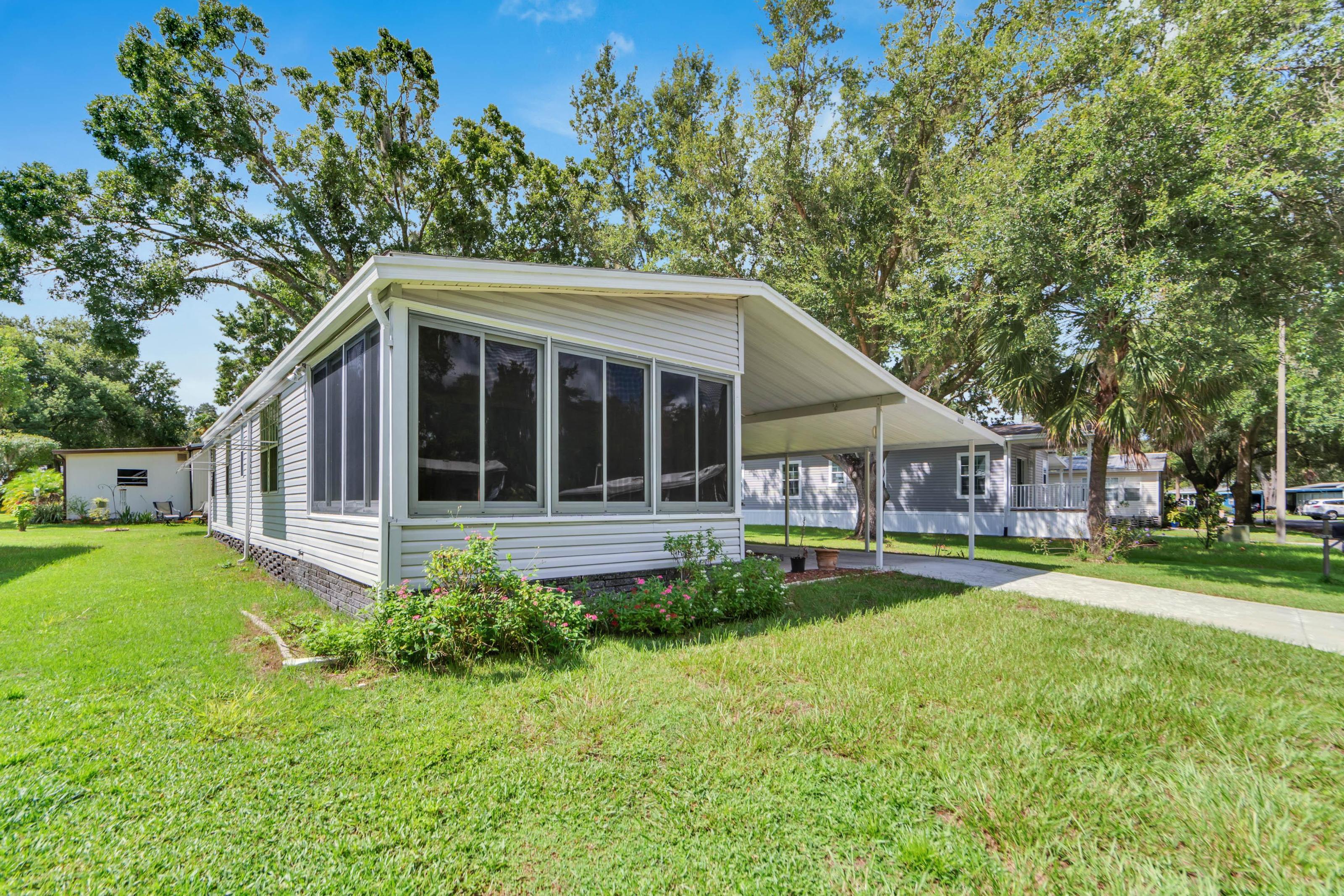
Tag: manufactured homes

  • How to Save Money While Living in a Florida Mobile Home

    Living in a mobile home in Florida can be an affordable and flexible housing option. However, managing your finances wisely ensures even greater savings. With smart strategies, you can cut costs and build financial security while enjoying your home.

    1. Energy Efficiency Tips

    Florida’s warm climate often leads to high electricity bills due to air conditioning. To lower electricity consumption, start by sealing windows and doors to prevent cool air from escaping. Also, use energy-efficient light bulbs and appliances.

    Consider installing a programmable thermostat to regulate indoor temperatures efficiently. Keep your curtains or blinds closed during the hottest part of the day. Fans can also help circulate air, reducing your reliance on air conditioning.

    2. Water Conservation

    Water bills can be another area in which to cut costs. Fix leaks promptly to avoid wasting water. Install low-flow faucets and showerheads to reduce usage without sacrificing comfort.

    Collect rainwater in barrels for outdoor watering needs, like gardens or washing your car. Limit lawn irrigation by planting native Florida plants, which require less water. Efficient water use benefits both your wallet and the environment.
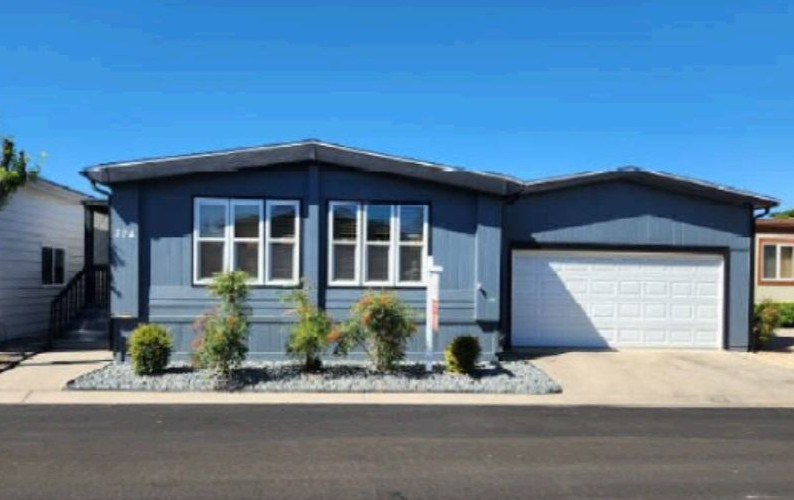
    save money on mobile home

    3. Affordable Maintenance Solutions

    Maintenance costs can add up, but routine care prevents expensive repairs. Clean your gutters regularly to avoid water damage. Inspect your roof periodically for wear, especially after storms.

    Learn basic DIY repair skills to handle minor issues yourself. Many online tutorials can guide you through simple maintenance tasks. For larger jobs, shop around for affordable contractors with good reviews.

    4. Reduce Property Taxes and Insurance Costs

    Mobile homes in Florida typically have lower property taxes, but exemptions can save you even more. Apply for the Homestead Exemption if you own your home and live there full-time. Seniors, veterans, and disabled individuals may qualify for additional discounts.

    Shop around for insurance policies tailored to mobile homes. Compare quotes and look for discounts for bundling policies or installing safety features. Strengthening your home against hurricanes can also lower premiums.

    5. Explore Community Resources

    Many mobile home communities offer amenities like pools, gyms, and social events. Instead of paying for external services, take advantage of these perks. Participate in community yard sales to find secondhand items or make extra money selling your own.

    Join local groups or online forums to exchange tips and resources with other mobile home residents. Sharing tools or splitting bulk purchases with neighbors can reduce costs. Being part of a supportive community can enhance your lifestyle and budget.

    6. Budget-Friendly Interior Upgrades

    Decorating your mobile home doesn’t need to break the bank. Use thrift stores or discount shops to find affordable furniture and decor. Add a fresh coat of paint for an inexpensive way to brighten your space.

    Repurpose old items creatively for functional or decorative purposes. DIY projects save money and give your home a personalized touch. Keep improvements simple and within budget to avoid overspending.

    7. Save on Groceries

    Food expenses can be a significant part of your budget, but intelligent shopping habits make a difference. Plan meals to avoid impulse purchases. Buy non-perishable items in bulk and take advantage of sales.

    Grow your vegetables or herbs if space allows. Farmers’ markets can offer fresh produce at reasonable prices. Avoid eating out frequently by preparing meals at home, which is both healthier and cheaper.

    8. Cut Transportation Costs

    Living in Florida means you’ll likely need a vehicle, but you can minimize related expenses by carpooling with neighbors or coworkers to save on gas. Also, maintain your car regularly to avoid costly repairs.

    Combine errands into a single trip to reduce fuel usage. Look for discounts on auto insurance for good driving records or multiple vehicles. If feasible, consider using public transportation or biking for short distances.

    9. Lower Entertainment Expenses

    Florida offers many free or low-cost recreational activities. Instead of expensive attractions, visit state parks, beaches, or local festivals. Check your mobile home community for free movie nights or social events.

    Use your local library for free books, movies, and activities. Take advantage of discounts or free admission days at museums and attractions. Spending wisely on entertainment allows you to enjoy Florida without straining your budget.

    10. Manage Debt and Save Strategically

    Paying off high-interest debt should be a priority. To reduce financial stress, focus on eliminating credit card balances and loans. Create a realistic budget and stick to it for consistent savings.

    Set up an emergency fund to cover unexpected expenses, like home repairs or medical bills. Take advantage of Florida’s lack of state income tax to allocate more money to savings. Financial planning provides peace of mind and long-term stability.

    11. Embrace Minimalist Living

    Living in a mobile home often means downsizing, which can lead to significant savings. Limit unnecessary purchases and focus on essentials. Sell unused items to declutter and generate extra income.

    Invest in multifunctional furniture or storage solutions to maximize space efficiently. A minimalist lifestyle reduces costs and simplifies daily living and appreciating what you have fosters contentment and financial discipline.

    12. Explore Renewable Energy Options

    Solar energy is an excellent option in sunny Florida. Installing solar panels can reduce your electricity bills over time. Some utility companies offer incentives for solar installations, lowering initial costs.

    Portable solar chargers are a budget-friendly alternative for charging small devices. If installing panels isn’t feasible, look for community solar programs. Renewable energy investments save money and promote environmental sustainability.

    13. Protect Against Weather Damage

    Florida’s weather can be unpredictable, so preparation is essential. Secure your mobile home with tie-downs to protect it from strong winds. Install storm shutters or impact-resistant windows for added safety.

    Keep an emergency kit with flashlights, batteries, and first-aid supplies. Check weather forecasts regularly to prepare for hurricanes or heavy storms. Preventive measures reduce damage and costly repairs.

    14. Take Advantage of Discounts

    Many retailers and services offer discounts for Florida residents, seniors, or military members. Always ask about discounts before making purchases. Use loyalty programs and apps to save on groceries, gas, and other essentials.

    Search for coupons or promo codes when shopping online or in stores. Combine discounts with sales for even more significant savings. Small discounts add up over time and contribute to your overall financial health.

    15. Rent Wisely

    If you rent your lot, negotiate your lease terms whenever possible. Research the average rental rates in your area to ensure fair pricing. Consider sharing costs with roommates or splitting expenses with family.

    Stay informed about tenant rights and responsibilities to avoid unexpected fees. Keeping good communication with your landlord can also lead to cost-saving arrangements. Renting smartly helps you manage your budget effectively.

    Conclusion

    Living in a Florida mobile home offers numerous opportunities to save money while enjoying a comfortable lifestyle. You can maximize your savings by adopting energy-efficient habits, managing expenses strategically, and exploring community resources. Focus on smart financial planning to build stability and achieve your long-term goals.


    See Also:
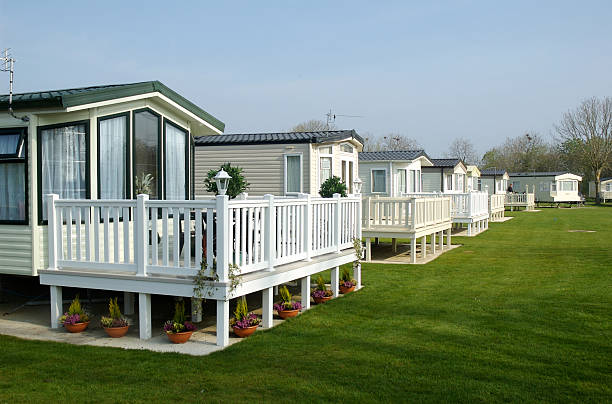
     

  • Mobile Home vs. Condo in Florida: Which Is the Better Investment?

    For many people looking to invest or settle down in Florida, the decision often boils down to choosing between a mobile home or a condo. Both options offer unique advantages, yet they cater to different lifestyles, financial goals, and expectations. Florida’s warm climate, abundance of retirement communities, and growing real estate market make both condos and mobile homes attractive options. This guide will compare mobile homes and condos in Florida in terms of investment potential, living experience, costs, maintenance, and resale value to help you make an informed decision.

    compare mobile homes and condos

    1. Initial Cost: Mobile Homes vs. Condos

    One of the most important factors when investing in property is the initial cost. In this regard, mobile homes have a distinct advantage over condos.

    A. Mobile Homes: Lower Initial Purchase Price

    Mobile homes are generally much more affordable than condos, making them an appealing choice for first-time buyers, retirees, or those looking for a low-cost investment. Depending on the size, location, and age of the home, a mobile home in Florida can cost anywhere from $20,000 to $100,000 or more. This makes mobile homes an accessible entry point for those who may not have the capital to invest in a more expensive property type.

    B. Condos: Higher Purchase Price

    In contrast, condos in Florida are more expensive, with prices ranging from $150,000 to $500,000 or more, depending on location and amenities. Condos in desirable areas, such as Miami Beach or Naples, can reach well into the millions. While condos may have higher resale value and appreciation over time, the upfront cost can be a significant hurdle for investors or homebuyers on a tight budget.

    2. Ownership Structure and Land Considerations

    The ownership structure is another critical difference between mobile homes and condos, and it can have long-term financial implications for buyers.

    A. Mobile Homes: Leased vs. Owned Land

    Most mobile homes in Florida are located on leased land within mobile home parks, although some are on privately owned lots. When buying a mobile home on leased land, you own the home itself but pay a monthly lot rent, which can range from $300 to $1,000 depending on the park and location. One advantage of leased land is the lower initial cost, but you must factor in the ongoing lot rent, which can rise over time. Alternatively, owning both the mobile home and the land can offer greater long-term financial security, but such properties are rarer and often come at a higher price.

    B. Condos: Shared Ownership and HOA Fees

    When you purchase a condo, you own the unit itself but share ownership of the common areas, such as hallways, swimming pools, and parking lots, with other residents. Condo ownership also comes with homeowner association (HOA) fees, which typically cover maintenance, security, and amenities. These fees can range from $200 to $1,000 per month, depending on the complexity of the services offered. HOA fees are in addition to your mortgage and property taxes, so they must be factored into your overall budget.

    3. Living Experience: Community and Amenities

    Both mobile home parks and condo communities offer unique living experiences, with amenities and community activities varying based on the type of property.

    A. Mobile Homes: Relaxed, Community-Oriented Living

    Mobile home parks in Florida often provide a sense of community, especially in 55+ parks where retirees enjoy social activities, clubhouses, and communal spaces. These parks tend to have a relaxed atmosphere, making them ideal for those seeking a quiet, low-maintenance lifestyle. Many parks also offer amenities such as pools, shuffleboard courts, and golf courses. However, mobile home living can sometimes come with restrictions or rules about the condition of your property, landscaping, and the number of visitors.

    B. Condos: More Amenities but Less Personalization

    Condo communities, especially those in urban or upscale areas, typically offer more extensive amenities such as fitness centers, tennis courts, swimming pools, and even concierge services. However, living in a condo often comes with stricter regulations, including noise restrictions, pet policies, and limits on property modifications. Condo living is generally more structured, making it suitable for people who want a more organized environment with modern amenities, but less appealing for those who value personal freedom and space.

    4. Monthly Costs: Lot Rent, HOA Fees, and Utilities

    Beyond the initial investment, ongoing monthly expenses play a significant role in determining the financial feasibility of owning a mobile home versus a condo.

    A. Mobile Homes: Lot Rent and Utilities

    If your mobile home is on leased land, monthly lot rent is a recurring cost, and it can increase over time. In addition to lot rent, mobile home owners are responsible for utilities such as water, electricity, and trash removal. Some mobile home parks bundle these services into the lot rent, but many do not. Furthermore, you may have to pay for any necessary maintenance or repairs to your home, which can add to your expenses.

    B. Condos: HOA Fees and Additional Costs

    In condos, HOA fees can cover utilities like water and trash, as well as the cost of maintaining common areas and amenities. However, condo owners are responsible for their own electricity, internet, and other utilities. Additionally, some condo associations charge special assessments to fund major repairs or renovations to the building. These can be unexpected and costly, adding to the long-term financial burden of owning a condo.

    5. Maintenance and Upkeep: Who’s Responsible?

    Maintenance responsibilities differ significantly between mobile homes and condos, and this can impact both your lifestyle and your financial outlook.

    A. Mobile Homes: DIY or Hire a Contractor

    For mobile home owners, most of the maintenance falls on your shoulders, whether it’s fixing a leaky roof, maintaining the exterior, or landscaping. While mobile homes are generally easier and cheaper to maintain than traditional homes, repairs can still be costly, especially if the home is older. Some mobile home parks offer maintenance services for a fee, but these are usually limited to basic tasks like lawn care.

    B. Condos: Maintenance Covered by HOA

    One of the advantages of condo living is that the exterior maintenance, including roof repairs, landscaping, and pool maintenance, is typically covered by the HOA. This can save condo owners both time and money on repairs and upkeep. However, interior maintenance is the owner’s responsibility, and special assessments can sometimes arise for major building repairs or renovations, adding to your financial obligations.

    6. Resale Value and Appreciation: Mobile Homes vs. Condos

    Another important consideration for potential investors is the resale value and appreciation potential of mobile homes versus condos.

    A. Mobile Homes: Depreciation

    Mobile homes, especially those on leased land, generally depreciate over time. While some mobile homes located on owned land may appreciate slightly, the general rule is that mobile homes are not long-term appreciating assets. This can make mobile homes less attractive as investments compared to condos. However, because they are more affordable upfront, they can be a good option for those seeking an inexpensive living situation rather than a high-return investment.

    B. Condos: Appreciation Potential

    Condos, especially those in desirable areas like Miami, Sarasota, or Naples, tend to appreciate over time, making them a better option for investors looking for long-term value growth. The appreciation of condos is driven by location, demand, and the overall real estate market in Florida. Additionally, well-maintained condos with attractive amenities can command higher resale prices, making them a potentially lucrative investment for the future.

    7. Taxes and Insurance: What to Expect

    Both mobile homes and condos come with their own tax and insurance requirements, which can influence your overall investment decision.

    A. Mobile Homes: Lower Property Taxes, Higher Insurance

    Mobile homes, especially those on leased land, typically have lower property taxes than condos, as you are only taxed on the value of the home and not the land. However, homeowners’ insurance for mobile homes can be more expensive, particularly in areas prone to hurricanes or flooding. Depending on the location, you may also need to purchase additional flood or windstorm insurance, which can add to your costs.

    B. Condos: Higher Property Taxes, Lower Insurance

    Because condo owners own their units, they pay property taxes on both the unit and their share of the common areas. Property taxes for condos in Florida can be higher, especially in more desirable locations. However, insurance costs tend to be lower for condos, as the building’s exterior is usually covered by the condo association’s master insurance policy. Condo owners generally only need to insure the interior of their units and their personal belongings.

    Conclusion: Which Is the Better Investment?

    Deciding between a mobile home and a condo in Florida ultimately depends on your financial goals, lifestyle preferences, and long-term plans.

    • Mobile homes are an affordable housing option, offering flexibility, lower upfront costs, and a strong sense of community. However, they may not appreciate significantly in value, and ongoing lot rent can add up over time. If your primary goal is affordable living rather than investment growth, a mobile home may be the better choice.
    • Condos, while more expensive upfront, tend to appreciate over time and offer more extensive amenities and a more structured living experience. If you are seeking an investment that could increase in value, with less personal responsibility for maintenance, a condo may be the better option.

    Ultimately, the right choice depends on your financial situation, lifestyle, and long-term objectives. Both mobile homes and condos offer unique benefits, so weigh your options carefully to make the best decision for your future in Florida.


    See Also:

  • How Mobile Homes are Changing the Affordable Housing Market in Florida

    Florida is facing a serious affordable housing crisis, with rising home prices and rental costs making it difficult for many residents to find affordable places to live. As demand for housing continues to outpace supply, more people are exploring alternative housing options. One solution that is gaining momentum is mobile homes. Once stigmatized as low-quality housing, mobile homes have evolved significantly and are now seen as a viable, cost-effective solution for low- to middle-income residents. In this article, we will explore how mobile homes are changing the affordable housing market in Florida and why they offer a promising solution for the state’s housing challenges.

    affordable housing

    The Affordable Housing Crisis in Florida

    The affordable housing crisis in Florida has been exacerbated by several factors. One of the most significant is the rapid increase in home prices. According to the Florida Realtors Association, the median sales price of a single-family home in Florida reached over $400,000 in 2023, making homeownership unattainable for many residents, especially those in low- to middle-income brackets. At the same time, rental prices have soared, with cities like Miami, Orlando, and Tampa seeing double-digit percentage increases in rent year-over-year.

    This housing crunch has led to a significant affordability gap. Many working families, seniors, and first-time homebuyers are being priced out of the traditional housing market. Additionally, housing shortages, due to increasing demand and a slow pace of new construction, have further intensified the issue. Mobile homes, however, present an alternative to traditional housing that is both affordable and increasingly appealing to a wider range of residents.

    The Evolution of Mobile Homes

    Mobile homes, often referred to as manufactured homes, have come a long way in terms of quality, design, and appeal. In the past, mobile homes were often associated with poor construction and substandard living conditions, which contributed to their negative stigma. However, modern mobile homes are built to stringent safety and durability standards and offer many of the same features as traditional homes, including energy-efficient appliances, upgraded interiors, and customizable designs.

    Manufactured homes are now regulated by the U.S. Department of Housing and Urban Development (HUD), ensuring that they meet strict federal standards for safety, durability, and energy efficiency. These homes are constructed in factories under controlled conditions, which helps reduce production costs and minimize waste, making them more environmentally friendly than traditional site-built homes. As a result, today’s mobile homes offer an attractive, affordable alternative for those seeking quality housing.

    Why Mobile Homes Are a Solution for Florida’s Affordable Housing Needs

    Mobile homes provide a cost-effective solution for Florida’s affordable housing crisis in several key ways:

    1. Lower Purchase Costs

    One of the biggest advantages of mobile homes is their affordability. The average cost of a new manufactured home in Florida is significantly lower than the cost of a traditional site-built home. According to the U.S. Census Bureau, the average sales price of a new manufactured home in the U.S. was approximately $87,000 in 2022, compared to over $400,000 for a new single-family home in Florida.

    This drastic difference in price makes mobile homes an attractive option for first-time homebuyers, retirees on fixed incomes, and working families who are struggling to afford a traditional home. Mobile homes allow residents to achieve homeownership at a fraction of the cost, helping to close the affordability gap in Florida’s housing market.

    2. Lower Land and Lot Costs

    In many cases, mobile home owners lease the land or lot on which their home is placed. This reduces the overall cost of ownership, as residents are not required to purchase a large plot of land. Many mobile home communities in Florida offer affordable lot rental rates, which often include utilities and maintenance services. For those who prefer to own the land, there are also mobile home subdivisions where residents can purchase both the home and the lot, offering even more flexibility in terms of affordability.

    The lower land costs associated with mobile homes make them an especially appealing option in high-demand areas like South Florida, where real estate prices are particularly steep. In these regions, mobile homes provide a way for residents to live affordably in areas that would otherwise be out of reach.

    3. Faster Construction and Availability

    Another key advantage of mobile homes is the speed of construction. Since they are built in factories, mobile homes can be completed much more quickly than site-built homes, which often face delays due to weather, labor shortages, and supply chain issues. This faster construction process helps address housing shortages by allowing new homes to be delivered to the market more quickly.

    Additionally, mobile home communities in Florida are already established in many parts of the state, meaning that homes can be readily available for residents who need affordable housing. This availability is particularly beneficial for seniors, seasonal residents, or families who need immediate housing solutions.

    4. Community-Oriented Living

    Many mobile home parks in Florida offer community-oriented living, which appeals to residents who want to enjoy a sense of camaraderie and shared amenities. These parks often include features like swimming pools, clubhouses, fitness centers, and organized social activities. In 55+ mobile home communities, these amenities are tailored to the needs of retirees, providing a social environment that promotes an active lifestyle.

    For working families, all-age mobile home communities offer affordable living with shared amenities such as playgrounds, basketball courts, and community centers. These communities foster a sense of belonging and provide access to services and resources that may not be available in traditional single-family neighborhoods. Mobile home parks help create tight-knit communities that can support and engage residents of all ages and income levels.

    5. Opportunities for Investment and Income Generation

    Mobile homes also provide an opportunity for investment and income generation, particularly for residents who choose to rent out their properties. With Florida’s booming tourism industry, short-term rentals in popular areas can provide substantial income for mobile homeowners. Additionally, as affordable housing options become scarcer, mobile home rentals offer an appealing choice for tenants who are priced out of traditional apartments or homes.

    Some investors are also capitalizing on the demand for affordable housing by purchasing mobile homes as rental properties. This can help alleviate housing shortages while providing landlords with a steady stream of rental income. As more people recognize the value of mobile homes, these properties are becoming a key player in the broader rental market in Florida.

    Challenges and Misconceptions Around Mobile Homes

    Despite the many advantages of mobile homes, there are still challenges and misconceptions that need to be addressed in order to fully realize their potential as a solution for Florida’s affordable housing crisis.

    One common misconception is that mobile homes are not as durable or safe as traditional homes. However, modern mobile homes built after 1976 are held to HUD standards, which ensure that they are constructed to withstand extreme weather conditions, including hurricanes. In fact, many mobile homes are built with reinforced frames and tie-downs to provide additional protection in areas prone to high winds.

    Another challenge is the zoning and regulatory barriers that sometimes limit the placement of mobile homes. Some local governments have strict zoning laws that make it difficult to establish new mobile home parks or place manufactured homes in certain areas. However, as the demand for affordable housing continues to rise, there is growing recognition of the need to relax these restrictions and allow for more mobile home development.

    Conclusion

    Mobile homes are playing an increasingly important role in addressing Florida’s affordable housing crisis. By offering lower purchase costs, flexible land arrangements, and community-oriented living, mobile homes provide an affordable, high-quality housing option for low- to middle-income residents. With modern manufactured homes offering the same amenities and safety standards as traditional homes, they are helping to reshape the perception of affordable housing in Florida. As the state continues to grapple with housing shortages and rising costs, mobile homes will undoubtedly play a crucial role in providing a solution for residents seeking affordable and sustainable living options.


    See Also:

  • The Future of Mobile Homes in Florida: Trends and Predictions

    Mobile homes have long been a popular housing option in Florida, offering affordability, flexibility, and accessibility. Historically, mobile homes were viewed as a cost-effective alternative to traditional housing, particularly for retirees and seasonal residents. However, the industry is experiencing significant changes as market demand evolves, new technologies emerge, and regulations shift. The future of mobile homes in Florida is shaping up to be a dynamic blend of innovation, adaptation to new regulations, and changing buyer demographics.

    future of mobile homes in Florida

    In this article, we’ll explore the key trends and predictions shaping the future of mobile homes in Florida, focusing on design innovations, regulatory changes, and the evolving market of buyers.

    1. Design Innovations in Mobile Homes

    One of the most exciting developments in the mobile home industry is the evolution of design. Once considered simple and utilitarian, modern mobile homes are now incorporating cutting-edge features and stylish designs that rival traditional housing options. Florida’s mobile home market, in particular, is seeing a surge in demand for high-quality, attractive homes that offer both functionality and aesthetics.

    a. Energy Efficiency and Green Building

    Energy efficiency is a major trend that is influencing the future of mobile homes in Florida. With increasing concerns about climate change and rising utility costs, more manufacturers are designing mobile homes with energy-efficient features. These innovations include:

    • Solar panels for renewable energy
    • High-performance insulation to reduce heating and cooling costs
    • Energy-efficient windows and doors that minimize heat transfer
    • Energy Star-rated appliances to reduce electricity consumption

    Additionally, green building materials are becoming more prevalent in mobile home construction. Sustainable materials such as recycled steel, eco-friendly insulation, and bamboo flooring are now being used to create eco-conscious mobile homes that appeal to environmentally-minded buyers.

    b. Smart Home Technology

    Another exciting innovation in mobile home design is the integration of smart home technology. Florida’s mobile homes of the future are increasingly featuring smart thermostats, security systems, and lighting that can be controlled via smartphone apps. These technologies offer convenience and energy savings while appealing to tech-savvy buyers.

    Smart home technology is especially relevant for Florida’s unique climate. For example, smart thermostats can automatically adjust heating and cooling settings based on outdoor weather conditions, optimizing comfort while reducing energy costs. Homeowners can also monitor and control security systems remotely, adding an extra layer of protection during hurricane seasons when many mobile homeowners may need to evacuate.

    c. Modular and Customizable Designs

    The days of one-size-fits-all mobile homes are fading as more buyers seek customizable floor plans and modular designs. Modern mobile homes are now being designed with flexibility in mind, allowing homeowners to choose layouts that suit their lifestyle needs. Whether it’s adding extra bedrooms, expanding living spaces, or incorporating open-concept designs, the customization trend is here to stay.

    Manufacturers are also offering modular options that allow mobile homes to be expanded or downsized easily. This is particularly appealing to buyers who plan to spend part of the year in Florida and want the option to adjust their living space as their needs change.

    2. Shifts in Buyer Demographics

    The demographics of mobile home buyers in Florida are undergoing a significant transformation. While retirees have traditionally been the primary market for mobile homes in the state, younger buyers, including millennials and families, are increasingly considering mobile homes as a viable housing option. This shift is driven by several factors, including rising housing costs, the desire for more affordable living arrangements, and changing perceptions of mobile home living.

    a. Millennials and First-Time Homebuyers

    Millennials are now entering the home buying market in larger numbers, and many are drawn to mobile homes for their affordability and flexibility. With Florida’s real estate prices soaring in many areas, mobile homes present an attractive alternative to traditional housing for young buyers. Many millennials are also seeking more minimalist lifestyles, and the smaller footprint of mobile homes aligns with this desire for simplicity and sustainability.

    In addition, younger buyers are less likely to have preconceived negative perceptions of mobile homes. Modern mobile home communities offer amenities such as clubhouses, swimming pools, and fitness centers, which appeal to the lifestyle preferences of younger generations.

    b. Affordable Housing Solution for Families

    As housing affordability continues to be a pressing issue in Florida, mobile homes are becoming an increasingly popular option for families looking for a cost-effective solution. Mobile homes allow families to enjoy homeownership without the financial burden of a large mortgage or property taxes typically associated with traditional housing.

    Many mobile home parks in Florida now cater to families with children, offering family-friendly amenities such as playgrounds and community events. This trend is expected to continue as more families seek out affordable housing options in the state’s competitive real estate market.

    c. Retirees and Snowbirds Still a Key Market

    Despite the demographic shifts, retirees and seasonal residents (snowbirds) remain an essential market for mobile homes in Florida. The state’s warm weather, low cost of living, and abundance of mobile home communities designed for 55+ residents ensure that mobile homes will continue to be a popular choice for retirees looking to downsize or spend their winters in Florida.

    Retirees are drawn to mobile home communities that offer a sense of community, organized activities, and easy access to healthcare facilities. As more baby boomers reach retirement age, the demand for well-designed, comfortable mobile homes in Florida’s retirement communities is expected to remain strong.

    3. Changing Regulations and Government Policies

    The regulatory landscape surrounding mobile homes in Florida is evolving, with new rules and regulations being introduced to ensure safety, sustainability, and affordability. These changes will significantly impact the future of mobile homes in the state.

    a. Hurricane Safety Standards

    Due to Florida’s high risk of hurricanes and tropical storms, mobile home manufacturers are required to meet stringent safety standards to protect residents from wind damage. The U.S. Department of Housing and Urban Development (HUD) sets the national building code for manufactured homes, and Florida has additional state-level regulations for mobile home construction.

    In the wake of past hurricanes that have caused significant damage to mobile homes, there has been a push for stricter building codes and improved safety measures. For example, mobile homes built after 1994 are required to meet more rigorous wind-resistance standards. Moving forward, it is likely that manufacturers will continue to innovate with stronger construction materials and enhanced anchoring systems to further improve safety during storms.

    b. Zoning and Land Use Changes

    As mobile homes become more popular in Florida, there is a growing need to address zoning and land use regulations. Local governments are re-evaluating their policies to accommodate the increasing demand for mobile home communities. In some areas, mobile home parks are being revitalized or redeveloped to provide more modern amenities and housing options for residents.

    At the same time, rising land values in Florida are putting pressure on mobile home parks, particularly in prime coastal areas. Some mobile home parks are being sold to developers for residential or commercial use, leading to concerns about the availability of affordable mobile home communities in the future. Policymakers are considering ways to balance development with the preservation of affordable housing options.

    c. Affordable Housing Initiatives

    The state of Florida recognizes the growing need for affordable housing, and mobile homes are seen as part of the solution. State and local governments are implementing programs that provide financial assistance to low-income buyers looking to purchase mobile homes. These initiatives may include down payment assistance, low-interest loans, and grants for home repairs.

    Additionally, organizations like the Florida Housing Finance Corporation are working to increase the availability of affordable mobile home communities by offering incentives to developers and nonprofit organizations that create or preserve mobile home parks.

    4. Predictions for the Future of Mobile Homes in Florida

    The future of mobile homes in Florida looks promising, with several key trends likely to shape the industry in the coming years:

    • Increased Demand for Sustainable Housing: As environmental consciousness grows, more buyers will seek mobile homes that incorporate green building materials, energy-efficient features, and sustainable design practices.
    • Technological Advancements: The integration of smart home technology and modular construction techniques will continue to improve the functionality and appeal of mobile homes.
    • Continued Demographic Shifts: Younger buyers, families, and retirees will all contribute to the demand for mobile homes, making them a versatile housing option for a wide range of Floridians.
    • Regulatory Adaptation: Florida will likely see ongoing changes to zoning laws, building codes, and affordable housing policies to support the growth of the mobile home industry while addressing safety and affordability concerns.

    Conclusion

    The future of mobile homes in Florida is bright, with innovations in design, shifting buyer demographics, and evolving regulations all playing a crucial role. As mobile homes become more modern, sustainable, and affordable, they will continue to be a vital part of Florida’s housing landscape, offering a flexible and cost-effective alternative to traditional housing options. Whether for retirees, first-time homebuyers, or families, mobile homes are set to remain a key player in Florida’s real estate market for years to come.


    See Also:

  • 10 Myths and Stereotypes Against Mobile Homes

    Mobile homes, also known as manufactured homes or trailers, have been debated and misunderstood for decades. These affordable housing options have faced a barrage of myths and stereotypes that often overshadow their practicality and significance. This article will debunk ten of the most common misconceptions associated with mobile homes, shedding light on the truth behind these stigmas.

    Myth 1: Mobile Homes are Unsafe

    One of the most prevalent misconceptions about mobile homes is that they are unsafe. People often associate mobile homes with flimsy construction and vulnerability to severe weather. However, this stereotype is far from the truth.

    myths and stereotypes

    In the United States, mobile homes are regulated by the Department of Housing and Urban Development (HUD) to ensure safety standards are met. These regulations cover construction, electrical systems, plumbing, and more. Mobile homes are built to withstand various weather conditions, and many even include features like hurricane straps to enhance their stability. Properly anchored and maintained, mobile homes can provide a safe living environment for their occupants.

    Myth 2: Mobile Homes Lack Quality

    Another common stereotype about mobile homes is that they are made with inferior materials and craftsmanship. This might have been true for some older models, but the manufactured home industry has significantly advanced in recent years.

    Modern mobile homes are built with high-quality materials and often incorporate energy-efficient features. Manufacturers take pride in their products and adhere to strict quality control standards. Many mobile homes are on par with traditional stick-built houses in terms of construction quality, offering a comfortable and durable living environment.

    Myth 3: Mobile Homes are Always Mobile

    Despite their name, mobile homes are not constantly on the move. In fact, most mobile homes are rarely moved once they are placed in a mobile home park or on a private lot. The mobility aspect is primarily associated with transporting these homes to their initial location and not an indication of their constant relocation.

    Mobile homes are, for the most part, stationary and serve as permanent residences. Although the flexibility to relocate them exists, it is not a common occurrence.

    Myth 4: Mobile Home Communities Lack Community

    Many people believe that living in a mobile home park means living in isolation. However, mobile home parks often foster tight-knit, friendly communities. Residents often share common areas and amenities, naturally encouraging social interaction and community bonding. These communities can be a great source of support and friendship for mobile home residents.

    Myth 5: Mobile Homes Have Expensive Utilities

    It’s a common misconception that mobile homes are inefficient and come with high utility costs. While older models may lack energy efficiency features, modern mobile homes are designed with energy conservation in mind. They often include well-insulated walls, energy-efficient windows, and advanced HVAC systems, which can lead to lower utility bills compared to older mobile homes or even traditional houses.

    Myth 6: Mobile Homes Don’t Appreciate in Value

    Many people believe that mobile homes do not appreciate over time, making them a poor investment. While it is true that mobile homes may not appreciate as quickly or as much as traditional houses, they can still increase in value.

    Factors like location, the condition of the home, and the real estate market in the area all play a role in determining a mobile home’s appreciation. In some cases, mobile homes can gain value, making them a financially viable housing choice.

    Myth 7: Financing for Mobile Homes is Limited

    It is a misconception that financing options for mobile homes are limited. In fact, many lenders offer loans specifically tailored for mobile homes. You can secure mortgages and loans to purchase a mobile home, just like you would for a traditional house. However, interest rates and terms may vary, so it’s essential to explore different financing options to find the one that suits your needs.

    Myth 8: Mobile Homes Lack Customization

    Some people assume that mobile homes come in fixed designs with limited customization options. While the layout and design of a mobile home may differ from traditional homes, they can still be customized to suit individual preferences.

    Many manufacturers offer a range of floor plans and customization options, allowing homeowners to choose features, finishes, and layouts that meet their specific needs and tastes. Mobile homes can be personalized to create a comfortable and unique living space.

    Myth 9: Mobile Homes Have a Short Lifespan

    Another misconception is that mobile homes have a short lifespan and need frequent replacements. With proper maintenance and care, mobile homes can last for several decades. Regular inspections and maintenance, such as roof upkeep and checking for structural issues, can extend the lifespan of a mobile home significantly.

    It’s essential to remember that the quality of the construction and the materials used can influence the longevity of a mobile home. Investing in a well-built, durable model can contribute to its extended lifespan.

    Myth 10: Mobile Homes Offer Subpar Living Conditions

    Mobile homes often get a bad reputation for providing subpar living conditions. However, this is a gross oversimplification. The quality of living conditions in a mobile home depends on factors like location, age, and maintenance.

    Well-maintained mobile homes, particularly in communities with amenities and a strong sense of community, can offer comfortable and affordable housing for millions of people. It is essential to evaluate each mobile home individually rather than making blanket assumptions about the quality of living conditions they provide.

    Conclusion

    Mobile homes are an important and affordable housing option for many individuals and families, often misunderstood due to myths and stereotypes. It’s crucial to challenge these misconceptions and recognize the value and practicality of mobile homes as a legitimate choice for those seeking affordable and comfortable housing. When properly constructed, maintained, and situated in welcoming communities, mobile homes can offer a safe, cost-effective, and fulfilling way of life

    .

    See Also:

Reset password

Enter your email address and we will send you a link to change your password.

Get started with your account

to save your favourite homes and more

Sign up with email

Get started with your account

to save your favourite homes and more

By clicking the «SIGN UP» button you agree to the Terms of Use and Privacy Policy
Powered by Estatik