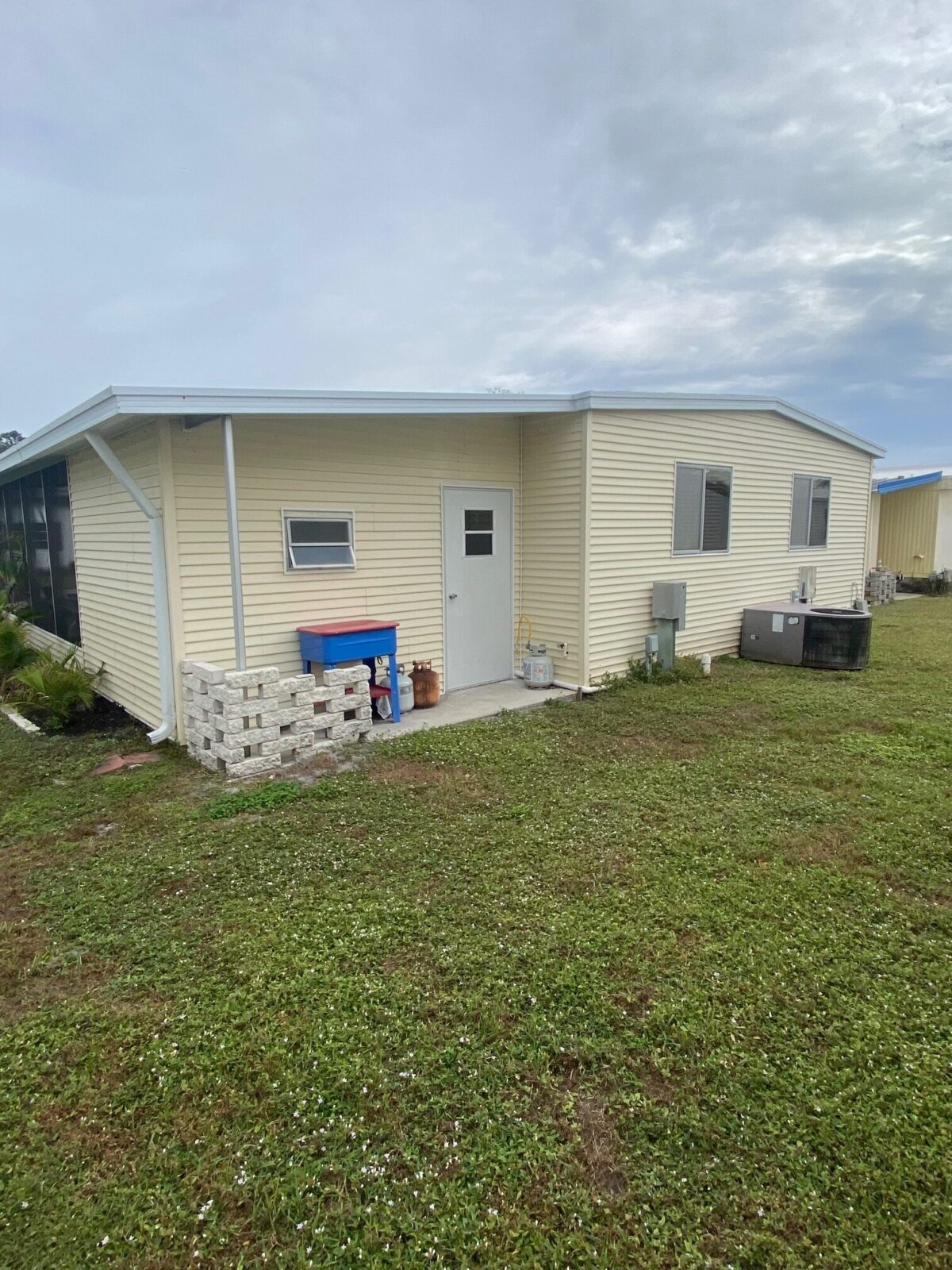
Tag: loans for mobile homes in parks

  • Can You Get a Mortgage on a Mobile Home in Florida?

    When it comes to purchasing a mobile home in Florida, many potential buyers often ask, “Can you get a mortgage on a mobile home?” The answer to this question is yes, but with some nuances that differentiate it from traditional home mortgages. In this article, we’ll explore the various aspects of obtaining a mortgage for a mobile home in Florida, including the types of loans available, eligibility requirements, the application process, and additional considerations to keep in mind.

    Can-You-Get-a-Mortgage-on-a-Mobile-Home-in-Florida

    Types of Loans Available

    Conventional Loans

    Conventional loans are available for mobile homes, but they typically come with stricter requirements. These loans are not insured by the government, so lenders often impose higher credit score and down payment requirements to mitigate risk. Additionally, the mobile home must be permanently affixed to a foundation and considered real property to qualify.

    FHA Loans

    The Federal Housing Administration (FHA) offers loans specifically designed for mobile homes, known as Title I loans. These loans are more accessible for borrowers with lower credit scores and smaller down payments. The FHA requires that the mobile home be affixed to a permanent foundation and meet specific safety standards.

    VA Loans

    Veterans Affairs (VA) loans are available to eligible veterans and their families. These loans offer favorable terms, including no down payment and lower interest rates. To qualify, the mobile home must be attached to a permanent foundation and classified as real property.

    USDA Loans

    The United States Department of Agriculture (USDA) provides loans for rural housing, which can include mobile homes. These loans require that the property be in a designated rural area and that the borrower meets certain income limits. The mobile home must be permanently installed and meet the HUD standards for manufactured housing.

    Eligibility Requirements

    Credit Score

    Most lenders require a minimum credit score to qualify for a mobile home mortgage. For conventional loans, this typically means a score of at least 620. FHA loans may accept scores as low as 500, but borrowers with lower scores might need to make a larger down payment.

    Down Payment

    The down payment requirement varies depending on the type of loan. Conventional loans generally require a down payment of at least 5% to 20%. FHA loans can require as little as 3.5%, while VA loans may not require any down payment at all.

    Income and Debt-to-Income Ratio

    Lenders will assess your income and debt-to-income (DTI) ratio to ensure you can afford the mortgage payments. Typically, lenders prefer a DTI ratio of 43% or lower, meaning your monthly debt payments should not exceed 43% of your monthly gross income.

    Property Requirements

    The mobile home must meet specific criteria to be eligible for a mortgage. It must be permanently affixed to a foundation, meet HUD safety standards, and be classified as real property. Additionally, the land on which the mobile home sits must be owned or leased long-term.

    Application Process

    Pre-Approval

    The first step in obtaining a mortgage for a mobile home is to get pre-approved. This involves submitting your financial information to a lender, who will evaluate your credit score, income, and other factors to determine how much you can borrow.

    Property Appraisal

    Once pre-approved, you’ll need to find a mobile home that meets the lender’s criteria. The property will undergo an appraisal to determine its value and ensure it meets all necessary standards.

    Loan Application

    After finding a suitable mobile home and completing the appraisal, you’ll submit a formal loan application. This will include detailed information about your finances, the property, and any additional documentation required by the lender.

    Underwriting and Approval

    The lender will then process your application through underwriting, where they will verify all the information provided and assess the risk of lending to you. If everything checks out, you’ll receive final approval and proceed to closing.

    Additional Considerations

    Insurance

    Lenders typically require borrowers to have homeowners insurance for their mobile homes. This insurance covers potential damages and protects both you and the lender’s investment.

    Interest Rates

    Interest rates for mobile home mortgages can be higher than those for traditional homes. This is due to the perceived higher risk associated with mobile homes. Shopping around and comparing rates from different lenders can help you secure a better deal.

    Loan Terms

    Loan terms for mobile home mortgages can vary. While traditional home loans often come with 30-year terms, mobile home loans might have shorter terms, such as 15 or 20 years. It’s essential to understand the terms and choose one that fits your financial situation.

    Land Ownership

    One critical aspect to consider is whether you own the land where the mobile home will be placed. Owning the land can make it easier to qualify for a mortgage and might result in better loan terms. If you do not own the land, you may need to lease it, which could complicate the mortgage process.

    Conclusion

    In summary, the answer to the question, “Can you get a mortgage on a mobile home in Florida?” is yes, but with specific requirements and considerations. Various loan options are available, including conventional, FHA, VA, and USDA loans, each with its eligibility criteria and benefits. Understanding these options and the steps involved in the application process can help you navigate the journey of securing a mortgage for your mobile home.

    Remember to evaluate all factors, including credit score, down payment, income, and property requirements, to improve your chances of approval. By doing so, you can make an informed decision and find the best financing option for your mobile home in Florida.

    Disclaimer

    The information provided in this article is for general informational purposes only and should not be construed as financial or legal advice. Always consult with a qualified financial advisor or mortgage specialist to understand the specific requirements and options for your situation.


    See Also:

  • Buying a Mobile Home Without Money: Exploring Your Options in Florida

    The dream of homeownership can feel out of reach for many, especially in today’s economic climate. For some, the prospect of a traditional house with a hefty mortgage is a distant goal. However, buying a mobile home without money might be a more attainable option than you think. While an utterly zero-down purchase might be challenging, Florida offers financing solutions to make mobile home ownership a reality, even with limited funds. Let’s explore some avenues you can pursue to achieve your dream of owning a mobile home in the Sunshine State.

    Buying a mobile home without money

    Traditional Financing Options

    • Mobile Home Loans: Unlike traditional house mortgages, mobile homes require specialized financing. Mobile home loans, often called chattel loans, are secured by the home rather than the land on which it sits. These loans typically have lower down payments than traditional mortgages, sometimes as low as 5% or 10%. Several lenders in Florida specialize in mobile home financing, offering competitive rates and flexible terms.

    • FHA Loans: The Federal Housing Administration (FHA) offers loan programs specifically designed for manufactured homes. These loans can be particularly advantageous for first-time homebuyers with limited down payments. FHA loans in Florida generally require a minimum down payment of 3.5%, making them an attractive option for those who can’t afford a higher upfront cost.

    • VA Loans: Veterans and active-duty military personnel in Florida may be eligible for VA loans to purchase a mobile home. These government-backed loans typically boast low or no down payments, making them a fantastic option for veterans seeking affordable homeownership. Remember that VA loans have specific eligibility requirements based on military service history.

    Creative Financing Strategies

    While traditional loans are a solid path, consider non-traditional financing options to get you closer to buying a mobile home without money down:

    • Rent-to-Own Agreements: Some mobile home sellers in Florida offer rent-to-own agreements. This arrangement allows you to reside in the mobile home while paying rent, including a portion credited towards eventually owning it. While not technically immediate ownership, a rent-to-own agreement can be a stepping stone to mobile home ownership while building equity over time.

    • Seller Financing: Sometimes, you can negotiate seller financing directly with the mobile homeowner. This involves the seller acting as your lender, offering financing terms with a down payment and monthly payments. Seller financing can be flexible and may require a lower down payment than traditional loans. However, carefully review the terms of any seller financing agreement to ensure they are fair and in your best interest.

    • Personal Loans: Personal loans can be a versatile tool for financing a mobile home purchase. While interest rates on personal loans are higher than mortgages or mobile home loans, they are an option if you have good credit and need to bridge a gap in the down payment. Personal loans typically have shorter repayment terms, so ensure you can comfortably afford the monthly payments.

    Public Assistance Programs

    Several public assistance programs in Florida might help you with the initial costs of buying a mobile home. These programs are typically income-based and aim to promote affordable housing.

    • USDA Rural Development (RD) Loans: The USDA RD Loan program offers financing for qualified individuals in rural areas of Florida to purchase manufactured homes. These loans might even require no down payment in certain circumstances, making them a potentially viable option for those with limited funds.

    • Florida Housing Finance Corporation (FHFC): The FHFC is a state agency that provides various down payment and closing cost assistance programs for low- and moderate-income homebuyers in Florida. While not explicitly designed for mobile homes, some programs might be applicable depending on your financial situation.

    Exploring Additional Resources

    Researching local non-profit organizations and housing authorities in Florida can reveal additional programs that offer down payment assistance or financial counseling geared towards mobile home ownership. These resources can provide valuable guidance and unlock opportunities you may not have been aware of.

    Essential Considerations Before You Buy

    While buying a mobile home without money down might seem appealing, it’s crucial to consider the long-term implications carefully. Mobile homes tend to depreciate over time, unlike traditional houses—furthermore, factor in the cost of ongoing maintenance and potential repairs.

    Ensure the mobile home you’re considering is located in a desirable, well-maintained community with amenities that suit your needs. Research the community’s rules and regulations to avoid any surprises down the road.

    Conclusion

    Although achieving complete ownership with zero upfront investment might be challenging, Florida offers numerous financing options to make mobile home ownership a reality, even with limited funds. 

    While it requires careful planning and an understanding of the financial implications, buying a mobile home in Florida can be a strategic step towards achieving the dream of homeownership. Remember, responsible budgeting, exploring all available financing options, and prioritizing a well-maintained mobile home in a desirable community will set you on the path to a successful homeownership experience in the Sunshine State.


    See Also:


  • Can You Get a Mortgage on a Mobile Home? Financing Options for Manufactured Homes

    While traditional stick-built houses are financed with mortgages, can you get a mortgage on a mobile home? The answer depends on the mobile home type and its location. For lenders, the key factor is whether the home is considered real property.

    This article explores the financing options available for manufactured homes, including those that qualify for traditional mortgages. We’ll also explore why some mobile homes aren’t eligible for mortgages and alternative financing solutions.

    can you get a mortgage on a mobile home

    Manufactured Homes vs. Mobile Homes: Understanding the Distinction

    Before diving into financing options, it’s crucial to understand the difference between manufactured homes and mobile homes. Though often used interchangeably, there’s a key distinction that impacts financing.

    • Manufactured Homes: Built in factories to federal building codes, these homes are generally placed on a permanent foundation and considered real property. They are often indistinguishable from traditional site-built homes and can be appreciated over time.
    • Mobile Homes: Built before June 1976, these homes don’t meet current federal building codes and typically sit on wheels. They are considered personal property and depreciate like vehicles.

    Financing Options for Manufactured Homes

    While traditional mortgages aren’t readily available for all manufactured homes, there are financing options to consider:

    1. FHA Loans: The Federal Housing Administration (FHA) offers Title I Property Improvement loans for manufactured homes meeting specific criteria. These loans can finance the purchase of a manufactured home and the land it sits on, provided the home meets FHA standards. Additionally, FHA Title II loans can finance existing manufactured homes that meet FHA requirements.
    2. VA Loans: Veterans Affairs (VA) loans are another option for veterans looking to finance a manufactured home. Similar to FHA loans, VA loans have specific requirements for the manufactured home and its land.
    3. USDA Loans: The United States Department of Agriculture (USDA) offers Rural Development loans for qualified manufactured homes in rural areas. These loans can be attractive due to lower down payment requirements and competitive interest rates.
    4. Conventional Mortgages: Can you get a mortgage on a manufactured home with a conventional loan? In some cases, yes. Freddie Mac and Fannie Mae, government-sponsored enterprises, offer loan programs for certain manufactured homes that meet their criteria. These homes must be permanently affixed to a foundation, meet specific size and age requirements, and be located on land owned by the borrower.
    5. FHA Streamline Loans: If you already own a manufactured home financed with an FHA Title I loan, you may be eligible for an FHA Streamline loan to refinance your existing mortgage with potentially lower interest rates or more favorable terms.
    6. Chattel Loans: Chattel loans are an option for manufactured homes not meeting the criteria for traditional mortgages. These loans are similar to car loans and are secured by the manufactured home, not the land. However, they typically have higher interest rates and shorter repayment terms than mortgages.

    Why Traditional Mortgages Aren’t Always Available for Mobile Homes

    There are a few reasons why traditional mortgages aren’t readily available for all mobile homes:

    • Depreciation: Unlike traditional homes that appreciate over time, mobile homes typically depreciate, making them less attractive to lenders.
    • Resale Value: Due to depreciation and their mobile nature, mobile homes can be harder to sell than traditional houses. This creates a risk for lenders if a borrower defaults on a mortgage.
    • Land Ownership: A manufactured home must be situated on land owned by the borrower to qualify for a traditional mortgage. Mobile homes located in mobile home parks, where the resident rents the land, are typically not eligible for mortgages.

    Final Thoughts

    While you can get a mortgage on a mobile home depending on the specific type of home and its situation, financing options are available for those looking to purchase a manufactured home. Exploring FHA loans, VA loans, USDA loans, and even conventional mortgages for qualifying manufactured homes can offer attractive financing terms.

    For mobile homes that don’t qualify for traditional mortgages, chattel loans provide an alternative, albeit with potentially higher interest rates. Ultimately, understanding the financing options available and the eligibility requirements for manufactured homes is crucial for making informed decisions when purchasing a non-traditional dwelling.


    See Also:


  • Sunshine State, Manufactured Home: Exploring FHA Loans in Florida

    With its year-round sunshine and beautiful beaches, Florida is a dream destination for many. But that dream can extend beyond vacations and become a reality for homeownership, even with a manufactured home.  “Can you get an FHA loan for a mobile home?” is a common question for aspiring homeowners in the Sunshine State, and the answer is yes, with some key considerations.

    FHA loans, insured by the Federal Housing Administration, are popular for their lower down payment requirements than conventional mortgages. This makes them an attractive option for those looking for an affordable path to homeownership. But can you get an FHA loan for a mobile home in Florida? What are the specifics?

    FHA Loans and Manufactured Homes: A Perfect Match?

    The good news is that FHA loans can be used to finance manufactured homes, also known as HUD homes (Homes Urban Development).  However, there are some crucial details to understand before diving in.

    First, FHA loans for manufactured homes fall under the Title I Property Improvement loan program. This program allows financing for:

    • New or Used Manufactured Homes: Whether you’ve set your sights on a brand-new manufactured home or a gently used one, FHA loans can cover the cost.
    • Land Acquisition: The FHA program can also help finance the purchase of the land where you plan to place your manufactured home.
    • Existing Manufactured Home and Lot: If you already own the land on which your manufactured home sits, you can potentially refinance both the home and the lot with an FHA loan.

    Can you get an FHA loan for a mobile home

    There are two key distinctions within the Title I program to be aware of:

    • FHA Title I Property Improvement Loan (for Permanently Affixed Homes): This program applies to manufactured homes that are permanently attached to a foundation, similar to a traditional house. This option offers longer loan terms, typically up to 25 years.
    • FHA Title I Chattel Loan (for Non-Permanently Affixed Homes): This program is for manufactured homes not permanently affixed to the land. These loans typically have shorter terms, around 15 years.

    The crucial factor is whether the manufactured home is considered real or personal. Permanently affixed homes are treated like traditional houses, while non-permanently affixed homes are seen as similar to vehicles.

    Meeting FHA Requirements in Florida

    So, “Can you get an FHA loan for a mobile home in Florida?” becomes a question of whether the home meets the FHA’s requirements. Here’s what you need to know:

    • HUD Code Compliance: The manufactured home must be built after June 15th, 1976, and comply with the Department of Housing and Urban Development (HUD) construction standards. A certification label will be provided at home to indicate this.
    • Minimum Square Footage: The manufactured home must meet minimum size requirements, which vary depending on the number of bedrooms.
    • Location: The home must be in a permanently established mobile home park meeting FHA/HUD guidelines.

    Working with an FHA-approved lender familiar with financing manufactured homes in Florida is important. They can guide you through the process and ensure the chosen home meets all the requirements.

    Beyond the Basics: Additional Considerations

    While FHA loans can open doors to affordable homeownership in Florida, there are additional factors to consider:

    • Down Payment: While FHA loans boast lower down payment requirements than conventional mortgages, a minimum down payment is still required. The exact amount will depend on the lender and your creditworthiness.
    • Mortgage Insurance: FHA loans require mortgage insurance premiums (MIP), which can be factored into your monthly payment. There are two types of MIP: an upfront premium paid at closing and an annual premium included in your monthly mortgage payment.
    • Appraisal: Manufactured homes typically undergo an appraisal process that is different from traditional houses. A certified appraiser specializing in manufactured homes will determine the property’s value.
    • Park Fees and Regulations: Living in a mobile home park comes with monthly fees that cover park amenities and maintenance. Review the park’s rules and regulations to ensure they align with your lifestyle.

    The Sunshine State Awaits: Making an Informed Decision

    “Can you get an FHA loan for a mobile home in Florida?”  The answer is yes, with the right planning and considerations.  FHA loans can be a powerful tool for homeownership in Florida’s manufactured housing market. By understanding the program’s guidelines, working with an FHA-approved lender, and carefully evaluating the property and park situation, you can decide whether an FHA loan for a manufactured home is the right fit for your Florida dream.

    Securing an FHA Loan for Your Florida Manufactured Home

    Having established the feasibility of using FHA loans for manufactured homes in Florida, let’s delve deeper into the process. Here’s a roadmap to guide you through securing an FHA loan for your dream manufactured home:

    1. Team Up with an FHA-Approved Lender:

    • Finding the right lender is crucial. Look for lenders with experience in FHA loans for manufactured homes specifically.
    • They will be familiar with the program’s nuances and guide you through the application process.
    • Shop around and compare rates and terms offered by different lenders.

    2. Gather Your Documentation:

    • Be prepared to submit documents like tax returns, pay stubs, bank statements, and proof of employment.
    • The lender will also require information about the specific manufactured home you’re interested in, including its HUD certification label and details about the mobile home park.

    3. Pre-Qualification is Key:

    • Undergo pre-qualification with your chosen lender. This will give you an estimated loan amount you’re eligible for and strengthen your position when offering a manufactured home.

    4. Finding the Right Manufactured Home:

    • Search for FHA-approved manufactured homes in mobile home parks that meet FHA/HUD guidelines.
    • Work with a realtor specializing in manufactured homes for a smoother search process.
    • Carefully inspect the home for potential issues and ensure it meets your needs and preferences.

    5. The Offer and Purchase Agreement:

    • Once you’ve found the perfect manufactured home, work with your realtor to submit a competitive offer.
    • The purchase agreement should clearly outline the sale details, including the price, financing contingency, and closing date.

    6. Appraisal and Inspections:

    • An FHA-approved appraiser specializing in manufactured homes will assess the property’s value.
    • In some cases, additional inspections may be required, such as for the foundation or pest control.

    7. Loan Application and Approval:

    • Your lender will guide you through completing the formal FHA loan application.
    • The application package will be submitted to the FHA for review and approval. This process can take some time, so be prepared for a wait.

    8. Closing the Deal:

    • Once the loan is approved, you’ll receive a loan estimate detailing the final closing costs.
    • Review the closing documents carefully before signing.
    • Closing typically takes place at a title company or the lender’s office.

    Congratulations! You’ve successfully secured an FHA loan and are now the proud owner of your manufactured home in sunny Florida.

    Beyond the Loan: Tips for Success

    Owning a manufactured home with an FHA loan comes with additional considerations:

    • Maintaining Your Manufactured Home: Regular maintenance is crucial for preserving the value of your home. Stick to a maintenance schedule and address any issues promptly.
    • Park Amenities and Fees: Be familiar with the mobile home park’s amenities and monthly fees. Ensure the fees align with your budget and the amenities offered.
    • Community Guidelines: Review the park’s rules and regulations thoroughly. These may cover aspects like pet ownership, exterior modifications, and parking.

    Following these steps and remaining informed throughout the process, you can leverage FHA loans to achieve your dream of owning a manufactured home in Florida. Remember, the sunshine state awaits, and with careful planning, an FHA loan can pave the way for affordable and comfortable homeownership.

    Disclaimer: The Mobile Home Dealer is not a financial adviser, and this article is based only on financial publications from reputable online sources.


    See Also:

  • 10 Compelling Reasons Why You Should Buy a Mobile Home in Florida

    Florida, known as the “Sunshine State,” is a popular destination for tourists and retirees alike. Its warm climate, beautiful beaches, and diverse cultural attractions make it an appealing place to live. If you’re considering relocating or investing in a property in Florida, you can buy a mobile home for change. Here are ten compelling reasons why you should consider buying a mobile home in Florida.

    buying a mobile home
    Mobile home for sale in Florida

    10 Compelling Reasons Why You Should Buy a Mobile Home in Florida

    1. Affordability

    One of the most attractive aspects of buying a mobile home in Florida is the affordability factor. Mobile homes are generally more cost-effective than traditional houses, making homeownership more accessible to a broader range of people. This cost advantage allows you to enjoy the Florida lifestyle without breaking the bank.

    2. Location Options

    Florida offers a wide variety of mobile home communities, each with its unique amenities and surroundings. Whether you prefer coastal living, a peaceful lakeside setting, or a bustling urban environment, you can find a mobile home community that suits your preferences. This flexibility in choosing your location allows you to live in your dream setting while still enjoying the benefits of mobile home living.

    3. Florida’s Favorable Climate

    Florida’s climate is undoubtedly one of its most significant attractions. With mild winters and long, sunny summers, you can enjoy outdoor activities and bask in the sun year-round. This pleasant weather is ideal for those who appreciate the great outdoors and don’t want to be cooped up indoors.

    4. Community Living

    Mobile home communities in Florida often foster a strong sense of community. Neighbors often form close-knit bonds, creating a supportive and friendly environment. Many mobile home parks organize social events, clubs, and activities that allow residents to connect and build lasting friendships.

    5. Low Maintenance

    Mobile homes require less maintenance than traditional houses. With a smaller living space and less outdoor maintenance, you can spend more time enjoying the Florida lifestyle and less time on chores. Additionally, many mobile home parks offer maintenance services as part of their amenities, making it even more convenient for homeowners.

    6. Amenities Galore

    Florida’s mobile home communities are known for their abundant amenities. These can include swimming pools, fitness centers, tennis courts, and clubhouse facilities. Living in a mobile home community often feels like being on a perpetual vacation, as you can take advantage of these amenities at your leisure.

    7. Proximity to Beaches

    Florida’s pristine beaches are renowned for their beauty, and many mobile home parks are located near the coast. Imagine waking up to the sound of waves crashing and having the beach just a short walk or drive away. The convenience of living near the beach allows you to enjoy swimming, sunbathing, and beachcombing whenever you please.

    8. Tax Advantages

    Florida is one of the few states that do not impose a state income tax. This is a significant financial advantage, especially for retirees on a fixed income. Additionally, Florida has a homestead exemption, which can provide property tax benefits for permanent residents, further reducing your cost of living.

    9. Retirement-Friendly

    Florida is a top destination for retirees and a good reason. The state offers numerous services and amenities specifically tailored to the needs and preferences of retirees. From healthcare facilities to senior-focused activities and communities, Florida caters to those looking to enjoy their retirement years to the fullest.

    10. Investment Potential

    Buying a mobile home in Florida can be a sound financial investment. The state’s real estate market has historically shown steady growth, making it an attractive option for investors. You can also rent out your mobile home when you’re not using it, providing you with an additional source of income.

    Conclusion

    Buying a mobile home in Florida presents an array of compelling reasons to consider this housing option. From affordability and location choices to the favorable climate and abundant amenities, mobile home living in Florida offers a unique and appealing lifestyle. Whether you’re looking for a permanent residence, a vacation getaway, or an investment opportunity, a mobile home in Florida could be the perfect choice for you. So, why wait? Start exploring the mobile home communities in the Sunshine State and make your Florida dream a reality.


    See Also:

  • How to Buy a Mobile Home on Any Budget

    How to buy a mobile home? Whether you’re a first-time buyer or looking for a more affordable housing option, purchasing a mobile home can be an excellent choice. These movable dwellings offer flexibility, affordability, and the opportunity to own your own place without breaking the bank.

    But how exactly do you go about buying a mobile home? Fear not! In this blog post, we’ll guide you through the process of finding and purchasing your dream mobile home on any budget. From researching market prices to considering location and neighborhood, we’ve got all the tips and tricks you need to make an informed decision.

    Mobile Home in Sebring Florida
    Mobile Home For Sale in Sebring Florida

    So put on your house-hunting hat (or should we say “mobile-home-hunting” hat?) as we dive into everything you need to know about buying a mobile home. Let’s get started!

    Why Buy a Mobile Home

    1. Flexibility and Affordability

    One of the main reasons to buy a mobile home is the flexibility it offers. Unlike traditional homes, mobile homes can be moved from one location to another, allowing you to change your surroundings without having to sell or leave behind your entire property. This makes them an ideal option for those who have jobs that require frequent relocations or simply enjoy exploring different areas.

    Another enticing factor is the affordability of mobile homes. Compared to conventional houses, they often come with a lower price tag, making homeownership more accessible for individuals on various budgets. Additionally, mobile homes generally have lower maintenance costs and utility bills than larger properties, helping you save money in the long run.

    2. Community Living 

    For many people, community living is a huge draw when considering buying a mobile home. Many mobile home parks offer shared amenities such as pools, playgrounds, and clubhouses where residents can socialize and build connections with their neighbors. This sense of community creates a welcoming environment and can enhance your overall living experience.

    3. Investment Potential

    While some may view purchasing a mobile home as simply an affordable housing solution, it’s important to recognize its investment potential as well. With proper care and maintenance, mobile homes can appreciate in value over time just like any other property. So not only will you have an affordable place to call home now but also potentially gain equity in the future.

    4. Customization Options

    Mobile homes come in various sizes and layouts which allow for customization according to personal preferences. From single-wide units perfect for individuals or small families all the way up to spacious double-wide models suitable for larger households – there are options available for everyone’s needs.

    Buying a mobile home provides numerous benefits including flexibility of location changes; affordability compared with traditional houses; a strong sense of community; potential appreciation in value; and customization possibilities based on individual preferences.

    Stay tuned as we explore further steps on how to buy a mobile home on any budget!

    How Much Does Mobile Home Costs?

    The cost of a mobile home can vary significantly depending on several factors, including its size, age, location, manufacturer, and the amenities it includes. Here are some general price ranges to give you an idea of what to expect:

    1. Single-Section Mobile Homes: These are smaller mobile homes that typically have one main section. They are the most affordable option and can range from $20,000 to $80,000 or more, depending on the features and location.
    2. Double-Section Mobile Homes: These mobile homes are larger and consist of two sections that are joined together. Prices for double-section mobile homes typically start at around $50,000 and can go up to $150,000 or more, depending on the specifications.
    3. New vs. Used: New mobile homes tend to be more expensive than used ones. You can find used mobile homes at a wide range of price points, from a few thousand dollars for very old models to tens of thousands for newer, well-maintained units.
    4. Location: The cost of land or a space in a mobile home park can vary greatly depending on the area. Some areas may have higher land costs, while others may offer more affordable options.
    5. Amenities and Customization: Adding extra features and customizations to your mobile home can increase the cost. Features like upgraded appliances, flooring, and fixtures will add to the overall price.
    6. Transport and Installation: If you’re moving a mobile home to a new location, you’ll need to consider the cost of transporting it and setting it up on the new site. These expenses can vary depending on the distance and complexity of the move.
    7. Financing: Your financing options can also impact the overall cost. Interest rates on loans, down payment requirements, and loan terms will affect the total amount you pay over time.

    It’s essential to do thorough research, visit multiple mobile home dealerships, and get quotes based on your specific needs and preferences. Additionally, consider ongoing expenses like maintenance, utilities, and property taxes when budgeting for a mobile home.

    Keep in mind that the prices mentioned here are general estimates, and actual costs can vary widely based on local market conditions and individual choices.

    Single-Wide Mobile Homes Are a Good Place to Start

    Single-wide mobile homes are an excellent option to consider when buying a mobile home, especially if you are on a tight budget. These types of homes are typically smaller in size and more affordable than their double-wide counterparts.

    One of the advantages of single-wide mobile homes is that they can be easily transported from one location to another. This flexibility gives you the opportunity to move your home if needed, whether it’s due to job relocation or simply wanting a change of scenery.

    Another benefit is that single-wides often come with lower maintenance costs compared to larger models. With less square footage, there are fewer rooms and areas that require regular upkeep or renovation.

    When purchasing a single-wide mobile home, it’s essential to do thorough research. Look for reputable dealerships or individual sellers who have positive reviews and offer quality homes at fair prices.

    mobile home for sale
    Mobile Home in Sarasota Florida

    Additionally, take into consideration the age and condition of the home as well as any appliances included. Older models may require more repairs or updates, so factor those potential costs into your budget.

    Consider the location and neighborhood where the mobile home is situated. While affordability is crucial, it’s also essential to find a safe and desirable area that aligns with your lifestyle needs.

    By starting with a single-wide mobile home, you can enter the market without breaking the bank while still enjoying all the benefits of homeownership. So don’t overlook these compact yet practical housing options when searching for your dream mobile home!

    Research Market Prices


    Start by checking out online listings for mobile homes in your area. Take note of the asking prices and compare them to similar homes in different locations. Keep in mind that prices can vary depending on factors such as size, condition, and amenities.

    You should also consider reaching out to local real estate agents who specialize in mobile homes. They have access to additional resources and may be able to provide valuable insights into current market trends.

    Don’t forget to attend open houses or schedule private viewings of mobile homes that catch your interest. This will give you an opportunity not only to see the home firsthand but also to gauge its value based on other buyers’ reactions.

    Remember, thorough research is key when it comes to understanding market prices for mobile homes. By taking the time to do this step properly, you’ll be better equipped to make informed decisions about your purchase. So get started today and find the perfect mobile home within your budget!

    Consider the Age and Appliances Included

    When you’re in the market to buy a mobile home, it’s important to consider the age of the home and what appliances are included. Older homes may have charm and character, but they could also come with a host of issues that need immediate attention. It’s essential to do your due diligence before making any purchase.

    Take into account how old the mobile home is. The older it is, the more likely there will be maintenance and repair costs down the line. Additionally, some older models may not meet current building codes or safety standards.

    Pay close attention to what appliances are included in the home. Are you looking for a turnkey property where everything is already installed? Or are you willing to invest in new appliances if needed? Consider your budget and priorities when evaluating this aspect.

    It’s worth noting that newer mobile homes often come equipped with modern appliances such as refrigerators, stoves/ovens, dishwashers, and sometimes even washer/dryer units. This can save you money on purchasing these items separately.

    When considering buying a mobile home, taking note of its age and appliances included is crucial. Assessing these factors can help ensure that you make an informed decision based on your needs and budget constraints. So remember: research thoroughly before committing!

    Consider the Location and Neighborhood

    The surroundings can greatly impact your quality of life and even affect the value of your investment. So, take a moment to step back and think about what you want in terms of location.

    Evaluate the proximity to amenities such as schools, shopping centers, medical facilities, and parks. Living near these conveniences can save you time and money on transportation expenses.

    Assess the safety of the neighborhood. Look into crime rates by checking local police reports or online resources. Safety is crucial not only for your peace of mind but also when it comes to potential resale value down the line.

    Additionally, consider factors like noise levels from nearby highways or airports if that may bother you or impact your daily routine.

    Moreover, observe how well-maintained neighboring properties are. A well-kept neighborhood demonstrates pride in ownership which can positively influence property values over time.

    Research any future development plans in the area; this could either enhance or detract from your enjoyment of living there.

    Choosing a suitable location and desirable neighborhood is vital when purchasing a mobile home; don’t overlook its significance!

    How to Buy a Mobile Home On Any Budget

    Buying a mobile home on any budget requires careful planning and consideration of your financial situation. Here are steps you can follow to purchase a mobile home within your budget:

    1. Set a Realistic Budget: Determine how much you can comfortably afford to spend on a mobile home. Consider not only the purchase price but also ongoing expenses like monthly mortgage or rent payments, utilities, maintenance, and insurance. Be sure to leave room in your budget for unexpected expenses.

    2. Determine Financing Options: Depending on your budget, you may need to explore different financing options. These could include:

        • Cash purchase: If you have the funds available, you can buy a mobile home outright, avoiding interest and loan costs.
        • Mobile home loans: Many lenders offer loans specifically for mobile homes. Research different lenders and loan options to find the one that suits your budget and credit profile.
        • Manufactured home communities: Some mobile home communities offer in-house financing options, making it easier to purchase a home within their community.

    3. Research Mobile Home Dealers and Communities: Look for reputable mobile home dealerships and communities in your desired location. Visit several to compare prices, features, and amenities. Make sure to ask about any additional costs, such as lot rent or maintenance fees if you plan to live in a mobile home community.

    4. Consider New vs. Used: Decide whether you want to buy a new or used mobile home. New homes typically come with warranties and modern features but are more expensive. Used homes can be more budget-friendly, but it’s essential to have them inspected for any issues.

    5. Prioritize Your Needs: Make a list of your must-have features and amenities. This can help you focus on finding a mobile home that meets your specific needs while staying within your budget. Be prepared to compromise on certain features to stay within your financial limits.

    6. Negotiate and Shop Smart: Don’t hesitate to negotiate the price with the seller or dealership. In some cases, you may be able to get a better deal by negotiating or taking advantage of special promotions. Compare prices at different dealerships and consider buying during sales events or clearance sales to save money.

    7. Get a Thorough Inspection: If you’re buying a used mobile home, have it inspected by a qualified professional to ensure there are no hidden problems. This step can save you money on potential repairs down the road.

    8. Review the Contract and Financing Terms: Carefully read and understand the contract and financing terms before signing. Ensure that the terms align with your budget and financial capabilities. Seek legal or financial advice if needed.

    9. Plan for Ongoing Costs: Once you’ve purchased the mobile home, be prepared for ongoing expenses such as utilities, insurance, property taxes (if applicable), maintenance, and lot rent (if in a mobile home community). Budget for these expenses to avoid financial strain.

    10. Maintain an Emergency Fund: It’s wise to maintain an emergency fund for unexpected repairs or expenses that may arise during your time as a mobile homeowner.

    Buying a mobile home within your budget is possible with careful planning and research. Make informed decisions, stick to your financial limits, and ensure that your housing choice aligns with your long-term financial goals.

    The Bottom Line

    Buying a mobile home requires careful research, and consideration of various factors such as cost, age/appliances, location/neighborhoods along with exploring financing options available for these types of properties. By following these steps on how to buy a mobile home on any budget, you’ll be well-equipped to make an informed decision and find the perfect place to call home!

    See Also:

  • What Do Buyers Care Most About In Mobile Homes?

    Welcome to the world of mobile homes, where convenience meets affordability, and homeownership takes on a whole new meaning. Whether you’re looking for a cozy retreat or a practical living space, mobile homes offer an enticing option for buyers from all walks of life. But what exactly do these prospective buyers care most about when it comes to purchasing their dream mobile home? 

    Join us as we dive into the minds of mobile home buyers and uncover the interior features that truly make their hearts skip a beat. From stunning kitchens to luxurious bathrooms, let’s explore what sets their souls alight and what they’d prefer to leave in the dust. 

    Stone and Wood Trims
    Stone and Wood Trims

    Preparing Your Mobile Home For Sale

    When it comes to selling your mobile home, proper preparation can make all the difference. Just like any other property on the market, you want to showcase your mobile home in its best possible light. Start by giving it a thorough cleaning from top to bottom. Dust those hard-to-reach corners, scrub those floors until they shine, and don’t forget about the windows – natural light is key!

    Next, declutter and depersonalize your space. Buyers need to be able to envision themselves living in your mobile home, so remove personal items and excessive decorations that may distract them from seeing the true potential of the space.

    Consider making some minor repairs or upgrades as well. Fix leaky faucets or loose cabinet handles; these small details can leave a lasting impression on buyers. Freshen up paint if needed and replace any outdated fixtures that might be dragging down the overall appeal.

    Stage your mobile home with tasteful furniture and decor that highlight its unique features and maximize functionality. Create cozy seating areas in common spaces and set up inviting dining arrangements in the kitchen area.

    Remember, first impressions matter! By preparing your mobile home for sale with care and attention to detail, you’ll capture buyer’s interest right from the start.”

    Interior Features Are Everything

    One of the most important factors for potential buyers is the interior features. After all, it’s what’s inside that really counts! From the moment a buyer steps foot into a mobile home, they want to be wowed by its interior design and functionality.

    One of the main areas where buyers focus their attention is the kitchen. A fantastic kitchen can make or break a sale. Buyers are looking for modern appliances, ample storage space, and durable countertops. Features like an island or breakfast bar are also highly desirable as they provide additional workspace and seating options.

    In addition to a great kitchen, luxurious bathrooms with flawless amenities are also high on buyers’ wish lists. They want spaciousness, high-quality fixtures, and plenty of storage for their toiletries. Popular bathroom features include double sinks, walk-in showers with rainfall showerheads, and soaking tubs.

    Aside from these specific features in both the kitchen and bathrooms, buyers appreciate overall attention to detail in every room of the mobile home. This includes things like attractive flooring choices such as hardwood or tile, well-placed lighting fixtures that create ambiance throughout the space, and thoughtfully designed layouts that maximize living areas while still providing privacy in bedrooms.

    Remember that when it comes to selling your mobile home quickly and at a good price point; it’s crucial to pay close attention to what potential buyers care about most – those interior features! 

    By focusing on creating an inviting atmosphere with popular kitchen features like modern appliances and plenty of storage space as well as luxurious bathrooms complete with flawless amenities; you’ll increase your chances of attracting interested buyers who will see value in your property without having any reservations about purchasing it.

    Fantastic Kitchen 

    The kitchen is often considered the heart of the home. It’s where families gather to cook, eat, and share stories. So it’s no surprise that buyers place high importance on finding a fantastic kitchen when searching for their dream mobile home.

    One popular kitchen feature that buyers look for is ample counter space. Whether you’re preparing meals or hosting a gathering, having enough room to work with is essential. Buyers also appreciate plenty of storage options in the form of cabinets and pantry space. These features not only provide functionality but also contribute to an organized and clutter-free environment.

    Another important aspect of a fantastic kitchen is modern appliances. Buyers want energy-efficient refrigerators, stoves, dishwashers, and microwaves that not only look sleek but also perform efficiently.

    In addition to practicality, aesthetics play a significant role as well. Buyers are drawn toward kitchens with stylish backsplashes and countertops made from materials like granite or quartz. Lighting fixtures that create an inviting ambiance are also highly desirable.

    Creating a fantastic kitchen in your mobile home can greatly increase its appeal to potential buyers. By incorporating popular features such as ample counter space, storage options, modern appliances, and appealing design elements like backsplashes and lighting fixtures – you can make your mobile home stand out from the rest!

    Earth Tones
    Earth Tones

    Luxurious Bathrooms With Flawless Amenities

    Luxurious bathrooms with flawless amenities are a major selling point for buyers. People want their bathrooms to be not only functional but also a space where they can relax and unwind after a long day. So, what are some popular bathroom features that mobile home buyers look for?

    One feature that is highly sought after is a spacious shower with modern fixtures and multiple showerheads. Buyers want to feel like they are stepping into their own personal spa every time they step into the shower.

    Another popular bathroom feature is ample storage space. Mobile home buyers appreciate having enough room to store towels, toiletries, and other bathroom essentials without feeling cramped or cluttered.

    Additionally, many buyers prioritize energy-efficient features in their bathrooms. This includes things like low-flow toilets and faucets, as well as energy-saving lighting options.

    Mobile home buyers love bathrooms with beautiful finishes and high-quality materials. From elegant countertops to stylish tile work, these small details can make a big impact on the overall appeal of the bathroom.

    What Most Mobile Home Buyers Don’t Like

    One of the key factors in selling a mobile home is understanding what potential buyers may not like. While everyone has different preferences, there are a few common dislikes that mobile home buyers tend to have.

    1. One aspect that often turns off buyers is outdated or worn-out features. Whether it’s old carpeting, dated appliances, or faded wallpaper, these can give the impression of neglect and require additional investment to update.
    1. Another turn-off for many buyers is limited storage space. Mobile homes typically have smaller square footage compared to traditional houses, so maximizing storage options is crucial. Buyers want ample closet space and built-in shelving solutions to accommodate their belongings.
    1. Additionally, poor insulation or HVAC systems can be major deterrents for prospective buyers. Inefficient heating and cooling can result in high energy bills and discomfort throughout the year. Buyers prefer well-insulated homes with efficient heating and cooling systems already in place.
    1. Furthermore, small bedrooms can also be a drawback for some buyers who desire more spacious living quarters. Rooms that feel cramped may not appeal to those looking for comfort and room to grow.
    1. Another factor that many mobile home buyers dislike is limited outdoor space or lack of privacy from neighbors. Having enough yard space for gardening or recreational activities can greatly enhance the overall appeal of a mobile home.

    By being mindful of these aspects that most mobile home buyers don’t like, you’ll be better equipped to make necessary improvements before putting your property on the market.

    Aluminum
    Aluminum

    Conclusion

    When selling a mobile home, understanding what buyers value most can make all the difference in attracting potential buyers and getting the best possible price. By focusing on preparing your mobile home for sale and highlighting its interior features, such as a fantastic kitchen and luxurious bathrooms with flawless amenities, you can capture the attention of mobile home buyers.

    Remember that interior features are everything when it comes to mobile homes. Buyers want to envision themselves living comfortably in their new space, so it’s crucial to showcase the best aspects of your mobile home’s interior. A well-designed kitchen is often considered one of the most important areas of any home, including mobile homes. Popular kitchen features like ample counter space, modern appliances, and plenty of storage options will undoubtedly appeal to potential buyers.

    While it’s essential to focus on what appeals most to prospective buyers when selling a mobile home, it’s also crucial not to overlook factors that may turn them away. Some common dislikes among mobile home buyers include outdated or poorly maintained interiors and lack of natural light.

    See Also:

  • Do Mortgage Rates Affect The Cost Of A Mobile Home?

    In mobile home ownership, mortgage rates influence the overall cost considerably. While traditionally associated with site-built homes, mortgage rates also impact mobile homes, albeit with nuances. This succinct exploration delves into the correlation between mortgage rates and mobile home expenses. From understanding how rates are determined to their implications on monthly payments and long-term affordability, we unravel the complexities of this relationship. Whether you’re a prospective buyer or an existing homeowner, grasping the interplay between mortgage rates and mobile home costs is essential for making informed financial decisions in today’s dynamic housing market.

    Recession is ongoing, and the price of everything continues to increase. The housing market is not an exception. If you are looking to buy a mobile home in the Sarasota, Florida, area and have a limited budget, research the prices of mobile homes, especially when planning to finance your mobile home through housing loans. It is always better to have cash as many lenders will not finance a mobile home on a rented lot.

    Mobile Home in Florida
    Mobile Home in Florida

    Rising mortgage rates, near-record rental prices, and total scarcity of inventory both in the buying and rental market make it a very unusual and turbulent time to be in the housing market.

    All of this, further shows that mobile home ownership continues to be the beacon of affordable housing.

    Much of the spotlight has been turning to rising interest rates and how, the higher they go, the more the home costs.

    The reason for this is that when someone looks to buy a property and obtain a mortgage for said property, the mortgage is subject to an interest rate based on the amount of money that is being borrowed.

    An interest rate is the amount of money it costs to borrow from the lender.

    The higher the interest rate the more expensive the borrower is borrowing thus costing the Buyer more money per month to own the home they are buying.

    With this understood, does this translate to more expensive mobile homes?

    Like so much in the industry, the answer is a yes AND no.

    Let us explain.

    Most traditional lenders will not lend on a mobile home if the land itself is not included in the sale.

    The reason for this is that many traditional lenders feel that if the home is indeed “mobile” and the borrower does not pay the loan they agreed to pay they could just as easily move the home to another location without the lender ever knowing where they went. This would then create a situation where the lender would not be paid the remaining amount owed on the loan.

    Although this is highly unlikely for several reasons, this is what most major lenders tend to believe and the current situation.

    Third-party lenders will also lend on mobile homes on leased land.

    These lenders will usually use the base mortgage rate for single-family homes as their starting point for a mortgage rate, then add a few additional percentage points on top of that.

    At the time of this writing, most mobile home lending agencies charge an extra 1-2% on top of traditional mortgage loans to fund the mortgage on a mobile home.

    As an example, if the standard single-family mortgage loan is 5% then it would be reasonable to think that a third-party mobile home lending agency would charge anywhere between 6%-7% for a loan on a mobile home that does not include the land the home sits on with the sale of the property.

    So, in this situation, yes, the loan on the mobile home could cost the Buyer more as the mortgage rates for single-family homes increase.

    A very common way to purchase mobile homes that do not include the land is by paying with cash.

    Mobile Home in Florida
    Mobile Home in Florida

    This is not subject to any mortgage loan rates simply because the Buyer is not paying with a loan and does not need to get prequalified by a mortgage company for the payment of their new home.

    In this situation, the Buyer does not need to be concerned with the current mortgage rates as they are not affected by them in the least.

    Due to mobile homes’ affordability, most mobile homeowners are not paying mortgages. Not only is it difficult to finance a mobile home on leased land through traditional loans, but most mobile home Buyers buy their homes with cash. 

    A new single-family mobile home in Florida costs $81,000, while a traditional house costs $400,000. Although not many people have $81,000 cash, many people who move to mobile homes make their plan a couple of years before buying, thus, they can save money. 

    Buying a house, regardless of whether it is a traditional site-fixed or mobile home, is not something one can decide without advanced planning. 

    When you are ready to buy a mobile home, it is important to do your research and understand the market. Mobile homes are a great option for those who want to live in a certain area but don’t want to deal with the hassle and expense of traditional home ownership. There are a few things you should keep in mind when you are considering buying a mobile home:

    1. Observe the market. It’s important to know what similar properties are selling for in the area before you make an offer on a mobile home. This will help you avoid overpaying for your new home.

    2. Don’t rush. Take your time when looking for the right mobile home. There are many options, so it’s important to find the one that fits your needs and budget.

    3. Know your financial capability. Make sure you have a clear understanding of your finances before making an offer on a mobile home. You don’t want to end up in over your head financially. If you keep these things in mind, you will be well on your way to finding the perfect mobile home for you and your family.

    Whether you are looking at buying your new mobile home with cash or by obtaining a mortgage, it is of utmost importance to be aware of what is going on with single-family home space, as this has a direct correlation to not only the cost of the mobile home but also the cost of obtaining a mortgage should you need one.

    Mortgage rates can directly impact the cost of a mobile home. If interest rates rise, the cost of borrowing money to purchase a mobile home will also increase. Potential buyers must budget for a higher monthly mortgage payment. On the other hand, if interest rates fall, the cost of borrowing money will decrease, making it more affordable to purchase a mobile home.

    Using this information will allow you as the Buyer to create an accurate budget for your next mobile home purchase.

    The Mobile Home Dealer are licensed mobile home broker in Sarasota Florida and the surrounding areas. We provide professional buy and/or sell assistance to our clients. If you have any questions, please get in touch with us by clicking this link. You may also visit our Facebook Page and send us a message.

    This is Mark Kaiser with The Mobile Home Dealer and we help mobile home Buyers and Sellers get to a better place in life.

    See Also:

  • 3 Ways To Finance A Mobile Home in Sarasota Florida

    Securing financing for a mobile home in Florida requires a nuanced understanding of the state’s real estate landscape. From traditional mortgage options to specialized loans, this article delves into the intricacies of financing, providing valuable insights for those navigating the journey of making a mobile home their residence in the Sunshine State.

    Around 18 million Americans are living in mobile homes or manufactured homes according to the U.S. Census Bureau. This accounts for around 5% of the entire US population. One of the main reasons why people are living in this kind of arrangement is obvious: mobile homes are cheaper compared to conventional on-site fixed houses, they are mobile and can be in any location, are low-maintenance and upkeep, and are subject to different housing laws.

    It is obvious that mobile homes have bigger advantages than conventional homes for a single family, but buying and financing mobile homes has its hurdles and different challenges. Getting a mortgage for a mobile home is not the same as getting one for a conventional home and we are here to explain.

    Sarasota mobile home
    Sarasota mobile home

    With mortgage rates continuing to rise and the cost of real estate at a record high in most of the United States mobile home Buyers need different ways to pay for their mobile home within the greater Sarasota Florida area.

    Where can a mobile home Buyer go to get financing for a mobile home on leased land in Florida?

    Does financing even exist?!

    This is an important topic to discuss but first, we need to fully understand what type of mobile home we are looking to finance so we can best understand the financial obstacle that needs to be overcome.

    Mobile homes in Florida that are located within a mobile home park where the owner of the mobile home pays lot rent are viewed as and taxed as personal property within the state of Florida.

    The sale and purchase of these dwellings have titles associated with them and not deeds as traditional single-family homes do.

    If this sounds quite a bit like the Buyer is purchasing a vehicle then you are correct!

    Since this purchase is unique to many folks, we are here to give you the 3 most common ways a mobile home in the greater Sarasota Florida area can be financed below.

    1. Cash

    Buying a mobile home on leased land in the form of cash is by far the most common way to buy. When we say cash we are not referring to physical dollar bills, but rather cashier’s checks or money orders. This type of purchase amounts to over 90% of all home sales state-wide and is often preferred by the Seller of the mobile home.

    2. Mortgage

    In traditional mortgages, your major lenders will not lend on a mobile home in Florida when it is located on leased land. The reason is that these homes do not qualify as real estate because the home does not include the land in the sale of the property. If you are looking at obtaining a mortgage for your mobile home purchase you will need to go to a third-party mortgage underwriter who specializes in mobile home loans with properties located on leased land.

    3. Seller Financing

    It is not uncommon to encounter a Seller who is willing to play banker with you as a Buyer. Here, the Seller will require some type of down payment to move into the property and monthly installment payments that will be credited toward the remaining balance of the home. Although this is not the most common financing method we see it is certainly one to inquire about from the start to see if the Seller is willing to work with you on a payment system.

    If none of the above options is right for you, there are other ways to acquire a mobile home through different types of loans. 

    Mobile Home for Sale in Sebring
    Mobile Home for Sale in Sebring

    4. Chattel Loans

    Chattel loans work similarly to traditional mortgages in that your mobile home can be seized if you fail to pay your mortgage on schedule. The good thing about a Chattel loan is that your house doesn’t need to be affixed permanently. Chattel loans can be used whether you own the land or rent a lot.

    5. Personal Loans

    There are many types of personal loans but because most of them don’t require collateral, the interest is always higher compared to traditional loans. There are also secured personal loans if you want a lower interest. Some loan companies accept mobile homes as collateral for personal loans.

    Borrowing money from your family, friends, and relatives can be another option if none of the above fits your situation.

    One of the many great things about buying a mobile home on leased land is that there are several different ways to purchase and move into your new property that are not normally available to single-family homes.

    Having several different options and being educated in all of them will certainly put you ahead of the curve when looking at buying your new mobile home!

    Although all of the above options can help you acquire a mobile home, it is always important to plan ahead before planning to move into a mobile home. Most people who avoid paying interest plan two to three years in advance. This gives them enough time to save money to buy a mobile home.

    Finally, there are a few different ways to finance a mobile home. You can take out a personal loan, get a loan from a mobile home dealer, or finance the home through a bank or credit union.

    Personal loans are one option for financing a mobile home. You can get a personal loan from a bank, credit union, or online lender. The interest rate on a personal loan is typically higher than the interest rate on a mortgage, so you’ll need to carefully consider whether this is the right option for you.

    Another option is to finance your mobile home through the dealer where you purchase the home. Mobile home dealers often work with banks and other lenders to offer financing options to their customers. The interest rates on these loans are usually higher than those of personal loans, but they may be easier to qualify for.

    Finally, you can also finance your mobile home through a bank or credit union. These institutions typically offer more favorable terms than either personal loans or dealer financing. However, it may be more difficult to qualify for financing from a bank or credit union than it is from other sources.

    The Mobile Home Dealer is a licensed mobile home dealer and broker in Sarasota Florida and neighboring areas. We provide professional buy and/or sell assistance to our clients. If you have any questions, please contact us by clicking this link. You may also visit our Facebook Page and send us a message.

    This is Mark Kaiser with The Mobile Home Dealer and we help mobile home Buyers and Sellers get to a better place in life.

    See Also:

  • How Does A Sarasota Florida Mobile Home Park Qualify Income?

    One question that always remains a popular one with Sarasota Florida mobile home park residents is, how does one become qualified to live in the mobile home park that they buy in?

    While we do not work for or are not associated with any one mobile home park within the Sarasota Florida area what we can say is one of the qualifying terms of becoming approved for residency is the applicant’s income level.

    Generally speaking, most mobile home parks throughout the Sarasota Florida area want to see somewhere around three to four times the reported income to lot rent in order to pass the income assessment portion of the park approval process.

    What this means is that in most mobile home parks the Buyers of a mobile home within the park have to make at least three to four times what the lot rent is in income every month.

    Palm Terrace
    Palm Terrace mobile home

    For example:

    If the mobile home parks lot rent is $500 then most parks will look for all residents applying for residency within the park to have somewhere between $1,500-$2,000 in reported income each month.

    Mobile home parks do this because they want to make sure that each resident has the financial resources to pay for the lot rent each month. If the mobile home park did not use some type of financial qualification then they would not have anything on record that would help them see if the resident who is looking to move into the park has the financial resources to pay the monthly lot rent.

    Without this precaution in place, mobile home parks could be in a situation where they are evicting people based on failure to pay their monthly lot rent bill.

    To a mobile home park “stated reported income” can be anything from Social Security pay stubs, retirement or pension disbursements, wages from a job or business, or other investments that pay the individual money each month.

    If there are two residents living in the home and they are both on the park application then, generally speaking, the park will look at both stated income amounts in order to assess if the residents will be approved from a financial standpoint.

    Each mobile home park has its own version of the park approval but most parks will check the same three things for the applying resident which are the applicant’s credit history, criminal background, and income-to-lot rent ratio.

    Each mobile home park will have its own credit requirements for park approval so it is of utmost importance that all Buyers check with the park prior to buying the mobile home they are interested in to ensure they understand all of the requirements that are associated with the approval process of the mobile home park they are interested in living in.

    Most mobile home parks will approach the approval process with, what is referred to, as a “full picture” approach. What this means is that parks will take the applicant’s income, credit score, and criminal background together to determine the status of the applicant’s park approval.

    mobile-home-park-2
    Mobile home park

    We certainly suggest that if you or any Buyer for that matter are unsure of what your credit score is go and pull a free credit report prior to applying for any park to see exactly where your credit score is and if it needs to be worked on prior to applying for park residency.

    To people who are planning to move into mobile homes within the next two to three years and have bad credit, there is always an option given enough time to prepare. 

    Depending on your current job and financial situation, there are hundreds of ways to save money for a mobile home in the next two to three years.

    Get rid of discretionary expenses. Many financial experts suggest that this is one of the majority of reasons why people, and even families, are not saving money. Check your monthly income and buy only the things you and your family need.

    Decrease essential bills. Why pay for a higher Internet and cable package when you seldom use them? Turning off lights when not in use can save electrical bills, same with water usage. There are free ways to call your friends, families, and relatives so why spend money on phone bills?
    Lifestyle check. How often do you go to fancy restaurants and bars? Will your monthly income support this kind of lifestyle? How much money can you save if you cut this activity off?

    When looking to apply for residency within a mobile home park in the Sarasota Florida area always make sure you as the Buyer check to see what the lot rent is and what it includes. After you find this amount out make sure you verify this amount with the park owner or manager to ensure that the amount you have been quoted will be your payment and not an increased rate because you as the Buyer are becoming a new resident.

    At times, some mobile home parks will grandfather old rates to the current owners of the property but when the mobile home is sold then the new resident will be required to pay a higher lot rent.

    Having a thorough understanding of what the lot rent is and knowing what the financial requirements are prior to purchasing a mobile home within a mobile home park in the Sarasota Florida area will help you, the Buyer, in knowing exactly what it is you can afford and what you can not.

    This is Mark Kaiser with The Mobile Home Dealer and we help mobile home Buyers and Sellers get to a better place in life.

    See Also:

Reset password

Enter your email address and we will send you a link to change your password.

Get started with your account

to save your favourite homes and more

Sign up with email

Get started with your account

to save your favourite homes and more

By clicking the «SIGN UP» button you agree to the Terms of Use and Privacy Policy
Powered by Estatik