Tag: loans for mobile homes in parks

  • Can You Get a Home Loan for a Mobile Home?

    Can You Get a Home Loan for a Mobile Home?

    Many buyers ask if they can get a loan for a mobile home when planning to purchase one. The good news is that several types of loans make mobile homeownership possible and affordable.

    Buying a mobile home is a smart move for many families who want an affordable, comfortable place to live.

    What to Know About Getting a Loan for a Mobile Home

    Before applying for a loan for a mobile home, it helps to know what lenders look for. Mobile homes can qualify for many of the same financing options as traditional houses.

    Lenders usually consider:

    • The age and condition of the home
    • Whether the home is on land you own
    • Your credit score and income
    • The type of loan you apply for

    Understanding these basics helps you plan your purchase with confidence.
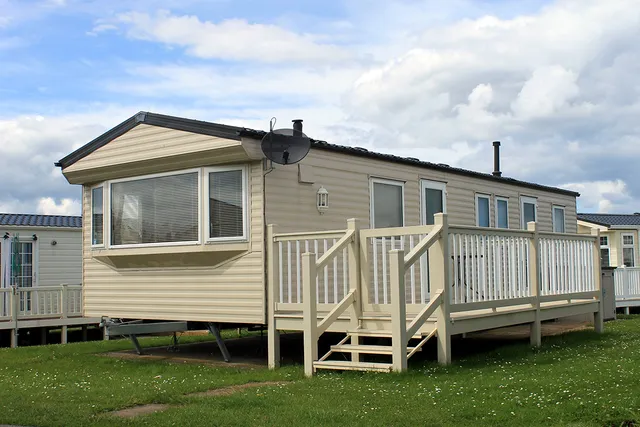
    Get a Home Loan for a Mobile Home

    Different Types of Loans for Mobile Homes

    When you need a loan for a mobile home, you have several options to choose from. Each type has its benefits depending on your situation.

    Here are common loan types:

    • FHA loans: Government-backed and often easier to qualify for
    • VA loans: Available to veterans and active-duty service members
    • USDA loans: Help those buying in rural areas
    • Conventional loans: Offered by private banks and lenders

    Each option helps many families move into a home they love.

    Can You Get Loans for Mobile Homes in Parks?

    You can get loans for mobile homes in parks under the right conditions. The loan usually covers the home itself, but not the land.

    Some lenders specialize in loans for homes in leased-land communities. Often, they offer flexible terms and lower down payments.

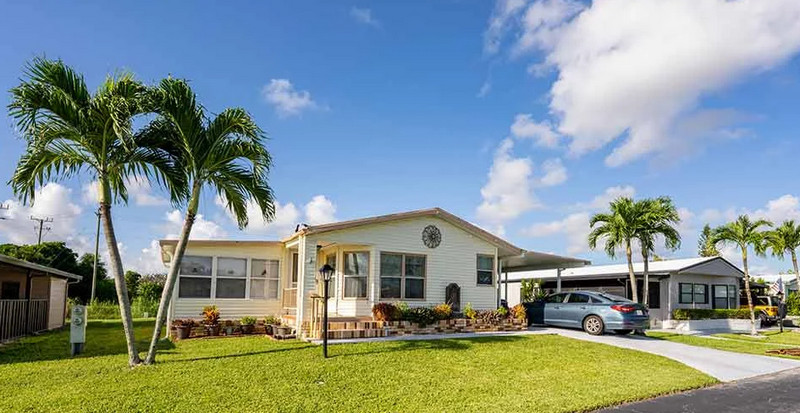
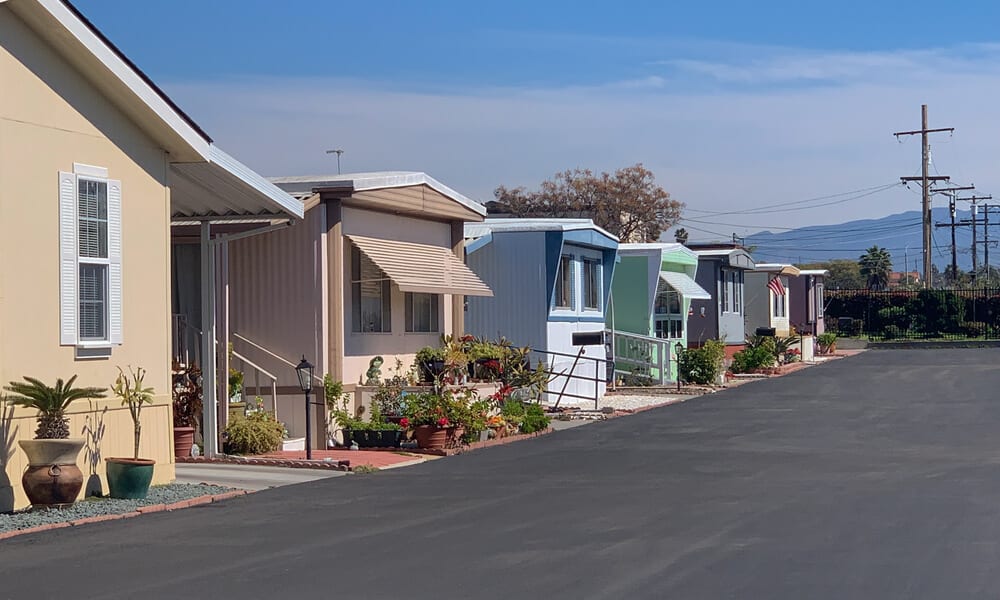
    Buying a mobile home in a park gives you a great sense of community and lower costs than buying traditional homes.

    How a Personal Loan for Mobile Home Purchase Works

    Another option is using a personal loan for mobile home purchases. A personal loan does not require a home as collateral.

    Some reasons buyers use a personal loan include:

    • Buying an older mobile home
    • Covering repairs or upgrades
    • Making a quick purchase without mortgage paperwork

    Although interest rates may be a little higher, the process is usually much faster and easier.

    What is a Chattel Loan for Mobile Home Financing?

    A chattel loan for mobile home purchases is a popular choice too. Chattel loans treat the home as personal property rather than real estate.

    Benefits of chattel loans include:

    • Faster approval times
    • Less paperwork
    • Options for homes on rented land

    Many buyers prefer chattel loans when purchasing in parks or on private property without a permanent foundation.

    Financing a Mobile Home With Land

    If you are financing a mobile home with land, you may qualify for a traditional mortgage. Combining the land and home often leads to better loan terms and lower rates.

    Buying land along with your mobile home offers many benefits, such as:

    • Building home equity faster
    • Greater security and privacy
    • Freedom to make improvements without park rules

    Many families find this option ideal when planning to stay long-term in one place.

    What to Expect During the Loan Process

    Applying for a loan may seem confusing at first, but each step moves you closer to owning your home.

    Here is the basic process:

    • Find a lender who offers mobile home loans
    • Fill out an application and provide financial documents
    • Choose the loan type that fits your needs
    • Get approval and sign the loan papers
    • Close on your new mobile home

    Each step is clear, and many lenders help you through every part of the process.

    Tips for Getting Approved for a Loan for a Mobile Home

    Getting approved for a loan for a mobile home is easier when you prepare ahead of time.

    Helpful tips include:

    • Check your credit report for errors
    • Save for a down payment if needed
    • Gather proof of income and job history
    • Research lenders who specialize in mobile homes
    • Know whether you plan to buy land with the home

    Preparation makes the process faster and less stressful.

    Benefits of Buying a Mobile Home With a Loan

    Buying with a loan for a mobile home brings many advantages compared to renting or paying cash.

    Benefits include:

    • Building credit and home equity
    • Keeping more cash on hand for other needs
    • Moving into your home faster
    • Choosing from a wide range of homes

    Mobile homes today are stylish, energy-efficient, and very comfortable, making them a smart choice for many families.

    FAQ About Getting a Loan for a Mobile Home

    Can you get a loan for a mobile home on rented land?

    Yes, many lenders offer chattel loans or personal loans for this purpose.

    What credit score do you need for a mobile home loan?

    Most lenders prefer a score of 620 or higher, but some accept lower scores.

    Is a down payment always needed for mobile home loans?

    Not always. Some government programs offer loans with little or no down payment.

    Can you refinance a mobile home loan later?

    Yes, refinancing options are available if you meet lender requirements.

    How long are mobile home loan terms?

    Terms usually range from 10 to 30 years, depending on the loan type.

    Do banks offer loans for older mobile homes?

    Some do, but older homes may need a personal loan or chattel loan instead.

    Can a mobile home in a park be financed?

    Yes, loans for mobile homes in parks are available through specialized lenders.

    What documents are needed for a mobile home loan?

    You will need proof of income, ID, credit history, and details about the home.

    Can you get a loan for a mobile home and land together?

    Yes, financing a mobile home with land often qualifies for traditional mortgages.

    Are mobile home loans safe?

    Yes, mobile home loans follow the same rules and protections as other types of loans.
     

    See Also:

  • How Do You Finance a Mobile Home in Florida?

    When you are ready to finance a mobile home in Florida, you will find many great options available. Mobile homes offer an affordable way to enjoy homeownership in the Sunshine State. Many lenders understand the needs of mobile home buyers and offer flexible solutions to help you.

    How to Finance a Mobile Home: Steps to Getting Started

    Before you finance a mobile home, you will want to understand your available choices. Taking the right steps early can save you time and money.

    Here are a few important steps to follow:

    • Check your credit score: A better score often means better loan terms.
    • Decide on new or used: Financing terms may differ based on the home’s age.
    • Know if you are buying land: This affects the type of loan you may need.
    • Prepare your documents: Income proof, tax returns, and identification are usually needed.Finance a Mobile Home

    Starting early with your paperwork can help make the financing process smoother.

    Different Ways to Finance a Mobile Home in Florida

    There are several ways to finance a mobile home in Florida, depending on your situation. Some loans work best for those who own land, while others help those buying inside a park.

    Common financing options include:

    • FHA Loans: Backed by the government, these loans often allow lower down payments.
    • VA Loans: If you are a veteran, you may qualify for a mobile home loan with no down payment.
    • Conventional Loans: Private lenders sometimes offer loans for mobile homes with land.
    • Chattel Loans: Used when buying only the home, not the land.

    Each choice has its own benefits, making it easier to find the right match for your needs.

    Chattel Loan for Mobile Home Purchases

    A chattel loan for mobile home purchases is a common option when the land is rented. Chattel loans are designed for personal property and usually have shorter terms than traditional mortgages.

    These loans move faster and can be easier to qualify for. Many buyers like this option because it keeps the financing process simple.

    Finance a Mobile Home When You Live in a Park

    If you plan to live in a mobile home park, you can still finance a mobile home with the right lender. Loans for mobile homes in parks work a little differently than loans for homes on private land.

    In this case, lenders often require a signed lease agreement for the lot. They want to see stability in where the home will be located.

    Living in a park offers many benefits, including community amenities and lower overall costs. Financing a mobile home in a park helps make this lifestyle even more affordable.

    Used Mobile Home Financing Companies

    If you are buying a pre-owned home, you might need used mobile home financing companies. These companies specialize in loans for homes that are older or have had previous owners.

    They understand the market and can offer fair rates. Some larger banks avoid used homes, but specialized lenders welcome this business.

    When choosing a lender, it helps to work with someone who has experience with manufactured housing.

    How to Improve Your Chances of Financing a Mobile Home

    Getting approved to finance a mobile home can feel exciting. You can improve your chances by taking a few smart steps:

    • Save for a down payment: The bigger your down payment, the better your loan terms might be.
    • Clean up your credit: Paying off old debts can help raise your score.
    • Compare lenders: Shopping around often leads to better rates.
    • Stay organized: Keeping your financial records handy can speed up approval. 

    With a little planning, you can secure financing and move into your new home faster.

    Can You Use a Personal Loan for Mobile Home Purchases?

    Some buyers consider using a personal loan for mobile home purchases. Personal loans can work well for smaller loan amounts or when buying an older mobile home.

    These loans usually do not require collateral, making them a fast option. However, they often have higher interest rates than traditional mobile home loans.

    Talking with a financial advisor can help you decide if a personal loan is the right choice for you.

    Benefits of Financing a Mobile Home in Florida

    Financing a mobile home comes with many advantages. Buyers enjoy lower monthly payments compared to site-built homes. Mobile homes also offer more flexibility in location and lifestyle.

    Other great benefits include:

    • Faster move-in times: Homes are ready much quicker than new builds.
    • Lower insurance costs: Mobile homes often cost less to insure.
    • Affordable maintenance: Repairs and updates tend to be more budget-friendly. 

    Choosing to finance a mobile home in Florida gives you the chance to enjoy warm weather and an affordable lifestyle.

    FAQ About Financing a Mobile Home in Florida

    Can I finance a mobile home if it is located in a park?

    Yes, many lenders offer loans for mobile homes located inside parks.

    What credit score do I need to finance a mobile home?

    Most lenders prefer scores of 620 or higher, but options exist for lower scores too.

    Is a chattel loan only for mobile homes without land?

    Yes, chattel loans are used when you buy the home but rent the land.

    Are FHA loans available for mobile homes in Florida?

    Yes, FHA loans can help finance both the home and the land if you qualify.

    Can I use a personal loan for a mobile home?

    Yes, you can use a personal loan if you do not need to borrow a large amount.

    How much down payment is needed to finance a mobile home?

    Down payments can range from 5% to 20%, depending on the loan program.

    Do used mobile home financing companies offer good rates?

    Yes, specialized lenders often offer competitive rates for used mobile homes.

    Can I get a VA loan for a mobile home in Florida?

    Yes, veterans can use VA loans to finance a mobile home with or without land.

    Will I need mortgage insurance when financing a mobile home?

    You might need mortgage insurance if your down payment is less than 20%.

    How long does it take to finance a mobile home?

    Most mobile home loans close within 30 to 45 days.


    See Also:


  • How to Get a Loan for a Mobile Home in Florida

    How to Get a Loan for a Mobile Home in Florida

    Knowing how to get a loan for a mobile home in Florida can make your buying process easier. Whether you’re purchasing your first home or upgrading your current one, financing is often part of the plan. The good news is, there are several ways to get funding, even if you’re buying a home in a park or from a private owner.

    Let’s walk through the steps to help you find the right loan for your mobile home purchase.

    How to Get a Loan for a Mobile Home Starts with the Type of Home

    The first step in how to get a loan for a mobile home is knowing what kind of home you’re buying. Some loans only apply to homes classified as real property, while others cover homes considered personal property.

    In Florida, mobile homes fall into these two categories:

    • Real Property: The mobile home is attached to land that you own.
    • Personal Property: The mobile home is in a park or on land you rent.

    Lenders look at these two types differently. So, knowing which one you’re buying helps you choose the right loan.

    how to get a loan for a mobile home

    Types of Loans Available for Mobile Homes

    Buyers have several loan options, and each one has its own rules and benefits.

    Personal Loan for Mobile Home Purchases

    Personal loans can work if you’re buying a home not permanently fixed to land. These loans have higher interest rates but are fast to fund and flexible.

    Use this loan if:

    • You’re buying from a private owner.
    • You don’t want to tie the loan to real estate.
    • You plan to live in a mobile home park.

    Chattel Loan for Mobile Home Deals

    Chattel loans are common when the home is not attached to land. These are loans for movable property and are often used in parks.

    Features include:

    • Shorter loan terms
    • Higher interest rates
    • Quick approval and funding

    Chattel loans are a solid choice if you plan to keep your home in a mobile home park long-term.

    FHA Mobile Home Loan Requirements

    If your mobile home meets certain guidelines, you may qualify for an FHA loan. These loans offer lower down payments and fixed rates.

    Basic FHA requirements:

    • The home must be your primary residence.
    • The home must meet HUD safety standards.
    • The loan must be from an approved FHA lender.

    Some lenders will help guide you through the FHA mobile home loan requirements, making the process smoother.

    How to Get a Loan for a Mobile Home Through a Bank

    Many banks offer loans for mobile homes, but not all do. Some banks only finance homes attached to land. So, if you’re purchasing both, you’re in luck.

    Banks that finance mobile homes with land offer benefits like:

    • Lower interest rates
    • Longer repayment terms
    • Property value growth potential

    Always ask the bank if they handle loans for mobile homes on land before applying.

    Steps to Follow Before You Apply

    You’ll have a smoother time applying if you’re prepared. Take these steps first:

    • Check your credit score
      Pay down debts
    • Save for a down payment
    • Gather income proof
    • Review your budget

    Most lenders want to see stable income and a credit score over 620. However, some may approve lower scores depending on the loan type.

    Where You Place Your Home Affects Financing

    Lenders often ask where the mobile home will sit. If you’re planning to live in a park, that can limit your loan options—but you still have choices.

    Loans for mobile homes in parks are usually personal or chattel loans. These are great if you don’t want to own land. Make sure the park allows long-term stays and accepts loan-financed homes.

    If you’re buying both land and the home, more loan types become available, including traditional mortgages.

    How to Buy a Mobile Home from a Private Owner

    Buying directly from a private owner is common in Florida. You’ll still need a loan that fits the purchase type.

    Steps to follow:

    • Confirm the home’s title is clean
    • Get a bill of sale
    • Schedule a home inspection
    • Make sure the home meets local codes
    • Get written park approval (if needed)

    Some lenders will approve personal or chattel loans for these types of deals.

    How to Get a Loan for a Mobile Home the Smart Way

    Here’s how to improve your chances of loan approval:

    • Keep your debt low
    • Show steady employment
    • Have a down payment (even 5–10% helps)
    • Choose a lender with mobile home experience
    • Pick the right loan based on where the home will sit

    Not all lenders understand mobile homes. Working with those who do makes the process much smoother.

    Documents You’ll Likely Need

    Before applying, gather these documents to speed things up:

    • ID and Social Security number
    • Proof of income (pay stubs, taxes)
    • Credit report
    • Purchase agreement
    • Land lease or deed

    Having these ready keeps your loan application moving quickly.

    Frequently Asked Questions

    What credit score do I need for a mobile home loan?

    Most lenders prefer 620 or higher, but some approve lower scores with larger down payments.

    Can I get a loan for a home in a mobile home park?

    Yes, loans for mobile homes in parks include personal loans and chattel loans.

    Do I need to own land to get a bank loan?

    Not always. Some banks that finance mobile homes with land also offer options without land.

    What is a chattel loan for mobile homes?

    It’s a loan for personal property, often used when the home isn’t attached to land.

    Are mobile homes eligible for FHA loans?

    Yes, if the home meets HUD safety codes and is your main residence.

    Can I buy from a private owner using a loan?

    Yes. Learn how to buy a mobile home from a private owner before applying for financing.

    How long does loan approval take?

    It depends, but most personal or chattel loans take a few days to two weeks.

    Can I refinance a mobile home loan later?

    Yes, refinancing is possible if your credit improves or market rates drop.

    What is the down payment requirement?

    Down payments range from 5% to 20%, depending on the loan type and credit score.

    Are there closing costs with mobile home loans?

    Yes, but they are usually lower than those for traditional mortgages.

    Mobile Home Loans in Florida Are Within Reach

    Knowing how to get a loan for a mobile home helps you make better decisions. Florida buyers have many options, whether they plan to live in a park or buy land. With the right lender and proper preparation, financing a mobile home can be simple and smooth.

    Keep your credit in good shape, choose the best loan for your needs, and enjoy the benefits of mobile home living in the Sunshine State.


    See Also:


  • Best Loans for Mobile Homes in 2025: What You Need to Know

    Best Loans for Mobile Homes in 2025: What You Need to Know

    Mobile homes provide an affordable housing option for many buyers, but finding the right loans for mobile homes can be challenging. In 2025, several financing choices can help make purchasing a mobile home easier and more affordable. Understanding the best loan options will help you make a smart financial decision.

    Types of Loans for Mobile Homes in 2025

    There are several financing options available, each with its own requirements and benefits. Here are the best loan types:

    1. FHA Loans

    FHA loans offer a low down payment and flexible credit requirements. These loans are government-backed and provide affordable financing for mobile home buyers.

    Key Benefits:

    • Low down payment (as low as 3.5%)
    • More lenient credit score requirements
    • Fixed interest rates

    2. VA Loans

    VA loans are ideal for veterans and active military members. These loans offer competitive interest rates and no down payment, making them an excellent choice for those who qualify.

    Key Benefits:

    • No down payment required
    • No private mortgage insurance (PMI)
    • Competitive interest rates

    3. Chattel Loans

    If you are purchasing a mobile home without land, a chattel loan is a good option. This type of loan is specifically designed for mobile homes and often has shorter repayment terms.

    Key Benefits:

    • Easier approval process
    • Suitable for homes in mobile home parks
    • Faster closing times

    best loans for mobile homes

    4. USDA Loans

    For those buying in rural areas, USDA loans provide a great financing option. These loans offer no down payment and low interest rates.

    Key Benefits:

    • No down payment
    • Lower interest rates
    • Designed for rural homebuyers

    How to Qualify for a Mobile Home Loan

    Lenders consider several factors before approving a loan. Here are the main requirements:

    • Credit Score: A higher score improves loan approval chances.
    • Down Payment: Some loans require as little as 3.5%.
    • Debt-to-Income Ratio: Lenders check your ability to repay.
    • Property Type: Loans vary based on whether the home is attached to land.

    Best Lenders for Mobile Home Loans in 2025

    1. Rocket Mortgage

    Rocket Mortgage provides FHA and VA loans, making it a strong choice for mobile home buyers.

    2. 21st Mortgage Corporation

    Specializing in mobile home loans, this lender offers financing with no minimum credit score requirements.

    3. Vanderbilt Mortgage and Finance

    This lender provides chattel loans and land-home packages for mobile home buyers.

    4. Manufactured Nationwide

    They offer USDA and VA loans with competitive rates for mobile home buyers.

    Steps to Apply for a Mobile Home Loan

    Follow these steps to secure financing:

    1. Check Your Credit Score – A higher score means better loan terms.
    2. Determine Your Budget – Know how much you can afford.
    3. Compare Lenders – Look for the best interest rates and terms.
    4. Gather Documents – Have proof of income, credit history, and identification ready.
    5. Submit Your Application – Complete the lender’s process and wait for approval.

    Common Mistakes to Avoid When Applying for Mobile Home Loans

    • Not Checking Your Credit Score – Low scores may lead to high interest rates.
    • Ignoring Loan Terms – Shorter terms can mean higher payments.
    • Not Comparing Lenders – Different lenders offer different rates.
    • Skipping a Down Payment – A down payment can lower monthly costs.

    FAQ: Loans for Mobile Homes

    1. Can I get a mortgage for a mobile home?

    Yes, if the home is attached to land and meets lender requirements.

    2. What credit score is needed for a mobile home loan?

    Most lenders prefer a score of 620 or higher, but some accept lower scores.

    3. Are FHA loans available for mobile homes?

    Yes, FHA loans are available for mobile homes with a foundation and land.

    4. Can I buy a mobile home with no down payment?

    Yes, VA and USDA loans offer zero down payment options.

    5. What is the best loan for mobile homes in parks?

    Chattel loans are the best option for homes in mobile home parks.

    6. How long can I finance a mobile home?

    Loan terms range from 10 to 30 years, depending on the lender and loan type.

    7. Do mobile home loans have high interest rates?

    Interest rates vary, but government-backed loans usually offer lower rates.

    8. Can I refinance a mobile home loan?

    Yes, refinancing can lower monthly payments and interest rates.

    9. Do all lenders offer mobile home loans?

    No, only specific lenders provide loans for mobile homes.

    10. Can I use a personal loan to buy a mobile home?

    Yes, but personal loans often have higher interest rates.


    See Also:

  • Top 5 Banks That Finance Mobile Homes with Land

    Top 5 Banks That Finance Mobile Homes with Land

    Finding banks that finance mobile homes with land can be challenging, but many lenders offer great options. Mobile homes provide an affordable path to homeownership, especially when combined with land. If you’re considering buying a mobile home with land, choosing the right bank is crucial. This article explores five banks that offer financing and what makes them stand out.

    1. Wells Fargo

    Wells Fargo is a trusted lender offering financing for mobile homes attached to land. The bank provides both conventional and government-backed loans for buyers.

    Why Choose Wells Fargo?

    • Offers FHA, VA, and USDA loans
    • Competitive interest rates
    • Flexible loan terms
    • Nationwide availability

    Loan Requirements

    • The mobile home must be permanently attached to land
    • The home must be on a foundation
    • Minimum credit score requirements apply

    banks that finance mobile homes with land

    2. Rocket Mortgage

    Rocket Mortgage offers financing options for mobile homes classified as real property. The bank provides a smooth online loan application process.

    Why Choose Rocket Mortgage?

    • Streamlined online application
    • Quick approval process
    • Fixed and adjustable-rate mortgage options

    Loan Requirements

    • The home must be on a permanent foundation
    • The borrower must meet income and credit score requirements

    3. Vanderbilt Mortgage and Finance

    Vanderbilt Mortgage specializes in mobile home loans, making it a strong choice for buyers looking to finance a manufactured home with land.

    Why Choose Vanderbilt Mortgage?

    • Offers loans for new and used mobile homes
    • Provides land-home financing
    • Accepts a range of credit scores

    Loan Requirements

    • The borrower must meet credit and income qualifications
    • The home must be on a foundation and titled as real property

    4. 21st Mortgage Corporation

    21st Mortgage Corporation provides financing solutions for manufactured homes with land. This lender is ideal for buyers with various financial backgrounds.

    Why Choose 21st Mortgage?

    • No minimum credit score is required for some loans
    • Offers land and home financing
    • No prepayment penalties

    Loan Requirements

    • The borrower must have a stable income
    • The home must meet safety and foundation standards

    5. US Bank

    US Bank provides financing for mobile homes that meet real estate criteria. The lender offers competitive rates and flexible loan options.

    Why Choose US Bank?

    • Offers fixed and adjustable-rate mortgages
    • Provides FHA and VA loan options
    • Recognized nationwide for customer service

    Loan Requirements

    • The home must be permanently affixed to the land
    • The borrower must meet credit and income guidelines

    Key Considerations When Choosing a Lender

    Before applying for financing, consider these factors:

    • Credit Score – Higher scores often secure better loan terms.
    • Loan Type – Choose from FHA, VA, USDA, or conventional loans.
    • Down Payment – Some lenders require a down payment.
    • Property Requirements – The home must be permanently attached to the land.
    • Interest Rates – Compare rates to find the best deal.

    Benefits of Buying a Mobile Home with Land

    Purchasing a mobile home with land offers several advantages:

    • Builds Equity – Homeowners can build equity over time.
    • More Control – Owning land provides freedom to customize the property.
    • Lower Costs – Mobile homes are more affordable than traditional homes.
    • Financing Availability – Many lenders offer mortgage options for mobile homes.

    FAQ

    1. What credit score is needed for a mobile home loan?

    Most lenders require a credit score of at least 620, but some accept lower scores.

    2. Can I get a mortgage for a mobile home with land?

    Yes, many banks offer mortgage options if the home is permanently attached to the land.

    3. What types of loans are available for mobile homes with land?

    Common options include FHA, VA, USDA, and conventional loans.

    4. Do banks require a foundation for mobile home financing?

    Yes, most banks require the home to be on a permanent foundation.

    5. Are interest rates higher for mobile home loans?

    Rates can be higher than traditional mortgages, but good credit can help secure lower rates.

    6. Can I use a VA loan for a mobile home with land?

    Yes, VA loans are available for eligible veterans purchasing a mobile home with land.

    7. What is the minimum down payment for a mobile home loan?

    Down payments vary but typically range from 3.5% to 20%.

    8. Can I finance a used mobile home with land?

    Yes, many lenders offer financing for used mobile homes that meet their criteria.

    9. What are the benefits of financing a mobile home with land?

    Financing allows homeownership with lower costs compared to traditional housing.

    10. How long does it take to get approved for a mobile home loan?

    Approval times vary, but many lenders provide decisions within a few days.

    Conclusion

    Banks that finance mobile homes with land make homeownership accessible and affordable. Whether you choose Wells Fargo, Rocket Mortgage, Vanderbilt Mortgage, 21st Mortgage, or US Bank, you have great options. Compare loan terms and choose the best lender for your needs.


    See Also:

  • Florida’s Top Mobile Home Lenders: Your Guide to Smart Financing

    Finding the right financing for your manufactured home starts with picking good lenders. Florida offers many options for mobile home buyers who need loans.

    Traditional Bank Options

    Many big banks support mobile home purchases through specific programs. Wells Fargo leads with competitive rates and flexible terms. Bank of America accepts various credit scores for qualified buyers. Fifth Third Bank provides quick pre-approval for mobile home loans.

    Key benefits of bank loans include:

    • Lower interest rates than private lenders
    • Longer repayment periods up to 30 years
    • Option to refinance later
    • Protection through federal banking regulations

    Credit Unions Serving Florida’s Mobile Home Market

    Credit unions often beat traditional mobile home lenders on rates and terms. These member-owned institutions focus on helping buyers succeed.

    Space Coast Credit Union serves most Florida counties with:

    • Down payments as low as 5%
    • Fixed and adjustable rates
    • No prepayment penalties
    • Free loan counseling services

    mobile home lenders

    Government-Backed Loan Programs

    FHA and VA loans work well for manufactured housing. These programs help buyers with lower credit scores or limited savings.

    Benefits of government programs:

    • Down payments starting at 3.5%
    • Credit scores as low as 580 accepted
    • Competitive interest rates
    • Special deals for veterans

    Online Mobile Home Financing

    Digital lenders speed up the loan process through online applications. 21st Mortgage Corporation leads online mobile home lending with quick decisions.

    Top features of online lenders:

    • 24/7 application access
    • Fast approval decisions
    • Electronic document signing
    • Mobile app management

    Regional Lenders Supporting Florida Communities

    Local lenders know Florida’s mobile home market better than national companies. They often provide more personal service and local market knowledge.

    CommunityBank of Florida specializes in:

    • Land-home combination loans
    • Park placement financing
    • Home-only chattel loans
    • Construction-to-permanent options

    Direct Manufacturer Financing

    Many manufacturers partner with lending companies. This creates a one-stop shop for buying and financing.

    Clayton Homes offers:

    • Special rates for new homes
    • Combined land and home deals
    • Quick closings
    • Flexible credit requirements

    Private Lending Solutions

    Private lenders fill gaps when traditional financing doesn’t work. They often help buyers with unique situations.

    Advantages of private lenders:

    • More flexible approval standards
    • Custom loan structuring
    • Fast funding
    • Solutions for credit challenges

    Tips for Getting Approved

    Good preparation helps secure better loan terms. Start by checking your credit report for errors.

    Steps to improve approval odds:

    • Save for a bigger down payment
    • Fix credit report mistakes
    • Gather proof of income
    • List all assets and debts

    Working with Mobile Home Parks

    Many parks have connections with trusted lenders. This can simplify both home purchase and lot rental agreements.

    Park benefits include:

    • Pre-approved lender networks
    • Combined lot rent and loan payments
    • Move-in ready options
    • Community amenities

    Making Smart Financing Choices

    Compare multiple loan offers before deciding. Look at total costs rather than just monthly payments.

    Important factors include:

    • Annual percentage rate
    • Loan term length
    • Total closing costs
    • Monthly payment amount

    Protecting Your Investment

    Get proper insurance coverage for your manufactured home. Many lenders require specific policy types.

    Key protection points:

    • Wind and storm coverage
    • Liability insurance
    • Contents protection
    • Transportation insurance

    Planning for Success

    Budget carefully for all costs linked to mobile home ownership. Include taxes, insurance, and lot rent in your calculations.

    Monthly expenses to consider:

    • Loan payment
    • Property taxes
    • Insurance premiums
    • Lot rent payments

    This guide shows the many financing paths for Florida mobile home buyers. Different lenders suit different needs. Take time to research options and choose what works best for you.

    See Also:


  • Do You Need a Mortgage to Buy a Mobile Home?

    You may need a mortgage to buy a mobile home, depending on how the home is classified. Some mobile homes qualify for traditional financing, while others require alternative loan options. Understanding your choices helps you secure the best funding.

    When Do You Need a Mortgage to Buy a Mobile Home?

    A mortgage applies if the mobile home is permanently attached to land and meets certain requirements. If the home is not fixed to a foundation, lenders may not offer a standard mortgage.

    Factors That Determine Mortgage Eligibility:

    • Home Classification – The home must be classified as real property, not personal property.
    • Permanent Foundation – The mobile home should be attached to land with a secure foundation.
    • Title Status – The home’s title must be converted from personal property to real estate.
    • Loan Amount – The home must meet the lender’s minimum loan requirements.

    Do You Need a Mortgage to Buy a Mobile Home

    Loan Options for Buying a Mobile Home

    If a mortgage is not available, there are other ways to finance a mobile home. Lenders offer different options based on the home’s classification and your financial status.

    Common Financing Choices:

    • Conventional Mortgages – Available if the home is permanently attached to land.
    • FHA Loans – Government-backed loans with lower down payment requirements.
    • Chattel Loans – Used for mobile homes classified as personal property.
    • Personal Loans – An option for buyers who do not qualify for traditional financing.
    • VA Loans – Available for eligible veterans purchasing mobile homes.

    How to Qualify for a Mortgage to Buy a Mobile Home

    Lenders set specific requirements for mobile home mortgages. Meeting these conditions improves approval chances.

    Typical Mortgage Requirements:

    • Credit Score – Higher scores increase loan approval chances and lower interest rates.
    • Down Payment – Some loans require at least 5-10% of the home’s value.
    • Debt-to-Income Ratio – Lenders check income stability and debt obligations.
    • Property Standards – The home must meet safety and construction guidelines.
    • Land Ownership – Some lenders require ownership of the land under the home.

    Advantages and Disadvantages of Using a Mortgage

    A mortgage provides benefits but also has some limitations. Weighing both helps in making the right decision.

    Benefits of a Mortgage:

    • Lower Interest Rates – Traditional mortgages often have better rates than personal loans.
    • Longer Repayment Terms – Monthly payments may be lower due to extended loan terms.
    • Opportunity to Build Equity – Owning a home with a mortgage helps increase long-term value.

    Drawbacks of a Mortgage:

    • Strict Requirements – Lenders enforce credit, income, and home classification rules.
    • Closing Costs – Borrowers pay fees for loan processing and legal documentation.
    • Risk of Foreclosure – Missing payments can lead to losing the home.

    Alternative Ways to Buy a Mobile Home Without a Mortgage

    If a mortgage is not an option, there are other ways to secure financing.

    Other Funding Methods:

    • Rent-to-Own Agreements – Buyers make monthly payments that go toward ownership.
    • Seller Financing – The seller provides a payment plan without a traditional lender.
    • Mobile Home Loans – Specialized lenders offer loans tailored for mobile homes.
    • Credit Union Financing – Some credit unions provide flexible terms for mobile home buyers.

    Steps to Secure the Right Loan for a Mobile Home

    Choosing the best financing option requires research and preparation. Follow these steps to improve approval chances.

    Key Steps:

    • Check Credit Report – Ensure there are no errors that could impact loan approval.
    • Determine Home Classification – Confirm whether the home qualifies as real or personal property.
    • Compare Loan Offers – Review interest rates and terms from multiple lenders.
    • Gather Required Documents – Have proof of income, identification, and home details ready.
    • Understand Loan Terms – Review all conditions before signing any agreement.

    What Happens If You Can’t Get a Mortgage?

    If mortgage approval is not possible, consider other ways to buy a mobile home. Some buyers use personal savings or alternative financing.

    Backup Options:

    • Save for a Larger Down Payment – A higher down payment can improve loan chances.
    • Improve Credit Score – Paying off debts and correcting errors can raise credit scores.
    • Seek a Co-Signer – A co-signer with strong credit can help secure loan approval.
    • Look for Lower-Priced Homes – Buying a more affordable home reduces loan needs.

    Final Thoughts on Mortgage to Buy a Mobile Home

    A mortgage to buy a mobile home is possible under specific conditions. If the home meets lender requirements, traditional financing is an option. When a mortgage is not available, other financing solutions can still make ownership possible. Researching loan options ensures the best financial decision for your situation.


    See Also:

  • Can I Get a Loan on My Mobile Home Title?

    Yes, you can get a loan on your mobile home title if you meet the lender’s requirements. Many financial institutions offer title loans for mobile homes, giving homeowners a way to access quick funds. Before applying, it is important to understand the process, eligibility, and potential risks.

    How Does a Mobile Home Title Loan Work?

    A mobile home title loan works like a car title loan. You use the title of your mobile home as collateral to secure a loan. Lenders determine the loan amount based on the home’s value, your ability to repay, and other factors.

    Steps to Get a Loan on Your Mobile Home Title:

    • Check your home’s title – Ensure there are no liens or unpaid debts attached.
    • Find a lender – Look for financial institutions or private lenders that offer mobile home title loans.
    • Submit an application – Provide personal details, proof of income, and home ownership documents.
    • Undergo an appraisal – The lender may assess the value of your home before approving the loan.
    • Review the terms – Understand the interest rates, repayment schedule, and potential fees.
    • Sign the agreement – Once approved, sign the contract and receive the funds.

    Can I Get a Loan on My Mobile Home Title

    Where Can You Get a Loan on Your Mobile Home Title?

    Several lenders offer mobile home title loans. The best option depends on your credit score, income, and the lender’s terms.

    Common Lenders for Mobile Home Title Loans:

    • Banks and Credit Unions – These institutions may offer lower interest rates if you qualify.
    • Online Lenders – Many online companies provide fast approvals and flexible terms.
    • Title Loan Companies – Some lenders specialize in mobile home title loans but may charge higher interest.

    Requirements to Get a Loan on Your Mobile Home Title

    Lenders set different eligibility criteria, but most require:

    • Proof of ownership – The title must be in your name and free of liens.
    • Valid identification – A government-issued ID is necessary.
    • Proof of income – Lenders want to see that you can repay the loan.
    • Home condition – Some lenders inspect the mobile home before approval.
    • Insurance coverage – Some lenders require homeowners insurance.

    Advantages and Disadvantages of Mobile Home Title Loans

    Before applying, consider the benefits and potential downsides.

    Advantages:

    • Quick access to cash – Approval and funding often happen within a few days.
    • No credit check required – Some lenders focus on the home’s value rather than credit scores.
    • Flexible use of funds – You can use the money for any purpose.

    Disadvantages:

    • Higher interest rates – These loans often have steeper rates than traditional options.
    • Risk of losing your home – Defaulting on payments can lead to repossession.
    • Short repayment terms – Some loans require full repayment within months.

    Alternative Loan Options

    If a mobile home title loan doesn’t seem right, consider other choices.

    Other Financing Options:

    • Personal loans – Unsecured loans with fixed interest rates.
    • Home equity loans – Available if your mobile home is permanently attached to land.
    • Credit cards – Suitable for small expenses but may have high interest rates.
    • Peer-to-peer lending – Borrow from individuals instead of banks.

    How to Choose the Right Lender

    Picking the right lender is crucial for securing fair terms. Look for these factors:

    • Reputation – Read reviews and check ratings from past customers.
    • Interest rates – Compare rates from multiple lenders.
    • Loan terms – Understand the repayment period and any penalties.
    • Customer service – Responsive and helpful lenders make the process easier.

    What Happens If You Can’t Repay the Loan?

    Failing to repay a mobile home title loan can lead to serious consequences.

    Possible Outcomes:

    • Late fees – Missing payments can result in extra charges.
    • Repossession – The lender may take ownership of your mobile home.
    • Credit damage – Defaulting can lower your credit score and impact future loans.

    If repayment becomes difficult, contact your lender to discuss options. Some lenders offer extensions or refinancing plans.

    Final Thoughts on Getting a Loan on Your Mobile Home Title

    A mobile home title loan can provide fast cash, but it carries risks. Before applying, review all terms and explore alternative financing options. Understanding the process helps you make a confident decision that protects your home and financial future.


    See Also:


  • What to Know About Mobile Home Loans in Florida

    Mobile homes offer an affordable housing option for many Florida residents. However, securing a loan to purchase or refinance a mobile home can be challenging. Understanding how mobile home loans work and the specific requirements for Florida can help potential buyers make informed decisions.

    1. Types of Mobile Home Loans

    There are several types of mobile home loans in Florida, each with unique requirements and features. These include chattel loans, real estate loans, and FHA loans. The type of loan you choose depends on whether the mobile home is classified as personal or real property.

    Chattel loans are for mobile homes that are not permanently affixed to land. Real estate loans are for mobile homes attached to land and classified as real property. FHA loans are government-backed loans designed for mobile homes meeting specific standards.

    how mobile home loans work

    2. Chattel Loans

    Chattel loans are commonly used for mobile homes not affixed to land. With a chattel loan, the mobile home serves as collateral for the loan, but the land does not. These loans typically have higher interest rates than real estate loans due to the risk of the home being moved or repossessed.

    The loan term for chattel loans is usually shorter, ranging from 10 to 20 years. Lenders may require a larger down payment, sometimes as high as 20%. These loans are ideal for individuals who own the land where the mobile home will be placed or rent a space in a mobile home park.

    3. Real Estate Loans

    A real estate loan is a traditional mortgage that covers the mobile home and its land. In Florida, you can apply for a real estate loan if you buy both the land and the mobile home together. These loans typically offer lower interest rates and longer terms than chattel loans.

    To qualify for a real estate loan, the mobile home must meet specific criteria, such as being affixed to a permanent foundation. Lenders also require that the mobile home meets state building codes. The loan process for real estate loans can be similar to that of traditional home mortgages.

    4. FHA Loans for Mobile Homes

    The Federal Housing Administration (FHA) offers loans for mobile homes in Florida. These loans are ideal for buyers with lower credit scores or smaller down payments. FHA loans are available for new and existing mobile homes that meet specific requirements.

    The mobile home must have been built after 1976 to qualify for an FHA loan, as homes built before then do not meet federal standards. The home must also be placed on a permanent foundation. Additionally, the borrower must meet certain income and credit requirements.

    5. Eligibility Requirements for Mobile Home Loans

    Each type of mobile home loan has specific eligibility criteria, and meeting these requirements is crucial for approval. Lenders typically assess factors such as credit score, income, and the condition of the mobile home. The home must meet state and local building codes in Florida, especially if applying for a real estate or FHA loan.

    For chattel loans, lenders focus more on the borrower’s ability to repay the loan than the home’s value. The borrower must provide proof of land ownership or a long-term lease agreement for real estate loans. FHA loans require that the borrower meet certain income limits and credit score thresholds.

    6. Interest Rates for Mobile Home Loans

    Interest rates for mobile home loans vary depending on the type of loan, the borrower’s credit, and the loan term. Chattel loans tend to have higher interest rates than real estate loans, as lenders consider them riskier. However, real estate loans and FHA loans typically offer more competitive rates.

    Interest rates can range from 4% to 10% for mobile home loans in Florida, with the possibility of higher rates for borrowers with lower credit scores. It’s essential to shop around and compare offers from different lenders to find the best rate. Over time, securing a lower interest rate can save you significant money.

    7. Down Payments and Loan Terms

    Down payment requirements for mobile home loans in Florida vary depending on the type of loan and lender. Down payments may range from 5% to 20% for chattel loans. Real estate loans may require a down payment of 10% to 20%, depending on the borrower’s creditworthiness and the home’s value.

    Loan terms for mobile home loans in Florida can range from 10 to 30 years, depending on the loan type. Shorter loan terms often come with higher monthly payments, but they can save money on interest. Choosing the proper loan term can make your monthly payments more manageable.

    8. Mobile Home Insurance Requirements

    Most lenders require mobile home insurance before approving a loan. Insurance coverage protects the borrower and the lender in case of damage or loss. Homeowners insurance is essential in Florida due to the state’s frequent storms and hurricanes.

    Insurance policies for mobile homes typically cover damage from natural disasters, fire, theft, and vandalism. For mobile homes on land, homeowners may also need to include coverage for the land itself. Be sure to check with your lender to understand the specific insurance requirements for your loan.

    9. Finding the Right Lender

    Choosing the right lender is crucial when applying for a mobile home loan in Florida. Different lenders offer different loan terms, interest rates, and requirements. Researching and comparing multiple lenders, including banks, credit unions, and specialized mobile home lenders is important.

    Online platforms allow you to compare offers from multiple lenders quickly. You can also check with local mobile home dealerships, as they may have partnerships with lenders specializing in mobile home loans. Shopping around can help you secure the best loan terms for your financial situation.

    10. Mobile Home Loan Process in Florida

    Securing a mobile home loan in Florida is similar to getting a traditional mortgage, though it often involves fewer steps. First, you’ll need to determine which type of loan best fits your needs. Once you’ve selected a loan type, gather the necessary documents, such as proof of income, credit history, and information about the mobile home.

    After you submit your application, the lender will evaluate your financial situation and the condition of the mobile home. If your application is approved, you’ll sign the loan agreement, and the funds will be disbursed. The approval process may take several weeks, so patience’s essential.

    11. Financing Used Mobile Homes

    Financing for used mobile homes is available in Florida, but financing new homes can be challenging. Used mobile homes may need to meet the criteria for FHA loans, especially if they were built before 1976. However, lenders may still offer chattel or conventional loans for used homes.

    When financing a used mobile home, the lender typically requires a thorough inspection to assess its condition. They may also request an appraisal to determine the home’s value. Understanding the home’s condition and market value will help ensure you get a fair loan offer.

    12. Closing Costs and Fees

    Mobile home loans come with various closing costs and fees, like any home purchase. These costs include application, title search, appraisal, and attorney fees. Be prepared for these additional expenses when budgeting for your mobile home purchase.

    In Florida, closing costs for mobile home loans can range from 2% to 5% of the loan amount. It’s essential to ask the lender for a breakdown of all costs so you’re not caught off guard. Some lenders may offer to include these costs in the loan, increasing your monthly payments.

    13. Refinancing Mobile Home Loans

    Refinancing might be a good option if you already have a mobile home loan and are looking to lower your payments or interest rate. Refinancing allows you to replace your existing loan with a new one, often with better terms. Florida residents with a mobile home on land may be eligible for refinancing through traditional mortgage lenders.

    Refinancing a chattel loan is more complex but possible. Some lenders may offer refinancing options if your mobile home’s value has increased or you’ve significantly improved. Always check with your lender to determine your refinancing options and eligibility.

    14. Mobile Home Parks and Loan Approval

    Living in a mobile home park can affect your loan application. Some mobile home parks have restrictions on renting or selling homes, which can impact the marketability of your mobile home. Lenders may be less willing to approve loans for homes in parks with strict regulations.

    Before applying for a loan, check the mobile home park’s rules and regulations to ensure they align with your financing plans. Some lenders may require written confirmation from the park management that you can place the mobile home on the property. Awareness of the park’s rules can help prevent issues with loan approval.

    15. Mobile Home Loans for Retirees

    Florida is a popular destination for retirees, and many choose to purchase mobile homes in the state. Lenders may offer specialized mobile home loans for retirees, taking into account their fixed income. Retirees should know they may need additional documentation, such as proof of pension or Social Security income.

    Retirees should also consider the loan term and ensure it fits their financial situation. A shorter loan term may mean higher monthly payments, so choosing a plan that works for their budget is important. Consulting with a financial advisor can help retirees make the best loan decisions.

    Conclusion

    Securing a mobile home loan in Florida requires understanding the various loan types, eligibility criteria, and costs. Knowing the requirements and options available can help you decide whether you are purchasing a new or used mobile home. By researching loan types, comparing lenders, and preparing for the loan process, you can secure financing that meets your needs and budget.


    See Also:


  • Mobile Home Financing Options in Florida: What You Need to Know in 2024

    Purchasing a mobile home in Florida can be an excellent way to secure affordable housing, whether you’re a first-time buyer, a retiree, or someone looking for a seasonal residence. However, financing a mobile home is different from financing a traditional home. Understanding the various financing options available in 2024 is crucial for making an informed decision that fits your budget and needs. This guide will explore the different ways to finance a mobile home in Florida, including loans, mortgages, government programs, and tips on choosing the best option.

    Mobile Home Financing Options

    1. Understanding Mobile Home Classification: Personal Property vs. Real Property

    Before diving into financing options, it’s important to understand how mobile homes are classified in Florida. Mobile homes can be considered either personal property or real property, depending on whether they are permanently affixed to land.

    • Personal Property: If the mobile home is not permanently attached to land that you own, it is classified as personal property. This is common in mobile home parks where residents rent the lot but own the home. Financing for personal property typically involves a personal property loan known as a  chattel loan.
    • Real Property: If the mobile home is permanently affixed to your own land, it is classified as real property. This classification allows you to finance the home with a traditional mortgage, similar to a site-built home.

    Understanding this classification is crucial because it determines the financing you can pursue.

    2. Mobile Home Loans in Florida

    a. Chattel Loans

    Chattel loans are designed specifically for mobile homes classified as personal property. These loans differ from traditional mortgages and are typically offered by specialized lenders.

    • Interest Rates and Terms: Chattel loans often come with higher interest rates than traditional mortgages because they are considered higher risk. Loan terms are usually shorter, ranging from 15 to 20 years.
    • Down Payments: The down payment for a chattel loan can vary, but it typically ranges from 5% to 20% of the home’s purchase price.
    • Advantages: Chattel loans are relatively easy to obtain, allowing you to finance a mobile home even if it’s in a mobile home park. They are also a good option if you don’t own the land.
    • Disadvantages: Higher interest rates and shorter loan terms can raise monthly payments. Additionally, these loans often come with fewer consumer protections than traditional mortgages.
    b. Personal Loans

    Another option for financing a mobile home is through a personal loan. This option is best suited for buyers who need to invest a smaller amount or need help qualifying for other types of loans.

    • Interest Rates and Terms: Personal loans typically have higher interest rates than chattel loans and are usually unsecured, meaning they don’t require collateral. Loan terms can range from 3 to 10 years.
    • Down Payments: Personal loans may not require a down payment, but this will depend on the lender.
    • Advantages: Personal loans are flexible and can be used for various purposes, including purchasing a mobile home. They are also quicker to obtain than other loan types.
    • Disadvantages: The higher interest rates and shorter terms can result in higher monthly payments. Additionally, the loan amounts are often lower, which may not cover the full cost of a mobile home.

    3. Traditional Mortgages for Mobile Homes

    You may be eligible for a traditional mortgage if your mobile home is classified as real property. This is often the most cost-effective financing option, especially if you qualify for competitive interest rates.

    a. Conventional Mortgages

    Banks, credit unions, and other lending institutions offer conventional mortgages. The government does not insure these loans and they are available to buyers with good credit and stable income.

    • Interest Rates and Terms: Conventional mortgages typically offer lower interest rates than chattel loans. Loan terms can range from 15 to 30 years, making monthly payments more manageable.
    • Down Payments: The down payment for a conventional mortgage is usually around 5% to 20% of the home’s value.
    • Advantages: Lower interest rates and longer terms can make this option more affordable in the long run. Additionally, conventional mortgages often come with more consumer protections.
    • Disadvantages: You need good credit and sufficient income to qualify for a conventional mortgage. The process can also be more time-consuming and may require more documentation.
    b. FHA Loans

    FHA loans, insured by the Federal Housing Administration, are another option for financing a mobile home classified as real property. These loans are designed to help low-to-moderate-income buyers.

    • Interest Rates and Terms: FHA loans generally offer competitive interest rates and longer terms, similar to conventional mortgages.
    • Down Payments: One of the most significant advantages of FHA loans is the low down payment requirement, often as low as 3.5% of the home’s value.
    • Advantages: FHA loans are easier to qualify for, especially for buyers with lower credit scores. The low down payment requirement makes it accessible for first-time homebuyers.
    • Disadvantages: FHA loans come with mortgage insurance premiums (MIP), which can increase your monthly payments. There are also limits on the amount you can borrow.

    4. Government Programs for Mobile Home Financing

    Several government programs can assist with mobile home financing, particularly for low-income buyers or those in rural areas.

    a. VA Loans

    If you are a veteran, active-duty service member, or eligible surviving spouse, you may qualify for a VA loan to finance a mobile home. The Department of Veterans Affairs backs VA loans and offers several benefits.

    • Interest Rates and Terms: VA loans typically offer competitive interest rates and favorable terms, including no down payment requirement.
    • Advantages: VA loans do not require a down payment or private mortgage insurance (PMI). They also offer flexible credit requirements and lower interest rates.
    • Disadvantages: VA loans are only available to eligible veterans, active-duty service members, and their families. The home must also meet specific VA standards.
    b. USDA Loans

    The USDA Rural Development program offers loans to buyers in eligible rural areas, including parts of Florida. These loans are designed to promote homeownership in rural communities.

    • Interest Rates and Terms: USDA loans offer competitive interest rates and can finance up to 100% of the home’s value.
    • Advantages: No down payment is required, and interest rates are often lower than conventional loans. The program also offers assistance with closing costs.
    • Disadvantages: USDA loans are only available in designated rural areas, and there are income limits for eligibility.

    5. Tips for Choosing the Best Financing Option

    Selecting the right financing option for your mobile home purchase in Florida involves careful consideration of your financial situation, credit score, and long-term goals. Here are some tips to help you choose the best option:

    a. Assess Your Financial Situation

    Before applying for a loan, take a close look at your finances. Consider your credit score, income, debt-to-income ratio, and savings. This will help you determine which financing options you will likely qualify for and which terms you can afford.

    b. Compare Interest Rates and Terms

    Shop around and compare different lenders’ interest rates, terms, and fees. Even a small difference in interest rates can significantly impact your monthly payments and the total cost of your loan over time.

    c. Consider Your Long-Term Plans

    Consider how long you plan to live in the mobile home and whether you expect your financial situation to change. For example, a shorter loan term might make sense if you plan to sell the home in a few years. If you plan to stay long-term, a fixed-rate mortgage with a longer term could provide stability.

    d. Factor in Additional Costs

    Don’t forget to account for additional costs such as property taxes, insurance, and maintenance. These costs can vary depending on whether your mobile home is classified as personal property or real property.

    e. Seek Professional Advice

    Consider consulting with a financial advisor or mortgage broker specializing in mobile home financing. They can help you navigate the complexities of the process and find the best loan options for your situation.

    Conclusion

    Financing a mobile home in Florida in 2024 offers a variety of options, each with its own set of benefits and challenges. Whether considering a chattel loan, a traditional mortgage, or a government-backed loan, understanding your options is key to making an informed decision. By assessing your financial situation, comparing loan terms, and considering your long-term plans, you can choose the financing option that best meets your needs and helps you achieve your goal of owning a mobile home in the Sunshine State.

    See Also:


Reset password

Enter your email address and we will send you a link to change your password.

Get started with your account

to save your favourite homes and more

Sign up with email

Get started with your account

to save your favourite homes and more

By clicking the «SIGN UP» button you agree to the Terms of Use and Privacy Policy
Powered by Estatik