When people search for information about property taxes on a mobile home, they often have many questions. In Florida, the answer depends on a few key factors, including the type of mobile home and where it is located. Mobile homes continue to be a smart choice for many Florida residents, offering affordability and a low-maintenance lifestyle. Understanding property taxes on a mobile home helps buyers and owners feel confident and informed.
Understanding Property Taxes on a Mobile Home in Florida
Florida treats mobile homes differently depending on whether they are considered personal property or real property. If the mobile home is permanently attached to land owned by the homeowner, it is treated as real property. That means it is taxed similarly to a traditional house.
If the mobile home is not permanently affixed and you rent the land, it is considered personal property. In that case, owners pay a smaller annual registration fee instead of traditional property taxes.
Knowing how Florida classifies your home is key to understanding your responsibilities.
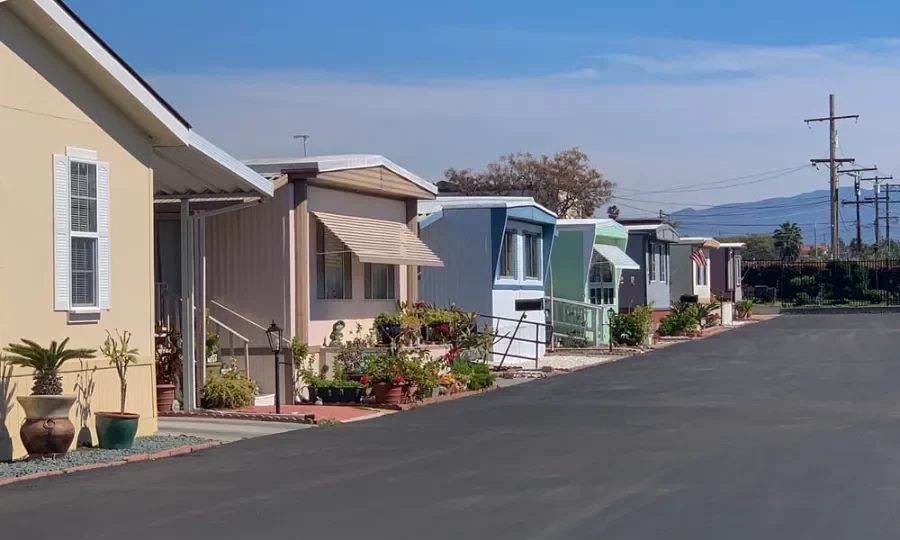
How to Know if You Owe Property Taxes on a Mobile Home
Two main factors determine if you owe property taxes on a mobile home in Florida:
- Type of Title: If your mobile home has a real property sticker, it is taxed like a house.
- Land Ownership: Owning the land where your home sits usually means you will pay property taxes.
Many homeowners appreciate the clarity this provides. Whether you are buying or currently living in a mobile home, the rules are straightforward.
What Happens If You Rent the Land?
If you rent a lot in a mobile home park, you usually do not pay traditional property taxes on the home. Instead, you pay a registration fee to the Florida Department of Highway Safety and Motor Vehicles each year.
This registration acts like a car tag and is much more affordable than standard property taxes. It is one reason mobile homes are such an attractive housing option.
Owners often ask, “If you pay lot rent do you pay property tax?” In most cases, the answer is no. The park owner typically pays property taxes on the entire park, while residents handle their registration fees.
Common Fees and Costs to Expect
Living in a mobile home often means fewer surprise expenses. When thinking about costs, here are a few you might encounter:
- Annual Registration Fee: If you rent land, this is your main government cost.
- Lot Rent: Covers the land and often includes services like lawn care and utilities.
- Property Taxes: If you own the land, you pay taxes based on the home and land value.
Mobile homes offer predictability that many buyers find very appealing.
How Property Taxes on a Mobile Home Are Calculated
If your mobile home is classified as real property, Florida uses the same process it does for traditional homes. The tax amount depends on the assessed value of the home and land combined.
Here’s how it usually works:
- The local property appraiser determines the assessed value.
- You receive a Truth in Millage (TRIM) notice showing your estimated tax bill.
- You can appeal if you believe the assessed value is too high.
Residents appreciate having the opportunity to review and understand their bills before they become final.
Mobile Home Property Tax in Florida: Special Cases
Sometimes, mobile homes are placed in special communities called resident-owned parks. In these parks, you own both the home and a share of the land.
In these cases, mobile homes are almost always taxed as real property. Owners pay property taxes on their share of the park land plus the value of their home.
If you live in one of these parks, staying informed about your tax responsibilities helps you budget wisely.
Is Lot Rent on a Mobile Home Tax-Deductible in Florida?
Many mobile home residents wonder about deductions. If you rent a lot in Florida, your lot rent is generally not tax-deductible. Lot rent is considered a living expense, similar to apartment rent.
If you own the land and home, however, you may qualify for mortgage interest deductions or property tax deductions. It depends on your personal situation, so talking to a tax professional is often a good idea.
Tips for Managing Property Taxes on a Mobile Home
Managing property taxes does not need to feel complicated. Here are a few helpful tips:
- Keep registration current: Renew yearly to avoid late fees.
- Read your TRIM notice carefully: Check the assessed value and compare it to similar homes.
- Save for annual bills: Setting aside a small amount each month can make tax time easier.
With a little planning, mobile home taxes stay manageable and stress-free.
Why Florida Mobile Homes Remain a Smart Choice
Mobile homes continue to offer many advantages to Florida residents. They provide affordable living with lower tax responsibilities compared to traditional homes.
Whether you rent a lot or own your land, you can enjoy the perks of homeownership without overwhelming costs. Property taxes on a mobile home stay straightforward, especially when you know the basic rules.
FAQ About Property Taxes on a Mobile Home in Florida
Do I pay property taxes if I rent the land for my mobile home?
Usually, no. You pay an annual registration fee instead.
How do I know if my mobile home is considered real property?
If it is permanently attached to land you own, it is treated as real property.
Can I deduct my lot rent on my taxes in Florida?
No, lot rent is not tax-deductible in Florida.
What happens if I forget to pay my mobile home registration fee?
You may be charged a late fee or penalty by the Florida DMV.
Are mobile homes taxed the same as houses in Florida?
If classified as real property, yes. Otherwise, they require an annual registration.
How much is the registration fee for a mobile home in Florida?
The fee varies depending on the size and type of home, but it is typically affordable.
If I sell my mobile home, do I still have to pay property taxes?
If you owned the land and home, you are responsible for taxes until the sale closes.
How do mobile home property taxes compare to regular home taxes in Florida?
They are often lower, especially if the home is considered personal property.
Can I appeal my mobile home property tax bill?
Yes. You can appeal if you believe the assessed value is too high.
Are there special exemptions for seniors with mobile homes in Florida?
Yes. Seniors may qualify for homestead exemptions, lowering property taxes.
