Tag: is it cheaper to live in a mobile home

  • Cheap Mobile Homes vs. Apartments: What’s the Best Value?

    Two of the most popular affordable living options are cheap mobile homes and apartments. Both offer unique benefits and drawbacks, and your decision largely depends on what you value most: price, space, flexibility, or community. This article will compare mobile homes and apartments to help you make the best choice for your lifestyle and budget.

    What Is a Mobile Home?

    A mobile home, also called a manufactured home, is a prefabricated house built in a factory and transported to a site. They are typically located in mobile home parks or manufactured home communities. These homes are often smaller and more affordable than traditional houses but offer more significant space and flexibility than apartments.

    Mobile homes come in various sizes, including single-wide, double-wide, and even triple-wide models. They can be rented or bought, and many mobile home communities allow homeowners to lease the land they occupy. This often results in lower upfront costs than owning or renting an apartment.
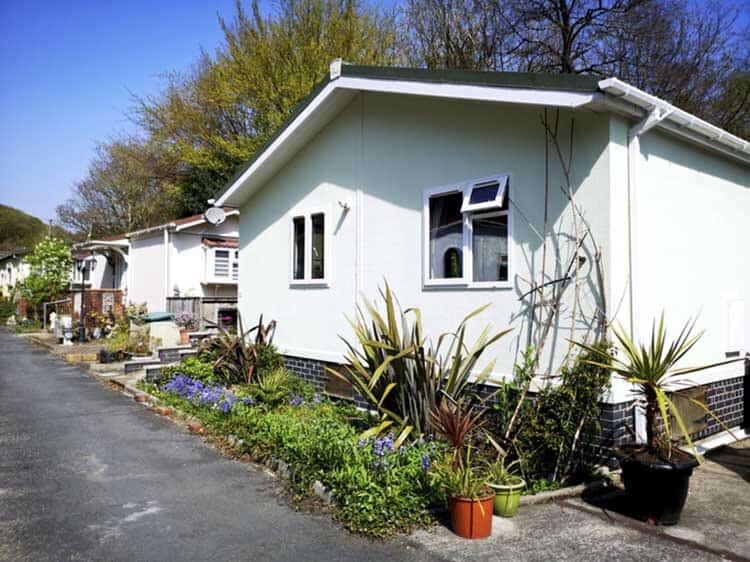
    Mobile Homes vs. Apartments

    What Is an Apartment?

    An apartment is a self-contained residential unit that’s part of a larger building or complex. Apartments are typically rented and are often located in urban areas. They can range from studio apartments to multi-bedroom units. Some apartment complexes offer amenities such as pools, gyms, or even pet parks.

    While apartments offer the convenience of shared facilities and often include utilities, they are generally smaller than mobile homes. Rent prices can vary widely depending on the location and size, but apartments often have additional costs for parking, utilities, and sometimes maintenance fees.

    Initial Costs: Mobile Homes vs. Apartments

    The initial cost is one of the most significant factors when deciding between a mobile home and an apartment.

    Mobile homes can be cheaper to buy upfront than apartments. Depending on the size and features, a mobile home can cost anywhere from $30,000 to $80,000 for a new one. Older or used mobile homes can cost even less. Renting a mobile home space in a park usually ranges from $300 to $1,000 monthly, depending on the location.

    Apartments tend to have higher upfront costs. Rent in urban areas can easily exceed $1,500 per month for a one-bedroom apartment, with additional fees for security deposits, utilities, and sometimes parking. If you’re looking to buy an apartment, the cost of a condominium or a unit in an apartment building can range from $100,000 to over $500,000, depending on the area.

    Monthly Expenses: Mobile Homes vs. Apartments

    Regarding monthly expenses, mobile homes often have the edge compared to apartments.

    For those who buy a mobile home, monthly costs typically include the loan payment (if applicable), utilities, and rent for the space in the mobile home park. The total monthly payment can be lower than the cost of renting an apartment. Depending on the area, mobile homeowners can also save on property taxes and insurance costs.

    Renting an apartment usually includes rent, utilities, and sometimes additional fees for things like parking or storage. If you live in a city with high demand for apartments, rent may increase over time, putting a strain on your budget. While some apartment complexes cover utilities, many require tenants to pay for electricity, gas, and water separately, which can add up.

    Space and Privacy: Mobile Homes vs. Apartments

    Regarding space and privacy, mobile homes often have a clear advantage.

    Mobile homes provide more square footage compared to typical apartments. A single-wide mobile home can range from 500 to 900 square feet, while a double-wide can offer anywhere from 1,000 to 2,000 square feet. This extra space gives you more freedom to move around and personalize your living area.

    Apartments, especially in urban areas, tend to be smaller. A studio apartment may only offer 300 to 500 square feet, while a one-bedroom apartment might have between 600 and 900 square feet. Even larger apartments rarely match the space that a mobile home offers.

    Privacy is another consideration. In a mobile home, you often have more privacy due to the physical separation between units. Many mobile home communities have well-spaced lots, so you don’t have neighbors right on top of you. Shared walls and common spaces in apartments can lead to more noise and less privacy.

    Flexibility and Mobility: Mobile Homes vs. Apartments

    One of the main advantages of mobile homes is their mobility. While you can move an entire mobile home to a new location, it can be expensive and complicated. However, this flexibility can be a huge advantage if you’re not tied to a particular area. Renting land in a mobile home community also gives you more control over your living situation than renting an apartment, where your lease terms are generally fixed.

    Apartments offer less flexibility. Typically, you sign a lease for a fixed term, which may be as short as six months or as long as a year. Breaking your lease can lead to penalties, and many apartments have strict rules about renewal. If you need to relocate for work or personal reasons, leaving an apartment can be more complicated than leaving a mobile home.

    Community and Lifestyle: Mobile Homes vs. Apartments

    Living in a mobile home community can offer a sense of camaraderie. Many mobile home parks are tight-knit communities where neighbors know each other and often share similar interests. These communities often provide amenities like parks, swimming pools, or recreational facilities, and there is a greater sense of belonging.

    In contrast, apartment living can be more impersonal. While some apartment complexes host community events or offer amenities, the transient nature of apartment living can make it harder to build relationships with neighbors. You may encounter more turnover and less continuity than in a mobile home community.

    Maintenance: Mobile Homes vs. Apartments

    One of the significant differences between mobile homes and apartments is the level of maintenance required.

    With a mobile home, you are responsible for most maintenance tasks. This includes caring for the exterior, plumbing, and appliances, which can lead to additional expenses. However, this also means you have more control over the upkeep of your home and can make improvements as you see fit.

    The landlord or property management company is typically responsible for most maintenance tasks in an apartment. If something breaks, you simply need to report it, which should be fixed at no cost. However, this can lead to repair delays, and you may have to wait for maintenance to arrive.

    Long-Term Investment: Mobile Homes vs. Apartments

    Regarding long-term investment, mobile homes offer a more favorable option. Mobile homes can appreciate value, especially if they are well-maintained and situated in a desirable location. The land beneath your mobile home (if you own it) can also increase in value over time.

    Apartments generally need to appreciate in value the way a mobile home can. If you own an apartment, its value may increase depending on the market, but the overall building value and the surrounding area often limit it. Renters in apartments typically only see a return on their payments if the apartment is part of a larger investment strategy.

    Conclusion: Which Offers the Best Value?

    The best value depends on your needs, budget, and lifestyle preferences.

    Mobile homes are often better for those seeking more space, privacy, and long-term affordability. They are ideal for people who want to own their home while keeping monthly costs low. If you plan on staying in one location for an extended period, a mobile home can offer great value.

    On the other hand, apartments are best for those who need flexibility, don’t mind smaller spaces, and prefer the convenience of property management handling maintenance. They may also be the right choice for those who want to live in a specific urban area without worrying about the logistics of owning a mobile home.

    Ultimately, the best option depends on your specific needs. Whether you choose a cheap mobile home or an apartment, both offer affordable living solutions for different types of lifestyles. Consider your priorities, such as space, community, and long-term investment, when deciding.


    See Also:

  • 10 Reasons Why Owning a Mobile Home Can Be a Better Option Than Renting an Apartment

    The American dream of homeownership remains a powerful motivator, but traditional houses can be a significant financial commitment.  For many, especially first-time homebuyers, mobile homes offer a compelling alternative to renting an apartment.  While both options have pros and cons, mobile homes can provide numerous advantages, making them a viable path towards homeownership and potentially greater financial security.  Here are ten reasons why a mobile home might be the perfect fit for you:

    renting an apartment

    1. Affordability: Undoubtedly, the most significant advantage of mobile homes is their affordability.  The upfront cost of purchasing a mobile home is considerably lower than buying a traditional house.  Even factoring in the cost of land rent in a mobile home community, you’ll likely save a significant amount compared to monthly apartment rent.
    2. Building Equity: When you rent an apartment, your monthly payments contribute to someone else’s wealth.  Owning a mobile home allows you to build equity with each payment.  Over time, as you pay down your mortgage, the value of your mobile home can increase, providing you with financial security and the potential for future profit if you decide to sell.
    3. Sense of Ownership and Customization: Unlike apartments, where modifications are often restricted, mobile homes offer a sense of ownership and the freedom to personalize your space.  Within the community guidelines, you can paint the exterior, add landscaping touches, or make minor renovations to create a home that reflects your style and preferences.
    4. Faster Move-in Process: Purchasing and moving into a mobile home can be considerably faster than buying a traditional house.  Mobile homes typically require less paperwork and fewer inspections, allowing you to settle into your new home quicker.
    5. Downsizing Option for Empty Nesters: Mobile homes are an attractive alternative for empty nesters looking to downsize from a large house.  They offer a comfortable living space with lower maintenance requirements and property taxes compared to a traditional home.  This allows you to free up capital and potentially enjoy a more manageable lifestyle.
    6. Community Living: Many mobile home communities offer a strong sense of community, fostering social interaction and neighborly connections.  This can be particularly appealing for those seeking a close-knit environment or a supportive network.  Some communities may even provide amenities like swimming pools, playgrounds, or clubhouses, enhancing the overall living experience.
    7. Potential for Land Ownership: While some mobile homes are situated on rented land within communities, there’s also the option to purchase a plot of land and place your mobile home on it.  This allows you to own both the dwelling and the land, providing greater long-term control and potential for appreciation in value.
    8. Mobility (to a certain extent): Mobile homes, by their very nature, offer a degree of mobility that traditional houses don’t.  While the process of relocating a mobile home is complex and requires specific permits, it can be an option if you anticipate future job changes or a desire to move to a different location.
    9. Lower Maintenance Costs: Mobile homes generally require less maintenance compared to traditional houses.  The smaller square footage means less upkeep for tasks like painting, landscaping, or roof repairs.  Additionally, some mobile home communities handle common area maintenance, reducing your overall burden.
    10. Environmentally Friendly Options: Modern mobile homes are being built with energy-efficient features and sustainable materials.  This can lead to lower energy bills and a smaller environmental footprint compared to older, less efficient housing options.

    Considering the Downsides

    It’s important to acknowledge that mobile home ownership also has drawbacks to consider:

    • Limited Appreciation: Mobile home values typically don’t appreciate at the same rate as traditional houses. While they can offer some potential for value increase, it might not be as significant over time.
    • Financing Challenges: Obtaining financing for a mobile home can be more challenging compared to traditional mortgages. Interest rates may be higher, and lenders might require a larger down payment.
    • Community Restrictions: Mobile home communities often have specific rules and regulations regarding appearance, renovations, and pet ownership. Living within these guidelines is essential for maintaining a harmonious living environment.
    • Resale Considerations: The resale market for mobile homes can be less liquid compared to traditional houses. Finding a buyer might take longer, and the final sale price may be lower than your initial purchase price.

    Making an Informed Decision

    Ultimately, the decision between renting an apartment and owning a mobile home depends on your individual circumstances, priorities, and long-term goals.  If affordability, a sense of ownership, and potential equity building are important to you, a mobile home can be a viable path toward achieving your dreams.


    See Also:


  • Is Buying a Mobile Home Better Than Renting an Apartment?

    The debate between buying a mobile home and renting an apartment has become increasingly relevant in today’s dynamic housing market. Both options offer distinct advantages and disadvantages, making the decision a complex one. This article aims to dissect the key factors that should influence your choice, considering financial aspects, lifestyle preferences, and long-term goals.

    Mobile homes, often touted for their affordability and potential for homeownership, can be an appealing option for those seeking financial stability and a sense of ownership. On the other hand, renting an apartment offers flexibility and convenience, making it an attractive choice for individuals with shifting priorities and location preferences.

    Mobile Homes Like this can Secure a 21st Mortgage Financing
    Mobile Homes Like this can Secure a 21st Mortgage Financing

    In this exploration, we will delve into the financial implications, pros, and cons of each housing arrangement, addressing questions about investment potential, maintenance responsibilities, and the lifestyle impact of these choices. By the end, you’ll be better equipped to determine whether buying a mobile home or renting an apartment aligns with your unique circumstances and objectives.

    Mobile Home vs. Apartment Prices

    When comparing the prices of mobile homes (single-wide, double-wide, and triple-wide) to renting an apartment, it’s essential to consider various factors that can affect the cost. Prices can vary significantly depending on location, condition, amenities, and other factors. Here’s a general overview:

    1. Single-Wide Mobile Home: Single-wide mobile homes are typically the most affordable option among mobile homes. Prices can range from around $20,000 for older models to $100,000 or more for newer, well-equipped units. Keep in mind that this cost may not include land or lot rent, which can add to the overall expense.
    2. Double-Wide Mobile Home: Double-wide mobile homes offer more space and amenities compared to single-wide units. Prices for double-wides generally start at $40,000 and can go up to $150,000 or more, depending on the location and features.
    3. Triple-Wide Mobile Home: Triple-wide mobile homes are the largest and most luxurious among mobile home options. Prices can range from $80,000 to $300,000 or more, again depending on factors like location, size, and features.
    4. Apartment: Apartment prices can vary greatly depending on location, city, neighborhood, and amenities. In metropolitan areas, renting a one-bedroom apartment can range from $1,000 to $3,000 or more per month. Prices for larger apartments or those with more amenities will be on the higher end of this range.

    It’s crucial to note that while mobile homes offer the potential for homeownership, they come with additional costs, such as land or lot rent, utilities, maintenance, and property taxes. On the other hand, renting an apartment typically includes utilities and maintenance in the monthly rent, providing a more predictable housing cost.

    Mobile Home vs. Apartment: Amenities and Activities

    When comparing mobile homes to apartments, one significant aspect to consider is the availability of amenities and activities. Both housing options offer distinct advantages and disadvantages in this regard:

    Mobile Home Parks:

    1. Community Amenities: Many mobile home parks offer a range of community amenities such as swimming pools, playgrounds, fitness centers, and clubhouses. These amenities can enhance your quality of life and provide opportunities for socializing with neighbors.
    2. Outdoor Space: Mobile homes often come with a yard or outdoor space, allowing residents to have private gardens, patio areas, or even space for outdoor activities like barbecues and gardening.
    3. Ownership Control: Mobile homeowners have more control over their outdoor spaces and can personalize them to suit their preferences.

    Apartments:

    1. Shared Amenities: Apartment complexes often provide shared amenities like fitness centers, swimming pools, on-site laundry facilities, and common recreational areas. These amenities are usually maintained by the management.
    2. Maintenance-Free: Renting an apartment typically means you have fewer responsibilities for maintaining common areas, as this is the landlord’s responsibility.
    3. Convenience: Apartments are often located in or near urban centers, providing easy access to restaurants, shops, entertainment venues, and public transportation. This can be especially appealing if you enjoy city living and a variety of nearby activities.
    4. Security: Many apartment complexes have security features such as gated access, surveillance cameras, and secure entry systems, offering peace of mind to residents.

    In terms of activities, the choice between a mobile home and an apartment can also depend on your preferences:

    Mobile Homes: Living in a mobile home may offer a quieter and more suburban or rural lifestyle, which can be appealing if you enjoy a peaceful environment and have hobbies that require outdoor space. However, the availability of nearby activities can vary depending on the location of the mobile home park.

    Apartments: Apartments often provide more immediate access to cultural events, dining options, nightlife, and other urban activities. If you thrive on the hustle and bustle of city life and enjoy a wide range of entertainment options, an apartment in an urban area may be preferable.

    Mobile Home vs. Apartment: Equity

    When comparing mobile homes to apartments in terms of equity, it’s important to understand how each housing option can impact your financial future and potential for building wealth:

    Mobile Home Equity:

    1. Ownership: Mobile homes are typically considered personal property and may not appreciate in value as much as real estate properties. While you own the mobile home itself, you typically lease or rent the land it sits on in a mobile home park. This means you don’t own the underlying land, which can limit the potential for equity growth.
    2. Depreciation: Mobile homes tend to depreciate in value over time, similar to vehicles. This can make it challenging to build significant equity through appreciation alone.
    3. Limited Appreciation Potential: The appreciation potential of a mobile home may be limited compared to traditional houses or real estate investments. However, some exceptions exist if you own the land your mobile home sits on, as the land’s value may appreciate.
    4. Affordability: Mobile homes are often more affordable upfront, which can make homeownership more accessible to individuals with limited budgets. This affordability can be a significant advantage if you’re looking to enter the housing market.

    Apartment Equity:

    1. Ownership: When you rent an apartment, you do not own the property, and therefore, you do not build equity in the apartment itself. However, some apartment complexes offer rent-to-own programs or cooperative ownership models, which can provide equity-building opportunities.
    2. Investment Opportunities: Some individuals choose to invest the money they save by renting in other assets like stocks, bonds, or real estate properties. These investments can potentially yield higher returns and build equity over time.
    3. Maintenance Costs: Renting an apartment typically means you are not responsible for major maintenance and repair costs, which can free up funds for other investment opportunities.
    4. Flexibility: Renting an apartment offers flexibility, allowing you to relocate more easily if job opportunities or personal circumstances change. This can be advantageous for career-oriented individuals or those who value mobility.
    Mobile Home Park, also called “Trailer Park” in Florida
    Mobile Home Park, also called “Trailer Park” in Florida

    Maintenance

    I: Mobile Home Maintenance:

    1. Ownership Responsibilities: Mobile homeowners are responsible for maintaining both the interior and exterior of their homes, including structural repairs, plumbing, electrical systems, and appliances. This means you have more control over the maintenance and can customize your home to your liking.
    2. Exterior Maintenance: Depending on the type of mobile home (single-wide, double-wide, or triple-wide) and its age, the exterior may require periodic maintenance, such as roof repairs, siding maintenance, and landscaping. Owners often have to handle these tasks themselves or hire contractors.
    3. Land Maintenance: If you own the land your mobile home is situated on, you’ll also be responsible for maintaining the yard and any landscaping.
    4. Costs: While mobile homes can be more affordable upfront, owners should budget for ongoing maintenance costs, which can vary depending on the age and condition of the home.

    II: Apartment Maintenance:

    1. Landlord Responsibility: In most apartment rental agreements, the landlord or property management company is responsible for the maintenance and repairs of the building’s exterior and common areas, as well as major systems like plumbing and heating. This can relieve tenants of many maintenance-related worries.
    2. Limited Control: Renters have limited control over customizing or renovating the interior of their apartments, as they must seek landlord approval for major changes.
    3. Predictable Costs: Renters enjoy predictable housing costs because the maintenance and repair expenses are typically included in the rent. However, renters should still have renter’s insurance to cover personal belongings.
    4. Convenience: Apartment living can be convenient for those who don’t want to worry about property maintenance. If something breaks or needs repairs, tenants can simply contact the property management for assistance.

    Privacy and Space

    I: Mobile Home Privacy and Space:

    1. Private Outdoor Space: Mobile homes typically come with private outdoor space, which can include a yard or garden. This outdoor area provides more privacy for activities like gardening, outdoor dining, or simply relaxing outdoors.
    2. Separation from Neighbors: Mobile homes are often spaced apart more generously in mobile home parks compared to apartments in densely populated urban areas. This can result in more distance between you and your neighbors, providing a greater sense of privacy.
    3. Customization: Mobile homeowners have more control over customizing their living spaces, both indoors and outdoors, allowing for more personalized and unique living environments.
    4. Room for Expansion: Depending on local regulations and available land, mobile homeowners may have the option to expand their homes or add additional structures, further increasing their living space.

    II: Apartment Privacy and Space:

    1. Limited Outdoor Space: Apartments typically come with limited or shared outdoor space, such as balconies or courtyards. This can limit your ability to have a private outdoor area for gardening or other activities.
    2. Proximity to Neighbors: In apartment buildings, neighbors are often in close proximity, which can result in less privacy. Noise from adjacent units or common areas may be a concern.
    3. Less Customization: Renters in apartments often have limited control over customizing their living spaces. Major renovations or modifications usually require landlord approval, limiting the ability to create a unique living environment.
    4. Size Constraints: Apartments generally offer less interior living space compared to mobile homes, especially if you opt for a smaller unit. This can be a consideration if you have a larger household or need more space for specific activities.

    Final Thoughts

    The decision between a mobile home and an apartment hinges on a multitude of factors, each with its own set of advantages and disadvantages. When making this important choice, consider your financial situation, lifestyle preferences, and long-term goals.

    Mobile homes offer the prospect of homeownership at a potentially lower upfront cost, along with greater outdoor space, customization opportunities, and privacy. However, they may come with maintenance responsibilities, limited appreciation potential, and variation in equity-building potential.

    Apartments, on the other hand, provide convenience, predictable maintenance, and proximity to urban amenities. While they do not offer direct equity-building through property ownership, they allow for financial flexibility to invest in other assets.

    Ultimately, your decision should align with your specific needs and aspirations. Assess your priorities regarding equity, maintenance, amenities, privacy, and space. Additionally, consider your current financial situation, future goals, and the housing market in your desired location. By carefully weighing these factors, you can make an informed choice that suits your lifestyle and financial objectives.

    See Also:

Reset password

Enter your email address and we will send you a link to change your password.

Get started with your account

to save your favourite homes and more

Sign up with email

Get started with your account

to save your favourite homes and more

By clicking the «SIGN UP» button you agree to the Terms of Use and Privacy Policy
Powered by Estatik