Tag: Is buying a mobile home better than renting

  • How Profitable Is the Mobile Home Rental Business?

    How Profitable Is the Mobile Home Rental Business?

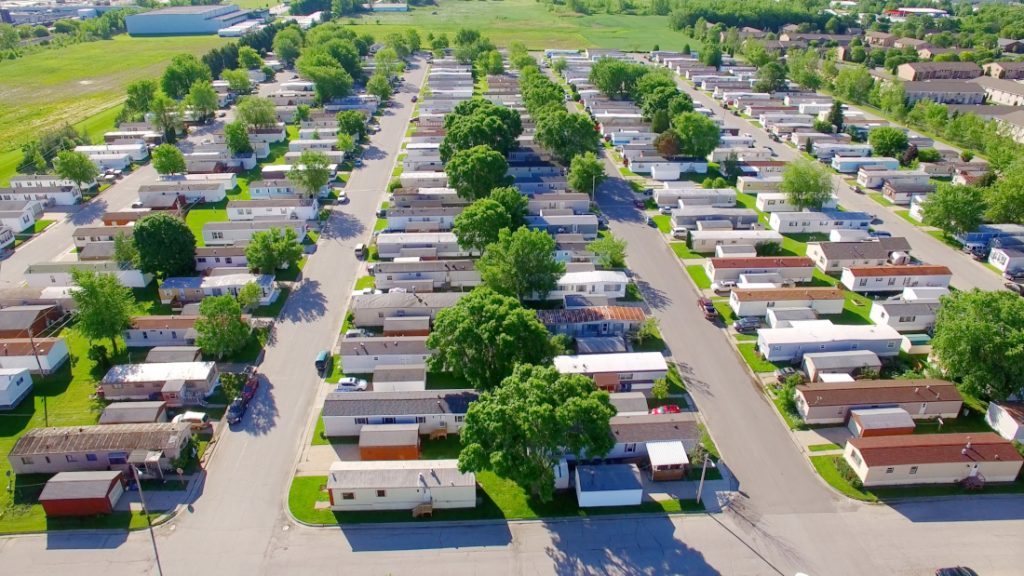
    The mobile home rental business has become a smart option for real estate investors in Florida and beyond. With lower startup costs and steady rental demand, many people are turning to this business model. But how profitable is it? The answer depends on location, management, and strategy—but in many cases, it’s more rewarding than traditional rentals.

    Why Mobile Home Rentals Work

    Renting out mobile homes brings in regular income at a lower entry cost than standard housing. These homes attract long-term tenants looking for affordable living. In Florida, especially, retirees and working families often choose mobile homes for their mix of comfort and price.

    Owners can either rent out land with a home or lease the home in a mobile home park. Each setup has its pros and cons, but both can bring solid returns if handled well.
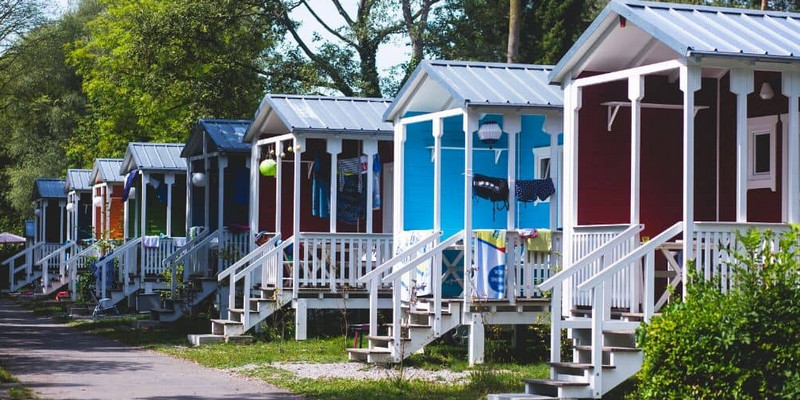
    How Profitable Is the Mobile Home Rental Business

    Costs Are Lower Than Traditional Rentals

    Buying a mobile home costs less than a single-family home or apartment unit. Lower upfront costs mean investors can enter the market without borrowing too much.

    Here are some common startup costs:

    • Used mobile home: $10,000 to $50,000
    • Lot rental or park fee: $300 to $800/month
    • Repairs and setup: $2,000 to $10,000
    • Insurance and taxes: Varies by area

    These expenses are generally much less than buying a rental house. Because of that, your profits can come faster.

    Income Potential From a Mobile Home Rental Business

    Monthly rental income from a mobile home in Florida can range from $600 to over $1,200. If you own the land, your returns are higher. If the home is in a park, you’ll pay lot rent, which will reduce your margin, but you’ll have fewer property maintenance responsibilities.

    Let’s look at a basic example:

    • Monthly rent: $1,000
    • Lot rent: $500
    • Net income: $500/month
    • Annual profit: $6,000

    If you own 5 mobile homes with this setup, you could bring in $30,000 per year. With a good location and low vacancies, these numbers can grow even more.

    Benefits of This Type of Investment

    The mobile home rental business offers more than just extra income. Here’s what makes it appealing:

    • Lower cost of entry
    • Fewer repairs than site-built homes
    • Steady demand for affordable housing
    • Flexible rental options
    • Fast return on investment

    This kind of rental business is ideal for investors who want stable income without spending a fortune to get started.

    How to Start a Mobile Home Rental Business

    If you’re thinking about getting into this space, follow these simple steps:

    1. Research the local market
      Look at rent prices, demand, and available parks or land. 
    2. Choose your investment strategy
      Buy a home in a park, or buy both the land and the home. 
    3. Buy your first mobile home
      Find a used home in good shape or one that needs only light repairs. 
    4. Prepare the home for tenants
      Clean, inspect, and update anything that’s broken. 
    5. List the home and find tenants
      Advertise online or through local bulletin boards. 
    6. Set up contracts and rules
      Use a rental agreement that protects you and your tenant.

    Once your first home is up and running, you can scale your business by buying more.

    How to Make Money Renting Mobile Homes

    Profit comes from keeping homes full and costs low. Here are a few ways to keep your cash flow strong:

    • Avoid long vacancies by marketing well and offering clean, safe homes. 
    • Use good screening tools to find reliable tenants. 
    • Maintain the homes to avoid big repair bills later. 
    • Raise rent slowly as market prices rise. 
    • Offer rent-to-own options for added income and lower turnover. 

    A well-run rental can pay off the home in just a few years. After that, your profits grow quickly.

    Are Mobile Homes a Good Investment for Rental Property?

    Yes, they are. Especially in areas like Florida, mobile homes remain in high demand. Many people want affordable housing, but also value having a place of their own. For investors, this means stable tenants and strong returns.

    Compared to traditional rentals, mobile homes cost less but bring in steady income. As long as you stay on top of maintenance and tenant needs, these homes often outperform single-family rentals.

    Is Buying a Mobile Home Better Than Renting?

    From a tenant’s point of view, owning can build equity over time. But for investors, offering rentals means cash flow now without the long wait of home appreciation. The smart move depends on your goals, but mobile home rentals can serve both sides well.

    Frequently Asked Questions

    How much money do I need to start a mobile home rental business?

    You can start with as little as $10,000 if buying a used home and renting the lot.

    Is a mobile home rental business risky?

    All rentals carry risk, but mobile homes are lower-cost and often have steady demand.

    Can I rent out a mobile home in a park?

    Yes, many parks allow you to rent your home to others. Always check the park rules first.

    How long does it take to see profit?

    Some investors break even in the first year, especially if the home is already in good shape.

    What type of tenants usually rent mobile homes?

    Retirees, working families, and people seeking affordable living often choose mobile homes.

    Do I need a license to rent out mobile homes?

    Rules vary by state, but in many cases, you don’t need a special license to rent.

    What are the tax rules for mobile home rentals?

    They follow standard rental income rules. You’ll report the income and can deduct expenses.

    Is it better to own the land or rent the lot?

    Owning the land means higher profits, but it also comes with more responsibility.

    What happens if a tenant stops paying rent?

    You’ll follow state eviction laws, just like with any other rental property.

    Can I scale this business?

    Yes. Once you learn the process, adding more homes becomes easier and faster.

    Final Thoughts

    The mobile home rental business offers a smart, profitable way to enter real estate investing. Florida’s demand for affordable housing continues to grow, making this market strong for investors. With low startup costs and solid income potential, mobile homes are more than just affordable housing—they’re an opportunity.

    By starting small, staying organized, and putting your tenants first, you can build a rental business that pays for years to come.


    See Also:


  • Are Mobile Homes Good for People Who Prefer Small Spaces?

    Are mobile homes good for people who prefer small spaces? The answer depends on individual preferences and lifestyle. Mobile homes offer a practical and compact living solution. For many, they provide comfort, affordability, and flexibility. Let’s explore why mobile homes might be a great choice for those who love small spaces.

    What Are Mobile Homes?

    Mobile homes are factory-built houses designed for easy relocation. They are usually placed in mobile home parks or private lots. These homes are built to specific standards, ensuring safety and durability. People often choose them for their compact size and lower cost compared to traditional homes.

    Are Mobile Homes Good for People Who Prefer Small Spaces

    Key Features of Mobile Homes:

    • Compact design, often ranging between 500 and 1,200 square feet.
    • Modern layouts with efficient use of space.
    • Flexibility to move or place on rented land.

    Mobile homes are a unique housing option that caters to a specific lifestyle. But are they good for people who prefer smaller spaces? Let’s find out.

    Advantages of Mobile Homes for Small-Space Living

    Mobile homes bring many benefits to those who like compact spaces. Here’s why they work well for small-space enthusiasts:

    1. Efficient Use of Space
      Mobile homes are designed to maximize every square foot. Clever storage options and open layouts make small living feel spacious.
    2. Affordability
      These homes cost much less than traditional homes. For people on a budget, mobile homes offer an excellent balance between price and functionality.
    3. Customizable Designs
      Many mobile homes come with customizable options. Owners can choose layouts, fixtures, and colors to match their style.
    4. Low Maintenance
      Smaller homes mean less to clean and fewer repairs. Mobile homes are perfect for those who want a low-maintenance lifestyle.
    5. Energy Efficiency
      Due to their size, mobile homes are often more energy-efficient. Utility bills stay manageable, which adds to their appeal.

    Considerations Before Choosing a Mobile Home

    While mobile homes have many perks, it’s important to weigh potential challenges. Before deciding, think about the following factors:

    • Land Placement: Mobile homes need a lot or a park for setup. Renting land can add extra costs.
    • Depreciation: Unlike traditional homes, mobile homes lose value over time. Resale may not bring a high return.
    • Weather Concerns: Mobile homes may face challenges in extreme weather. Owners should ensure proper anchoring and insulation.

    By understanding these factors, people can decide if mobile homes align with their priorities.

    Who Benefits Most from Mobile Homes?

    Mobile homes suit specific lifestyles and living preferences. Here’s who might find them the best fit:

    • Minimalists: Those who love simplicity and less clutter often enjoy the compact design of mobile homes.
    • Retirees: Downsizing retirees benefit from the affordability and low maintenance of mobile homes.
    • Frequent Movers: People who relocate often find mobile homes easy to transport or sell.

    For anyone who values simplicity, mobility, and affordability, mobile homes are a practical choice.

    How Do Mobile Homes Compare to Tiny Houses?

    Tiny houses and mobile homes are both small living options. However, they have differences that might influence a person’s decision.

    Mobile Homes:

    • Larger than most tiny houses.
    • Built to national standards for safety and durability.
    • Often placed in mobile home parks or on permanent lots.

    Tiny Houses:

    • Smaller, often under 400 square feet.
    • Designed for mobility, but some require special permits.
    • Typically custom-built with unique, compact layouts.

    For people who prefer small spaces, mobile homes offer more flexibility and practicality compared to tiny houses.

    Tips for Making the Most of a Mobile Home

    Living in a mobile home can be a rewarding experience. To maximize the benefits, consider these tips:

    1. Invest in Multi-Functional Furniture: Use furniture that doubles as storage or serves multiple purposes.
    2. Declutter Regularly: Keep only the essentials to make the space feel open and airy.
    3. Use Light Colors: Choose light tones for walls and furniture to create a spacious feel.
    4. Add Outdoor Living Space: Extend your living area with a small deck or patio.

    With a few adjustments, mobile home living can feel cozy and functional.

    Why Mobile Homes Appeal to Small-Space Enthusiasts

    Mobile homes attract people who prefer compact spaces for several reasons. The affordability of these homes makes them accessible to a wide range of buyers. Their efficient layouts provide comfort without excess. For those who value simplicity, mobile homes deliver a stress-free lifestyle.

    Additionally, mobile homes offer opportunities for personalization. Owners can make small changes to create a home that reflects their personality. From modern finishes to clever storage solutions, mobile homes can match any style.

    Final Thoughts on Mobile Homes and Small Spaces

    So, are mobile homes good for people who prefer small spaces? Absolutely. They offer a blend of affordability, comfort, and functionality. While they may not suit everyone, mobile homes cater to those who prioritize simplicity and compact living.

    Whether you’re a minimalist, a retiree, or someone who loves efficient spaces, mobile homes are worth considering. With thoughtful design and proper planning, these homes can provide a comfortable and enjoyable living experience.

    See Also:


  • Negotiating Lot Rents: Tips for Mobile Home Owners in Florida

    Negotiating lot rents can be a daunting task for mobile homeowners in Florida, particularly as costs continue to rise in many parks. However, with the right strategies and a clear understanding of your lease agreement, you can successfully negotiate more favorable terms with park management. Here are practical tips to help you navigate the process effectively.

    1. Understand Your Lease Agreement

    Review Lease Terms

    Before initiating any negotiations, take the time to thoroughly review your lease agreement. Understanding the terms and conditions of your lease is crucial for effective negotiation.

    • Rent Increase Clauses: Identify any clauses related to rent increases. Many agreements specify how much and how often rent can be raised.
    • Duration of Lease: Check the duration of your lease. Longer leases may offer more stability, while shorter leases may allow for more frequent negotiations.
    • Included Services: Understand what services and amenities are included in your lot rent. This can include water, trash collection, maintenance, and access to community facilities.

    Negotiating Lot Rents

    Know Your Rights

    Familiarize yourself with Florida’s laws regarding mobile home parks and tenant rights. This knowledge can empower you during negotiations and help you understand what is reasonable to ask for.

    • Florida Statute 723: This statute regulates mobile home parks in Florida, outlining tenants’ rights and park owners’ responsibilities. Knowing this information can give you leverage in negotiations.

    2. Research Comparable Lot Rents

    Market Comparison

    Gather data on what other mobile home parks in your area charge for lot rent. This information can help you establish a fair range for negotiations.

    • Online Listings: Check real estate websites and local listings for comparable mobile home parks and their lot rents.
    • Talk to Neighbors: Speak with other residents in your park or nearby parks to gather insights on their lot rents and experiences with negotiations.

    Understand Local Market Trends

    Stay informed about local real estate trends that might affect lot rents, such as demand, nearby developments, or economic factors. Understanding these trends can help you argue for a reasonable rate based on current market conditions.

    3. Prepare Your Case for Negotiation

    List Improvement Suggestions

    If you have made improvements to your mobile home or the lot itself, be sure to highlight these during negotiations. Improvements can justify a lower lot rent or at least prevent an increase.

    • Landscaping: If you have improved the landscaping or aesthetics of your lot, document these changes.
    • Upgrades: Highlight any upgrades to utilities or structures that enhance the overall value of the park.

    Build a Value Proposition

    Create a list of reasons why negotiating your lot rent is beneficial for both you and the park management. Emphasizing your positive contributions to the community can strengthen your case.

    • Community Stability: As a long-term resident, you contribute to the park’s stability, which benefits all residents and the management.
    • Timely Payments: If you consistently pay your rent on time, emphasize your reliability as a tenant.

    4. Initiate the Conversation

    Schedule a Meeting

    Once you’re prepared, request a meeting with park management to discuss your lot rent. Ensure you choose a time when they are likely to be receptive and open to discussion.

    • Professionalism: Approach the meeting with professionalism. Treat it as a business discussion rather than a personal confrontation.

    Present Your Case

    During the meeting, present your case clearly and confidently. Use the data you’ve gathered to back up your requests.

    • Be Specific: Clearly state what you’re asking for, whether it’s a reduction in lot rent, a cap on future increases, or additional services included in your rent.
    • Listen: Allow park management to share their perspective and reasoning. Listening can foster a more collaborative environment.

    5. Discuss Improvements and Amenities

    Highlight Community Enhancements

    If you believe improvements to the community could justify your request, be prepared to discuss these with park management.

    • Shared Amenities: Discuss whether the amenities provided align with the lot rent you are paying. If certain amenities are lacking or not being maintained, this can be a valid point for negotiation.
    • Maintenance Issues: If there are unresolved maintenance issues in the park, bring these to management’s attention as a basis for your negotiation.

    Suggest Shared Improvements

    Propose ideas for community enhancements that could benefit all residents, possibly leading to a more stable or lower rent structure.

    • Community Events: Suggest organizing community events to build camaraderie among residents, which can enhance the park’s overall appeal and stability.
    • Safety Improvements: Discuss any potential safety improvements, such as better lighting or security measures, that could improve the living environment for everyone.

    6. Be Open to Compromise

    Flexibility in Negotiations

    Be prepared to compromise during negotiations. Park management may have their own constraints and may not be able to meet all your requests.

    • Alternative Solutions: If they cannot lower the rent, consider negotiating for other benefits, such as enhanced maintenance services or improvements to community amenities.
    • Long-Term Agreements: Consider proposing a longer lease agreement in exchange for a more favorable rent rate.

    7. Follow Up in Writing

    Document the Agreement

    After the negotiation, summarize the key points discussed and any agreements made in writing. This creates a record that both parties can refer to later.

    • Confirmation Letter: Send a follow-up email or letter thanking the management for the meeting and outlining the agreed-upon terms. This documentation can help prevent misunderstandings in the future.

    Stay Engaged

    Continue to engage with park management on a regular basis. Keeping an open line of communication can foster a positive relationship and make future negotiations easier.

    Conclusion

    Negotiating lot rents can be challenging for mobile homeowners in Florida, but with careful preparation and a strategic approach, it’s possible to achieve a favorable outcome. By understanding your lease agreement, researching comparable rents, and presenting a well-prepared case, you can confidently navigate negotiations with park management. Remember to stay professional, be open to compromise, and document all agreements for a smoother process in the future.


    See Also:


  • Why Mobile Homes Are a Smart Investment in Florida

    Mobile homes, also known as manufactured homes, have long been considered an affordable and practical housing option. In recent years, mobile homes have gained recognition as a smart investment opportunity, especially in Florida. Known for its warm climate, growing population, and vibrant economy, Florida presents an ideal environment for mobile home investments. This article explores why mobile homes are a smart investment in Florida, covering affordability, demand, potential returns, and other key benefits.

    mobile home investment

    Affordability

    One of the most compelling reasons mobile homes make for a smart investment in Florida is their affordability compared to traditional site-built homes. As housing prices continue to climb across the state, mobile homes offer an attractive alternative for both investors and homebuyers.

    Lower Purchase Price

    Mobile homes typically cost significantly less than site-built homes. According to recent data, the average cost of a mobile home in Florida is approximately $80,000 to $120,000, while the median price of a site-built home can be several times higher. This lower initial investment allows investors to enter the real estate market without needing to secure large mortgages or financing options.

    Lower Property Taxes

    In Florida, mobile homes situated on leased land are not subject to the same property taxes as site-built homes. Instead, mobile homeowners pay a smaller tax in the form of a tag fee, much like an automobile registration. This can save mobile home investors a substantial amount of money in property taxes over time, making mobile homes a more cost-effective investment option.

    Affordable Maintenance

    Mobile homes are also generally less expensive to maintain. Their smaller size means lower utility bills, and repairs or upgrades tend to be more affordable compared to traditional homes. For investors, lower maintenance costs can increase profitability and reduce the need for extensive renovations.

    Strong Demand for Affordable Housing

    Florida’s population has been steadily increasing, with thousands of new residents moving to the state each year. This population growth creates a strong demand for affordable housing, making mobile homes an attractive option for many residents, particularly retirees, first-time buyers, and low-to-middle-income families.

    Appeal to Retirees

    Florida has long been a popular destination for retirees, thanks to its warm weather, lack of state income tax, and abundance of retirement communities. Mobile homes in 55+ communities are especially attractive to retirees who are looking for an affordable, low-maintenance lifestyle. As the baby boomer generation continues to retire in large numbers, the demand for mobile homes in retirement-friendly locations is expected to remain high.

    Housing Crisis Solutions

    The increasing cost of traditional homes in Florida has contributed to a growing affordable housing crisis. Many residents, particularly in cities like Miami, Tampa, and Orlando, are being priced out of the traditional housing market. Mobile homes provide a solution to this issue by offering a more affordable alternative for people seeking homeownership without the burden of a large mortgage.

    Investors who recognize this trend can capitalize on the demand for affordable housing by investing in mobile homes, whether for resale or as rental properties.

    Rental Income Opportunities

    Mobile homes in Florida also present strong opportunities for investors looking to generate passive income through rental properties. As demand for affordable rentals continues to rise, especially in key areas of Florida, mobile homes can offer attractive returns on investment.

    Higher Rental Yields

    Compared to traditional homes, mobile homes can often generate higher rental yields, especially when they are located in desirable areas or mobile home parks with amenities like pools, clubhouses, and recreational facilities. The lower initial investment means that even modest rental income can result in significant cash flow for investors.

    Less Tenant Turnover

    Mobile homes in retirement communities or family-friendly parks often experience less tenant turnover compared to apartment buildings or single-family homes. Tenants in mobile home communities are more likely to settle down for the long term, reducing vacancy rates and creating a stable income stream for landlords.

    Vacation Rentals

    Florida is a top tourist destination, attracting millions of visitors each year. Mobile homes located near popular attractions such as Disney World, the Florida Keys, and Gulf Coast beaches can be used as short-term vacation rentals, offering investors the potential to earn high seasonal rental income. Vacationers often seek affordable accommodations, and mobile homes can provide an appealing alternative to pricier hotels or vacation homes.

    Land-Lease Parks and Investment Flexibility

    Another factor that makes mobile homes a smart investment in Florida is the flexibility offered by land-lease communities. In these parks, investors can own the mobile home itself while leasing the land it sits on, reducing the total cost of ownership.

    Lower Upfront Costs

    In a land-lease park, the cost of the land is not included in the purchase price of the home, making the investment more affordable upfront. While owners pay a monthly lot rent, the overall cost is often significantly lower than purchasing land outright, allowing investors to allocate their resources more effectively.

    Minimal Land Management Responsibilities

    Since the investor is leasing the land, the responsibility for maintaining common areas and infrastructure, such as roads, utilities, and landscaping, typically falls on the park owner. This reduces the amount of time and effort required from investors, allowing them to focus on managing their homes and tenants.

    Appreciation Potential

    Although mobile homes have historically been viewed as depreciating assets, this perception is changing. Several factors are contributing to the appreciation of mobile homes in Florida, making them an increasingly attractive investment.

    Improved Construction Standards

    Modern manufactured homes are built to high standards, often using durable materials and construction techniques that rival traditional homes. The HUD Code, established in 1976, ensures that mobile homes are constructed to meet strict safety and efficiency guidelines. As a result, newer mobile homes hold their value better than older models, making them a more stable investment.

    Location Matters

    Mobile homes located in desirable areas, such as coastal communities or near popular retirement destinations, tend to appreciate in value. Additionally, mobile homes in well-maintained parks with amenities and strict regulations often see higher appreciation rates. Investors who carefully choose the location of their mobile home can benefit from long-term appreciation, especially as demand for affordable housing continues to grow.

    Why Choose Florida for Mobile Home Investments?

    Florida offers several advantages that make it an ideal state for mobile home investments.

    No State Income Tax

    Florida’s lack of state income tax is a significant benefit for both residents and investors. For investors, this means that rental income or profits from selling a mobile home are not subject to state taxation, which can increase overall returns on investment.

    Favorable Climate

    Florida’s warm, sunny climate attracts people year-round, particularly retirees and snowbirds from colder states. Mobile home communities in Florida are often designed with outdoor living in mind, offering amenities such as pools, walking trails, and golf courses. This lifestyle is particularly appealing to retirees and vacationers, ensuring a steady stream of interested buyers and renters.

    Growing Population

    Florida is one of the fastest-growing states in the U.S., with its population expected to continue rising in the coming decades. As more people move to the state for work, retirement, or lifestyle reasons, the demand for affordable housing, including mobile homes, will only increase. This growing population ensures a constant pool of potential buyers and renters for mobile home investors.

    Conclusion

    Mobile homes are a smart investment in Florida for several reasons, including their affordability, strong demand for affordable housing, rental income potential, flexibility in land-lease parks, and appreciation potential. For investors looking to enter the real estate market or diversify their portfolios, mobile homes offer a low-cost, high-return opportunity.

    The unique benefits of investing in Florida—such as no state income tax, a favorable climate, and a growing population—further enhance the appeal of mobile homes as a lucrative and sustainable investment. Whether you’re interested in generating rental income, reselling for a profit, or capitalizing on the growing demand for affordable housing, mobile homes in Florida present a promising investment option.


    See Also:


Reset password

Enter your email address and we will send you a link to change your password.

Get started with your account

to save your favourite homes and more

Sign up with email

Get started with your account

to save your favourite homes and more

By clicking the «SIGN UP» button you agree to the Terms of Use and Privacy Policy
Powered by Estatik