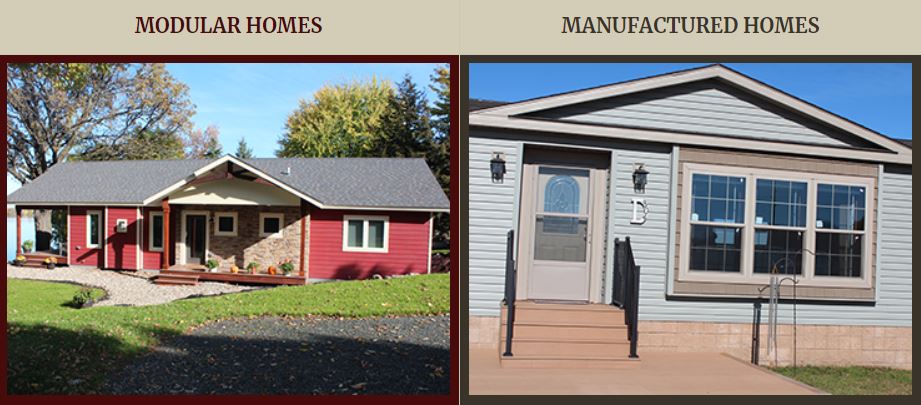
Prefabricated and mobile homes are popular for those seeking affordability, flexibility, and sustainability in alternative housing solutions. While both offer advantages over traditional stick-built homes, they are distinctly different in their construction, design, and legal classification. Understanding these differences is crucial for individuals considering either option for their living arrangements. This article delves into the disparities between prefabricated and mobile homes, exploring their features, benefits, and drawbacks.
Definition and Construction
Prefabricated Homes
Prefabricated homes, also known as prefab homes or modular homes, are constructed off-site in a factory setting. These homes are built in sections or modules and then transported to the desired location for assembly. Each module is typically built with precision using advanced machinery, ensuring high quality and consistency in design. Once delivered, these modules are assembled on a permanent foundation to create a complete dwelling. Prefab homes can range from simple, single-story structures to elaborate, multi-story residences with custom features.
Mobile Homes
Mobile homes, often manufactured homes or trailers, are factory-built dwellings designed to be transported to various locations. Unlike prefabricated homes, mobile homes are constructed on a steel chassis with wheels, allowing them to quickly move from one site to another. These homes are typically built in a single-wide or double-wide format, with various floor plans and amenities available. Mobile homes are commonly associated with trailer parks or manufactured housing communities, although they can also be placed on private land.
Design and Customization
Prefabricated Homes
One of the critical advantages of prefabricated homes is their customization level. Since these homes are constructed in modules, homeowners can choose from various floor plans, layouts, and design options. From the exterior siding to the interior finishes, buyers can personalize their prefab home to suit their preferences and lifestyle. Additionally, prefab homes can be designed to meet specific energy efficiency and sustainability standards, incorporating features such as solar panels, energy-efficient appliances, and eco-friendly materials.
Mobile Homes
While mobile homes also offer some customization, their design options may be more limited than prefabricated homes. Since mobile homes are constructed on a chassis with specific size constraints, floor plans, and layouts are often standardized to accommodate transportation and assembly. However, manufacturers may offer various upgrades and options for interior finishes, appliances, and fixtures to allow for personalization. Despite these limitations, mobile homes can still provide individuals and families with comfortable and functional living spaces.
Legal Classification and Regulations
Prefabricated Homes
Prefabricated homes are typically subject to the same building codes and regulations as traditional stick-built homes. Since they are permanently installed on a foundation, prefab homes are considered real property and are subject to property taxes. Additionally, the construction process for prefab homes must adhere to local building codes and zoning regulations, ensuring safety and structural standards compliance. Homeowners may also need to obtain permits and approvals from local authorities before installing a prefab home.
Mobile Homes
Mobile homes are classified as personal property rather than real estate, which means they are subject to different regulations and taxation rules. In many jurisdictions, mobile homes are governed by specific codes and standards set forth by the Department of Housing and Urban Development (HUD) in the United States. These regulations cover various aspects of mobile home construction, including safety, structural integrity, and energy efficiency. Additionally, mobile home parks and communities may have their own rules and regulations governing the placement and maintenance of mobile homes within their premises.
Affordability and Accessibility
Prefabricated Homes
Prefabricated homes are often praised for their affordability compared to traditional stick-built homes. Since prefab homes are constructed in a controlled factory environment, labor and material costs can be more predictable and efficient, resulting in potential cost savings for homeowners. Additionally, the modular construction process can be completed more quickly than traditional on-site construction, reducing construction time and expenses. This makes prefab homes viable for individuals and families seeking a more affordable housing solution without sacrificing quality or customization.
Mobile Homes
Mobile homes are renowned for their affordability and accessibility, particularly for individuals with limited budgets or those seeking alternative housing. The relatively low cost of mobile homes and flexible financing options make them attractive for first-time homebuyers or retirees looking to downsize. Additionally, mobile homes are readily available from numerous manufacturers and dealerships, making them accessible to a wide range of consumers. However, it’s essential to consider additional expenses such as land rental fees, utilities, and maintenance costs when budgeting for a mobile home.
Durability and Longevity
Prefabricated Homes
Prefabricated homes are designed to meet the same structural and safety standards as traditional stick-built homes, ensuring durability and longevity. Using high-quality materials and advanced construction techniques can result in prefab homes that are sturdy, weather-resistant, and built to last. Additionally, prefab homes are often engineered to withstand various environmental conditions, including high winds, earthquakes, and extreme temperatures. With proper maintenance and care, prefab homes can provide comfortable and reliable housing for many years.
Mobile Homes
Mobile homes are generally considered less durable than pre-fabricated or stick-built homes due to their construction on a steel chassis with wheels. While modern mobile homes incorporate advanced materials and construction methods to enhance durability, they may still be more susceptible to wear and tear. Transportation, installation, and exposure to the elements can impact the structural integrity of mobile homes. However, with regular maintenance and upkeep, mobile homes can still offer comfortable living spaces for their occupants.
Final Thoughts
In summary, while pre-fabricated and mobile homes offer unique advantages and disadvantages, they are fundamentally different in their construction, design, and legal classification. Prefabricated homes are built off-site in modules and permanently installed on a foundation, offering customization, durability, and compliance with building codes. On the other hand, mobile homes are constructed on a chassis with wheels and are considered personal property, providing affordability, accessibility, and mobility.
Choosing between prefabricated and mobile homes depends on various factors, including budget, lifestyle, location, and personal preferences. Individuals and families should carefully consider their needs and priorities when evaluating these alternative housing options to determine which option best suits their requirements. Whether opting for a prefab or mobile home, both provide viable, affordable, flexible, and sustainable solutions.
Have you ever wondered what the cost benefits of a manufactured home might be? There are many misconceptions about mobile homes, with many people believing them to be expensive investments that don’t offer the same amenities as single-family homes. However, you may be surprised to find out that manufactured homes can be more affordable than you think.
In this article, we’ll explore the cost benefits of mobile homes and why they may be the more affordable and viable option when it comes to housing. Specifically, we’ll discuss the price savings between manufactured homes and single-family homes, the advantages of manufactured homes, and why mobile homes can be a great option for those looking for a home.
Price Savings on Mobile Homes vs Single-Family Traditional Homes
Manufactured homes are typically constructed with energy-efficient materials that help reduce heating and cooling costs.
Manufactured homes are a great option for those looking for a more affordable living space. They are constructed with energy-efficient materials that help reduce heating and cooling costs, making them a more economical choice than traditional homes.
Mobile homes are built in factories and shipped to their intended location as prefabricated units. This helps reduce the time and labor it takes to construct a traditional home, which saves money and reduces waste. In addition, they are often designed with energy-efficient features such as insulated walls, energy-saving windows, and high-efficiency lighting. These features help reduce the amount of energy used to heat and cool the home, resulting in lower utility bills.
Furthermore, mobile homes come in a variety of shapes and sizes to fit the needs of the homeowner. Many models come with adjustable floor plans that can be customized to fit the homeowner’s needs. This makes them ideal for those who need extra space or want to add a bedroom or bathroom.
Finally, mobile homes are also often constructed with durable materials such as steel and aluminum that can withstand high winds and other weather-related events. This helps ensure the safety of the occupants and offers added protection against natural disasters.
Overall, manufactured homes offer a cost-effective alternative to traditional homes. They come with energy-efficient materials that help reduce heating and cooling costs, making them an attractive option for those looking to save money. In addition, they are versatile, customizable, and often constructed with durable materials that can withstand severe weather conditions.
Camelot East Village
Many mobile homes come with factory-installed appliances, which can save homeowners from having to buy expensive appliances separately.
Mobile homes come with many advantages for homeowners, including the potential to save money on expensive appliances due to factory-installed options. Many manufactured homes come with a variety of factory-installed appliances, such as a refrigerators, stoves, ovens, dishwashers, and washing machines. This can be especially beneficial for first-time homebuyers who may not have the resources to purchase all of these appliances separately. Additionally, factory-installed appliances can help homeowners save money on installation costs that would otherwise need to be paid for separately.
Manufactured homes can also provide homeowners with the benefit of energy efficiency due to the appliances being specifically designed for the home. As many appliances are specially designed for mobile homes, they can work together efficiently, resulting in lower energy costs over time. Furthermore, factory-installed appliances often come with warranties, which can provide peace of mind for homeowners and additional financial savings if something does go wrong.
The cost of installation for a manufactured home is usually much lower than the cost of building a traditional home. This cost differential is due to several factors.
Manufactured homes are typically built in a factory setting, which reduces the labor costs associated with on-site construction. In addition, materials used in the construction of a mobile home are often less costly than traditional building materials, and these materials are already pre-cut and pre-drilled in the factory, further reducing labor costs.
Second, the construction of a manufactured home is often much quicker than traditional construction. Mobile homes generally arrive at a home site in the form of pre-constructed units, which are then quickly connected, allowing for a relatively quick and easy installation process. By contrast, traditional construction requires weeks or even months of on-site labor and can be subject to delays due to weather and other external factors.
Finally, manufactured homes are usually built to a set of standard specifications, allowing for easier and faster approvals from local authorities. This means that the preparation and approval costs associated with a manufactured home are typically lower than those associated with traditional construction.
The cost of land for a mobile home can be significantly less than the cost of land for a traditional home.
Mobile homes are often installed on leased land Leasing land for a manufactured home can offer significant financial benefits. It does not require a large down payment and it may allow for lower monthly payments compared to buying land. Additionally, leasing land can provide more flexibility, allowing you to move your home if you need to.
Leasing land for a manufactured home typically requires a contract between the homeowner and the landowner. The contract should outline the rights and responsibilities of both parties and should include an explanation of how long the lease will last and how much rent will be paid each month. It is important to understand the terms of the lease agreement and to negotiate any changes that might benefit you.
Additionally, when renting land for a mobile home, it is important to ensure that local zoning and building codes are met. Some jurisdictions may require additional permits or inspections before the manufactured home can be installed. It is important to research local zoning regulations before entering into a lease agreement.
Finally, some communities may offer rent-to-own agreements for mobile homes. Under this type of agreement, the homeowner pays rent to the landlord, then at the end of the lease period, the homeowner owns the land. These rent-to-own agreements can provide the benefits of homeownership without having to pay for the land upfront.
There are fewer regulations for manufactured homes than for traditional homes, which can lead to more affordable construction and maintenance costs.
Because these homes are constructed in a factory setting, there are fewer regulations than for traditional homes, meaning that construction and maintenance costs can be reduced significantly.
One way in which regulations for mobile homes can be less stringent is about building materials. Since the homes are built in a factory setting, the materials used to construct them can often be cheaper than those used in traditional homes. In addition, the quality of materials used in the construction of a manufactured home is subject to oversight by the factory and is generally consistent, which can lead to more cost-effective maintenance over time.
Another way that mobile homes differ from traditional homes when it comes to regulations is in the construction process itself. Traditional homes may require multiple building inspections and permits before they can be occupied. With manufactured homes, however, this step may not be necessary since the home has already been inspected and approved at the factory before being transported to its destination. This saves time and money on the part of the homeowner since they don’t have to go through the time and paperwork associated with obtaining multiple building permits.
Finally, because manufactured homes are often smaller than traditional homes, they may be exempt from certain zoning regulations that would otherwise apply to traditional homes. This exemption can lead to cost savings since homeowners don’t have to pay for additional permits and fees that may otherwise be required for traditional homes.
Mobile homes require less labor to build, which also helps to keep costs down.
Mobile homes offer a unique and cost-effective housing option for many people due to their relatively low cost of construction. These homes are often constructed in a factory or off-site location and then transported to their ultimate destination. This process eliminates the need for traditional on-site construction, resulting in less labor and fewer man-hours needed to construct the home. The lack of on-site contractors, laborers, and construction materials also helps to keep costs down, as there is no need to hire a team of workers or purchase large amounts of material.
In addition to the cost savings, manufactured homes are typically considered more energy-efficient than traditional stick-built homes. Factory-built housing tends to have fewer air leaks, as the parts of the home are secured together and sealed more tightly than those of a site-built home. This leads to less energy being used for heating and cooling, resulting in lower utility bills for homeowners.
Mobile homes also offer potential buyers the ability to personalize their new homes. Mobile homes typically offer buyers a variety of floor plans, colors, and styles to choose from, allowing them to customize their living space and make it unique.
Furthermore, because these homes are made in a factory setting, they can be constructed faster than traditional homes. This means that buyers may be able to move into their new home sooner than if they were to purchase a traditional home.
Nathan Benderson Park
Manufactured homes are typically smaller than traditional homes, which can lead to lower utility bills.
As compared to traditional homes, manufactured homes are typically much smaller, but this can be an advantage in terms of utility bills.
Due to their small size, mobile homes tend to have lower utility bills than traditional homes. This is because smaller spaces require less energy to heat and cool, resulting in lower energy and water usage. Many manufactured home models are designed with energy efficiency in mind, so they often feature energy-saving features such as energy-efficient lighting and appliances.
In addition to lower energy costs, manufactured homes also tend to have lower water bills than traditional homes. This is because they typically have smaller plumbing fixtures and reduced water usage since there is less area to cover in comparison to a traditional home. Furthermore, some models may even come with water-saving features such as dual flush toilets and low-flow showerheads.
Overall, mobile homes can be a great option for those looking to save on utility bills without sacrificing comfort. With their smaller size and energy-efficient features, these homes can help you save money on your energy and water bills while still providing a comfortable living experience.
Many manufactured homes come with versatile floor plans that can be customized to fit your lifestyle and budget.
Manufactured homes offer a unique solution for those looking for a customized living space on a budget. They come with a variety of floor plans that can be tailored to fit any lifestyle or budget. These homes are built off-site, in a factory environment, which allows for a greater degree of customization than traditional new construction.
Most mobile homes are constructed with premade-made walls and floor systems. This means that they can be easily adjusted to create different room sizes or even combinations of rooms that best suit your needs. For example, you may be able to turn a small bedroom into two separate living spaces or create a large living room with open access to the kitchen.
Manufactured homes also come with a variety of options for fixtures and finishes. You can choose from a variety of cabinetry, countertops, appliances, flooring, and wall coverings to create a custom look that fits your style and budget. Additionally, you can add special features such as fireplaces and built-in shelving to further customize your home.
Not only is it possible to customize the interior of your manufactured home, but you can also select from various exterior designs. There are several styles available such as ranch, cape cod, and log cabin, which can be further customized with different siding, roof styles, and window treatments.
Mobile home park
Insuring a mobile home is usually less expensive than insuring a traditional home.
Insuring a mobile home can be significantly less expensive than insuring a traditional home. According to the Insurance Information Institute, this is because manufactured homes are factory-built and constructed in one piece, so they are typically less expensive to repair and replace than traditional homes. In addition, mobile homes are often built from sturdier materials and are subject to more stringent building codes than traditional homes. This means that manufactured homes are less likely to experience costly damage due to storms, wind, or other natural disasters.
Because of these cost savings, insurers typically offer lower premiums on manufactured home insurance policies. These policies usually include coverage for both the structure of the home and its contents, and they offer special endorsements to cover things like losses resulting from floods, mold damage, earthquakes, and other types of natural disasters. Additionally, most mobile home insurance policies also include liability and medical payments coverage, which can provide added financial protection if someone is injured on the property.
Because they are built in factories, manufactured homes tend to have fewer defects than traditional homes and require less maintenance over time.
Manufactured homes are built in factories, which provide a controlled environment where experienced workers ensure that each component is built to exacting standards. This ensures that manufactured homes have fewer defects than traditional homes, which are largely built on-site, where unpredictable factors such as inclement weather and inexperienced laborers can lead to a greater number of defects. Additionally, since the components in a mobile home are produced in a factory, these components are more likely to be more uniform and consistent in quality. This reduces the chance of parts being installed incorrectly, which can be a major source of problems in traditional homes.
Due to their consistent quality, manufactured homes also require less maintenance over time. For example, many manufactured homes come with a warranty that covers defects for a certain period of time, allowing homeowners to address issues without having to worry about paying for extensive repairs.
In contrast, traditional homes typically do not come with a warranty and require more frequent maintenance. Furthermore, mobile homes are typically constructed with durable materials that stand up better to the elements and require less frequent repairs.
Lastly, manufactured homes provide numerous advantages over traditional homes. Their production in a factory setting leads to fewer defects and higher quality components, while their consistent quality and durable materials require less maintenance over time. This makes them an excellent choice for anyone looking for a reliable and long-lasting home.
Conclusion
Manufactured homes offer a variety of cost benefits that make them an attractive option for a wide range of people looking to buy and live in a home. Their lower start-up costs, customization options, lower maintenance, and less expensive insurance make it easier and more affordable to own a home.
Additionally, mobile homes offer mobile home living, allowing for more flexibility and choice with location, and the ability to relocate easily. Finally, manufactured homes are often part of a larger community, which can provide many additional benefits. With all of these cost benefits in mind, it’s no wonder that mobile homes have become such a popular choice for many people.
The world of affordable housing offers a diverse range of options, with mobile homes and prefab homes being two popular choices. While these terms are sometimes used interchangeably, they refer to distinct types of housing structures with unique characteristics. In this comprehensive guide, we’ll explore the key differences between mobile homes and prefab homes, shedding light on their construction, mobility, design, and overall suitability for different lifestyles.
Defining Mobile Homes and Prefab Homes
Mobile Homes: Mobile homes, also known as manufactured homes, are dwellings that are built off-site and transported to their final location. Historically, mobile homes were designed to be easily movable, hence the name. However, contemporary mobile homes are often permanently set up in communities or on private land. They come in various sizes and styles, providing an affordable housing solution for many.
Prefab Homes: Prefab homes, short for prefabricated homes, are built in sections or modules at a factory before being transported to the building site for assembly. These homes are not necessarily designed for mobility but are constructed in a controlled environment, ensuring precision and efficiency. Prefab homes encompass a wide range of styles, from traditional to modern, offering homeowners flexibility in design and customization.
Key Differences
Mobility:
Mobile Homes: While the term “mobile” implies mobility, modern mobile homes are often placed on a permanent foundation. Some can still be relocated, but the process is more involved than it was in the past. Mobile homes are typically transported on wheels, making them easier to move than traditional homes.
Prefab Homes: Prefab homes are not designed for frequent relocation. Once assembled on-site, they become a permanent structure. The construction process, however, allows for greater flexibility and customization compared to mobile homes.
Construction Process:
Mobile Homes: Built entirely in a factory, mobile homes are constructed on a steel chassis, which allows them to be transported. The assembly includes the installation of plumbing, electrical systems, and other essentials. The controlled factory environment ensures consistency in construction.
Prefab Homes: Prefab homes are also constructed in a factory, but they are built in sections or modules. These modules are then transported to the building site and assembled into the final structure. This method allows for efficient production and reduced on-site construction time.
Design and Customization:
Mobile Homes: Mobile homes may have limitations in terms of design and customization due to their construction on a steel chassis. However, manufacturers offer a variety of floor plans and design options to accommodate different preferences.
Prefab Homes: Prefab homes offer a higher degree of customization. Homeowners can often choose from a range of finishes, materials, and design elements to create a home that suits their style and needs. The modular construction allows for flexibility in floor plans.
Building Codes and Regulations:
Mobile Homes: Mobile homes are subject to specific building codes set by the Department of Housing and Urban Development (HUD) in the United States. These codes are designed to ensure safety and quality standards for manufactured homes.
Prefab Homes: Prefab homes are generally built to meet local building codes, which can vary from one location to another. The on-site assembly process adheres to these codes to ensure that the final structure complies with regional regulations.
Foundation:
Mobile Homes: Mobile homes can be placed on either a permanent foundation or concrete piers. The choice depends on local regulations and the homeowner’s preferences.
Prefab Homes: Prefab homes are typically placed on a permanent foundation, similar to traditional site-built homes. This foundation provides stability and support for the assembled structure.
Final Words
In the world of manufactured housing, understanding the distinctions between mobile homes and prefab homes is crucial for prospective homeowners. While both offer affordable and efficient alternatives to traditional construction, their mobility, construction processes, design options, and adherence to building codes set them apart. Whether you prioritize mobility, customization, or a blend of both, carefully considering the differences will help you make an informed decision that aligns with your lifestyle and housing needs. As the housing industry continues to evolve, both mobile homes and prefab homes contribute to the diverse landscape of affordable and accessible housing options.
In 2021, some predictions that manufactured housing could outperform the general market, and now, in 2023, we’re here to assess whether those forecasts have come true. To gain insights into the current state of the manufactured housing market, we’ve gathered the latest updates from MHD’s manufactured housing team. In this article, we’ll explore various aspects of this thriving sector, including occupancy rates, supply chain challenges, increasing demand, and the role of property management software.
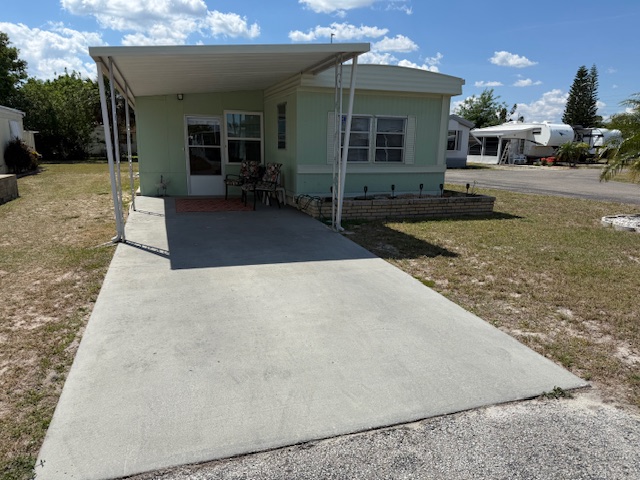
Mobile Home Park, also called “Trailer Park” in Florida
Occupancy Rates and Rent Highs
Manufactured housing has been mirroring the performance of the broader residential market across the continental United States. In November 2022, occupancy rates reached a record high of 95.4%, and average monthly rents also hit an all-time high of $800. These milestones can be attributed to a housing shortage, as many individuals prefer to own their homes rather than rent. Unlike traditional single-family homes, manufactured homes can be built in a matter of days, thanks to the efficiency of the manufacturing process.
Supply Chain Challenges
Manufactured housing, like many other industries, has been affected by supply chain disruptions. These disruptions have led to increased production costs and upward pricing pressure. However, despite these challenges, manufactured housing production has increased for the fifth consecutive month, primarily due to streamlining product offerings and expanding operations. Manufactured home builders in the U.S. benefit from their scale, which grants them better access to supplies and materials than smaller homebuilders. They also adapt to supply chain issues by frequently changing the appliances they install. While supply chain challenges are present, manufactured housing has still performed better than the general residential market.
Increasing Demand
The demand for manufactured housing continues to rise. Although there was a decrease in the number of new manufactured communities built in recent years, the demand has remained strong. Many operators, particularly in the Sun Belt, are still developing new communities to meet this demand. However, the challenge lies in getting new homes to the market as quickly as they are needed.
Challenges in Getting New Homes to Market
The fundamental issue is one of supply and demand. The demand for manufactured homes has outpaced supply, leading to challenges related to materials and supply chain issues. Operators prefer to have a home on every available lot, but they face difficulties in obtaining new homes quickly. This shortage has led to record-high prices for the homes that are available. The cost of setting up these homes has also increased due to rising labor costs and transportation expenses, making new manufactured homes more expensive compared to a few years ago.
Finding Short-Term Success
Some manufacturers are cautious about scaling up their plant operations too quickly. While more manufacturing facilities came online in 2021, challenges persist in terms of transportation costs. Facilities need to be strategically located to reduce the cost of transporting homes to their final destinations. Despite these challenges, it’s clear that the demand for manufactured housing remains strong.
Stereotypes and Private Equity
The manufactured housing industry has undergone consolidation, with private equity playing a significant role. While private equity investment can lead to rent increases and the displacement of some residents, it can also have positive effects. Private equity can lead to investments in communities, resulting in improved amenities and the overall appearance of these communities. Some operators have realized the opportunity to enhance their communities through investments, making them more desirable places to live.
The Bright Future of Manufactured Housing
The future of manufactured housing looks promising, with a move toward advanced technology and better maintenance. Operators who bring in new homes can benefit from reduced maintenance costs and even opt to sell these homes rather than rent them. Homeownership in manufactured housing communities fosters a sense of pride and allows operators to introduce amenities that enhance the community’s appeal.
Property Management Software
As the industry evolves, property management software becomes increasingly important. Smaller operators have traditionally relied on spreadsheets and various tools, but a shift is occurring in the application delivery space. Property management software offers data-driven insights that help operators make informed decisions regarding rent increases, capital spending, and various other aspects of community management.
The Bottom Line
The manufactured housing market continues to thrive in 2022, despite supply chain challenges and rising costs. The demand for manufactured homes remains strong, and private equity investment has the potential to improve communities while also raising some concerns. As the industry moves forward, advanced technology and property management software will play a crucial role in optimizing operations and enhancing the overall quality of manufactured housing communities. The future looks bright for this resilient and dynamic sector.
Mobile homes and modular homes are both forms of manufactured housing, but they differ significantly in construction, mobility, regulatory standards, and even the way they are perceived in the housing market. These distinctions have important implications for homebuyers, so let’s delve into the details of what sets mobile homes and modular homes apart.
1. Construction Process
Mobile Home:
Mobile homes, often referred to as manufactured homes, are constructed entirely in a factory setting. They are built on a steel chassis or frame, which allows them to be transported to their final location. These homes are usually constructed on a single level, but there can be variations in size and design. The construction process for mobile homes is standardized and streamlined to ensure efficiency in production.
Modular Home:
Modular homes, while also constructed in a factory, follow a different construction process. They are built-in sections or modules, each of which represents a portion of the final home. These modules are typically constructed with traditional wood framing, and they are designed to be transported to the building site where they are assembled into a complete structure. This sectional construction allows for greater design flexibility and customization.
Mobile Home in Florida
2. Mobility
Mobile Home:
The name “mobile home” accurately reflects this type of housing’s primary characteristic—mobility. Mobile homes are designed to be easily transported from one location to another. They retain their wheels, axles, and towing apparatus, which allows them to be moved. This mobility makes them suitable for mobile home parks or private land placement. However, relocating a mobile home can be expensive and logistically challenging, as it may require special permits and professional assistance.
Modular Home:
Modular homes are not designed for mobility. Once the modules of a modular home are placed on a foundation at the final building site, they are intended to remain there permanently. The modules are typically joined together, and additional construction work is done on-site to create a seamless structure. While modular homes offer flexibility in design and can be customized to meet a homeowner’s preferences, they are not intended for relocation.
3. Building Codes and Standards
Mobile Home:
Mobile homes are subject to specific federal and state building codes known as the HUD Code (Housing and Urban Development Code) in the United States. These codes are distinct from traditional building codes and are tailored to address the unique construction characteristics of manufactured homes. The HUD Code is in place to ensure that mobile homes are constructed with an emphasis on safety, durability, and quality.
Modular Home:
Modular homes, once assembled on-site, are subject to the same local building codes and standards as traditional stick-built homes. The key difference is that modular homes are constructed in a controlled factory environment, which often results in high-quality construction. These homes must meet the same building codes, zoning regulations, and building inspections as conventionally built homes in the area where they are placed.
4. Financing and Resale Value
Mobile Home:
Mobile homes are typically considered personal property, similar to vehicles when they are not affixed to a permanent foundation. This can have implications for financing and resale value. Financing options for mobile homes may be more limited compared to modular homes and traditional stick-built homes. Additionally, mobile homes tend to depreciate in value over time, similar to cars, which can affect their resale value.
Modular Home:
Modular homes are generally considered real property once they are permanently affixed to a foundation, which means they are treated like traditional homes. This can make financing options more accessible and may lead to better resale value. In many cases, modular homes retain their value more effectively compared to mobile homes.
5. Design and Customization
Mobile Home:
Mobile homes are often built to standardized floor plans with limited options for customization. While there may be some degree of flexibility in choosing interior finishes, overall design options are more constrained than those for modular homes or traditional houses.
Modular Home:
Modular homes offer a higher degree of design flexibility and customization. Homebuyers can select from a wide range of design options and floor plans. The modular construction process allows for various configurations, which means that homeowners can have a home tailored to their specific needs and preferences.
A modular home
6. Quality and Durability
Mobile Home:
Mobile homes are constructed with the goal of meeting the specific HUD Code requirements, which focus on ensuring the safety and quality of manufactured homes. While they are built to these standards, the perception of mobile homes as being of lower quality persists in some cases. The materials used in construction may not always match the quality of those in traditional homes.
Modular Home:
Modular homes, due to their assembly in a controlled factory environment, often have a reputation for higher-quality construction. The use of wood framing and adherence to local building codes typically results in durable and well-constructed homes. Modular homes can be indistinguishable from stick-built homes in terms of quality and appearance.
7. Energy Efficiency
Mobile Home:
Mobile homes may not offer the same level of energy efficiency as modular homes or traditional houses. While there have been improvements in recent years, mobile homes may still struggle to meet energy efficiency standards, resulting in higher utility bills.
Modular Home:
Modular homes are often constructed with energy efficiency in mind. The controlled factory environment allows for the precise installation of insulation and energy-efficient systems. This can lead to lower energy costs and a reduced environmental impact.
8. Resale Value
Mobile Home:
The resale value of mobile homes can be significantly lower compared to modular homes and stick-built homes. Depreciation, the perception of lower quality, and limited mobility can all impact resale value.
Modular Home:
Modular homes tend to have better resale value compared to mobile homes. The quality of construction, conformity to local building codes, and treatment as real property contribute to their higher resale value.
The Bottom Line
Mobile homes and modular homes share the characteristics of being manufactured housing, but they have substantial differences in construction, mobility, compliance with building codes, financing, and resale value. Mobile homes are designed for mobility, have their own unique construction standards, and are often treated as personal property.
Modular homes, on the other hand, are not intended to be moved once placed on a foundation, follow the same local building codes as traditional homes, and are generally considered real property, making them a more permanent and valuable housing option.
The choice between mobile and modular homes depends on individual preferences, needs, and financial considerations, and it’s essential to understand these differences when making a decision about your next home.
What Is The Difference Between Mobile Homes And Modular Homes? Have you been considering a pre-built home but are unsure if you want to go with a mobile home or a manufactured home?
Are you confused and unsure of what the differences are between these two types of homes and if one is more prevalent throughout the Gulf Coast of Florida?
If either of these questions seems to ring true to your situation then we here at The Mobile Home Dealer look forward to giving you a basic understanding of what the differences are and what is more common in the area.
When looking at a mobile home or a manufactured home for your next purchase it is important to realize that both of these homes are built and delivered from a factory and not built from the ground up on your homesite.
Modular homes are also built in factories but are governed by local state building codes (although sometimes states will adopt the federal code). Modular homes are either built on a permanent chassis or on a temporary one. Homes built on a permanent chassis are referred to as being “on-frame” and those built on temporary ones are referred to as “off-frame.” Whether a home is built on- or off-frame will affect how the home is assembled at its destination site.
Mobile homes are completely constructed in a factory and then transported to the home site. Once they arrive at their destinations, they are usually not moved again although they can be if it is needed so long as the home is 20 years old or newer. The reason for this age requirement is within the State of Florida a mobile home transporter will not be able to obtain a moving permit if the home is older than 20 years from the date at which they are looking to move the home
One of the most common concerns for homebuyers looking at mobile and modular homes is the question of how safe these properties are. Both of these home options are constructed offsite and that can lead many to distrust the safety of these homes. However, these fears are unfounded. There is no significant difference between the safety of homes built on or off-site.
Mobile homes are required to have what is referred to as hurricane tie-downson all four points of the home. These metal straps help keep the home “tied down” in the case of severe weather and should provide plenty of safety and security for the homeowner to have faith in their home standing up to severe weather conditions.
Both modular and manufactured homes are further inspected upon installation at their sites to ensure complete safety for the home occupants.
Manufactured and modular are all significantly more affordable than site-built homes. The primary reason that these homes are constructed in one place is that it allows for controlled production costs. They are constructed inside a factory and therefore are also typically constructed in a fraction of the amount of time a site-built home is which can lead to fewer delays in supplies being delivered and additional costs coming up.
Another difference between modular and manufactured homes is that the former needs land owned by the owner and can be applied for a loan. Manufactured homes or mobile homes, however, are situated on leased land inside mobile home parks. Modular homes are similar to conventional homes but built offsite. Modular homes are not allowed to be placed inside a mobile home park.
Throughout the Gulf Coast of Florida, we continue to see quite a bit more mobile homes compared to modular homes. The reason for this is due to the age of most mobile home parks in the area. When these parks were built decades ago the original owners put all mobile homes into the park for their residents and did not add modular homes to their site plan. As the years continued to go on more and more of the original owners sold their mobile homes and the new owners remodeled and updated the current mobile home to what is seen today.
Whether you are looking for a modular or mobile home both are great options for the cost of ownership and cost of maintenance. Although there are some differences between these two types of manufactured homes, the choice always depends on individual needs. If you own land and want to save money from building an on-site home, a modular home is your best choice. But if you don’t own land and are willing to pay for the lot rent, a mobile home is a good choice.
We have other articles and videos that are useful for everyone who wants to sell or buy their mobile homes here on our website. The more knowledge we have about dealing with mobile homes, the fewer problems we may encounter. If you have questions and need assistance, you can always contact us through this website, or visit our Facebook Page.
This is Mark Kaiser with The Mobile Home Dealer and we help mobile home Buyers and Sellers get to a better place in life.