Tag: i regret buying a mobile home

  • Sarasota Florida Mobile Home Investor Alert #1

    So, you want to start investing in a mobile home within the greater Sarasota Florida area?

    In this first installment of “Sarasota Florida Mobile Home Investor Alerts,” we look to discuss the importance of educating all would-be investors on the importance of knowing how many homes a single investor can purchase in any one park.

    With the rise of real estate investors leaving the traditional confines of single-family and traditional residential homes for investment purposes due to continually being outpriced by other would-be investors, we are seeing a large influx in these Buyers in the mobile home industry.

    Mobile homes are traditionally seen by some people as lower-quality than traditional homes but with their growing popularity among single people, small families, and people who are living on a limited budget, real estate investors are taking notice. 

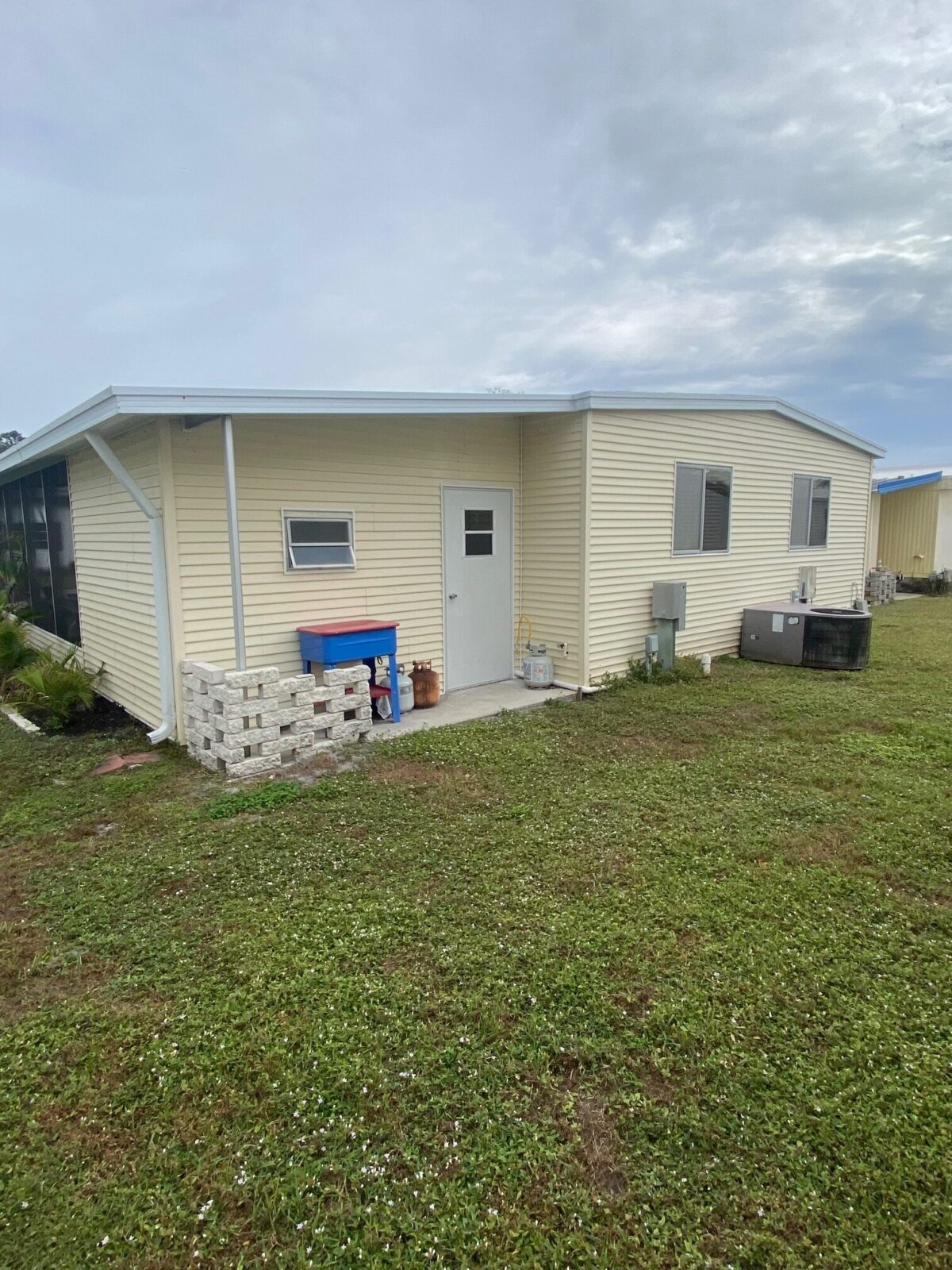
    Mobile home in Sarasota Florida for sale
    Mobile home in Sarasota Florida for sale

    Investing in a mobile home can be profitable but can also be risky that’s why we try to help both new and old investors understand the ins and outs of investing in mobile homes.

    While this is exciting to see, we continue to find these new mobile home investors putting the cart before the horse and not understanding the basics of what is needed on their part to begin their investing career in the mobile home park business.

    We, at The Mobile Home Dealer, hope that this series of blogs helps all new investors as well as some of the more experienced ones in the area to better educate them on not only the basics of the industry but also the continued trends we are seeing within the mobile home park business as a whole.

    The topic for this blog post is to discuss the importance of knowing what park you are going to invest in and how many homes one single investor is able to purchase within that park.

    When looking at investing in a mobile home park within the greater Sarasota Florida area it is always important for the new investor to understand what the requirements of the park are in regards to how many homes they can own.

    Most parks will state this in a document known as the mobile home park prospectus. This is a lengthy document that nearly all mobile home parks will have which goes through all of the dos and don’ts of the park.

    It is not uncommon to see a limit on the homes that can be owned by any single person in a community.

    To illustrate this, here is an example:

    Let’s say for this example there are 100 total mobile homes in the park. Let’s further assume that there is no limit as to how many homes one person can own in that particular mobile home park. With no limits put on any one Buyer let’s say an individual comes through and purchases 51 homes out of the 100 available and uses these as rentals to other park-approved residents.

    Let’s further assume that the Buyer who owns the 51 homes receives a notification from the park owner that states the rent is going up on January 1 of the following year. If the Buyer who owns the 51 homes does not want to pay this additional amount of money they could threaten the park that if they do not keep the rent the same they will move all 51 homes out of the park to a neighboring park.

    55+ community investing in a mobile home
    Mobile Home in 55+ community

    If the Buyer were to do this and move all of their homes out of the park this could very well cripple the park business for the park owner as more than 50% of their entire revenue is leaving. If the park owner does not increase the rent and the Buyer stays then they will be running their business with a large concern that at any point in time, one person could decide to turn their entire business upside down.

    Although this is an extreme example, we feel this best illustrates the basic reason why there are limits put on any one Buyer in a mobile home park, to not give any one person more control than the park owner has.

    While we see the common number being anywhere between 1-3 homes in a mobile home park that can be owned by a single person there are still a few parks in the greater Sarasota Florida area that have a larger number, some as large as 10 homes!

    When starting your mobile home investing business always make sure you are aware of how many homes you are able to own within a single park so that is operating well within the mobile home parks rules and regulations further creating a good relationship between you, your renters, and the park management.

    Navigating the realm of mobile home investment as a newcomer entails grasping a multitude of key insights that can significantly enhance the prospects of your venture. Equipping yourself with this knowledge is akin to fortifying the foundation of your investment strategy, setting the stage for a potentially fruitful endeavor. To facilitate this understanding, our extensive repository encompasses a plethora of invaluable resources, including a collection of illuminating videos on our YouTube channel and a trove of informative articles right here.

    Delving into our curated content can empower you with a comprehensive grasp of the intricacies that characterize the dynamic mobile home market. From deciphering market trends and identifying lucrative opportunities to unraveling the nuances of property valuation, each resource serves as a stepping stone toward informed decision-making.

    As a novice in the realm of mobile home investment, it’s imperative to exercise prudence and patience. The journey is best embarked upon with measured steps, as hasty decisions can lead to missed opportunities or costly missteps. To further bolster your foray, consider seeking guidance from seasoned professionals entrenched in the mobile home housing industry. Their seasoned insights can provide invaluable perspectives that illuminate potential pitfalls and opportunities, helping you chart a well-informed course.

    In summation, your path to success in mobile home investing is paved with knowledge and guided by wisdom. By immersing yourself in our diverse array of educational resources and soliciting advice from experienced industry stalwarts, you position yourself to navigate the mobile home investment landscape with a heightened sense of confidence and acumen, enhancing your potential to achieve your investment goals.

    If you think you need more information, you may always contact us through this website or send us a message through our Facebook page.

    This is Mark Kaiser with The Mobile Home Dealer and we help mobile home Buyers and Sellers get to a better place in life.

    See Also:

  • Useful Inspection Tips Before Buying a Mobile Home

    Are you considering buying a mobile home? It’s a great decision! Mobile homes offer flexibility, affordability, and convenience. However, before you make the purchase, it’s important to perform an inspection to ensure that the home is in good condition. 

    mobile home inspection can save you from potential headaches down the road and help you avoid costly repairs. In this blog post, we will provide useful tips on what to look for during your mobile home inspection so that you can make an informed decision when purchasing your new abode!

    The Importance of Inspection Before Paying for a Mobile Home

    Mobile homes are a great option for those who want to own a home without breaking the bank. However, it’s important to keep in mind that mobile homes can come with their own set of issues. That’s why performing an inspection before purchasing one is crucial.

    An inspection will give you insight into the condition of the home and any potential problems that may not be visible at first glance. It also provides an opportunity for negotiation with the seller if there are repairs needed.

    In addition, obtaining financing for a mobile home can be more challenging than for traditional homes, so lenders often require inspections as part of their underwriting process.

    Taking the time and money to perform an inspection before buying a mobile home can save you from unexpected expenses down the road and provide peace of mind knowing that your investment is sound.

    buying a mobile home
    Mobile home inspector filling out an inspection checklist

    What to Look for During Your Mobile Home Inspection

    When buying a mobile home, it’s essential to conduct thorough inspections before making any payments. This ensures that you’re not investing in a property requiring expensive repairs afterward.

    1. Water Damage

    When inspecting a mobile home, one of the most important things to look out for is water damage. Water leaks can cause severe damage to the structure of a mobile home and can lead to mold growth if left untreated.

    The first place you should check for water damage is around windows and doors. Look out for any signs of discoloration or warping around these areas as this could indicate that moisture has seeped in. Also, check under sinks, around toilets, and in the shower/bath area for any signs of leaking.

    Be sure to also examine the roof carefully. Check for cracks, holes, or missing shingles as they are all potential entry points for water.

    Inside the mobile home, check ceilings and walls thoroughly for stains or soft spots which could be an indication of water damage. In addition, don’t forget about checking beneath flooring materials like carpets or linoleum floors where hidden leaks may have gone unnoticed.

    It’s important not to underestimate how serious even small amounts of water intrusion can be when buying a mobile home – always remember that prevention is better than cure!

    2. Floors and Foundation

    When inspecting a mobile home, one crucial area to pay attention to is the floors and foundation. Any issues with these can lead to significant problems down the line, so it’s essential to check them thoroughly.

    Examine the condition of the flooring. Look for any signs of wear and tear such as cracks or holes in linoleum or carpeting. If you come across soft spots in the floorboards while walking around, this could indicate water damage or rot.

    Next up is checking out the foundation. Look for any visible cracks both inside and outside of the property that could suggest movement or structural issues. While some hairline fractures are normal when dealing with older mobile homes, larger fissures require closer inspection by a professional.

    Another critical factor is ensuring that there are no gaps between walls and floors which can allow pests like rodents into your home. Also, if you notice unevenness under your foot when walking around your new potential abode, this may be due to an unlevelled foundation that needs immediate attention before purchase.

    An inspection of both floors and foundations is vital in verifying whether a mobile home has been well-maintained over time or not.

    3. Vapor Barrier

    The vapor barrier is an essential component of any mobile home. It keeps moisture from penetrating the walls and causing damage to the structure. During your inspection, check for any signs of damage or wear on the vapor barrier.

    Make sure that there are no holes or tears in the material, as this can allow moisture to seep into the walls and cause mold growth. Additionally, check that it has been properly installed with no gaps or seams.

    If you notice any issues with the vapor barrier during your inspection, it’s important to address them promptly before they lead to more serious problems down the line. This may involve repairing or replacing damaged sections of the material.

    Remember that a well-maintained vapor barrier will help keep your mobile home dry and free from mold and other forms of water damage. So take some time during your inspection to carefully inspect this important component and ensure that it is in good condition.

    4. Air Conditioning Units

    When inspecting a mobile home, it’s important to pay close attention to the air conditioning units. These units are crucial for keeping your home cool and comfortable during the hot summer months. So, what should you be looking for when inspecting the AC unit?

    Check that the unit is functioning properly by turning it on and feeling cold air coming out of the vents. Next, inspect the exterior of the unit for any signs of damage or wear and tear. This can include rusted parts or cracked hoses.

    It’s also important to check the age of the AC unit as older units may need more maintenance or even replacement in order to function effectively. Additionally, ask about any previous repairs or replacements made on the system.

    Don’t forget to check if there are any leaks from pipes connected to your air conditioner which could cause water damage inside your mobile house.

    By checking these aspects thoroughly before buying a mobile home with an air conditioning unit installed in it you will ensure that you won’t face unexpected expenses later down the road once you have moved into your new home!

    Mobile home inspectors
    Mobile home inspectors

    5. Doors and Windows

    When inspecting a mobile home, don’t overlook the doors and windows. They are not only essential for security but also play a significant role in regulating temperature and ventilation inside your home. Check if they open and close smoothly without making any unnecessary noise.

    Make sure that there is no evidence of water damage around the frames or sills as this can cause wood rot, mold growth, and other structural issues. Look for cracks or gaps on the caulking sealant to ensure proper insulation.

    Check if all locks work correctly, especially for exterior doors. The last thing you want is to compromise your safety by having faulty locking mechanisms.

    For windows, check if they have screens installed and make sure they fit tightly. It would be best to test them out by opening and closing them several times while checking for any signs of wear or damage.

    Take note of the window type – single pane or double pane? Single-pane windows offer less insolation than double-pane ones which may affect energy efficiency within your home.

    6. Electrical

    When inspecting a mobile home, don’t forget to check the electrical system. This is an important aspect that should not be overlooked. Make sure outlets and switches are functioning properly and safely installed. Look for any exposed wires or frayed cords that could pose a fire hazard.

    Check if there are any signs of overheating around light fixtures or appliances. If you notice any buzzing sounds coming from the walls or electrical panel, this may indicate an issue with the wiring and should be addressed immediately.

    It’s also important to make sure that the circuit breaker box is up-to-date with modern standards and can handle the electrical demands of your household appliances. Check if there are enough circuits available to prevent overloading which can cause power outages or even fires.

    If you’re uncertain about whether everything looks good in terms of electricity, it’s best to call in a professional electrician who can give you expert advice on what needs repair or replacement before making your purchase decision. Don’t take unnecessary risks when it comes to safety!

    8. Leaks and Wet Spots on the Ceiling

    When inspecting a mobile home, you should always check for any leaks or wet spots on the ceiling and flooring. These issues can indicate water damage, which can lead to costly repairs if left unaddressed.

    Water damage in a mobile home can be caused by various factors such as roof leaks, plumbing leaks, or even condensation build-up. If there are any signs of moisture on the ceiling or flooring during your inspection, it’s important to investigate further.

    Check the area around the leak for any visible mold growth as this could pose health risks to those living in the mobile home. You should also inquire about previous water damage incidents and how they were addressed.

    Remember that fixing water damage is not just about repairing what’s visible; it’s essential to identify and fix underlying causes too. Neglecting small leaks now could result in bigger problems down the line.

    When inspecting a mobile home, make sure to thoroughly check for any potential water damage concerns. Early detection can save you from expensive repairs later on.

    Should You Hire a Certified Inspector or Inspect by Yourself?

    When it comes to inspecting a mobile home before buying, you have two options: hire a certified inspector or do the inspection yourself. Both options have their pros and cons that you should consider before making your decision.

    Hiring a certified inspector might seem like the safest option since they are trained professionals with experience in identifying potential issues. They can provide you with an unbiased report on the condition of the mobile home and help you avoid costly mistakes. However, hiring an inspector can also be expensive, which might not be ideal if you’re already on a tight budget.

    On the other hand, doing the inspection yourself can save you some money, but it requires some knowledge and experience in construction and electrical work. You’ll need to carefully check every aspect of the mobile home to make sure everything is working properly and there are no hidden damages or leaks. Not knowing what to look for could lead to missing important issues that could affect your future safety and financial stability.

    Whether you decide to hire an inspector or inspect by yourself depends on your level of expertise in construction work as well as how much money you’re willing to spend upfront. Regardless of which option you choose, always remember that taking time for proper inspections is crucial when buying any type of property – especially one as unique as a mobile home!

    Conclusion

    A mobile home can be a great option for those who seek affordable housing. However, it is crucial to conduct a thorough inspection before purchasing one. By doing so, you can identify any issues that need to be addressed and ensure that your investment will not turn into a financial burden.

    Remember to look out for common problems such as water damage, flooring issues, and electrical problems. Take note of leaks and wet spots on the ceiling and flooring as these could indicate more significant underlying issues.

    While some may opt to inspect their mobile homes by themselves, hiring a certified inspector could give you peace of mind knowing that every detail has been thoroughly checked.

    Investing in an inspection before buying a mobile home can save you from future headaches and expenses. So take the time to do your due diligence – it’s worth it in the long run!

    See Also:

  • How To Buy A Sarasota Florida Mobile Home Virtually

    Do you think you need to physically see the mobile home you are buying before actually making an offer on it?

    What happens if you are out of state or out of the country and see a mobile home that sparks your interest but is not in a place to be able to come to take a look at it before the opportunity passes itself by?

    Do you live out of state and are concerned about whether the mobile home will be sold before you can make it down to see it in person?
    With how fast the real estate market is selling right now one needs to be focused on moving as quickly as they can if and when they find the mobile home that meets their needs throughout the greater Sarasota Florida area.

    To move as quickly as possible every Buyer should be open to utilizing the latest technology and being okay with buying a mobile home virtually without physically stepping foot into the property itself.

    Crazy idea, right?
    Not so!

    We, here at The Mobile Home Dealer, sell over half of our mobile home sites unseen to Buyers all throughout the country and are quite familiar with addressing the most common concerns that Buyers seem to have.

    The Mobile Home Dealer is the only licensed mobile home brokerage firm in the state that relies heavily on virtual tours for the home to sell. Not only does this give all the Buyers a real and honest understanding of exactly what the home is but we also go to lengths to make sure the Buyer knows exactly what the home is not.

    By showing the good and the bad parts of all our homes we feel it allows the Buyer to receive a thorough understanding of exactly what they can expect when buying their mobile home without being present for the actual walk-through.

    If the Buyer feels they need more information on the home, other than the standard virtual tour, then we are happy to set up a private virtual showing for the Buyer as well.

    Here, we utilize several different video call options so that the Buyer can get a personalized walk-through of the home where they can ask the Sales Agent more questions than perhaps what the virtual tour was able to show.

    When it comes to closing, we got that covered as well!

    As licensed mobile home Brokers in the state of Florida, we are responsible for collecting and paying on the buyer’s behalf all of the sales taxes, title, and registration fees that are required for the purchase and title transfer.

    Heck, we even got the Department Of Motor Vehicles ourselves to get the title taken out of the seller’s name and placed into the buyer’s name.
    All of this comes at no extra charge to you, the Buyer of the mobile home.

    As we all know mobile homes priced right sell very quickly. With selling so many homes to out-of-state folks, this is a real concern for many of our clients. I wanted to touch base with all of you today to let you know that this should not be a concern for you when you are looking to buy your new mobile home down here in the Sunshine State of Florida.

    We at The Mobile Home Dealer sell the majority of our homes to out-of-state Buyers, who find our listings through some sort of online channel that we advertise them through.

    buy a mobile home virtually
    Florida Mobile Home

    Most of the time, these Buyers have already seen the detailed virtual tour we offer on all of our homes prior to them connecting with us to discuss their interest regarding their new mobile home purchase. After we speak to a state Buyer to better understand their needs we always offer to set up a video chat with them with a one-on-one viewing so they are able to have a private tour of the home to see exactly what they want that the virtual tour may or may not show. A lot of times, these things can be the opening and shutting of doors, looking at the closets, turning on lights or running the water, running the dishwasher, you name it we have been asked to do it!

    It is not uncommon for all of our agents to do this at least once if not more than that with each Buyer who is out of state and interested in a mobile home.

    If you see a home for sale by one of our agents and are interested in learning more but do not feel like you have the time to come down to Florida just to take a look at the mobile home before it sells do not let this be a deterrent to your purchase at all. We at The Mobile Home Dealer will always be happy to set up a time to give you a private video tour of the home to help you get a better idea of exactly what the home is and what the home is not so that you feel as comfortable as possible before moving forward with your new mobile home purchase.
    Buying a mobile home in Sarasota, Florida can be done virtually with a few key steps. First, research available mobile homes for sale in the Sarasota area and make sure the mobile home meets your needs. Next, contact a local real estate agent who is familiar with the Sarasota mobile home market. Ask them questions about the mobile home, such as any recent repairs, the age of the home, and the condition of all features. Also, inquire about the zoning regulations for mobile homes in Sarasota County.

    After you have found a mobile home that suits your needs, contact the seller and arrange a virtual walk-through. Virtual walk-throughs are conducted using video chat services like Skype or Facetime. During the virtual walk-through, ask questions about the condition of the mobile home and take pictures or videos to review later.

    Once you have decided to purchase the mobile home, meet with an attorney or real estate agent to review the contract and make sure you are getting a fair deal. They will also be able to help you with the title transfer process, securing financing, and any other paperwork.

    Buying a mobile home virtually may seem intimidating at first, but if you follow these steps, you can have a successful and stress-free purchase.

    We at The Mobile Home Dealer usually complete these video chats through our cell phones where we connect directly with you, the Buyer.

    Most cell phones these days can provide this type of service and if you are not familiar with the technology then we will be more than happy to walk you through it so that you feel as comfortable as possible with using it.

    This is Mark Kaiser with The Mobile Home Dealer and we help mobile home Buyers and Sellers get to a better place in life.

    See Also:

  • 10 Proven Cost-Saving Reasons Why You Should Buy a Manufactured Home Instead of a Traditional Home

    Have you ever wondered what the cost benefits of a manufactured home might be? There are many misconceptions about mobile homes, with many people believing them to be expensive investments that don’t offer the same amenities as single-family homes. However, you may be surprised to find out that manufactured homes can be more affordable than you think.

    In this article, we’ll explore the cost benefits of mobile homes and why they may be the more affordable and viable option when it comes to housing. Specifically, we’ll discuss the price savings between manufactured homes and single-family homes, the advantages of manufactured homes, and why mobile homes can be a great option for those looking for a home.

    Price Savings on Mobile Homes vs Single-Family Traditional Homes

    1. Manufactured homes are typically constructed with energy-efficient materials that help reduce heating and cooling costs.

    Manufactured homes are a great option for those looking for a more affordable living space. They are constructed with energy-efficient materials that help reduce heating and cooling costs, making them a more economical choice than traditional homes.

    Mobile homes are built in factories and shipped to their intended location as prefabricated units. This helps reduce the time and labor it takes to construct a traditional home, which saves money and reduces waste. In addition, they are often designed with energy-efficient features such as insulated walls, energy-saving windows, and high-efficiency lighting. These features help reduce the amount of energy used to heat and cool the home, resulting in lower utility bills. 

    Furthermore, mobile homes come in a variety of shapes and sizes to fit the needs of the homeowner. Many models come with adjustable floor plans that can be customized to fit the homeowner’s needs. This makes them ideal for those who need extra space or want to add a bedroom or bathroom. 

    Finally, mobile homes are also often constructed with durable materials such as steel and aluminum that can withstand high winds and other weather-related events. This helps ensure the safety of the occupants and offers added protection against natural disasters.

    Overall, manufactured homes offer a cost-effective alternative to traditional homes. They come with energy-efficient materials that help reduce heating and cooling costs, making them an attractive option for those looking to save money. In addition, they are versatile, customizable, and often constructed with durable materials that can withstand severe weather conditions.

    Camelot East Village 2 manufactured home park
    Camelot East Village
    1. Many mobile homes come with factory-installed appliances, which can save homeowners from having to buy expensive appliances separately. 

    Mobile homes come with many advantages for homeowners, including the potential to save money on expensive appliances due to factory-installed options. Many manufactured homes come with a variety of factory-installed appliances, such as a refrigerators, stoves, ovens, dishwashers, and washing machines. This can be especially beneficial for first-time homebuyers who may not have the resources to purchase all of these appliances separately. Additionally, factory-installed appliances can help homeowners save money on installation costs that would otherwise need to be paid for separately.

    Manufactured homes can also provide homeowners with the benefit of energy efficiency due to the appliances being specifically designed for the home. As many appliances are specially designed for mobile homes, they can work together efficiently, resulting in lower energy costs over time. Furthermore, factory-installed appliances often come with warranties, which can provide peace of mind for homeowners and additional financial savings if something does go wrong.

    1. The cost of installation for a manufactured home is usually much lower than the cost of building a traditional home. This cost differential is due to several factors.

    Manufactured homes are typically built in a factory setting, which reduces the labor costs associated with on-site construction. In addition, materials used in the construction of a mobile home are often less costly than traditional building materials, and these materials are already pre-cut and pre-drilled in the factory, further reducing labor costs.

    Second, the construction of a manufactured home is often much quicker than traditional construction. Mobile homes generally arrive at a home site in the form of pre-constructed units, which are then quickly connected, allowing for a relatively quick and easy installation process. By contrast, traditional construction requires weeks or even months of on-site labor and can be subject to delays due to weather and other external factors.

    Finally, manufactured homes are usually built to a set of standard specifications, allowing for easier and faster approvals from local authorities. This means that the preparation and approval costs associated with a manufactured home are typically lower than those associated with traditional construction.

    1. The cost of land for a mobile home can be significantly less than the cost of land for a traditional home. 

    Mobile homes are often installed on leased land Leasing land for a manufactured home can offer significant financial benefits. It does not require a large down payment and it may allow for lower monthly payments compared to buying land. Additionally, leasing land can provide more flexibility, allowing you to move your home if you need to. 

    Leasing land for a manufactured home typically requires a contract between the homeowner and the landowner. The contract should outline the rights and responsibilities of both parties and should include an explanation of how long the lease will last and how much rent will be paid each month. It is important to understand the terms of the lease agreement and to negotiate any changes that might benefit you. 

    Additionally, when renting land for a mobile home, it is important to ensure that local zoning and building codes are met. Some jurisdictions may require additional permits or inspections before the manufactured home can be installed. It is important to research local zoning regulations before entering into a lease agreement. 

    Finally, some communities may offer rent-to-own agreements for mobile homes. Under this type of agreement, the homeowner pays rent to the landlord, then at the end of the lease period, the homeowner owns the land. These rent-to-own agreements can provide the benefits of homeownership without having to pay for the land upfront. 

    1. There are fewer regulations for manufactured homes than for traditional homes, which can lead to more affordable construction and maintenance costs. 

    Because these homes are constructed in a factory setting, there are fewer regulations than for traditional homes, meaning that construction and maintenance costs can be reduced significantly. 

    One way in which regulations for mobile homes can be less stringent is about building materials. Since the homes are built in a factory setting, the materials used to construct them can often be cheaper than those used in traditional homes. In addition, the quality of materials used in the construction of a manufactured home is subject to oversight by the factory and is generally consistent, which can lead to more cost-effective maintenance over time.

    Another way that mobile homes differ from traditional homes when it comes to regulations is in the construction process itself. Traditional homes may require multiple building inspections and permits before they can be occupied. With manufactured homes, however, this step may not be necessary since the home has already been inspected and approved at the factory before being transported to its destination. This saves time and money on the part of the homeowner since they don’t have to go through the time and paperwork associated with obtaining multiple building permits.

    Finally, because manufactured homes are often smaller than traditional homes, they may be exempt from certain zoning regulations that would otherwise apply to traditional homes. This exemption can lead to cost savings since homeowners don’t have to pay for additional permits and fees that may otherwise be required for traditional homes. 

    1. Mobile homes require less labor to build, which also helps to keep costs down. 

    Mobile homes offer a unique and cost-effective housing option for many people due to their relatively low cost of construction. These homes are often constructed in a factory or off-site location and then transported to their ultimate destination. This process eliminates the need for traditional on-site construction, resulting in less labor and fewer man-hours needed to construct the home. The lack of on-site contractors, laborers, and construction materials also helps to keep costs down, as there is no need to hire a team of workers or purchase large amounts of material. 

    In addition to the cost savings, manufactured homes are typically considered more energy-efficient than traditional stick-built homes. Factory-built housing tends to have fewer air leaks, as the parts of the home are secured together and sealed more tightly than those of a site-built home. This leads to less energy being used for heating and cooling, resulting in lower utility bills for homeowners. 

    Mobile homes also offer potential buyers the ability to personalize their new homes. Mobile homes typically offer buyers a variety of floor plans, colors, and styles to choose from, allowing them to customize their living space and make it unique. 

    Furthermore, because these homes are made in a factory setting, they can be constructed faster than traditional homes. This means that buyers may be able to move into their new home sooner than if they were to purchase a traditional home. 

    Nathan Benderson Park
    Nathan Benderson Park
    1. Manufactured homes are typically smaller than traditional homes, which can lead to lower utility bills. 

    As compared to traditional homes, manufactured homes are typically much smaller, but this can be an advantage in terms of utility bills.

    Due to their small size, mobile homes tend to have lower utility bills than traditional homes. This is because smaller spaces require less energy to heat and cool, resulting in lower energy and water usage. Many manufactured home models are designed with energy efficiency in mind, so they often feature energy-saving features such as energy-efficient lighting and appliances.

    In addition to lower energy costs, manufactured homes also tend to have lower water bills than traditional homes. This is because they typically have smaller plumbing fixtures and reduced water usage since there is less area to cover in comparison to a traditional home. Furthermore, some models may even come with water-saving features such as dual flush toilets and low-flow showerheads.

    Overall, mobile homes can be a great option for those looking to save on utility bills without sacrificing comfort. With their smaller size and energy-efficient features, these homes can help you save money on your energy and water bills while still providing a comfortable living experience.

    1. Many manufactured homes come with versatile floor plans that can be customized to fit your lifestyle and budget. 

    Manufactured homes offer a unique solution for those looking for a customized living space on a budget. They come with a variety of floor plans that can be tailored to fit any lifestyle or budget. These homes are built off-site, in a factory environment, which allows for a greater degree of customization than traditional new construction. 

    Most mobile homes are constructed with premade-made walls and floor systems. This means that they can be easily adjusted to create different room sizes or even combinations of rooms that best suit your needs. For example, you may be able to turn a small bedroom into two separate living spaces or create a large living room with open access to the kitchen. 

    Manufactured homes also come with a variety of options for fixtures and finishes. You can choose from a variety of cabinetry, countertops, appliances, flooring, and wall coverings to create a custom look that fits your style and budget. Additionally, you can add special features such as fireplaces and built-in shelving to further customize your home.

    Not only is it possible to customize the interior of your manufactured home, but you can also select from various exterior designs. There are several styles available such as ranch, cape cod, and log cabin, which can be further customized with different siding, roof styles, and window treatments.

    manufactured home
    Mobile home park
    1. Insuring a mobile home is usually less expensive than insuring a traditional home. 

    Insuring a mobile home can be significantly less expensive than insuring a traditional home. According to the Insurance Information Institute, this is because manufactured homes are factory-built and constructed in one piece, so they are typically less expensive to repair and replace than traditional homes. In addition, mobile homes are often built from sturdier materials and are subject to more stringent building codes than traditional homes. This means that manufactured homes are less likely to experience costly damage due to storms, wind, or other natural disasters. 

    Because of these cost savings, insurers typically offer lower premiums on manufactured home insurance policies. These policies usually include coverage for both the structure of the home and its contents, and they offer special endorsements to cover things like losses resulting from floods, mold damage, earthquakes, and other types of natural disasters. Additionally, most mobile home insurance policies also include liability and medical payments coverage, which can provide added financial protection if someone is injured on the property. 

    1.  Because they are built in factories, manufactured homes tend to have fewer defects than traditional homes and require less maintenance over time.

    Manufactured homes are built in factories, which provide a controlled environment where experienced workers ensure that each component is built to exacting standards. This ensures that manufactured homes have fewer defects than traditional homes, which are largely built on-site, where unpredictable factors such as inclement weather and inexperienced laborers can lead to a greater number of defects. Additionally, since the components in a mobile home are produced in a factory, these components are more likely to be more uniform and consistent in quality. This reduces the chance of parts being installed incorrectly, which can be a major source of problems in traditional homes.

    Due to their consistent quality, manufactured homes also require less maintenance over time. For example, many manufactured homes come with a warranty that covers defects for a certain period of time, allowing homeowners to address issues without having to worry about paying for extensive repairs. 

    In contrast, traditional homes typically do not come with a warranty and require more frequent maintenance. Furthermore, mobile homes are typically constructed with durable materials that stand up better to the elements and require less frequent repairs.

    Lastly, manufactured homes provide numerous advantages over traditional homes. Their production in a factory setting leads to fewer defects and higher quality components, while their consistent quality and durable materials require less maintenance over time. This makes them an excellent choice for anyone looking for a reliable and long-lasting home.

    Conclusion

    Manufactured homes offer a variety of cost benefits that make them an attractive option for a wide range of people looking to buy and live in a home. Their lower start-up costs, customization options, lower maintenance, and less expensive insurance make it easier and more affordable to own a home. 

    Additionally, mobile homes offer mobile home living, allowing for more flexibility and choice with location, and the ability to relocate easily. Finally, manufactured homes are often part of a larger community, which can provide many additional benefits. With all of these cost benefits in mind, it’s no wonder that mobile homes have become such a popular choice for many people.

    See Also:

  • 10 Things To Consider When Buying A Mobile Home In Florida

    Thinking of buying a mobile home in Florida involves careful considerations. From assessing park amenities to understanding local regulations, this article explores the key factors prospective buyers should weigh. Navigating through these considerations ensures a well-informed decision and paves the way for a satisfying and harmonious mobile home living experience in the Sunshine State.

    Many people, both young and old, are drawn to Florida because of its pleasant year-round temperature, its abundance of beautiful beaches, and its lack of state income taxes.

    Florida is well-known for its high quality of life and low cost of living. Communities of all types, from those catering to retirement communities to those catering to people living in mobile homes, have found a home in Florida.

    Those who choose to make Florida their home can settle either inland or along the coast. The large size of the state makes it possible for a wide range of manufactured housing options, including the increasing popularity of mobile home communities and the purchase of prefabricated homes for individual lots.

    How to Get Started Acquiring a Mobile Home in Florida

    It’s exciting to be prepared to take the next step toward mobile living in Florida, but it’s also important to be well-informed.

    Mobile Home in Florida
    Mobile Home in Florida

    That depends on your financial situation. To begin the process of purchasing a mobile or modular home in Florida, you should first determine your budget. Like when you’re buying just the house, you can figure out how much you can afford by using a mortgage calculator.

    What You Should Know Before Purchasing a Mobile Home in Florida

    In 2020, a new single-wide manufactured home cost about $59,000, while a double-wide cost less than $115,000. New homes of 2,000 square feet cost close to $307,000 to build or about $150 per square foot. 

    In addition, if you buy a brand-new manufactured house, you can alter it to fit your preferences. While the initial purchase price of a previously occupied mobile home may be lower, the time and money spent making it your own may prove to be more costly in the long run.

    A manufactured home can be customized to the buyer’s liking in terms of size, features, and aesthetics by dealing with the manufacturer directly.

    Buying brand-new gives people a chance to get the reasonably priced dream house they want. 

    1. Choose Where You Want to Live

    Your monthly costs can be better estimated if you choose between living in a community and purchasing your land. It’s up to you to decide between these two very different ways of living.

    2. Financing Options Available

    Buyers may find other sources of financing besides specialized banks. FHA, VA, USDA Rural, Chattel, HUD (Hud code), and other conventional loan options are available to qualified borrowers. New manufactured home buyers with low credit scores or incomes may be able to qualify for a specialized personal property loan.

    Submit a personal loan or manufactured home loan request to the financial institution of your choice.

    55+ community
    Mobile Home in 55+ community

    The next phase of your life begins once you’ve finished these.

    Rather not go through the trouble of these procedures? In this case, SellMobileHome.com will handle everything for you.

    3. Registration and Titling 

    If you’re a Florida resident and you just bought a mobile home, new or used, you need to register it with the Florida Department of Motor Vehicles. Make sure the person or business you’re buying the house from initiates the title application.

    The decal must be placed in an outward-facing window after registration and payment of the appropriate fee (fees vary by home size) has been made; a notary public is not required for the conveyance of real property titles.

    4. Taxes 

    The taxes on your new mobile home will become your responsibility once you have obtained the title (consequently, ensure that all payments are current.). A purchaser shall be responsible for the payment of the 6% state sales tax and all other applicable local taxes.

    In Florida, mobile home taxes are typically calculated in one of two ways:

    As a yearly fee paid to the DMV for a new license plate and window sticker (annual license tax). Every year, you’ll need to pay real property taxes and replace the decal in your window.

    Specifically, as physical land, mobile homeowners can avoid dealing with the Department of Motor Vehicles altogether if their mobile home is permanently attached or set up on their real property.

    5. When to Buy a Mobile Home in Florida

    Prices for manufactured homes are notoriously unstable. During January through March, mobile home prices tend to be lower on average, and sometimes even discounts are offered.

    You should wait until the mobile home market improves before making a purchase. The timing and location of your purchase of a mobile home are important considerations.

    6. Sizes of Mobile Homes

    Single-wide, double-wide, and triple-wide manufactured homes are the three most common configurations. Most single-wides are 15 feet wide. Double-wides are typically 26 feet in width, while triple-wides can be as wide as 45 feet.

    The width is the only defining characteristic of this category of mobile homes; the layout is not specified. Since the price of smaller and larger mobile homes is roughly the same, it is clear that the larger mobile home is the better investment.

    7. Learn About the Available Floor Plans

    A wide variety of floor plans are available for manufactured homes, making them suitable for a wide range of household configurations.

    Things like living space, the need for a home office, the size and features of the kitchen, and the number of bedrooms and bathrooms that need to be dedicated to the master are all crucial.

    Before consulting with mobile home builders, make a list of your family’s requirements and any best practices you’ve found useful.

    8. Conduct Your Due Diligence

    Look into Florida’s public records to spot any problems with a mobile home’s history before you buy. Examples of this could be:

    Examining cases involving evictions, title disputes, and other legal matters at the office of the clerk of court.

    By contacting the local code enforcement office, you can inquire about the most severe violations in your area.

    You need to verify if the unit is for sale or if it’s changed ownership recently.

    Vehicle inspection through Florida’s (DHSMV) utilizing a mobile home’s VIN.

    9. Understand Your Customization Options

    The total price of your brand-new manufactured house will be determined by factors like its size, layout, and level of personalization. Modern mobile homes offer a wide range of opulent conveniences and are built with superior materials.

    Customers who order a new manufactured home but don’t specify the upgrades they want often end up dissatisfied with their purchase. Buyer satisfaction increases when all their desired features can be included in such a reasonably priced home.

    55+ community
    Mobile Home in 55+ community

    10. Understand Possible Additional Costs

    When applying for a mortgage on a new mobile home, it’s important to factor in not just the total cost of the house itself or closing costs but also the costs of utilities, and maintenance when you buy a mobile

    home insurance, mobile homeowners association fees, and anything else that might pop up. When you see the completed product, purchasing a new manufactured home appears simple.

    Is Buying a Mobile Home in Florida Secure?

    It is safe to buy a mobile home in Florida. Since 1976, the federal government has enforced strict regulations concerning the building of mobile homes.

    Two years after Hurricane Andrew wreaked havoc across much of Florida as a Category 5 storm, regulations were tightened even further.

    Therefore, unlike site-built homes, manufactured homes are subject to stricter federal regulations regarding wind resistance during inclement weather conditions. Furthermore, manufactured homes in Florida have had to adhere to more stringent state safety standards for installation (properly installed) and tie-downs since 1999.

    When is the Best Time to Purchase a Mobile Home in Florida?

    There is no definitive rule. There are many variables to consider. How important is it to have pre-approval for financing? When does your lease end? Exactly how badly do you want to change locations? To what extent are you willing to wait for a favorable market?

    However, you can rest assured that nobody will be scrambling to buy a house in the dead of winter, especially in January.

    Those who own the remaining homes are likely to be desperate, dedicated sellers who simply can’t wait for the next season to pass before unloading their properties.

    You should buy a unit in the winter if you define the best time of year as “whenever the time of year will get you the lowest price.” It has the least amount of competition.

    Brief Information About Mobile Home Living in Florida

    Florida is among the top states for the highest concentration of mobile home parks. Mobile homes are a popular choice among buyers due to their low initial cost and adaptability. Before deciding to build a modular home on a residential lot, there are a few things you should consider.

    Mobile or modular homes are legal in some Florida jurisdictions, while others strictly prohibit them. Buying a residential home lot in a city or rural area of Florida and setting up your manufactured home there is a simple process.

    A manufactured home can typically only be placed in rural areas or agricultural areas in some counties.

    The Florida Manufactured Housing Association reports that factory-built homes or manufactured homes are just as safe from hurricanes and other severe weather as site-built homes.

    It’s estimated that there are 1,600 mobile home parks in the Sunshine State.

    Florida state and local laws about mobile homes allow them to be “retired” on a lot and legally converted into a permanent structure (changing the status of a manufactured home as personal property).

    Mobile home parks and mobile home communities in Florida are abundant and reasonably priced. The US Department of Housing’s Florida page has a lot more information about the mobile home park and their legality in the state, including the Florida Mobile Home Act.

    In search of a Florida manufactured home of the highest quality? If you’re looking for an affordable, high-quality mobile home park and modular homes, look no further than SellMobileHome.com.

    Buying a Pre-owned Mobile Home in Florida

    If you’re looking for the best price or value, a used mobile home could be the way to go. However, determining its worth can be difficult. Used mobile homes in Florida can be purchased for an average of $47,853, but prices can go much lower or higher depending on the specific model and location. About 1,100 feet in length seemed to be the norm.

    buying a Mobile home in Florida
    Mobile home in Florida

    You should not buy a used mobile home without conducting a thorough inspection or due diligence and walkthrough to verify that the home is in good repair and has no substantial defects, all taxes are paid up to date, and there are no liens or other surprises attached to the property.

    Make sure all payments are up to date with the park owners or community manager if the mobile home is located in one, and ask about any planned rent increases on leased land.

    Mobile Home Communities

    If you have never lived in a mobile home park before, there are several things to keep in mind:

    You must abide by all mobile home park rules and HOA regulations.

    Don’t let trash and debris accumulate on your property.

    Timely lot rent payments are required.

    If you want something cheap and temporary that doesn’t involve land ownership, a mobile home community and parks can be good options. Many mobile home parks have facilities like swimming pools, spas, fitness centers, and mobile home community centers can be found in many mobile home parks.

    In Summary

    You should go through this checklist and make any necessary decisions before meeting with a manufactured home expert to place your custom order.

    You can make a wise choice once you have a good understanding of your budget, ideal home design, family requirements, and other factors.

    Living in a mobile home is an alternative that has helped millions of people gain freedom and financial security. Start right now!

    In search of a Florida manufactured home of the highest quality? If you’re looking for an affordable, high-quality mobile home park and modular homes, look no further than SellMobileHome.com.

    This is Mark Kaiser with The Mobile Home Dealer and we help mobile home Buyers and Sellers get to a better place in life!

    See Also:

  • 9 Compelling Reasons to Invest in a Mobile Home in Florida

    Florida, with its year-round sunshine, stunning beaches, and diverse attractions, is not just a vacation destination; it’s an ideal place to call home. If you’re contemplating a change of scenery or considering a new home purchase, the prospect of a mobile home in Florida might be the perfect solution. In this article, we’ll explore nine compelling reasons why investing in a mobile home in the Sunshine State is a decision that could enhance your lifestyle and provide an array of benefits.

    invest in mobile home
    Double-wide Mobile Home

    1. Affordability

    One of the primary reasons to consider a mobile home in Florida is the affordability factor. Compared to traditional houses, mobile homes offer a more cost-effective housing solution without compromising on comfort or quality. With a range of options to choose from, you can find a mobile home that fits your budget while still enjoying the perks of Florida living.

    2. Warm Climate

    Florida is renowned for its tropical climate, offering warm temperatures throughout the year. Investing in a mobile home allows you to fully embrace the outdoor lifestyle, enjoying sunny days, mild winters, and a comfortable living environment. Say goodbye to the hassles of shoveling snow and hello to endless days of outdoor activities in the Florida sun.

    3. Community Living

    Many mobile home parks in Florida foster a strong sense of community. Living in a mobile home community provides opportunities to socialize with neighbors, participate in community events, and build lasting friendships. This communal atmosphere adds an extra layer of support and camaraderie to your living experience.

    4. Beach Proximity

    Imagine having the beach as your backyard. Florida’s extensive coastline means that no matter where you choose to settle, you’re likely to be close to sandy shores and sparkling waters. A mobile home in Florida offers the chance to enjoy the beach lifestyle, whether it’s a morning stroll along the shore or a day of water activities with family and friends.

    5. Low Maintenance

    Mobile homes are designed for efficiency and ease of maintenance. With a smaller footprint compared to traditional houses, you’ll spend less time and effort on upkeep. This leaves you with more freedom to explore Florida’s attractions, engage in hobbies, or simply relax and enjoy your surroundings.

    6. Tax Advantages

    Florida is one of the few states that does not impose a state income tax. This can significantly impact your overall financial picture, leaving you with more disposable income. Additionally, property taxes in Florida are relatively reasonable, making mobile home ownership an economically sound decision.

    7. Diverse Attractions

    From theme parks and cultural events to nature reserves and vibrant city life, Florida offers a diverse array of attractions. Owning a mobile home in Florida allows you to easily explore and experience everything the state has to offer without the burden of high housing costs.

    8. Retirement Haven

    Florida has long been a popular retirement destination, and for good reason. The warm climate, low taxes, and abundance of recreational activities make it an ideal place for retirees. Investing in a mobile home during your retirement years not only provides a comfortable living arrangement but also allows you to allocate your resources to experiences and adventures.

    9. Investment Potential

    As Florida’s population continues to grow, so does the demand for housing. Investing in a mobile home can be a wise financial decision, with the potential for property appreciation over time. Whether you plan to make it your permanent residence or use it as a vacation home, a mobile home in Florida is an investment in both your present and future.

    Conclusion

    In conclusion, the decision to buy a mobile home in Florida is not just about affordable housing; it’s a lifestyle choice that opens the door to a world of possibilities. From the warm climate and beautiful beaches to community living and diverse attractions, Florida has much to offer. Consider the nine compelling reasons outlined in this article, and you may find that a mobile home in the Sunshine State is the perfect choice for your next chapter in life.


    See Also:

  • 10 Compelling Reasons to Invest in Mobile Homes

    In the dynamic landscape of real estate investment, mobile homes are emerging as a hidden gem, offering a plethora of advantages that make them an attractive option for savvy investors. Whether you are a seasoned investor or a first-timer dipping your toes into the world of real estate, here are ten compelling reasons why you should consider investing in a mobile home.

    invest in a mobile home

    1. Affordability Breeds Opportunity

    One of the most appealing aspects of mobile homes is their affordability. With a lower initial investment compared to traditional houses, mobile homes provide an entry point into real estate for those working with a limited budget. This affordability opens doors for a broader range of investors, fostering inclusivity in the real estate market.

    2. Lower Maintenance, Higher Returns

    Mobile homes typically come with lower maintenance costs than their traditional counterparts. The simplicity of their design and construction translates to fewer components that can go awry. This advantage makes mobile homes easier to manage and contributes to higher returns on investment as maintenance expenses are kept in check.

    3. Quick Returns on Investment (ROI)

    Speed is often a critical factor in investment success, and mobile homes offer a pathway to quick returns. Their lower acquisition costs and potentially faster rental turnover mean investors can recoup their initial investment sooner than with traditional real estate. This swift ROI can be particularly appealing for those seeking a more dynamic investment strategy.

    4. Rental Income Potential

    The demand for affordable housing has never been higher, and mobile homes are positioned to meet this need. Investing in a mobile home park or individual mobile homes provides an opportunity to generate steady rental income. With an increasing number of individuals and families seeking cost-effective housing solutions, the demand for mobile homes as rental properties is on the rise.

    5. Flexibility in Location Choices

    Unlike traditional homes that are fixed to a specific location, mobile homes offer investors the flexibility to choose their investment location strategically. This flexibility is particularly advantageous when targeting areas with high demand for affordable housing or regions experiencing economic growth.

    6. Diversification for Risk Mitigation

    Smart investors understand the importance of diversification, and mobile homes present an opportunity to diversify a real estate portfolio. By including mobile homes in a mix of investment properties, investors can spread their risk across different types of assets, providing a safeguard against market fluctuations.

    7. Unlocking Tax Benefits

    Mobile home investments can come with attractive tax benefits. Similar to traditional real estate, investors may be eligible for deductions on mortgage interest, property taxes, and even depreciation. These tax incentives can significantly contribute to the overall profitability of a mobile home investment.

    8. Rising Popularity of Mobile Home Living

    Advancements in mobile home design and construction are reshaping perceptions of this housing option. With modern amenities and a focus on energy efficiency, mobile homes are gaining popularity among those seeking an affordable yet comfortable lifestyle. This growing trend can positively impact the resale value of mobile homes, presenting investors with potential appreciation over time.

    9. Opportunity for Fix-and-Flip Success

    Mobile homes offer a unique avenue for the classic fix-and-flip strategy. Investors can target distressed or outdated mobile homes, renovate them to meet modern standards and sell them at a higher price. This strategy combines the satisfaction of revitalizing a property with the potential for a lucrative return on investment.

    10. Potential for Appreciation

    While traditional real estate is known for its long-term appreciation, mobile homes in desirable locations can also experience value growth. Investing in mobile homes situated in regions with increasing demand for affordable housing positions investors to benefit from both rental income and potential appreciation.

    In conclusion, the world of real estate investment is evolving, and mobile homes are emerging as a viable and lucrative option. From affordability and flexibility to tax benefits and the potential for appreciation, mobile homes present a compelling case for investors looking to diversify their portfolios and unlock new opportunities in the housing market. As with any investment, thorough research and due diligence are crucial, but for those willing to explore the potential of mobile homes, the rewards can be both substantial and satisfying.


    See Also:

  • 10 Compelling Reasons Why You Should Buy a Mobile Home in Florida

    Florida, known as the “Sunshine State,” is a popular destination for tourists and retirees alike. Its warm climate, beautiful beaches, and diverse cultural attractions make it an appealing place to live. If you’re considering relocating or investing in a property in Florida, you can buy a mobile home for change. Here are ten compelling reasons why you should consider buying a mobile home in Florida.

    buying a mobile home
    Mobile home for sale in Florida

    10 Compelling Reasons Why You Should Buy a Mobile Home in Florida

    1. Affordability

    One of the most attractive aspects of buying a mobile home in Florida is the affordability factor. Mobile homes are generally more cost-effective than traditional houses, making homeownership more accessible to a broader range of people. This cost advantage allows you to enjoy the Florida lifestyle without breaking the bank.

    2. Location Options

    Florida offers a wide variety of mobile home communities, each with its unique amenities and surroundings. Whether you prefer coastal living, a peaceful lakeside setting, or a bustling urban environment, you can find a mobile home community that suits your preferences. This flexibility in choosing your location allows you to live in your dream setting while still enjoying the benefits of mobile home living.

    3. Florida’s Favorable Climate

    Florida’s climate is undoubtedly one of its most significant attractions. With mild winters and long, sunny summers, you can enjoy outdoor activities and bask in the sun year-round. This pleasant weather is ideal for those who appreciate the great outdoors and don’t want to be cooped up indoors.

    4. Community Living

    Mobile home communities in Florida often foster a strong sense of community. Neighbors often form close-knit bonds, creating a supportive and friendly environment. Many mobile home parks organize social events, clubs, and activities that allow residents to connect and build lasting friendships.

    5. Low Maintenance

    Mobile homes require less maintenance than traditional houses. With a smaller living space and less outdoor maintenance, you can spend more time enjoying the Florida lifestyle and less time on chores. Additionally, many mobile home parks offer maintenance services as part of their amenities, making it even more convenient for homeowners.

    6. Amenities Galore

    Florida’s mobile home communities are known for their abundant amenities. These can include swimming pools, fitness centers, tennis courts, and clubhouse facilities. Living in a mobile home community often feels like being on a perpetual vacation, as you can take advantage of these amenities at your leisure.

    7. Proximity to Beaches

    Florida’s pristine beaches are renowned for their beauty, and many mobile home parks are located near the coast. Imagine waking up to the sound of waves crashing and having the beach just a short walk or drive away. The convenience of living near the beach allows you to enjoy swimming, sunbathing, and beachcombing whenever you please.

    8. Tax Advantages

    Florida is one of the few states that do not impose a state income tax. This is a significant financial advantage, especially for retirees on a fixed income. Additionally, Florida has a homestead exemption, which can provide property tax benefits for permanent residents, further reducing your cost of living.

    9. Retirement-Friendly

    Florida is a top destination for retirees and a good reason. The state offers numerous services and amenities specifically tailored to the needs and preferences of retirees. From healthcare facilities to senior-focused activities and communities, Florida caters to those looking to enjoy their retirement years to the fullest.

    10. Investment Potential

    Buying a mobile home in Florida can be a sound financial investment. The state’s real estate market has historically shown steady growth, making it an attractive option for investors. You can also rent out your mobile home when you’re not using it, providing you with an additional source of income.

    Conclusion

    Buying a mobile home in Florida presents an array of compelling reasons to consider this housing option. From affordability and location choices to the favorable climate and abundant amenities, mobile home living in Florida offers a unique and appealing lifestyle. Whether you’re looking for a permanent residence, a vacation getaway, or an investment opportunity, a mobile home in Florida could be the perfect choice for you. So, why wait? Start exploring the mobile home communities in the Sunshine State and make your Florida dream a reality.


    See Also:

  • How to Buy a Mobile Home on Any Budget

    How to buy a mobile home? Whether you’re a first-time buyer or looking for a more affordable housing option, purchasing a mobile home can be an excellent choice. These movable dwellings offer flexibility, affordability, and the opportunity to own your own place without breaking the bank.

    But how exactly do you go about buying a mobile home? Fear not! In this blog post, we’ll guide you through the process of finding and purchasing your dream mobile home on any budget. From researching market prices to considering location and neighborhood, we’ve got all the tips and tricks you need to make an informed decision.

    Mobile Home in Sebring Florida
    Mobile Home For Sale in Sebring Florida

    So put on your house-hunting hat (or should we say “mobile-home-hunting” hat?) as we dive into everything you need to know about buying a mobile home. Let’s get started!

    Why Buy a Mobile Home

    1. Flexibility and Affordability

    One of the main reasons to buy a mobile home is the flexibility it offers. Unlike traditional homes, mobile homes can be moved from one location to another, allowing you to change your surroundings without having to sell or leave behind your entire property. This makes them an ideal option for those who have jobs that require frequent relocations or simply enjoy exploring different areas.

    Another enticing factor is the affordability of mobile homes. Compared to conventional houses, they often come with a lower price tag, making homeownership more accessible for individuals on various budgets. Additionally, mobile homes generally have lower maintenance costs and utility bills than larger properties, helping you save money in the long run.

    2. Community Living 

    For many people, community living is a huge draw when considering buying a mobile home. Many mobile home parks offer shared amenities such as pools, playgrounds, and clubhouses where residents can socialize and build connections with their neighbors. This sense of community creates a welcoming environment and can enhance your overall living experience.

    3. Investment Potential

    While some may view purchasing a mobile home as simply an affordable housing solution, it’s important to recognize its investment potential as well. With proper care and maintenance, mobile homes can appreciate in value over time just like any other property. So not only will you have an affordable place to call home now but also potentially gain equity in the future.

    4. Customization Options

    Mobile homes come in various sizes and layouts which allow for customization according to personal preferences. From single-wide units perfect for individuals or small families all the way up to spacious double-wide models suitable for larger households – there are options available for everyone’s needs.

    Buying a mobile home provides numerous benefits including flexibility of location changes; affordability compared with traditional houses; a strong sense of community; potential appreciation in value; and customization possibilities based on individual preferences.

    Stay tuned as we explore further steps on how to buy a mobile home on any budget!

    How Much Does Mobile Home Costs?

    The cost of a mobile home can vary significantly depending on several factors, including its size, age, location, manufacturer, and the amenities it includes. Here are some general price ranges to give you an idea of what to expect:

    1. Single-Section Mobile Homes: These are smaller mobile homes that typically have one main section. They are the most affordable option and can range from $20,000 to $80,000 or more, depending on the features and location.
    2. Double-Section Mobile Homes: These mobile homes are larger and consist of two sections that are joined together. Prices for double-section mobile homes typically start at around $50,000 and can go up to $150,000 or more, depending on the specifications.
    3. New vs. Used: New mobile homes tend to be more expensive than used ones. You can find used mobile homes at a wide range of price points, from a few thousand dollars for very old models to tens of thousands for newer, well-maintained units.
    4. Location: The cost of land or a space in a mobile home park can vary greatly depending on the area. Some areas may have higher land costs, while others may offer more affordable options.
    5. Amenities and Customization: Adding extra features and customizations to your mobile home can increase the cost. Features like upgraded appliances, flooring, and fixtures will add to the overall price.
    6. Transport and Installation: If you’re moving a mobile home to a new location, you’ll need to consider the cost of transporting it and setting it up on the new site. These expenses can vary depending on the distance and complexity of the move.
    7. Financing: Your financing options can also impact the overall cost. Interest rates on loans, down payment requirements, and loan terms will affect the total amount you pay over time.

    It’s essential to do thorough research, visit multiple mobile home dealerships, and get quotes based on your specific needs and preferences. Additionally, consider ongoing expenses like maintenance, utilities, and property taxes when budgeting for a mobile home.

    Keep in mind that the prices mentioned here are general estimates, and actual costs can vary widely based on local market conditions and individual choices.

    Single-Wide Mobile Homes Are a Good Place to Start

    Single-wide mobile homes are an excellent option to consider when buying a mobile home, especially if you are on a tight budget. These types of homes are typically smaller in size and more affordable than their double-wide counterparts.

    One of the advantages of single-wide mobile homes is that they can be easily transported from one location to another. This flexibility gives you the opportunity to move your home if needed, whether it’s due to job relocation or simply wanting a change of scenery.

    Another benefit is that single-wides often come with lower maintenance costs compared to larger models. With less square footage, there are fewer rooms and areas that require regular upkeep or renovation.

    When purchasing a single-wide mobile home, it’s essential to do thorough research. Look for reputable dealerships or individual sellers who have positive reviews and offer quality homes at fair prices.

    mobile home for sale
    Mobile Home in Sarasota Florida

    Additionally, take into consideration the age and condition of the home as well as any appliances included. Older models may require more repairs or updates, so factor those potential costs into your budget.

    Consider the location and neighborhood where the mobile home is situated. While affordability is crucial, it’s also essential to find a safe and desirable area that aligns with your lifestyle needs.

    By starting with a single-wide mobile home, you can enter the market without breaking the bank while still enjoying all the benefits of homeownership. So don’t overlook these compact yet practical housing options when searching for your dream mobile home!

    Research Market Prices


    Start by checking out online listings for mobile homes in your area. Take note of the asking prices and compare them to similar homes in different locations. Keep in mind that prices can vary depending on factors such as size, condition, and amenities.

    You should also consider reaching out to local real estate agents who specialize in mobile homes. They have access to additional resources and may be able to provide valuable insights into current market trends.

    Don’t forget to attend open houses or schedule private viewings of mobile homes that catch your interest. This will give you an opportunity not only to see the home firsthand but also to gauge its value based on other buyers’ reactions.

    Remember, thorough research is key when it comes to understanding market prices for mobile homes. By taking the time to do this step properly, you’ll be better equipped to make informed decisions about your purchase. So get started today and find the perfect mobile home within your budget!

    Consider the Age and Appliances Included

    When you’re in the market to buy a mobile home, it’s important to consider the age of the home and what appliances are included. Older homes may have charm and character, but they could also come with a host of issues that need immediate attention. It’s essential to do your due diligence before making any purchase.

    Take into account how old the mobile home is. The older it is, the more likely there will be maintenance and repair costs down the line. Additionally, some older models may not meet current building codes or safety standards.

    Pay close attention to what appliances are included in the home. Are you looking for a turnkey property where everything is already installed? Or are you willing to invest in new appliances if needed? Consider your budget and priorities when evaluating this aspect.

    It’s worth noting that newer mobile homes often come equipped with modern appliances such as refrigerators, stoves/ovens, dishwashers, and sometimes even washer/dryer units. This can save you money on purchasing these items separately.

    When considering buying a mobile home, taking note of its age and appliances included is crucial. Assessing these factors can help ensure that you make an informed decision based on your needs and budget constraints. So remember: research thoroughly before committing!

    Consider the Location and Neighborhood

    The surroundings can greatly impact your quality of life and even affect the value of your investment. So, take a moment to step back and think about what you want in terms of location.

    Evaluate the proximity to amenities such as schools, shopping centers, medical facilities, and parks. Living near these conveniences can save you time and money on transportation expenses.

    Assess the safety of the neighborhood. Look into crime rates by checking local police reports or online resources. Safety is crucial not only for your peace of mind but also when it comes to potential resale value down the line.

    Additionally, consider factors like noise levels from nearby highways or airports if that may bother you or impact your daily routine.

    Moreover, observe how well-maintained neighboring properties are. A well-kept neighborhood demonstrates pride in ownership which can positively influence property values over time.

    Research any future development plans in the area; this could either enhance or detract from your enjoyment of living there.

    Choosing a suitable location and desirable neighborhood is vital when purchasing a mobile home; don’t overlook its significance!

    How to Buy a Mobile Home On Any Budget

    Buying a mobile home on any budget requires careful planning and consideration of your financial situation. Here are steps you can follow to purchase a mobile home within your budget:

    1. Set a Realistic Budget: Determine how much you can comfortably afford to spend on a mobile home. Consider not only the purchase price but also ongoing expenses like monthly mortgage or rent payments, utilities, maintenance, and insurance. Be sure to leave room in your budget for unexpected expenses.

    2. Determine Financing Options: Depending on your budget, you may need to explore different financing options. These could include:

        • Cash purchase: If you have the funds available, you can buy a mobile home outright, avoiding interest and loan costs.
        • Mobile home loans: Many lenders offer loans specifically for mobile homes. Research different lenders and loan options to find the one that suits your budget and credit profile.
        • Manufactured home communities: Some mobile home communities offer in-house financing options, making it easier to purchase a home within their community.

    3. Research Mobile Home Dealers and Communities: Look for reputable mobile home dealerships and communities in your desired location. Visit several to compare prices, features, and amenities. Make sure to ask about any additional costs, such as lot rent or maintenance fees if you plan to live in a mobile home community.

    4. Consider New vs. Used: Decide whether you want to buy a new or used mobile home. New homes typically come with warranties and modern features but are more expensive. Used homes can be more budget-friendly, but it’s essential to have them inspected for any issues.

    5. Prioritize Your Needs: Make a list of your must-have features and amenities. This can help you focus on finding a mobile home that meets your specific needs while staying within your budget. Be prepared to compromise on certain features to stay within your financial limits.

    6. Negotiate and Shop Smart: Don’t hesitate to negotiate the price with the seller or dealership. In some cases, you may be able to get a better deal by negotiating or taking advantage of special promotions. Compare prices at different dealerships and consider buying during sales events or clearance sales to save money.

    7. Get a Thorough Inspection: If you’re buying a used mobile home, have it inspected by a qualified professional to ensure there are no hidden problems. This step can save you money on potential repairs down the road.

    8. Review the Contract and Financing Terms: Carefully read and understand the contract and financing terms before signing. Ensure that the terms align with your budget and financial capabilities. Seek legal or financial advice if needed.

    9. Plan for Ongoing Costs: Once you’ve purchased the mobile home, be prepared for ongoing expenses such as utilities, insurance, property taxes (if applicable), maintenance, and lot rent (if in a mobile home community). Budget for these expenses to avoid financial strain.

    10. Maintain an Emergency Fund: It’s wise to maintain an emergency fund for unexpected repairs or expenses that may arise during your time as a mobile homeowner.

    Buying a mobile home within your budget is possible with careful planning and research. Make informed decisions, stick to your financial limits, and ensure that your housing choice aligns with your long-term financial goals.

    The Bottom Line

    Buying a mobile home requires careful research, and consideration of various factors such as cost, age/appliances, location/neighborhoods along with exploring financing options available for these types of properties. By following these steps on how to buy a mobile home on any budget, you’ll be well-equipped to make an informed decision and find the perfect place to call home!

    See Also:

  • 10 Things You Need To Know When Moving Into a Mobile Home For the First Time

    Welcome to the world of mobile home living! Whether you’re downsizing, looking for a more affordable housing option, or simply feeling the allure of a nomadic lifestyle, moving into a mobile home can be an exciting and rewarding experience. But before you start packing up your belongings and hitching your new abode onto wheels, there are a few things you need to know. 

    This blog post covers everything from unpacking tips to getting acquainted with your new neighbors. So grab a cup of coffee (or tea!), and let’s dive into the wonderful world of mobile homes!

    1. Take Pictures of Your New Home as You Are Moving In

    Moving into a mobile home is an exciting milestone, and one of the first things you should do is capture the moment by taking pictures. As you begin to unload your belongings and settle in, it’s easy to overlook this simple yet important step.

    Why take pictures? Well, for starters, they serve as a visual record of the condition of your new home before you start rearranging furniture or making any modifications. This documentation can come in handy if there are any disputes with the park management or if you plan on selling your mobile home in the future.

    Not only that but snapping photos allows you to personalize your space from day one. You can use these images as inspiration when choosing paint colors, decor, or even planning out furniture arrangements.

    So grab your phone or camera and start clicking away! Take wide-angle shots of each room to capture its layout and size. Don’t forget to zoom in on any unique features or details that caught your eye during the viewing process.

    Remember, these photos are not just for nostalgia’s sake; they also serve a practical purpose. In case of unexpected damages or issues down the line, having visual evidence will make it easier to communicate with repair technicians or insurance providers.

    And don’t limit yourself to just interior shots – venture outside and snap some pictures of the exterior too! Documenting any existing landscaping, porches, decks, or storage sheds can help you plan future improvement projects.

    By taking pictures as you move into your new mobile home, you’re creating memories while also protecting yourself against potential headaches later on. So go ahead and channel your inner photographer – every snapshot will be worth it!

    2. Get To Know the Neighbors

    Moving into a mobile home for the first time can be an exciting and nerve-wracking experience. One of the best ways to ease your transition is by getting to know your new neighbors. These people will become part of your daily life in this close-knit community.

    When you move into a mobile home park, take some time to introduce yourself to those living around you. A simple hello or friendly wave can go a long way in establishing connections and making new friends. You never know, they might even become lifelong companions.

    Getting to know your neighbors has its benefits beyond just having someone nearby to chat with. They can provide valuable insights about the community, local services, and events happening in and around town. Plus, they may have helpful tips about maintaining your mobile home or navigating any challenges that arise along the way.

    Building relationships with your neighbors creates a sense of belonging within the community. It allows you to feel more connected and supported during both happy times and difficult situations. Whether it’s borrowing a cup of sugar or lending an ear when needed, these friendships can truly enhance your mobile home living experience.

    moving into a mobile home
    Sarasota Mobile Home for Sale with Wide Carport

    Remember that building relationships takes time and effort. Be open-minded, approachable, and respectful toward others to foster positive connections within your new neighborhood.

    So don’t hesitate! Take advantage of this opportunity by reaching out to get acquainted with those around you as soon as possible after moving into a mobile home for the first time

    3. Give Yourself A Full Day or Two to Unpack

    Give yourself a full day or two to unpack and settle into your new mobile home. Moving can be a hectic and tiring process, so it’s important to give yourself enough time to get everything in order. Take it slow and steady – Rome wasn’t built in a day, after all!

    Start by unloading the essentials first. This includes items like bedding, toiletries, and kitchen supplies. Having these things readily available will make your transition much smoother.

    As you unpack, take the time to organize your belongings in an efficient manner. It may be tempting to just throw everything into drawers or closets haphazardly, but taking the extra time now will save you frustration later on.

    While you’re settling in, don’t forget to explore your new surroundings. Take a walk around the park and introduce yourself to neighbors along the way. Getting acquainted with those around you can help create a sense of community and make your new home feel even more welcoming.

    During this process, remember that patience is key. It’s easy to feel overwhelmed when faced with piles of boxes and endless unpacking tasks. Taking breaks as needed will keep you refreshed and motivated.

    Remember that moving into a mobile home is an exciting adventure! Enjoy getting settled into your new space at your own pace without rushing through the process. And above all else, embrace this opportunity for a fresh start!

    4. Unpack the Essentials First

    Moving into a mobile home for the first time can be both exciting and overwhelming. One of the most important tasks you’ll need to tackle is unpacking. But before you start tearing open every box, it’s crucial to prioritize and unpack the essentials first.

    Start by focusing on setting up your bedroom. After all, a good night’s sleep is essential for your overall well-being. Unpack your bedding, pillows, and any other items that will help create a cozy sleeping environment.

    Next, move on to the kitchen. Unpacking essential cooking utensils, pots, and pans, as well as dishes and cutlery should be at the top of your list. This way, you’ll have everything you need to prepare meals without feeling stressed or disorganized.

    Don’t forget about bathroom necessities! Unpack towels, and toiletries like toothbrushes and toilet paper rolls so that you can freshen up after a long day of moving.

    Once these essentials are taken care of, focus on unpacking clothing items you’ll need immediately. Hang up clothes in closets or fold them neatly in drawers to ensure they’re easily accessible when getting ready each day.

    Remember that organizing doesn’t have to happen overnight – take breaks between tasks if needed but try not to procrastinate too much either! The sooner you get settled in with these essentials unpacked; the quicker it will feel like home sweet home.

    5. Meet the Park Management Team

    One important step when moving into a mobile home for the first time is to meet the park management team. These people will oversee and maintain the property, so it’s beneficial to establish a good relationship with them.

    When you initially meet the management team, take note of their names and contact information. This way, if any issues or questions arise in the future, you’ll know exactly who to reach out to.

    Building rapport with your park managers can also be helpful in case you ever need assistance or have concerns about your mobile home. They can provide guidance on community rules and regulations, as well as offer recommendations for local services such as maintenance or repairs.

    In addition to addressing any immediate concerns, getting acquainted with the park management team can help create a sense of belonging within your new community. They may even organize social events or activities that allow residents to connect and build relationships with one another.

    Meeting and establishing a positive connection with your park management team is an essential step toward ensuring a smooth transition into your new mobile home. By doing so, you’ll feel more supported and involved in your new living environment.

    6. Change Your Address

    One important task when moving into a mobile home for the first time is to change your address. This involves notifying various entities of your new location so that you continue to receive important mail and packages. Here are some steps to help make this process easier.

    First, start by updating your address with the post office. You can do this online or visit your local post office branch. Ensure to provide them with accurate information to ensure proper mail delivery.

    Next, don’t forget to update your address with any financial institutions you have accounts with, such as banks and credit card companies. It’s crucial to keep these records up-to-date for billing statements and other correspondence.

    Additionally, inform government agencies about your new address, including the IRS, Social Security Administration, and Department of Motor Vehicles. These agencies may send important documents or notifications that need prompt attention.

    Informing friends and family members about your address change is also essential. Consider sending out an email or making a social media announcement to let everyone know how they can reach you in the future.

    Remember to update any subscriptions or memberships you have. This includes magazines, newspapers, streaming services, gym memberships – anything that requires regular communication via mail.

    Taking these steps and changing your address promptly after moving into a mobile home for the first time will help ensure a smooth transition without missing any vital communications from various sources.

    moving into a mobile home
    Mobile Home Park, also called “Trailer Park” in Florida

    7. Familiarize Yourself with the Utilities

    When moving into a mobile home for the first time, it’s important to familiarize yourself with the utilities available in your new residence. Take some time to locate and understand how each utility functions.

    Start by finding the main water shut-off valve. This is crucial in case of any emergencies or repairs that may arise. Knowing where this valve is located can save you from potential water damage headaches in the future.

    Next, locate the electrical panel and understand how it works. Labeling each circuit breaker will come in handy when troubleshooting electrical issues or performing any necessary maintenance.

    If your mobile home has gas appliances, make sure you know where the gas meter and shut-off valve are located. It’s important to be able to quickly turn off the gas supply if needed.

    Take note of where your thermostat is located and learn how to adjust it according to your comfort level. Understanding how your heating and cooling systems operate will make living in your mobile home more comfortable year-round.

    Don’t forget about garbage disposal procedures and recycling guidelines within your park community. Familiarize yourself with these rules so that you can maintain a clean environment for everyone to enjoy.

    By taking the time to familiarize yourself with these utilities, you’ll feel more confident navigating through any potential challenges that may arise during your time living in a mobile home!

    8. Change the Locks of the Main Doors

    Changing the locks of your main doors is an important step to take when moving into a mobile home for the first time. While it may seem like an unnecessary task, it provides you with peace of mind and enhances the security of your new home.

    When you move into a mobile home park, there may have been previous tenants who had access to the keys. By changing the locks, you eliminate any potential risks associated with unauthorized entry. It also ensures that only you and those you trust have access to your home.

    To change the locks, consult with a locksmith or purchase new locksets from a hardware store. Make sure to choose high-quality locks that are durable and provide maximum security for your mobile home. Once installed, keep track of spare keys and consider investing in a keyless entry system for added convenience.

    By changing the locks on your main doors, you establish control over who can enter your mobile home and create a safe environment for yourself and your loved ones. It’s always better to be proactive when it comes to safety measures – taking this simple step will give you peace of mind as you settle into your new lifestyle in a mobile home community.

    9. Take a Drive Around the Park and Into the Town


    Now that you’ve settled in your new mobile home, it’s time to explore your surroundings! Taking a drive inside the park and into the town will help you get acquainted with your new neighborhood.

    As you meander through the park, roll down your windows and take in all the sights and sounds around you. Notice how each home is uniquely decorated, reflecting its owner’s personality. Wave at fellow residents as they pass by, building connections from day one.

    Venturing outside of the park allows you to discover nearby amenities such as grocery stores, restaurants, and recreational facilities. You might stumble upon charming local shops or find hidden gems that become part of your routine.

    During this exploration phase, pay attention to traffic patterns and alternate routes in case of congestion or road closures. Familiarize yourself with landmarks so that navigating becomes second nature.

    Taking a drive also gives you an opportunity to observe what activities are available within close proximity. Is there a community center where gatherings are held? Are there parks or walking trails for outdoor enthusiasts like yourself?

    By taking these drives inside the park and into town regularly, not only will you become more comfortable with your surroundings but also deepen your sense of belonging in this vibrant community. So buckle up and embark on this adventure – who knows what delightful surprises await around every corner?

    10. Set Your Goals

    When you’re moving into a mobile home for the first time, it’s important to set your goals. What do you hope to accomplish by living in this new space? Are you seeking financial stability, a simpler lifestyle, or the opportunity to travel more?

    Setting goals can help guide your decisions and actions as you settle into your new home. Perhaps you want to save money on housing expenses and use that extra cash for vacations or investments. Or maybe you want to downsize and declutter, creating a more minimalist lifestyle.

    Whatever your goals may be, take some time to reflect on them before moving in. Write them down and keep them somewhere visible as a reminder of what you’re working towards. This will help keep you motivated during the transition period.

    Remember that everyone’s goals are unique, so don’t compare yourself to others in the mobile home community. Focus on what matters most to YOU and make choices accordingly.

    As with any goal-setting process, it’s important to break larger objectives into smaller action steps. For example, if one of your goals is financial stability, create a budget and track your expenses regularly.

    Stay flexible with your goals too! Life circumstances may change along the way, so be willing to adjust as needed while keeping sight of what truly matters to you.

    By setting clear goals for yourself when moving into a mobile home for the first time, you’ll have direction and purpose throughout this exciting journey! So take some time now – before unpacking those boxes –to envision what success looks like for YOU in this new chapter of life.

    Conclusion

    Moving into a mobile home for the first time can be an exciting and adventurous experience. It offers a unique lifestyle and the opportunity to live in a community of like-minded individuals. However, there are some important things you need to know before making this transition.

    Keeping in mind the steps above will make your moving easy and fast.

    See Also:

Reset password

Enter your email address and we will send you a link to change your password.

Get started with your account

to save your favourite homes and more

Sign up with email

Get started with your account

to save your favourite homes and more

By clicking the «SIGN UP» button you agree to the Terms of Use and Privacy Policy
Powered by Estatik