Tag: i regret buying a mobile home

  • The Pros and Cons of Purchasing a Pre-Owned Mobile Home

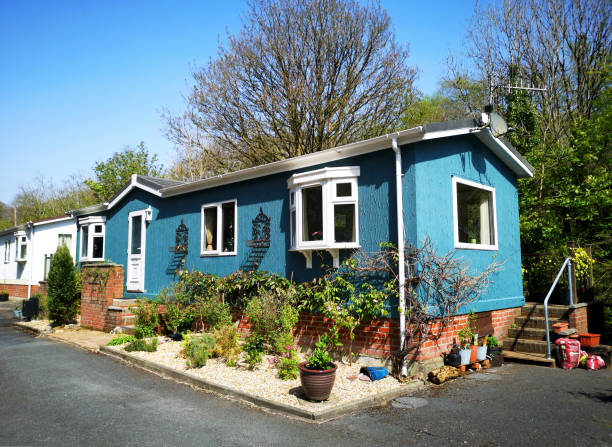
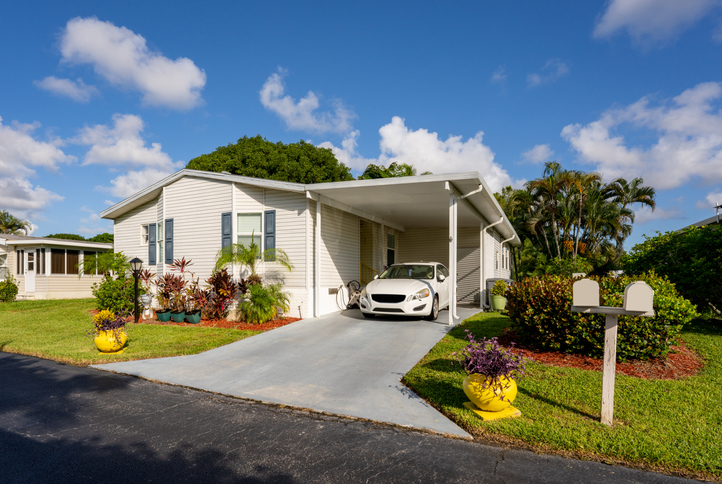
    Purchasing a pre-owned mobile home has benefits and drawbacks. Many buyers opt for these homes because they are affordable and convenient. However, understanding the pros and cons of a pre-owned mobile home is crucial before making any decisions.

    Pros of Purchasing a Pre-Owned Mobile Home

    A pre-owned mobile home offers many advantages. First, the cost is often much lower than buying a brand-new model, making it an attractive option for budget-conscious individuals or families.

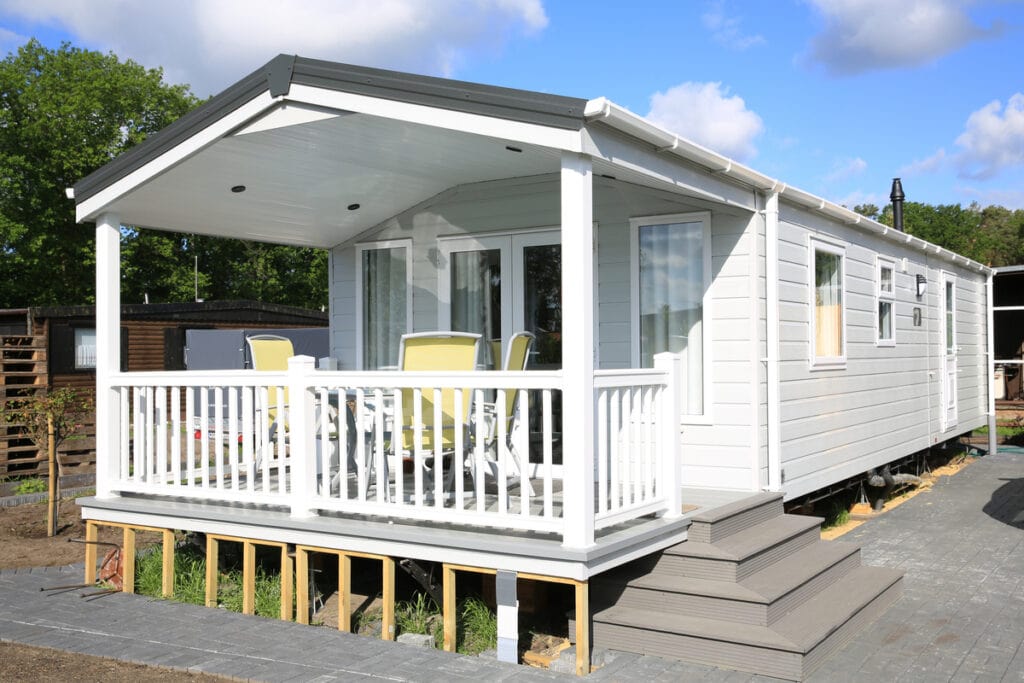
    Another advantage is the availability of various styles and sizes. Many pre-owned mobile homes come with upgrades or custom features already in place, so buyers may find a home that suits their needs without additional renovation costs.

    Additionally, pre-owned mobile homes are typically located in established communities with the necessary amenities, which can save time and effort when setting them up.

    Furthermore, purchasing a used mobile home often means quicker availability. New mobile homes can have long waiting periods, while pre-owned homes are ready for immediate move-in.

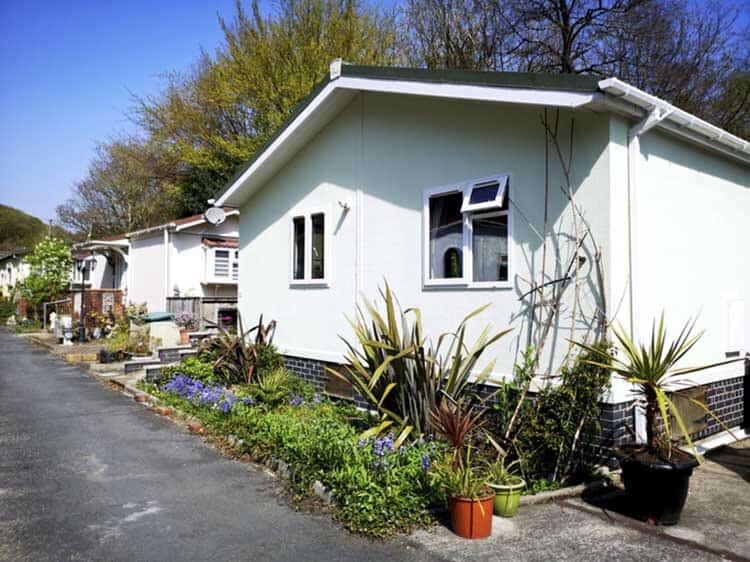
    Purchasing a pre-owned mobile homes

    Finally, pre-owned mobile homes may already have undergone some depreciation, so buyers can avoid the steep initial value drop typical of new mobile homes.

    Cons of Purchasing a Pre-Owned Mobile Home

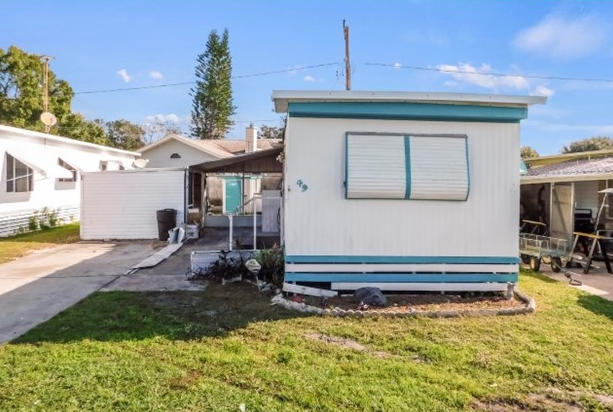
    While there are numerous benefits, there are also disadvantages to buying a pre-owned mobile home. One key drawback is the potential for hidden issues. Older mobile homes may have problems that take time to be apparent, such as water damage or outdated electrical systems.

    Another concern is the age of the mobile home. Homes over a decade old may require significant repairs or updates to meet modern safety standards. Buyers should be prepared for additional costs for repairs or replacements.

    Additionally, pre-owned mobile homes may have less energy efficiency than newer models. Older homes often lack the latest insulation or energy-saving features, which could lead to higher utility bills over time.

    The value of a pre-owned mobile home can also be a disadvantage. While they may be less expensive initially, they tend to depreciate more quickly than new homes. This means they may hold their value poorly if you decide to sell later.

    How to Assess the Condition of a Pre-Owned Mobile Home

    When buying a pre-owned mobile home, inspecting its condition thoroughly is important. Start by checking for any signs of water damage. This could be visible through stains on the ceiling or floors or by a musty smell inside the home.

    Next, examine the exterior for wear and tear. Look for cracks in the walls, roofing issues, or signs of pests. Many pre-owned homes may have settled unevenly, which can affect the foundation.

    It’s also wise to evaluate the condition of the plumbing, electrical systems, and appliances. Have a professional inspect these systems to ensure they are up to code and functioning properly.

    Finally, check the insulation and windows. Older mobile homes may need better insulation, making it challenging to maintain a comfortable temperature. Upgrading insulation and replacing old windows may be necessary, adding to the overall cost of the home.

    Financing a Pre-Owned Mobile Home

    Financing a pre-owned mobile home can be more complicated than funding a traditional house. Lenders may be more cautious about offering loans for older homes, especially those over 20.

    Buyers may face higher interest rates or may need to seek specialized financing options. Some banks or credit unions offer loans for mobile homes, while others may require a larger down payment.

    It’s essential to shop for the best financing terms and understand the requirements. A financial advisor or loan officer can help you determine the best way to secure a loan for a pre-owned mobile home.

    How to Save Money When Buying a Pre-Owned Mobile Home

    There are several ways to save money when purchasing a pre-owned mobile home. One strategy is to buy a slightly older home, which is often more affordable.

    Another way to save is to purchase from a private seller instead of a dealership. Private sales may offer better prices but may also involve more risk.

    If you are handy or willing to make repairs, consider buying a home that needs work. Homes that require renovation can often be purchased at a much lower price, and you can upgrade the house to your liking over time.

    However, when determining your budget, be sure to account for the cost of repairs. Sometimes, buying a home in excellent condition upfront can be more cost-effective than paying for repairs later.

    The Maintenance Costs of Pre-Owned Mobile Homes

    Maintenance is a significant factor to consider when purchasing a pre-owned mobile home. As mentioned earlier, older mobile homes may require more frequent repairs. These can include issues with plumbing, electrical wiring, or even the foundation.

    Additionally, the roof and exterior materials may need replacement or maintenance sooner than those in newer models. Regular upkeep, such as cleaning gutters, sealing windows, and inspecting the roof, can help prevent costly repairs in the future.

    The cost of maintaining a pre-owned mobile home can add up, but it’s possible to manage with routine inspections and timely repairs.

    The Pros and Cons of Pre-Owned Mobile Homes in Established Communities

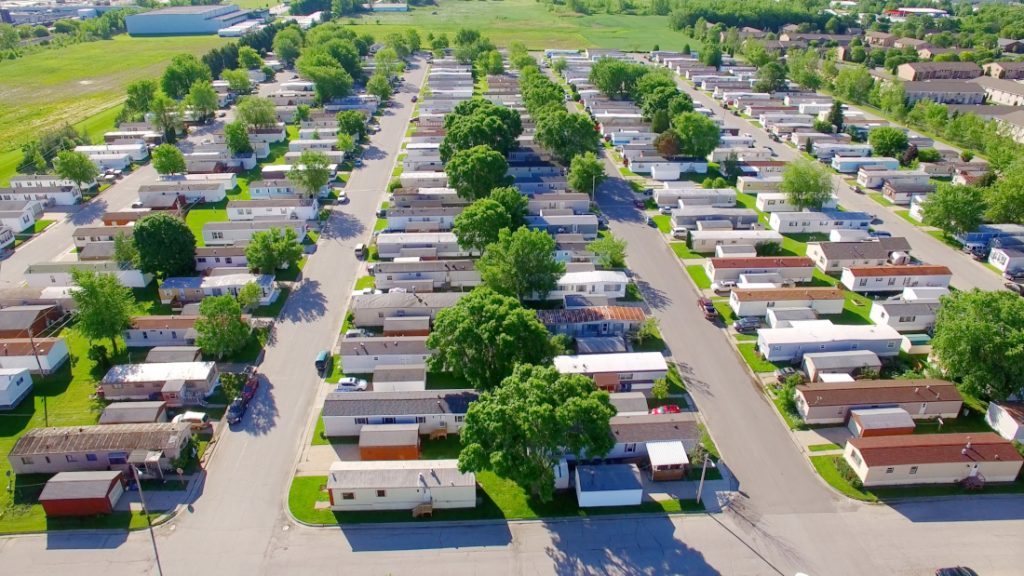
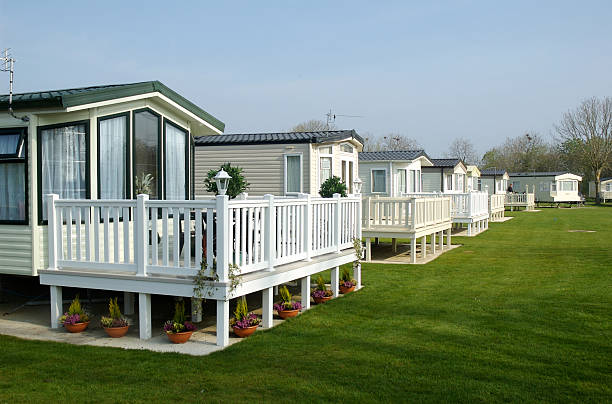
    Many pre-owned mobile homes are located in established communities, which can be a significant advantage. These communities often have shared amenities like clubhouses, pools, and recreational areas, offering convenience and a sense of community.

    However, there are some things that could be improved by purchasing in these communities. Fees for lot rentals or community maintenance can be recurring expenses. Some communities may also have strict home modifications or landscaping regulations, which can limit one’s ability to personalize one’s property.

    Additionally, pre-owned mobile homes in these communities may have less privacy than homes on private land. The proximity to neighbors can be a downside for some buyers.

    Are Pre-Owned Mobile Homes a Good Investment?

    Assessing whether a pre-owned mobile home is a good investment is essential when considering buying one. On the positive side, these homes often cost less upfront, making them more accessible for first-time homebuyers.

    However, the resale value may be an issue. Pre-owned mobile homes tend to depreciate quickly, which means they may hold a different value than traditional homes. This makes them less appealing to buyers looking for long-term equity.

    Nevertheless, without the need to move frequently. For buyers who are looking for affordable housing without the need to move frequently

    Conclusion: Weighing the Pros and Cons of Pre-Owned Mobile Homes

    The pros and cons of a pre-owned mobile home depend largely on personal preferences and financial considerations. On one hand, these homes are affordable and ready for immediate occupancy. On the other hand, buyers may face hidden repair costs, energy inefficiency, and depreciation.

    Ultimately, you must evaluate your budget, maintenance capacity, and long-term plans before purchasing a pre-owned mobile home.
     

    See Also:

  • Hidden Costs to Consider When Purchasing a Mobile Home

    Purchasing a mobile home can seem like an affordable alternative to traditional homeownership, but it comes with hidden costs. Many buyers focus on the initial price, but overlooking additional expenses can lead to unexpected financial strain. This guide helps you navigate the hidden costs of buying a mobile home.

    1. Land and Lot Fees

    One of the most significant hidden costs involves the land or lot fees. These fees can add up quickly if you purchase a mobile home that requires renting land in a park.

    • Monthly lot rent: In mobile home parks, you will pay monthly rent for the land your home occupies.
    • Costs vary: Rent can range from $200 to $1,000, depending on location, amenities, and park rules.
    • Not included in mortgage: Lot rent is separate from your mortgage payment and may increase over time.

    2. Insurance Costs

    Mobile home insurance is often more expensive than traditional homeowners insurance. You must protect your home and its contents, especially in hurricane-prone areas like Florida.

    • Insurance policies: Mobile home policies typically cover the home structure, personal property, and liability.
    • Premium costs: Insurance premiums can range from $300 to $2,000 annually, depending on coverage and location.
    • Flood insurance: Additional flood insurance may be required, especially in flood-prone areas.

    mobile home hidden costs

    3. Maintenance and Repairs

    Mobile homes require maintenance to keep them in good condition. Many people need to pay more attention to the ongoing costs of repairs and upkeep.

    • Roof maintenance: Mobile home roofs are often flat or low-pitched, requiring regular inspections and maintenance.
    • Plumbing and electrical: Older homes may require updates to meet modern standards.
    • Foundation repairs: Mobile homes can shift over time, so you may need foundation repairs to prevent structural damage.

    4. Utilities and Energy Costs

    Utility costs vary widely based on your mobile home’s size, age, and location. Older mobile homes often have inefficient insulation, leading to higher energy bills.

    • Heating and cooling: Poor insulation can lead to higher heating and cooling costs, especially in extreme climates.
    • Electricity and water: Utility rates can increase depending on your local provider.
    • Water and sewer: Some parks charge for water and sewer services, while others include them in lot fees.

    5. Financing Costs

    Financing a mobile home is not always straightforward, and interest rates tend to be higher than traditional homes.

    • Higher interest rates: Mobile home loans usually have higher interest rates because lenders consider them riskier investments.
    • Loan term: Loan terms for mobile homes tend to be shorter than for traditional mortgages, which means higher monthly payments.
    • Down payment: You may need to make a larger down payment, mainly if the home is older or in a park.

    6. Property Taxes

    While mobile homes are generally less expensive than traditional homes, they are still subject to property taxes.

    • Tax assessments: Property taxes are based on the home’s value, which can fluctuate over time.
    • Local tax rates vary depending on the county or municipality, and some areas have higher property tax rates than others.
    • Tax increases: Be prepared for annual increases, which can impact your budget.

    7. HOA or Park Fees

    Many mobile home parks charge homeowners additional fees for amenities and services. These fees are often overlooked but can add significant costs.

    • Monthly park fees: Parks may charge fees for maintenance, security, or amenities like a clubhouse or pool.
    • Homeowner’s association (HOA): Some mobile home communities are governed by an HOA, which may charge monthly or annual fees.
    • Fee increases: These fees can increase over time, sometimes unexpectedly.

    8. Moving and Setup Costs

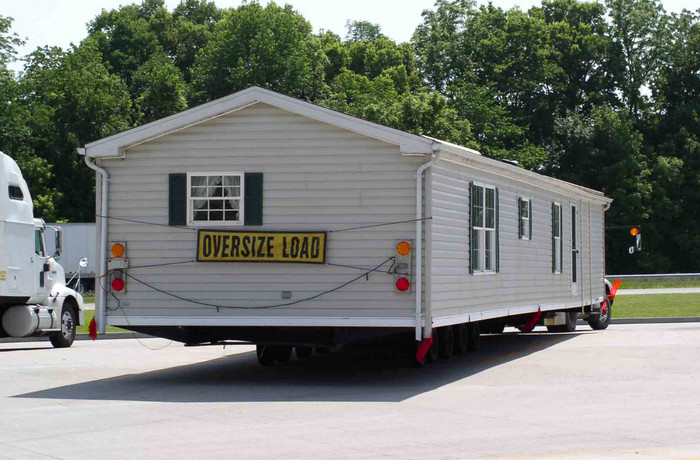
    If you purchase a mobile home that needs to be moved, you will incur additional expenses for transport and setup.

    • Transporting the home: The cost of moving a mobile home varies depending on its size and distance.
    • Setup costs: After the home is moved, you may need to pay for setup, including leveling, foundation work, and utility hookups.
    • Special permits: Some areas require permits for moving mobile homes, adding additional costs.

    9. Depreciation

    Unlike traditional homes, mobile homes tend to depreciate over time. This means the value of your investment may decline faster than you expect.

    • Declining value: Mobile homes generally lose value, especially as they age.
    • Market fluctuations: Local market conditions can impact the resale value of your home.
    • Financing challenges: Depreciation makes refinancing or selling your mobile home harder for a profit.

    10. Home Inspection Costs

    Before purchasing a mobile home, inspecting it to avoid hidden issues is wise. The cost of a professional home inspection is an additional upfront expense.

    • Inspection fees: Home inspection costs for mobile homes typically range from $300 to $500.
    • Potential repairs: An inspection may uncover foundation problems, plumbing leaks, or electrical hazards that need repair.
    • Negotiating repairs: You may need to negotiate the cost of repairs with the seller or adjust your offer.

    11. Upgrades and Customization

    To personalize your mobile home, be prepared for additional costs. Many buyers need to pay more attention to the price of upgrades or renovations.

    • Interior upgrades: Customizing interiors with new flooring, appliances, or paint can be costly.
    • Outdoor upgrades: If you own the land, add a deck, landscaping, or a fence.
    • Modernization: Older mobile homes may need to be updated to meet current standards or improve energy efficiency.

    12. Insurance Gaps

    While mobile home insurance covers certain aspects of the home, some areas might be excluded.

    • Personal property coverage: Not all policies cover personal belongings inside the mobile home, so you may need renter’s insurance.
    • Flooding or storm damage: Mobile homes are more vulnerable to weather damage, and standard insurance may not cover flooding or storms.
    • Additional coverage: You may need specialized coverage for extreme weather or other risks.

    13. Unforeseen Costs During Ownership

    Owning a mobile home comes with unexpected costs. Over time, issues may arise that were not initially apparent.

    • Repairs from wear and tear: As mobile homes age, they require more frequent repairs.
    • Replacement parts: Finding replacement parts for older mobile homes can be difficult and expensive.
    • Increased maintenance needs: Over time, wear and tear can require ongoing maintenance, increasing expenses.

    Conclusion

    While mobile homes offer affordability, they come with many hidden costs. It’s important to consider all expenses beyond the purchase price to avoid financial surprises. From land fees and insurance to maintenance and repairs, these costs can add up quickly. By understanding and preparing for these expenses, you can make a more informed decision when purchasing a mobile home. Always budget for the long-term costs to ensure your mobile home remains a wise investment.


    See Also:


  • Cheap Mobile Homes vs. Apartments: What’s the Best Value?

    Two of the most popular affordable living options are cheap mobile homes and apartments. Both offer unique benefits and drawbacks, and your decision largely depends on what you value most: price, space, flexibility, or community. This article will compare mobile homes and apartments to help you make the best choice for your lifestyle and budget.

    What Is a Mobile Home?

    A mobile home, also called a manufactured home, is a prefabricated house built in a factory and transported to a site. They are typically located in mobile home parks or manufactured home communities. These homes are often smaller and more affordable than traditional houses but offer more significant space and flexibility than apartments.

    Mobile homes come in various sizes, including single-wide, double-wide, and even triple-wide models. They can be rented or bought, and many mobile home communities allow homeowners to lease the land they occupy. This often results in lower upfront costs than owning or renting an apartment.

    Mobile Homes vs. Apartments

    What Is an Apartment?

    An apartment is a self-contained residential unit that’s part of a larger building or complex. Apartments are typically rented and are often located in urban areas. They can range from studio apartments to multi-bedroom units. Some apartment complexes offer amenities such as pools, gyms, or even pet parks.

    While apartments offer the convenience of shared facilities and often include utilities, they are generally smaller than mobile homes. Rent prices can vary widely depending on the location and size, but apartments often have additional costs for parking, utilities, and sometimes maintenance fees.

    Initial Costs: Mobile Homes vs. Apartments

    The initial cost is one of the most significant factors when deciding between a mobile home and an apartment.

    Mobile homes can be cheaper to buy upfront than apartments. Depending on the size and features, a mobile home can cost anywhere from $30,000 to $80,000 for a new one. Older or used mobile homes can cost even less. Renting a mobile home space in a park usually ranges from $300 to $1,000 monthly, depending on the location.

    Apartments tend to have higher upfront costs. Rent in urban areas can easily exceed $1,500 per month for a one-bedroom apartment, with additional fees for security deposits, utilities, and sometimes parking. If you’re looking to buy an apartment, the cost of a condominium or a unit in an apartment building can range from $100,000 to over $500,000, depending on the area.

    Monthly Expenses: Mobile Homes vs. Apartments

    Regarding monthly expenses, mobile homes often have the edge compared to apartments.

    For those who buy a mobile home, monthly costs typically include the loan payment (if applicable), utilities, and rent for the space in the mobile home park. The total monthly payment can be lower than the cost of renting an apartment. Depending on the area, mobile homeowners can also save on property taxes and insurance costs.

    Renting an apartment usually includes rent, utilities, and sometimes additional fees for things like parking or storage. If you live in a city with high demand for apartments, rent may increase over time, putting a strain on your budget. While some apartment complexes cover utilities, many require tenants to pay for electricity, gas, and water separately, which can add up.

    Space and Privacy: Mobile Homes vs. Apartments

    Regarding space and privacy, mobile homes often have a clear advantage.

    Mobile homes provide more square footage compared to typical apartments. A single-wide mobile home can range from 500 to 900 square feet, while a double-wide can offer anywhere from 1,000 to 2,000 square feet. This extra space gives you more freedom to move around and personalize your living area.

    Apartments, especially in urban areas, tend to be smaller. A studio apartment may only offer 300 to 500 square feet, while a one-bedroom apartment might have between 600 and 900 square feet. Even larger apartments rarely match the space that a mobile home offers.

    Privacy is another consideration. In a mobile home, you often have more privacy due to the physical separation between units. Many mobile home communities have well-spaced lots, so you don’t have neighbors right on top of you. Shared walls and common spaces in apartments can lead to more noise and less privacy.

    Flexibility and Mobility: Mobile Homes vs. Apartments

    One of the main advantages of mobile homes is their mobility. While you can move an entire mobile home to a new location, it can be expensive and complicated. However, this flexibility can be a huge advantage if you’re not tied to a particular area. Renting land in a mobile home community also gives you more control over your living situation than renting an apartment, where your lease terms are generally fixed.

    Apartments offer less flexibility. Typically, you sign a lease for a fixed term, which may be as short as six months or as long as a year. Breaking your lease can lead to penalties, and many apartments have strict rules about renewal. If you need to relocate for work or personal reasons, leaving an apartment can be more complicated than leaving a mobile home.

    Community and Lifestyle: Mobile Homes vs. Apartments

    Living in a mobile home community can offer a sense of camaraderie. Many mobile home parks are tight-knit communities where neighbors know each other and often share similar interests. These communities often provide amenities like parks, swimming pools, or recreational facilities, and there is a greater sense of belonging.

    In contrast, apartment living can be more impersonal. While some apartment complexes host community events or offer amenities, the transient nature of apartment living can make it harder to build relationships with neighbors. You may encounter more turnover and less continuity than in a mobile home community.

    Maintenance: Mobile Homes vs. Apartments

    One of the significant differences between mobile homes and apartments is the level of maintenance required.

    With a mobile home, you are responsible for most maintenance tasks. This includes caring for the exterior, plumbing, and appliances, which can lead to additional expenses. However, this also means you have more control over the upkeep of your home and can make improvements as you see fit.

    The landlord or property management company is typically responsible for most maintenance tasks in an apartment. If something breaks, you simply need to report it, which should be fixed at no cost. However, this can lead to repair delays, and you may have to wait for maintenance to arrive.

    Long-Term Investment: Mobile Homes vs. Apartments

    Regarding long-term investment, mobile homes offer a more favorable option. Mobile homes can appreciate value, especially if they are well-maintained and situated in a desirable location. The land beneath your mobile home (if you own it) can also increase in value over time.

    Apartments generally need to appreciate in value the way a mobile home can. If you own an apartment, its value may increase depending on the market, but the overall building value and the surrounding area often limit it. Renters in apartments typically only see a return on their payments if the apartment is part of a larger investment strategy.

    Conclusion: Which Offers the Best Value?

    The best value depends on your needs, budget, and lifestyle preferences.

    Mobile homes are often better for those seeking more space, privacy, and long-term affordability. They are ideal for people who want to own their home while keeping monthly costs low. If you plan on staying in one location for an extended period, a mobile home can offer great value.

    On the other hand, apartments are best for those who need flexibility, don’t mind smaller spaces, and prefer the convenience of property management handling maintenance. They may also be the right choice for those who want to live in a specific urban area without worrying about the logistics of owning a mobile home.

    Ultimately, the best option depends on your specific needs. Whether you choose a cheap mobile home or an apartment, both offer affordable living solutions for different types of lifestyles. Consider your priorities, such as space, community, and long-term investment, when deciding.


    See Also:

  • The Benefits of Investing in a Mobile Home for Seasonal Living

    Investing in a mobile home for seasonal living offers numerous benefits. Many people choose mobile homes as a practical solution for seasonal stays. Florida and other warm states attract seasonal residents, often called snowbirds. These residents enjoy the comfort and convenience of mobile homes. Here are the key benefits of investing in a mobile home for seasonal living.

    1. Affordability

    Mobile homes are generally more affordable than traditional homes. This affordability allows you to invest in a comfortable living space. You can enjoy seasonal living without breaking the bank. Many mobile homes come with lower property taxes as well. This financial advantage makes mobile homes appealing to many buyers.

    Mobile Home for Seasonal Living

    2. Flexibility

    Mobile homes offer flexibility in living arrangements. You can choose from various models, sizes, and layouts. This versatility allows you to find a home that fits your needs. Seasonal living requires adaptability and mobile homes provide that. You can change your location each season if desired.

    3. Convenience

    Mobile homes are easy to maintain and manage. Many come with modern amenities, making daily life comfortable. You’ll find features such as kitchens, bathrooms, and laundry facilities. This convenience makes mobile homes ideal for seasonal living. You can focus on enjoying your time instead of worrying about upkeep.

    4. Community Living

    Many mobile home parks foster a sense of community. These parks often cater to seasonal residents. You can meet like-minded individuals and create lasting friendships. Social events and activities are common in these communities. Engaging with others enhances your seasonal living experience.

    5. Proximity to Recreational Activities

    Mobile homes are often located near recreational activities. This location allows you to enjoy outdoor pursuits easily. Many parks are near beaches, lakes, and golf courses. Living in a mobile home provides easy access to these attractions. You can spend your days enjoying nature and engaging in hobbies.

    6. Simplicity

    Investing in a mobile home simplifies your life. You can downsize from a larger home and reduce clutter. A smaller living space encourages a simpler lifestyle. You’ll have fewer possessions to manage and maintain. This simplicity can lead to a more fulfilling seasonal experience.

    7. Energy Efficiency

    Many modern mobile homes are energy efficient. They use advanced building materials and technology to reduce energy consumption. This efficiency can lead to lower utility bills. Saving money on energy costs is an attractive benefit for seasonal residents. You can enjoy a comfortable environment without excessive expenses.

    8. Customization Options

    Mobile homes can be customized to suit your tastes. Many manufacturers offer various design options and upgrades. You can personalize your space to make it feel like home. This customization adds a personal touch to your seasonal living experience. You can create a cozy atmosphere that reflects your style.

    9. Investment Potential

    Investing in a mobile home can yield long-term financial benefits. As property values increase, your investment may appreciate over time. Seasonal living in a desirable area can enhance this potential. You can also rent your mobile home when not in use. This rental income can help offset costs.

    10. Lower Insurance Costs

    Insurance for mobile homes is often lower than for traditional homes. This cost savings can benefit your overall budget. Lower insurance premiums make mobile home ownership more affordable. It’s essential to shop around for the best insurance rates. Consider getting quotes from multiple providers to find the best deal.

    11. Low Maintenance

    Mobile homes require less maintenance than traditional homes. Many modern mobile homes come with durable materials and fixtures. This durability reduces the need for frequent repairs. Seasonal residents can enjoy their time without worrying about constant upkeep. Less maintenance allows you to focus on relaxation and enjoyment.

    12. Accessibility

    Mobile homes are often designed with accessibility in mind. This feature benefits seasonal residents with mobility challenges. Many homes include ramps and wider doorways. Accessibility makes it easier for everyone to enjoy their space. You can comfortably invite friends and family to visit without concerns.

    13. Security Features

    Many mobile home parks have security features in place. Gated communities and on-site management enhance safety. Knowing your home is secure adds peace of mind. You can enjoy your seasonal living experience without worries about safety. This security is especially important for those who travel frequently.

    14. Short-Term Commitment

    Investing in a mobile home allows for a short-term commitment. Many buyers use mobile homes solely for seasonal living. You can spend a few months each year without long-term obligations. This flexibility is perfect for those who wish to escape harsh winters. You can enjoy the best of both worlds.

    15. Opportunity for Travel

    Owning a mobile home provides travel opportunities. You can explore different areas while enjoying the comforts of home. Many mobile homeowners choose to travel within Florida or to neighboring states. This travel option allows for new experiences and adventures. You can create unforgettable memories while living seasonally.

    16. Environmental Considerations

    Mobile homes can have a smaller environmental footprint. They require fewer materials to build than traditional homes. This aspect makes them a more sustainable choice. Additionally, many mobile home parks focus on eco-friendly practices. Choosing a mobile home aligns with environmentally conscious living.

    17. Easy Access to Services

    Mobile home parks often provide easy access to essential services. Grocery stores, healthcare facilities, and recreational options are typically nearby. This convenience enhances your seasonal living experience. You can focus on enjoying your time without worrying about daily needs.

    18. Pet-Friendly Options

    Many mobile home parks welcome pets. This feature is important for pet owners seeking seasonal living. You can enjoy your time with your furry companions. Parks often have amenities like dog parks or pet-friendly events. Living with pets adds joy to your seasonal experience.

    19. Sense of Belonging

    Living in a mobile home park fosters a sense of belonging. You become part of a community that shares similar interests. This social connection enhances your seasonal living experience. Many parks organize social events and gatherings. Engaging with your neighbors creates lasting friendships.

    20. Supportive Environment

    Mobile home parks often provide a supportive environment. Residents frequently help one another with various tasks. This community support can be invaluable, especially for seasonal residents. You can rely on your neighbors for assistance or companionship. This camaraderie makes seasonal living more enjoyable.

    Conclusion

    Investing in a mobile home for seasonal living offers numerous benefits. From affordability to a sense of community, mobile homes provide a practical solution. You can enjoy a comfortable and convenient lifestyle while exploring new areas. The investment potential, low maintenance, and accessibility are additional advantages. Embrace the joys of seasonal living by choosing a mobile home. Enjoy all that Florida and other warm states have to offer with your mobile home investment!


    See Also:

  • Must-Know Tips for Finding an Affordable Mobile Home in Florida

    Finding an affordable mobile home in Florida can be an exciting yet challenging task. With the right approach and strategies, you can navigate the market and secure a great deal. This guide provides essential tips to help you find an affordable mobile home that fits your needs and budget.

    1. Define Your Budget

    Before you start your search, set a clear budget. Determine how much you can spend on a mobile home. Include costs like insurance, taxes, and maintenance. This will give you a realistic price range to work within.

    Tips for Finding an Affordable Mobile Home

    2. Research the Market

    Conduct thorough research on the mobile home market in Florida. Explore different regions and communities. Some areas may offer better prices than others. Use online listings, local classifieds, and real estate websites to gather data.

    3. Choose the Right Location

    Location significantly affects mobile home prices. Popular areas tend to be more expensive. Consider looking in less popular neighborhoods or rural areas. These locations often have more affordable options and offer a peaceful lifestyle.

    4. Explore Mobile Home Parks

    Many mobile homes are located in mobile home parks. These parks often offer affordable housing options. Research different parks in your preferred area. Look for parks with good amenities and a friendly community atmosphere.

    5. Check Online Listings

    Utilize online platforms to search for affordable mobile homes. Websites like Zillow, Realtor.com, and Craigslist list many options. Filter your search by price, location, and home size. Regularly check these sites for new listings.

    6. Network with Locals

    Connect with local residents and real estate agents. They can provide valuable insights into the mobile home market. Join community groups on social media. Participate in discussions to learn about available properties.

    7. Attend Mobile Home Shows

    Mobile home shows are excellent opportunities to explore various models and manufacturers. Attend local shows to gain insights and find affordable options. Speak with dealers and manufacturers about their inventory and pricing.

    8. Consider Older Models

    Older mobile homes are often more affordable than new ones. Look for well-maintained older models. These homes may require some updates, but the cost savings can be significant. Ensure the home has a solid structure and good systems.

    9. Look for Fixer-Uppers

    Fixer-upper mobile homes can be a great deal. These homes often sell for lower prices due to needed repairs. If you’re handy or willing to invest time, a fixer-upper can become your dream home. Be sure to factor in repair costs when budgeting.

    10. Visit Multiple Properties

    Don’t settle for the first mobile home you see. Visit multiple properties to compare features and prices. Take notes and pictures to help you remember each home. This will give you a better perspective on the market.

    11. Get Pre-Approved for Financing

    Before you start seriously searching, get pre-approved for financing. This will give you a clear idea of your budget. Pre-approval shows sellers you’re a serious buyer. It can give you an edge in negotiations.

    12. Negotiate the Price

    When you find a mobile home you like, be prepared to negotiate. Don’t hesitate to make a lower offer. Sellers often expect some negotiation, especially in a buyer’s market. Use your research to support your offer.

    13. Inspect the Home Thoroughly

    Before finalizing any purchase, inspect the home thoroughly. Look for signs of wear and tear, leaks, or structural issues. Hire a professional inspector if necessary. This step is crucial to avoid future costly repairs.

    14. Understand the Fees and Costs

    Be aware of the additional costs associated with buying a mobile home. These may include site fees, utilities, and maintenance costs. Understand all potential expenses to avoid surprises after your purchase.

    15. Review the Park Rules and Regulations

    If buying in a mobile home park, review the park’s rules and regulations. Some parks have restrictions on pets, renovations, or rentals. Make sure you are comfortable with these rules before making a purchase.

    16. Explore Financing Options

    Research different financing options available for mobile home purchases. Traditional mortgages may not apply, so explore alternative lenders. Some manufacturers offer in-house financing. Compare interest rates and terms to find the best deal.

    17. Consider Lease Options

    Some mobile home parks offer lease options for homes. This arrangement can be a more affordable way to get started. It allows you to live in a mobile home without committing to a full purchase upfront.

    18. Be Patient and Persistent

    Finding an affordable mobile home may take time. Don’t rush into a purchase out of frustration. Be patient and keep looking. Persistence pays off in finding the right home at the right price.

    19. Utilize Social Media

    Use social media platforms to search for mobile homes. Join local groups focused on real estate or mobile homes. Post your requirements and ask for recommendations. Many people share listings and advice through these channels.

    20. Consider Seasonal Factors

    The time of year can impact mobile home prices. In Florida, the winter months attract many snowbirds, increasing demand. Consider shopping during the off-season for better deals. Sellers may be more willing to negotiate during quieter months.

    Conclusion

    Finding an affordable mobile home in Florida requires a strategic approach. By following these tips, you can simplify your search and discover great options. Define your budget, research the market, and network with locals. Keep an open mind and explore different properties.

    Be patient and persistent, and don’t rush your decision. With thorough inspection and negotiation, you can secure a mobile home that meets your needs and budget. Enjoy the process of finding your new home in the beautiful state of Florida.


    See Also:


  • What to Look for When Buying a Used Mobile Home in Florida

    Purchasing a used mobile home in Florida can be a rewarding experience. It offers affordability and flexibility compared to traditional homes. However, buying a used mobile home requires careful consideration. You must ensure that your investment is sound and meets your needs. This guide provides a comprehensive checklist of key factors to consider when buying a used mobile home in Florida.

    1. Understand the Market

    Before diving into your search, familiarize yourself with the local mobile home market. Research recent sales in the area. This will help you determine fair pricing for the type of mobile home you want. Check online listings, local classifieds, and community bulletin boards. Understanding the market will give you leverage in negotiations.

    2. Inspect the Structural Integrity

    The structural integrity of a mobile home is paramount. Start by checking the frame and foundation. Look for signs of sagging or damage. A solid frame ensures the home can withstand Florida’s weather.

    Check the Roof
    Inspect the roof for leaks, cracks, or missing shingles. A compromised roof can lead to costly repairs. Look for signs of water damage on the ceiling and walls inside the home.

    Examine the Walls and Floors
    Inspect the walls for any bowing or soft spots. Soft spots may indicate water damage or rot. Check the flooring for any sagging or warping. Ensure it feels solid when you walk on it.

    Buying a Used Mobile Home in Florida

    3. Evaluate the Utilities

    Check all utility systems in the mobile home. This includes water, electricity, gas, and sewage systems. Proper functioning utilities are essential for comfortable living.

    Water System
    Inspect the plumbing for leaks or corrosion. Look for signs of water damage under sinks and around pipes. Test the water pressure and ensure hot water is available.

    Electrical System
    Check the electrical panel and outlets. Ensure that outlets are grounded and properly wired. Test light switches and fixtures to verify they are functional.

    Heating and Cooling Systems
    Evaluate the HVAC system or window units. Ensure they are in good working condition. Ask for maintenance records to see when they were last serviced.

    4. Look for Signs of Pest Infestation

    Pest problems can cause significant damage to a mobile home. Look for signs of infestation, such as droppings or nests. Check for any holes in walls or around windows that pests might use for entry. If you find signs of pests, consider hiring a professional pest inspector before purchasing.

    5. Assess the Age of the Mobile Home

    The age of the mobile home impacts its condition and value. Older mobile homes may require more repairs and updates. Check the manufacturer’s label, usually located on the inside of the kitchen cabinet or in a closet. It will indicate the year the home was manufactured.

    Consider Mobile Home Standards
    Mobile homes built before 1976 may not meet modern safety and building codes. These homes may lack necessary insulation and structural features. If you’re considering an older model, ensure it meets current standards.

    6. Review the Title and Registration

    A clear title is essential when purchasing a used mobile home. Ensure that the seller owns the home outright and has the title available. Check for any liens against the home. This could complicate your purchase and ownership.

    Verify Registration
    Ensure the mobile home is registered with the Florida Department of Highway Safety and Motor Vehicles. You can check the registration status online or through local offices. Make sure all taxes are paid and up to date.

    7. Understand Local Zoning and Land Use Regulations

    Mobile home parks in Florida often have specific zoning regulations. Before buying, check local zoning laws and land use regulations. Make sure the mobile home you choose can be legally placed in the intended location.

    Confirm Park Rules and Fees
    If you’re buying in a mobile home park, review the park rules and fees. Understand any restrictions on age, renovations, or pet ownership. Clarify monthly lot rent or any additional fees you might encounter.

    8. Assess the Home’s Energy Efficiency

    Energy efficiency impacts your monthly expenses and comfort. Inspect insulation levels in walls and ceilings. Poor insulation can lead to higher energy bills.

    Check Windows and Doors
    Evaluate the condition of windows and doors. Ensure they close properly and seal well. Consider installing energy-efficient models if the current ones are outdated. This can save you money on heating and cooling costs.

    9. Investigate Previous Repairs and Upgrades

    Inquire about any repairs or upgrades made to the mobile home. Ask the seller for maintenance records. This will give you insight into the home’s condition and how well it has been cared for.

    Renovations and Upgrades
    Check for any significant renovations, such as new plumbing, electrical systems, or appliances. Understand who performed the work and whether it was done professionally.

    10. Get a Professional Inspection

    Before making a final decision, hire a professional inspector. A thorough inspection can reveal hidden problems that may not be apparent during your walkthrough. The inspector will check structural integrity, utilities, pests, and safety issues. This step can save you from costly surprises later.

    11. Consider Financing Options

    When purchasing a used mobile home, explore financing options. Many lenders offer loans specifically for mobile home purchases. Understand the interest rates, terms, and conditions before proceeding.

    Check Your Credit Score
    Before applying for financing, check your credit score. A higher credit score can secure you better financing terms. If your score needs improvement, take steps to boost it before applying.

    12. Budget for Additional Costs

    In addition to the purchase price, consider additional costs associated with owning a mobile home. These can include:

    • Lot Rent: If you’re in a mobile home park, factor in monthly lot rent.
    • Insurance: Mobile home insurance can protect your investment.
    • Maintenance: Budget for ongoing maintenance and repairs.
    • Utilities: Understand utility costs and plan for them in your budget.

    13. Evaluate Resale Value

    Consider the potential resale value of the mobile home. Mobile homes can depreciate faster than traditional homes. Look at the resale history of similar homes in the area. Understanding this can help you make a sound investment.

    14. Think About Your Lifestyle and Needs

    Reflect on your lifestyle and future plans. Consider the size of the mobile home and the layout. Ensure it meets your current and future needs.

    Plan for Future Growth
    If you plan to expand your family or need more space, think about your options. Some mobile homes offer expansion possibilities, while others do not. Plan accordingly to avoid feeling cramped later.

    15. Trust Your Instincts

    Finally, trust your instincts during the buying process. If something feels off about the home or the seller, don’t hesitate to walk away. A home is a significant investment, and you should feel confident in your decision.

    Conclusion

    Buying a used mobile home in Florida can be an excellent investment if you approach the process carefully. By following this checklist, you can ensure that you make an informed decision. Always prioritize structural integrity, utilities, and legal considerations. With the right preparation and research, you can find a mobile home that meets your needs and provides a comfortable living space for years to come. Happy house hunting!


    See Also:

  • Comparing Lot Rents in Florida: Which Regions Offer the Best Value for Mobile Home Owners?

    Florida is a prime destination for mobile home living, thanks to its warm climate, diverse communities, and the affordability of mobile homes. However, lot rents can vary significantly from one region to another, impacting the overall cost of living for mobile homeowners. In this article, we will conduct a comparative analysis of lot rents across various regions in Florida, identifying areas that offer the best value for mobile home residents.

    1. South Florida

    Key Areas: Miami, Fort Lauderdale, West Palm Beach

    Average Lot Rent: $800 – $1,200 per month
    South Florida is known for its vibrant lifestyle, beautiful beaches, and bustling cities. However, the cost of living can be high, especially in urban areas like Miami and Fort Lauderdale. Mobile home park lot rents in these regions tend to be on the higher end of the spectrum due to demand and proximity to amenities. While residents enjoy access to entertainment, dining, and cultural attractions, those seeking affordability may want to look further north or inland.

    2. Central Florida

    Key Areas: Orlando, Kissimmee, Ocala

    Average Lot Rent: $600 – $900 per month
    Central Florida offers a balance between affordability and access to attractions. Orlando, known for its theme parks and entertainment options, has mobile home parks with relatively moderate lot rents. Kissimmee and Ocala provide more affordable options, with rents often below $800. Central Florida is a popular choice for retirees and families alike, with ample recreational opportunities and community amenities.

    Comparing Lot Rents in Florida

    3. North Florida

    Key Areas: Jacksonville, Gainesville, Tallahassee

    Average Lot Rent: $500 – $800 per month
    North Florida generally has some of the most affordable lot rents in the state. Jacksonville, being the largest city, has a wide range of mobile home parks with competitive rents, while Gainesville and Tallahassee offer even lower rates. This region is ideal for those looking for a quieter lifestyle, with a mix of urban and rural environments. The cost of living is significantly lower than in South Florida, making it a great option for budget-conscious residents.

    4. The Panhandle

    Key Areas: Pensacola, Panama City Beach, Destin

    Average Lot Rent: $400 – $700 per month
    The Florida Panhandle is known for its stunning beaches and natural beauty, offering some of the most affordable lot rents in the state. Pensacola and Panama City Beach have mobile home parks with rents often below $700. This region attracts retirees and vacationers, with a slower pace of life and access to outdoor activities. Residents enjoy a sense of community and often participate in local events and gatherings.

    5. Southwest Florida

    Key Areas: Fort Myers, Naples, Sarasota

    Average Lot Rent: $600 – $1,000 per month
    Southwest Florida boasts beautiful beaches and a wealth of outdoor activities. Lot rents in this region can vary widely, with Naples typically being on the higher end due to its luxury market. However, Fort Myers and Sarasota offer more affordable options, often around the $600 mark. The region is popular among retirees and families looking for a vibrant community and access to quality amenities.

    Conclusion

    When comparing lot rents across Florida, it’s clear that North Florida and the Panhandle offer the best value for mobile homeowners, with lower average rents and a peaceful lifestyle. Central Florida strikes a balance between affordability and access to urban amenities, while South Florida’s rents tend to be higher, reflecting the demand for its vibrant lifestyle. Southwest Florida presents a mix of affordable and higher-end options, appealing to various demographics.

    Ultimately, the best region for mobile home living in Florida depends on individual preferences, lifestyle needs, and budget considerations. By evaluating the cost of lot rents alongside available amenities, prospective mobile home residents can make informed decisions about where to settle down in the Sunshine State.


    See Also:

  • Negotiating Lot Rents: Tips for Mobile Home Owners in Florida

    Negotiating lot rents can be a daunting task for mobile homeowners in Florida, particularly as costs continue to rise in many parks. However, with the right strategies and a clear understanding of your lease agreement, you can successfully negotiate more favorable terms with park management. Here are practical tips to help you navigate the process effectively.

    1. Understand Your Lease Agreement

    Review Lease Terms

    Before initiating any negotiations, take the time to thoroughly review your lease agreement. Understanding the terms and conditions of your lease is crucial for effective negotiation.

    • Rent Increase Clauses: Identify any clauses related to rent increases. Many agreements specify how much and how often rent can be raised.
    • Duration of Lease: Check the duration of your lease. Longer leases may offer more stability, while shorter leases may allow for more frequent negotiations.
    • Included Services: Understand what services and amenities are included in your lot rent. This can include water, trash collection, maintenance, and access to community facilities.

    Negotiating Lot Rents

    Know Your Rights

    Familiarize yourself with Florida’s laws regarding mobile home parks and tenant rights. This knowledge can empower you during negotiations and help you understand what is reasonable to ask for.

    • Florida Statute 723: This statute regulates mobile home parks in Florida, outlining tenants’ rights and park owners’ responsibilities. Knowing this information can give you leverage in negotiations.

    2. Research Comparable Lot Rents

    Market Comparison

    Gather data on what other mobile home parks in your area charge for lot rent. This information can help you establish a fair range for negotiations.

    • Online Listings: Check real estate websites and local listings for comparable mobile home parks and their lot rents.
    • Talk to Neighbors: Speak with other residents in your park or nearby parks to gather insights on their lot rents and experiences with negotiations.

    Understand Local Market Trends

    Stay informed about local real estate trends that might affect lot rents, such as demand, nearby developments, or economic factors. Understanding these trends can help you argue for a reasonable rate based on current market conditions.

    3. Prepare Your Case for Negotiation

    List Improvement Suggestions

    If you have made improvements to your mobile home or the lot itself, be sure to highlight these during negotiations. Improvements can justify a lower lot rent or at least prevent an increase.

    • Landscaping: If you have improved the landscaping or aesthetics of your lot, document these changes.
    • Upgrades: Highlight any upgrades to utilities or structures that enhance the overall value of the park.

    Build a Value Proposition

    Create a list of reasons why negotiating your lot rent is beneficial for both you and the park management. Emphasizing your positive contributions to the community can strengthen your case.

    • Community Stability: As a long-term resident, you contribute to the park’s stability, which benefits all residents and the management.
    • Timely Payments: If you consistently pay your rent on time, emphasize your reliability as a tenant.

    4. Initiate the Conversation

    Schedule a Meeting

    Once you’re prepared, request a meeting with park management to discuss your lot rent. Ensure you choose a time when they are likely to be receptive and open to discussion.

    • Professionalism: Approach the meeting with professionalism. Treat it as a business discussion rather than a personal confrontation.

    Present Your Case

    During the meeting, present your case clearly and confidently. Use the data you’ve gathered to back up your requests.

    • Be Specific: Clearly state what you’re asking for, whether it’s a reduction in lot rent, a cap on future increases, or additional services included in your rent.
    • Listen: Allow park management to share their perspective and reasoning. Listening can foster a more collaborative environment.

    5. Discuss Improvements and Amenities

    Highlight Community Enhancements

    If you believe improvements to the community could justify your request, be prepared to discuss these with park management.

    • Shared Amenities: Discuss whether the amenities provided align with the lot rent you are paying. If certain amenities are lacking or not being maintained, this can be a valid point for negotiation.
    • Maintenance Issues: If there are unresolved maintenance issues in the park, bring these to management’s attention as a basis for your negotiation.

    Suggest Shared Improvements

    Propose ideas for community enhancements that could benefit all residents, possibly leading to a more stable or lower rent structure.

    • Community Events: Suggest organizing community events to build camaraderie among residents, which can enhance the park’s overall appeal and stability.
    • Safety Improvements: Discuss any potential safety improvements, such as better lighting or security measures, that could improve the living environment for everyone.

    6. Be Open to Compromise

    Flexibility in Negotiations

    Be prepared to compromise during negotiations. Park management may have their own constraints and may not be able to meet all your requests.

    • Alternative Solutions: If they cannot lower the rent, consider negotiating for other benefits, such as enhanced maintenance services or improvements to community amenities.
    • Long-Term Agreements: Consider proposing a longer lease agreement in exchange for a more favorable rent rate.

    7. Follow Up in Writing

    Document the Agreement

    After the negotiation, summarize the key points discussed and any agreements made in writing. This creates a record that both parties can refer to later.

    • Confirmation Letter: Send a follow-up email or letter thanking the management for the meeting and outlining the agreed-upon terms. This documentation can help prevent misunderstandings in the future.

    Stay Engaged

    Continue to engage with park management on a regular basis. Keeping an open line of communication can foster a positive relationship and make future negotiations easier.

    Conclusion

    Negotiating lot rents can be challenging for mobile homeowners in Florida, but with careful preparation and a strategic approach, it’s possible to achieve a favorable outcome. By understanding your lease agreement, researching comparable rents, and presenting a well-prepared case, you can confidently navigate negotiations with park management. Remember to stay professional, be open to compromise, and document all agreements for a smoother process in the future.


    See Also:


  • Mobile Home Depreciation: How to Maintain Value Over Time in Florida

    Mobile homes, often referred to as manufactured homes, are an affordable housing option that appeals to many individuals and families in Florida. However, one of the primary concerns for mobile homeowners is depreciation. Unlike traditional homes that tend to appreciate over time, mobile homes often face depreciation due to various factors. In this article, we will explore strategies to slow down depreciation and maintain or even increase the value of your mobile home in Florida.

    Mobile Home Depreciation

    Understanding Mobile Home Depreciation

    Before diving into maintenance strategies, it’s crucial to understand what depreciation is and why it affects mobile homes more than traditional homes.

    What is Depreciation?

    Depreciation refers to the decrease in the value of an asset over time, often due to wear and tear, aging, or obsolescence. For mobile homes, several factors contribute to depreciation:

    • Location: The neighborhood’s desirability can impact the home’s value.
    • Condition: The overall condition of the mobile home, including structural integrity and aesthetics, plays a significant role.
    • Market Trends: Economic factors and trends in the real estate market can influence property values.

    Why Do Mobile Homes Depreciate Faster?

    • Manufacturing Perception: Mobile homes are often viewed as less desirable than traditional homes, leading to lower market values.
    • Financing Challenges: Financing options for mobile homes can be limited, impacting resale value.
    • Land Ownership: Many mobile homes are placed in mobile home parks where land ownership differs from traditional homeownership.

    Despite these challenges, there are proactive steps you can take to maintain or increase the value of your mobile home.

    Tips to Maintain and Increase Your Mobile Home’s Value

    1. Regular Maintenance and Repairs

    Keeping your mobile home in good condition is the first step in slowing depreciation. Regular maintenance not only preserves the home’s aesthetics but also ensures its structural integrity.

    • Inspect the Roof: Regularly check for leaks, damages, or signs of wear. A well-maintained roof can prevent significant issues down the line.
    • HVAC System Maintenance: Schedule annual inspections and cleanings for your heating and cooling systems to ensure they operate efficiently.
    • Plumbing and Electrical Checks: Regularly inspect plumbing and electrical systems to identify and fix issues early.

    2. Enhance Curb Appeal

    First impressions matter, especially in real estate. Enhancing the curb appeal of your mobile home can significantly impact its perceived value.

    • Landscaping: Maintain a neat lawn, plant flowers, and trim shrubs to create an inviting exterior.
    • Exterior Upgrades: Consider repainting or updating the siding. New paint or upgraded materials can give your home a fresh look and protect it from the elements.
    • Porches and Decks: Adding or maintaining a porch or deck can enhance outdoor living space and increase property appeal.

    3. Interior Updates

    Updating the interior of your mobile home can also contribute to its value. Focus on modernizing key areas to attract potential buyers or renters.

    • Kitchen Remodels: Upgrading appliances, cabinets, and countertops can significantly boost your home’s value.
    • Bathroom Improvements: Simple fixes like new fixtures, paint, or flooring can make a big difference.
    • Flooring Upgrades: Consider replacing worn-out carpets with laminate or vinyl flooring, which can offer a more modern look and durability.

    4. Energy Efficiency Improvements

    Energy-efficient upgrades can appeal to environmentally conscious buyers while also reducing utility bills. These improvements can make your mobile home more desirable in the market.

    • Insulation: Proper insulation can significantly reduce heating and cooling costs. Inspect and upgrade insulation in walls, ceilings, and floors as needed.
    • Energy-Efficient Windows: Replacing old windows with energy-efficient ones can improve comfort and reduce energy costs.
    • Solar Panels: Installing solar panels can increase the home’s value and attract buyers looking for sustainable living options.

    5. Know Your Market

    Understanding the local real estate market is essential for making informed decisions about your mobile home. Keeping abreast of trends and market conditions can help you position your home effectively.

    • Monitor Comparable Sales: Track the sale prices of similar mobile homes in your area to gauge your home’s market value.
    • Engage with Local Real Estate Agents: Work with agents who specialize in mobile home sales to gain insights into market conditions and trends.

    6. Proper Insurance Coverage

    Having the right insurance coverage can protect your investment and ensure that you can recover financially from potential damages. Consider the following:

    • Comprehensive Insurance Policies: Invest in comprehensive insurance that covers not just the mobile home but also personal belongings and liability.
    • Regular Policy Reviews: Periodically review your insurance policy to ensure it aligns with your home’s current value and condition.

    7. Choose the Right Mobile Home Park

    If your mobile home is located in a park, the park’s quality and management can affect your home’s value.

    • Research Parks: Before moving into a mobile home park, research the park’s reputation, amenities, and management. Well-maintained parks tend to have higher property values.
    • Community Involvement: Participate in park activities and meetings to foster a sense of community and keep up with improvements or changes that could impact your home’s value.

    8. Renovation and Upgrading

    Strategic renovations can lead to a significant increase in value. Consider larger projects that can enhance your home’s marketability:

    • Additions: If space allows, consider adding rooms or extending existing spaces to increase square footage.
    • Outdoor Features: Installing a patio, shed, or fencing can enhance outdoor living and appeal.

    9. Stay Organized with Documentation

    Keep thorough records of all maintenance, upgrades, and repairs performed on your mobile home. This documentation can be beneficial when selling your home, as it shows potential buyers the care and attention you’ve given it.

    10. Be Mindful of Depreciation Trends

    Lastly, stay informed about the overall trends in mobile home values and depreciation. Awareness of economic shifts, interest rates, and housing demands can help you make proactive decisions about your mobile home.

    Conclusion

    While mobile homes in Florida face unique challenges related to depreciation, homeowners can take proactive steps to maintain and even increase their value. By focusing on regular maintenance, enhancing curb appeal, making strategic interior and exterior upgrades, and staying informed about the local market, you can ensure your mobile home remains a valuable investment for years to come. Ultimately, the effort you put into your mobile home will pay off when it comes time to sell or rent, allowing you to enjoy the benefits of homeownership in the Sunshine State.


    See Also:

  • Mobile Home vs. Condo in Florida: Which Is the Better Investment?

    For many people looking to invest or settle down in Florida, the decision often boils down to choosing between a mobile home or a condo. Both options offer unique advantages, yet they cater to different lifestyles, financial goals, and expectations. Florida’s warm climate, abundance of retirement communities, and growing real estate market make both condos and mobile homes attractive options. This guide will compare mobile homes and condos in Florida in terms of investment potential, living experience, costs, maintenance, and resale value to help you make an informed decision.

    compare mobile homes and condos

    1. Initial Cost: Mobile Homes vs. Condos

    One of the most important factors when investing in property is the initial cost. In this regard, mobile homes have a distinct advantage over condos.

    A. Mobile Homes: Lower Initial Purchase Price

    Mobile homes are generally much more affordable than condos, making them an appealing choice for first-time buyers, retirees, or those looking for a low-cost investment. Depending on the size, location, and age of the home, a mobile home in Florida can cost anywhere from $20,000 to $100,000 or more. This makes mobile homes an accessible entry point for those who may not have the capital to invest in a more expensive property type.

    B. Condos: Higher Purchase Price

    In contrast, condos in Florida are more expensive, with prices ranging from $150,000 to $500,000 or more, depending on location and amenities. Condos in desirable areas, such as Miami Beach or Naples, can reach well into the millions. While condos may have higher resale value and appreciation over time, the upfront cost can be a significant hurdle for investors or homebuyers on a tight budget.

    2. Ownership Structure and Land Considerations

    The ownership structure is another critical difference between mobile homes and condos, and it can have long-term financial implications for buyers.

    A. Mobile Homes: Leased vs. Owned Land

    Most mobile homes in Florida are located on leased land within mobile home parks, although some are on privately owned lots. When buying a mobile home on leased land, you own the home itself but pay a monthly lot rent, which can range from $300 to $1,000 depending on the park and location. One advantage of leased land is the lower initial cost, but you must factor in the ongoing lot rent, which can rise over time. Alternatively, owning both the mobile home and the land can offer greater long-term financial security, but such properties are rarer and often come at a higher price.

    B. Condos: Shared Ownership and HOA Fees

    When you purchase a condo, you own the unit itself but share ownership of the common areas, such as hallways, swimming pools, and parking lots, with other residents. Condo ownership also comes with homeowner association (HOA) fees, which typically cover maintenance, security, and amenities. These fees can range from $200 to $1,000 per month, depending on the complexity of the services offered. HOA fees are in addition to your mortgage and property taxes, so they must be factored into your overall budget.

    3. Living Experience: Community and Amenities

    Both mobile home parks and condo communities offer unique living experiences, with amenities and community activities varying based on the type of property.

    A. Mobile Homes: Relaxed, Community-Oriented Living

    Mobile home parks in Florida often provide a sense of community, especially in 55+ parks where retirees enjoy social activities, clubhouses, and communal spaces. These parks tend to have a relaxed atmosphere, making them ideal for those seeking a quiet, low-maintenance lifestyle. Many parks also offer amenities such as pools, shuffleboard courts, and golf courses. However, mobile home living can sometimes come with restrictions or rules about the condition of your property, landscaping, and the number of visitors.

    B. Condos: More Amenities but Less Personalization

    Condo communities, especially those in urban or upscale areas, typically offer more extensive amenities such as fitness centers, tennis courts, swimming pools, and even concierge services. However, living in a condo often comes with stricter regulations, including noise restrictions, pet policies, and limits on property modifications. Condo living is generally more structured, making it suitable for people who want a more organized environment with modern amenities, but less appealing for those who value personal freedom and space.

    4. Monthly Costs: Lot Rent, HOA Fees, and Utilities

    Beyond the initial investment, ongoing monthly expenses play a significant role in determining the financial feasibility of owning a mobile home versus a condo.

    A. Mobile Homes: Lot Rent and Utilities

    If your mobile home is on leased land, monthly lot rent is a recurring cost, and it can increase over time. In addition to lot rent, mobile home owners are responsible for utilities such as water, electricity, and trash removal. Some mobile home parks bundle these services into the lot rent, but many do not. Furthermore, you may have to pay for any necessary maintenance or repairs to your home, which can add to your expenses.

    B. Condos: HOA Fees and Additional Costs

    In condos, HOA fees can cover utilities like water and trash, as well as the cost of maintaining common areas and amenities. However, condo owners are responsible for their own electricity, internet, and other utilities. Additionally, some condo associations charge special assessments to fund major repairs or renovations to the building. These can be unexpected and costly, adding to the long-term financial burden of owning a condo.

    5. Maintenance and Upkeep: Who’s Responsible?

    Maintenance responsibilities differ significantly between mobile homes and condos, and this can impact both your lifestyle and your financial outlook.

    A. Mobile Homes: DIY or Hire a Contractor

    For mobile home owners, most of the maintenance falls on your shoulders, whether it’s fixing a leaky roof, maintaining the exterior, or landscaping. While mobile homes are generally easier and cheaper to maintain than traditional homes, repairs can still be costly, especially if the home is older. Some mobile home parks offer maintenance services for a fee, but these are usually limited to basic tasks like lawn care.

    B. Condos: Maintenance Covered by HOA

    One of the advantages of condo living is that the exterior maintenance, including roof repairs, landscaping, and pool maintenance, is typically covered by the HOA. This can save condo owners both time and money on repairs and upkeep. However, interior maintenance is the owner’s responsibility, and special assessments can sometimes arise for major building repairs or renovations, adding to your financial obligations.

    6. Resale Value and Appreciation: Mobile Homes vs. Condos

    Another important consideration for potential investors is the resale value and appreciation potential of mobile homes versus condos.

    A. Mobile Homes: Depreciation

    Mobile homes, especially those on leased land, generally depreciate over time. While some mobile homes located on owned land may appreciate slightly, the general rule is that mobile homes are not long-term appreciating assets. This can make mobile homes less attractive as investments compared to condos. However, because they are more affordable upfront, they can be a good option for those seeking an inexpensive living situation rather than a high-return investment.

    B. Condos: Appreciation Potential

    Condos, especially those in desirable areas like Miami, Sarasota, or Naples, tend to appreciate over time, making them a better option for investors looking for long-term value growth. The appreciation of condos is driven by location, demand, and the overall real estate market in Florida. Additionally, well-maintained condos with attractive amenities can command higher resale prices, making them a potentially lucrative investment for the future.

    7. Taxes and Insurance: What to Expect

    Both mobile homes and condos come with their own tax and insurance requirements, which can influence your overall investment decision.

    A. Mobile Homes: Lower Property Taxes, Higher Insurance

    Mobile homes, especially those on leased land, typically have lower property taxes than condos, as you are only taxed on the value of the home and not the land. However, homeowners’ insurance for mobile homes can be more expensive, particularly in areas prone to hurricanes or flooding. Depending on the location, you may also need to purchase additional flood or windstorm insurance, which can add to your costs.

    B. Condos: Higher Property Taxes, Lower Insurance

    Because condo owners own their units, they pay property taxes on both the unit and their share of the common areas. Property taxes for condos in Florida can be higher, especially in more desirable locations. However, insurance costs tend to be lower for condos, as the building’s exterior is usually covered by the condo association’s master insurance policy. Condo owners generally only need to insure the interior of their units and their personal belongings.

    Conclusion: Which Is the Better Investment?

    Deciding between a mobile home and a condo in Florida ultimately depends on your financial goals, lifestyle preferences, and long-term plans.

    • Mobile homes are an affordable housing option, offering flexibility, lower upfront costs, and a strong sense of community. However, they may not appreciate significantly in value, and ongoing lot rent can add up over time. If your primary goal is affordable living rather than investment growth, a mobile home may be the better choice.
    • Condos, while more expensive upfront, tend to appreciate over time and offer more extensive amenities and a more structured living experience. If you are seeking an investment that could increase in value, with less personal responsibility for maintenance, a condo may be the better option.

    Ultimately, the right choice depends on your financial situation, lifestyle, and long-term objectives. Both mobile homes and condos offer unique benefits, so weigh your options carefully to make the best decision for your future in Florida.


    See Also:

Reset password

Enter your email address and we will send you a link to change your password.

Get started with your account

to save your favourite homes and more

Sign up with email

Get started with your account

to save your favourite homes and more

By clicking the «SIGN UP» button you agree to the Terms of Use and Privacy Policy
Powered by Estatik