Hurricane-prone areas are some of the most popular locations for mobile homes. Many people seek affordable housing options in places like Florida, Louisiana, and Texas. However, living in a mobile home in such areas comes with risks. Mobile homes are often more vulnerable to strong winds and flooding than traditional houses. This raises the question: is buying a mobile home in a hurricane-prone area safe? Let’s break down the factors you should consider before deciding.
Understanding the Risks
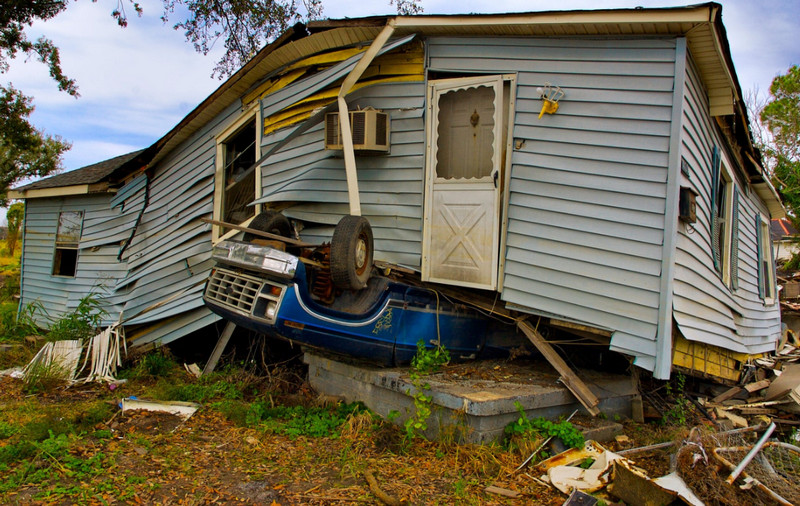
The primary concern when buying a mobile home in a hurricane-prone area is the risk of severe weather. Hurricanes bring high winds, heavy rains, and flooding, all of which can cause significant damage. Due to their lighter construction and less robust foundations, mobile homes are particularly vulnerable during storms.
Wind speeds in hurricanes can exceed 100 mph, which is enough to tear off roofs, collapse walls, or even flip a mobile home. Additionally, if the area is prone to flooding, mobile homes can be at risk of water damage, especially in low-lying locations.
How Mobile Homes Are Built to Withstand Hurricanes
Mobile homes built in recent years have better safety features than older models. Advances in construction techniques, materials, and building codes have improved their durability. Many mobile homes must meet specific wind load standards, depending on their location.
For example, mobile homes must meet stricter wind resistance requirements in coastal areas subject to hurricanes. The Florida Building Code, for instance, mandates that mobile homes in hurricane-prone areas must be anchored securely to the ground and able to withstand winds up to 130 mph or higher.
In addition to wind resistance, newer mobile homes are designed with water resistance in mind. Raised foundations, improved sealants, and flood-resistant materials help protect homes from water damage.
Factors to Consider Before Buying a Mobile Home in a Hurricane Zone
- Location Matters
The location of the mobile home is critical when living in a hurricane-prone area. If the mobile home is situated in a floodplain or near a body of water, it may be more susceptible to flooding. Some mobile home communities are located in areas designated explicitly for higher-risk storms, which can increase the likelihood of damage.
On the other hand, mobile homes in higher elevations or inland areas may be safer. These homes are less likely to experience severe flooding or storm surges. It’s essential to research the exact location of the mobile home before making a purchase. A local real estate agent or insurance agent can help you understand the risk of natural disasters in your area. - The Age and Condition of the Mobile Home
The age and condition of the mobile home play a significant role in its safety during a hurricane. Older mobile homes may need to meet modern building codes or have the structural integrity necessary to withstand strong winds. Newer mobile homes with updated materials and standards offer much more protection.
If you are considering a used mobile home, be sure to have it inspected by a professional before purchasing. A thorough inspection can identify potential weaknesses, such as outdated anchoring systems, worn-out roofing, or structural damage, that could make the home more vulnerable to a storm. - Anchoring and Foundation
Proper anchoring is crucial for mobile homes in hurricane-prone areas. Mobile homes are typically anchored to the ground using tie-downs or anchors that prevent them from being lifted by strong winds. In hurricane-prone regions, these anchors must meet specific standards to ensure the home remains secure.
Additionally, the foundation should be solid and stable. Mobile homes can be placed on concrete slabs, piers, or other foundation types. In flood-prone areas, homes should be elevated to reduce the risk of water damage. Be sure to check whether the mobile home is anchored according to local building codes. - Hurricane-Resistant Features
Mobile homes built in hurricane-prone areas often have hurricane-resistant features. These may include impact-resistant windows, reinforced roofs, and storm shutters that can protect the house during a storm.
Some mobile home communities also offer storm shelters or designated evacuation routes. These community amenities provide additional peace of mind during a hurricane. - Insurance Considerations
One of the most important factors when living in a hurricane-prone area is the cost and availability of insurance. Standard homeowners insurance may not cover hurricane damage, especially in areas prone to frequent storms. You will likely need to purchase specific flood and windstorm insurance to protect your home thoroughly.
Researching insurance options and costs before buying a mobile home is essential. The insurance cost can vary greatly depending on the location and the home’s construction. Ensure that the insurance cost fits within your budget, as it may increase significantly in hurricane-prone areas. - Evacuation Plan
Even the most resilient mobile homes may not withstand the strongest hurricanes. Having an evacuation plan in place is essential. Before purchasing a mobile home in a hurricane-prone area, ensure you know local evacuation routes and shelters. Mobile home communities in hurricane zones should have clear plans for evacuating residents during a storm.
It’s also a good idea to ensure that the mobile home is equipped with emergency supplies, including water, non-perishable food, flashlights, and first aid kits. Being prepared can make a significant difference during an emergency.
Pros of Buying a Mobile Home in a Hurricane-Prone Area
Buying a mobile home in a hurricane-prone area has several advantages despite the risks.
- Affordability: Mobile homes are generally more affordable than traditional houses. This is particularly appealing in areas where the cost of living is high due to the risk of hurricanes.
- Flexibility: If you choose to live in a mobile home community, you can often find flexible leasing options. This allows you to move if necessary or relocate after a storm.
- Resilient Communities: Many mobile home communities in hurricane-prone areas are designed with storm resilience in mind. Residents often know how to prepare for hurricanes and work together to ensure everyone’s safety.
Cons of Buying a Mobile Home in a Hurricane-Prone Area
The risks of living in a mobile home in a hurricane-prone area cannot be ignored.
- Vulnerability to Severe Weather: Even with modern construction techniques, mobile homes are still more vulnerable to strong winds and flooding than traditional homes.
- Higher Insurance Costs: Insurance for mobile homes in hurricane zones can be expensive. Flood insurance and windstorm insurance are often necessary to ensure your home is fully protected.
- Evacuation: In extreme cases, mobile home residents may be forced to evacuate during a hurricane, disrupting their lives and increasing their financial burden.
Conclusion: Is It Safe to Buy a Mobile Home in a Hurricane-Prone Area?
Buying a mobile home in a hurricane-prone area can be safe, but it requires careful consideration. Make sure to choose a mobile home that meets modern building codes and is anchored securely. Research the location, understand the risks, and take steps to prepare your home for a hurricane.
If you decide to purchase a mobile home, be sure to invest in comprehensive insurance and have a solid evacuation plan in place. With the right precautions, a mobile home in a hurricane-prone area can be a safe and affordable housing option. However, always weigh the risks and take the necessary steps to protect yourself and your property.