Tag: Hurricane straps for mobile home

  • Is It Safe to Buy a Mobile Home in a Hurricane-Prone Area?

    Hurricane-prone areas are some of the most popular locations for mobile homes. Many people seek affordable housing options in places like Florida, Louisiana, and Texas. However, living in a mobile home in such areas comes with risks. Mobile homes are often more vulnerable to strong winds and flooding than traditional houses. This raises the question: is buying a mobile home in a hurricane-prone area safe? Let’s break down the factors you should consider before deciding.

    Understanding the Risks

    The primary concern when buying a mobile home in a hurricane-prone area is the risk of severe weather. Hurricanes bring high winds, heavy rains, and flooding, all of which can cause significant damage. Due to their lighter construction and less robust foundations, mobile homes are particularly vulnerable during storms.

    Wind speeds in hurricanes can exceed 100 mph, which is enough to tear off roofs, collapse walls, or even flip a mobile home. Additionally, if the area is prone to flooding, mobile homes can be at risk of water damage, especially in low-lying locations.
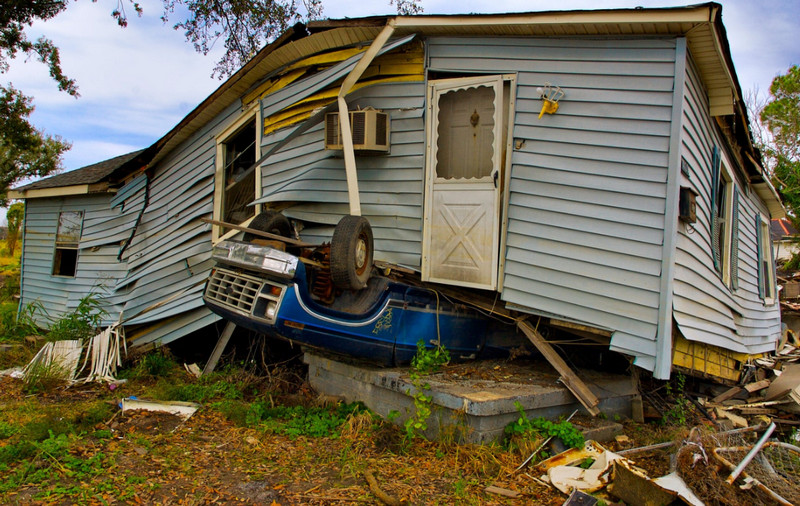
    mobile home in a hurricane-prone area

    How Mobile Homes Are Built to Withstand Hurricanes

    Mobile homes built in recent years have better safety features than older models. Advances in construction techniques, materials, and building codes have improved their durability. Many mobile homes must meet specific wind load standards, depending on their location.

    For example, mobile homes must meet stricter wind resistance requirements in coastal areas subject to hurricanes. The Florida Building Code, for instance, mandates that mobile homes in hurricane-prone areas must be anchored securely to the ground and able to withstand winds up to 130 mph or higher.

    In addition to wind resistance, newer mobile homes are designed with water resistance in mind. Raised foundations, improved sealants, and flood-resistant materials help protect homes from water damage.

    Factors to Consider Before Buying a Mobile Home in a Hurricane Zone

    1. Location Matters
      The location of the mobile home is critical when living in a hurricane-prone area. If the mobile home is situated in a floodplain or near a body of water, it may be more susceptible to flooding. Some mobile home communities are located in areas designated explicitly for higher-risk storms, which can increase the likelihood of damage.
      On the other hand, mobile homes in higher elevations or inland areas may be safer. These homes are less likely to experience severe flooding or storm surges. It’s essential to research the exact location of the mobile home before making a purchase. A local real estate agent or insurance agent can help you understand the risk of natural disasters in your area.
    2. The Age and Condition of the Mobile Home
      The age and condition of the mobile home play a significant role in its safety during a hurricane. Older mobile homes may need to meet modern building codes or have the structural integrity necessary to withstand strong winds. Newer mobile homes with updated materials and standards offer much more protection.
      If you are considering a used mobile home, be sure to have it inspected by a professional before purchasing. A thorough inspection can identify potential weaknesses, such as outdated anchoring systems, worn-out roofing, or structural damage, that could make the home more vulnerable to a storm.
    3. Anchoring and Foundation
      Proper anchoring is crucial for mobile homes in hurricane-prone areas. Mobile homes are typically anchored to the ground using tie-downs or anchors that prevent them from being lifted by strong winds. In hurricane-prone regions, these anchors must meet specific standards to ensure the home remains secure.
      Additionally, the foundation should be solid and stable. Mobile homes can be placed on concrete slabs, piers, or other foundation types. In flood-prone areas, homes should be elevated to reduce the risk of water damage. Be sure to check whether the mobile home is anchored according to local building codes.
    4. Hurricane-Resistant Features
      Mobile homes built in hurricane-prone areas often have hurricane-resistant features. These may include impact-resistant windows, reinforced roofs, and storm shutters that can protect the house during a storm.
      Some mobile home communities also offer storm shelters or designated evacuation routes. These community amenities provide additional peace of mind during a hurricane.
    5. Insurance Considerations
      One of the most important factors when living in a hurricane-prone area is the cost and availability of insurance. Standard homeowners insurance may not cover hurricane damage, especially in areas prone to frequent storms. You will likely need to purchase specific flood and windstorm insurance to protect your home thoroughly.
      Researching insurance options and costs before buying a mobile home is essential. The insurance cost can vary greatly depending on the location and the home’s construction. Ensure that the insurance cost fits within your budget, as it may increase significantly in hurricane-prone areas.
    6. Evacuation Plan
      Even the most resilient mobile homes may not withstand the strongest hurricanes. Having an evacuation plan in place is essential. Before purchasing a mobile home in a hurricane-prone area, ensure you know local evacuation routes and shelters. Mobile home communities in hurricane zones should have clear plans for evacuating residents during a storm.
      It’s also a good idea to ensure that the mobile home is equipped with emergency supplies, including water, non-perishable food, flashlights, and first aid kits. Being prepared can make a significant difference during an emergency.

    Pros of Buying a Mobile Home in a Hurricane-Prone Area

    Buying a mobile home in a hurricane-prone area has several advantages despite the risks.

    1. Affordability: Mobile homes are generally more affordable than traditional houses. This is particularly appealing in areas where the cost of living is high due to the risk of hurricanes.
    2. Flexibility: If you choose to live in a mobile home community, you can often find flexible leasing options. This allows you to move if necessary or relocate after a storm.
    3. Resilient Communities: Many mobile home communities in hurricane-prone areas are designed with storm resilience in mind. Residents often know how to prepare for hurricanes and work together to ensure everyone’s safety.

    Cons of Buying a Mobile Home in a Hurricane-Prone Area

    The risks of living in a mobile home in a hurricane-prone area cannot be ignored.

    1. Vulnerability to Severe Weather: Even with modern construction techniques, mobile homes are still more vulnerable to strong winds and flooding than traditional homes.
    2. Higher Insurance Costs: Insurance for mobile homes in hurricane zones can be expensive. Flood insurance and windstorm insurance are often necessary to ensure your home is fully protected.
    3. Evacuation: In extreme cases, mobile home residents may be forced to evacuate during a hurricane, disrupting their lives and increasing their financial burden.

    Conclusion: Is It Safe to Buy a Mobile Home in a Hurricane-Prone Area?

    Buying a mobile home in a hurricane-prone area can be safe, but it requires careful consideration. Make sure to choose a mobile home that meets modern building codes and is anchored securely. Research the location, understand the risks, and take steps to prepare your home for a hurricane.

    If you decide to purchase a mobile home, be sure to invest in comprehensive insurance and have a solid evacuation plan in place. With the right precautions, a mobile home in a hurricane-prone area can be a safe and affordable housing option. However, always weigh the risks and take the necessary steps to protect yourself and your property.
     

    See Also:

  • Storm-Proofing Your Florida Mobile Home: Essential Tips and Supplies

    In Florida, preparing mobile homes for storm seasons is essential. Hurricanes and tropical storms strike Florida with significant frequency and intensity. Mobile homes face greater vulnerability due to their lightweight construction and materials. With preparation, however, the risks of storm damage can be reduced. In this article, effective strategies for storm-proofing mobile homes and essential supplies to keep on hand are discussed.

    Conducting a Home Inspection

    A home inspection should be conducted well before storm season begins. Doors, windows, and roofing should be checked for potential weaknesses. Particular attention should be paid to any damaged or aging materials. Any part of the mobile home showing signs of wear or damage must be repaired or reinforced. Frequent inspections ensure that all areas of the home are prepared to withstand high winds and rain.

    Reinforcing Doors and Windows

    Doors and windows are common weak points during storms. Storm shutters or impact-resistant windows should be installed, as they can significantly increase storm resistance. If these are not affordable, plywood can be used as an alternative for temporary reinforcement. Plywood sheets should be cut to fit window and door dimensions in advance. Window film or hurricane fabric can be applied for added protection. Each option provides a layer of security against flying debris and powerful wind.

    storm-proofing mobile homes

    Strengthening the Roof

    The roof is one of the most vulnerable parts of any structure during storms. Roof straps and anchors can be installed to secure the roof firmly to the home. Roof seams should be checked for leaks and sealed if necessary. Metal roofing, which is both durable and lightweight, is recommended for mobile homes in storm-prone areas. When installed properly, metal roofing is more resistant to wind and rain than traditional shingles. Roof inspections should be routine before and during hurricane season.

    Anchoring the Mobile Home

    Anchoring is one of the most important steps in mobile home storm-proofing. Homes that are not properly anchored are at risk of being uplifted by strong winds. The installation of tie-downs should be verified, and additional tie-downs added if necessary. Steel anchors are the most effective choice, as they provide maximum security. Over time, anchors and tie-downs may loosen, so periodic checks are essential.

    Securing Outdoor Items

    Loose outdoor items can become dangerous projectiles in high winds. Before a storm, all outdoor furniture, decorations, and loose items should be brought indoors. Larger items that cannot be moved should be anchored or secured. A clean and debris-free yard reduces the risk of flying objects that could damage the mobile home or surrounding properties. When items are properly secured, there is less risk of injury to people or pets nearby.

    Preparing Emergency Supplies

    Emergency supplies are vital during storm preparation. Essential supplies include non-perishable food, water, a flashlight, batteries, a first-aid kit, and medication. Personal documents should be gathered and stored in a waterproof bag. Supplies should be sufficient to last for at least three days. A battery-powered or hand-crank radio is recommended for weather updates. All emergency supplies should be kept in an easily accessible place, preferably close to the exit of the mobile home.

    Creating a Storm Evacuation Plan

    Evacuation plans should be created in case a storm becomes severe. This plan must include the route to the nearest evacuation shelter and important contact numbers. All family members should be informed of this plan and know where to go if separated. Practicing evacuation drills can help everyone understand their roles. Important documents, medications, and supplies should be gathered in advance. Mobile home residents should always have a backup plan in case the main evacuation route becomes impassable.

    Understanding Storm Alerts and Warnings

    Knowing how to interpret storm alerts and warnings is critical. The National Weather Service (NWS) issues different levels of alerts based on storm intensity and proximity. Alerts range from “Advisory” (indicating possible impact) to “Warning” (indicating imminent danger). All alerts and updates should be monitored through reliable sources such as the NWS or FEMA. Understanding these warnings can help residents prepare in time. Alerts provide vital information on when to shelter in place or evacuate.

    Investing in Insurance for Storm Protection

    Insurance is another key component of storm preparedness. Standard mobile home insurance typically covers storm damage, but flood insurance may require an additional policy. Windstorm insurance should also be considered, as it covers damage from hurricane-force winds. Before hurricane season, policies should be reviewed to ensure they meet coverage needs. Documentation and photos of the mobile home should be kept as proof in case of damage. Coverage helps in mitigating the financial impact of severe storms.

    Reviewing and Updating Storm Supplies

    Preparedness supplies must be regularly reviewed and updated. Batteries and non-perishable foods can expire over time, so these items should be replaced as needed. Important documents and insurance information should be reviewed for accuracy and kept up to date. Essential items like flashlights, radios, and first-aid kits should be tested and replaced if necessary. Storm supplies should be checked at the start of each hurricane season to ensure they are ready to use.

    Essential Storm-Proofing Supplies Checklist

    For maximum readiness, the following supplies should be kept on hand:

    1. Storm Shutters – Essential for protecting windows and doors.
    2. Plywood Sheets – Used to cover windows and doors when storm shutters are unavailable.
    3. Roof Straps and Anchors – Secures the roof to the mobile home’s structure.
    4. Steel Tie-Downs and Anchors – Reinforce the home’s foundation to prevent uplift.
    5. Emergency Kit – Includes essentials such as food, water, medication, and a flashlight.
    6. Battery-Powered Radio – Necessary for receiving weather updates if power is lost.
    7. Waterproof Storage Bags – Protects important documents from water damage.
    8. Portable Phone Charger – Keeps communication devices operational during outages.
    9. Tool Kit – Assists in emergency repairs and securing items.
    10. First-Aid Kit – Basic medical supplies in case of injuries.

    This checklist provides a strong foundation for storm-proofing efforts. With these items, residents can protect both their mobile home and their family.

    Additional Tips for Effective Storm Preparation

    When preparing for storms, mobile homeowners should remain informed and proactive. Joining local emergency alert systems and weather apps can keep residents updated on storm developments. Regular meetings with neighbors and local community members can provide additional resources. Mobile home parks often have emergency plans and shelters, so becoming familiar with park policies is important.

    Staying Informed and Safe

    Storm season requires Florida mobile home residents to remain vigilant. Each preparation step and supply is aimed at maximizing safety. Mobile homes may be more vulnerable to storms, but with proper preparation, the risks can be minimized. Every Florida resident should remain informed, prepared, and resilient during storm season.

    By following these guidelines, mobile homeowners can protect their property and loved ones during the storm season in Florida


    See Also:


Reset password

Enter your email address and we will send you a link to change your password.

Get started with your account

to save your favourite homes and more

Sign up with email

Get started with your account

to save your favourite homes and more

By clicking the «SIGN UP» button you agree to the Terms of Use and Privacy Policy
Powered by Estatik