Tag: hurricane-proof prefab homes florida prices

  • Find Spacious 5 Bedroom Modular Homes in Florida

    Finding spacious 5 bedroom modular homes in Florida is easier than ever. These homes provide plenty of space, comfort, and affordability. Whether you need extra rooms for family, guests, or a home office, modular homes offer a great solution.

    Why Choose a 5 Bedroom Modular Home?

    A modular home provides a fast and cost-effective way to own a house. Unlike traditional homes, they are built in a controlled setting, which ensures higher quality and fewer delays. Here are some reasons to consider a 5 bedroom modular home:

    • Affordability: Modular homes cost less per square foot than site-built homes.
    • Customizable Designs: Choose layouts, finishes, and features that fit your needs.
    • Energy Efficiency: Modern designs help reduce energy bills.
    • Quick Installation: Prefabrication speeds up the construction process.

    Benefits of Living in a Modular Home

    5 bedroom modular homes

    Modular homes are a great option for families in Florida. They offer comfort, flexibility, and long-term benefits.

    • Spacious Interiors: More bedrooms mean more space for relaxation and work.
    • Modern Features: Many homes come with upgraded kitchens, large bathrooms, and open living areas.
    • Durability: Built with high-quality materials, they withstand Florida’s weather conditions.
    • Lower Maintenance Costs: New modular homes require less upkeep than older site-built houses.

    Where to Find the Best 5 Bedroom Modular Homes in Florida

    If you are looking for 5 bedroom modular homes, Florida has many options. The key is to find a reputable dealer who offers high-quality homes at competitive prices.

    • Manufactured Home Communities: Many communities specialize in modular homes with spacious lots and great amenities.
    • Private Land Options: Buy land and place a modular home that suits your needs.
    • New Developments: Some builders focus on modular homes in growing neighborhoods.

    What to Look for in a 5 Bedroom Modular Home

    Before buying a modular home, consider these factors:

    • Layout & Design: Ensure the home’s design meets your family’s needs.
    • Construction Quality: Choose homes built with durable materials.
    • Energy Efficiency: Look for homes with insulated windows, efficient HVAC systems, and modern appliances.
    • Warranty & Support: A good manufacturer provides warranties and after-sales support.

    Why Choose The Mobile Home Dealer?

    The Mobile Home Dealer is a trusted name in Florida’s modular home market. They offer top-quality 5 bedroom modular homes and provide excellent customer service. Here’s why they stand out:

    • Wide Selection: They offer various styles and floor plans to fit different needs.
    • Affordable Prices: They work with different budgets, helping buyers find the best deals.
    • Expert Guidance: Their team helps with every step, from choosing a home to finalizing paperwork.
    • Fast and Easy Process: They simplify buying a modular home, making it stress-free.

    How The Mobile Home Dealer Helps You Find the Right Home

    Buying a home is a big decision, and The Mobile Home Dealer makes it easier. Their team ensures you get the best options available in Florida.

    • Personalized Assistance: They listen to your needs and recommend the best homes.
    • Financing Options: They help connect buyers with lenders offering flexible terms.
    • Community Knowledge: They know the best places to find quality modular homes.
    • Customer Satisfaction: Their goal is to make home ownership simple and rewarding.

    Financing Options for 5 Bedroom Modular Homes

    Financing a modular home is different from traditional home loans. The Mobile Home Dealer can guide buyers through the process. Some financing options include:

    • FHA Loans: Government-backed loans with lower down payments.
    • VA Loans: Great for veterans and active military members.
    • Chattel Loans: Loans designed for manufactured and modular homes.
    • Personal Loans: A good option for buyers who don’t qualify for traditional financing.

    Conclusion

    Spacious 5 bedroom modular homes in Florida offer an affordable and comfortable living option. With modern designs, energy efficiency, and fast installation, they are an excellent choice for families. The Mobile Home Dealer helps buyers find the perfect home with expert guidance, affordable prices, and top-quality service. If you are ready to find your dream home, contact The Mobile Home Dealer today!

    See Also:
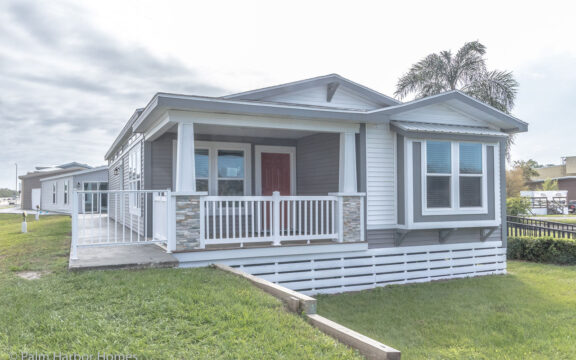
     

  • Prebuilt Homes vs. Mobile Homes: What’s the Difference?

    The housing market offers buyers a wide variety of options, including prebuilt and mobile homes. These housing types provide unique benefits but cater to different needs and lifestyles. Understanding the differences can help you make an informed decision about which suits you best.

    What Are Prebuilt Homes?

    Prebuilt homes, also called modular homes, are factory-built structures assembled in sections. Builders transport these sections to a permanent location, where workers piece them together. They follow local building codes and resemble traditional houses once complete.

    What Are Mobile Homes?

    Mobile homes, also known as manufactured homes, are entirely built in factories on a permanent chassis. They can be transported to different locations, making them versatile and portable. Unlike modular homes, they follow federal HUD codes rather than local building regulations.

    prebuilt and mobile homes florida

    Key Differences Between Prebuilt and Mobile Homes

    1. Construction Standards

    Prebuilt homes must meet local and state building codes. Mobile homes follow the federal HUD Code, which governs design, durability, and safety. This distinction affects the materials, construction methods, and overall quality of each type.

    2. Foundation Requirements

    Prebuilt homes require a permanent foundation, similar to traditional homes. Mobile homes can sit on temporary or semi-permanent foundations, such as piers or blocks. This makes mobile homes easier to relocate.

    3. Design and Customization

    Prebuilt homes offer extensive customization options, including layouts, materials, and finishes. Mobile homes typically have limited design flexibility, focusing on affordability and efficiency.

    4. Mobility

    Mobile homes are designed for transportation. Their chassis allows them to move from one location to another with ease. Prebuilt homes, once installed, cannot be relocated without extensive disassembly and costs.

    5. Cost

    Mobile homes are generally more affordable, with prices ranging from $40,000 to $80,000 for single-wide models. Prebuilt homes cost more, often starting at $100,000 and going higher depending on size and customization.

    6. Appreciation and Resale Value

    Prebuilt homes, like traditional houses, tend to appreciate in value over time. Mobile homes often depreciate, similar to vehicles, which affects long-term financial benefits.

    Advantages of Prebuilt Homes

    1. Quality and Durability

    Prebuilt homes adhere to local building codes, ensuring high construction standards. They often last as long as traditional homes.

    2. Customization Options

    Buyers can choose from various floor plans, finishes, and architectural styles. This flexibility allows homeowners to design their ideal space.

    3. Permanent Foundation

    Prebuilt homes sit on permanent foundations, making them eligible for standard home loans. This stability also contributes to higher resale values.

    4. Energy Efficiency

    Many prebuilt homes feature energy-efficient designs, including advanced insulation and energy-saving windows. These features reduce long-term utility costs.

    5. Better Financing Options

    Because prebuilt homes resemble traditional houses, lenders often provide conventional mortgages. These loans typically have lower interest rates.

    Disadvantages of Prebuilt Homes

    1. Higher Costs

    Prebuilt homes cost more upfront compared to mobile homes. Buyers must budget for land, foundation, and utilities.

    2. Installation Time

    Although faster than traditional construction, installing a prebuilt home takes longer than setting up a mobile home.

    3. Limited Mobility

    Once installed, prebuilt homes are permanent structures. Relocating them requires significant effort and expense.

    Advantages of Mobile Homes

    1. Affordability

    Mobile homes are a cost-effective housing option. They provide livable spaces at a fraction of the cost of prebuilt homes.

    2. Portability

    Mobile homes can move with you. This flexibility appeals to those who value travel or anticipate relocations.

    3. Faster Setup

    Setting up a mobile home takes days or weeks, making it a quicker housing solution than prebuilt options.

    4. Simplified Maintenance

    Smaller spaces mean fewer areas to maintain. Mobile homes also use simpler materials, reducing upkeep costs.

    5. Low Property Taxes

    Since mobile homes are often classified as personal property, their owners pay lower taxes compared to prebuilt home owners.

    Disadvantages of Mobile Homes

    1. Depreciation

    Mobile homes lose value over time. This makes them less appealing for buyers looking to build equity.

    2. Limited Customization

    Mobile homes come in standard layouts with fewer options for personalization. Buyers may struggle to find unique designs.

    3. Zoning Restrictions

    Many areas have zoning laws that restrict mobile home placement. This can limit where you live or park your home.

    4. Financing Challenges

    Traditional mortgages aren’t available for mobile homes. Buyers often rely on personal loans or chattel loans with higher rates.

    5. Weather Vulnerability

    Mobile homes are more vulnerable to extreme weather conditions. High winds and heavy storms can cause significant damage.

    Financial Considerations

    Initial Costs

    Mobile homes are cheaper to buy and install. Prebuilt homes require more investment, but they offer better long-term value.

    Financing Options

    Prebuilt homes qualify for conventional mortgages. Mobile homes often require alternative financing methods, such as personal loans.

    Long-Term Value

    Prebuilt homes appreciate over time, making them a better investment. Mobile homes depreciate, limiting their financial benefits.

    Insurance Costs

    Insurance premiums are often higher for mobile homes due to their mobility and construction materials. Prebuilt homes enjoy lower rates.

    Who Should Choose a Prebuilt Home?

    1. Long-Term Residents

    If you plan to stay in one location, a prebuilt home offers stability and better investment potential.

    2. Families

    Prebuilt homes provide more space and customization options, making them ideal for growing families.

    3. Buyers Seeking Equity

    If building wealth through homeownership is important, prebuilt homes offer better appreciation and resale value.

    4. Energy-Conscious Homeowners

    Prebuilt homes often include energy-efficient features that reduce long-term utility expenses.

    Who Should Choose a Mobile Home?

    1. Budget-Conscious Buyers

    If affordability is a priority, mobile homes provide a cost-effective housing solution.

    2. Travelers

    Mobile homes suit individuals who value flexibility and the ability to relocate easily.

    3. Short-Term Residents

    For temporary housing needs, mobile homes are quicker and cheaper to set up.

    4. Simplicity Seekers

    If you prefer a smaller space with minimal maintenance, mobile homes are a practical choice.

    Factors to Consider Before Deciding

    Location

    Research local zoning laws and land availability. Some areas restrict mobile homes or require specific permits.

    Lifestyle

    Evaluate your current and future lifestyle. Consider factors like family size, work location, and travel preferences.

    Budget

    Calculate all associated costs, including purchase price, land, utilities, and insurance. Ensure the total aligns with your financial goals.

    Future Plans

    Think about how long you plan to stay at home. Your decision should match your long-term housing needs.

    Resale Potential

    Consider the potential for appreciation or depreciation. This can impact your financial return if you decide to sell.

    Final Thoughts

    Prebuilt and mobile homes serve different purposes. Prebuilt homes offer customization, permanence, and better long-term value. Mobile homes provide affordability, flexibility, and quick setup. Understanding the differences helps you choose the best option for your lifestyle and goals.


    See Also:

  • How to Make Your Florida Mobile Home Hurricane-Proof

    Florida is a beautiful place to live, with its warm climate, stunning beaches, and vibrant communities. However, it’s also prone to extreme weather conditions, including hurricanes. As a mobile homeowner in Florida, preparing your home for hurricane season is crucial to ensure your safety and protect your property. While no structure is completely hurricane-proof, there are steps you can take to significantly reduce the risk of damage to your mobile home during a storm.

    This guide will walk you through the essential measures to help make your Florida mobile home more resilient to hurricanes, ensuring peace of mind during storm season.

    mobile home hurricane-proof

    1. Choose a Safe Mobile Home Location

    The location of your mobile home plays a critical role in its vulnerability to hurricanes. If you are considering moving to or purchasing a mobile home in Florida, here are some factors to keep in mind when choosing the safest location:

    • Flood Zones: Avoid placing your mobile home in low-lying areas that are prone to flooding. The Federal Emergency Management Agency (FEMA) provides flood zone maps that show areas most at risk. Even if your home is well-built, it can still suffer significant water damage if placed in a flood-prone area.
    • Wind Zones: Florida is divided into different wind zones, with areas closer to the coast facing stronger wind forces during hurricanes. Choose a location within a zone where the wind speeds are lower. Homes in Wind Zone 3, for example, are built to withstand higher wind speeds than those in Wind Zone 1.
    • Mobile Home Parks with Hurricane Safety Features: Some mobile home communities in Florida are specifically designed with hurricane safety in mind. These communities may have reinforced structures, storm shelters, and stricter installation standards, making them a safer option for mobile home owners.

    2. Install Hurricane Straps and Anchors

    One of the most effective ways to secure your mobile home during a hurricane is by installing hurricane straps and anchors. Mobile homes are more susceptible to being shifted or overturned by strong winds because they are lighter and often not attached to a foundation in the same way as traditional homes. To stabilize your home, the following steps should be taken:

    • Hurricane Straps: These metal straps help secure your mobile home to the ground or its foundation, reducing the risk of it being lifted by high winds. In Florida, mobile homes must comply with the HUD Wind Zone III requirements, which mandate specific types of anchoring systems. Be sure your home meets these standards by installing straps that are designed to withstand high wind speeds.
    • Anchoring Systems: Along with hurricane straps, a proper anchoring system is essential to prevent your mobile home from shifting during a storm. There are several types of anchoring systems available, including auger anchors, concrete anchors, and frame anchors. Make sure the system you choose is suited to the soil conditions in your area, and consult a professional to ensure it’s installed correctly.

    Florida’s Department of Highway Safety and Motor Vehicles (DHSMV) has specific guidelines and requirements for mobile home tie-downs. Having your home inspected regularly for proper anchoring will help you stay compliant with state regulations and ensure your home’s stability during a hurricane.

    3. Reinforce Windows and Doors

    Windows and doors are among the most vulnerable parts of your mobile home during a hurricane. High winds can blow debris into windows, shattering glass and allowing wind and rain to damage the interior. Reinforcing your windows and doors can greatly reduce the likelihood of this happening. Consider these options:

    • Hurricane Shutters: Installing hurricane shutters is one of the best ways to protect your windows during a storm. There are various types of shutters available, such as accordion, roll-down, and Bahama shutters, all of which are designed to block debris and high winds from breaking the windows. Some mobile homeowners prefer removable storm panels, which can be stored and installed when a storm is approaching.
    • Impact-Resistant Glass: Another option is to replace traditional windows with impact-resistant windows. These windows are made with laminated glass, designed to withstand flying debris, and remain intact even when impacted. While more expensive than standard windows, impact-resistant glass provides year-round protection and eliminates the need for shutters.
    • Reinforced Doors: Hurricane-force winds can easily damage or blow open weak doors. Reinforce your exterior doors with hurricane-resistant models that are heavier and made of stronger materials such as fiberglass or steel. Additionally, installing heavy-duty deadbolts and using three-inch screws in door hinges and strike plates will help keep the doors securely shut during high winds.

    4. Upgrade Your Roof

    Your mobile home’s roof is another critical area that must be secured to withstand a hurricane. A poorly secured roof can easily be peeled off by high winds, exposing your home to rain and debris. Here’s how you can upgrade your roof for better hurricane resistance:

    • Roof Tie-Downs: Just like the home itself, your roof can benefit from being tied down using metal straps or brackets. These tie-downs secure the roof to the frame of the home, making it less likely to blow off during high winds.
    • Metal Roofing: Consider replacing your current roof with a metal roof, which is more durable and better able to withstand the high winds of a hurricane compared to traditional asphalt shingles. Metal roofing is resistant to fire, water, and wind, and it tends to last longer, making it a smart investment for hurricane-prone areas.
    • Sealing and Caulking: Over time, gaps and cracks can form in your roof, making it more susceptible to leaks during a hurricane. Regularly inspect your roof and ensure it is properly sealed and caulked to prevent water from seeping into your home during heavy rains.

    5. Install Skirting for Protection

    Skirting is the material that encloses the bottom of your mobile home, providing protection from debris, animals, and weather elements. It also adds aesthetic value and helps insulate your home. During a hurricane, skirting can help prevent wind from blowing underneath your home and lifting it off its foundation. Here’s how to choose the right skirting:

    • Durable Materials: Choose skirting made from materials like concrete, brick, or heavy-duty vinyl, which are less likely to be damaged by high winds or flying debris. Some homeowners opt for reinforced steel skirting for added protection.
    • Proper Ventilation: While skirting helps protect the underside of your home, it’s essential that it also provides proper ventilation to prevent moisture buildup, which can weaken the home’s foundation. Choose skirting with built-in vents or have additional ventilation installed.

    6. Remove Loose Items from Your Yard

    Before a hurricane, it’s essential to clear your yard of any loose items that could become dangerous projectiles in high winds. Common items like lawn furniture, grills, and garden tools can cause serious damage to your mobile home if not secured. Here’s what you should do:

    • Store or Secure Outdoor Furniture: Place all patio furniture, potted plants, and outdoor decor in a secure location, such as a shed or inside your home. If you can’t move larger items like grills or picnic tables, secure them with heavy-duty straps or chains.
    • Trim Trees and Shrubs: Overgrown or weak tree branches can easily break off and damage your mobile home during a storm. Regularly trim trees and shrubs around your property, and remove any dead or diseased limbs to reduce the risk of them becoming airborne during a hurricane.

    7. Prepare an Emergency Plan

    Despite all your preparations, it’s crucial to have an emergency plan in place in case evacuation becomes necessary. Know the evacuation routes in your area, and create a checklist of important items to take with you, such as documents, medications, and emergency supplies. Mobile home residents are often required to evacuate during strong hurricanes, as these homes are more vulnerable to extreme weather conditions.

    • Create a Hurricane Kit: Your kit should include non-perishable food, water, flashlights, batteries, a first-aid kit, and any personal items you may need. Keep this kit in an easily accessible place.
    • Stay Informed: Monitor local news, weather reports, and emergency services for updates on storm paths and evacuation orders.

    Conclusion

    Making your Florida mobile home hurricane-proof requires a combination of structural upgrades, preventive maintenance, and careful planning. By choosing a safe location, reinforcing key areas like windows, doors, and the roof, and securing your home with hurricane straps and anchors, you can significantly reduce the risk of damage during a storm. Additionally, having a clear evacuation plan and taking steps to protect your yard and skirting will help safeguard your home and family during hurricane season. Although hurricanes can be unpredictable, taking these proactive measures will give you the best chance of weathering the storm.


    See Also:

  • Are Mobile Homes Considered Premade Homes?

    When exploring the world of housing options, terms like “mobile home,” “trailer home,” “prefab homes,” and “modular homes” often come up. These terms can sometimes be confusing, especially when trying to understand whether mobile homes fall under the category of premade homes. This article delves into the definitions and distinctions of these types of homes to clarify the categorization of mobile homes.

    Prefab Homes Florida

    Defining Premade Homes

    Premade homes, also known as prefabricated homes, are constructed off-site in a factory setting and then transported to the location where they will be used. This process allows for greater control over construction quality and typically results in a quicker build time compared to traditional on-site construction. Premade homes can be broadly classified into several categories, including mobile homes, modular homes, and manufactured homes.

    What is a Mobile Home?

    A mobile home, also known as a trailer home, is a type of prefabricated housing that is built on a chassis with wheels, allowing it to be moved. These homes are constructed in factories and are designed to be transported to various locations, though many are permanently placed in mobile home parks or private land and are rarely moved once installed.

    Key Characteristics of Mobile Homes:

    • Construction: Built in a factory setting, ensuring consistent quality and efficiency.
    • Mobility: Equipped with a chassis and wheels, allowing for transportation.
    • Installation: Can be placed on temporary or permanent foundations.
    • Regulations: Must comply with the HUD Code (U.S. Department of Housing and Urban Development) if built after June 15, 1976.

    What are Modular Homes?

    Modular homes are another type of premade home. Unlike mobile homes, modular homes are constructed in sections or modules in a factory and then transported to the building site. These sections are assembled on a permanent foundation, much like a traditional home.

    Key Characteristics of Modular Homes:

    • Construction: Built-in sections or modules in a factory, ensuring high quality.
    • Foundation: Assembled on a permanent foundation, indistinguishable from traditionally built homes once completed.
    • Regulations: Must comply with local building codes of the destination site.
    • Flexibility: Can be customized in terms of design and layout.

    What are Prefab Homes?

    The term “prefab home ” is an umbrella term that includes all types of prefabricated housing, such as mobile homes, modular homes, and panelized homes. These homes share the common trait of being built off-site and then transported to their final location.

    Comparing Mobile Homes to Other Premade Homes

    Mobility and Permanence

    • Mobile Homes: Designed with mobility in mind, though many are not moved once installed.
    • Modular Homes: Assembled on-site on a permanent foundation, not designed to be moved once installed.
    • Prefab Homes: Can include both mobile and modular homes, among other types.

    Construction Standards

    • Mobile Homes: Must meet the HUD Code, which sets national standards for construction, safety, and durability.
    • Modular Homes: Must meet local building codes, which can be more stringent than the HUD Code.
    • Prefab Homes: Standards depend on the specific type of prefabrication method used.

    Customization and Design

    • Mobile Homes: Typically offer limited customization options due to their factory-built nature.
    • Modular Homes: Provide greater flexibility in design and customization, often comparable to traditional homes.
    • Prefab Homes: Customization options vary widely depending on the specific type of home.

    Advantages of Premade Homes

    1. Cost Efficiency: Premade homes, including mobile homes, are generally more affordable than traditional homes due to economies of scale in factory production.
    2. Quality Control: Factory construction ensures consistent quality and reduces the likelihood of weather-related delays.
    3. Speed of Construction: Building homes in a controlled environment significantly speeds up the construction process.
    4. Sustainability: Prefabrication can reduce waste and improve energy efficiency, making pre-made homes more environmentally friendly.

    Challenges and Considerations

    1. Financing: Securing financing for premade homes can be more challenging compared to traditional homes, with mobile homes often facing the greatest difficulty.
    2. Depreciation: Mobile homes typically depreciate in value over time, unlike traditional homes, which can appreciate.
    3. Zoning Regulations: Local zoning laws and regulations can impact where premade homes can be placed, particularly mobile homes.
    4. Resale Value: The resale value of mobile homes can be lower compared to modular and traditional homes.

    Conclusion

    In summary, mobile homes are indeed considered premade homes, falling under the broader category of prefabricated housing. They share many similarities with other types of premade homes, such as modular homes, in terms of their factory-built construction and cost efficiency. However, mobile homes are distinct in their design for mobility and adherence to the HUD Code.

    Understanding the differences between mobile homes, modular homes, and other types of prefab homes can help you make an informed decision when considering your housing options. Each type of home offers unique benefits and challenges, so it’s essential to weigh these factors based on your specific needs and circumstances. Whether you choose a mobile home for its affordability and flexibility or a modular home for its customization options and permanence, premade homes provide a viable and attractive alternative to traditional housing.


    See Also:


Reset password

Enter your email address and we will send you a link to change your password.

Get started with your account

to save your favourite homes and more

Sign up with email

Get started with your account

to save your favourite homes and more

By clicking the «SIGN UP» button you agree to the Terms of Use and Privacy Policy
Powered by Estatik