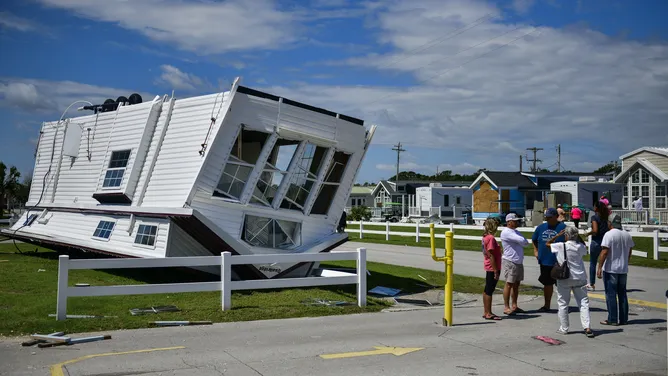
Tag: hurricane-proof manufactured homes florida

  • How to Make Your Florida Mobile Home Hurricane-Proof

    Florida is a beautiful place to live, with its warm climate, stunning beaches, and vibrant communities. However, it’s also prone to extreme weather conditions, including hurricanes. As a mobile homeowner in Florida, preparing your home for hurricane season is crucial to ensure your safety and protect your property. While no structure is completely hurricane-proof, there are steps you can take to significantly reduce the risk of damage to your mobile home during a storm.

    This guide will walk you through the essential measures to help make your Florida mobile home more resilient to hurricanes, ensuring peace of mind during storm season.

    mobile home hurricane-proof

    1. Choose a Safe Mobile Home Location

    The location of your mobile home plays a critical role in its vulnerability to hurricanes. If you are considering moving to or purchasing a mobile home in Florida, here are some factors to keep in mind when choosing the safest location:

    • Flood Zones: Avoid placing your mobile home in low-lying areas that are prone to flooding. The Federal Emergency Management Agency (FEMA) provides flood zone maps that show areas most at risk. Even if your home is well-built, it can still suffer significant water damage if placed in a flood-prone area.
    • Wind Zones: Florida is divided into different wind zones, with areas closer to the coast facing stronger wind forces during hurricanes. Choose a location within a zone where the wind speeds are lower. Homes in Wind Zone 3, for example, are built to withstand higher wind speeds than those in Wind Zone 1.
    • Mobile Home Parks with Hurricane Safety Features: Some mobile home communities in Florida are specifically designed with hurricane safety in mind. These communities may have reinforced structures, storm shelters, and stricter installation standards, making them a safer option for mobile home owners.

    2. Install Hurricane Straps and Anchors

    One of the most effective ways to secure your mobile home during a hurricane is by installing hurricane straps and anchors. Mobile homes are more susceptible to being shifted or overturned by strong winds because they are lighter and often not attached to a foundation in the same way as traditional homes. To stabilize your home, the following steps should be taken:

    • Hurricane Straps: These metal straps help secure your mobile home to the ground or its foundation, reducing the risk of it being lifted by high winds. In Florida, mobile homes must comply with the HUD Wind Zone III requirements, which mandate specific types of anchoring systems. Be sure your home meets these standards by installing straps that are designed to withstand high wind speeds.
    • Anchoring Systems: Along with hurricane straps, a proper anchoring system is essential to prevent your mobile home from shifting during a storm. There are several types of anchoring systems available, including auger anchors, concrete anchors, and frame anchors. Make sure the system you choose is suited to the soil conditions in your area, and consult a professional to ensure it’s installed correctly.

    Florida’s Department of Highway Safety and Motor Vehicles (DHSMV) has specific guidelines and requirements for mobile home tie-downs. Having your home inspected regularly for proper anchoring will help you stay compliant with state regulations and ensure your home’s stability during a hurricane.

    3. Reinforce Windows and Doors

    Windows and doors are among the most vulnerable parts of your mobile home during a hurricane. High winds can blow debris into windows, shattering glass and allowing wind and rain to damage the interior. Reinforcing your windows and doors can greatly reduce the likelihood of this happening. Consider these options:

    • Hurricane Shutters: Installing hurricane shutters is one of the best ways to protect your windows during a storm. There are various types of shutters available, such as accordion, roll-down, and Bahama shutters, all of which are designed to block debris and high winds from breaking the windows. Some mobile homeowners prefer removable storm panels, which can be stored and installed when a storm is approaching.
    • Impact-Resistant Glass: Another option is to replace traditional windows with impact-resistant windows. These windows are made with laminated glass, designed to withstand flying debris, and remain intact even when impacted. While more expensive than standard windows, impact-resistant glass provides year-round protection and eliminates the need for shutters.
    • Reinforced Doors: Hurricane-force winds can easily damage or blow open weak doors. Reinforce your exterior doors with hurricane-resistant models that are heavier and made of stronger materials such as fiberglass or steel. Additionally, installing heavy-duty deadbolts and using three-inch screws in door hinges and strike plates will help keep the doors securely shut during high winds.

    4. Upgrade Your Roof

    Your mobile home’s roof is another critical area that must be secured to withstand a hurricane. A poorly secured roof can easily be peeled off by high winds, exposing your home to rain and debris. Here’s how you can upgrade your roof for better hurricane resistance:

    • Roof Tie-Downs: Just like the home itself, your roof can benefit from being tied down using metal straps or brackets. These tie-downs secure the roof to the frame of the home, making it less likely to blow off during high winds.
    • Metal Roofing: Consider replacing your current roof with a metal roof, which is more durable and better able to withstand the high winds of a hurricane compared to traditional asphalt shingles. Metal roofing is resistant to fire, water, and wind, and it tends to last longer, making it a smart investment for hurricane-prone areas.
    • Sealing and Caulking: Over time, gaps and cracks can form in your roof, making it more susceptible to leaks during a hurricane. Regularly inspect your roof and ensure it is properly sealed and caulked to prevent water from seeping into your home during heavy rains.

    5. Install Skirting for Protection

    Skirting is the material that encloses the bottom of your mobile home, providing protection from debris, animals, and weather elements. It also adds aesthetic value and helps insulate your home. During a hurricane, skirting can help prevent wind from blowing underneath your home and lifting it off its foundation. Here’s how to choose the right skirting:

    • Durable Materials: Choose skirting made from materials like concrete, brick, or heavy-duty vinyl, which are less likely to be damaged by high winds or flying debris. Some homeowners opt for reinforced steel skirting for added protection.
    • Proper Ventilation: While skirting helps protect the underside of your home, it’s essential that it also provides proper ventilation to prevent moisture buildup, which can weaken the home’s foundation. Choose skirting with built-in vents or have additional ventilation installed.

    6. Remove Loose Items from Your Yard

    Before a hurricane, it’s essential to clear your yard of any loose items that could become dangerous projectiles in high winds. Common items like lawn furniture, grills, and garden tools can cause serious damage to your mobile home if not secured. Here’s what you should do:

    • Store or Secure Outdoor Furniture: Place all patio furniture, potted plants, and outdoor decor in a secure location, such as a shed or inside your home. If you can’t move larger items like grills or picnic tables, secure them with heavy-duty straps or chains.
    • Trim Trees and Shrubs: Overgrown or weak tree branches can easily break off and damage your mobile home during a storm. Regularly trim trees and shrubs around your property, and remove any dead or diseased limbs to reduce the risk of them becoming airborne during a hurricane.

    7. Prepare an Emergency Plan

    Despite all your preparations, it’s crucial to have an emergency plan in place in case evacuation becomes necessary. Know the evacuation routes in your area, and create a checklist of important items to take with you, such as documents, medications, and emergency supplies. Mobile home residents are often required to evacuate during strong hurricanes, as these homes are more vulnerable to extreme weather conditions.

    • Create a Hurricane Kit: Your kit should include non-perishable food, water, flashlights, batteries, a first-aid kit, and any personal items you may need. Keep this kit in an easily accessible place.
    • Stay Informed: Monitor local news, weather reports, and emergency services for updates on storm paths and evacuation orders.

    Conclusion

    Making your Florida mobile home hurricane-proof requires a combination of structural upgrades, preventive maintenance, and careful planning. By choosing a safe location, reinforcing key areas like windows, doors, and the roof, and securing your home with hurricane straps and anchors, you can significantly reduce the risk of damage during a storm. Additionally, having a clear evacuation plan and taking steps to protect your yard and skirting will help safeguard your home and family during hurricane season. Although hurricanes can be unpredictable, taking these proactive measures will give you the best chance of weathering the storm.


    See Also:

  • How to Prepare Your Mobile Home for Hurricane Season in Florida

    Florida is no stranger to hurricanes. Every year, from June to November, residents brace themselves for the possibility of these powerful storms. For mobile home owners, the threat is even more significant due to the nature of these structures. Preparing a mobile home for hurricane season in Florida is not only a smart decision; it’s essential for ensuring your home’s and loved ones’ safety. This guide will walk you through the necessary steps to secure your mobile home and mitigate potential damage during hurricane season.

    Prepare Your Mobile Home for Hurricane

    Understanding the Risks

    Mobile homes are particularly vulnerable during hurricanes due to their lightweight construction and less secure anchoring than traditional homes. High winds can easily lift or overturn a mobile home, and flying debris can cause significant damage. Additionally, flooding, which often accompanies hurricanes, can severely threaten mobile homes, especially those in low-lying areas.

    Step 1: Assess and Reinforce Your Mobile Home’s Anchoring System

    One of the most critical steps in preparing your mobile home for hurricane season is ensuring that it is securely anchored. The anchoring system is designed to keep the mobile home in place during strong winds, reducing the risk of it being lifted or overturned.

    1. Check Existing Anchors: Start by inspecting the existing anchoring system. Look for any signs of wear, rust, or damage. If the anchors are old or appear compromised, they should be replaced immediately.
    2. Install Additional Anchors: If your mobile home doesn’t have enough anchors, consider installing additional ones. Modern mobile homes are typically anchored with tie-downs, which are steel straps that connect the home to ground anchors. The more tie-downs and anchors your home has, the more secure it will be during a hurricane.
    3. Professional Inspection: It’s a good idea to have a professional inspect the anchoring system. They can ensure that it meets the required standards for hurricane resistance. In Florida, the Department of Highway Safety and Motor Vehicles (DHSMV) has specific guidelines for mobile home tie-downs, which you can refer to when reinforcing your home.

    Step 2: Protect Windows and Doors

    Windows and doors are among the most vulnerable parts of a mobile home during a hurricane. Protecting these areas can prevent wind and water from entering your home, which can cause significant damage.

    1. Install Storm Shutters: Storm shutters are one of the best ways to protect your windows. These can be made of aluminum, steel, or even heavy-duty polycarbonate. For mobile homes, roll-down or accordion-style shutters are convenient options as they can be quickly deployed when a hurricane is approaching.
    2. Use Plywood for Temporary Protection: If storm shutters are not an option, consider using plywood as a temporary measure. Cut the plywood to fit over your windows and doors, ensuring a snug fit. Attach the plywood securely to the window frames using screws, not nails, to withstand high winds better.
    3. Secure Exterior Doors: Check that all exterior doors are securely fastened and have at least three hinges and a deadbolt lock. Reinforce door frames if necessary, and consider installing a storm door for added protection.

    Step 3: Clear the Surroundings and Secure Loose Objects

    Flying debris can cause significant damage during a hurricane. It’s crucial to clear your mobile home’s surroundings and secure any loose objects that could become dangerous projectiles in high winds.

    1. Trim Trees and Shrubs: Trim back any trees or shrubs near your mobile home to prevent branches from breaking off and damaging your home during a storm. Pay particular attention to any dead or weak branches.
    2. Secure or Store Outdoor Items: Furniture, grills, planters, and other objects should be secured or moved indoors. In strong winds, these items can become airborne and damage your home or neighboring properties.
    3. Check Skirting: The skirting around your mobile home can help protect the underside of your home from flying debris and high winds. Ensure the skirting is intact and securely fastened.

    Step 4: Prepare for Flooding

    Flooding is a common consequence of hurricanes, and mobile homes are particularly at risk due to their proximity to the ground. Preparing for potential flooding is a critical part of hurricane readiness.

    1. Elevate Important Items: If your mobile home is in a flood-prone area, elevate valuable items and electronics off the floor. Place these items on higher shelves or move them to a higher level if possible.
    2. Use Sandbags: Sandbags can help divert water away from your home. Place sandbags around the perimeter of your mobile home, particularly around doors and any low-lying areas that are prone to water intrusion.
    3. Check Your Sump Pump: If your mobile home has a basement or crawl space, ensure that your sump pump is in working order. A battery-operated backup pump is also a good idea in case of power outages.
    4. Consider Flood Insurance: Regular homeowner’s insurance typically doesn’t cover flood damage. If you live in a flood-prone area, consider purchasing flood insurance to protect your investment.

    Step 5: Create an Emergency Plan

    Even with the best preparations, there’s always a risk that a hurricane could cause significant damage. An emergency plan is essential for ensuring your safety and that of your loved ones.

    1. Know Your Evacuation Routes: Familiarize yourself with local evacuation routes and plan where you will go if you need to evacuate. Identify several options, such as staying with family, friends or at a designated shelter.
    2. Prepare an Emergency Kit: Assemble an emergency kit that includes essential items such as water, non-perishable food, medications, flashlights, batteries, a first-aid kit, and important documents. Keep the kit in an easily accessible location.
    3. Have a Communication Plan: Establish a communication plan with your family members. Make sure everyone knows how to reach each other in case you are separated during an evacuation.
    4. Plan for Pets: Include pets in your emergency plan if you have pets. Have carriers, food, and water ready, and know which shelters or hotels in your area accept pets.
    5. Monitor Weather Updates: Stay informed about the latest weather updates and heed local authorities’ warnings or evacuation orders. If the power goes out, use a battery-powered or hand-crank radio to receive updates.

    Step 6: Review and Update Insurance Coverage

    Ensuring that your insurance coverage is up to date is vital to hurricane preparation. Review your policy to understand what is covered and consider making adjustments if necessary.

    1. Understand Your Coverage: Mobile home insurance policies typically cover wind damage, but you should check for any exclusions or limitations. Ensure that your policy covers the full value of your home and belongings.
    2. Consider Additional Coverage: As mentioned earlier, standard mobile home insurance doesn’t usually cover flood damage. Purchasing flood insurance is a wise decision if you’re in a high-risk flood zone.
    3. Document Your Property: Take photos or videos of your mobile home and its contents. This documentation can be invaluable when filing an insurance claim after a hurricane.
    4. Store Insurance Documents Safely: Keep copies of your insurance policies and contact information for your insurance agent in a waterproof container or a secure digital location. This ensures you can access them if you need to file a claim.

    Step 7: After the Storm

    Once the hurricane has passed, it is essential to assess the damage and take appropriate actions to ensure your safety and begin the recovery process.

    1. Wait for Official All-Clear: Don’t return to your home until local authorities have declared it safe. Hidden dangers, such as downed power lines or unstable structures, could prevent you from doing so.
    2. Inspect Your Home: Carefully inspect your mobile home for any damage. Look for structural damage, water intrusion, and any potential safety hazards such as gas leaks.
    3. Document the Damage: Take photos of any damage before making temporary repairs. This documentation will be important when filing insurance claims.
    4. Make Temporary Repairs: If it’s safe to do so, make temporary repairs to prevent further damage, such as covering broken windows or holes in the roof with tarps. Keep all receipts for materials used in repairs, as your insurance may reimburse you for them.
    5. Contact Your Insurance Company: Report the damage to your insurance company immediately. Be prepared to provide documentation and a detailed description of the damage.

    Conclusion

    Preparing your mobile home for hurricane season in Florida is a multi-step process that requires careful planning and attention to detail. By securing your home, protecting windows and doors, preparing for flooding, and having an emergency plan in place, you can significantly reduce the risks associated with hurricanes. Additionally, reviewing your insurance coverage ensures that you are financially protected in the event of damage. While no one can predict the exact impact of a hurricane, taking these steps will help you safeguard your home and loved ones, giving you peace of mind during hurricane season.


    See Also:


  • Three Tips For Sarasota Mobile Home Owners During Hurricane Season!

    It is that time of year!

    No, we are not referring to the Holiday, the season here we are referring to hurricane season!

    Although hurricane season does not meet those that call Sarasota Florida home with nearly as much excitement and joy as the Holiday season we do want to take a moment to realize that it is here.

    When looking at hurricane season it is easy to get overwhelmed with things when a storm is on its way.

    Contrary to negative stereotypes that mobile homes are poorly designed for hurricane-prone places, they are, in fact, sturdy and can withstand up to 110 miles of wind per hour when the right preparation is done. Don’t listen to people who don’t or never owned a mobile home in Sarasota Florida and continue reading instead.

    florida mobile home
    Florida mobile home

    To be prepared we have compiled a brief list below of the three things you can do today to prepare yourself for a hurricane while enjoying your Sarasota mobile home!

    #1 Make Sure You Have Your Hurricane Tie Downs Checked

    Hurricane tie-downs are large anchors that are drilled into the ground which help keep your mobile home anchored to the ground during a hurricane. These tie-downs are actually large metal steaks tied that are either connected to the frame of your home or to metal straps that keep your home safe and secure. It is a good idea to become familiar with the type of tie-down system your home has and where all of your anchors are located. If you have owned the home for a few years and have not had them inspected by a trailed professional we suggest it is a good idea to make a service call so that a technician can come out and make sure everything is in proper working order.

    #2 Check To See That Your Storm Shutters Can Be Pulled Down

    Most mobile homes in Sarasota have large metal storm shutters that are on the exterior of the home. These shutters have metal rods that keep them open most of the year allowing the beautiful Florida sunshine to come into your home throughout the year. These shutters do have a purpose in that they can be pulled down and closed to protect your windows should a storm come through the mobile home park that your home is in. Double-check to make sure these shutters can be pulled down and secured so that if you need to use them for an upcoming storm you know how they work and what needs to be done to secure your home.

    #3 Have A Way To Secure Your Outside Furniture

    One of the main reasons why so many people live in Florida is to enjoy the outside weather! With this enjoyment, many residents have outside furniture and BBQ grills on their property. Although these pieces of furniture provide endless memories in the Sarasota sun they can become quite dangerous if they are not tied down safely when a storm is on its way. Make sure you have the proper tie-down materials ready and know what you will do to either move your furniture inside your home or to safely secure these items on your property. Not taking this precaution could lead to having your furniture damage other homes or, worse yet, hurt one of your neighbors!

    In addition to the above major preparations, small things matter as well. Make sure to check everything outside your house Things that can fly like portable carports, ornaments hanging on walls, outdoor furniture, and things that are not needed outside should be kept safely. On the other hand, all things hanging on the walls inside your house must be temporarily kept as well to avoid any unexpected disaster. 

    Having said that, a plan B or an escape plan when things get out of hand is necessary. Depending on the strength of the upcoming hurricane, if you have a chance to leave the area, do it. When a category 3 and above hurricane is coming, it’s better to find a safer place to hide. When leaving your mobile home, make sure everything is secured, all windows and doors are locked, and leave nothing hanging on the walls.

    Sarasota mobile home hurricane season
    Sarasota mobile home

    There are many other small but important preparations you can make before and during the hurricane season in Sarasota Florida. Different people experience different things so it’s better to search online as the Internet is full of resources that could be useful at any given time.

    Hurricane season in Sarasota is a necessary evil but not one that should be looked at with any more concern when living in a mobile home as opposed to a single-family home. Mobile homes are very safe and will keep you secure during even the craziest weather patterns that Sarasota will throw at you. The key, though, is to be prepared and know how to protect yourself, your family and your home before the storms come through your park!

    The Mobile Home Dealer are licensed mobile home broker in Sarasota Florida and the surrounding areas. We provide professional buy and/or sell assistance to our clients. If you have any questions, please contact us by clicking this link. You may also visit our Facebook Page and send us a message

    This is Mark Kaiser with The Mobile Home Dealer and we help mobile home Buyers and Sellers get to a better place in life.

    See Also:

  • How to Prepare Your Mobile Home Against Hurricanes

    Living in a mobile home has its unique charms, but when hurricane season rolls around, a different kind of vigilance takes hold. These cozy dwellings, while built to withstand everyday elements, require extra attention to face the fury of a hurricane. Don’t panic! With the right preparation, you can transform your mobile haven into a hurricane-ready fortress.

    Know Your Enemy

    Before bracing yourself, understand the threat level. Research your area’s hurricane history and learn about wind and flood zones. Familiarize yourself with evacuation routes and designated shelters. Keep an eye on weather forecasts and official advisories closely.

    hurricane preparation

    Fortress From Within

    • Window Armor: Flying debris is a major threat. Invest in sturdy storm shutters or plywood cut to exact window sizes. Secure them firmly with screws or heavy-duty nails. Remember, taped windows provide minimal protection.
    • Door Duty: Reinforce entry doors with additional deadbolts and bracing hardware. Sliding glass doors are particularly vulnerable; consider installing impact-resistant glass or covering them with plywood.
    • Seal the Leaks: Check for cracks or gaps around window sills, roof edges, and plumbing connections. Seal them with silicone caulk to prevent wind and rain infiltration. Don’t forget vents and utility lines – secure them with weatherproof tape or sealant.
    • Furniture Fiefdom: Secure furniture, appliances, and heavy objects to prevent them from becoming projectiles. Use straps, brackets, or furniture anchors appropriate for the weight and type of item.
    • Flooding Foes: If your area is prone to flooding, elevate electrical equipment and valuables to higher shelves or cabinets. Turn off the main water valve to minimize interior flooding risks.

    Reinforcing the Outer Shell

    • Anchor Ahoy: Inspect your tie-downs, the lifeline anchoring your mobile home to the ground. Replace rusty or worn-out anchors and tighten them properly using a torque wrench. Ensure tie-downs are securely attached to both the frame and ground anchors.
    • Roof Reinforcement: Inspect your roof for loose shingles, cracked flashing, or any potential weak points. Consult a professional for repairs or additional bracing if necessary. Consider installing hurricane-resistant roof straps for extra peace of mind.
    • Clear the Clutter: Trim overhanging branches and remove loose objects from your yard like lawn furniture, grills, or propane tanks. These can become dangerous projectiles in high winds. Store them securely inside or in a sturdy shed.

    Beyond the Bricks and Mortar

    • Hurricane Kit Hero: Prepare an emergency kit stocked with non-perishable food, bottled water, a first-aid kit, medications, flashlights, batteries, a portable radio, and sanitation supplies. Tailor the kit to your specific needs and family size.
    • Documentation Dynamo: Compile important documents like insurance papers, IDs, and medical records in a waterproof container. Keep them readily accessible in case of evacuation.
    • Pet Pals: Don’t forget your furry family members! Prepare pet crates, food, and identification tags for them. Familiarize yourself with pet-friendly shelters in your area.
    • Communication Champion: Charge your phone, portable batteries, and any communication devices. Plan how you will stay updated on weather information and communicate with loved ones if power outages occur.

    Evacuation Expertise

    While securing your mobile home is crucial, sometimes evacuation is the safest option. Heed evacuation orders issued by local authorities without delay. Have a predetermined evacuation route and ensure your vehicle is in good condition with a full tank of gas.

    Post-Storm Recovery

    Once the storm passes, be cautious when venturing outside. Stay away from downed power lines and report any damage to your mobile home or utilities immediately. Document any losses with photos and videos for insurance purposes.

    Remember, preparing for a hurricane is not a one-time event. Make hurricane preparedness a part of your annual routine. By following these steps and staying informed, you can turn your mobile home into a safe haven and weather any storm with confidence.

    Bonus Tips

    • Consider installing hurricane shutters for enhanced window protection.
    • Invest in a generator for backup power in case of outages.
    • Learn basic first aid and emergency response skills.
    • Participate in community hurricane preparedness drills and programs.

    Living in a mobile home doesn’t have to be a hurricane worry. By approaching preparation with proactive planning and attention to detail, you can transform your cozy haven into a storm-resistant sanctuary for your family and belongings.

    Stay safe and weather the storm with confidence!


    See Also:

Reset password

Enter your email address and we will send you a link to change your password.

Get started with your account

to save your favourite homes and more

Sign up with email

Get started with your account

to save your favourite homes and more

By clicking the «SIGN UP» button you agree to the Terms of Use and Privacy Policy
Powered by Estatik