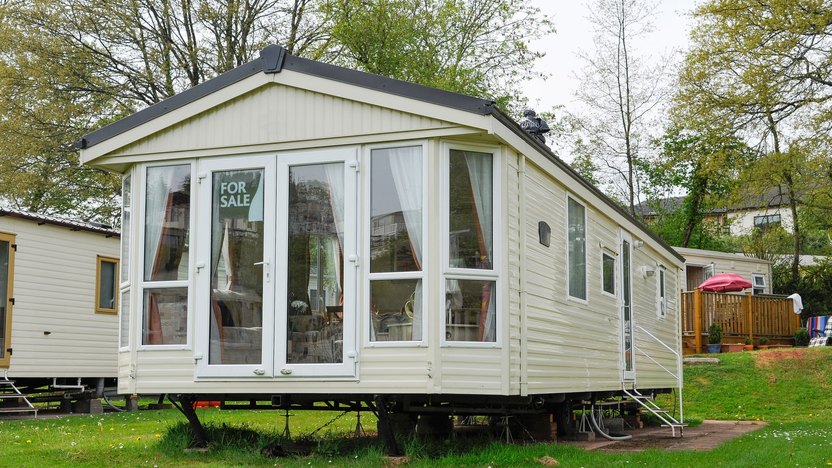
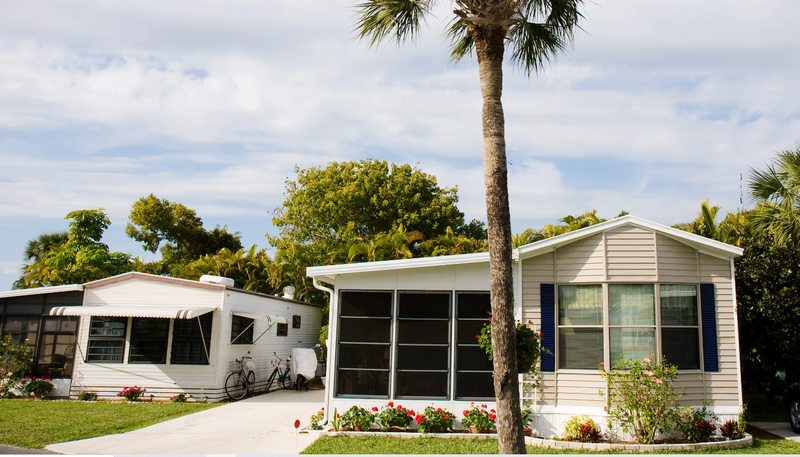
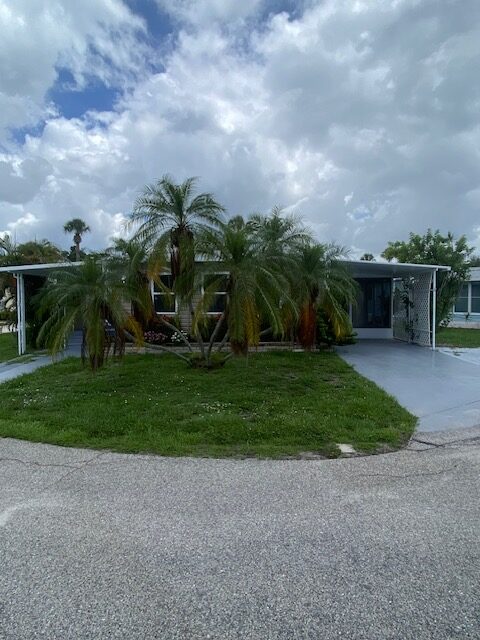
Tag: how to buy a mobile home with no money down

  • How to Buy a Mobile Home From a Private Owner

    How to Buy a Mobile Home From a Private Owner

    Learning how to buy a mobile home from a private owner is a smart way to find a great deal. Private sales often give buyers more flexibility, lower prices, and faster transactions.

    Mobile homes offer comfortable, affordable living, making them a great choice for many families.

    Why Buy a Mobile Home From a Private Owner?

    Choosing to buy a mobile home from a private owner offers many advantages compared to buying through dealers.

    Some benefits include:

    • Lower overall prices without dealer fees
    • Direct communication with the seller
    • Easier negotiation on terms and move-in dates

    Buying privately often means you get a better deal and a more personal experience.
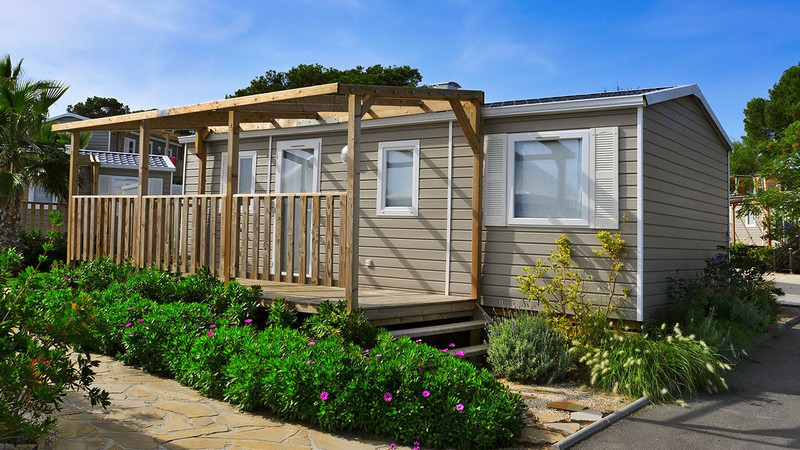
    Buy a Mobile Home From a Private Owner

    Steps to Buy a Mobile Home From a Private Owner

    Knowing the right steps makes it much easier to buy a mobile home from a private owner.

    Here is a simple process to follow:

    • Find a mobile home listing that fits your needs
    • Contact the seller and ask for detailed information
    • Arrange to see the mobile home in person
    • Hire an inspector to check the home’s condition
    • Agree on a price and sign a written agreement
    • Transfer the title and pay the agreed amount
    • Move into your new home and enjoy

    Each step brings you closer to owning the mobile home you want.

    How to Buy a Mobile Home From a Private Owner Online

    Today, it is very common to buy a mobile home from a private owner online. Many websites list private-sale mobile homes with detailed photos and descriptions.

    Some popular places to search include:

    • Craigslist
    • Facebook Marketplace
    • Local classified ads
    • Specialty mobile home websites

    Always meet the seller in person before sending any money. A quick visit helps avoid scams and makes sure the home meets your expectations.

    Tips for Purchasing a Mobile Home With Cash

    Many buyers choose to purchase a mobile home with cash to make the process faster and simpler.

    Here are a few reasons cash is helpful:

    • No loan approval delays
    • Stronger bargaining power with the seller
    • No monthly loan payments

    If you plan to pay cash, bring proof of funds when making an offer. Sellers often prefer cash buyers because they can close the deal more quickly.

    How to Buy a Mobile Home With No Money Down

    Learning how to buy a mobile home with no money down can help buyers who want to save upfront costs. Some financing programs, like VA loans and USDA loans, offer options with little to no down payment.

    Private sellers may also offer:

    • Owner financing with no down payment
    • Rent-to-own agreements
    • Discounted deals for fast sales

    Talking openly with the seller often helps you find a deal that fits your budget.

    Important Documents When Buying From a Private Owner

    When you buy a mobile home from a private owner, make sure to collect all important documents.

    You will need:

    • The mobile home title, signed by the seller
    • A bill of sale detailing the terms
    • Any home inspection reports
    • Proof of taxes paid and community fees (if in a park)

    These documents protect your ownership rights and avoid problems later.

    Inspect the Home Before You Buy

    Always inspect the mobile home carefully before making your final decision. Even if the home looks good, hidden problems can lead to costly repairs.

    Key areas to check include:

    • The roof and ceilings for leaks
    • Plumbing, electrical, and heating systems
    • The flooring for soft spots
    • The condition of windows and doors

    Hiring a professional inspector can save you thousands in unexpected repairs.

    Negotiate the Best Price

    When you buy a mobile home from a private owner, you often have more room to negotiate.

    Helpful negotiation tips:

    • Offer a fair starting price based on condition
    • Point out any needed repairs
    • Show serious intent with proof of funds
    • Stay friendly and respectful during talks

    Sellers appreciate serious buyers who are ready to move forward.

    Final Steps Before Moving In

    Once the sale is final, there are a few last things to do before moving into your new mobile home.

    Make sure you:

    • Transfer utilities like water, electricity, and internet
    • Update your address with the post office
    • Check with the mobile home park about residency rules (if applicable)

    A little preparation ensures a smooth and happy move.

    FAQ About Buying a Mobile Home From a Private Owner

    Can I buy a mobile home directly from a private owner?

    Yes, buying directly can often save you money and speed up the process.

    How do I find mobile homes for sale by private owners?

    Look online, in local newspapers, and on community bulletin boards.

    Is a home inspection needed when buying privately?

    Yes, inspections help catch any hidden problems before you commit.

    Do I need a lawyer to buy a mobile home from a private owner?

    It is not required, but legal help can make paperwork safer.

    What should be in the bill of sale?

    Include the home price, address, buyer and seller information, and terms of the sale.

    How do I pay for a private sale?

    You can use cash, a cashier’s check, or set up a wire transfer.

    Can I finance a private sale of a mobile home?

    Yes, many lenders offer loans for private sales, but terms may vary.

    Who handles the title transfer?

    Usually, the buyer and seller go together to the local title office.

    What fees should I expect when buying from a private owner?

    You may pay title transfer fees, taxes, and possibly inspection costs.

    Is it safe to buy a mobile home from a private owner?

    Yes, as long as you inspect the home and verify the title is clear.
     

    See Also:

  • Top 5 Banks That Finance Mobile Homes with Land

    Top 5 Banks That Finance Mobile Homes with Land

    Finding banks that finance mobile homes with land can be challenging, but many lenders offer great options. Mobile homes provide an affordable path to homeownership, especially when combined with land. If you’re considering buying a mobile home with land, choosing the right bank is crucial. This article explores five banks that offer financing and what makes them stand out.

    1. Wells Fargo

    Wells Fargo is a trusted lender offering financing for mobile homes attached to land. The bank provides both conventional and government-backed loans for buyers.

    Why Choose Wells Fargo?

    • Offers FHA, VA, and USDA loans
    • Competitive interest rates
    • Flexible loan terms
    • Nationwide availability

    Loan Requirements

    • The mobile home must be permanently attached to land
    • The home must be on a foundation
    • Minimum credit score requirements apply

    banks that finance mobile homes with land

    2. Rocket Mortgage

    Rocket Mortgage offers financing options for mobile homes classified as real property. The bank provides a smooth online loan application process.

    Why Choose Rocket Mortgage?

    • Streamlined online application
    • Quick approval process
    • Fixed and adjustable-rate mortgage options

    Loan Requirements

    • The home must be on a permanent foundation
    • The borrower must meet income and credit score requirements

    3. Vanderbilt Mortgage and Finance

    Vanderbilt Mortgage specializes in mobile home loans, making it a strong choice for buyers looking to finance a manufactured home with land.

    Why Choose Vanderbilt Mortgage?

    • Offers loans for new and used mobile homes
    • Provides land-home financing
    • Accepts a range of credit scores

    Loan Requirements

    • The borrower must meet credit and income qualifications
    • The home must be on a foundation and titled as real property

    4. 21st Mortgage Corporation

    21st Mortgage Corporation provides financing solutions for manufactured homes with land. This lender is ideal for buyers with various financial backgrounds.

    Why Choose 21st Mortgage?

    • No minimum credit score is required for some loans
    • Offers land and home financing
    • No prepayment penalties

    Loan Requirements

    • The borrower must have a stable income
    • The home must meet safety and foundation standards

    5. US Bank

    US Bank provides financing for mobile homes that meet real estate criteria. The lender offers competitive rates and flexible loan options.

    Why Choose US Bank?

    • Offers fixed and adjustable-rate mortgages
    • Provides FHA and VA loan options
    • Recognized nationwide for customer service

    Loan Requirements

    • The home must be permanently affixed to the land
    • The borrower must meet credit and income guidelines

    Key Considerations When Choosing a Lender

    Before applying for financing, consider these factors:

    • Credit Score – Higher scores often secure better loan terms.
    • Loan Type – Choose from FHA, VA, USDA, or conventional loans.
    • Down Payment – Some lenders require a down payment.
    • Property Requirements – The home must be permanently attached to the land.
    • Interest Rates – Compare rates to find the best deal.

    Benefits of Buying a Mobile Home with Land

    Purchasing a mobile home with land offers several advantages:

    • Builds Equity – Homeowners can build equity over time.
    • More Control – Owning land provides freedom to customize the property.
    • Lower Costs – Mobile homes are more affordable than traditional homes.
    • Financing Availability – Many lenders offer mortgage options for mobile homes.

    FAQ

    1. What credit score is needed for a mobile home loan?

    Most lenders require a credit score of at least 620, but some accept lower scores.

    2. Can I get a mortgage for a mobile home with land?

    Yes, many banks offer mortgage options if the home is permanently attached to the land.

    3. What types of loans are available for mobile homes with land?

    Common options include FHA, VA, USDA, and conventional loans.

    4. Do banks require a foundation for mobile home financing?

    Yes, most banks require the home to be on a permanent foundation.

    5. Are interest rates higher for mobile home loans?

    Rates can be higher than traditional mortgages, but good credit can help secure lower rates.

    6. Can I use a VA loan for a mobile home with land?

    Yes, VA loans are available for eligible veterans purchasing a mobile home with land.

    7. What is the minimum down payment for a mobile home loan?

    Down payments vary but typically range from 3.5% to 20%.

    8. Can I finance a used mobile home with land?

    Yes, many lenders offer financing for used mobile homes that meet their criteria.

    9. What are the benefits of financing a mobile home with land?

    Financing allows homeownership with lower costs compared to traditional housing.

    10. How long does it take to get approved for a mobile home loan?

    Approval times vary, but many lenders provide decisions within a few days.

    Conclusion

    Banks that finance mobile homes with land make homeownership accessible and affordable. Whether you choose Wells Fargo, Rocket Mortgage, Vanderbilt Mortgage, 21st Mortgage, or US Bank, you have great options. Compare loan terms and choose the best lender for your needs.


    See Also:

  • Do You Need a Mortgage to Buy a Mobile Home?

    You may need a mortgage to buy a mobile home, depending on how the home is classified. Some mobile homes qualify for traditional financing, while others require alternative loan options. Understanding your choices helps you secure the best funding.

    When Do You Need a Mortgage to Buy a Mobile Home?

    A mortgage applies if the mobile home is permanently attached to land and meets certain requirements. If the home is not fixed to a foundation, lenders may not offer a standard mortgage.

    Factors That Determine Mortgage Eligibility:

    • Home Classification – The home must be classified as real property, not personal property.
    • Permanent Foundation – The mobile home should be attached to land with a secure foundation.
    • Title Status – The home’s title must be converted from personal property to real estate.
    • Loan Amount – The home must meet the lender’s minimum loan requirements.

    Do You Need a Mortgage to Buy a Mobile Home

    Loan Options for Buying a Mobile Home

    If a mortgage is not available, there are other ways to finance a mobile home. Lenders offer different options based on the home’s classification and your financial status.

    Common Financing Choices:

    • Conventional Mortgages – Available if the home is permanently attached to land.
    • FHA Loans – Government-backed loans with lower down payment requirements.
    • Chattel Loans – Used for mobile homes classified as personal property.
    • Personal Loans – An option for buyers who do not qualify for traditional financing.
    • VA Loans – Available for eligible veterans purchasing mobile homes.

    How to Qualify for a Mortgage to Buy a Mobile Home

    Lenders set specific requirements for mobile home mortgages. Meeting these conditions improves approval chances.

    Typical Mortgage Requirements:

    • Credit Score – Higher scores increase loan approval chances and lower interest rates.
    • Down Payment – Some loans require at least 5-10% of the home’s value.
    • Debt-to-Income Ratio – Lenders check income stability and debt obligations.
    • Property Standards – The home must meet safety and construction guidelines.
    • Land Ownership – Some lenders require ownership of the land under the home.

    Advantages and Disadvantages of Using a Mortgage

    A mortgage provides benefits but also has some limitations. Weighing both helps in making the right decision.

    Benefits of a Mortgage:

    • Lower Interest Rates – Traditional mortgages often have better rates than personal loans.
    • Longer Repayment Terms – Monthly payments may be lower due to extended loan terms.
    • Opportunity to Build Equity – Owning a home with a mortgage helps increase long-term value.

    Drawbacks of a Mortgage:

    • Strict Requirements – Lenders enforce credit, income, and home classification rules.
    • Closing Costs – Borrowers pay fees for loan processing and legal documentation.
    • Risk of Foreclosure – Missing payments can lead to losing the home.

    Alternative Ways to Buy a Mobile Home Without a Mortgage

    If a mortgage is not an option, there are other ways to secure financing.

    Other Funding Methods:

    • Rent-to-Own Agreements – Buyers make monthly payments that go toward ownership.
    • Seller Financing – The seller provides a payment plan without a traditional lender.
    • Mobile Home Loans – Specialized lenders offer loans tailored for mobile homes.
    • Credit Union Financing – Some credit unions provide flexible terms for mobile home buyers.

    Steps to Secure the Right Loan for a Mobile Home

    Choosing the best financing option requires research and preparation. Follow these steps to improve approval chances.

    Key Steps:

    • Check Credit Report – Ensure there are no errors that could impact loan approval.
    • Determine Home Classification – Confirm whether the home qualifies as real or personal property.
    • Compare Loan Offers – Review interest rates and terms from multiple lenders.
    • Gather Required Documents – Have proof of income, identification, and home details ready.
    • Understand Loan Terms – Review all conditions before signing any agreement.

    What Happens If You Can’t Get a Mortgage?

    If mortgage approval is not possible, consider other ways to buy a mobile home. Some buyers use personal savings or alternative financing.

    Backup Options:

    • Save for a Larger Down Payment – A higher down payment can improve loan chances.
    • Improve Credit Score – Paying off debts and correcting errors can raise credit scores.
    • Seek a Co-Signer – A co-signer with strong credit can help secure loan approval.
    • Look for Lower-Priced Homes – Buying a more affordable home reduces loan needs.

    Final Thoughts on Mortgage to Buy a Mobile Home

    A mortgage to buy a mobile home is possible under specific conditions. If the home meets lender requirements, traditional financing is an option. When a mortgage is not available, other financing solutions can still make ownership possible. Researching loan options ensures the best financial decision for your situation.


    See Also:

  • Can I Get a Loan on My Mobile Home Title?

    Yes, you can get a loan on your mobile home title if you meet the lender’s requirements. Many financial institutions offer title loans for mobile homes, giving homeowners a way to access quick funds. Before applying, it is important to understand the process, eligibility, and potential risks.

    How Does a Mobile Home Title Loan Work?

    A mobile home title loan works like a car title loan. You use the title of your mobile home as collateral to secure a loan. Lenders determine the loan amount based on the home’s value, your ability to repay, and other factors.

    Steps to Get a Loan on Your Mobile Home Title:

    • Check your home’s title – Ensure there are no liens or unpaid debts attached.
    • Find a lender – Look for financial institutions or private lenders that offer mobile home title loans.
    • Submit an application – Provide personal details, proof of income, and home ownership documents.
    • Undergo an appraisal – The lender may assess the value of your home before approving the loan.
    • Review the terms – Understand the interest rates, repayment schedule, and potential fees.
    • Sign the agreement – Once approved, sign the contract and receive the funds.

    Can I Get a Loan on My Mobile Home Title

    Where Can You Get a Loan on Your Mobile Home Title?

    Several lenders offer mobile home title loans. The best option depends on your credit score, income, and the lender’s terms.

    Common Lenders for Mobile Home Title Loans:

    • Banks and Credit Unions – These institutions may offer lower interest rates if you qualify.
    • Online Lenders – Many online companies provide fast approvals and flexible terms.
    • Title Loan Companies – Some lenders specialize in mobile home title loans but may charge higher interest.

    Requirements to Get a Loan on Your Mobile Home Title

    Lenders set different eligibility criteria, but most require:

    • Proof of ownership – The title must be in your name and free of liens.
    • Valid identification – A government-issued ID is necessary.
    • Proof of income – Lenders want to see that you can repay the loan.
    • Home condition – Some lenders inspect the mobile home before approval.
    • Insurance coverage – Some lenders require homeowners insurance.

    Advantages and Disadvantages of Mobile Home Title Loans

    Before applying, consider the benefits and potential downsides.

    Advantages:

    • Quick access to cash – Approval and funding often happen within a few days.
    • No credit check required – Some lenders focus on the home’s value rather than credit scores.
    • Flexible use of funds – You can use the money for any purpose.

    Disadvantages:

    • Higher interest rates – These loans often have steeper rates than traditional options.
    • Risk of losing your home – Defaulting on payments can lead to repossession.
    • Short repayment terms – Some loans require full repayment within months.

    Alternative Loan Options

    If a mobile home title loan doesn’t seem right, consider other choices.

    Other Financing Options:

    • Personal loans – Unsecured loans with fixed interest rates.
    • Home equity loans – Available if your mobile home is permanently attached to land.
    • Credit cards – Suitable for small expenses but may have high interest rates.
    • Peer-to-peer lending – Borrow from individuals instead of banks.

    How to Choose the Right Lender

    Picking the right lender is crucial for securing fair terms. Look for these factors:

    • Reputation – Read reviews and check ratings from past customers.
    • Interest rates – Compare rates from multiple lenders.
    • Loan terms – Understand the repayment period and any penalties.
    • Customer service – Responsive and helpful lenders make the process easier.

    What Happens If You Can’t Repay the Loan?

    Failing to repay a mobile home title loan can lead to serious consequences.

    Possible Outcomes:

    • Late fees – Missing payments can result in extra charges.
    • Repossession – The lender may take ownership of your mobile home.
    • Credit damage – Defaulting can lower your credit score and impact future loans.

    If repayment becomes difficult, contact your lender to discuss options. Some lenders offer extensions or refinancing plans.

    Final Thoughts on Getting a Loan on Your Mobile Home Title

    A mobile home title loan can provide fast cash, but it carries risks. Before applying, review all terms and explore alternative financing options. Understanding the process helps you make a confident decision that protects your home and financial future.


    See Also:


  • What to Know About Mobile Home Loans in Florida

    Mobile homes offer an affordable housing option for many Florida residents. However, securing a loan to purchase or refinance a mobile home can be challenging. Understanding how mobile home loans work and the specific requirements for Florida can help potential buyers make informed decisions.

    1. Types of Mobile Home Loans

    There are several types of mobile home loans in Florida, each with unique requirements and features. These include chattel loans, real estate loans, and FHA loans. The type of loan you choose depends on whether the mobile home is classified as personal or real property.

    Chattel loans are for mobile homes that are not permanently affixed to land. Real estate loans are for mobile homes attached to land and classified as real property. FHA loans are government-backed loans designed for mobile homes meeting specific standards.

    how mobile home loans work

    2. Chattel Loans

    Chattel loans are commonly used for mobile homes not affixed to land. With a chattel loan, the mobile home serves as collateral for the loan, but the land does not. These loans typically have higher interest rates than real estate loans due to the risk of the home being moved or repossessed.

    The loan term for chattel loans is usually shorter, ranging from 10 to 20 years. Lenders may require a larger down payment, sometimes as high as 20%. These loans are ideal for individuals who own the land where the mobile home will be placed or rent a space in a mobile home park.

    3. Real Estate Loans

    A real estate loan is a traditional mortgage that covers the mobile home and its land. In Florida, you can apply for a real estate loan if you buy both the land and the mobile home together. These loans typically offer lower interest rates and longer terms than chattel loans.

    To qualify for a real estate loan, the mobile home must meet specific criteria, such as being affixed to a permanent foundation. Lenders also require that the mobile home meets state building codes. The loan process for real estate loans can be similar to that of traditional home mortgages.

    4. FHA Loans for Mobile Homes

    The Federal Housing Administration (FHA) offers loans for mobile homes in Florida. These loans are ideal for buyers with lower credit scores or smaller down payments. FHA loans are available for new and existing mobile homes that meet specific requirements.

    The mobile home must have been built after 1976 to qualify for an FHA loan, as homes built before then do not meet federal standards. The home must also be placed on a permanent foundation. Additionally, the borrower must meet certain income and credit requirements.

    5. Eligibility Requirements for Mobile Home Loans

    Each type of mobile home loan has specific eligibility criteria, and meeting these requirements is crucial for approval. Lenders typically assess factors such as credit score, income, and the condition of the mobile home. The home must meet state and local building codes in Florida, especially if applying for a real estate or FHA loan.

    For chattel loans, lenders focus more on the borrower’s ability to repay the loan than the home’s value. The borrower must provide proof of land ownership or a long-term lease agreement for real estate loans. FHA loans require that the borrower meet certain income limits and credit score thresholds.

    6. Interest Rates for Mobile Home Loans

    Interest rates for mobile home loans vary depending on the type of loan, the borrower’s credit, and the loan term. Chattel loans tend to have higher interest rates than real estate loans, as lenders consider them riskier. However, real estate loans and FHA loans typically offer more competitive rates.

    Interest rates can range from 4% to 10% for mobile home loans in Florida, with the possibility of higher rates for borrowers with lower credit scores. It’s essential to shop around and compare offers from different lenders to find the best rate. Over time, securing a lower interest rate can save you significant money.

    7. Down Payments and Loan Terms

    Down payment requirements for mobile home loans in Florida vary depending on the type of loan and lender. Down payments may range from 5% to 20% for chattel loans. Real estate loans may require a down payment of 10% to 20%, depending on the borrower’s creditworthiness and the home’s value.

    Loan terms for mobile home loans in Florida can range from 10 to 30 years, depending on the loan type. Shorter loan terms often come with higher monthly payments, but they can save money on interest. Choosing the proper loan term can make your monthly payments more manageable.

    8. Mobile Home Insurance Requirements

    Most lenders require mobile home insurance before approving a loan. Insurance coverage protects the borrower and the lender in case of damage or loss. Homeowners insurance is essential in Florida due to the state’s frequent storms and hurricanes.

    Insurance policies for mobile homes typically cover damage from natural disasters, fire, theft, and vandalism. For mobile homes on land, homeowners may also need to include coverage for the land itself. Be sure to check with your lender to understand the specific insurance requirements for your loan.

    9. Finding the Right Lender

    Choosing the right lender is crucial when applying for a mobile home loan in Florida. Different lenders offer different loan terms, interest rates, and requirements. Researching and comparing multiple lenders, including banks, credit unions, and specialized mobile home lenders is important.

    Online platforms allow you to compare offers from multiple lenders quickly. You can also check with local mobile home dealerships, as they may have partnerships with lenders specializing in mobile home loans. Shopping around can help you secure the best loan terms for your financial situation.

    10. Mobile Home Loan Process in Florida

    Securing a mobile home loan in Florida is similar to getting a traditional mortgage, though it often involves fewer steps. First, you’ll need to determine which type of loan best fits your needs. Once you’ve selected a loan type, gather the necessary documents, such as proof of income, credit history, and information about the mobile home.

    After you submit your application, the lender will evaluate your financial situation and the condition of the mobile home. If your application is approved, you’ll sign the loan agreement, and the funds will be disbursed. The approval process may take several weeks, so patience’s essential.

    11. Financing Used Mobile Homes

    Financing for used mobile homes is available in Florida, but financing new homes can be challenging. Used mobile homes may need to meet the criteria for FHA loans, especially if they were built before 1976. However, lenders may still offer chattel or conventional loans for used homes.

    When financing a used mobile home, the lender typically requires a thorough inspection to assess its condition. They may also request an appraisal to determine the home’s value. Understanding the home’s condition and market value will help ensure you get a fair loan offer.

    12. Closing Costs and Fees

    Mobile home loans come with various closing costs and fees, like any home purchase. These costs include application, title search, appraisal, and attorney fees. Be prepared for these additional expenses when budgeting for your mobile home purchase.

    In Florida, closing costs for mobile home loans can range from 2% to 5% of the loan amount. It’s essential to ask the lender for a breakdown of all costs so you’re not caught off guard. Some lenders may offer to include these costs in the loan, increasing your monthly payments.

    13. Refinancing Mobile Home Loans

    Refinancing might be a good option if you already have a mobile home loan and are looking to lower your payments or interest rate. Refinancing allows you to replace your existing loan with a new one, often with better terms. Florida residents with a mobile home on land may be eligible for refinancing through traditional mortgage lenders.

    Refinancing a chattel loan is more complex but possible. Some lenders may offer refinancing options if your mobile home’s value has increased or you’ve significantly improved. Always check with your lender to determine your refinancing options and eligibility.

    14. Mobile Home Parks and Loan Approval

    Living in a mobile home park can affect your loan application. Some mobile home parks have restrictions on renting or selling homes, which can impact the marketability of your mobile home. Lenders may be less willing to approve loans for homes in parks with strict regulations.

    Before applying for a loan, check the mobile home park’s rules and regulations to ensure they align with your financing plans. Some lenders may require written confirmation from the park management that you can place the mobile home on the property. Awareness of the park’s rules can help prevent issues with loan approval.

    15. Mobile Home Loans for Retirees

    Florida is a popular destination for retirees, and many choose to purchase mobile homes in the state. Lenders may offer specialized mobile home loans for retirees, taking into account their fixed income. Retirees should know they may need additional documentation, such as proof of pension or Social Security income.

    Retirees should also consider the loan term and ensure it fits their financial situation. A shorter loan term may mean higher monthly payments, so choosing a plan that works for their budget is important. Consulting with a financial advisor can help retirees make the best loan decisions.

    Conclusion

    Securing a mobile home loan in Florida requires understanding the various loan types, eligibility criteria, and costs. Knowing the requirements and options available can help you decide whether you are purchasing a new or used mobile home. By researching loan types, comparing lenders, and preparing for the loan process, you can secure financing that meets your needs and budget.


    See Also:


  • What to Look for When Buying a Used Mobile Home in Florida

    Purchasing a used mobile home in Florida can be a rewarding experience. It offers affordability and flexibility compared to traditional homes. However, buying a used mobile home requires careful consideration. You must ensure that your investment is sound and meets your needs. This guide provides a comprehensive checklist of key factors to consider when buying a used mobile home in Florida.

    1. Understand the Market

    Before diving into your search, familiarize yourself with the local mobile home market. Research recent sales in the area. This will help you determine fair pricing for the type of mobile home you want. Check online listings, local classifieds, and community bulletin boards. Understanding the market will give you leverage in negotiations.

    2. Inspect the Structural Integrity

    The structural integrity of a mobile home is paramount. Start by checking the frame and foundation. Look for signs of sagging or damage. A solid frame ensures the home can withstand Florida’s weather.

    Check the Roof
    Inspect the roof for leaks, cracks, or missing shingles. A compromised roof can lead to costly repairs. Look for signs of water damage on the ceiling and walls inside the home.

    Examine the Walls and Floors
    Inspect the walls for any bowing or soft spots. Soft spots may indicate water damage or rot. Check the flooring for any sagging or warping. Ensure it feels solid when you walk on it.

    Buying a Used Mobile Home in Florida

    3. Evaluate the Utilities

    Check all utility systems in the mobile home. This includes water, electricity, gas, and sewage systems. Proper functioning utilities are essential for comfortable living.

    Water System
    Inspect the plumbing for leaks or corrosion. Look for signs of water damage under sinks and around pipes. Test the water pressure and ensure hot water is available.

    Electrical System
    Check the electrical panel and outlets. Ensure that outlets are grounded and properly wired. Test light switches and fixtures to verify they are functional.

    Heating and Cooling Systems
    Evaluate the HVAC system or window units. Ensure they are in good working condition. Ask for maintenance records to see when they were last serviced.

    4. Look for Signs of Pest Infestation

    Pest problems can cause significant damage to a mobile home. Look for signs of infestation, such as droppings or nests. Check for any holes in walls or around windows that pests might use for entry. If you find signs of pests, consider hiring a professional pest inspector before purchasing.

    5. Assess the Age of the Mobile Home

    The age of the mobile home impacts its condition and value. Older mobile homes may require more repairs and updates. Check the manufacturer’s label, usually located on the inside of the kitchen cabinet or in a closet. It will indicate the year the home was manufactured.

    Consider Mobile Home Standards
    Mobile homes built before 1976 may not meet modern safety and building codes. These homes may lack necessary insulation and structural features. If you’re considering an older model, ensure it meets current standards.

    6. Review the Title and Registration

    A clear title is essential when purchasing a used mobile home. Ensure that the seller owns the home outright and has the title available. Check for any liens against the home. This could complicate your purchase and ownership.

    Verify Registration
    Ensure the mobile home is registered with the Florida Department of Highway Safety and Motor Vehicles. You can check the registration status online or through local offices. Make sure all taxes are paid and up to date.

    7. Understand Local Zoning and Land Use Regulations

    Mobile home parks in Florida often have specific zoning regulations. Before buying, check local zoning laws and land use regulations. Make sure the mobile home you choose can be legally placed in the intended location.

    Confirm Park Rules and Fees
    If you’re buying in a mobile home park, review the park rules and fees. Understand any restrictions on age, renovations, or pet ownership. Clarify monthly lot rent or any additional fees you might encounter.

    8. Assess the Home’s Energy Efficiency

    Energy efficiency impacts your monthly expenses and comfort. Inspect insulation levels in walls and ceilings. Poor insulation can lead to higher energy bills.

    Check Windows and Doors
    Evaluate the condition of windows and doors. Ensure they close properly and seal well. Consider installing energy-efficient models if the current ones are outdated. This can save you money on heating and cooling costs.

    9. Investigate Previous Repairs and Upgrades

    Inquire about any repairs or upgrades made to the mobile home. Ask the seller for maintenance records. This will give you insight into the home’s condition and how well it has been cared for.

    Renovations and Upgrades
    Check for any significant renovations, such as new plumbing, electrical systems, or appliances. Understand who performed the work and whether it was done professionally.

    10. Get a Professional Inspection

    Before making a final decision, hire a professional inspector. A thorough inspection can reveal hidden problems that may not be apparent during your walkthrough. The inspector will check structural integrity, utilities, pests, and safety issues. This step can save you from costly surprises later.

    11. Consider Financing Options

    When purchasing a used mobile home, explore financing options. Many lenders offer loans specifically for mobile home purchases. Understand the interest rates, terms, and conditions before proceeding.

    Check Your Credit Score
    Before applying for financing, check your credit score. A higher credit score can secure you better financing terms. If your score needs improvement, take steps to boost it before applying.

    12. Budget for Additional Costs

    In addition to the purchase price, consider additional costs associated with owning a mobile home. These can include:

    • Lot Rent: If you’re in a mobile home park, factor in monthly lot rent.
    • Insurance: Mobile home insurance can protect your investment.
    • Maintenance: Budget for ongoing maintenance and repairs.
    • Utilities: Understand utility costs and plan for them in your budget.

    13. Evaluate Resale Value

    Consider the potential resale value of the mobile home. Mobile homes can depreciate faster than traditional homes. Look at the resale history of similar homes in the area. Understanding this can help you make a sound investment.

    14. Think About Your Lifestyle and Needs

    Reflect on your lifestyle and future plans. Consider the size of the mobile home and the layout. Ensure it meets your current and future needs.

    Plan for Future Growth
    If you plan to expand your family or need more space, think about your options. Some mobile homes offer expansion possibilities, while others do not. Plan accordingly to avoid feeling cramped later.

    15. Trust Your Instincts

    Finally, trust your instincts during the buying process. If something feels off about the home or the seller, don’t hesitate to walk away. A home is a significant investment, and you should feel confident in your decision.

    Conclusion

    Buying a used mobile home in Florida can be an excellent investment if you approach the process carefully. By following this checklist, you can ensure that you make an informed decision. Always prioritize structural integrity, utilities, and legal considerations. With the right preparation and research, you can find a mobile home that meets your needs and provides a comfortable living space for years to come. Happy house hunting!


    See Also:

  • Renting vs. Buying a Mobile Home in Florida: Which is Better?

    As the Sunshine State continues to attract new residents with its warm climate, beautiful beaches, and vibrant lifestyle, mobile homes have emerged as a popular housing option. With affordability, flexibility, and a sense of community, mobile homes offer an appealing alternative to traditional housing. If you’re considering entering the mobile home market in Florida, you may find yourself weighing the benefits of renting versus buying. This article will explore the pros and cons of each option, helping you make an informed decision that aligns with your lifestyle and financial goals.

    renting vs buying a mobile home

    Understanding the Mobile Home Market in Florida

    Before diving into the specifics of renting and buying, it’s essential to understand the mobile home market in Florida. The state boasts a diverse range of mobile home communities, from those near bustling cities to serene locations near nature and recreational areas. The cost of mobile homes can vary significantly depending on the location, age, and condition of the home. In general, buying a mobile home can be more affordable than purchasing a traditional home, making it an attractive option for many buyers.

    Pros and Cons of Renting a Mobile Home

    Renting a mobile home can be a flexible and less financially burdensome option for many people. Here are some of the key benefits and drawbacks of renting:

    Pros of Renting

    1. Lower Upfront Costs: Renting typically requires less initial investment than buying. Most rental agreements require a security deposit and the first month’s rent, making it easier to move in without a significant financial commitment.
    2. Flexibility: Renting provides more flexibility to relocate if your circumstances change. Whether you’re moving for work, family, or simply seeking a new lifestyle, renting allows you to adapt without the burden of selling a property.
    3. No Maintenance Responsibilities: As a renter, you generally won’t be responsible for repairs and maintenance. If something breaks or needs fixing, the landlord or property management typically handles the repairs, freeing you from unexpected expenses.
    4. Access to Amenities: Many mobile home communities offer amenities like pools, clubhouses, and recreational activities, which can enhance your living experience without additional costs.

    Cons of Renting

    1. No Equity Build-Up: One of the primary downsides of renting is that you won’t build equity over time. Your monthly rent payments contribute to the landlord’s profits rather than your own assets.
    2. Limited Control: Renting may come with restrictions on customizing your living space. You may not be allowed to make significant changes or improvements, which can limit your ability to personalize your home.
    3. Rent Increases: Rent prices may increase when your lease is up for renewal, which can strain your budget and make long-term planning more difficult.
    4. Less Stability: Rental agreements can change or be terminated, potentially leading to instability in your living situation. Landlords may decide to sell the property, resulting in your need to find a new place to live.

    Pros and Cons of Buying a Mobile Home

    Buying a mobile home offers a unique set of advantages and challenges. Let’s look at the key pros and cons of homeownership in the mobile home market.

    Pros of Buying

    1. Equity Build-Up: One of the most significant advantages of buying a mobile home is building equity over time. As you pay off your mortgage, you increase your ownership stake, which can lead to financial growth.
    2. Customization and Control: When you own a mobile home, you have the freedom to customize and renovate the space as you wish. Whether you want to remodel the kitchen, add a deck, or paint the walls, the choice is yours.
    3. Stability: Owning a mobile home provides more stability than renting. You won’t have to worry about unexpected rent increases or changes in ownership that could force you to move.
    4. Tax Benefits: Homeowners may be eligible for tax deductions on mortgage interest and property taxes, providing potential financial benefits compared to renting.

    Cons of Buying

    1. Higher Upfront Costs: Purchasing a mobile home often requires a substantial down payment and closing costs, which can be a significant financial burden upfront.
    2. Ongoing Maintenance Responsibilities: As a homeowner, you’re responsible for repairs and maintenance. This can lead to unexpected expenses that renters may not face.
    3. Market Risk: The mobile home market can fluctuate, and the value of your home may not appreciate as much as traditional homes. If market conditions change, you may find it challenging to sell your home for a profit.
    4. Financing Challenges: Securing financing for a mobile home can be more complex than for traditional homes. Lenders may have stricter requirements, particularly for older mobile homes or those not permanently affixed to land.

    Factors to Consider When Deciding

    Several factors can influence your choice when deciding between renting and buying a mobile home in Florida. Here are some essential considerations to keep in mind:

    1. Financial Situation

    Your current financial situation plays a crucial role in determining whether renting or buying is better for you. If you have sufficient savings for a down payment and can afford monthly mortgage payments, buying may be a wise investment. However, if you’re on a tight budget or are uncertain about long-term financial commitments, renting may be the better option.

    2. Long-Term Plans

    Consider your long-term plans when making your decision. If you plan to stay in Florida for an extended period and want to build equity, buying may be advantageous. However, if you’re unsure about your future or anticipate moving within a few years, renting provides the flexibility to relocate without the hassle of selling a property.

    3. Lifestyle Preferences

    Your lifestyle preferences and needs should also factor into your decision. If you enjoy the freedom to customize your living space and take pride in homeownership, buying a mobile home may suit you. On the other hand, if you prefer a low-maintenance lifestyle with access to community amenities, renting may be a better fit.

    4. Market Conditions

    Research the local mobile home market in the area you’re considering. In some regions, mobile home prices may be rising, making buying a more attractive option. Conversely, if the rental market is competitive with reasonable prices, renting could be more appealing.

    5. Community Amenities

    Evaluate the mobile home communities you’re considering. Many offer amenities that can enhance your living experience, such as swimming pools, fitness centers, and social activities. These factors can play a significant role in your decision-making process.

    Conclusion

    Ultimately, the decision to rent or buy a mobile home in Florida depends on your financial situation, long-term plans, lifestyle preferences, and market conditions. Renting provides flexibility and lower upfront costs, making it an excellent choice for those seeking a temporary living situation. On the other hand, buying offers the opportunity to build equity and customize your space, making it ideal for those who plan to settle down.

    Whichever option you choose, conducting thorough research and evaluating your circumstances carefully is essential. With the right approach, both renting and buying can lead to a fulfilling living experience in the beautiful state of Florida. As you weigh your options, consider consulting with local real estate experts and financial advisors to help you make the most informed decision.


    See Also:

  • Is It Better to Rent or Buy a Mobile Home in Florida?

    Deciding whether to rent or buy a mobile home in Florida is a significant decision that involves weighing various financial and lifestyle factors. Florida’s unique real estate market, combined with the state’s popularity as a retirement destination, makes this choice even more complex. This article will explore the pros and cons of both renting and buying a mobile home in Florida, helping you make an informed decision based on your personal circumstances and long-term goals.

    Rent or Buy a Mobile Home

    Understanding the Mobile Home Market in Florida

    Before diving into the pros and cons of renting versus buying, it’s important to understand the broader mobile home market in Florida. The state is home to a large number of mobile home communities, many of which cater to retirees and offer a range of amenities, from golf courses to swimming pools. The cost of mobile homes in Florida can vary widely depending on factors such as location, the age of the home, and the amenities offered by the community.

    In recent years, Florida has seen a growing demand for affordable housing, making mobile homes an attractive option for many. Whether you’re looking to retire in the Sunshine State or simply seeking an affordable place to live, understanding the dynamics of the mobile home market can help you make a better decision.

    The Pros and Cons of Renting a Mobile Home in Florida

    Renting a mobile home in Florida offers flexibility and lower upfront costs, but it also comes with its own set of challenges. Here’s a closer look at the pros and cons of renting.

    Pros of Renting a Mobile Home

    1. Lower Initial Costs
      • One of the biggest advantages of renting a mobile home is the lower initial cost. Renting typically requires a security deposit and the first month’s rent, which is significantly less than the down payment and closing costs associated with buying.
      • For those who are unsure about committing to a long-term investment, renting offers an opportunity to test out living in a mobile home community without the financial burden of ownership.
    2. Flexibility
      • Renting provides greater flexibility, especially for those who may not be ready to settle down in one place. If your job requires frequent relocations or if you’re exploring different areas of Florida, renting allows you to move more easily without the hassle of selling a property.
      • Renting also provides an easy exit strategy if you decide that mobile home living isn’t for you.
    3. No Maintenance Responsibilities
      • When you rent a mobile home, maintenance and repair responsibilities often fall on the landlord or property management company. This can save you time, money, and the stress of dealing with unexpected repairs.
      • If a major issue arises, such as a roof leak or plumbing problem, it’s the landlord’s responsibility to fix it, allowing you to avoid out-of-pocket expenses for repairs.
    4. Access to Amenities
      • Many mobile home parks in Florida offer a variety of amenities, such as pools, clubhouses, and recreational facilities. When you rent, you can enjoy these amenities without the long-term commitment of ownership.
      • Some communities also offer social activities and events, providing opportunities to meet new people and engage in a vibrant community life.

    Cons of Renting a Mobile Home

    1. Lack of Equity
      • One of the biggest downsides to renting is that you’re not building equity. Every month’s rent payment goes to the landlord, and you don’t have an asset to show for it at the end of your lease.
      • Over time, the money spent on rent could add up to a significant amount, which could have been invested in owning a property.
    2. Rent Increases
      • Rent prices in Florida can fluctuate, and there’s always the risk of rent increases, especially in desirable locations. These increases can strain your budget and make long-term financial planning difficult.
      • Unlike a fixed mortgage payment, which remains consistent over the term of the loan, rent payments can vary year to year, adding an element of uncertainty to your finances.
    3. Limited Control Over the Property
      • As a renter, you have limited control over the property. You may not be able to make significant modifications or improvements to the home without the landlord’s permission.
      • Additionally, if the landlord decides to sell the property or convert it to another use, you may be forced to move, disrupting your living situation.
    4. Potential for Eviction
      • Renting comes with the risk of eviction if you are unable to meet the terms of your lease. This could be due to non-payment of rent, violating community rules, or the landlord deciding to no longer rent the property.
      • Being evicted can be a stressful and disruptive experience, especially if you have limited time to find a new place to live.

    The Pros and Cons of Buying a Mobile Home in Florida

    Buying a mobile home in Florida is a long-term investment that can offer stability and the potential for financial gain, but it also comes with its own set of risks. Here’s what you need to consider.

    Pros of Buying a Mobile Home

    1. Building Equity
      • When you buy a mobile home, you’re building equity over time. As you pay down your mortgage, you increase your ownership stake in the property, which can be a valuable asset in the long run.
      • If property values in your area increase, you could also benefit from appreciation, potentially selling the home for more than you paid.
    2. Fixed Housing Costs
      • With a fixed-rate mortgage, your monthly payments remain the same over the life of the loan, providing stability and predictability in your housing costs. This is in contrast to renting, where rent can increase over time.
      • Fixed housing costs make it easier to budget and plan for the future, giving you peace of mind.
    3. Personalization and Control
      • Homeownership gives you the freedom to personalize your living space. You can make improvements, renovations, and changes to suit your tastes and needs without needing permission from a landlord.
      • You also have control over your property, including the ability to rent it out or sell it when you choose.
    4. Stability and Community
      • Owning a mobile home provides a sense of stability and permanence, which can be especially appealing for retirees looking to settle down. You’re not at the mercy of a landlord’s decisions, and you can establish roots in a community.
      • Many mobile home parks in Florida foster tight-knit communities, offering a strong sense of belonging and support.
    5. Tax Benefits
      • Homeowners in Florida may be eligible for tax benefits, such as deductions on mortgage interest and property taxes. These benefits can reduce your overall tax burden and make homeownership more affordable.
      • Additionally, Florida has no state income tax, which can further enhance the financial advantages of owning a home in the state.

    Cons of Buying a Mobile Home

    1. Higher Initial Costs
      • Buying a mobile home requires a significant upfront investment, including a down payment, closing costs, and possibly moving and setup fees. These costs can be a barrier for some buyers.
      • You’ll also need to budget for ongoing expenses such as property taxes, insurance, and maintenance.
    2. Maintenance and Repairs
      • As a homeowner, you’re responsible for all maintenance and repairs, which can be costly and time-consuming. Unlike renting, where the landlord covers these expenses, you’ll need to handle any issues that arise.
      • Major repairs, such as roof replacement or HVAC system repairs, can be particularly expensive and require careful financial planning.
    3. Depreciation
      • Mobile homes, especially older models, can depreciate in value over time, meaning they may be worth less than what you paid for them. This can make it difficult to sell the home later or recoup your investment.
      • Depreciation is more pronounced in mobile homes compared to traditional site-built homes, so it’s important to consider this when making a purchase.
    4. Risk of Natural Disasters
      • Florida is prone to hurricanes and other natural disasters, which can pose a risk to mobile homes. While insurance can help mitigate this risk, the potential for damage and loss is higher in mobile homes compared to traditional homes.
      • It’s crucial to invest in high-quality insurance and consider the location carefully before purchasing a mobile home in Florida.
    5. Lot Rent and HOA Fees
      • If you purchase a mobile home in a park, you may still need to pay lot rent or homeowner association (HOA) fees. These additional costs can add up and affect your overall budget.
      • Lot rent and HOA fees can increase over time, so it’s important to factor these into your long-term financial planning.

    Financial Considerations

    When deciding whether to rent or buy a mobile home in Florida, it’s essential to consider your financial situation. Buying may be the better option if you have the financial stability to manage the upfront costs and ongoing expenses, and if you plan to stay in one place for several years. On the other hand, renting may be more suitable if you prefer flexibility, have limited savings, or are unsure about committing to a long-term investment.

    Lifestyle Considerations

    Your lifestyle and personal preferences also play a significant role in this decision. If you value stability, community, and the ability to personalize your space, buying may be the right choice. Conversely, if you prioritize flexibility, minimal responsibilities, and lower initial costs, renting could be a better fit.

    Conclusion: Renting vs. Buying a Mobile Home in Florida

    Ultimately, the decision to rent or buy a mobile home in Florida depends on your financial situation, lifestyle preferences, and long-term goals. Both options have their advantages and disadvantages, and what’s right for one person may not be right for another. By carefully considering the pros and cons of each option, you can make an informed decision that aligns with your needs and helps you achieve your housing goals in the Sunshine State.


    See Also:

  • Mobile Home Financing Options in Florida: What You Need to Know in 2024

    Purchasing a mobile home in Florida can be an excellent way to secure affordable housing, whether you’re a first-time buyer, a retiree, or someone looking for a seasonal residence. However, financing a mobile home is different from financing a traditional home. Understanding the various financing options available in 2024 is crucial for making an informed decision that fits your budget and needs. This guide will explore the different ways to finance a mobile home in Florida, including loans, mortgages, government programs, and tips on choosing the best option.

    Mobile Home Financing Options

    1. Understanding Mobile Home Classification: Personal Property vs. Real Property

    Before diving into financing options, it’s important to understand how mobile homes are classified in Florida. Mobile homes can be considered either personal property or real property, depending on whether they are permanently affixed to land.

    • Personal Property: If the mobile home is not permanently attached to land that you own, it is classified as personal property. This is common in mobile home parks where residents rent the lot but own the home. Financing for personal property typically involves a personal property loan known as a  chattel loan.
    • Real Property: If the mobile home is permanently affixed to your own land, it is classified as real property. This classification allows you to finance the home with a traditional mortgage, similar to a site-built home.

    Understanding this classification is crucial because it determines the financing you can pursue.

    2. Mobile Home Loans in Florida

    a. Chattel Loans

    Chattel loans are designed specifically for mobile homes classified as personal property. These loans differ from traditional mortgages and are typically offered by specialized lenders.

    • Interest Rates and Terms: Chattel loans often come with higher interest rates than traditional mortgages because they are considered higher risk. Loan terms are usually shorter, ranging from 15 to 20 years.
    • Down Payments: The down payment for a chattel loan can vary, but it typically ranges from 5% to 20% of the home’s purchase price.
    • Advantages: Chattel loans are relatively easy to obtain, allowing you to finance a mobile home even if it’s in a mobile home park. They are also a good option if you don’t own the land.
    • Disadvantages: Higher interest rates and shorter loan terms can raise monthly payments. Additionally, these loans often come with fewer consumer protections than traditional mortgages.
    b. Personal Loans

    Another option for financing a mobile home is through a personal loan. This option is best suited for buyers who need to invest a smaller amount or need help qualifying for other types of loans.

    • Interest Rates and Terms: Personal loans typically have higher interest rates than chattel loans and are usually unsecured, meaning they don’t require collateral. Loan terms can range from 3 to 10 years.
    • Down Payments: Personal loans may not require a down payment, but this will depend on the lender.
    • Advantages: Personal loans are flexible and can be used for various purposes, including purchasing a mobile home. They are also quicker to obtain than other loan types.
    • Disadvantages: The higher interest rates and shorter terms can result in higher monthly payments. Additionally, the loan amounts are often lower, which may not cover the full cost of a mobile home.

    3. Traditional Mortgages for Mobile Homes

    You may be eligible for a traditional mortgage if your mobile home is classified as real property. This is often the most cost-effective financing option, especially if you qualify for competitive interest rates.

    a. Conventional Mortgages

    Banks, credit unions, and other lending institutions offer conventional mortgages. The government does not insure these loans and they are available to buyers with good credit and stable income.

    • Interest Rates and Terms: Conventional mortgages typically offer lower interest rates than chattel loans. Loan terms can range from 15 to 30 years, making monthly payments more manageable.
    • Down Payments: The down payment for a conventional mortgage is usually around 5% to 20% of the home’s value.
    • Advantages: Lower interest rates and longer terms can make this option more affordable in the long run. Additionally, conventional mortgages often come with more consumer protections.
    • Disadvantages: You need good credit and sufficient income to qualify for a conventional mortgage. The process can also be more time-consuming and may require more documentation.
    b. FHA Loans

    FHA loans, insured by the Federal Housing Administration, are another option for financing a mobile home classified as real property. These loans are designed to help low-to-moderate-income buyers.

    • Interest Rates and Terms: FHA loans generally offer competitive interest rates and longer terms, similar to conventional mortgages.
    • Down Payments: One of the most significant advantages of FHA loans is the low down payment requirement, often as low as 3.5% of the home’s value.
    • Advantages: FHA loans are easier to qualify for, especially for buyers with lower credit scores. The low down payment requirement makes it accessible for first-time homebuyers.
    • Disadvantages: FHA loans come with mortgage insurance premiums (MIP), which can increase your monthly payments. There are also limits on the amount you can borrow.

    4. Government Programs for Mobile Home Financing

    Several government programs can assist with mobile home financing, particularly for low-income buyers or those in rural areas.

    a. VA Loans

    If you are a veteran, active-duty service member, or eligible surviving spouse, you may qualify for a VA loan to finance a mobile home. The Department of Veterans Affairs backs VA loans and offers several benefits.

    • Interest Rates and Terms: VA loans typically offer competitive interest rates and favorable terms, including no down payment requirement.
    • Advantages: VA loans do not require a down payment or private mortgage insurance (PMI). They also offer flexible credit requirements and lower interest rates.
    • Disadvantages: VA loans are only available to eligible veterans, active-duty service members, and their families. The home must also meet specific VA standards.
    b. USDA Loans

    The USDA Rural Development program offers loans to buyers in eligible rural areas, including parts of Florida. These loans are designed to promote homeownership in rural communities.

    • Interest Rates and Terms: USDA loans offer competitive interest rates and can finance up to 100% of the home’s value.
    • Advantages: No down payment is required, and interest rates are often lower than conventional loans. The program also offers assistance with closing costs.
    • Disadvantages: USDA loans are only available in designated rural areas, and there are income limits for eligibility.

    5. Tips for Choosing the Best Financing Option

    Selecting the right financing option for your mobile home purchase in Florida involves careful consideration of your financial situation, credit score, and long-term goals. Here are some tips to help you choose the best option:

    a. Assess Your Financial Situation

    Before applying for a loan, take a close look at your finances. Consider your credit score, income, debt-to-income ratio, and savings. This will help you determine which financing options you will likely qualify for and which terms you can afford.

    b. Compare Interest Rates and Terms

    Shop around and compare different lenders’ interest rates, terms, and fees. Even a small difference in interest rates can significantly impact your monthly payments and the total cost of your loan over time.

    c. Consider Your Long-Term Plans

    Consider how long you plan to live in the mobile home and whether you expect your financial situation to change. For example, a shorter loan term might make sense if you plan to sell the home in a few years. If you plan to stay long-term, a fixed-rate mortgage with a longer term could provide stability.

    d. Factor in Additional Costs

    Don’t forget to account for additional costs such as property taxes, insurance, and maintenance. These costs can vary depending on whether your mobile home is classified as personal property or real property.

    e. Seek Professional Advice

    Consider consulting with a financial advisor or mortgage broker specializing in mobile home financing. They can help you navigate the complexities of the process and find the best loan options for your situation.

    Conclusion

    Financing a mobile home in Florida in 2024 offers a variety of options, each with its own set of benefits and challenges. Whether considering a chattel loan, a traditional mortgage, or a government-backed loan, understanding your options is key to making an informed decision. By assessing your financial situation, comparing loan terms, and considering your long-term plans, you can choose the financing option that best meets your needs and helps you achieve your goal of owning a mobile home in the Sunshine State.

    See Also:


  • Is Buying a Mobile Home a Good Option for Newlywed Couples?

    Deciding on the ideal housing option for newlyweds involves carefully considering financial, practical, and lifestyle factors. While traditional choices like renting or purchasing a house are common, buying a mobile home presents a unique opportunity that may appeal to newlywed couples seeking affordability, flexibility, and independence. This article explores whether buying a mobile home is a good option for newlywed couples, examining the benefits, considerations, and potential drawbacks of this housing choice.

    buying a mobile home

    Affordability and Lower Costs

    Affordability is one of the primary attractions of buying a mobile home for newlyweds. Mobile homes generally cost less than traditional houses, making them accessible to young couples navigating student loans, starting careers, or saving for future goals. The lower upfront costs, including down payments and monthly mortgage payments, can ease financial strain compared to purchasing a conventional home.

    Building Equity and Investment

    Despite being a more affordable housing option, buying a mobile home allows newlyweds to build equity over time. Equity represents the portion of the property’s value that the homeowners truly own, which increases as mortgage payments are made and the home potentially appreciates. This aspect of homeownership offers a long-term financial benefit that renting cannot provide, serving as an investment in the couple’s future financial stability.

    Flexibility and Customization

    Mobile homes offer flexibility regarding location and customization, which can appeal to newlyweds looking to personalize their living space. Unlike renting, where modifications may be restricted, mobile homeowners can renovate, decorate, and upgrade their homes according to their preferences and budget. This flexibility allows couples to create a space that reflects their personalities and accommodates their evolving needs as they start their life together.

    Lower Maintenance and Operating Costs

    Maintaining a mobile home typically costs less than maintaining a traditional house. Mobile homes are often smaller and need more systems and components to maintain, reducing both time and expenses associated with upkeep. Additionally, utilities and property taxes for mobile homes tend to be lower than those for larger homes, contributing to affordability for newlywed homeowners.

    Community and Lifestyle Considerations

    Choosing a mobile home can impact a couple’s community and lifestyle. Many mobile home parks offer community amenities such as recreational facilities, social events, and shared spaces. This environment can particularly appeal to newlyweds seeking a supportive community and opportunities to build relationships with neighbors. However, it’s essential to research and visit potential mobile home parks to ensure they align with the couple’s lifestyle preferences and expectations.

    Potential Drawbacks and Considerations

    While buying a mobile home offers several advantages, there are potential drawbacks and considerations that newlywed couples should weigh:

    • Resale Value: Mobile homes may depreciate over time, mainly if located in a park with aging infrastructure or restrictive rental agreements.
    • Land Ownership: Owning a mobile home typically does not include ownership of the land it sits on, necessitating renting a lot in a mobile home park or leasing land separately.
    • Financing Options: Securing financing for a mobile home purchase can be more challenging compared to traditional home loans, as mobile homes are considered personal property rather than real estate in some cases.
    • Future Plans: Consider whether a mobile home aligns with long-term plans, such as starting a family or advancing career opportunities that may require relocation.

    Conclusion

    Buying a mobile home can be a practical and financially advantageous choice for newlywed couples evaluating their housing options. Affordability, equity building, flexibility, and lower maintenance costs are significant benefits that appeal to couples starting their life together. However, it’s crucial to carefully weigh the unique considerations of mobile home ownership, including resale value, land ownership, financing challenges, and lifestyle preferences. By thoroughly researching options, visiting potential properties, and consulting with real estate professionals, newlyweds can make an informed decision that supports their financial goals and enhances their quality of life as they embark on this exciting new chapter together.


    See Also:

Reset password

Enter your email address and we will send you a link to change your password.

Get started with your account

to save your favourite homes and more

Sign up with email

Get started with your account

to save your favourite homes and more

By clicking the «SIGN UP» button you agree to the Terms of Use and Privacy Policy
Powered by Estatik