Tag: how to buy a mobile home park with no money

  • Why Do Sarasota Mobile Home Park Approvals Take So Long?!

    After searching for, what seems like, years you have finally found the mobile home in the Sarasota Florida area that you have been looking for and put in an offer.

    Much to your excitement, your offer was accepted!

    But, before closing on your new Sarasota mobile home you first need to get approved by the park to become a resident.

    You contact the office and get the information needed, and after sending, what you thought, was everything you are now left waiting.

    Does this sound familiar?!

    One of the most common questions buyers always ask us is how long it takes for the mobile home park to approve new residents. Although different mobile home parks differ in processing times, this article will explain everything you need to know in order to have a successful mobile home park approval process.

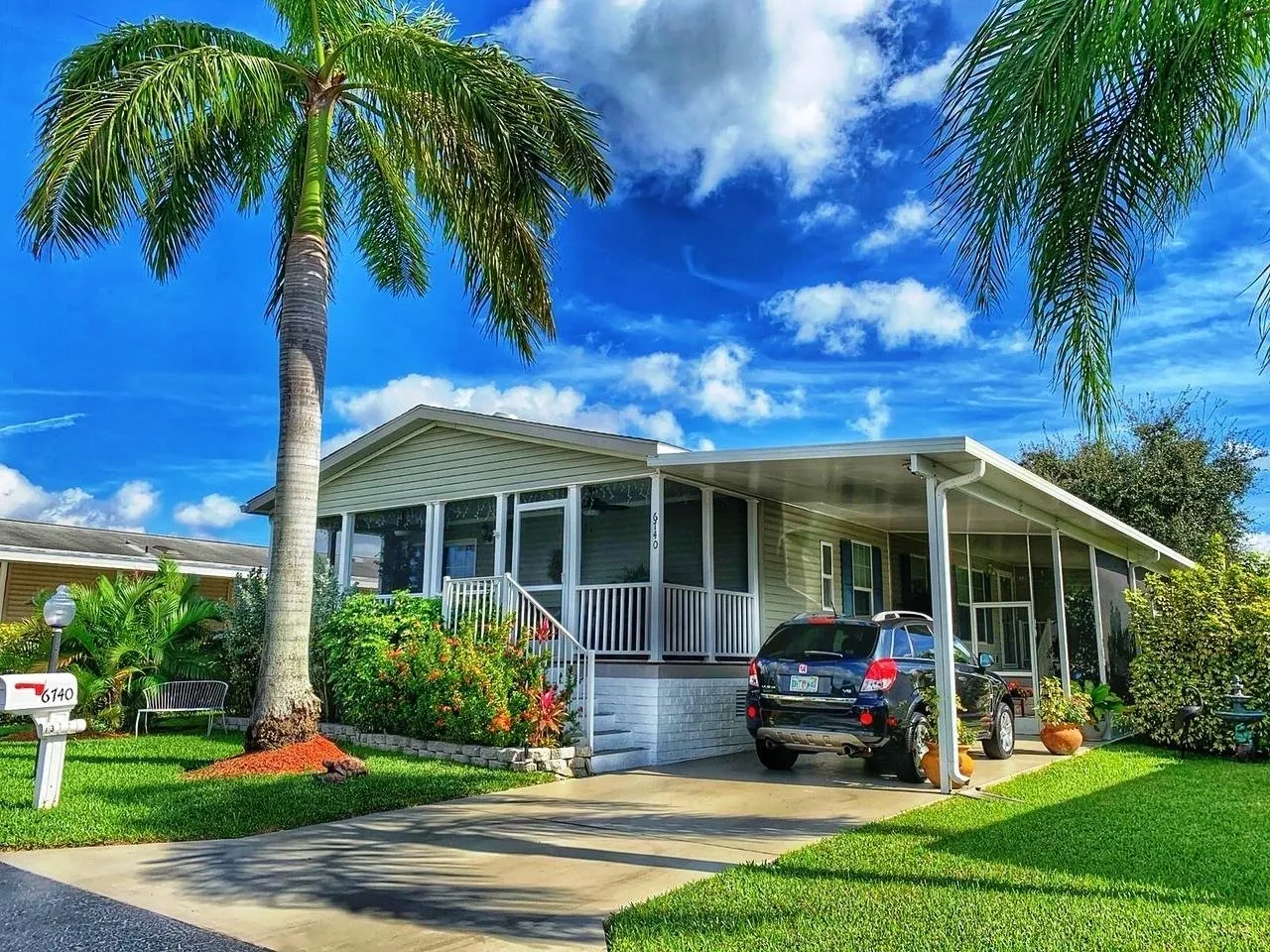
    Mobile Home in Florida
    Mobile Home in Florida

    “You need to get approved by the park before buying a mobile home!”

    How familiar does this one-liner sound when you are looking at buying a mobile home within a mobile home park in Sarasota Florida?

    Pretty familiar, right?

    As licensed mobile home brokers within the state of Florida we, here at The Mobile Home Dealer, require that each Buyer become park-approved prior to the sale and closing of any mobile home. As such, we are very familiar with how the park approval process works and how important it is for the applicant to fill out and provide the park office with all the information that is required of them in a timely fashion.

    Mobile home parks within the Sarasota Florida area require each Buyer to be park-approved prior to closing on and moving into their mobile home.

    While each park has its unique standards and requirements for what an applicant must provide to get the park approved the consistent theme is that each Buyer must go through this process so that they can move into the community.

    By having a park approval process in place it assures each current resident that the new Buyer of the mobile home in their park is held to the same standards as the previous person who has moved in which creates a uniform expectation for all residents in the mobile home park.

    We at, The Mobile Home Dealer, have heard this same complaint dozens of times this year and wanted to address why this may be the situation you are encountering.

    As licensed mobile home brokers with the state of Florida, we are required to have all Buyers of a mobile home get approved by the park prior to closing on a mobile home.

    The reason for this is required is because if we sell a mobile home to someone who is not park approved and, after moving into their new Sarasota mobile home, they are denied by the park then now that Buyer owns a home that they are unable to live in.

    As you can imagine, this would create a major issue as all sales are final and there are no refunds of any kind!

    Oftentimes the park approval process will take only a few days to complete if that long.

    However, there are instances where the park approval process will take quite a bit longer and wind up stressing both the Buyer and Seller out due to the length of time it is taking to get the Buyer approved by the park manager.

    What we have found is one of the main reasons for this is that the Buyer does not send in all of the information needed by the park in order to complete the approval process.

    Most mobile home parks will provide the Buyer with a list of documents that need to be completed and put on file so that the approval will able to take place.

    mobile home park approval

    If the park that you are applying to does not provide you with a written document with all of the information they need make sure you ask for one as this will keep you, the Buyer, organized and knowing what is still needing to be provided to the park for your residency approval.

    We have seen many times where the park office will not communicate with the Buyer on what they are missing as they feel that is up to the resident who is seeking approval to continue following up so that their application is complete.

    Park managers and caretakers have other things on their hands and sometimes, the lack of attention from your side makes it more complicated. If your application is rejected because of the lack of proper documentation, fix it right away and don’t wait for the park manager to remind you because they simply do not do the follow-ups.

    While we don’t feel this is the best method of communication, it is one that we have seen and continue to see throughout the Sarasota Florida mobile home park industry.

    When looking to get approved by a park for residency make sure you get the park office all that they are asking for as quickly of a time as possible, making sure all documents are filled out entirely so that an additional delay is not assessed for your park approval to come through.

    The Mobile Home Dealer are licensed mobile home brokers in Sarasota Florida and the surrounding areas. We provide professional buy and/or sell assistance to our clients. If you have any questions, please get in touch with us by clicking this link. You may also visit our Facebook Page and send us a message

    This is Mark Kaiser with The Mobile Home Dealer and we help mobile home Buyers and Sellers get to a better place in life.

    See Also:

  • Buying More Than One Sarasota Mobile Home In The Same Park? Read This First!

    Buying a mobile home in the same park offers unique advantages and considerations. Firstly, it provides familiarity with the community, amenities, and neighbors. Secondly, it often streamlines the purchasing process, as the park management may facilitate the sale and transfer of ownership. Additionally, purchasing within the same park can offer continuity regarding maintenance standards and park regulations. However, buyers should still conduct thorough inspections and research to ensure the mobile home meets their needs and is in good condition. Overall, buying within the same park can offer convenience and a sense of belonging while still requiring careful attention to detail.

    Florida’s warm climate, beautiful white beaches, and the lack of state income taxes made the state a preferred choice for movers and mobile home dwellers. 

    Florida is second only to Texas in terms of the total number of mobile homes. Still, its relatively high standard and lower cost of living are attracting more movers from across the US.

    Because mobile homes are becoming increasingly popular in Florida places like Sarasota, many people buy multiple homes in the same park. If you are planning to do the same, this article will tell you exactly what you should know before owning multiple mobile homes in the same mobile home park in Sarasota.

    Many times, we at The Mobile Home Dealer have several people come to us monthly looking to purchase more than one mobile home within the same mobile home park throughout the Sarasota area.

    This could be because the Buyers are investors looking to fix up and rent or flip these additional mobile homes.

    deals on mobile homes in FloridThis is not always the case, as many times, other Buyers are looking to purchase a second mobile home within the same community for various reasons.

    Just last week, we sold a mobile home to an out-of-state Buyer whose husband was looking for a “project home” to work on after moving into their current home. This Buyer was a carpenter by trade and, after retiring recently, was not ready to quit working. He felt working on a project down the street from his home would help keep his physical and mental skills sharp.

    They planned to live in one home and take their time fixing up the other one. Once this project home was finished, they said they would want us to sell it for them, use the proceeds to purchase another mobile home in the same community, and repeat the process.

    Sounds easy enough, right?

    Unfortunately, not so fast.

    Each mobile home park in the greater Sarasota area has a park prospectus, which essentially consists of the park’s rules and regulations.

    This document will state when the trash is picked up, if a home can be moved from the park, what the rules are for animals, and how many homes one can own within the same park.

    Any would-be resident or sales agent needs to inquire about this document and make sure it is fully read and understood before looking to work or live within the park, as often, the questions or concerns you will eventually encounter will be answered in this document.

    Most parks throughout the Sarasota area have a limit on how many homes a resident can own at one time.

    The park owner sets this limit because he does not want to give too much authority to any single resident.

    To explain this, allow us to review a basic example below:

    For this example, let’s assume there are 100 total homes in the park, and within this park, there are no vacant lots, so every home that can be in the park is physically there. One resident moves in and, over time, buys 20 homes in the park, including their own. This means that one person owns 20% of the entire park. Let’s further assume that lot rent increases yearly, and the year the 20 home-owning residents own these homes, it increases by $20. When the rent increase comes out, the resident who owns the 20 homes tells the park they will not pay the increase and will remove their 20 homes if the rent does not stay the same.

    If this were to happen and the resident was to move all of their homes, then the park would lose 20% of all of their lot rent payments each month, which would cripple the profitability of the park with the owner.

    This simple example shows that a park will cap the number of homes a single resident can own because the park owner does not want any resident to have too much controlling power over the future outcome of the park’s lot rent.

    When looking to buy a second, third, or even fourth mobile home within the park where you reside, make sure you understand the rules and regulations prior to doing so so that there will be no issue with your plans to purchase mobile homes.

    Owning multiple mobile homes in the same park can be profitable if you plan to flip them. Still, without knowing the responsibilities of being a mobile home owner, the laws and regulations of the park, and the things you can and can’t do, can result in a bigger loss.

    Managing multiple mobile homes needs bigger maintenance money, so be prepared to have a deeper pocket.

    Buying multiple mobile homes also requires a fair amount of time and money and a longer reselling time.

    If you plan to buy, repair, and resell a mobile home, the best advice we can give is to do it one or two at a time, depending on the park’s regulation on how many mobile homes an owner can have.

    If you’re looking for a warm climate and beautiful white beaches, you may want to consider buying a mobile home in Sarasota, Florida. The state’s lack of income taxes makes it a preferred choice for movers and mobile home dwellers. Sarasota also has several golf courses, parks, and other recreational activities.

    See Also:

  • Do Sarasota Mobile Home Buyers Need Seller Financing?

    How does seller financing work and is it a viable option when buying a mobile home here in Sarasota?

    As we have discussed in previous blogs, obtaining outside lending for a mobile home on leased land is very difficult to do.

    Many lending agencies have added additional requirements in order to lend. Some of these requirements are looking heavily at the age of the home, costly inspections that need to be completed, and further scrutiny done by the underwriters even after all this work is done.

    So, what do you do if you want to purchase a mobile home on leased land but do not have enough cash to make the purchase outright?

    In that case, you may want to think about the Seller financing the sale as an option.

    SELLER FINANCING: How it works in the sale of mobile homes.

    Seller financing is when the seller gives the buyer a mortgage, which can help both buyers and sellers.
    Seller financing can be a useful tool in a restricted credit market. This allows sellers to move their property faster and obtain a return on their considerable investment. In return, buyers can benefit from less strict requirements for initial qualification and payment, more flexible rates, and better loan terms in a house that could otherwise be out of reach.

    Sellers willing to assume the role of financial ones represent only a small fraction of all sellers – typically less than 10%. That is because the treatment is not exempt from legal, financial, and logistical obstacles. But by taking adequate precautions and with professional help, sellers can reduce inherent risks.

    The mechanics of financing by the seller.

    In the seller’s financing, this assumes the role of the lender. Instead of giving cash to the buyer, the seller gives the buyer enough credit for the purchase price of the mobile home (not counting the initial payment). The buyer and the seller sign a promissory note (which contains the loan conditions). They register a mortgage (or “trust writing” in some states) with the local public record authority. Then the buyer pays the loan over time, normally with interest.

    seller financing
    Palm Terrace mobile home

    These loans are usually in the short term, for example, amortized at 10 years but with a global payment that expires in five years. The theory is that, within a few years, the mobile home will have gained enough value or the financial situation of the buyers will have improved enough so that they can refinance with a traditional lender, or with cash.

    With seller financing, you essentially have the Seller act as the bank or lending agency.

    The Buyer will make an initial down payment to the Seller and then make monthly installment payments to them over a set period. Many Sellers are open to this as a selling option, as they understand that coming up with an all-cash payment for the full price of a home can often be difficult, especially now with everything that has been going on due to COVID-19.

    If a Seller agrees to hold the note on the home, then they will be the lien holder on the title. Their name will be shown on the title once you make the purchase and have the title transferred into your name. When the lien is finally paid off, then their name will be removed as the lien holder, as you will now own the home outright. This is what is referred to when people ask, “do you have a clear title?”

    Some Sellers will want to add interest on monthly installment payments, just like a bank, whereas others won’t.

    In our experience, we have never seen any Seller enforcing any type of penalty for an early payoff, so, there is no need to worry about that!

    If you default on the loan to the Seller, then they will have the ability to call their note due just like a bank. If the note is not paid in full, the Seller will take the property back over and resell it again.

    Tips to reduce the risk for the seller.

    Many sellers are reluctant to subscribe to a mortgage because they fear that the buyer does not meet their obligations (that is, do not pay loan payments). But the seller can take measures to reduce the risk of non -non-compliance. A good professional can help the seller to do the following:

    Require a loan application. The seller must insist that the buyer fill out a loan application form and must thoroughly verify all the information that the buyer provides there. This includes a credit verification and the investigation of employment history, assets, financial claims, references, and other information and background documentation.

    Allow the seller to approve the buyer’s finances. The written sales contract – which specifies the terms of the treatment together with the loan amount, the interest rate, and the term – must be conditioned to the approval of the buyer’s financial situation by the seller.

    The loan is guaranteed by the mobile home. The loan must be guaranteed by the property so that the seller (lender) can execute the mortgage if the buyer does not comply. The mobile home must be properly applied to confirm that its value is equal to or greater than the purchase price.

    Get an initial payment. Institutional lenders ask for advances to cushion the risk of losing investment. It also gives the buyer participation in the property and makes it less likely to go to the first sign of financial problems. Sellers should do the same and collect at least 10% of the purchase price. Otherwise, in a soft and fall market, mortgage execution could leave the seller with a house that cannot be sold to cover all costs.

    Although cash purchases are by far the preferred method of selling a mobile home, seller financing is very popular and we expect it to grow in popularity for sure over the next year.

    This is Mark Kaiser with the Mobile Home Dealer and we help mobile home buyers and sellers get to a better place in life!

    See Also:

  • Why a Mobile Home Park Could Be a Profitable Investment

    Welcome to the world of real estate investing, where opportunities come in many shapes and sizes. While houses and apartments may be the first properties that come to mind, there is another type of investment that often goes overlooked: mobile home parks. Yes, you read that right! Mobile home parks can actually be a profitable venture for savvy investors like yourself. In this blog post, we will explore why investing in a mobile home park could be a smart move for your financial portfolio. 

    Mobile home park in Sarasota
    Mobile home park

    You are Investing in Land

    When you invest in a mobile home park, you are not just buying a property – you are investing in land. And as any seasoned investor will tell you, land is one of the most valuable assets out there. Unlike traditional real estate investments where the focus is on buildings and structures, mobile home parks offer an opportunity to capitalize on the inherent value of the land itself.

    One of the key advantages of investing in land is its limited supply. Land cannot be replicated or manufactured; it’s a finite resource that will always have intrinsic value. This means that as the population grows and demand for housing increases, the value of your investment can appreciate significantly over time.

    Another benefit of investing in land is its versatility. Mobile home parks provide space for multiple units, offering the potential for both short-term and long-term rental income streams. Additionally, should market conditions change or new opportunities arise, you have the option to repurpose or develop the land further to maximize its potential returns.

    Furthermore, when it comes to managing a mobile home park investment, there are fewer maintenance issues compared to traditional residential properties. Since there are no permanent structures erected on site (aside from utility connections), maintenance costs and repairs are generally lower.

    Investing in land also provides some tax advantages compared to other types of real estate investments. Depending on your location and local regulations, owning a mobile home park may offer tax incentives such as depreciation deductions or favorable capital gains treatment.

    So if you’re looking for an investment opportunity that offers stability and growth potential while leveraging the power of owning valuable land – consider adding a mobile home park to your portfolio! It’s an unconventional yet potentially profitable avenue worth exploring.

    An Answer to the Affordability Crisis

    The rising cost of housing has become a major concern for many individuals and families across the country. As home prices continue to soar, finding affordable housing options is becoming increasingly difficult. This is where mobile home parks come into play, offering an answer to the affordability crisis.

    Mobile homes provide an affordable alternative to traditional houses or apartments. They are typically more budget-friendly and require lower upfront costs compared to other housing options. In fact, studies have shown that mobile homes can be up to 50% cheaper than conventional homes.

    Mobile home park living also offers residents the opportunity for financial flexibility. With lower monthly mortgage payments and utility bills, individuals can save money for other expenses or invest in their future endeavors.

    Additionally, mobile home parks often provide amenities such as community centers, playgrounds, and swimming pools that enhance the quality of life for residents. These shared spaces encourage social interaction among neighbors and create a strong sense of community.

    Furthermore, investing in a mobile home park can be financially rewarding. The demand for affordable housing is high and continues to grow year after year. By owning a mobile home park, you can generate consistent rental income while providing much-needed affordable housing options within your community.

    Mobile home parks offer an innovative solution to the affordability crisis by providing affordable housing options with flexible financing opportunities and communal amenities while also presenting profitable investment opportunities for savvy investors.

    Mobile Home Park Investment Tax Efficiency

    Investing in a mobile home park can offer significant tax advantages that make it an appealing investment option. One of the key benefits is the tax efficiency associated with owning and operating a mobile home park.

    As the owner of a mobile home park, you can take advantage of various deductions and write-offs. Expenses such as maintenance, repairs, management fees, and even property taxes can be deducted from your taxable income. This helps to reduce your overall tax liability and increase your net profit.

    Additionally, investing in a mobile home park allows you to benefit from depreciation allowances. The IRS considers mobile homes to have a limited lifespan (usually around 27.5 years), which means you can depreciate their value over time for tax purposes. This depreciation expense further reduces your taxable income while providing additional funds for reinvestment or other financial goals.

    Moreover, if you choose to sell your mobile home park after holding it for more than one year, you may qualify for long-term capital gains treatment. This means that any profit made on the sale will be taxed at a lower rate compared to ordinary income tax rates.

    The tax efficiency offered by investing in a mobile home park is certainly worth considering when evaluating potential investment opportunities. Consult with a qualified accountant or tax advisor who specializes in real estate investments to fully understand how these benefits may apply to your specific situation and maximize your returns through smart taxation strategies.

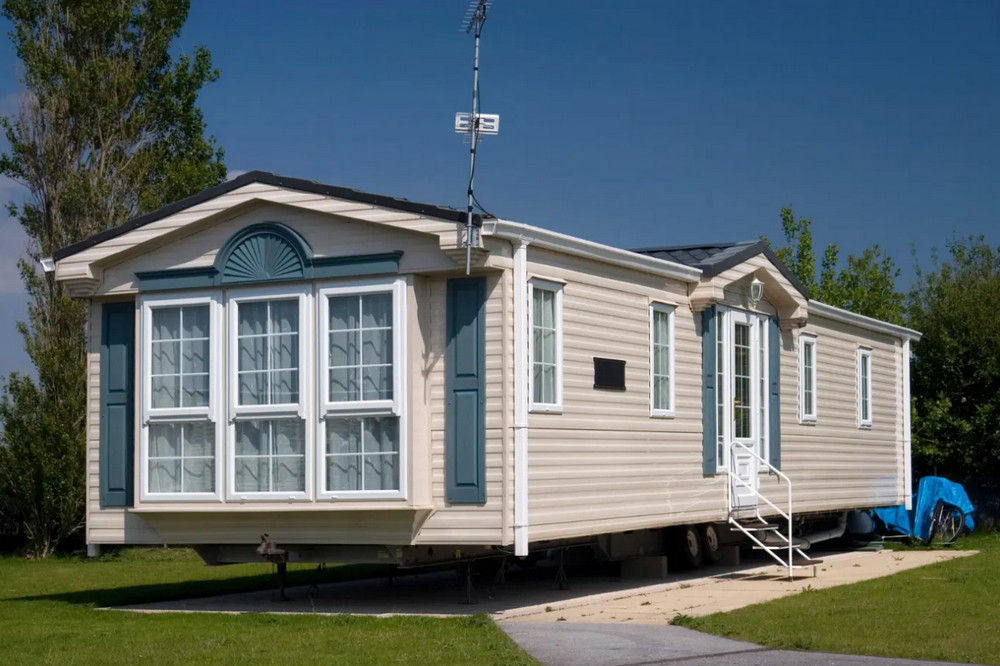
    Mobile Home Park, also called “Trailer Park” in Florida
    Mobile Home Park, also called “Trailer Park” in Florida

    Low Risk 

    When it comes to investing, risk is always a factor that needs to be carefully considered. One of the reasons why investing in a mobile home park can be so attractive is because it offers low risk compared to other real estate investments.

    One key aspect contributing to this low risk is the fact that no permanent structure is erected on the land. Unlike traditional housing where there are buildings and homes that require constant maintenance and repairs, mobile homes can easily be moved if necessary. This means that there’s less likelihood of expensive damage or structural issues.

    Additionally, since mobile homes are not permanently affixed to the ground, they don’t have the same vulnerability as traditional houses when it comes to natural disasters such as earthquakes or hurricanes. This provides investors with an added layer of security knowing their investment won’t be severely impacted by unforeseen events.

    Another advantage of investing in a mobile home park is that demand for affordable housing continues to rise across the country. With rising costs of living and stagnant wages, many people are turning towards mobile homes as an affordable alternative. As long as there are individuals looking for cost-effective housing options, there will always be demand for mobile home parks.

    High Demand 

    Mobile homes have become increasingly popular in recent years due to their affordability and flexibility. As a result, there is a high demand for mobile home parks all across the country. People from various backgrounds and income levels are choosing to invest in these affordable housing options.

    The appeal of mobile homes lies in their ability to provide comfortable living spaces at a fraction of the cost compared to traditional houses or apartments. With rising housing prices and limited rental options, many individuals and families see mobile homes as an attractive alternative.

    Furthermore, people are no longer confined by location when considering homeownership. Mobile homes allow individuals to live wherever they choose, whether it’s on private land or within existing mobile home parks. This freedom gives potential investors a wide range of opportunities when it comes to finding profitable locations.

    In addition, many retirees are opting for downsizing into smaller and more manageable living spaces such as mobile homes. With retirement savings often being limited, this demographic finds that investing in a mobile home provides them with financial security while still maintaining independence.

    The high demand for mobile homes demonstrates the growing interest in affordable housing solutions that offer both flexibility and comfort. As an investor looking into the market potential of buying or developing a mobile home park, understanding this demand can greatly contribute to your success in this profitable sector.

    How to Find Mobile Home Parks to Invest In

    When it comes to finding mobile home parks to invest in, there are a few key strategies that can help you identify the best opportunities. 

    1. The first step is to do your research and familiarize yourself with the market. Look for areas where demand for affordable housing is high, such as growing cities or regions with limited rental options.
    2. Another important factor to consider is the condition of the park itself. Look for well-maintained properties that have the potential for growth and improvement. This could include amenities like community centers, playgrounds, or laundry facilities.
    3. Networking within the industry can also be invaluable when searching for investment opportunities. Attend trade shows or join online forums where you can connect with other investors and park owners. They may have insider knowledge about parks that are available or upcoming developments in the area.
    4. Don’t forget about working with real estate agents who specialize in mobile home parks. They often have access to listings that may not be publicly advertised.

    The Bottom Line

    Investing in a mobile home park can be a highly profitable venture for savvy investors. With the affordability crisis and increasing demand for affordable housing options, mobile home parks present a unique opportunity to generate significant returns. Not only are you investing in land, but you also benefit from tax efficiency, low risk, and high demand.

    By purchasing a mobile home park, you become the landlord of an entire community rather than just one unit. This provides stability and potential for long-term passive income. Additionally, since no permanent structures are erected on the land, there is minimal risk of damage or depreciation.

    Investing in a mobile home park can provide numerous benefits ranging from steady cash flow to favorable tax treatment. It offers potential investors an opportunity to contribute positively towards addressing the affordability crisis while earning attractive returns on their investment.

    See Also:

  • 10 Tips for Choosing the Right Mobile Home Park for You

    Mobile home communities offer a unique blend of affordability, community living, and diverse amenities, making them an appealing option for those considering downsizing, vacation homes, or retirement. However, with numerous options available, the task of choosing the right community can be overwhelming. To help you navigate this decision, here are 10 essential tips to consider when selecting the perfect mobile home park for you.

    1. Determine Your Budget

    Before embarking on your search, establish a clear budget that goes beyond the mobile home’s cost. Factor in monthly community fees, utilities, homeowners association (HOA) fees, and potential renovation expenses. A well-defined budget will narrow down your options and prevent financial strain.

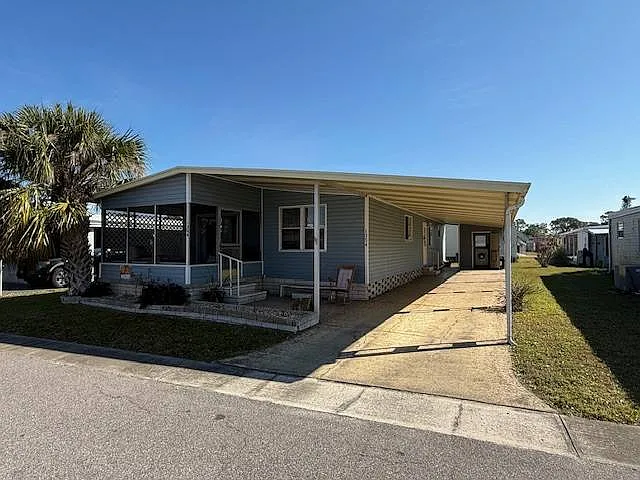
    Mobile Home Park, also called “Trailer Park” in Florida
    Mobile Home Park, also called “Trailer Park” in Florida

    2. Location, Location, Location

    As in traditional real estate, location is crucial. Consider the community’s proximity to essential amenities such as grocery stores, medical facilities, and entertainment centers. For retirees, proximity to family and local attractions becomes even more critical. Assess your preferences and needs before settling on a location.

    3. Amenities and Facilities

    Different communities offer varying amenities. Make a list of your must-haves and nice-to-haves, whether it’s swimming pools, tennis courts, fitness centers, or fishing lakes. Understanding your priorities will help you find a community that aligns with your lifestyle and interests.

    4. Community Culture

    Each mobile home community has its own unique culture. Some cater to young families, others to retirees, and some are designed for vacationers. Visit communities, attend events if possible, and speak with residents to gauge the atmosphere. Choose a community that aligns with your values and lifestyle.

    5. Rules and Regulations

    Mobile home communities typically have specific rules, covering everything from pet policies to home maintenance standards. Ensure these rules align with your preferences to avoid future conflicts. Understanding and accepting community guidelines is crucial for a harmonious living experience.

    6. Safety and Security

    Prioritize your safety by researching the safety records of potential communities. Some may offer additional security features like gated entrances or regular patrols. A secure environment contributes significantly to your peace of mind and overall satisfaction.

    7. Future Expansion or Development

    Investigate any future plans for the community. Whether it involves expanding boundaries, adding amenities, or nearby construction projects, understanding the future trajectory of the community will help you make an informed decision about your long-term living experience.

    8. Testimonials and Reviews

    While not the sole factor, online reviews can provide valuable insights into a community’s pros and cons. Read reviews with discernment, looking for consistent themes rather than isolated opinions. Community testimonials offer firsthand experiences that can guide your decision-making process.

    9. Resale Value

    Even if you plan on a long-term stay, considering the potential resale value of your mobile home is wise. Some communities, due to their location, reputation, and management, may offer better appreciation over time, providing you with a sound investment.

    10. Management and Maintenance

    A well-managed community ensures cleanliness, proper functioning of facilities, and prompt addressing of residents’ concerns. Research the community’s management team, their reputation, and responsiveness to gauge the overall efficiency and satisfaction within the community.

    Choosing the right mobile home community requires a thoughtful and comprehensive approach. Take the time to visit multiple communities, ask questions, and carefully weigh the pros and cons. Remember, it’s not just about finding a place to live; it’s about discovering a community to call home. By following these tips, you’ll be well-equipped to make an informed decision that aligns with your lifestyle and preferences.


    See Also:

  • Is Buying a Mobile Home Park a Good Investment?

    Investing in a mobile home park can prove to be a compelling and potentially lucrative venture. Mobile home parks offer unique advantages that position them as an appealing investment option. Firstly, they provide a steady and predictable stream of rental income, stemming from tenants who lease the spaces for their mobile homes. This consistent cash flow can contribute to financial stability and returns on investment.

    Furthermore, the demand for affordable housing is on the rise, making mobile home parks a valuable solution for individuals seeking budget-friendly accommodations. The relatively lower upfront acquisition costs of mobile home parks compared to traditional real estate properties, such as single-family homes or apartment buildings, make them accessible to a broader range of investors.

    Mobile Homes Like this can Secure a 21st Mortgage Financing
    Mobile Homes Like this can Secure a 21st Mortgage Financing

    The economics of scale play in favor of mobile home parks. These parks often encompass multiple rental units, translating to operational efficiencies and cost savings in management and maintenance. Additionally, by enhancing the park’s infrastructure, management practices, and amenities, investors have the potential to increase the property’s value over time, thereby elevating potential returns.

    With a well-structured property management strategy, investing in mobile home parks can lead to passive income. By effectively overseeing operations, investors can create a steady revenue stream without the intense hands-on involvement required by some other investments. Diversification benefits further solidify the appeal of mobile home park investments, as they can complement existing real estate portfolios.

    Why a Buying a Mobile Home Park is a Good Investment?

    Buying a mobile home park can be a good investment under the right circumstances. It offers unique advantages that can make it a lucrative option for investors. Here are some reasons why buying a mobile home park can be a good investment:

    1. Steady Cash Flow: Mobile home parks provide a consistent and predictable source of rental income. Tenants pay lot of rent for the spaces where they park their mobile homes. This steady cash flow can help cover expenses, and debt service, and provide a return on investment.

    2. Affordable Housing Demand: There is a growing demand for affordable housing options, and mobile home parks cater to this demand. Mobile homes offer a cost-effective housing solution for individuals and families seeking budget-friendly accommodations.

    3. Lower Acquisition Costs: Compared to purchasing single-family homes or apartment buildings, buying a mobile home park can have a lower upfront acquisition cost. This can make it more accessible for investors with limited capital.

    4. Economies of Scale: A mobile home park typically includes multiple rental units (lots), which means that economies of scale can come into play. Managing and maintaining multiple units can be more efficient and cost-effective compared to individual properties.

    5. Control over Expenses: As the owner of the park, you have some control over operating expenses. By implementing effective management practices, negotiating utility contracts, and streamlining operations, you can control costs and enhance profitability.

    6. Potential for Value Creation: By improving the park’s infrastructure, amenities, management, and appearance, you can increase its value over time. This potential for value appreciation can lead to higher returns on your investment.

    7. Long-Term Stability: Mobile home parks have a history of long-term stability. The demand for affordable housing remains consistent, which can provide a reliable income stream even during economic downturns.

    8. Diversification: Investing in a mobile home park can offer diversification within your real estate portfolio. It’s a different asset class compared to single-family homes or multifamily properties, helping spread risk.

    9. Potential for Passive Income: With effective property management or hiring a professional management company, you can create a source of passive income. While oversight is necessary, you may not need to be as hands-on as with other investments.

    10. Limited New Supply: In many areas, there is limited new development of mobile home parks due to zoning restrictions and land availability. This can lead to reduced competition and a stable supply of rental spaces.

    Bay Indies Mobile Home Park
    Bay Indies Mobile Home Park

    Mobile Homes Are Answer to the Affordability Crisis

    Yes, mobile homes can be seen as an answer to the affordability crisis in housing, especially in regions where housing costs have become increasingly prohibitive for many individuals and families. Here’s why mobile homes can help address affordability challenges:

    1. Lower Purchase Price: Mobile homes typically have a lower upfront purchase price compared to traditional site-built homes. This lower cost makes homeownership more accessible to individuals and families with limited budgets.

    2. Reduced Construction Costs: Mobile homes are built in controlled factory environments, which can lead to cost savings due to standardized construction processes, bulk material purchasing, and efficient labor utilization.

    3. Affordable Housing Option: Mobile homes offer an affordable housing solution, especially for those who may not qualify for traditional mortgage loans or who are seeking more budget-friendly alternatives.

    4. Lower Maintenance Costs: Mobile homes are often designed with simplified systems and materials that require less maintenance compared to larger, site-built homes. This can help residents save on ongoing maintenance expenses.

    5. Energy Efficiency: Modern mobile homes can be equipped with energy-efficient features such as insulation, efficient heating and cooling systems, and energy-saving appliances. This leads to lower utility bills for residents.

    6. Quick Construction Time: Mobile homes can be built and delivered more quickly than traditional homes, reducing construction-related expenses and wait times for housing.

    7. Flexibility and Customization: Manufactured and modular homes offer customization options, allowing residents to choose from different floor plans, features, and finishes to fit their preferences and budget.

    8. Affordable Renting: For those who choose to rent a mobile home space, the rental rates are often more affordable than traditional apartment rents, providing an affordable housing option for renters as well.

    9. Diverse Communities: Mobile home communities offer diverse living environments that cater to a range of lifestyles and preferences. These communities can provide amenities and a sense of community for residents.

    10. Potential for Appreciation: While mobile homes may not appreciate in value at the same rate as traditional homes, with proper maintenance and improvements, they can still hold or increase their value over time.

    mobile home soft spots
    A mobile home in Sebring Florida

    The Bottom Line

    Buying a mobile home park presents an opportunity for investors to benefit from steady cash flow, affordability demand, economies of scale, value appreciation potential, passive income generation, and portfolio diversification. Careful consideration, informed decision-making, and a well-structured investment strategy are integral to harnessing the advantages that mobile home park investments offer.

    It’s important to note that while there are benefits to investing in a mobile home park, it’s not without challenges. Property management, tenant relations, regulatory compliance, and market conditions all play a significant role in the success of your investment. 

    Conduct thorough due diligence, research the market, and consider seeking advice from real estate professionals and financial advisors to determine if buying a mobile home park aligns with your investment goals and risk tolerance.

    See Also:

  • How Do You Build A Mobile Home Park From Scratch

    There is no doubt that more and more people are choosing to live a minimalist life driven by the increasing cost of the housing market. If you ever thought of buying land for housing development, a mobile home park can be a profitable way to go, and an easier option to start.

    A mobile home park can be a great investment not only because you are receiving monthly income through lot rents, but you are also not losing any part of your land.

    Running a mobile home park can be a lifetime business opportunity for you and your family’s future generations. If you are searching the web for details on how to start a mobile home park, continue reading as we put together this guide on how to build a mobile home park.

    As mentioned, mobile home parks are making a continuous income stream but starting from scratch can be costly and challenging.

    How Do You Build A Mobile Home Park From Scratch

    What Is A Mobile Home Park

    According to the Mobile Home Park Home Owners Allegiance, there are more than 45,600 mobile home parks in the US, and more than 5,500 of these are located in the state of Florida. The Financial Times reports that about 22 million Americans are living in mobile homes. This trend is largely due to rising housing prices.

    The average wage earner cannot afford a median-priced stick-built house. Even renters may spend a third of their income on housing alone leaving them without limited living options financially. Considering these facts, it is understandable why many Americans are looking to live in mobile homes. Mobile homeowners can simply rent the land where their mobile homes are set up. These lot rents are always significantly lower than renting a traditional apartment building or single-family house.

    A mobile home park is a place where mobile homes are set up. While most mobile home parks are privately owned by either single owners or corporations, some parks are owned by their residents. These parks are called Resident Owned Mobile Home Parks where residents own shares of stocks of the park and not the land where their mobile homes are set up.

    A mobile home park can also be leased land or owned land. In a lease land mobile home park, the park is privately owned and the homeowners are paying monthly lot rentals. In an owned land mobile home park, mobile homeowners own a piece of the park while paying a very small amount on utilities, park maintenance, and upkeep.

    12 Necessary Steps To Start A Mobile Home Park

    1. Choose the Name for Your Mobile Home Park

    Choosing a business name is the number one challenge many business owners have to deal with when starting a business. Although it may sound simple, the fact is, it’s not. You have to check everything to make sure your mobile home park’s name is unique or you may run into trouble with plagiarism and trademark issues later on.

    Make sure your chosen name is available. Check all trademark and business registration databases in your state and in the country. Also, check if the business name’s domain is available. If you choose a longer name, you can be more creative with the domain.

    Make the name simple and easy to remember. The best mobile home parks’ names are those that are short, unique, and easy to remember.

    Consider the marketing aspect. Make sure your selected domain is easy to advertise or can be branded.

    2. Create a Mobile Home Park Business Plan

    Starting a business of any kind requires a solid business plan. Your business plan should reflect how you fully understand the housing market and your business strategy. Your business plan should focus on the following:

    • Location plan of the mobile home park and its surrounding areas.
    • An executive summary that summarizes your entire business plan with key details.
    • Company overview that tells the reader about the history and origin of your mobile home park, and what type of park (leased-land or residents owned, RV park, campground, or a mobile home resort). Some popular mobile home park types you may choose from include 
    1. Land-Lease Communities
    2. Resident-Owned Communities
    3. Mobile Home Park Chains
    4. Investors as Owners
    5. Budget Communities
    6. Family-Focused Communities
    7. Retirement/55+ Communities
    8. Luxury Communities
    9. Specialty Communities
    • An Industry analysis that documents information about the market size, competition, and future possibilities like market trends.
    • A marketing plan that determines your product, price, promotions, and advertising plans.
    • Operation plans that detail your process of running the park on a day-to-day basis, including park maintenance and amenities.
    • A management plan that details the background and experience of your park’s management team. If you are planning to run the park by yourself as the manager, you still need to plan.
    • A financial plan is very important. How much money do you need as capital? How many employees are you going to hire and how much are you going to pay them? What is your projected collection each month, each year, and in the next two to three years? What is the source of your money? Do you need to raise funds or do you have enough savings to finance this business?
    mobile-home-park-2
    Mobile homes

    3. Create the Legal Structure of Your Mobile Home Park

    Choosing a legal structure includes registering the name of your mobile home park with the Secretary of State where your planned mobile home park is located. Choose between the following legal structures:

    1. Sole proprietorship – if you are the sole owner
    2. Partnerships – if you have one, two, or more business partners
    3. Limited Liability Company (LLC). An LLC is very popular among small business owners. This means that when something wrong happens with the business in the future, as the owner, you have limited liability. If the company goes bankrupt, your finances as the owner will not be affected.
    4. S Corporation. Similar to LLC but with a different taxation system. Owners can pass their business income through their personal income tax returns to avoid double taxation.

    4. Secure Your Startup Funding (if needed)

    If you have enough savings and want to use the money, then go for it. But if you want to raise funds through loans, crowdfunding, families, friends, and even angel investors, you may consider giving some of them equity.

    5. Register Your Mobile Home Park with The IRS

    Registering with the IRS is only needed if you need to hire employees as you will be provided with an Employer Identification Number (EIN). If you are a sole proprietor and plan to run the park by yourself you use your social security number to pay your taxes.

    6. You Need a Business Bank Account

    Your mobile home park’s revenue must be deposited to its bank account and not your personal savings account.

    7. Get a Business Credit Card and Business Cards

    Similar to its bank account, your mobile home park must also have its credit card.

    Although everyone has a phone and business cards may sound obsolete to some people, business cards are still very important. 

    8. Secure the Required Business Permits and Licenses

    These documents vary from state to state and city to city. Ask your local government for the specific requirements and documents needed. You may also need a zoning permit, a special use permit, and a manufactured home installation permit.

    9. Get Business Insurance for Your Mobile Home Park

    The type of business insurance you may need for your mobile home park may depend on your scope of business operations. You may consider taking a look at some of the most common business insurance policies:

    1. General liability insurance – covers all accidents inside your mobile home park.
    2. Workers’ compensation insurance – covers you and your employee’s accidents.
    3. Commercial property insurance – covers property damage caused by natural disasters, theft, or vandalism.
    4. Business interruption insurance – covers lost business income due to unforeseen reasons.
    5. Professional liability insurance – protects your mobile home park business against claims of professional negligence

    10. Buy or Lease Mobile Home Park Tools and Equipment

    A successful mobile home park operation needs reliable equipment. These pieces of equipment may include but are not limited to

    • Lawnmower or tractor for mowing and landscaping
    • Chainsaws for cutting and trimming tree branches (if there are trees inside the park)
    • A dump truck or garbage truck for trash collection
    • Pressure washer for exterior cleanup
    • Bolt cutters for tenants abandoning things that are padlocked
    • Shovel for dozens of reasons
    • Ladder for retrieving something from the roof or clearing tree branches that are out of reach
    • Golf cart for fast and easy access around the mobile home park

    11. Develop Your Marketing Materials

    Marketing for any business is the most important part of the startup. For a mobile home park business, these are essentials in attracting mobile homeowners.

    • Logo. Creating a logo is as challenging as choosing a business name. You can hire some freelancers at Freelancer.com to create several logos for you to choose from. You can open an auction project there to lower the cost and pay only for the logos that you like.
    • Website. In today’s high-tech environment, a new business without a website will always be left behind the competition. Your website must include all the details mobile homeowners want to know like the lists of amenities and features of the park, lot rent cost and what services are associated with it, park policies, and manager with contact details. Having professional photographs as drone shots could also help attract more mobile home buyers.
    • Social Media Accounts. People use social media to find almost everything and social media is extremely important in marketing your mobile home park. It is also easier to post on social media than on your business’s official website. Sometimes, a post can go viral and can attract more buyers. Your social media accounts may include Facebook, Instagram, YouTube, and LinkedIn. Videos on YouTube tend to be more effective in promoting a business like a mobile home park as people always want to see beautiful landscapes.

    12. Open Your Mobile Home Park for Business

    If you followed the above steps, you should now be ready to open your mobile home park business. During the first few months of running your business, you must focus heavily on social media marketing.

    Some Things To Consider When Planning To Start A Mobile Home Park

    Although mobile home parks are widely profitable, it also carries some risk. Mobile home park investments are still seen as riskier than traditional real estate developments. Here are some things you might consider when planning to start a mobile home park business.

    1. You May Struggle to Get Traditional Funding

    Although banks are fast to lend money to real estate developers, this can be difficult if you apply for a loan for your mobile home park business. There are other ways, however, to finance your business like seller financing, investment funds, or hard cash but these are riskier than bank loans. You must exercise caution when looking to finance your mobile home park business.

    1. The Amount Of Work Needed

    Developing land requires lots of work especially if you hire inexperienced workers. Running a park is easy but building one from scratch is a whole different level. You must analyze everything and put it on your business plan.  

    Final Words

    Building a mobile home park from scratch is not too hard because it has a relatively low barrier to entry. All you need is some land, zoning approval, and experienced landscape people. Opening a mobile home park is more straightforward than opening a real estate subdivision. The most significant hurdle is the price of the land and planning.

    You don’t have to be a real estate expert to start a mobile home park. With proper research, planning, and market analysis, you can start a mobile home park even without experience as long as the needed financial capabilities.

    Having said that, running a mobile home park business is highly profitable but careful and intrinsic planning is needed before letting your hard-earned money go.

  • Seller Financing: Are You Able To Get Financing When Buying A Sarasota Mobile Home?

    Seller Financing: Are You Able To Get Financing When Buying A Sarasota Mobile Home?

    Is seller financing a viable way to buy a mobile home in Sarasota or should one look to seek financing from their local bank or credit union?

    Most mobile homes that we sell here at The Mobile Home Dealer are sold for cash, without financing, directly from the Seller of the home to the new Buyer.

    We fully realize this is not possible for everyone to buy in cash as this can get expensive fast. The question then begs to be asked, can mobile homes on leased land be loaned through traditional financing measures?

    As discussed in the past, mobile homes that are physically located on leased land, are classified in the State of Florida as personal property which is the same way a car is sold.

    Traditional loans that can usually be used for financing a vehicle are not available for mobile home purchases. Traditional mortgages that can be used for stick and brick homes are not available to be obtained for mobile homes either on leased land because, again, mobile homes on leased land are viewed as personal property.

    So then where does one come up with financing for a mobile home on leased land if they need it?

    This is where seller financing comes into play for those needing a financing option on mobile homes that are on leased land.

    Seller financing is a financing option where the Buyer pays a Seller directly a down payment for the home and then negotiates a monthly payment to be made each month that will count towards the remaining balance of the home loan. In this arrangement, it is up to the Buyer and the Seller on whether or not interest will be charged on the loan that is being serviced by the seller themselves.

    When seller financing occurs, the Seller will be put on the title as a lien holder and the Buyer will have the Seller’s name on the title until the note is paid in full and the seller reports this to the Department of Motor Vehicles.

    Once the loan has been satisfied and the Department of Motor Vehicles has been notified, the Buyer will then need to go down to the DMV to apply for a new title with their name as the sole owner of the property. This will remove the Seller from the title as a lien holder.

    Having said that, although seller financing may sound like a good option for buyers who don’t have any choices, there are also pros and cons one must know before finalizing the deal.

    Are You Able To Get Financing When Buying A Sarasota Mobile Home

    Disclaimer: The Mobile Home Dealer is not a financial institution or authorized to give any legal financial advice. This information is purely based on our experience and may be useful for people who are buying and selling mobile homes.

    Seller or owner financing can be a good option for buyers who don’t qualify or can’t find the right mobile home mortgage. For sellers, owner financing provides a faster way to close the sale because the buyer can skip the lengthy mortgage process. Another advantage for the seller is that they may be able to sell the home as-is without spending on maintenance which allows them to pocket more money from the sale.

    The pros and cons of seller financing that both the seller and the buyer need to understand:

    Pros for Buyers

    Faster closing. No processing and waiting for the bank’s loan officer.
    Flexible downpayment. No government or bank-required minimums.
    Alternative for buyers who can’t get bank financing. A better option for buyers who can’t secure a mortgage.

    Cons for Buyers

    Higher interest than the bank. Depending on how you negotiate with the seller, the interest can be higher than the bank.
    Due-on-sale clause. If the mobile home is mortgaged, the bank of the lender can demand immediate payment from the owner/seller. To avoid this problem, make sure that the mobile home is not a mortgage and that the seller doesn’t owe anything from the lender involving the mobile home. Also, make sure that the mobile home is not used as collateral.
    Balloon payments: With many owner-financing arrangements, a large balloon payment becomes due after five or 10 years. If you can’t secure financing by then, you could lose all the money you’ve paid so far—plus the house.

    Pros for the Sellers

    Can sell “as-is”. The seller can sell the mobile home right away without spending on repairs.
    Good investment. Potential to earn better rates than investing your money somewhere else.
    Lump-sum option: The promissory note can be sold to an investor, providing a lump-sum payment right away.
    Retain title: If the buyer defaults, then you keep the down payment, any money that was paid—and the house.
    Sell faster: Potential to sell and close faster since buyers avoid the mortgage process.

    Cons for the Seller

    Dodd-Frank Act: Under the Dodd-Frank Wall Street Reform and Consumer Protection Act, new rules were applied to owner financing. Balloon payments may not be an option, and you might need to involve a mortgage loan originator, depending on the number of properties that the seller finances under owner-financing deals each year.
    Buyer Default: The buyer could stop making payments at any time. If this happens and they don’t just walk away, then you could end up going through the foreclosure process.
    Repair cost: If you do take back the property (for whatever reason), then you might end up having to pay for repairs and maintenance, depending on how well the buyer took care of the property.

    Seller financing has been around for years, and we do not see it going away anytime soon as it is usually the only surefire way to obtain financing for a mobile home on leased land.

    Even though it is a mainstay in the mobile home industry many Sellers still prefer the idea of an all-cash purchase as opposed to holding the note for the Seller.

    However, if the amount of cash the Seller is asking for the home is not affordable to you at the time, then certainly ask if the Seller will accept an owner financing option.

    If the Seller is motivated enough to sell, they certainly might consider that a viable selling option to provide seller financing!

    This is Mark Kaiser with The Mobile Home Dealer and we help mobile home buyers and sellers get to a better place in life.


    See Also:


Reset password

Enter your email address and we will send you a link to change your password.

Get started with your account

to save your favourite homes and more

Sign up with email

Get started with your account

to save your favourite homes and more

By clicking the «SIGN UP» button you agree to the Terms of Use and Privacy Policy
Powered by Estatik