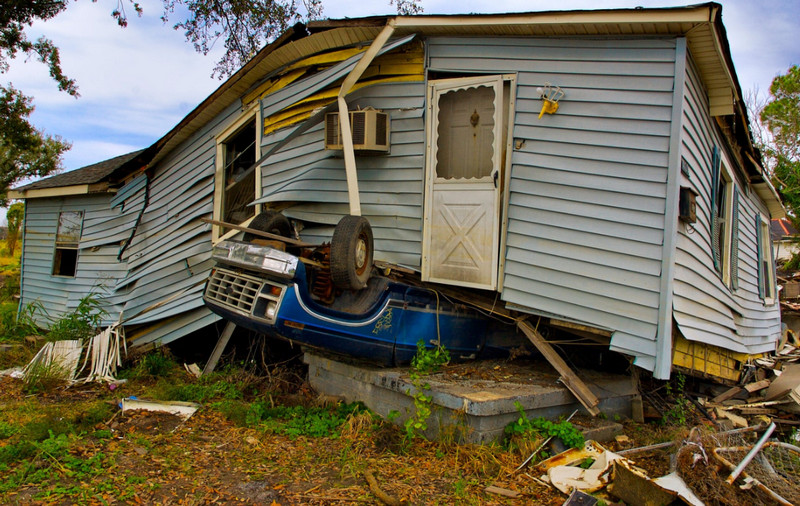
Tag: How much wind can an older mobile home withstand

  • Is It Safe to Own a Mobile Home in Florida’s Hurricane Zone?

    Owning a mobile home in a hurricane zone can feel uncertain, especially in Florida. Hurricanes hit the state frequently, bringing strong winds and heavy rain. Mobile homes are often seen as vulnerable structures in these situations. However, with proper preparation and awareness, many people live safely in mobile homes within these areas. Let’s discuss the risks, safety measures, and options for owning a mobile home in Florida’s hurricane-prone zones.

    Understanding the Risks of Hurricane Zones

    Florida’s hurricane season spans from June to November. During this time, storms with high winds can cause severe damage. Mobile homes, built lighter than traditional homes, are more susceptible to these forces.

    Some common risks include:

    • High winds: Mobile homes can be damaged or moved by winds exceeding their design capacity.
    • Flooding: Low-lying areas often flood, and mobile home foundations are vulnerable.
    • Flying debris: Loose objects become projectiles that can damage windows or walls.

    Knowing these risks allows owners to prepare more effectively. Preparation can greatly reduce the dangers of living in these zones.

    mobile home in hurricane zone

    Are Modern Mobile Homes Safer?

    Mobile home safety has improved thanks to building regulations. Homes built after 1994 must comply with stricter standards, especially in high-wind areas. These homes are better designed to handle hurricane conditions.

    Key improvements in modern mobile homes include:

    • Reinforced frames and roofs
    • Improved anchoring systems to prevent shifting
    • Stronger doors and windows

    When buying a mobile home in a hurricane zone, ensure it meets these updated standards. A newer model often offers better protection than older ones.

    Tips for Staying Safe in a Mobile Home During Hurricanes

    Staying safe during a hurricane requires planning. Mobile homes alone aren’t always enough to keep you protected. Here’s how to increase your safety:

    1. Install hurricane straps: Secure the home to its foundation to prevent movement.
    2. Create a storm kit: Include water, food, batteries, and important documents.
    3. Stay informed: Monitor weather alerts and evacuation orders.
    4. Know evacuation routes: Leave immediately if authorities recommend evacuation.

    Being proactive can save lives. It’s better to overprepare than to face a storm unready.

    Are Some Locations Safer Than Others?

    Not all parts of Florida’s hurricane zones face the same risks. Coastal areas usually experience stronger winds and higher storm surges. Inland areas may be less prone to these extremes but still face heavy rain and wind.

    Factors to consider when choosing a location include:

    • Elevation: Higher ground reduces flood risk.
    • Proximity to water: Areas near the coast face greater storm surge.
    • Community shelters: Check if nearby shelters are equipped for emergencies.

    Choose your location carefully to minimize potential hazards.

    The Role of Insurance in Hurricane Zones

    Insurance plays a vital role in protecting mobile homeowners. Florida’s hurricane zone requires specialized policies to cover storm-related damage.

    Things to look for in insurance coverage:

    • Wind damage protection
    • Flood insurance (a separate policy from standard coverage)
    • Replacement costs for lost belongings

    Many companies offer discounts for homes with hurricane-resistant features. Ask about these options to save on premiums.

    Alternatives to Staying in a Mobile Home During Hurricanes

    Leaving your mobile home during a hurricane can be the safest choice. Shelters and hotels often provide more secure options.

    Some alternative arrangements include:

    • Community shelters: Many counties have shelters equipped for hurricane safety.
    • Staying with family or friends: Choose a sturdier home nearby if possible.
    • Booking hotels early: Availability decreases quickly during storms.

    Always prioritize safety over convenience when severe weather threatens.

    Can Mobile Home Communities Improve Safety?

    Some mobile home communities in Florida have invested in safety upgrades. These neighborhoods offer features like storm shelters and enhanced drainage systems.

    Benefits of living in such communities include:

    • Shared emergency resources
    • Organized evacuation plans
    • Reinforced structures for common areas

    If you’re considering owning a mobile home in a hurricane zone, research communities that prioritize safety. These neighborhoods can make living in such areas less stressful.

    Maintenance Tips for Hurricane Preparedness

    Proper maintenance reduces risks for mobile homes during hurricane season. A well-maintained home withstands extreme weather better than a neglected one.

    Important tasks include:

    • Inspecting the roof: Repair any weak spots or leaks.
    • Clearing debris: Remove loose objects that could become projectiles.
    • Testing anchor systems: Ensure the home remains secure.
    • Checking seals: Keep windows and doors watertight.

    Regular upkeep protects your home and gives you peace of mind.

    Why Do People Choose Mobile Homes in Hurricane Zones?

    Many people choose mobile homes in Florida’s hurricane zones despite the risks. Affordability is a major factor. Mobile homes cost significantly less than traditional homes, making them accessible for many families.

    Other reasons include:

    • Flexibility in location
    • Lower property taxes
    • Tight-knit communities

    While these benefits are appealing, they require balancing against the challenges of hurricane season.

    Final Thoughts on Owning a Mobile Home in Hurricane Zones

    Owning a mobile home in a hurricane zone requires careful consideration and preparation. Florida’s weather can be unpredictable, but modern mobile homes and safety measures offer improved protection. Stay informed, maintain your home, and have a plan for hurricane season. With the right precautions, mobile home living can be a safe and practical choice in Florida’s hurricane-prone areas.

    See Also:
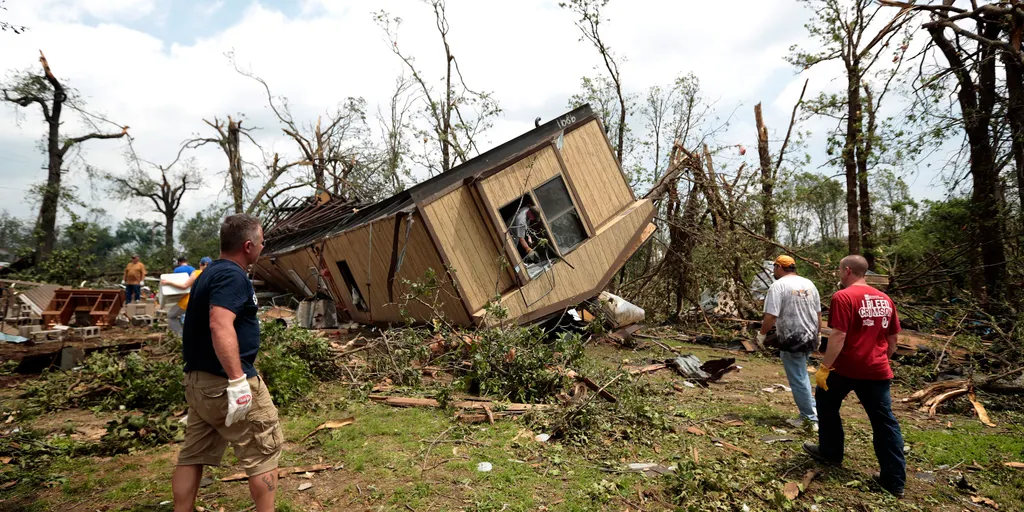
     

  • How Safe Are Mobile Homes in Florida During Hurricanes?

    Hurricanes are a constant concern for Florida residents, especially those in mobile homes. These storms bring powerful winds and heavy rains, posing risks to all types of structures. Mobile home safety during hurricanes depends on preparation, construction standards, and location.

    1. Understanding Hurricane Risks

    Hurricanes bring destructive winds that can reach speeds over 150 mph. These winds are hazardous for lightweight structures like mobile homes. Flying debris and flooding add to the risks during a hurricane.

    Due to its coastal geography, Florida faces regular hurricane threats. Mobile homes in exposed areas face greater danger from storm surges and wind gusts. Understanding these risks is key to improving safety measures.

    Mobile home safety during hurricanes

    2. Modern Mobile Home Standards

    Thanks to improved construction standards, modern mobile homes are safer than older models. In 1994, the U.S. Department of Housing and Urban Development (HUD) implemented stricter wind resistance requirements, which ensure new mobile homes can withstand stronger winds, especially in high-risk areas like Florida.

    Homes built after 1994 have reinforced walls, stronger roofs, and hurricane tie-down systems. These features improve safety compared to older mobile homes. Purchasing a newer mobile home increases protection during storms.

    3. Importance of Hurricane Tie-Downs

    Hurricane tie-downs secure mobile homes to the ground, reducing the risk of overturning during high winds. These systems use steel straps anchored deep into the ground. Properly installed tie-downs significantly improve mobile home stability.

    Regularly inspecting tie-down systems ensures they remain effective. Rust, loose straps, or damaged anchors weaken protection. Maintaining these systems is essential for safety during hurricanes.

    4. Location Matters

    Where a mobile home is significantly located impacts its safety during hurricanes. Homes near the coast face higher risks from storm surges. Inland areas are safer but still vulnerable to wind damage and flooding.

    Elevating a mobile home above flood levels provides additional protection. Communities with hurricane-ready infrastructure offer better safety measures. Choosing the right location reduces exposure to hurricane hazards.

    5. Evacuation Recommendations

    Evacuation orders are common for mobile home residents during hurricanes. Even with safety upgrades, mobile homes remain vulnerable to extreme weather. Evacuating to a designated shelter ensures safety when a storm approaches.

    Local authorities provide evacuation routes and shelter locations. Planning ahead makes evacuation smoother and less stressful, and following evacuation recommendations saves lives during severe storms.

    6. Preparing for a Hurricane

    Preparation increases mobile home safety during hurricanes. Secure loose outdoor items like furniture, grills, or tools to prevent them from becoming projectiles. Reinforce windows with storm shutters or plywood to protect against flying debris.

    Store emergency supplies, including water, non-perishable food, and first aid kits. Monitor weather updates and follow local advisories closely. A well-prepared mobile home is less likely to suffer severe damage.

    7. Mobile Home Age and Vulnerability

    Older mobile homes are more vulnerable to hurricane damage due to outdated construction. Homes built before 1994 often lack the wind resistance required for Florida’s storm-prone areas. Upgrading or replacing these homes improves safety.

    Many states offer grants or incentives to help mobile homeowners make upgrades. Retrofitting an older home with modern safety features enhances protection, and investing in newer homes or improvements significantly reduces risks.

    8. Community Safety Measures

    Mobile home communities often implement safety measures to protect residents during hurricanes. Some parks have designated storm shelters or reinforced clubhouses. These communal resources provide safer options for residents who cannot evacuate.

    Community management may also offer assistance with securing homes before storms. Residents benefit from shared resources and organized planning, and living in a well-prepared community enhances overall safety during hurricanes.

    9. Building Codes and Compliance

    Florida enforces strict building codes to improve safety in hurricane-prone areas. Mobile homes must meet HUD standards for wind resistance. Local codes may also require additional measures like anchoring systems and flood-resistant construction.

    Regular inspections ensure compliance with these regulations. Non-compliant homes face higher risks during hurricanes. Adhering to codes protects both lives and property in severe weather.

    10. Risks of Ignoring Safety Recommendations

    Ignoring safety recommendations increases the risk of injury or property damage during hurricanes. Homes without tie-downs or storm-resistant features are especially vulnerable. Even minor neglect, like failing to secure loose items, can have serious consequences.

    Many hurricane-related injuries occur when people fail to evacuate. Following expert advice minimizes risks during storms. Preparing properly ensures the safety of mobile home residents and their belongings.

    11. Role of Insurance

    Insurance provides financial protection for mobile homeowners in hurricane-prone areas. Standard policies may cover wind damage but not flooding. Adding flood insurance ensures full coverage for storm-related damages.

    Reviewing insurance policies before hurricane season ensures adequate protection. Some insurers offer discounts for safety upgrades like hurricane shutters or tie-downs. Proper insurance reduces financial burdens after a storm.

    12. Advances in Mobile Home Safety Technology

    New technologies improve mobile home safety during hurricanes. Reinforced building materials, advanced anchoring systems, and energy-efficient designs enhance storm resilience. Some homes now feature impact-resistant windows and reinforced doors.

    Manufacturers continually innovate to meet the demands of hurricane-prone regions. Investing in these advancements increases safety and peace of mind. Staying informed about new technologies helps mobile homeowners make intelligent decisions.

    13. Challenges for Mobile Home Residents

    Despite improvements, mobile homes remain more vulnerable to hurricanes than traditional houses. Lightweight structures are also at higher risk for wind damage, and recovery can be costly and time-consuming for residents.

    Limited access to safe shelters poses challenges for some mobile home communities. Addressing these issues requires better planning and community resources. Recognizing the challenges helps residents prepare more effectively.

    14. Importance of Community Awareness

    Community awareness plays a key role in mobile home safety. Sharing information about evacuation routes, shelters, and preparation tips helps everyone stay safe. Collaborative efforts improve readiness before a hurricane strikes.

    Neighborhood watch programs or safety meetings strengthen community resilience. Working together reduces risks for all residents. Awareness and communication make a significant difference during hurricane season.

    15. Government Support for Mobile Home Safety

    Government programs assist mobile homeowners in improving hurricane safety. Grants, subsidies, and tax incentives encourage upgrades like hurricane tie-downs or reinforced windows, helping residents afford necessary safety measures.

    State and local authorities also provide educational resources on hurricane preparation. Access to support programs improves community readiness, and leveraging government assistance enhances safety for mobile home residents.

    16. Myths About Mobile Homes in Hurricanes

    Many myths surround mobile homes and hurricanes, leading to misconceptions. Some believe all mobile homes are equally unsafe, regardless of age or location. In reality, modern mobile homes, with proper preparation, can withstand severe weather better than older models.

    Another myth is that evacuation guarantees property loss. Properly secured mobile homes often survive hurricanes with minimal damage. Dispelling myths encourages informed decisions and reduces unnecessary fear.

    17. Future of Mobile Homes in Hurricane Zones

    Mobile home manufacturers continue to innovate to improve safety in hurricane-prone areas. Advanced materials and smarter designs enhance resilience against extreme weather. Future regulations may further strengthen construction standards for mobile homes.

    Research on hurricane-resistant structures benefits mobile home communities. Emphasizing safety ensures these homes remain a viable housing option in Florida. The future holds promise for safer and more durable mobile homes.

    Conclusion

    Mobile homes in Florida face unique challenges during hurricanes but can be made safer with preparation and upgrades. Modern construction standards, tie-down systems, and community resources significantly enhance safety. Understanding the risks and taking proactive steps ensures the well-being of mobile home residents during storm season.


    See Also:


  • Is It Safe to Buy a Mobile Home in a Hurricane-Prone Area?

    Hurricane-prone areas are some of the most popular locations for mobile homes. Many people seek affordable housing options in places like Florida, Louisiana, and Texas. However, living in a mobile home in such areas comes with risks. Mobile homes are often more vulnerable to strong winds and flooding than traditional houses. This raises the question: is buying a mobile home in a hurricane-prone area safe? Let’s break down the factors you should consider before deciding.

    Understanding the Risks

    The primary concern when buying a mobile home in a hurricane-prone area is the risk of severe weather. Hurricanes bring high winds, heavy rains, and flooding, all of which can cause significant damage. Due to their lighter construction and less robust foundations, mobile homes are particularly vulnerable during storms.

    Wind speeds in hurricanes can exceed 100 mph, which is enough to tear off roofs, collapse walls, or even flip a mobile home. Additionally, if the area is prone to flooding, mobile homes can be at risk of water damage, especially in low-lying locations.

    mobile home in a hurricane-prone area

    How Mobile Homes Are Built to Withstand Hurricanes

    Mobile homes built in recent years have better safety features than older models. Advances in construction techniques, materials, and building codes have improved their durability. Many mobile homes must meet specific wind load standards, depending on their location.

    For example, mobile homes must meet stricter wind resistance requirements in coastal areas subject to hurricanes. The Florida Building Code, for instance, mandates that mobile homes in hurricane-prone areas must be anchored securely to the ground and able to withstand winds up to 130 mph or higher.

    In addition to wind resistance, newer mobile homes are designed with water resistance in mind. Raised foundations, improved sealants, and flood-resistant materials help protect homes from water damage.

    Factors to Consider Before Buying a Mobile Home in a Hurricane Zone

    1. Location Matters
      The location of the mobile home is critical when living in a hurricane-prone area. If the mobile home is situated in a floodplain or near a body of water, it may be more susceptible to flooding. Some mobile home communities are located in areas designated explicitly for higher-risk storms, which can increase the likelihood of damage.
      On the other hand, mobile homes in higher elevations or inland areas may be safer. These homes are less likely to experience severe flooding or storm surges. It’s essential to research the exact location of the mobile home before making a purchase. A local real estate agent or insurance agent can help you understand the risk of natural disasters in your area.
    2. The Age and Condition of the Mobile Home
      The age and condition of the mobile home play a significant role in its safety during a hurricane. Older mobile homes may need to meet modern building codes or have the structural integrity necessary to withstand strong winds. Newer mobile homes with updated materials and standards offer much more protection.
      If you are considering a used mobile home, be sure to have it inspected by a professional before purchasing. A thorough inspection can identify potential weaknesses, such as outdated anchoring systems, worn-out roofing, or structural damage, that could make the home more vulnerable to a storm.
    3. Anchoring and Foundation
      Proper anchoring is crucial for mobile homes in hurricane-prone areas. Mobile homes are typically anchored to the ground using tie-downs or anchors that prevent them from being lifted by strong winds. In hurricane-prone regions, these anchors must meet specific standards to ensure the home remains secure.
      Additionally, the foundation should be solid and stable. Mobile homes can be placed on concrete slabs, piers, or other foundation types. In flood-prone areas, homes should be elevated to reduce the risk of water damage. Be sure to check whether the mobile home is anchored according to local building codes.
    4. Hurricane-Resistant Features
      Mobile homes built in hurricane-prone areas often have hurricane-resistant features. These may include impact-resistant windows, reinforced roofs, and storm shutters that can protect the house during a storm.
      Some mobile home communities also offer storm shelters or designated evacuation routes. These community amenities provide additional peace of mind during a hurricane.
    5. Insurance Considerations
      One of the most important factors when living in a hurricane-prone area is the cost and availability of insurance. Standard homeowners insurance may not cover hurricane damage, especially in areas prone to frequent storms. You will likely need to purchase specific flood and windstorm insurance to protect your home thoroughly.
      Researching insurance options and costs before buying a mobile home is essential. The insurance cost can vary greatly depending on the location and the home’s construction. Ensure that the insurance cost fits within your budget, as it may increase significantly in hurricane-prone areas.
    6. Evacuation Plan
      Even the most resilient mobile homes may not withstand the strongest hurricanes. Having an evacuation plan in place is essential. Before purchasing a mobile home in a hurricane-prone area, ensure you know local evacuation routes and shelters. Mobile home communities in hurricane zones should have clear plans for evacuating residents during a storm.
      It’s also a good idea to ensure that the mobile home is equipped with emergency supplies, including water, non-perishable food, flashlights, and first aid kits. Being prepared can make a significant difference during an emergency.

    Pros of Buying a Mobile Home in a Hurricane-Prone Area

    Buying a mobile home in a hurricane-prone area has several advantages despite the risks.

    1. Affordability: Mobile homes are generally more affordable than traditional houses. This is particularly appealing in areas where the cost of living is high due to the risk of hurricanes.
    2. Flexibility: If you choose to live in a mobile home community, you can often find flexible leasing options. This allows you to move if necessary or relocate after a storm.
    3. Resilient Communities: Many mobile home communities in hurricane-prone areas are designed with storm resilience in mind. Residents often know how to prepare for hurricanes and work together to ensure everyone’s safety.

    Cons of Buying a Mobile Home in a Hurricane-Prone Area

    The risks of living in a mobile home in a hurricane-prone area cannot be ignored.

    1. Vulnerability to Severe Weather: Even with modern construction techniques, mobile homes are still more vulnerable to strong winds and flooding than traditional homes.
    2. Higher Insurance Costs: Insurance for mobile homes in hurricane zones can be expensive. Flood insurance and windstorm insurance are often necessary to ensure your home is fully protected.
    3. Evacuation: In extreme cases, mobile home residents may be forced to evacuate during a hurricane, disrupting their lives and increasing their financial burden.

    Conclusion: Is It Safe to Buy a Mobile Home in a Hurricane-Prone Area?

    Buying a mobile home in a hurricane-prone area can be safe, but it requires careful consideration. Make sure to choose a mobile home that meets modern building codes and is anchored securely. Research the location, understand the risks, and take steps to prepare your home for a hurricane.

    If you decide to purchase a mobile home, be sure to invest in comprehensive insurance and have a solid evacuation plan in place. With the right precautions, a mobile home in a hurricane-prone area can be a safe and affordable housing option. However, always weigh the risks and take the necessary steps to protect yourself and your property.


    See Also:

  • How to Prepare Your Mobile Home for Hurricane Season in Florida

    Florida is no stranger to hurricanes. Every year, from June to November, residents brace themselves for the possibility of these powerful storms. For mobile home owners, the threat is even more significant due to the nature of these structures. Preparing a mobile home for hurricane season in Florida is not only a smart decision; it’s essential for ensuring your home’s and loved ones’ safety. This guide will walk you through the necessary steps to secure your mobile home and mitigate potential damage during hurricane season.

    Prepare Your Mobile Home for Hurricane

    Understanding the Risks

    Mobile homes are particularly vulnerable during hurricanes due to their lightweight construction and less secure anchoring than traditional homes. High winds can easily lift or overturn a mobile home, and flying debris can cause significant damage. Additionally, flooding, which often accompanies hurricanes, can severely threaten mobile homes, especially those in low-lying areas.

    Step 1: Assess and Reinforce Your Mobile Home’s Anchoring System

    One of the most critical steps in preparing your mobile home for hurricane season is ensuring that it is securely anchored. The anchoring system is designed to keep the mobile home in place during strong winds, reducing the risk of it being lifted or overturned.

    1. Check Existing Anchors: Start by inspecting the existing anchoring system. Look for any signs of wear, rust, or damage. If the anchors are old or appear compromised, they should be replaced immediately.
    2. Install Additional Anchors: If your mobile home doesn’t have enough anchors, consider installing additional ones. Modern mobile homes are typically anchored with tie-downs, which are steel straps that connect the home to ground anchors. The more tie-downs and anchors your home has, the more secure it will be during a hurricane.
    3. Professional Inspection: It’s a good idea to have a professional inspect the anchoring system. They can ensure that it meets the required standards for hurricane resistance. In Florida, the Department of Highway Safety and Motor Vehicles (DHSMV) has specific guidelines for mobile home tie-downs, which you can refer to when reinforcing your home.

    Step 2: Protect Windows and Doors

    Windows and doors are among the most vulnerable parts of a mobile home during a hurricane. Protecting these areas can prevent wind and water from entering your home, which can cause significant damage.

    1. Install Storm Shutters: Storm shutters are one of the best ways to protect your windows. These can be made of aluminum, steel, or even heavy-duty polycarbonate. For mobile homes, roll-down or accordion-style shutters are convenient options as they can be quickly deployed when a hurricane is approaching.
    2. Use Plywood for Temporary Protection: If storm shutters are not an option, consider using plywood as a temporary measure. Cut the plywood to fit over your windows and doors, ensuring a snug fit. Attach the plywood securely to the window frames using screws, not nails, to withstand high winds better.
    3. Secure Exterior Doors: Check that all exterior doors are securely fastened and have at least three hinges and a deadbolt lock. Reinforce door frames if necessary, and consider installing a storm door for added protection.

    Step 3: Clear the Surroundings and Secure Loose Objects

    Flying debris can cause significant damage during a hurricane. It’s crucial to clear your mobile home’s surroundings and secure any loose objects that could become dangerous projectiles in high winds.

    1. Trim Trees and Shrubs: Trim back any trees or shrubs near your mobile home to prevent branches from breaking off and damaging your home during a storm. Pay particular attention to any dead or weak branches.
    2. Secure or Store Outdoor Items: Furniture, grills, planters, and other objects should be secured or moved indoors. In strong winds, these items can become airborne and damage your home or neighboring properties.
    3. Check Skirting: The skirting around your mobile home can help protect the underside of your home from flying debris and high winds. Ensure the skirting is intact and securely fastened.

    Step 4: Prepare for Flooding

    Flooding is a common consequence of hurricanes, and mobile homes are particularly at risk due to their proximity to the ground. Preparing for potential flooding is a critical part of hurricane readiness.

    1. Elevate Important Items: If your mobile home is in a flood-prone area, elevate valuable items and electronics off the floor. Place these items on higher shelves or move them to a higher level if possible.
    2. Use Sandbags: Sandbags can help divert water away from your home. Place sandbags around the perimeter of your mobile home, particularly around doors and any low-lying areas that are prone to water intrusion.
    3. Check Your Sump Pump: If your mobile home has a basement or crawl space, ensure that your sump pump is in working order. A battery-operated backup pump is also a good idea in case of power outages.
    4. Consider Flood Insurance: Regular homeowner’s insurance typically doesn’t cover flood damage. If you live in a flood-prone area, consider purchasing flood insurance to protect your investment.

    Step 5: Create an Emergency Plan

    Even with the best preparations, there’s always a risk that a hurricane could cause significant damage. An emergency plan is essential for ensuring your safety and that of your loved ones.

    1. Know Your Evacuation Routes: Familiarize yourself with local evacuation routes and plan where you will go if you need to evacuate. Identify several options, such as staying with family, friends or at a designated shelter.
    2. Prepare an Emergency Kit: Assemble an emergency kit that includes essential items such as water, non-perishable food, medications, flashlights, batteries, a first-aid kit, and important documents. Keep the kit in an easily accessible location.
    3. Have a Communication Plan: Establish a communication plan with your family members. Make sure everyone knows how to reach each other in case you are separated during an evacuation.
    4. Plan for Pets: Include pets in your emergency plan if you have pets. Have carriers, food, and water ready, and know which shelters or hotels in your area accept pets.
    5. Monitor Weather Updates: Stay informed about the latest weather updates and heed local authorities’ warnings or evacuation orders. If the power goes out, use a battery-powered or hand-crank radio to receive updates.

    Step 6: Review and Update Insurance Coverage

    Ensuring that your insurance coverage is up to date is vital to hurricane preparation. Review your policy to understand what is covered and consider making adjustments if necessary.

    1. Understand Your Coverage: Mobile home insurance policies typically cover wind damage, but you should check for any exclusions or limitations. Ensure that your policy covers the full value of your home and belongings.
    2. Consider Additional Coverage: As mentioned earlier, standard mobile home insurance doesn’t usually cover flood damage. Purchasing flood insurance is a wise decision if you’re in a high-risk flood zone.
    3. Document Your Property: Take photos or videos of your mobile home and its contents. This documentation can be invaluable when filing an insurance claim after a hurricane.
    4. Store Insurance Documents Safely: Keep copies of your insurance policies and contact information for your insurance agent in a waterproof container or a secure digital location. This ensures you can access them if you need to file a claim.

    Step 7: After the Storm

    Once the hurricane has passed, it is essential to assess the damage and take appropriate actions to ensure your safety and begin the recovery process.

    1. Wait for Official All-Clear: Don’t return to your home until local authorities have declared it safe. Hidden dangers, such as downed power lines or unstable structures, could prevent you from doing so.
    2. Inspect Your Home: Carefully inspect your mobile home for any damage. Look for structural damage, water intrusion, and any potential safety hazards such as gas leaks.
    3. Document the Damage: Take photos of any damage before making temporary repairs. This documentation will be important when filing insurance claims.
    4. Make Temporary Repairs: If it’s safe to do so, make temporary repairs to prevent further damage, such as covering broken windows or holes in the roof with tarps. Keep all receipts for materials used in repairs, as your insurance may reimburse you for them.
    5. Contact Your Insurance Company: Report the damage to your insurance company immediately. Be prepared to provide documentation and a detailed description of the damage.

    Conclusion

    Preparing your mobile home for hurricane season in Florida is a multi-step process that requires careful planning and attention to detail. By securing your home, protecting windows and doors, preparing for flooding, and having an emergency plan in place, you can significantly reduce the risks associated with hurricanes. Additionally, reviewing your insurance coverage ensures that you are financially protected in the event of damage. While no one can predict the exact impact of a hurricane, taking these steps will help you safeguard your home and loved ones, giving you peace of mind during hurricane season.


    See Also:


Reset password

Enter your email address and we will send you a link to change your password.

Get started with your account

to save your favourite homes and more

Sign up with email

Get started with your account

to save your favourite homes and more

By clicking the «SIGN UP» button you agree to the Terms of Use and Privacy Policy
Powered by Estatik