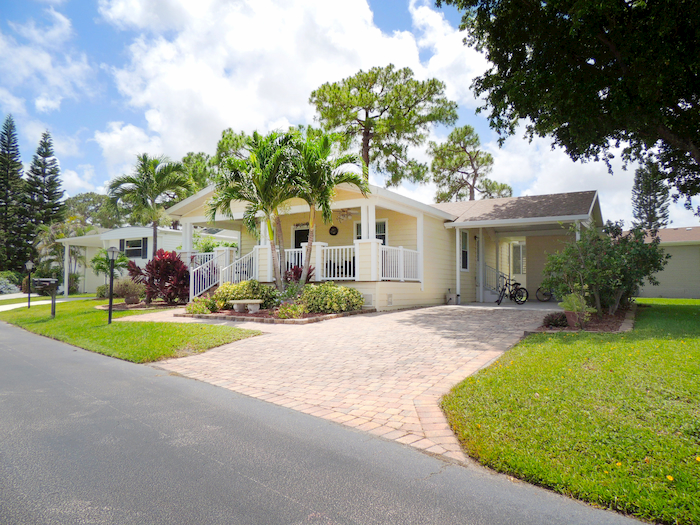
Tag: how much is monthly rent for mobile home

  • The Cost of Living in a Mobile Home vs. a Traditional House in Florida

    The cost of living in a mobile home often differs significantly from that of a traditional house in Florida. While both options have advantages and challenges, understanding their financial differences can help you make an informed choice. Let’s compare the details from monthly expenses to maintenance costs to compare these two housing options.

    Initial Purchase Costs

    The initial cost of buying a mobile home is generally lower than that of a traditional house. In Florida, a new single-wide mobile home typically costs between $50,000 and $80,000, while a double-wide model may range from $80,000 to $150,000. These prices are significantly lower than the median price of a traditional house in Florida, which often exceeds $400,000 in many areas.

    cost of living in a mobile home

    Mobile homes, however, require land if you plan to lease a lot. Buying land can increase the upfront costs, but leasing provides a more budget-friendly alternative. In contrast, purchasing a traditional house usually includes the land as part of the total price.

    Monthly Housing Payments

    Monthly expenses for mobile and traditional houses can vary based on financing, taxes, and fees. Due to the lower purchase price, mobile homeowners typically face lower monthly loan payments. However, if the home is in a park, lot rent adds to monthly expenses, ranging from $400 to $1,000 in Florida.

    Traditional houseowners usually have higher mortgage payments but do not pay separate lot rent. Property taxes and homeowners’ association (HOA) fees are standard for conventional houses, though some mobile home parks also charge HOA fees. Comparing these expenses can help determine which option fits your budget.

    Utility Costs

    Mobile homes are often smaller, leading to lower utility bills than traditional houses. Smaller spaces require less energy for heating, cooling, and lighting. In Florida’s warm climate, mobile homeowners benefit from reduced air conditioning costs, which can represent a significant part of utility expenses.

    Traditional houses usually have more extensive floor plans, generating higher electricity and water bills. However, newer homes often feature energy-efficient designs and appliances, which can offset some of these costs. Mobile homes with older construction may lack similar energy-saving features, potentially increasing long-term utility expenses.

    Maintenance and Repair Costs

    Maintenance costs differ depending on the type of home and its construction. Mobile homes often require less maintenance initially but may need more frequent repairs over time. Roofs, siding, and plumbing systems in older mobile homes can wear out faster, leading to higher repair expenses.

    While built with more durable materials, traditional houses can also require expensive maintenance. Roof replacements, HVAC repairs, and foundation issues are common concerns for homeowners. However, a well-maintained house may retain its value longer than a mobile home, balancing these costs over time.

    Property Taxes

    The property tax burden varies significantly between mobile homes and traditional houses. Mobile homes classified as personal property instead of real estate usually have lower taxes. This can save owners hundreds or even thousands of dollars annually in Florida.

    Traditional houses are subject to higher property taxes because their value includes the land. This tax is often calculated as a percentage of the home’s total assessed value, typically much higher for traditional houses than mobile homes.

    Insurance Costs

    Insurance premiums for mobile and traditional houses differ due to construction and risk factors. Mobile homes often cost more to insure because they are more vulnerable to wind, flooding, and fire damage. In Florida, mobile homeowners may face higher premiums due to the state’s hurricane risk.

    While traditional houses are usually less expensive to insure per square foot, their larger size and higher value can result in higher total premiums. Adding coverage for specific risks, like flood insurance, can further increase these costs for both types of housing.

    Resale Value

    Resale value is another important factor when comparing mobile homes to traditional houses. Traditional houses typically appreciate over time, making them a better long-term investment. The land included with a conventional house contributes significantly to its value.

    In contrast, mobile homes often depreciate like vehicles, especially when not permanently affixed to owned land. However, well-maintained mobile homes on owned land can retain value better, especially in desirable locations.

    Community Living and Amenities

    Mobile home parks often provide pools, fitness centers, and organized events. Although these community perks are expensive, they can save money compared to using external facilities. These parks appeal to retirees or those seeking a close-knit environment.

    Traditional houses only include such amenities within planned communities with HOA fees. While homeowners may enjoy more privacy, they might need to pay separately for gym memberships or pool access, which adds to living expenses.

    Environmental Considerations

    Due to their reduced size, mobile homes may have a smaller environmental footprint. Smaller homes require fewer materials during construction and consume less energy for daily us,  which can lead to cost savings over time.

    Traditional houses, particularly larger ones, require more resources and energy. However, energy-efficient designs in newer traditional houses can help reduce environmental impact. Choosing solar panels or energy-efficient appliances can lower energy bills for both housing types.

    Key Differences in Florida’s Housing Market

    Florida’s housing market presents unique challenges and opportunities for mobile home and traditional house buyers. Mobile homes remain popular with retirees and budget-conscious buyers. Many are attracted to them by their lower upfront costs, community living, and lower property taxes.

    Traditional houses attract buyers looking for long-term investments and increased living space. While they cost more initially, they are often appreciated, creating equity for homeowners.

    Choosing What’s Right for You

    The cost of living in a mobile home versus a traditional house depends on your priorities and financial situation. Mobile homes offer lower upfront costs, reduced taxes, and smaller utility bills, making them a cost-effective choice for many. Traditional houses provide long-term investment potential, increased space, and more stability but come with higher costs.

    Evaluate your budget, lifestyle, and plans before deciding. Whether you prefer the affordability of mobile homes or the investment opportunities of traditional houses, Florida offers diverse housing options to meet your needs.


    See Also:


  • Is It Better to Rent or Buy a Mobile Home in Florida?

    Deciding whether to rent or buy a mobile home in Florida is a significant decision that involves weighing various financial and lifestyle factors. Florida’s unique real estate market, combined with the state’s popularity as a retirement destination, makes this choice even more complex. This article will explore the pros and cons of both renting and buying a mobile home in Florida, helping you make an informed decision based on your personal circumstances and long-term goals.

    Rent or Buy a Mobile Home

    Understanding the Mobile Home Market in Florida

    Before diving into the pros and cons of renting versus buying, it’s important to understand the broader mobile home market in Florida. The state is home to a large number of mobile home communities, many of which cater to retirees and offer a range of amenities, from golf courses to swimming pools. The cost of mobile homes in Florida can vary widely depending on factors such as location, the age of the home, and the amenities offered by the community.

    In recent years, Florida has seen a growing demand for affordable housing, making mobile homes an attractive option for many. Whether you’re looking to retire in the Sunshine State or simply seeking an affordable place to live, understanding the dynamics of the mobile home market can help you make a better decision.

    The Pros and Cons of Renting a Mobile Home in Florida

    Renting a mobile home in Florida offers flexibility and lower upfront costs, but it also comes with its own set of challenges. Here’s a closer look at the pros and cons of renting.

    Pros of Renting a Mobile Home

    1. Lower Initial Costs
      • One of the biggest advantages of renting a mobile home is the lower initial cost. Renting typically requires a security deposit and the first month’s rent, which is significantly less than the down payment and closing costs associated with buying.
      • For those who are unsure about committing to a long-term investment, renting offers an opportunity to test out living in a mobile home community without the financial burden of ownership.
    2. Flexibility
      • Renting provides greater flexibility, especially for those who may not be ready to settle down in one place. If your job requires frequent relocations or if you’re exploring different areas of Florida, renting allows you to move more easily without the hassle of selling a property.
      • Renting also provides an easy exit strategy if you decide that mobile home living isn’t for you.
    3. No Maintenance Responsibilities
      • When you rent a mobile home, maintenance and repair responsibilities often fall on the landlord or property management company. This can save you time, money, and the stress of dealing with unexpected repairs.
      • If a major issue arises, such as a roof leak or plumbing problem, it’s the landlord’s responsibility to fix it, allowing you to avoid out-of-pocket expenses for repairs.
    4. Access to Amenities
      • Many mobile home parks in Florida offer a variety of amenities, such as pools, clubhouses, and recreational facilities. When you rent, you can enjoy these amenities without the long-term commitment of ownership.
      • Some communities also offer social activities and events, providing opportunities to meet new people and engage in a vibrant community life.

    Cons of Renting a Mobile Home

    1. Lack of Equity
      • One of the biggest downsides to renting is that you’re not building equity. Every month’s rent payment goes to the landlord, and you don’t have an asset to show for it at the end of your lease.
      • Over time, the money spent on rent could add up to a significant amount, which could have been invested in owning a property.
    2. Rent Increases
      • Rent prices in Florida can fluctuate, and there’s always the risk of rent increases, especially in desirable locations. These increases can strain your budget and make long-term financial planning difficult.
      • Unlike a fixed mortgage payment, which remains consistent over the term of the loan, rent payments can vary year to year, adding an element of uncertainty to your finances.
    3. Limited Control Over the Property
      • As a renter, you have limited control over the property. You may not be able to make significant modifications or improvements to the home without the landlord’s permission.
      • Additionally, if the landlord decides to sell the property or convert it to another use, you may be forced to move, disrupting your living situation.
    4. Potential for Eviction
      • Renting comes with the risk of eviction if you are unable to meet the terms of your lease. This could be due to non-payment of rent, violating community rules, or the landlord deciding to no longer rent the property.
      • Being evicted can be a stressful and disruptive experience, especially if you have limited time to find a new place to live.

    The Pros and Cons of Buying a Mobile Home in Florida

    Buying a mobile home in Florida is a long-term investment that can offer stability and the potential for financial gain, but it also comes with its own set of risks. Here’s what you need to consider.

    Pros of Buying a Mobile Home

    1. Building Equity
      • When you buy a mobile home, you’re building equity over time. As you pay down your mortgage, you increase your ownership stake in the property, which can be a valuable asset in the long run.
      • If property values in your area increase, you could also benefit from appreciation, potentially selling the home for more than you paid.
    2. Fixed Housing Costs
      • With a fixed-rate mortgage, your monthly payments remain the same over the life of the loan, providing stability and predictability in your housing costs. This is in contrast to renting, where rent can increase over time.
      • Fixed housing costs make it easier to budget and plan for the future, giving you peace of mind.
    3. Personalization and Control
      • Homeownership gives you the freedom to personalize your living space. You can make improvements, renovations, and changes to suit your tastes and needs without needing permission from a landlord.
      • You also have control over your property, including the ability to rent it out or sell it when you choose.
    4. Stability and Community
      • Owning a mobile home provides a sense of stability and permanence, which can be especially appealing for retirees looking to settle down. You’re not at the mercy of a landlord’s decisions, and you can establish roots in a community.
      • Many mobile home parks in Florida foster tight-knit communities, offering a strong sense of belonging and support.
    5. Tax Benefits
      • Homeowners in Florida may be eligible for tax benefits, such as deductions on mortgage interest and property taxes. These benefits can reduce your overall tax burden and make homeownership more affordable.
      • Additionally, Florida has no state income tax, which can further enhance the financial advantages of owning a home in the state.

    Cons of Buying a Mobile Home

    1. Higher Initial Costs
      • Buying a mobile home requires a significant upfront investment, including a down payment, closing costs, and possibly moving and setup fees. These costs can be a barrier for some buyers.
      • You’ll also need to budget for ongoing expenses such as property taxes, insurance, and maintenance.
    2. Maintenance and Repairs
      • As a homeowner, you’re responsible for all maintenance and repairs, which can be costly and time-consuming. Unlike renting, where the landlord covers these expenses, you’ll need to handle any issues that arise.
      • Major repairs, such as roof replacement or HVAC system repairs, can be particularly expensive and require careful financial planning.
    3. Depreciation
      • Mobile homes, especially older models, can depreciate in value over time, meaning they may be worth less than what you paid for them. This can make it difficult to sell the home later or recoup your investment.
      • Depreciation is more pronounced in mobile homes compared to traditional site-built homes, so it’s important to consider this when making a purchase.
    4. Risk of Natural Disasters
      • Florida is prone to hurricanes and other natural disasters, which can pose a risk to mobile homes. While insurance can help mitigate this risk, the potential for damage and loss is higher in mobile homes compared to traditional homes.
      • It’s crucial to invest in high-quality insurance and consider the location carefully before purchasing a mobile home in Florida.
    5. Lot Rent and HOA Fees
      • If you purchase a mobile home in a park, you may still need to pay lot rent or homeowner association (HOA) fees. These additional costs can add up and affect your overall budget.
      • Lot rent and HOA fees can increase over time, so it’s important to factor these into your long-term financial planning.

    Financial Considerations

    When deciding whether to rent or buy a mobile home in Florida, it’s essential to consider your financial situation. Buying may be the better option if you have the financial stability to manage the upfront costs and ongoing expenses, and if you plan to stay in one place for several years. On the other hand, renting may be more suitable if you prefer flexibility, have limited savings, or are unsure about committing to a long-term investment.

    Lifestyle Considerations

    Your lifestyle and personal preferences also play a significant role in this decision. If you value stability, community, and the ability to personalize your space, buying may be the right choice. Conversely, if you prioritize flexibility, minimal responsibilities, and lower initial costs, renting could be a better fit.

    Conclusion: Renting vs. Buying a Mobile Home in Florida

    Ultimately, the decision to rent or buy a mobile home in Florida depends on your financial situation, lifestyle preferences, and long-term goals. Both options have their advantages and disadvantages, and what’s right for one person may not be right for another. By carefully considering the pros and cons of each option, you can make an informed decision that aligns with your needs and helps you achieve your housing goals in the Sunshine State.


    See Also:

  • 10 Florida Mobile Home Parks with the Lowest Lot Rents

    Living in Florida offers sunshine, warm weather, and the allure of beach life. However, for many, the cost of traditional housing can be a barrier. Fortunately, mobile home parks provide an affordable alternative, allowing residents to enjoy the Sunshine State without breaking the bank. This article explores 10 Florida mobile home parks known for their budget-friendly and lowest lot rents.

    Finding the Right Park

    Before diving into the list, it’s important to remember that lot rent is just one piece of the puzzle. Consider factors like park amenities, age restrictions, and proximity to desired locations. Additionally, advertised rent might only include some fees. Be sure to inquire about additional charges for utilities, trash collection, or amenities.

    lowest lot rent

    Top 10 Budget-Friendly Mobile Home Parks in Florida

    1. Horizon Village Co-Op (North Fort Myers): This resident-owned cooperative boasts a strong sense of community alongside some of the lowest lot rents in Florida. Estimated monthly lot rent: $300-$400.
    2. Pine Tree Park (Deerfield Beach): Situated near the beach and offering a variety of amenities, Pine Tree Park caters to residents 55 and older. Estimated monthly lot rent: $400-$500.
    3. Orange Acres Mobile Home Park (Sarasota): This all-ages park is centrally located in Sarasota, with easy access to shopping and dining. The estimated monthly lot rent is $350-$450.
    4. Lady Lake Mobile Home Community (Lady Lake): Located near The Villages retirement community, Lady Lake attracts residents of all ages seeking a peaceful and affordable environment. The estimated monthly lot rent is $300-$400.
    5. Palm Haven Mobile Home Park (Sebring): This quiet park in Sebring provides a relaxed atmosphere for residents 55 and older. The estimated monthly lot rent is $300-$400.
    6. Country Village Mobile Home Park (Wauchula): This all-ages park boasts a friendly atmosphere and a convenient location near I-75. The estimated monthly lot rent is $250-$350.
    7. Sunshine Mobile Home Park (Fort Myers): This all-ages park offers a variety of lot sizes, basic amenities, and a central location in Fort Myers. The estimated monthly lot rent is $350-$450.
    8. Colony Cove Mobile Home Park (New Port Richey): This all-ages park offers a mix of amenities and a convenient location near Tampa Bay. The estimated monthly lot rent is $300-$400.
    9. Westwind Mobile Home Park (Dunedin): This all-ages park offers a peaceful setting near the Gulf Coast with easy access to Dunedin’s charming downtown. The estimated monthly lot rent is $400-$500.
    10. Lakeview Estates (Lake Wales): This all-ages park provides a scenic setting near several lakes and offers basic amenities. Estimated monthly lot rent: $250-$350.

    Important Considerations

    Remember, these are estimated rent ranges, and actual costs can vary. Always contact the park directly to confirm current rates and any additional fees.

    Beyond Lot Rent

    While lot rent is a significant cost factor, consider other expenses associated with mobile home living. These may include:

    • Mobile home purchase or lease: The cost of the mobile home itself can vary greatly depending on size, age, and condition.
    • Utilities: Electricity, water, and sewer costs will depend on usage and park policies.
    • Maintenance: Budget for routine maintenance of your mobile home and any park-required maintenance fees.

    Living the Florida Dream

    Mobile homes in Florida offer a chance to enjoy the state’s sunshine and lifestyle at an affordable cost. By carefully considering factors like lot rent, park amenities, and overall expenses, you can find a mobile home community that fits your budget and lifestyle, allowing you to embrace the Florida dream.

    Disclaimer: The information provided is for informational purposes only and should not be considered financial advice. Always conduct your research and due diligence before entering any lease agreement.


    See Also:


  • How To Budget For Your Sarasota Mobile Home With Rising Lot Rent?

    How To Budget For Your Sarasota Mobile Home With Rising Lot Rent?

    One of the most common questions we here at The Mobile Home Dealer get is; will lot rents continue to increase each and every year or is there a cap that the mobile home park has where they can no longer raise the rent past a certain amount?

    This is a common question for many Buyers as they are looking to budget their money so that they can afford their new Sarasota mobile home.

    Mobile homes located on leased land within the Sarasota area are viewed as and taxed as personal property within the state of Florida. The reason for this is that when one owns their mobile home within a mobile home park where each tenant pays lot rent then these homes come with titles and not deeds. The state of Florida does not view mobile homes on leased land as real estate but, rather as personal property.

    The average lot rent as of the first of the year in Sarasota County Florida is just over $800 per month.

    To some, this may come as a lot of money to shell out each and every month for a piece of land that you are not owning. For others, this comes as a great deal as the lot rent fee is essentially a condo association fee in essence as it takes care of many of the things that an owner would normally have to pay out of their own pocket if they were owning a single-family home.

    Many times this lot will cover a combination of the following:

    The tenant’s water bill

    The sewer bill

    The tenant’s trash pick-up bill

    The tenant’s lawn care

    How To Budget For Your Sarasota Mobile Home With Rising Lot Rent

    Maintenance and upkeep of the park amenities such as the pool, fitness center, and community clubhouse.

    As you can quickly add up, this lot rent fee does come with quite a bit of bang for your buck.

    So, with an average $800 per month lot rent fee for owners of mobile homes on leased land in Florida would it make sense to have the lot rent increase each year, or will it stay the same?

    *Before we go any further we want to stress to all of the readers that we are not mobile home park owners, we are not attorneys and we do not work for any mobile home park. With that said please take what we say simply as our experience within the Sarasota mobile home market*

    In our experience with selling mobile homes throughout the Sarasota area, we have seen that it is reasonable for the mobile home park to increase their lot rent somewhere between 1%-3% per year. This percentage point will usually match the level of inflation that is going on throughout the rest of the world at that time.

    If within the lot rent fee, your lawn care is paid for and the cost of gas and parts for the lawn mowers increases 1%-3% per year then it would be reasonable to think that the cost of your lot rent will increase at the same rate to reflect the increase that the rest of the world is seeing.

    We have also seen where some parks will increase more than the traditional 1%-3% increase. This is usually rarer but, generally speaking, this is done when the mobile home park has been sold and the previous owner did not keep up with the annual increases so the new owner comes in and tries to bring the lot rent up to market value with one crease as opposed to it being done over time like the previous owner should have done.

    Rarely, have we ever seen a mobile home park in Sarasota not increase their lot rent each year.

    Mobile home park lot rent increases are usually put in place at the first of the year and the residents of the park are notified usually three months before the increase happens so that they can plan accordingly

    When buying a mobile home in Sarasota Florida, you must also understand that in some cases, the mobile home park owner can increase the lot rent based on the factors outlined in the prospectus. This is not the case though if the mobile home park is owned by the residents or co-op. 

    In co-op-owned mobile home parks, the board of directors consists of residents who live in the park and agree on what the yearly increase should be. This is just one of many advantages if you are living in a co-op-managed home park. 

    When looking at purchasing your mobile home in Sarasota we can not stress enough to budget your lot rent not only for what it is today but what it will be throughout the next several years so that you are in a position to afford your mobile home for years down the road!

    Creating a budget for your Sarasota mobile home is an important step for ensuring your financial success. With rising lot rent, it is essential to consider your expenses and plan accordingly.

    Start by making a list of all the fixed expenses associated with your mobile home. This list should include lot rent, utilities, insurance, maintenance costs, and any other regular payments. After creating this list, add it up to get your total monthly expenses.

    Next, calculate your monthly income. Include all sources of income, such as wages, investments, and any other regularly received funds. Once you have determined your income and expenses, subtract the expenses from the income to determine the net monthly balance.

    It is important to compare your income and expenses each month to ensure you are staying within the budget. If your expenses exceed your income, you need to consider ways to reduce those expenses. This could mean shopping around for better rates on utilities or reducing other costs.

    Finally, setting aside some money each month for an emergency fund is an important part of budgeting for your Sarasota mobile home. Having a financial cushion in case of unexpected expenses can help you remain financially secure.

    Creating a budget for your Sarasota mobile home is an important part of achieving financial success. By keeping track of your income and expenses, and setting aside some money for an emergency fund, you can successfully manage your finances while living in a mobile home.

    The Mobile Home Dealer are licensed mobile home broker in Sarasota Florida and the surrounding areas. We provide professional buy and/or sell assistance to our clients. If you have any questions, please contact us by clicking this link. You may also visit our Facebook Page and send us a message

    This is Mark Kaiser with The Mobile Home Dealer and we help mobile home Buyers and Sellers get to a better place in life.

    See Also:

Reset password

Enter your email address and we will send you a link to change your password.

Get started with your account

to save your favourite homes and more

Sign up with email

Get started with your account

to save your favourite homes and more

By clicking the «SIGN UP» button you agree to the Terms of Use and Privacy Policy
Powered by Estatik