Tag: how much is a 1980 mobile home worth

  • How to Determine if a Fixer-Upper Mobile Home is Worth It

    Buying a fixer-upper mobile home can be an appealing option for those seeking affordable housing or investment opportunities. However, deciding whether a fixer-upper mobile home is worth the effort requires careful evaluation. Not all fixer-uppers are created equal, and you’ll need to assess the costs, potential rewards, and risks before making a purchase. Here’s a guide to help you determine if a fixer-upper mobile home is worth it.
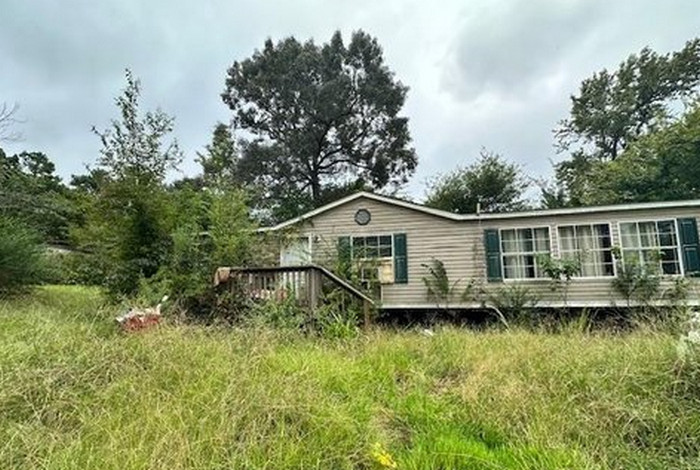
    fixer-upper mobile home is worth

    1. Assess the Location

    The first step in determining if a fixer-upper mobile home is worth the investment is evaluating the location. The location of a mobile home plays a significant role in its future value. Mobile homes in desirable communities or areas with strong property demand are more likely to appreciate over time.

    Key factors to consider when evaluating the location include:

    • Proximity to essential services: Check how close the mobile home is to grocery stores, schools, hospitals, and public transport.
    • Safety: Investigate the crime rates in the area. A safe neighborhood is crucial for long-term property value.
    • Growth potential: Research whether the area is experiencing growth or development, as this can increase the value of your mobile home.
    • Mobile home park quality: If the mobile home is in a park, consider the park’s reputation and management. A well-maintained park with good amenities can add significant value.

    2. Calculate the Repair Costs

    Calculate the repair costs before you commit to purchasing a fixer-upper mobile home. Renovating a mobile home can range from minor repairs to major structural work. Assessing these costs early will help you determine if the investment is worth it.

    Consider the following repair areas:

    • Structural issues: Look for signs of foundational problems, such as cracks in the walls, uneven floors, or sagging roofs.
    • Plumbing and electrical systems: Ensure that the plumbing and electrical systems are in good working condition. Replacing these systems can be costly.
    • Roofing: Mobile homes often require roof repairs or replacements, which can add up quickly.
    • HVAC system: Check if the heating, ventilation, and air conditioning systems function correctly. An outdated or broken HVAC system can be expensive to replace.
    • Cosmetic repairs: Don’t overlook cosmetic improvements like paint, flooring, or kitchen upgrades. These can make a big difference in the home’s appearance and value.

    Get estimates from contractors to determine the true cost of repairs. When calculating your budget, be sure to factor in both material and labor costs.

    3. Evaluate the Home’s Age and Condition

    The age of the mobile home can significantly affect its value and the cost of repairs. Older mobile homes may require more extensive work, including updating plumbing, electrical systems, or structural elements. The house’s condition is equally important, as homes with extensive wear and tear will need more work.

    When assessing the home’s age and condition, consider the following:

    • Manufacturing date: Older homes, especially those built before 1976, may not meet modern safety or energy efficiency standards. These homes may require more extensive updates.
    • Frame and chassis: Examine the mobile home’s frame and chassis for signs of rust or damage. A damaged frame can be a dealbreaker, as repairs can be costly.
    • Exterior condition: Inspect the roof, siding, and windows. These elements are essential for the home’s structural integrity and weather resistance.

    The mobile home may still be worth the investment if it is older but has a sound basic structure. However, if the structure is compromised, you should reconsider.

    4. Consider the Resale Value

    Before purchasing a fixer-upper mobile home, consider its resale value after repairs. If you plan to sell the house in the future, you’ll want to ensure that your investment will provide a return.

    Factors that influence the resale value of a mobile home include:

    • Upgrades and renovations: High-quality repairs and upgrades, such as modern appliances, new flooring, and fresh paint, can increase the resale value.
    • Comparable sales: Look at the prices of similar homes in the same area. If other homes in the mobile home community or neighborhood sell for less than you expect to spend on repairs, it may not be a profitable investment.
    • Park fees and lot rent: If the home is in a mobile home park, consider the lot rent and park fees. High monthly fees can deter future buyers, lowering the home’s resale value.

    Understanding the potential resale value helps determine whether the fixer-upper will be worthwhile. It may be worth pursuing if the resale value is higher than the total cost of repairs and purchase.

    5. Assess Your Time and Skills

    Renovating a fixer-upper mobile home can be time-consuming. If you plan to do the repairs yourself, you need to assess your own skills and availability. While doing some of the work yourself can save money, not all repairs are DIY-friendly. Complex tasks, such as electrical, plumbing, or foundation work, often require professional expertise.

    Evaluate your:

    • Experience: Do you have the skills to complete the necessary repairs? If not, are you willing to hire contractors to handle specific tasks?
    • Time commitment: Do you have the time to dedicate to the renovation process? Consider the length of time it will take to complete the repairs and any potential disruptions to your daily life.
    • Budget: If you hire contractors, ensure your budget allows for both labor and materials. Contractor fees can add up quickly.

    If you are unable or unwilling to dedicate the time or effort, purchasing a mobile home that requires less work may be more cost-effective.

    6. Investigate Financing Options

    Financing a fixer-upper mobile home can be more challenging than financing a new or move-in-ready home. Many lenders are hesitant to finance mobile homes that require significant repairs. However, there are options available.

    Consider the following:

    • Personal loans: You can secure a personal loan to cover the cost of repairs. These loans typically have higher interest rates but are easier to qualify for.
    • Renovation loans: Some lenders offer renovation loans, such as the FHA 203(k) loan, which combines the cost of purchasing the mobile home with funds for repairs.
    • Title loans: If you already own a mobile home, you can obtain a title loan to cover repair costs.
    • Mobile home park financing: If the home is in a mobile home park, the park management may offer financing options for repairs.

    Explore all financing options to ensure that you have the necessary funds to purchase and renovate the mobile home.

    7. Assess the Return on Investment (ROI)

    Ultimately, when deciding to invest in a fixer-upper mobile home, consider the potential return on investment (ROI). After considering the purchase price, repair costs, and resale value, calculate your expected ROI. If the ROI is favorable, the fixer-upper may be worth it.

    To calculate ROI, subtract the total costs of purchasing and renovating the mobile home from the expected resale value. Divide this number by your total costs, then multiply by 100 to get the percentage.

    For example, if you purchase a mobile home for $10,000 and spend $15,000 on repairs, your total investment would be $25,000. If you can sell the home for $35,000, your ROI would be:

    ($35,000 – $25,000) / $25,000 = 0.40 or 40%

    A high ROI indicates that the fixer-upper is a good investment. A low ROI may mean that the home isn’t worth the effort.

    Conclusion

    Determining if a fixer-upper mobile home is worth it requires careful evaluation. Start by assessing the location, repair costs, and the home’s age and condition. Consider the potential resale value, your own time and skills, and financing options. Finally, the expected return on investment is calculated to make an informed decision. With thorough research and planning, you can determine whether a fixer-upper mobile home is a wise investment for your budget and needs.


    See Also:


  • How Much Is My Mobile Home Worth

    Are you thinking about selling your mobile home? Or maybe just curious about its current value? Either way, it’s important to know the worth of your mobile home. The value can be affected by several factors such as age, type and size, location, and more. In this blog post, we’ll dive into all the factors that affect the value of a mobile home and how to get an accurate valuation.

    Why it is Important to Know the Value of Your Mobile Home

    Knowing the value of your mobile home is crucial for several reasons. First and foremost, it can help you make informed decisions when selling or buying a new one. If you’re looking to sell your mobile home, knowing its value will allow you to set a competitive price that attracts potential buyers without undervaluing your property.

    Additionally, if you are planning on refinancing or taking out a loan against your mobile home’s equity, then having an accurate valuation is essential in determining the amount of money you could potentially receive.

    Moreover, understanding the worth of your house enables proper insurance coverage. By obtaining an appraisal from a professional valuator, you’ll ensure that enough coverage protects any damage or losses sustained by the house.

    Keeping track of how much your mobile home is worth over time can enable better financial management and tax preparation since this information provides an estimate for net worth calculation purposes.

    Factors Affecting the Value of Your Mobile Home

    The value of a mobile home is based on several factors that can affect its price. One important factor is the age of the mobile home, with newer models generally worth more than older ones. Additionally, the type and size of the mobile home also play a role in determining its value, with larger and multi-sectional units typically being more expensive.

    Another aspect to consider when valuing your mobile home is whether it has undergone any major repairs or renovations. A well-maintained unit will likely be worth more than one that requires significant work.

    It’s also essential to take into account whether the mobile home has been moved before as this can impact its overall condition and resale value. Location and neighborhood are other crucial factors as certain areas may command higher prices due to proximity to amenities and schools.

    Current housing market conditions should also be considered since they play an influential role in pricing trends for all types of homes including mobile homes. Park amenities like swimming pools, playgrounds, and clubhouses add extra appeal making them highly sought-after properties within their respective communities.

    These factors contribute significantly towards determining how much your Mobile Home is Worth so it’s vital you take each into consideration before putting up your property for sale or rent.

    mobile home investment
    Mobile home for sale in Florida

    1. Age of the Mobile Home

    The age of the mobile home is a significant factor when determining its value. Generally, older homes have less value compared to newer ones as they’re often not equipped with the modern amenities and features that most buyers are looking for.

    If your mobile home is relatively old, it’s essential to take into consideration any upgrades or renovations you may have made over the years. These updates can help increase the overall value of your home and attract potential buyers.

    However, keep in mind that even with updates, an older mobile home might still be worth less than a newer model. It’s important to do some research before selling your mobile home so that you can price it accordingly based on its age and condition.

    One thing to note is that some states have laws regulating how old a mobile home can be before it must be replaced or removed from a park. This is because older homes may pose safety hazards due to outdated electrical wiring or structural issues caused by wear and tear over time.

    Ultimately, if you’re looking to sell your mobile home, understanding its age and how it affects its overall value will help you make informed decisions about pricing and marketing strategies.

    2. Mobile Home Type and Size

    Single-wide mobile homes are typically 14-16 feet wide, while double-wide models range from 24 to 32 feet wide. Triple-wides can be up to 48 feet wide and offer the most living space.

    Single-wide mobile homes tend to have lower values than double or triple wides because of their smaller size, but they can still provide an excellent option for those on a budget or with limited space requirements.

    Double-wides are more popular and command higher prices due to their larger living spaces, better floor plans, and improved amenities like central heating/cooling systems.

    Triple-wides offer even more room but come with higher maintenance costs like roof repairs/replacements and foundation issues that should be considered before purchasing one.

    The type and size of your mobile home will significantly affect its overall value. It’s essential to consider what you need out of your home when choosing between single-, double-, or triple-wide options.

    3. Does the Mobile Home Have Undergone Major Repairs?

    A well-maintained mobile home will generally have a higher value than one with significant repair needs.

    If you have made any major renovations, upgrades, or improvements to your mobile home, this can increase its overall worth. For instance, if you’ve installed new flooring, updated the kitchen appliances and cabinets, and replaced the roof or windows, these changes may add considerable value to your property.

    On the other hand, if your mobile home requires extensive repairs such as replacing damaged flooring due to water damage or fixing foundational issues then it could decrease its overall value. The cost of repairing these kinds of problems can be quite expensive and potential buyers may look elsewhere for an easier investment.

    It’s important to note that minor cosmetic repairs do not significantly impact the valuation of a mobile home but addressing them before selling is recommended as they make it more appealing visually. If you’re unsure about how much impact previous major repairs would have on your property’s worth consider consulting with a professional appraiser who specializes in manufactured homes valuation

    4. Has the Mobile Home Been Moved?

    Generally speaking, a mobile home that has never been relocated will hold its value better than one that has.

    When a mobile home is moved, it can suffer damage and wear and tear from the process. Even if the move was done professionally, there may still be some structural damage that affects the overall worth of your home.

    Additionally, when a mobile home is moved frequently, it can give potential buyers pause as they may worry about any issues caused by constant moving. This means that even if your mobile home looks great on paper in terms of size and amenities, multiple moves could still impact its overall desirability (and therefore its value).

    While owning a movable asset like a mobile home gives you flexibility in where you live – it’s important to keep in mind how this may affect the property’s long-term value.

    5. Location and Neighborhood

    Living in a desirable area with good schools, accessible amenities, and low crime rates can increase the value of your property.

    Potential buyers are likely to pay more for a mobile home that is located in a safe and clean neighborhood with well-maintained streets and sidewalks. A location close to public transportation or major highways could also add value to your property.

    On the other hand, if your mobile home is situated near noisy train tracks or busy roads, this could decrease its overall worth. The same goes for living in an area with high crime rates or poor access to basic services like grocery stores or medical facilities.

    It’s important to note that different regions have varying levels of demand for certain types of homes. For example, coastal areas may attract more interest from retirees seeking a quiet lifestyle while urban areas may be popular among young professionals looking for convenience.

    Always take into account where your mobile home is located when trying to determine its true market value.

    6. Current Housing Market Conditions

    The current housing market conditions play a significant role in determining the value of your mobile home. If you are planning to sell it, then it is crucial to keep an eye on these trends. The real estate market is dynamic, and it can change at any time.

    One factor that affects the housing market condition is interest rates. When interest rates are low, more people tend to buy homes, which increases demand and drives up prices. On the other hand, when interest rates are high, buying becomes less affordable; this leads to lower demand and prices.

    Another aspect that impacts the housing market condition is supply and demand. If there are too few homes for sale in a particular area or region while many buyers want them, then prices will undoubtedly rise. Conversely, if there’s an oversupply of properties available while few buyers want them – then costs may drop significantly.

    Additionally, economic indicators such as job growth rate also have a bearing on the state of the housing market conditions. When job growth slows down or stagnates altogether – fewer people have enough money or confidence to make big purchases like houses which leads to decreasing property values.

    Keeping track of current housing conditions helps you stay informed about how much your mobile home could be worth in today’s ever-changing marketplace!

    Mobile Home in Bradenton Florida - worth of your mobile home
    Mobile Home in Bradenton Florida

    7. Mobile Home Park Amenities

    Mobile home parks offer different types of amenities such as swimming pools, playgrounds, community centers, laundry facilities, fitness centers, and security features. The more amenities available within a park, the higher its perceived value will be.

    Having well-maintained common areas also adds to a mobile home’s value. This includes manicured lawns and landscaping as well as clean roads and sidewalks.

    Moreover, if your mobile home park offers exclusive access to recreational activities like fishing lakes or hiking trails nearby then this could significantly boost your property’s appraisal.

    Having great communal facilities provides additional benefits for residents’ enjoyment aside from their private spaces. It enhances their overall lifestyle and attracts potential buyers looking for an upgraded quality of life.

    Getting a Professional Valuation

    Getting a professional valuation is one of the most important steps in determining how much your mobile home is worth. While there are several online tools available that can give you an estimate, nothing beats the expertise of a licensed appraiser who has experience valuing mobile homes.

    When looking for an appraiser, it’s essential to find someone who specializes in mobile home valuations. These professionals have knowledge and experience that allows them to assess factors specific to mobile homes accurately.

    It’s also essential to ask for references from past clients or check reviews online before choosing an appraiser. This will help ensure that you’re getting someone reliable and trustworthy.

    Once you’ve found an appraiser, they’ll typically come out to your property and conduct a thorough examination of your home’s condition, age, location, and other vital factors. They may also look at comparable sales data in the area before providing you with a detailed report on your home’s current value.

    While hiring an appraiser comes with additional costs, it is worth considering as it can help provide peace of mind when selling or refinancing your mobile home.

    Conclusion

    Knowing the value of your mobile home is crucial, especially if you are considering selling it or using it as collateral for a loan. Several factors affect the value of a mobile home, including its age, type and size, location and neighborhood, current housing market conditions, and park amenities, among others.

    There are several ways to determine the value of your mobile home online using valuation tools such as Zillow or NADA Guides Mobile Home Values & Pricing Tool. It’s important to note that these estimates may not be entirely accurate since they do not consider other factors.

    See Also:

Reset password

Enter your email address and we will send you a link to change your password.

Get started with your account

to save your favourite homes and more

Sign up with email

Get started with your account

to save your favourite homes and more

By clicking the «SIGN UP» button you agree to the Terms of Use and Privacy Policy
Powered by Estatik