Snowbird season draws thousands of travelers to warmer climates, creating high demand for mobile home rentals. Planning is essential to find the right home. Follow these steps to secure a mobile home rental and ensure a hassle-free experience.
Start Your Search Early
Begin your search several months before the snowbird season starts. Rentals fill quickly, especially in popular destinations. Early planning gives you more options and better prices.
Use online platforms to explore available rentals. Websites like Zillow, RV Trader, and Airbnb offer a range of mobile home listings.
Join snowbird forums and Facebook groups. These communities often share rental leads and insider tips.
Choose the Right Location
Decide which region fits your needs best. Florida, Arizona, and Texas are popular destinations for snowbirds.
Consider the climate, attractions, and activities in your chosen area. Choose a location that matches your lifestyle and interests.
Research local amenities, including healthcare facilities, grocery stores, and recreational options. Proximity to these services adds convenience.
Set a Budget
Determine how much you can afford for a rental. Include rent, utilities, and additional fees in your budget.
Look for cost-effective options, such as off-season discounts or long-term rental agreements. Many parks offer lower rates for extended stays.
Avoid overspending by limiting discretionary expenses, like entertainment and dining out.
Check Mobile Home Parks
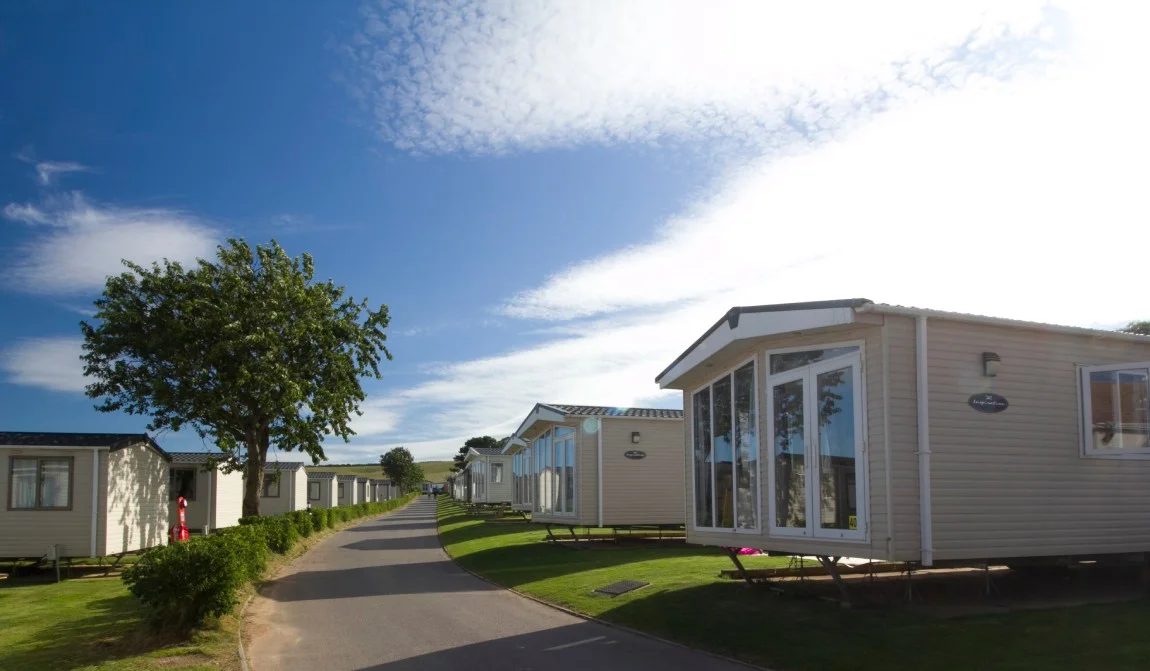
Many mobile home parks cater specifically to snowbirds. Research parks in your preferred area.
Visit their websites to learn about available rentals, amenities, and rules. Popular parks often have waitlists, so apply early.
Contact park management to ask about availability and pricing. They may provide additional rental options that need to be listed online.
Inspect the Mobile Home
Request a virtual tour or visit the property in person. Ensure the home meets your standards and needs.
Check for essential features, including a functional kitchen, comfortable living space, and working utilities.
Inspect the exterior for damage or maintenance issues. Ask the owner about recent repairs and upkeep.
Understand the Rental Agreement
Carefully review the rental agreement. Ensure you understand all terms, including rental duration and payment requirements.
Check for hidden fees, such as cleaning charges or utility costs. If necessary, ask the landlord for clarification.
Confirm the cancellation policy in case of unforeseen circumstances. Flexible terms provide added peace of mind.
Negotiate Rental Terms
Some landlords may be open to negotiation. Ask for discounts on long-term rentals or lower rates during off-peak months.
Offer to pay upfront for a longer stay to secure a better price. Landlords often value reliability.
Be respectful but firm in your requests. Negotiation can save money without compromising the quality of your rental.
Secure Your Reservation
Once you find the right mobile home, act quickly to secure it. Provide a deposit to hold your spot.
Confirm the payment method with the landlord. Use secure options, such as checks or online payment platforms.
Request a written confirmation of your reservation. Keep all receipts and documents for future reference.
Prepare for the Move
Plan your travel dates and route. Share this information with family or friends for added safety.
Pack essentials, including clothing, medications, and important documents. Ensure you have everything you need for a long-term stay.
Arrange for mail forwarding or use a P.O. box near your rental. This ensures you receive important correspondence.
Get to Know the Community
Research the local area before moving in. Familiarize yourself with nearby restaurants, shops, and attractions.
Introduce yourself to neighbors and park residents. Building relationships creates a supportive community experience.
Join social events or clubs within the mobile home park. These activities help you settle in and make friends.
Plan for Utilities and Services
Confirm whether utilities are included in your rental agreement. If not, set up accounts for electricity, water, and internet.
Consider using mobile hotspot devices if Wi-Fi is unavailable. Reliable internet ensures you stay connected.
Arrange for garbage collection or recycling services if not provided by the park.
Ensure Safety and Security
Check that the mobile home has working smoke and carbon monoxide detectors. Replace batteries if necessary.
Secure all windows and doors with locks. If needed, add extra security measures, such as a portable alarm system.
Familiarize yourself with the park’s emergency procedures. Know the nearest exits, storm shelters, and contact numbers.
Prepare for Unexpected Situations
Purchase travel insurance to cover emergencies. This protects against unexpected cancellations or health issues.
Keep an emergency fund for unforeseen expenses, such as repairs or medical needs.
Have a backup plan in case your rental agreement falls through. Research alternative accommodations as a precaution.
Maximize Your Stay
Take advantage of amenities within the mobile home park. Use pools, fitness centers, or clubhouses to enhance your experience.
Explore local attractions and activities. Visit nearby beaches, parks, and cultural landmarks during your stay.
Participate in group events, fitness classes, or outdoor recreation.
Tips for Finding the Perfect Rental
- Be Flexible: Adjust your travel dates to find better deals and availability.
- Stay Persistent: Follow up with landlords and park managers if you don’t get immediate responses.
- Use Multiple Platforms: Search websites, forums, and community groups for the best options.
Conclusion
Securing a mobile home rental for snowbird season requires planning, research, and persistence. You’ll find the perfect home for your winter escape by starting early and following these steps. Enjoy the warm weather, vibrant communities, and memorable experiences of snowbird living.
