Tag: handyman fixer upper homes for sale by owner in florida

  • How to Spot a Great Fixer-Upper Mobile Home

    Fixer-upper mobile homes offer excellent opportunities for savvy buyers. With the right upgrades, these homes can become valuable investments or comfortable residences. However, not all fixer-uppers are created equal, and spotting a truly great one requires keen attention to specific features and factors. Here’s a comprehensive guide on what to look for when considering a fixer-upper mobile home.

    1. Assess the Home’s Structural Integrity

    Structural integrity is the most critical factor in any fixer-upper mobile home. Examine the framework of the mobile home thoroughly. Look for signs of warping, sagging, or any significant damage. A sound structure ensures the home’s potential for longevity and successful upgrades.

    2. Check for Roof Condition and Leaks

    A good roof is essential for any home, and mobile homes are no exception. Inspect the roof for leaks, missing shingles, or soft spots. Roofing repairs can be costly, so a relatively sound roof is a huge plus. Look for areas that may show water damage, as this can indicate potential leaks or the need for extensive repair.

    3. Examine the Windows and Doors

    Windows and doors should be sealed tightly to provide insulation and prevent drafts. Test the windows and doors to see if they open and close smoothly. Older or damaged windows may require replacement, which can be costly. Doors should fit correctly and have no signs of water damage around the frames.
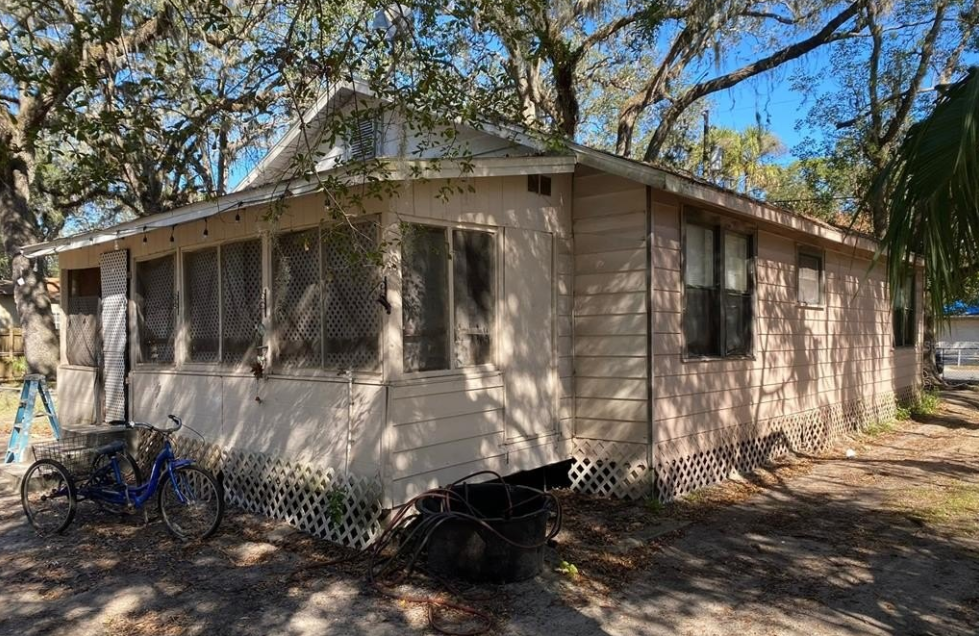
    Fixer-Upper Mobile Home

    4. Evaluate the Plumbing System

    Plumbing issues can become major expenses, especially in older mobile homes. Check under sinks and look for signs of leaks or corrosion on pipes. Test the faucets to ensure they have adequate water pressure. If possible, ask the seller about the age of the plumbing system and if it has experienced any past issues.

    5. Inspect the Electrical Wiring and Outlets

    Electrical issues are common in older mobile homes, but they can be costly to repair. Look for signs of exposed wiring, flickering lights, or outlets that don’t work. These could indicate outdated or damaged electrical systems. Ensure the breaker box is labeled and appears organized. It’s wise to consider hiring a licensed electrician for a detailed inspection.

    6. Analyze the Flooring Condition

    Flooring in mobile homes often shows signs of wear, especially in high-traffic areas. Walk across the floors to check for soft spots, squeaks, or signs of damage. Replacing floors can be expensive, especially if  the subfloor needs repair. However, minor repairs or cosmetic upgrades, such as new laminate, are manageable.

    7. Assess the Home’s Insulation and Energy Efficiency

    Energy efficiency can help reduce long-term costs for heating and cooling. Insulation, especially in walls and floors, plays a key role in maintaining comfort. Ask about the insulation type or check for visible signs of insulation if possible. Older mobile homes may need insulation upgrades to reduce utility bills.

    8. Inspect the Exterior Siding and Skirting

    Siding protects the mobile home from weather, pests, and wear. Inspect the exterior siding for signs of damage, such as holes, dents, or rust. Skirting, located around the bottom, protects pipes and adds curb appeal. Check the skirting for damage, as repairs or replacements can help prevent water damage and pests.

    9. Consider the Age and Model of the Mobile Home

    Older mobile homes may require more upgrades due to outdated materials and technology. Models from the 1970s or earlier often lack modern features like energy-efficient windows or advanced insulation. However, older models can still be excellent investments if they’re structurally sound. Consider the age of the home when estimating renovation costs.

    10. Look for Signs of Pest Damage

    Pests can cause severe damage if left untreated, especially in wood-based materials. Look for signs of termites, rodents, or other pests. Small holes, gnaw marks, and droppings indicate pest issues. Consider hiring a pest control expert to assess the home if you suspect infestations.

    11. Evaluate the HVAC System and Ventilation

    Heating and cooling are essential for comfortable living, especially in mobile homes that may heat or cool unevenly. Inspect the HVAC system for signs of wear or age, and ask when it was last serviced. Test the vents for airflow and inspect any visible ductwork for leaks. If the home lacks an HVAC system, factor in the cost of adding one.

    12. Inspect the Mobile Home’s Foundation

    A solid foundation is crucial for any mobile home, as it ensures stability and longevity. Look for signs of shifting, such as cracked walls or doors that don’t close properly. A well-maintained foundation reduces repair costs and adds value to the home. If the foundation appears questionable, consult a professional.

    13. Check for Water Damage and Mold

    Water damage can cause extensive problems, especially if mold develops. Examine walls, ceilings, and floors for signs of discoloration or softness, which can indicate water damage. Mold, often appearing as black or green spots, poses health risks and may require extensive remediation. Addressing water issues early can save significant money.

    14. Review Local Building Codes and Regulations

    Mobile homes often face stricter regulations than traditional homes, especially regarding renovations. Check local building codes to ensure that planned upgrades comply with requirements. Permits may be necessary for electrical work, plumbing, or structural changes. Researching codes early prevents future complications and legal issues.

    15. Inspect Cabinets and Built-In Furniture

    Built-in furniture, such as cabinets or counters, may show wear in a fixer-upper. Check for signs of warping, loose hinges, or broken parts. Built-ins can add value if they’re in good condition, while damaged ones may require repair or replacement. Upgrading cabinets and counters can enhance the home’s appeal without a huge investment.

    16. Evaluate the Location and Lot Fees

    Location affects the value and appeal of a mobile home significantly. Consider nearby amenities, crime rates, and lot fees in the area. Many mobile home parks charge lot fees, which cover amenities like maintenance or security. A great fixer-upper in a desirable location will likely appreciate over time.

    17. Determine the Home’s Resale Potential

    If you plan to sell a mobile home in the future, consider its resale potential. Homes in popular parks or areas with growth opportunities generally appreciate. Additionally, modern or well-maintained homes tend to attract buyers. By choosing a home with resale value, you maximize your investment’s return.

    18. Look for the Quality of Available Utilities

    Access to reliable utilities affects both comfort and resale value. Test the water pressure, check electricity access, and confirm the availability of gas if needed. Poor utilities can deter buyers and require costly repairs. A home with consistent utilities provides a strong foundation for comfortable living.

    19. Ask About Past Repairs and Renovations

    If possible, ask the seller about any previous repairs or renovations. A home with recent upgrades, such as a new roof or plumbing, may need fewer repairs. Knowledge of past renovations helps you gauge the home’s overall condition. Understanding repair history can also reveal potential issues that might arise later.

    20. Research the Cost of Renovations and Repairs

    Before purchasing a fixer-upper, research the cost of necessary renovations. Costs vary by area, materials, and the extent of repairs. Use online estimators or consult local contractors to create an accurate budget. By understanding the cost of repairs, you can determine if the investment is financially viable.

    21. Take Your Time to Make a Decision

    Spotting a great fixer-upper mobile home requires patience and thorough research. Avoid rushing the process, as this can lead to missed issues or oversights. Taking your time allows you to find a mobile home that fits both your budget and vision. Remember, a great deal now can save you considerable expenses in the long run.

    Conclusion

    Finding a great fixer-upper mobile home can be a rewarding investment with the right approach. By examining factors like structural integrity, plumbing, electrical systems, and overall costs, you can spot valuable properties. Patience, research, and a clear renovation budget will help you make a sound decision. With these tips, you’re on your way to finding a fixer-upper mobile home that will become a comfortable, valuable living space.
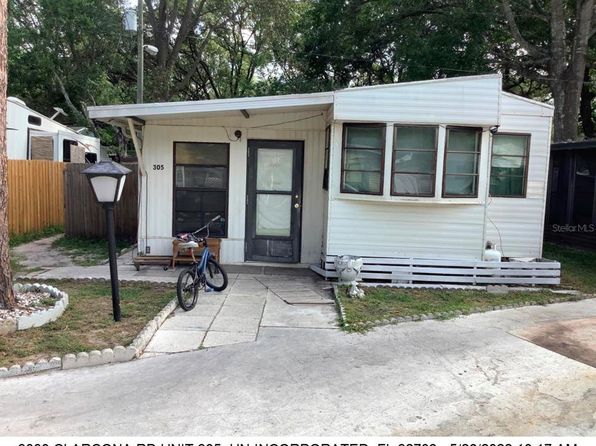
     

    See Also:

  • Should You Sell Your Mobile Home As-Is? Understanding Fixer-Uppers in Florida

    Selling a mobile home in Florida comes with important decisions, particularly when the property is in need of repairs. The choice to sell a mobile home “as-is” can simplify the process for sellers but also presents certain considerations. For Florida mobile homeowners with fixer-uppers, understanding the benefits, potential drawbacks, and market conditions is essential.

    Selling “as-is” allows the buyer to purchase the home in its current condition without the seller completing repairs. This option is often chosen when the seller prefers a quick sale or lacks resources for renovations. Here’s a breakdown of what Florida sellers should know about selling a mobile home as-is.

    1. What Does Selling As-Is Mean?

    When a mobile home is sold “as-is,” the buyer agrees to purchase the property in its current condition. No repairs or modifications are required from the seller before or after the sale. Any issues, such as structural damage or cosmetic flaws, are fully accepted by the buyer at the time of purchase.

    Florida mobile home fixer-upper

    Inspections may still be conducted by the buyer, but these will not affect the seller’s responsibilities. All known issues should be disclosed by the seller, as full transparency helps prevent potential legal issues. In Florida, selling as-is provides simplicity and speed for sellers who want to avoid the time and cost of repairs.

    2. Benefits of Selling Your Mobile Home As-Is in Florida

    For many sellers, choosing to sell as-is offers several distinct benefits. These advantages can be particularly appealing for those dealing with significant repairs or a time-sensitive sale.

    • Saves Time and Money
      By selling as-is, costly repairs and renovations are avoided. This option is especially helpful for sellers who may not have the resources or time to address structural or cosmetic issues. It allows a faster, cost-effective process, as no funds need to be set aside for repairs.
    • Attracts Investors and DIY Buyers
      Florida’s real estate market includes investors and buyers interested in fixer-uppers. Many buyers are drawn to homes needing repairs as they offer potential savings. A buyer who is willing to make improvements may find value in purchasing a mobile home as-is.
    • Speeds Up the Selling Process
      Without renovations, a mobile home can be listed and sold more quickly. Many buyers prefer moving forward without waiting for repairs. For sellers in a time-sensitive situation, selling as-is provides a faster transaction. Florida’s market conditions can make a quick sale advantageous.
    • Reduces Stress
      Preparing a home for sale can be stressful, especially if it requires multiple repairs. Selling as-is reduces this stress by eliminating the need to manage or oversee repair projects. Sellers can focus on the transaction itself rather than handling extensive work.

    3. Potential Drawbacks of Selling As-Is

    While selling as-is offers advantages, some drawbacks must also be considered. Lower sale prices and limited buyer interest are possible concerns for sellers.

    • Lower Sale Price
      A mobile home in need of repairs is likely to sell for a lower price. Buyers may negotiate down based on the repairs required, resulting in reduced profits for the seller. For homes in poor condition, this may be a significant drawback.
    • Limited Buyer Interest
      Not all buyers are interested in a fixer-upper. Some may avoid homes requiring additional investment, preferring move-in-ready properties. This limits the pool of potential buyers, potentially resulting in longer listing times.
    • Repairs and Upgrades Could Increase Value
      For mobile homes with moderate repair needs, completing minor upgrades could increase the sale price. Small improvements, such as painting, flooring upgrades, or fixture replacements, may boost interest from buyers. Selling as-is eliminates these potential increases in value.
    • Disclosure Obligations Remain
      Florida requires sellers to disclose any known defects or issues. Even if sold as-is, the seller is obligated to be honest about the home’s condition. Failure to disclose known issues may result in legal complications later. Being transparent with buyers is essential for a smooth sale.

    4. Common Fixer-Upper Issues in Florida Mobile Homes

    Understanding common repair needs in Florida mobile homes can help sellers evaluate the pros and cons of selling as-is. Frequent issues in fixer-upper mobile homes include water damage, structural problems, and outdated features.

    • Water Damage and Leaks
      Florida’s climate creates a higher risk of water damage. Roof leaks, damaged ceilings, and weakened flooring may result from moisture buildup. These issues can be costly, and potential buyers may expect to address them. For sellers, these repairs may not be feasible.
    • Outdated Electrical and Plumbing Systems
      Older mobile homes may have outdated wiring or plumbing. Homes built before 1980 may lack modern systems or materials. Replacement and updating costs can add up, making as-is sales more attractive. Buyers interested in fixer-uppers may already anticipate these upgrades.
    • Wear and Tear on Interiors
      Floors, walls, and cabinetry often show wear in older mobile homes. Cosmetic flaws, such as scratches or peeling paint, may require updates to appeal to buyers. However, many buyers are willing to accept these issues if the home is sold at a reduced price.
    • Aging Exterior and Skirting
      Exterior wear is common in mobile homes, with damage to siding, skirting, or roofing materials. Florida’s humidity and occasional hurricanes can increase exterior issues, which may impact curb appeal. Selling as-is with an older exterior may lead to reduced offers but avoids repair costs.

    5. Market Considerations for Selling As-Is in Florida

    The local Florida market plays a crucial role in determining the success of an as-is sale. Certain market factors make as-is sales more favorable at specific times.

    • Buyer Demand for Fixer-Uppers
      In a competitive housing market, buyers are often more willing to accept fixer-uppers. Investors and first-time homebuyers may actively seek mobile homes needing repairs. High demand in Florida’s housing market can make as-is sales more successful.
    • Price Comparisons with Move-In-Ready Homes
      The pricing difference between as-is and move-in-ready homes can affect buyer interest. Buyers may find value in purchasing a fixer-upper if nearby homes are more expensive. By adjusting the price attractively, sellers can appeal to budget-conscious buyers.
    • Location and Accessibility
      Florida’s location-specific demands impact as-is sales. Areas with high retirement populations may favor move-in-ready properties. In family-friendly communities or vacation areas, as-is sales may attract younger buyers or investors.
    • Seasonal Demand
      The timing of a sale can impact buyer interest. During Florida’s peak tourist season, demand for mobile homes often increases. Listing as-is homes during these times may lead to quicker offers.

    6. Preparing for an As-Is Sale

    To ensure a smooth as-is sale, Florida sellers should take certain preparatory steps. Simple tasks, such as cleaning and organizing, can improve the home’s appearance without extensive investments.

    • Conduct a Pre-Sale Inspection
      An inspection provides information on the home’s condition. This knowledge enables sellers to communicate accurately with buyers. Inspectors can identify issues that might arise during buyer inspections, helping to avoid surprises.
    • Set a Competitive Price
      An appropriate price is essential for attracting offers. By comparing similar mobile home listings, sellers can gauge what buyers are willing to pay for as-is homes. Adjusting the price competitively improves interest.
    • Highlight Positive Features
      Even in an as-is sale, positive aspects should be highlighted. Location, size, and functional features can be emphasized in listings. For example, proximity to beaches or local amenities may increase the home’s appeal.
    • Disclose Known Issues Transparently
      Disclosing known issues is not only required by Florida law but also fosters buyer trust. Buyers appreciate honesty, and full disclosure reduces the risk of post-sale issues. Transparency benefits both parties in the long term.

    Conclusion

    Selling a mobile home as-is in Florida provides both benefits and challenges. This option allows for a quicker, cost-effective sale, appealing to those who wish to avoid repairs. However, potential drawbacks, such as lower sale prices and limited buyer interest, should also be considered.

    By understanding the pros and cons, Florida sellers can make informed decisions based on their specific situations. An as-is sale can be a practical choice for many, especially when flexibility and speed are prioritized.

    Evaluating the market, the condition of the home, and the type of buyer interest expected will help sellers successfully navigate the sale. In Florida, selling as-is can be a straightforward approach for those seeking a quick, simplified transaction.


    See Also:


  • Is It A Good Idea To Buy A Sarasota Mobile Home Fixer Upper?

    With continually rising real estate prices throughout much of Sarasota Florida, one may think if it is a good idea to purchase a mobile home that needs some work as a way to get into the market at a deep discount.

    The rising real estate prices that we are all experiencing at the time of this writing do not seem to be ending soon, and it is becoming increasingly difficult for Buyers to purchase a home in or around the Sarasota area.

    Many people looking to relocate to the area are finding it quite difficult to obtain a rental property to move into. Many apartments have over a year’s waiting list, and some haven’t even been finished being built yet!

    With all of the focus on moving to Florida, the next logical step would be for these Buyers to consider purchasing a mobile home on leased land as a way to own something tangible without paying inflated real estate prices or paying the rent with nothing to show for it after the rental lease ends.

    mobile home for sale
    Mobile Home for Sale in Florida

    Many mobile homes throughout the Sarasota, Florida, area are being sold this can be seen by how quickly listings are becoming available and being placed in a pending status within days.

    This then leads to the question, should the Buyer who is looking at purchasing a mobile home on leased land that needs some updating as a way to get a home at a deep discount?

    It’s no secret that buying any real estate property is stressful and expensive. However, if you are up to the challenge and willing to put in the work, you could end up purchasing a mobile home called a “fixer-upper” at a great discount below market price. This type of home buying requires serious decision-making, especially when the needed repair is major, like roof or ceiling replacement.

    If you are 100% sure that you need a fixer-upper mobile home, then let’s discuss some things that you need to know.

    We, here at The Mobile Home Dealer, get several homes each month to our inventory that are titled “fixer uppers”. In fact, we are quickly becoming known as the mobile home brokers in the Sarasota area who look to obtain these listings more so than any other team in the mobile home sales arena.

    The reason for this is that we see a true value in these properties now more than ever.

    Many mobile home Buyers will not look to purchase a mobile home that needs work.

    Most of these Buyers are looking for a nice turn-key style home where they do not need to put any work into the property in order for it to be lived in. Like anything, if the Buyer is looking for something right out of the box that will meet all of their needs this will come with a price that, many times, is much higher than the price the Buyer would be paying if they were in a position to purchase a home that needs work.

    When looking at a mobile home that needs work we suggest you look at the major structural components of a home in order to see if it is worth putting additional money in.

    The first is the roof-are you seeing leaks or is the ceiling falling in on itself? If so, this will be a very costly repair, to the tune of several thousand dollars, which does not include all of the possible mold removals in the walls or flooring system.

    Does the air conditioner work? If it is central air conditioning how old is the unit and has it been serviced? New central air conditioning systems can cost over $6,000 for a new unit so it is certainly worth your time to get all the information you can from the Seller on the air system.

    fenched-mobile-home
    Mobile home with fence

    Lastly, when was the last time the home has been treated for pests and termites? If the home has a termite problem then it may need full home tinting which could cost several thousand dollars to complete.

    The three major structural components, the roof, the air system, and the pet control are three areas you as the mobile home Buyer will want to make sure you have all the information and full understanding of when you are buying a mobile home that needs some work done to it.

    If all three components above check out well then you very well could be buying a home that will not only be a great investment but will save you tens of thousands of dollars in the future!

    In addition, people with skills in carpentry and fond of DIYs are likely to be the first ones who want to buy a fixer-upper as they can easily estimate the needed repairs and cost of materials. 

    Buying a Sarasota mobile home fixer-upper can be a great investment, but it is important to do your research first. Before committing to a purchase, you should consider the cost of repairs, the availability of replacement parts, and the time and effort needed to complete the repairs. Additionally, you should ensure that the mobile home complies with local building codes and regulations. It may be wise to consult with a real estate professional or a qualified contractor to assess the home and make sure that it is in good condition. If these steps are taken and the potential repairs are within your budget, then a Sarasota mobile home fixer-upper can be an excellent investment.

    Buying a mobile home that needs repair always has its pros and cons. A retired carpenter who wants to keep himself busy can buy a mobile home, make it a project, and turn it into beauty. If, however, your purpose is just to get a discount and have zero knowledge of repair and maintenance, we do not recommend buying a fixer-upper. You may end up spending more money when the ceiling collapses.

    This is Mark Kaiser with The Mobile Home Dealer and we help mobile home Buyers and Sellers get to a better place in life.

    See Also:

  • Unveiling the Profit Potential of Mobile Home Fixer-Uppers: A Comprehensive Guide

    In the dynamic world of real estate, investors are always on the lookout for hidden gems that can yield substantial returns. One niche that has gained popularity in recent years is the realm of mobile home fixer-uppers. Mobile homes, often overlooked by traditional real estate investors, can be lucrative opportunities for those willing to roll up their sleeves and undertake a renovation project. In this article, we will explore the profit potential of mobile home fixer-uppers, shedding light on the factors that contribute to success in this unique segment of the real estate market.

    Understanding the Appeal of Mobile Home Investments

    Before delving into the profitability of mobile home fixer-uppers, it’s essential to understand why investors are drawn to this niche. Mobile homes offer an affordable housing option, making them particularly attractive to a segment of the population looking for budget-friendly alternatives. Additionally, the demand for affordable housing continues to rise, creating a favorable market for mobile home investors.

    fixer upper mobile home
    Fixer upper mobile home

    Key Factors Influencing Profitability

    • Purchase Price and Renovation Costs

    The cornerstone of any successful real estate investment lies in acquiring the property at the right price. Mobile homes, often priced lower than traditional houses, provide investors with an opportunity to enter the market with a relatively modest upfront investment. However, it is crucial to accurately estimate renovation costs. A thorough inspection is necessary to identify structural issues, electrical and plumbing problems, and any other potential pitfalls that could affect the renovation budget.

    • Location Matters

    Just like traditional real estate, location plays a significant role in the success of a mobile home fixer-upper project. Consider factors such as proximity to amenities, job opportunities, and the overall safety of the neighborhood. A mobile home in a desirable location will not only attract potential buyers but also command a higher resale value.

    • Compliance with Local Regulations

    Mobile homes are subject to specific regulations and zoning ordinances that vary from one locality to another. Before purchasing a mobile home for renovation, investors must be well-versed in local regulations to avoid legal issues down the line. This includes obtaining the necessary permits for renovations and ensuring compliance with safety and environmental standards.

    • Marketing and Selling Strategies

    Successfully selling a renovated mobile home requires effective marketing strategies. Utilize online platforms, social media, and traditional marketing channels to reach potential buyers. Highlight the unique features of the renovated property, emphasizing the value it offers in terms of affordability, modern amenities, and quality craftsmanship.

    Real-Life Success Stories

    To illustrate the profit potential of mobile home fixer-uppers, let’s delve into a couple of real-life success stories that showcase how savvy investors turned neglected properties into profitable assets.

    Case Study 1: The Bargain Purchase

    John, a real estate investor with an eye for hidden opportunities, stumbled upon a mobile home in need of significant repairs. The property was priced well below market value due to its poor condition. After a thorough inspection and careful budgeting, John acquired the mobile home and embarked on a renovation journey.

    By leveraging his network of skilled contractors and negotiating favorable deals on materials, John managed to keep renovation costs within budget. Once the renovation was complete, the mobile home boasted modern amenities, a refreshed exterior, and enhanced energy efficiency.

    With strategic marketing and a well-timed listing, John sold the mobile home at a price that exceeded his initial investment and renovation costs. The key to John’s success was his ability to identify an undervalued property, negotiate effectively, and execute a renovation plan that added significant value.

    Case Study 2: The Location Advantage

    Sarah, another investor, recognized the potential of a mobile home situated in a rapidly developing area. Although the property required extensive renovations, Sarah saw an opportunity to capitalize on the growing demand for affordable housing in that particular location.

    Sarah invested in a comprehensive renovation, focusing on modernizing the interior, improving the landscaping, and addressing any structural issues. The strategic location of the mobile home, combined with the thoughtful renovations, allowed Sarah to attract multiple interested buyers.

    In a competitive market, Sarah was able to sell the renovated mobile home at a premium price, showcasing how the combination of location, renovation quality, and market timing can contribute to significant profits.

    Challenges and Risks

    While the success stories highlight the profit potential of mobile home fixer-uppers, it’s crucial to acknowledge the challenges and risks associated with this niche.

    1. Market Fluctuations: The real estate market is subject to fluctuations, and mobile homes are no exception. Economic downturns or shifts in housing trends can impact the demand and pricing of mobile homes.
    2. Financing Obstacles: Securing financing for mobile home renovations can be challenging, as traditional lenders may be hesitant to provide loans for this type of investment. Investors may need to explore alternative financing options or use personal funds to fund the project.
    3. Regulatory Hurdles: Navigating local regulations and zoning ordinances can be complex. Investors must thoroughly research and comply with all applicable laws to avoid legal issues that could derail the project and erode potential profits.

    The Bottom Line

    In conclusion, mobile home fixer-uppers have the potential to be profitable investments when approached with careful planning, strategic execution, and an understanding of the unique challenges in this niche. Successful investors in this field often possess a combination of market knowledge, renovation expertise, and a keen eye for identifying undervalued properties.

    While the allure of affordable housing and the growing demand for such properties make mobile home fixer-uppers an attractive investment option, investors need to conduct thorough due diligence, factor in all associated costs, and stay informed about market trends. With the right approach, mobile home fixer-uppers can indeed offer a pathway to financial success in the diverse landscape of real estate investing.


    See Also:

Reset password

Enter your email address and we will send you a link to change your password.

Get started with your account

to save your favourite homes and more

Sign up with email

Get started with your account

to save your favourite homes and more

By clicking the «SIGN UP» button you agree to the Terms of Use and Privacy Policy
Powered by Estatik