Selling a mobile home in Florida comes with important decisions, particularly when the property is in need of repairs. The choice to sell a mobile home “as-is” can simplify the process for sellers but also presents certain considerations. For Florida mobile homeowners with fixer-uppers, understanding the benefits, potential drawbacks, and market conditions is essential.
Selling “as-is” allows the buyer to purchase the home in its current condition without the seller completing repairs. This option is often chosen when the seller prefers a quick sale or lacks resources for renovations. Here’s a breakdown of what Florida sellers should know about selling a mobile home as-is.
1. What Does Selling As-Is Mean?
When a mobile home is sold “as-is,” the buyer agrees to purchase the property in its current condition. No repairs or modifications are required from the seller before or after the sale. Any issues, such as structural damage or cosmetic flaws, are fully accepted by the buyer at the time of purchase.
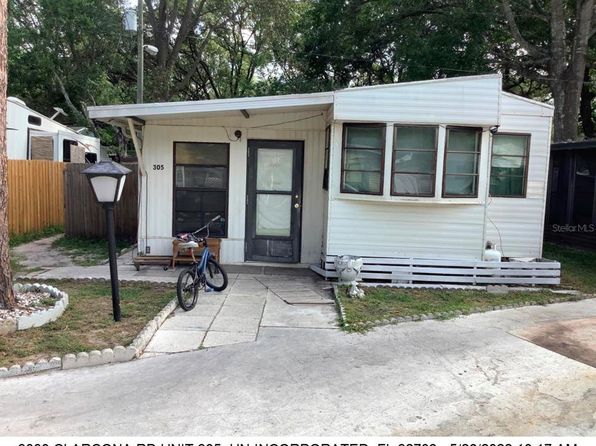
Inspections may still be conducted by the buyer, but these will not affect the seller’s responsibilities. All known issues should be disclosed by the seller, as full transparency helps prevent potential legal issues. In Florida, selling as-is provides simplicity and speed for sellers who want to avoid the time and cost of repairs.
2. Benefits of Selling Your Mobile Home As-Is in Florida
For many sellers, choosing to sell as-is offers several distinct benefits. These advantages can be particularly appealing for those dealing with significant repairs or a time-sensitive sale.
- Saves Time and Money
By selling as-is, costly repairs and renovations are avoided. This option is especially helpful for sellers who may not have the resources or time to address structural or cosmetic issues. It allows a faster, cost-effective process, as no funds need to be set aside for repairs. - Attracts Investors and DIY Buyers
Florida’s real estate market includes investors and buyers interested in fixer-uppers. Many buyers are drawn to homes needing repairs as they offer potential savings. A buyer who is willing to make improvements may find value in purchasing a mobile home as-is. - Speeds Up the Selling Process
Without renovations, a mobile home can be listed and sold more quickly. Many buyers prefer moving forward without waiting for repairs. For sellers in a time-sensitive situation, selling as-is provides a faster transaction. Florida’s market conditions can make a quick sale advantageous. - Reduces Stress
Preparing a home for sale can be stressful, especially if it requires multiple repairs. Selling as-is reduces this stress by eliminating the need to manage or oversee repair projects. Sellers can focus on the transaction itself rather than handling extensive work.
3. Potential Drawbacks of Selling As-Is
While selling as-is offers advantages, some drawbacks must also be considered. Lower sale prices and limited buyer interest are possible concerns for sellers.
- Lower Sale Price
A mobile home in need of repairs is likely to sell for a lower price. Buyers may negotiate down based on the repairs required, resulting in reduced profits for the seller. For homes in poor condition, this may be a significant drawback. - Limited Buyer Interest
Not all buyers are interested in a fixer-upper. Some may avoid homes requiring additional investment, preferring move-in-ready properties. This limits the pool of potential buyers, potentially resulting in longer listing times. - Repairs and Upgrades Could Increase Value
For mobile homes with moderate repair needs, completing minor upgrades could increase the sale price. Small improvements, such as painting, flooring upgrades, or fixture replacements, may boost interest from buyers. Selling as-is eliminates these potential increases in value. - Disclosure Obligations Remain
Florida requires sellers to disclose any known defects or issues. Even if sold as-is, the seller is obligated to be honest about the home’s condition. Failure to disclose known issues may result in legal complications later. Being transparent with buyers is essential for a smooth sale.
4. Common Fixer-Upper Issues in Florida Mobile Homes
Understanding common repair needs in Florida mobile homes can help sellers evaluate the pros and cons of selling as-is. Frequent issues in fixer-upper mobile homes include water damage, structural problems, and outdated features.
- Water Damage and Leaks
Florida’s climate creates a higher risk of water damage. Roof leaks, damaged ceilings, and weakened flooring may result from moisture buildup. These issues can be costly, and potential buyers may expect to address them. For sellers, these repairs may not be feasible. - Outdated Electrical and Plumbing Systems
Older mobile homes may have outdated wiring or plumbing. Homes built before 1980 may lack modern systems or materials. Replacement and updating costs can add up, making as-is sales more attractive. Buyers interested in fixer-uppers may already anticipate these upgrades. - Wear and Tear on Interiors
Floors, walls, and cabinetry often show wear in older mobile homes. Cosmetic flaws, such as scratches or peeling paint, may require updates to appeal to buyers. However, many buyers are willing to accept these issues if the home is sold at a reduced price. - Aging Exterior and Skirting
Exterior wear is common in mobile homes, with damage to siding, skirting, or roofing materials. Florida’s humidity and occasional hurricanes can increase exterior issues, which may impact curb appeal. Selling as-is with an older exterior may lead to reduced offers but avoids repair costs.
5. Market Considerations for Selling As-Is in Florida
The local Florida market plays a crucial role in determining the success of an as-is sale. Certain market factors make as-is sales more favorable at specific times.
- Buyer Demand for Fixer-Uppers
In a competitive housing market, buyers are often more willing to accept fixer-uppers. Investors and first-time homebuyers may actively seek mobile homes needing repairs. High demand in Florida’s housing market can make as-is sales more successful. - Price Comparisons with Move-In-Ready Homes
The pricing difference between as-is and move-in-ready homes can affect buyer interest. Buyers may find value in purchasing a fixer-upper if nearby homes are more expensive. By adjusting the price attractively, sellers can appeal to budget-conscious buyers. - Location and Accessibility
Florida’s location-specific demands impact as-is sales. Areas with high retirement populations may favor move-in-ready properties. In family-friendly communities or vacation areas, as-is sales may attract younger buyers or investors. - Seasonal Demand
The timing of a sale can impact buyer interest. During Florida’s peak tourist season, demand for mobile homes often increases. Listing as-is homes during these times may lead to quicker offers.
6. Preparing for an As-Is Sale
To ensure a smooth as-is sale, Florida sellers should take certain preparatory steps. Simple tasks, such as cleaning and organizing, can improve the home’s appearance without extensive investments.
- Conduct a Pre-Sale Inspection
An inspection provides information on the home’s condition. This knowledge enables sellers to communicate accurately with buyers. Inspectors can identify issues that might arise during buyer inspections, helping to avoid surprises. - Set a Competitive Price
An appropriate price is essential for attracting offers. By comparing similar mobile home listings, sellers can gauge what buyers are willing to pay for as-is homes. Adjusting the price competitively improves interest. - Highlight Positive Features
Even in an as-is sale, positive aspects should be highlighted. Location, size, and functional features can be emphasized in listings. For example, proximity to beaches or local amenities may increase the home’s appeal. - Disclose Known Issues Transparently
Disclosing known issues is not only required by Florida law but also fosters buyer trust. Buyers appreciate honesty, and full disclosure reduces the risk of post-sale issues. Transparency benefits both parties in the long term.
Conclusion
Selling a mobile home as-is in Florida provides both benefits and challenges. This option allows for a quicker, cost-effective sale, appealing to those who wish to avoid repairs. However, potential drawbacks, such as lower sale prices and limited buyer interest, should also be considered.
By understanding the pros and cons, Florida sellers can make informed decisions based on their specific situations. An as-is sale can be a practical choice for many, especially when flexibility and speed are prioritized.
Evaluating the market, the condition of the home, and the type of buyer interest expected will help sellers successfully navigate the sale. In Florida, selling as-is can be a straightforward approach for those seeking a quick, simplified transaction.
See Also:
