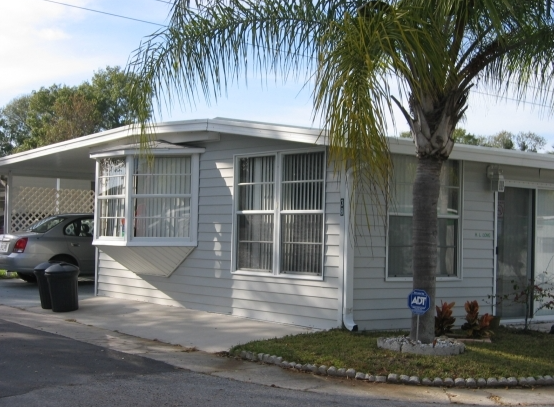
Tag: Florida Mobile Homes for Rent by Owner under $1000

  • Are Manufactured Homes for Rent Cheaper Than Apartments?

    Manufactured homes for rent often cost less than apartments in the same area. With lower monthly payments, more privacy, and access to outdoor space, they present a great alternative to traditional apartment living.

    Comparing Costs: Manufactured Homes vs Apartments

    Many renters choose apartments because they believe it’s the most affordable option. But manufactured homes for rent can be cheaper in many ways:

    Lower monthly rent
    Less money spent on utilities
    Fewer maintenance fees
    No shared walls or noisy neighbors

    Apartments in busy areas often come with high rent. In comparison, many manufactured homes provide similar space at a lower cost. Renters can find homes in quiet communities for hundreds less each month.

    Manufactured Homes Offer More Living Space

    Apartments tend to be smaller and stacked closely together. Manufactured homes offer more square footage and often include:

    ✅ A private driveway or carport
    ✅ A yard or patio
    ✅ Separate bedrooms, living room, and kitchen
    ✅ Washer and dryer hookups

    With more room inside and out, manufactured homes allow renters to spread out and live comfortably. Pets also tend to be more welcome in mobile home communities than in apartment buildings.

    Amenities That Compete with Apartment Complexes

    Many manufactured home communities include shared amenities that match or exceed apartment complexes. These often include:

    ✅ Swimming pools
    ✅ Clubhouses
    ✅ Playgrounds
    ✅ Community events

    Unlike large apartment buildings, mobile home parks tend to feel more relaxed. You can enjoy the amenities without the crowds.

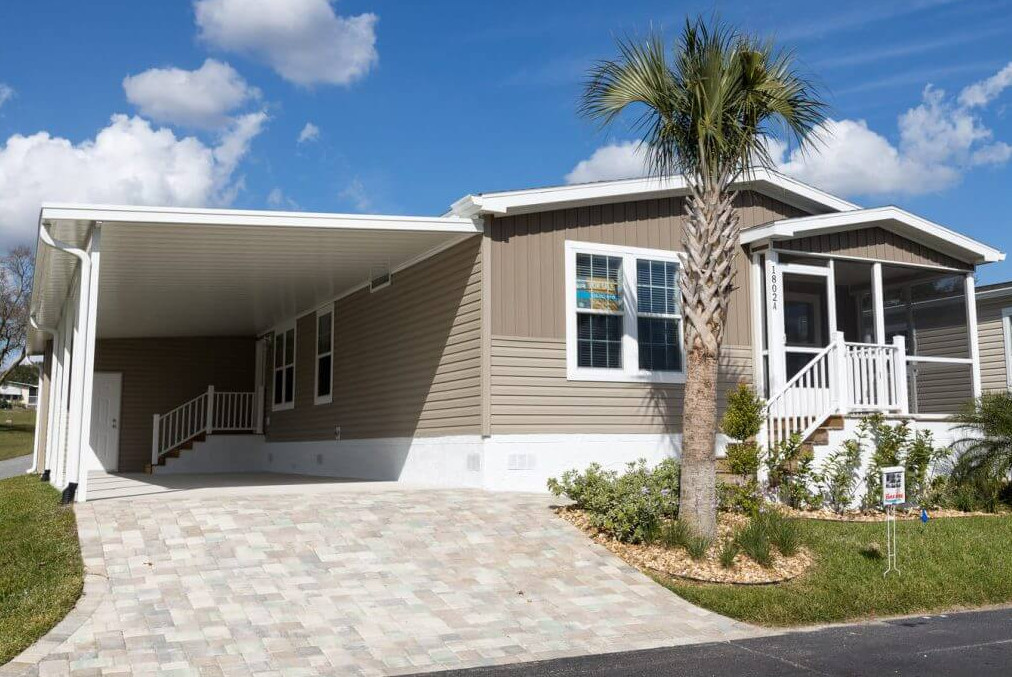
    manufactured homes for rent

    Neighborhood Feel: Apartments vs Mobile Home Parks

    Manufactured home communities often have a stronger sense of neighborhood. Residents usually stay longer and form closer connections. In contrast, apartment living can feel temporary and less personal.

    Mobile home parks are often quieter. Since homes don’t share walls, residents hear less noise and enjoy more privacy. Renters also get direct access to parking, yards, and entryways.

    Flexibility and Freedom

    Leasing a manufactured home offers more freedom than apartment life. Some homes come with rent-to-own options or allow minor customization. Apartment tenants are usually more limited.

    Renters in manufactured homes can enjoy:

    ✅ Decorating freedom
    ✅ Room to garden or landscape
    ✅ Space to entertain guests outdoors

    That kind of flexibility is rare in apartment units. For those who like more control over their living space, manufactured homes stand out.

    Utilities and Monthly Bills

    Manufactured homes often save renters money on monthly utilities. Because they’re built with energy efficiency in mind, utility costs stay lower.

    Many apartments charge for shared water and trash services. In contrast, manufactured homes on private lots or in smaller parks often let renters manage their own utility accounts. This transparency helps keep bills predictable.

    Maintenance and Repairs

    Apartment tenants usually wait for a maintenance team to fix problems. That team may be slow or overloaded with other issues.

    Manufactured homes require more personal responsibility, but they also give renters more control. Some communities include maintenance help as part of rent. Others allow residents to handle small repairs themselves and skip waiting.

    Renters who want independence often prefer that setup.

    Who Benefits Most from Manufactured Homes for Rent?

    Renters looking for space, savings, and peace of mind tend to love mobile home living. These homes appeal to:

    ✅ Families needing more space
    ✅ Seniors who want quiet, single-level homes
    ✅ Individuals who prefer privacy
    ✅ Pet owners

    Manufactured homes provide the comfort of a house at the price of a rental.

    FAQ About Manufactured Homes for Rent

    What are manufactured homes?

    They are factory-built houses installed on land or in communities. They’re often called mobile homes.

    Are manufactured homes safe?

    Yes. Homes built after 1976 follow HUD safety standards.

    Can I rent a manufactured home without credit checks?

    Many communities offer flexible approval, but it depends on the park.

    Are pets allowed in manufactured homes?

    Most parks welcome pets, but rules vary by location.

    Do manufactured homes come furnished?

    Some rentals are furnished, but most are not. Always ask before renting.

    Can I decorate a manufactured home?

    Yes. Renters usually have more freedom than apartment tenants.

    Do manufactured homes have yards?

    Yes, most include a small yard or outdoor space.

    Are manufactured homes energy efficient?

    Many newer homes include energy-saving features.

    How long are lease terms?

    Most parks offer 12-month leases, though some may allow shorter terms.

    Can I own the home but rent the land?

    Yes. Many people own the home and rent space in a mobile home park.

    Final Thoughts

    Manufactured homes for rent often cost less and offer more benefits than apartments. They give renters more space, freedom, and privacy — all at a lower price. Many communities include amenities like pools and clubhouses without the high costs of apartment living. Whether you’re a family, a couple, or someone downsizing, mobile home rentals offer smart living at a great value.

    To find manufactured homes for rent in your area, visit The Mobile Home Dealer today.
     

    See Also:

  • Senior Mobile Homes for Rent in Florida: A Comfortable and Affordable Option

    Senior Mobile Homes for Rent in Florida: A Comfortable and Affordable Option

    Senior mobile homes for rent offer a practical and relaxing living choice for many retirees in Florida. With warm weather, friendly communities, and low-maintenance homes, it’s no surprise that more people are considering this housing option.

    Whether you’re downsizing or looking for an easy-to-manage home, these rentals meet a wide range of needs. Plus, many parks provide amenities that support a laid-back and active lifestyle.

    What Are Senior Mobile Homes for Rent?

    Senior mobile homes for rent are housing units located in age-restricted communities. Most of these parks require residents to be 55 or older. This rule helps maintain a peaceful setting where neighbors share similar lifestyles.

    These homes usually come with:

    • One to three bedrooms
    • Private driveways
    • Covered porches
    • Yard space
    • Full kitchens and bathrooms

    They are often located inside managed parks that include swimming pools, shuffleboard courts, and clubhouses.

    senior mobile homes for rent in Florida

    Benefits of Renting Senior Mobile Homes

    Living in a senior mobile home has many upsides. In fact, it’s one of the most budget-friendly ways to live in Florida while still enjoying comfort and convenience.

    Key benefits include:

    • Lower monthly rent than traditional apartments
    • Fewer maintenance responsibilities
    • Quiet neighborhoods designed for retirees
    • Access to community events and activities

    Most mobile home parks in Florida also include lawn care and basic utilities in the rent. This simplifies the monthly budget, giving more time for fun and relaxation.

    Finding Senior Mobile Homes for Rent in Florida

    With so many parks across the state, finding the right rental might seem like a big task. Yet, once you know where to look, it becomes easier.

    Many renters begin by checking listings on:

    • Community bulletin boards
    • Real estate websites
    • Facebook groups
    • Local mobile home dealerships

    You can also contact mobile home brokers, who specialize in matching renters with available units in age-restricted communities.

    Features to Look for in Senior Mobile Homes

    When choosing a rental, it’s smart to compare several homes before deciding. Look beyond the rent price to see what each home and park really offers.

    Consider checking:

    • Updated kitchens and bathrooms
    • New flooring or paint
    • Working appliances
    • Lot size and privacy
    • Park rules and restrictions

    You may want to look at several communities to find the one that feels the most welcoming.

    Amenities Often Included

    Many Florida parks with senior mobile homes for rent offer shared spaces to bring neighbors together. These extras help build friendships and keep daily life fun.

    Common amenities in 55+ mobile home parks:

    • Heated swimming pools
    • Fitness centers
    • Organized clubs and bingo nights
    • Shuffleboard and pickleball courts
    • Library rooms or computer access

    Because of these features, many renters choose to stay long-term.

    Pros and Cons of Renting Instead of Buying

    Renting a mobile home works well for people who want flexibility without the long-term cost of owning.

    Pros of renting:

    • No long-term financial commitment
    • Less risk if you move again soon
    • Fewer repairs and maintenance costs

    Possible downsides:

    • Rent may increase with time
    • Some parks don’t allow full customization
    • No equity build-up as with ownership

    Still, for many seniors in Florida, renting remains the better option.

    How to Qualify for Senior Mobile Homes for Rent

    Most age-restricted parks will require a few basic qualifications. These are often easy to meet, especially for retirees.

    You may be asked to:

    • Prove you meet the age requirement
    • Pass a background check
    • Show income or savings to cover rent
    • Provide references from past landlords

    Some parks offer flexible payment options or discounted rent for long-term leases.

    Triple Wide and Other Mobile Home Options

    While many seniors rent single or double-wide homes, some parks offer larger units like triple wide homes. These give more space without sacrificing the convenience of mobile home living.

    Extra room can mean:

    • Home office space
    • Extra guest rooms
    • Bigger kitchens and bathrooms

    If you need room to host family or keep hobbies alive, a triple wide mobile home may be worth considering.

    Cost Breakdown for Renting in Florida

    Florida has a wide range of pricing depending on the city and park. Most rents for senior mobile homes fall between $800 and $1,400 per month.

    Your rent often covers:

    • Water and trash
    • Lawn care
    • Park amenities

    Some parks may ask for first and last month’s rent, plus a security deposit. Be sure to ask what’s included before signing.

    Best Locations in Florida for Senior Mobile Homes

    The state is full of cities that attract retirees due to their weather, healthcare, and activities.

    Popular areas with rental options:

    • Clearwater
    • Lakeland
    • Fort Myers
    • Sarasota
    • Ocala 

    Each area has its own feel, so try visiting a few to find the right match.

    FAQs: Senior Mobile Homes for Rent

    What age do I need to be to rent a senior mobile home?
    Most parks require residents to be 55 years or older.

    Do senior mobile home parks allow pets?
    Some do, but there may be size or breed limits. Always check park rules first.

    Can I rent a senior mobile home part-time?
    Yes, some parks allow seasonal rentals during winter months.

    Is lot rent included in my monthly payment?
    In most cases, yes. Lot rent is usually bundled with home rent.

    Are utilities covered in the rent?
    Some parks include basic utilities like water and trash, but others do not.

    How long is a typical lease?
    Most leases run 12 months, but shorter terms may be available.

    Are there income requirements?
    Some parks require proof of income or savings to show you can pay rent.

    Can I customize my rental unit?
    Small changes may be allowed, but major changes usually need approval.

    Do I need to bring my own appliances?
    Most rentals come with basic appliances like a fridge and stove.

    Is renting better than buying for seniors?
    It depends on your lifestyle. Renting offers flexibility and fewer long-term costs.

    If you’re searching for senior mobile homes for rent in Florida, now is a great time to begin. With friendly neighbors, sunny skies, and plenty of choices, these homes can offer a peaceful and affordable lifestyle.


    See Also:

  • Passive Income Strategies with Mobile Home Rentals

    Mobile home rental income offers a practical way to build a steady passive income stream. With affordable entry costs and high demand for budget-friendly housing, mobile homes can be a wise investment. You can turn these properties into reliable income-generating assets by carefully planning and managing rentals. Below, we explore practical strategies for earning passive income through mobile home rentals.

    Why Choose Mobile Home Rentals for Passive Income?

    Mobile homes offer an affordable entry point for real estate investors compared to traditional properties. Their lower cost means you can purchase multiple units and diversify your portfolio. Additionally, there is a strong demand for affordable housing in many areas, which keeps vacancy rates low. This combination of affordability and demand makes mobile home rentals an attractive option.

    Another advantage is the flexibility of ownership models. You can own both the mobile home and the land on which it sits or lease land while owning only the house. Each approach has benefits, depending on your financial goals and the local market.

    mobile home rentals florida

    Steps to Get Started in Mobile Home Rentals

    1. Research Local Markets

    Understanding your target market is the first step in mobile home investing. Look for areas with strong demand for affordable housing, such as regions with high apartment rents or tight rental markets. Check local zoning laws and regulations for mobile home parks to avoid legal complications.

    2. Choose the Right Property

    Finding the right property is crucial for success. Decide whether to invest in individual homes, parks, or land on which to build homes. Inspect properties thoroughly to ensure they meet safety and maintenance standards.

    3. Develop a Maintenance Plan

    Well-maintained properties attract quality tenants and reduce long-term expenses. Create a system for regular inspections and repairs to keep your units in good condition. Proper maintenance protects your investment and keeps tenants satisfied.

    Income Potential from Mobile Home Rentals

    Mobile home rental income can provide consistent cash flow when managed properly. Rent payments often exceed mortgage or financing costs, leaving you a monthly profit. Mobile homes also require less capital to purchase, meaning lower debt obligations.

    For example, if you purchase a mobile home for $50,000 and rent it for $800 monthly, your yearly rental income is $9,600. Subtract operating expenses, and you could still achieve a significant return on investment.

    Key Strategies to Maximize Rental Income

    1. Offer Competitive Rent

    Price your units competitively to attract tenants quickly—research comparable properties in the area to determine the correct rental rate. Keeping your units occupied ensures steady income without extended vacancies.

    2. Target Long-Term Tenants

    Long-term tenants reduce turnover costs and provide stability. To attract them, offer lease agreements that reward longer stays, such as slight discounts or perks for signing multi-year leases.

    3. Add Extra Services

    Consider offering additional services like trash collection, lawn care, or utilities. Including these services in the rent can make your property more appealing while providing extra revenue.

    Managing Mobile Home Rentals

    Efficient management is essential for passive income. Whether you self-manage or hire a property management company, having systems in place helps you avoid common pitfalls.

    Self-Management Tips

    If you prefer to manage the property yourself, invest time in learning about tenant screening, lease agreements, and local regulations. Good communication with tenants builds trust and reduces disputes.

    Hiring a Management Company

    If you prefer a hands-off approach, hire a property management company. They handle tasks like rent collection, maintenance, and tenant relations. While this comes with a cost, it can save you time and stress.

    The Role of Mobile Home Parks

    Owning or investing in mobile home parks adds another layer of income potential. Park owners collect lot rent from tenants who own their mobile homes. This model shifts maintenance responsibilities to tenants while providing a steady income from lot leases.

    You can also increase profits by upgrading park facilities, such as adding recreational areas or security features. Enhanced amenities attract more tenants and justify higher lot rents.

    Tax Benefits and Mobile Home Investments

    Investing in mobile homes comes with several tax benefits. Depreciation on the structure, mortgage interest deductions, and maintenance costs can lower your tax liability. Consult a tax professional to maximize these advantages while ensuring compliance with tax laws.

    Challenges and How to Overcome Them

    While mobile home rental income can be lucrative, there are challenges to consider. These include:

    • Tenant Turnover: Minimize turnover with thorough tenant screening and clear lease terms.
    • Repairs and Maintenance: Budget for regular upkeep to avoid unexpected costs.
    • Regulatory Issues: Stay informed about zoning laws and local mobile home regulations.

    Addressing these challenges, you can proactively protect your investment and maintain consistent income.

    Is Mobile Home Rental Income Right for You?

    Mobile home rentals are an excellent option for investors seeking passive income. Their affordability, high demand, and tax advantages make them appealing. However, success depends on careful planning and effective management. If you are ready to commit to this strategy, mobile homes can become a reliable source of income for years.


    See Also:

  • How to Rent a Mobile Home in Florida: What Tenants and Landlords Need to Know

    Renting a mobile home in Florida can be an appealing option for many individuals and families. With a range of benefits, including affordability and flexibility, mobile homes offer a unique living experience. However, both tenants and landlords need to understand the legal requirements, best practices, and specific considerations involved in the rental process. This comprehensive guide will walk you through the essential aspects of renting a mobile home in Florida.

    Renting a mobile home in Florida

    Understanding Mobile Home Rentals in Florida

    Mobile homes, also known as manufactured homes, are built in factories and transported to their designated lots. They can be rented in mobile home parks or placed on private lots. Understanding the nuances of renting a mobile home is crucial for both tenants and landlords to ensure a smooth rental experience.

    Legal Definitions and Types of Mobile Homes

    In Florida, a mobile home is defined as a residential structure that is transportable and built before June 15, 1976. After this date, homes are classified as manufactured homes. This distinction is significant because it affects zoning, regulations, and safety standards.

    Types of Rentals:

    • Mobile Home Parks: These communities typically offer shared amenities and services, including maintenance, recreational facilities, and management oversight.
    • Private Lots: Renting a mobile home on private property provides more autonomy but may come with different regulations.

    Key Considerations for Tenants

    1. Researching Mobile Home Parks

    When searching for a mobile home to rent, start by researching different parks in your desired area. Consider factors such as:

    • Location: Proximity to work, schools, shopping, and medical facilities.
    • Amenities: Check for community features like pools, fitness centers, and recreational areas.
    • Reputation: Look for reviews and ratings of the park to gauge resident satisfaction.

    2. Understanding Lease Agreements

    A lease agreement outlines the terms and conditions of the rental. Tenants should ensure that they understand the following elements before signing:

    • Duration: The lease term typically ranges from six months to a year.
    • Rent Amount: The monthly rent and any included utilities.
    • Deposit Requirements: Security deposits and any non-refundable fees.
    • Maintenance Responsibilities: Clarification of who is responsible for maintenance and repairs.

    3. Tenant Rights in Florida

    Florida law provides tenants with specific rights regarding rental agreements, including:

    • Habitability: The property must meet basic health and safety standards.
    • Privacy: Landlords must provide reasonable notice before entering the rental unit.
    • Repairs: Tenants have the right to request necessary repairs and must receive timely responses.

    4. Insurance Considerations

    While mobile homes typically require less insurance than traditional homes, renters should consider obtaining renters’ insurance. This coverage protects personal belongings and provides liability protection in case of accidents.

    5. Submitting an Application

    When applying to rent a mobile home, be prepared to provide:

    • Personal Information: Identification, employment history, and references.
    • Financial Information: Proof of income and credit history.

    6. Understanding Lot Rent

    If renting a mobile home in a park, tenants will typically pay a monthly lot rent in addition to the rent for the home itself. Lot rent covers the use of the land and may include amenities and utilities. Be sure to clarify:

    • What’s Included: Determine what services and utilities are included in the lot rent.
    • Rent Increases: Understand the park’s policies regarding rent increases and how often they occur.

    Key Considerations for Landlords

    1. Understanding Florida Landlord-Tenant Laws

    Landlords must comply with Florida’s landlord-tenant laws, which govern rental agreements, security deposits, and eviction processes. Key regulations include:

    • Lease Requirements: Clearly written lease agreements that outline terms, responsibilities, and rights.
    • Security Deposits: Florida law limits security deposits to one month’s rent and requires landlords to provide written notice of where the deposit is held.

    2. Preparing the Mobile Home for Rent

    Before renting a mobile home, ensure that it meets safety and livability standards. Consider:

    • Inspections: Conduct thorough inspections to identify necessary repairs or upgrades.
    • Safety Features: Install smoke detectors, carbon monoxide detectors, and ensure proper electrical systems.

    3. Setting Rental Rates

    When determining rent, consider:

    • Market Rates: Research comparable mobile home rentals in the area.
    • Expenses: Account for maintenance costs, utilities, and property taxes.
    • Amenities: Evaluate any additional features or services included in the rental.

    4. Marketing the Mobile Home

    Effective marketing is essential for attracting tenants. Utilize various channels to advertise your mobile home, such as:

    • Online Listings: Use platforms like Zillow, Craigslist, and Facebook Marketplace.
    • Local Community Boards: Post flyers in community centers and local businesses.
    • Word of Mouth: Network within the community to spread the word about the available rental.

    5. Screening Potential Tenants

    Thorough tenant screening helps ensure reliable and responsible renters. Implement a screening process that includes:

    • Background Checks: Review credit history, criminal records, and rental history.
    • Income Verification: Ensure potential tenants can afford the rent based on their income.

    6. Lease Agreements and Documentation

    Once you find a suitable tenant, prepare a comprehensive lease agreement that includes:

    • Terms and Conditions: Clearly outline rental terms, maintenance responsibilities, and payment methods.
    • Rules and Regulations: Include community guidelines that tenants must follow, such as noise restrictions and pet policies.

    7. Communication and Relationship Building

    Establishing a good relationship with tenants is key to a successful rental experience. Maintain open lines of communication and address concerns promptly.

    8. Handling Maintenance and Repairs

    Landlords are generally responsible for maintaining the mobile home and ensuring it remains habitable. Be proactive in handling repairs and maintenance requests to keep tenants satisfied.

    Common Challenges and Solutions

    1. Evictions

    Evicting a tenant can be a challenging process. Florida law outlines specific procedures landlords must follow, including providing written notice and allowing tenants time to rectify lease violations.

    2. Disputes Over Security Deposits

    To avoid disputes over security deposits, landlords should conduct a thorough inspection of the mobile home before tenants move in and document any pre-existing damage.

    3. Managing Rent Increases

    Landlords must provide proper notice of rent increases, typically 30 days. Transparency about the reasons for increases can help maintain positive tenant relationships.

    Conclusion

    Renting a mobile home in Florida can be a rewarding experience for both tenants and landlords, provided they understand the legal requirements and best practices involved. By conducting thorough research, communicating openly, and adhering to Florida’s rental laws, both parties can navigate the rental process successfully. Whether you are a tenant looking for a comfortable place to live or a landlord seeking to maximize your investment, understanding the ins and outs of mobile home rentals will contribute to a positive rental experience in the Sunshine State.


    See Also:


  • Is it Possible to Rent Mobile Homes in Florida for $400?

    Finding affordable housing in Florida can be challenging, especially in the current real estate market. As costs for traditional housing continue to rise, many people are turning to mobile homes as a viable and more affordable alternative. However, the question arises: Can you find mobile homes for rent for $400 in Florida? This article explores the possibilities, challenges, and tips for finding affordable mobile home rentals in the Sunshine State.

    mobile homes for rent florida

    Understanding the Market

    Florida is a popular state with a high demand for housing due to its favorable climate, tourist attractions, and growing job market. The demand for affordable housing has led many to consider mobile homes as a cost-effective solution. Mobile homes offer a unique blend of affordability and comfort, making them an attractive option for individuals and families alike.

    Is $400 a Realistic Budget?

    Finding a mobile home for rent at $400 per month in Florida is possible, but it can be quite challenging. The average rent for mobile homes varies significantly based on location, amenities, and the age of the home. While some areas may offer mobile homes at this price, they are typically older models and may require some maintenance.

    Key Factors Influencing Rent Prices

    1. Location: The cost of renting a mobile home largely depends on its location. Mobile homes in rural areas or smaller towns tend to be more affordable compared to those in or near major cities like Miami, Orlando, or Tampa.
    2. Community Amenities: Mobile home parks with amenities such as swimming pools, clubhouses, and playgrounds often have higher rental prices. More basic parks without these amenities are likely to offer lower rents.
    3. Age and Condition of the Home: Older mobile homes are generally less expensive to rent than newer models. However, older homes may require more maintenance and repairs.
    4. Size and Layout: The size of the mobile home, including the number of bedrooms and bathrooms, also affects the rental price. Smaller homes or those with fewer amenities are typically less expensive.

    Where to Look for Affordable Mobile Homes

    1. Rural Areas and Small Towns: Searching in less populated areas can increase the chances of finding a mobile home for rent within a $400 budget. Areas away from tourist hotspots and urban centers generally have lower rental prices.
    2. Online Classifieds: Websites like Craigslist, Zillow, and Facebook Marketplace often have listings for mobile homes. It’s important to regularly check these sites and act quickly when a suitable listing appears.
    3. Local Mobile Home Parks: Contacting mobile home parks directly can sometimes yield better results. Park managers may have information on upcoming vacancies or know of residents looking to rent out their homes.
    4. Community Bulletin Boards: Local community centers, grocery stores, and libraries often have bulletin boards with rental listings. These can be a good source of information on affordable housing options in the area.
    5. Word of Mouth: Networking with friends, family, and coworkers can also lead to finding affordable rentals. Someone in your network might know of a rental opportunity that is only sometimes advertised.

    Challenges in Finding Affordable Rentals

    1. Limited Availability: Due to the high demand for affordable housing, finding a mobile home for rent at $400 can be difficult. Listings in this price range tend to be snapped up quickly.
    2. Condition of the Home: Lower-priced mobile homes may be older and in need of repairs. It’s essential to thoroughly inspect any potential rental to ensure it is safe and habitable.
    3. Lease Terms: Some mobile home parks have specific lease terms and conditions that may not be favorable for all renters. It’s important to read and understand the lease agreement before committing.

    Tips for Securing an Affordable Mobile Home Rental

    1. Act Quickly: Affordable rentals are in high demand, so it’s crucial to act quickly when you find a listing that fits your budget. Be prepared to submit an application and provide necessary documentation promptly.
    2. Negotiate: Don’t be afraid to negotiate the rent with the landlord or park manager. They may be willing to lower the rent if you can offer something in return, such as committing to a longer lease or performing minor maintenance tasks.
    3. Consider Sharing: If you find a larger mobile home that exceeds your budget, consider sharing it with a roommate to split the cost. This can make higher-priced rentals more affordable.
    4. Save on Utilities: Look for energy-efficient mobile homes or those with included utilities to save on monthly expenses. Some parks include water, sewer, and trash services in the rent.

    Conclusion

    Finding a mobile home for rent for $400 in Florida is challenging but not impossible. It requires persistence, flexibility, and a willingness to explore various options. By considering less populated areas, regularly checking online listings, and leveraging your network, you can increase your chances of finding an affordable mobile home rental. While it may take time and effort, the reward of securing a budget-friendly home in the beautiful state of Florida can be well worth it.

    As the demand for affordable housing continues to grow, mobile homes remain a viable and attractive option for many. By understanding the market, being proactive in your search, and being open to different possibilities, you can find a mobile home that meets your needs and budget.


    See Also:

Reset password

Enter your email address and we will send you a link to change your password.

Get started with your account

to save your favourite homes and more

Sign up with email

Get started with your account

to save your favourite homes and more

By clicking the «SIGN UP» button you agree to the Terms of Use and Privacy Policy
Powered by Estatik