Tag: Florida mobile home insurance requirements

  • How Much to Insure a Mobile Home in Florida?

    How much to insure a mobile home in Florida? Many homeowners ask this question when protecting their investments. Mobile home insurance provides financial security against storms, fire, theft, and other unexpected damages. While the cost varies, understanding what affects insurance rates helps homeowners find the best coverage at the right price.

    Why Insure a Mobile Home in Florida?

    Florida offers a great climate for mobile homeowners, but it also comes with risks. Hurricanes, strong winds, and flooding can cause serious damage. Insurance provides peace of mind and financial protection.

    Benefits of Mobile Home Insurance:

    • Covers storm and wind damage – Helps repair or replace damaged property.
    • Protects against theft and vandalism – Covers stolen or damaged belongings.
    • Includes liability coverage – Protects against legal claims from injuries on your property.
    • Covers fire and water damage – Pays for repairs after unexpected disasters.

    With these benefits, mobile home insurance is a smart investment for Florida homeowners.

    How Much to Insure a Mobile Home in Florida

    How Much to Insure a Mobile Home in Florida?

    Insurance costs depend on many factors. On average, mobile home insurance in Florida ranges from $500 to $2,000 per year. The exact price depends on location, home value, and coverage options.

    Factors That Affect Insurance Costs

    Several key factors influence insurance rates:

    • Location – Coastal areas have higher risks and higher premiums.
    • Home Age and Condition – Older homes may cost more to insure.
    • Construction Type – Homes with strong roofing and tie-downs get better rates.
    • Coverage Limits – Higher coverage means higher premiums.
    • Deductible Amount – Choosing a higher deductible lowers the monthly cost.

    Each homeowner’s policy is different, so getting quotes from multiple providers helps find the best rate.

    Types of Mobile Home Insurance Coverage

    Choosing the right coverage is important for protecting a home. Policies vary, but most include the following:

    1. Standard Coverage

    • Protects against fire, theft, and weather damage.
    • Covers the home and personal belongings.

    2. Comprehensive Coverage

    • Includes standard coverage plus additional protection for flooding and hurricanes.
    • Provides more financial security in high-risk areas.

    3. Liability Coverage

    • Pays for medical expenses if someone gets injured on the property.
    • Covers legal fees in case of a lawsuit.

    4. Additional Coverage Options

    • Flood insurance for homes in flood-prone areas.
    • Replacement cost coverage to pay for a new home if it’s destroyed.

    Selecting the right policy depends on a homeowner’s budget and location.

    How to Lower Mobile Home Insurance Costs

    Homeowners can take several steps to reduce insurance costs while maintaining good coverage.

    Ways to Save Money on Insurance:

    • Compare Quotes – Shopping around helps find the best price.
    • Bundle Policies – Combining home and auto insurance lowers rates.
    • Increase Security – Installing alarms and storm shutters can reduce costs.
    • Maintain the Home – Keeping the roof and foundation in good condition prevents claims.
    • Raise the Deductible – A higher deductible lowers monthly payments.

    These strategies help homeowners save money while keeping their property protected.

    Insurance Requirements for Mobile Homes in Florida

    Florida does not legally require mobile home insurance, but some situations make it necessary.

    When Insurance Is Required:

    • If the home is financed – Lenders require coverage to protect their investment.
    • If located in a mobile home park – Some parks require proof of insurance.
    • If renting the home – Landlords need liability coverage for tenants.

    Even if insurance is not required, it’s a wise decision to protect against unexpected damages.

    Comparing Mobile Home Insurance Providers

    Choosing the right insurance company is as important as selecting the right coverage.

    What to Look for in an Insurance Provider:

    • Financial Stability – A company should have strong financial backing.
    • Customer Service – Support should be easy to reach.
    • Affordable Rates – Premiums should fit within the budget.
    • Flexible Coverage Options – Policies should match individual needs.

    Reading reviews and requesting quotes from different providers ensures homeowners get the best deal.

    Is Mobile Home Insurance Worth the Cost?

    Many homeowners wonder if insurance is a necessary expense. The answer is simple: YES. Florida’s weather and other risks make it important to protect a home from potential damage.

    Reasons Insurance Is a Good Investment:

    • Avoids large repair costs after storms or fires.
    • Protects personal belongings from theft or vandalism.
    • Covers legal costs if someone gets injured on the property.
    • Provides peace of mind knowing the home is secure.

    Without insurance, unexpected events could lead to serious financial loss.

    Final Thoughts on Mobile Home Insurance in Florida

    How much to insure a mobile home in Florida? While costs range from $500 to $2,000 per year, factors like location, home condition, and coverage options affect the final price. By comparing quotes and choosing the right coverage, homeowners can find affordable protection for their property.

    Insurance keeps mobile homes safe, provides financial security, and helps owners recover from unexpected events. Taking the time to find the right policy ensures the best protection at the best price.

    See Also:
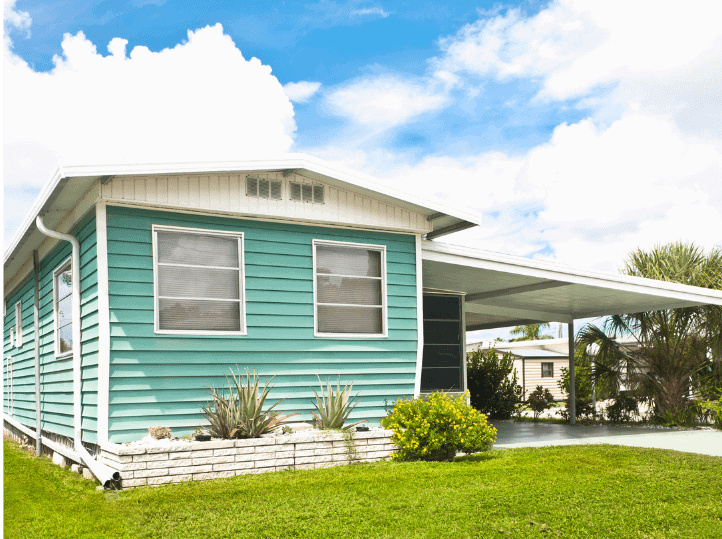
     

  • Insurance Tips for Mobile Home Owners in Florida

    Owning a mobile home in Florida comes with unique challenges, especially regarding insurance. Florida is known for its unpredictable weather, with hurricanes, floods, and heavy storms being common. This makes having the right insurance coverage crucial. Mobile homes face specific risks, and insurance coverage is vital to ensure the safety of your property and belongings. This article provides key insurance tips for mobile homeowners in Florida to help protect your home and assets.

    Why Mobile Home Insurance is Important

    Mobile home insurance protects your property from damage, theft, and natural disasters. It’s even more critical in Florida due to the state’s vulnerability to severe weather. Mobile homes are more susceptible to certain risks, so having the right coverage can make all the difference.

    • Protection from natural disasters: Hurricanes, storms, and flooding are frequent in Florida, making mobile home insurance a must.
    • Security for personal property: Personal belongings like electronics, furniture, and clothes need coverage against theft or damage.
    • Liability protection: In case of an accident on your property, liability insurance protects you from legal and medical expenses.

    insurance tips for mobile homeowners in Florida

    1. Understand Your Coverage Options

    Before selecting an insurance policy, it’s essential to understand the different types of coverage available for mobile homes. Mobile home insurance policies typically offer:

    • Dwelling Coverage covers the physical structure of your mobile home, including the walls, floors, roof, and foundation.
    • Personal Property Coverage: Covers personal belongings such as furniture, appliances, and electronics.
    • Liability Coverage: Protects you if someone is injured on your property or if you cause damage to someone else’s property.
    • Additional Living Expenses: Covers temporary housing costs if your mobile home is uninhabitable after a covered event.
    • Flood Insurance: Typically not included in standard policies, but essential in flood-prone areas.

    2. Choose the Right Coverage for Your Needs

    Selecting the right coverage is crucial to ensuring your mobile home is fully protected. When determining the amount of coverage you need, consider your home’s location, value, and personal needs.

    • Location: If your mobile home is in a high-risk area for hurricanes or flooding, ensure you have sufficient windstorm and flood insurance.
    • Value of your home: Ensure the dwelling coverage is enough to repair or replace your mobile home if it’s destroyed.
    • Personal belongings: Consider the value of your items and make sure your personal property coverage is adequate.
    • Liability: If you often host visitors or have pets, you may need higher liability limits to protect against potential accidents.

    3. Shop Around for the Best Rates

    Insurance premiums can vary significantly between providers, so shopping around is important to find the best deal. Here are a few tips to help you find the most affordable coverage:

    • Get multiple quotes: Contact insurance companies to compare rates and coverage options.
    • Check for discounts: Many insurers offer discounts for bundling policies, having safety features, or maintaining a claims-free history.
    • Consider local insurers: Some insurance companies specialize in Florida’s unique risks, especially regarding hurricanes and floods.

    4. Don’t Overlook Flood Insurance

    Flooding is one of the most significant risks for mobile homeowners in Florida. Standard mobile home insurance policies typically don’t cover flood damage, so purchasing a separate flood insurance policy is essential.

    • Risk of flooding: Florida is highly susceptible to floods, especially in coastal and low-lying areas.
    • Mandatory for specific areas: If you live in a flood zone, your mortgage lender may require you to purchase flood insurance.
    • Flood insurance coverage covers damage caused by rising waters, unlike water damage from other sources like broken pipes.

    5. Understand Hurricane and Windstorm Coverage

    Florida’s hurricane season lasts from June to November, making windstorms and hurricane coverage critical for mobile homeowners. Most Florida mobile home policies include this coverage, but it’s essential to understand how it works.

    • Windstorm coverage: Covers damage caused by high winds, including hurricanes. This includes damage to the roof, windows, and walls.
    • Hurricane deductible: Many policies have a separate deductible for hurricane-related claims, typically 2% to 5% of the home’s value.
    • Additional protection: Consider installing impact-resistant windows, reinforced doors, and roof straps to reduce hurricane damage and lower premiums.

    6. Review Coverage Limits and Deductibles

    When selecting a mobile home insurance policy, reviewing the coverage limits and deductibles is essential. These two factors affect how much you’ll pay in premiums and what you’ll need to pay out of pocket in case of a claim.

    • Coverage limits: Ensure coverage is sufficient to rebuild your mobile home and replace your personal property. Underestimating this amount can leave you underinsured.
    • Deductibles: The deductible is the amount you must pay before your insurer covers a claim. Choosing a higher deductible can lower your premium, but you’ll need to be prepared to pay more in case of a claim.
    • Flood and hurricane deductibles: These types of deductibles may be higher than the standard deductible for other claims.

    7. Consider Additional Coverage Options

    While basic mobile home insurance covers essential aspects, additional coverage can provide extra protection. Consider adding the following to your policy:

    • Personal Liability Insurance: Provides coverage if someone is injured on your property or if you accidentally cause damage to someone else’s property.
    • Guest Medical Insurance: Covers medical expenses for guests injured on your property, even if you aren’t found at fault.
    • Detached Structures: If you have sheds, carports, or fences, ensure they are included in your policy.
    • Loss of Use: Covers living expenses if you need to temporarily relocate due to damage to your home from a covered event.

    8. Maintain and Upgrade Your Mobile Home

    Proper maintenance and upgrades can reduce risks and lower your insurance premiums. Regular upkeep can also extend the life of your mobile home and help prevent costly repairs.

    • Upgrade electrical and plumbing: Modernizing these systems reduces the risk of fire or water damage, which may result in lower premiums.
    • Anchor your mobile home: In high-wind areas, ensuring your mobile home is properly anchored can help prevent extensive damage from hurricanes.
    • Install storm shutters: Adding storm shutters or impact-resistant windows can reduce the risk of damage and may lower insurance costs.

    9. Know What’s Not Covered

    Understanding the exclusions in your mobile home insurance policy is just as important as knowing what’s covered. Ensure you know any limits or exclusions that might affect your claims.

    • Pest damage: Most policies do not cover damage caused by pests like termites or rodents.
    • Negligence: Damage caused by neglect or failure to maintain the home may not be covered.
    • Routine wear and tear: Standard policies do not cover normal wear and tear or cosmetic damage.
    • Certain natural disasters: Some natural disasters, like earthquakes or landslides, may not be covered unless added separately.

    10. Review Your Policy Annually

    Insurance needs can change over time, so reviewing your policy at least once a year is essential. Changes in your lifestyle, home, or the local environment may require adjustments to your coverage.

    • Update coverage for improvements: If you’ve made significant improvements to your mobile home, such as adding a new roof or expanding the structure, update your coverage.
    • Check for new discounts. Many insurers offer new discounts each year for installing security systems or upgrading your home’s infrastructure.
    • Reevaluate your needs: As your home’s or personal property’s value changes, ensure your coverage limits are adjusted accordingly.

    11. Keep an Inventory of Your Belongings

    Having an inventory of your belongings will make it easier to file a claim in case of damage or theft. It will also help you avoid disputes about the value of your possessions.

    • Take photos: Regularly photograph your belongings, especially high-value items like electronics, furniture, and jewelry.
    • Record serial numbers: Keep a list of serial numbers for valuable electronics or appliances, as this can help identify stolen property.
    • Store safely: Keep a copy of your inventory in a secure, fireproof location or store it online for easy access.

    Conclusion

    Mobile home insurance in Florida is crucial to protect your home and belongings from the state’s unpredictable weather and other risks. By understanding your insurance options, comparing rates, and ensuring you have the right coverage, you can have peace of mind knowing your home is well-protected. Don’t forget to review your policy regularly, maintain your mobile home, and invest in additional coverage if necessary. With the right insurance plan, you can confidently enjoy your mobile home in Florida.


    See Also:


Reset password

Enter your email address and we will send you a link to change your password.

Get started with your account

to save your favourite homes and more

Sign up with email

Get started with your account

to save your favourite homes and more

By clicking the «SIGN UP» button you agree to the Terms of Use and Privacy Policy
Powered by Estatik