Tag: florida mobile home dealer license requirements

  • How to Protect Your Mobile Home from Florida’s Humidity

    Florida’s year-round humidity can damage mobile homes. High moisture levels cause mold, mildew, structural damage, and health issues. Protecting your home from these effects requires proactive measures and regular maintenance. You can ensure your home remains safe, comfortable, and in good condition by staying vigilant.

    Understand the Impact of Humidity

    Florida’s humidity levels often exceed 70%, creating a breeding ground for mold and mildew. Excess moisture can damage wood, weaken insulation, and warp floors. It also invites pests like termites, which thrive in damp environments. Managing humidity effectively is essential to maintain your home’s value and livability.

    Steps to Protect Your Mobile Home

    1. Seal Doors and Windows

    Check the seals around your doors and windows for gaps or cracks. Poorly sealed openings allow moisture to seep inside, increasing humidity levels. Replace worn-out weatherstripping or use caulk to seal gaps. Tight seals also improve energy efficiency, keeping your home cooler and reducing air conditioning costs.
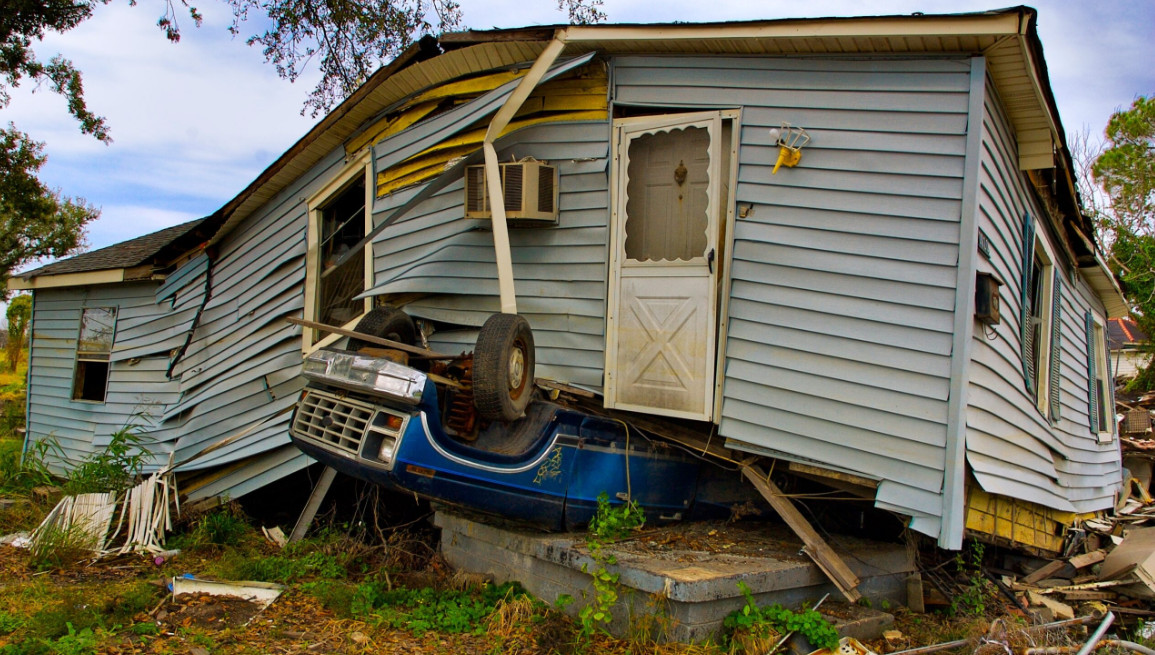
    How to Protect Your Mobile Home

    2. Use a Dehumidifier

    A dehumidifier reduces indoor moisture levels, making your home less susceptible to mold and mildew. Choose a dehumidifier based on your home’s size and humidity levels. Portable units work well for small spaces, while whole-home dehumidifiers are ideal for larger mobile homes. Empty the water reservoir regularly or opt for models with automatic drainage.

    3. Install Vapor Barriers

    Vapor barriers act as shields against ground moisture. Install them beneath your mobile home to prevent dampness from rising into your floors. These barriers are typically made from durable plastic sheets and are easy to install. Ensure they cover the entire underside of your home for maximum protection.

    4. Maintain Proper Ventilation

    Good ventilation helps air circulate, preventing moisture buildup. Use exhaust fans in kitchens and bathrooms to remove steam from cooking and showers. Open windows on cooler days to let fresh air in. Ceiling fans can also help circulate air and reduce humidity levels indoors.

    5. Check the Roof Regularly

    A leaky roof can introduce significant amounts of moisture into your mobile home. Inspect your roof for cracks, missing shingles, or damaged flashing. Repair any issues immediately to avoid water damage. Consider adding a roof coating to seal the surface and reflect sunlight, which reduces interior temperatures and humidity.

    6. Inspect Your Skirting

    Mobile home skirting helps regulate temperature and humidity beneath your home. Damaged or poorly installed skirting allows moisture to accumulate under the structure. Check for cracks, gaps, or loose panels and repair them promptly. Ventilated skirting can improve airflow while still providing protection.

    7. Monitor Indoor Humidity Levels

    Use a hygrometer to measure indoor humidity levels. Aim to keep the humidity between 30% and 50% to prevent mold and structural issues. If levels rise above this range, take corrective actions like using a dehumidifier or increasing ventilation.

    8. Use Mold-Resistant Materials

    If you’re renovating or repairing your mobile home, choose mold-resistant materials. Mold-resistant drywall, paint, and insulation effectively minimize the impact of Florida’s humidity. These materials are more durable and require less maintenance over time.

    9. Clean Air Conditioning Filters Regularly

    Air conditioning systems help control indoor humidity, but dirty filters can reduce their effectiveness. Clean or replace filters every 30 to 60 days to maintain efficiency. Also, check for any leaks in your air conditioning system that might contribute to moisture buildup.

    10. Avoid Overwatering Landscaping

    Landscaping near your mobile home can inadvertently raise humidity levels. Avoid overwatering plants or lawns near the structure. Ensure that water drains away from your home by grading the soil to slope outward. Installing gutters and downspouts can also help direct water away from the foundation.

    Preventing Mold and Mildew

    Mold and mildew thrive in humid conditions, making them common problems in Florida mobile homes. They can damage surfaces, cause unpleasant odors, and pose health risks. Here’s how to combat mold and mildew effectively:

    • Clean Surfaces Regularly: Wipe down walls, ceilings, and other surfaces with a solution of water and white vinegar.
    • Fix Leaks Immediately: Repair plumbing or roof leaks as soon as they occur to prevent moisture buildup.
    • Use Desiccants: Place moisture-absorbing products like silica gel or activated charcoal in closets and enclosed spaces.
    • Keep Fabrics Dry: Wash and dry curtains, rugs, and upholstery frequently to remove any trapped moisture.

    Long-Term Maintenance Tips

    Protecting your mobile home from Florida’s humidity requires consistent effort. Establish a maintenance routine to keep your home in top condition:

    • Schedule Annual Inspections: Hire professionals to inspect your roof, plumbing, and skirting for potential moisture issues.
    • Monitor Exterior Paint: Repaint your home every few years with moisture-resistant paint to prevent water infiltration.
    • Upgrade Insulation: Invest in high-quality insulation that resists humidity and keeps your home comfortable.
    • Check Flooring: Inspect for signs of warping or soft spots, which could indicate hidden moisture damage.

    Benefits of Protecting Your Home

    By taking proactive steps, you’ll enjoy numerous benefits, including:

    • Lower Maintenance Costs: Preventing humidity damage reduces the need for costly repairs.
    • Healthier Living Environment: Controlling moisture eliminates mold and mildew, improving air quality.
    • Enhanced Durability: Proper maintenance extends the lifespan of your mobile home.
    • Energy Efficiency: Sealing gaps and improving ventilation reduce energy usage and utility bills.

    Conclusion

    Florida’s humidity can be harsh on mobile homes, but you can protect your investment with consistent care and intelligent strategies. Sealing openings, improving ventilation, and promptly addressing moisture issues can create a safe and comfortable living space. A little effort now can save you significant time and money.

    See Also:

  • Do You Need a License to Sell Mobile Homes in Florida?

    Florida’s dynamic housing market offers diverse opportunities, and mobile homes are a significant segment attracting both buyers and aspiring sales professionals. If you’re considering a career in mobile home sales, a crucial question arises: Do you need a license to become a mobile home sales agent in Florida? Like many things in the Sunshine State, the answer is straightforward and nuanced. Let’s delve into the legalities and explore the exciting world of mobile home sales in Florida.

    Do you need a license to become a mobile home sales agent in Florida

    The Sunshine State’s Housing Landscape: A Diverse Market

    Florida’s housing market caters to a wide range of needs and budgets. From luxurious beachfront estates to cozy single-family homes, the options are plentiful. However, mobile homes occupy a unique and vital niche, offering affordability, ownership opportunities, and a sense of community.

    The demand for mobile homes in Florida remains strong, fueled by several factors:

    • Affordability: Mobile homes offer a significantly lower entry point than traditional houses, making them attractive to first-time buyers or those on a budget.
    • Variety of Styles: Modern mobile homes come in various styles and sizes, featuring amenities and layouts that rival traditional houses.
    • Active Lifestyle Communities: Many mobile home parks cater to specific demographics, such as retirees or young families, fostering a strong sense of community and shared interests.

    This robust market creates a steady demand for qualified mobile home sales agents who can guide potential buyers through the process and connect them with their dream mobile homes.

    The Path to Success: Navigating the Licensing Landscape

    The good news for aspiring mobile home sales agents in Florida is that you don’t need a separate individual license. Here’s why:

    • Working Under a Licensed Broker: Mobile home sales agents operate under the supervision of a licensed real estate broker. The broker holds the necessary license, allowing their agents to assist with mobile home sales legally.
    • State Regulations: Florida Statute Chapter 479 outlines the licensing requirements for real estate brokers and sales associates, but there’s no specific license designated solely for mobile home sales.

    So, while you don’t need a separate license, there are still steps to take to become a mobile home sales agent in Florida:

    1. Complete Pre-licensing Education: Florida mandates that aspiring real estate sales associates complete a 63-hour pre-licensing education course from a state-approved provider. This course covers essential topics like real estate law, ethics, and the specific nuances of the mobile home market.
    2. Pass the Florida Real Estate Sales Associate Exam: After completing the pre-licensing course, you must pass the Florida Real Estate Sales Associate Exam, administered by the Florida Department of Business and Professional Regulation.
    3. Find a Sponsoring Broker: Once you pass the exam, you’ll need a licensed real estate broker to sponsor you. The broker will oversee your activities and ensure you comply with all regulations.
    4. Complete Brokerage-Specific Training: Many real estate brokerages offer additional training programs for mobile home sales. This training equips you with the necessary knowledge and skills to excel in this unique segment of the housing industry.

    Benefits of Becoming a Mobile Home Sales Agent

    A career in mobile home sales offers several compelling advantages:

    • High Demand: The strong demand for mobile homes translates to a consistent pool of potential clients.
    • Flexible Schedule: Many real estate brokerages offer flexible scheduling options, allowing you to tailor your work hours to your lifestyle.
    • Earning Potential: Commissions on mobile home sales can be significant, offering the potential for a lucrative career path.
    • Sense of Community: Being involved in the mobile home market allows you to connect with a diverse clientele and build relationships with residents within these communities.

    If you’re passionate about helping people find their perfect home and enjoy a dynamic, people-oriented profession, mobile home sales could be an ideal career choice.

    Why Choose The Mobile Home Dealer 

    At The Mobile Home Dealer (replace with your company name), we are dedicated to fostering the success of our mobile home sales agents. We offer:

    • Comprehensive Training: We provide extensive training programs specific to the Florida mobile home market, equipping you with the knowledge and skills to excel.
    • Mentorship and Support: Our experienced brokers are dedicated to mentoring you and providing ongoing support throughout your career.
    • Extensive Inventory: We offer mobile homes across various styles, price points, and locations, catering to diverse client needs.
    • Competitive Commissions: We structure our commission plans to reward your hard work and ensure you reap the benefits of your success.
    • Positive Work Environment: We foster a collaborative and supportive work environment where you feel valued and empowered to achieve your goals.

    If you’re looking to launch a rewarding career in mobile home sales in Florida, The Mobile Home Dealer is the perfect place to begin your journey. Contact us today to learn more about our comprehensive training programs, supportive work environment, and exciting opportunities that await you!

    Unlocking Your Potential in Florida’s Mobile Home Market

    The world of mobile home sales in Florida offers a dynamic and lucrative career path for those seeking to make a mark in the Sunshine State’s housing market. While a separate license isn’t required, completing the necessary pre-licensing education, passing the state exam, and finding a sponsoring broker are essential.

    The benefits of becoming a mobile home sales agent are numerous, from the high demand and flexible schedule to the earning potential and the sense of community. With the proper training, support, and commitment to excellence, you can unlock your potential and build a successful career connecting people with their dream mobile homes in Florida.

    So, are you ready to embark on this exciting journey? Take the first step and explore the possibilities. The vibrant world of Florida mobile home sales awaits!


    See Also:

Reset password

Enter your email address and we will send you a link to change your password.

Get started with your account

to save your favourite homes and more

Sign up with email

Get started with your account

to save your favourite homes and more

By clicking the «SIGN UP» button you agree to the Terms of Use and Privacy Policy
Powered by Estatik