Living in Florida comes with its unique challenges, especially when it comes to keeping your mobile home cool and comfortable during the hot, humid months. Energy efficiency is key not only to maintaining a pleasant indoor environment but also to reducing energy bills. This guide will explore a variety of energy-efficient upgrades for mobile homes in Florida, focusing on air conditioning, insulation, and other improvements that are particularly effective in the state’s warm climate.
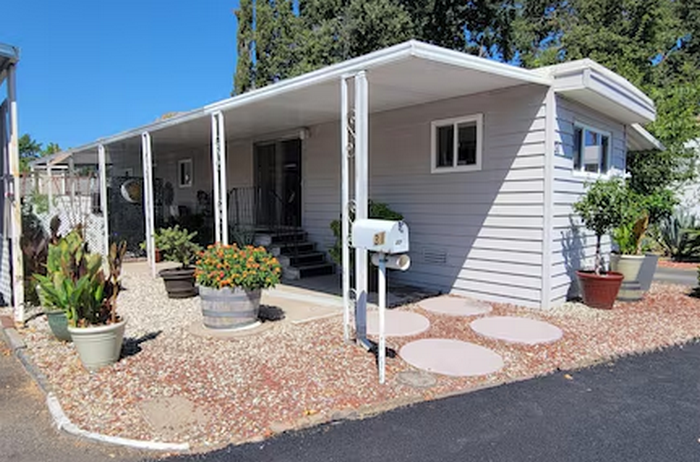
The Importance of Energy Efficiency in Florida
Florida’s subtropical climate means long, hot summers and mild winters, leading to a heavy reliance on air conditioning. Unfortunately, older mobile homes often lack the energy-efficient features found in newer models, making them more susceptible to high energy consumption. By making targeted upgrades, you can significantly reduce energy costs, improve comfort, and contribute to a greener environment.
1. Upgrading Your Air Conditioning System
Air conditioning is a necessity in Florida, but it can also be one of the biggest energy drains in your mobile home. Upgrading to a more energy-efficient system is one of the most effective ways to cut down on energy use.
High-Efficiency Air Conditioners
If your current air conditioning unit is more than 10 years old, it might be time to consider replacing it with a high-efficiency model. Modern air conditioners with a high Seasonal Energy Efficiency Ratio (SEER) rating use less energy to cool your home, which can lead to significant savings on your electricity bill.
- Energy Star-Rated Units: Look for units that are Energy Star certified, as these are designed to meet strict energy efficiency guidelines set by the U.S. Environmental Protection Agency. These units use less energy, produce fewer greenhouse gasses, and often include advanced features like programmable thermostats and variable-speed fans.
- Ductless Mini-Split Systems: If you’re looking for an alternative to traditional central air conditioning, consider a ductless mini-split system. These systems are highly efficient and allow for zone cooling, meaning you can cool specific areas of your home as needed, reducing energy waste.
Regular Maintenance
Proper maintenance of your air conditioning system is essential for keeping it running efficiently. Simple tasks like cleaning or replacing air filters, checking for leaks, and ensuring that the outdoor unit is free of debris can improve your system’s efficiency and prolong its lifespan.
- Annual Tune-Ups: Schedule an annual tune-up with a licensed HVAC technician to ensure your system is operating at peak performance. This preventative maintenance can catch minor issues before they become major problems, saving you money in the long run.
2. Improving Insulation for Better Temperature Control
Insulation is a critical factor in maintaining a comfortable temperature inside your mobile home while reducing the need for excessive cooling. Unfortunately, many older mobile homes have insufficient insulation, leading to higher energy consumption.
Adding or Upgrading Insulation
If your mobile home’s insulation is outdated or insufficient, adding or upgrading it can make a significant difference in energy efficiency.
- Roof and Ceiling Insulation: The roof is the area most exposed to the sun, making it the primary source of heat gain in your home. Upgrading the insulation in your roof or ceiling can help keep your home cooler by reducing heat transfer. Consider using materials like spray foam or rigid foam boards, which provide excellent insulation while being lightweight.
- Wall Insulation: Adding insulation to the walls of your mobile home can further improve energy efficiency. Blown-in insulation is a popular choice for walls, as it can fill small gaps and cavities, providing a more complete barrier against heat.
- Underbelly Insulation: The underbelly, or underside, of your mobile home is another critical area for insulation. Proper underbelly insulation helps maintain a consistent temperature inside your home and protects plumbing from freezing in cooler months. Insulating this area with materials like fiberglass batts or spray foam can help reduce energy costs.
Sealing Air Leaks
In addition to upgrading insulation, it’s essential to seal any air leaks in your mobile home. Air leaks allow cool air to escape and hot air to enter, forcing your air conditioner to work harder.
- Caulking and Weatherstripping: Inspect windows, doors, and other openings for gaps or cracks. Applying caulk or weatherstripping to these areas can help seal leaks, preventing unwanted air exchange.
- Window Upgrades: Consider upgrading to double-pane or low-emissivity (low-E) windows, which are more energy-efficient than single-pane windows. These windows reduce heat transfer, keeping your home cooler in the summer and warmer in the winter.
3. Enhancing Ventilation and Airflow
Proper ventilation is crucial in Florida’s humid climate, as it helps regulate indoor temperatures and reduces the buildup of moisture, which can lead to mold and mildew.
Installing Roof Vents
Roof vents allow hot air to escape from the attic or roof space, reducing the overall temperature inside your home.
- Ridge Vents and Soffit Vents: Installing ridge vents along the peak of your roof and soffit vents along the eaves can create a continuous airflow that removes hot air from your home’s interior. This can help lower the temperature inside your mobile home and reduce the strain on your air conditioning system.
- Powered Attic Fans: For even better ventilation, consider installing a powered attic fan. These fans are designed to automatically activate when the temperature in your attic reaches a certain level, efficiently expelling hot air and keeping your home cooler.
Ceiling Fans
Ceiling fans are a simple yet effective way to improve airflow and maintain a comfortable temperature in your mobile home. By circulating air, ceiling fans can make a room feel cooler, allowing you to raise the thermostat setting by a few degrees without sacrificing comfort.
- Energy-Efficient Fans: Choose Energy Star-rated ceiling fans, which use less energy and are designed to move air more efficiently. During the summer, set the fan to rotate counterclockwise to create a cooling breeze.
4. Upgrading to Energy-Efficient Appliances and Lighting
Beyond air conditioning and insulation, upgrading your home’s appliances and lighting can also contribute to greater energy efficiency.
Energy-Efficient Appliances
Replacing old, inefficient appliances with Energy Star-rated models can significantly reduce your energy consumption.
- Refrigerators, Dishwashers, and Washing Machines: Modern appliances use far less energy than older models, and many Energy Star-rated options also include water-saving features. Given Florida’s hot climate, a new refrigerator with better insulation and a more efficient cooling system can also help reduce the strain on your air conditioning.
LED Lighting
Switching to LED lighting is one of the easiest and most cost-effective ways to improve energy efficiency in your mobile home. LED bulbs use up to 75% less energy than traditional incandescent bulbs and last much longer.
- Smart Lighting Solutions: Consider installing smart lighting systems that allow you to control lights remotely and set schedules for when lights should be on or off. This can further reduce energy waste and lower your electricity bill.
5. Installing Solar Panels for Renewable Energy
For mobile homeowners in Florida, where sunshine is abundant, installing solar panels can be an excellent investment. Solar panels allow you to harness renewable energy to power your home, reducing your reliance on the grid and lowering your electricity bills.
Benefits of Solar Power
- Lower Energy Bills: By generating your own electricity, you can significantly reduce your monthly utility costs. In some cases, you may even be able to sell excess power back to the grid, further offsetting costs.
- Environmental Impact: Solar power is a clean, renewable energy source that reduces your carbon footprint. By switching to solar, you’re contributing to a more sustainable future.
- Incentives and Rebates: Florida offers various incentives and rebates for homeowners who install solar panels, making the initial investment more affordable. Federal tax credits are also available, which can further reduce the cost.
Considerations for Mobile Homes
While solar panels can be a great addition to any home, there are some specific considerations for mobile homes. The roof structure must be able to support the weight of the panels, and the home should ideally be positioned to receive maximum sunlight throughout the day. Working with a reputable solar installer can help you determine whether solar panels are a viable option for your mobile home.
Conclusion: Making Your Mobile Home Energy-Efficient in Florida
Energy-efficient upgrades are essential for anyone living in a mobile home in Florida. By focusing on improvements like upgrading your air conditioning system, enhancing insulation, improving ventilation, and investing in energy-efficient appliances and solar power, you can create a more comfortable living environment while significantly reducing your energy bills.
Not only do these upgrades save you money, but they also contribute to a more sustainable lifestyle, helping to reduce your environmental impact. Whether you’re looking to stay cool in the sweltering Florida heat or simply want to make your home more energy-efficient, these improvements can provide lasting benefits for years to come.
See Also:
