Mobile homes offer affordable living in Florida, but they come with their own set of challenges. One of the most significant issues mobile homeowners face is roof maintenance and repair. Florida’s climate can be harsh on roofing materials, and mobile homes are especially vulnerable due to their lighter, often less durable roof structures. Understanding common roof problems and how to fix them can save Florida residents time and money. This article covers the most common mobile home roof issues and their solutions.
1. Leaks and Water Damage
Water leaks are one of the most frequent roofing issues in mobile homes. These leaks often develop where seams or joints exist in the roof. Mobile homes have a variety of roofing systems, including metal, rubber, and shingle roofs, and each type faces different challenges. Florida’s heavy rainstorms, high humidity, and occasional hurricanes can quickly worsen a small leak, causing extensive damage if not repaired.
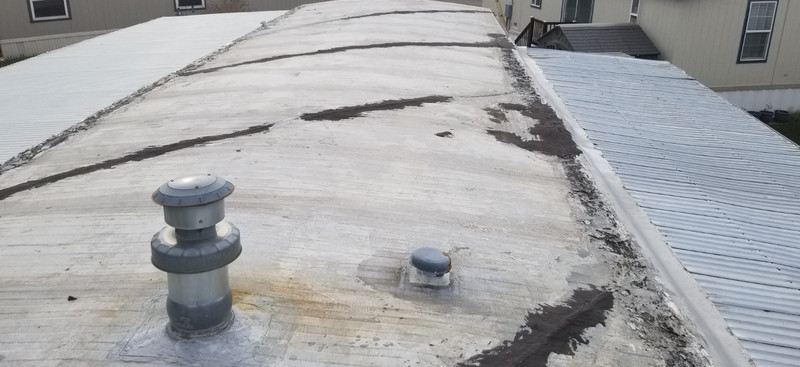
Causes of Leaks:
- Damaged Seals: Over time, seals around vents, skylights, and chimneys can break down, allowing water to enter.
- Aging Roof Material: Metal, rubber, or shingle roofs degrade with age, especially under Florida’s hot sun and rain.
- Clogged Gutters: If gutters are clogged, water can pool on the roof, leading to leaks.
Fixing Roof Leaks:
- Inspect the Roof: Regularly check the roof for cracks, tears, or holes, particularly around vents and seams.
- Seal Gaps and Cracks: Use a high-quality roofing sealant to patch any cracks or gaps around vents, skylights, or seams.
- Replace Damaged Roofing: If the damage is extensive, replacing sections of roofing material may be necessary. Metal roofs often require resealing, while rubber roofs may need a full re-coating.
- Clean the Gutters: Ensure your gutters are clear of leaves and debris to prevent water buildup.
2. Roof Blisters
Blisters on a mobile home roof are often caused by trapped moisture or air underneath the roofing material. This problem is more common in rubber roofs, which are susceptible to blistering from Florida’s intense sun. The blisters can cause the roof to lose its protective properties and may eventually lead to leaks.
Causes of Blisters:
- Moisture Trapped Under the Roof: If water gets under the roofing material during installation or from leaks, it can create air pockets that form blisters.
- Poor Ventilation: Heat and moisture build-up can cause the roof material to bubble without proper airflow in the attic or roof structure.
Fixing Roof Blisters:
- Puncture and Drain the Blister: If you spot a blister, carefully puncture it to allow trapped air or water to escape.
- Apply a Roof Patch: After draining the blister, apply a roofing patch and sealant to prevent further damage.
- Ensure Proper Ventilation: If blistering is caused by poor ventilation, consider installing roof vents to improve airflow.
3. Cracked or Missing Shingles
If your mobile home has a shingled roof, cracked or missing shingles can be a severe problem. Florida’s hot and humid conditions cause shingles to deteriorate faster than in other climates. Wind and heavy rains from storms can lift and tear shingles, exposing the roof deck to water damage.
Causes of Cracked or Missing Shingles:
- High Winds: Florida’s frequent storms, especially hurricanes, can tear or loosen off shingles.
- UV Radiation: The constant sun can cause shingles to dry out, crack, and become brittle over time.
- Improper Installation: If shingles were poorly installed, they might be more prone to damage.
Fixing Cracked or Missing Shingles:
- Replace Damaged Shingles: Remove the damaged or missing shingles and replace them with new ones. For a proper seal, be sure to use shingles that match the existing roof.
- Check for Underlying Damage: When replacing shingles, check for any underlying roof deck damage, which may need repair before installation.
4. Roof Sagging
A sagging roof is a serious issue that can indicate structural damage. This problem occurs when the roof’s framework or decking weakens due to age, water damage, or excessive weight. In Florida, prolonged exposure to moisture from rain or humidity can weaken roof supports.
Causes of Roof Sagging:
- Water Damage: Leaks can rot the wooden beams or trusses over time, leading to sagging.
- Excessive Weight: Heavy snow or debris buildup on the roof can strain the structure.
- Poor Construction: Improper installation or low-quality materials may prevent the roof from sagging.
Fixing Roof Sagging:
- Inspect the Rafters and Beams: If the roof is sagging, inspect the rafters and beams to identify areas of damage. Replace any rotted or damaged wood.
- Reinforce the Structure: Additional structural support may be necessary if the sag is extensive. Consult a contractor to ensure the repairs meet safety standards.
- Apparent Excess Weight: Remove any heavy debris from the roof to prevent further structural stress.
5. Roof Rust and Corrosion (for Metal Roofs)
Many mobile homes in Florida have metal roofs. These roofs are durable but can develop rust and corrosion, particularly when exposed to the high humidity and salt air found along Florida’s coasts. Rust can weaken the metal, leading to holes or leaks.
Causes of Rust:
- Moisture: Florida’s humidity and rain can promote rusting on metal roofs.
- Salt Air: Coastal areas in Florida expose metal roofs to salty air, accelerating the rusting process.
Fixing Roof Rust:
- Clean the Roof: Remove dirt and debris to ensure the surface is clean before addressing rust.
- Remove Rust: Scrub the rust with a wire brush or sandpaper. For more extensive corrosion, you may need to use a rust remover.
- Apply a Rust-Proof Coating: After cleaning the rust, apply a rust-resistant coating to prevent future corrosion.
- Seal Holes: If rust has caused holes, apply a roofing patch or sealant to close them.
6. Hail Damage
While hail storms are less common than other weather events, they can still occur in Florida. When hail strikes a mobile home roof, it can cause dents, cracks, and punctures, leading to potential leaks and structural issues.
Causes of Hail Damage:
- Large Hailstones: Hailstones can cause significant damage to a roof, particularly if it is older or made of a fragile material.
- High Winds: Hail storms in Florida can also bring high winds that worsen the damage.
Fixing Hail Damage:
- Inspect for Dents and Cracks: After a hailstorm, thoroughly inspect the roof for any signs of damage. Look for dents, cracks, or punctures in the roofing material.
- Patch and Seal: Small cracks or holes can be patched with roofing sealant. For larger holes, a more extensive repair or replacement may be required.
Preventive Measures for Roof Maintenance
While repairs are inevitable over time, preventive measures can extend the lifespan of your mobile home roof. Here are some tips to keep your roof in good condition:
- Clean the Roof Regularly: Remove debris, leaves, and branches from your roof and gutters to prevent water damage.
- Inspect the Roof After Storms: Florida’s frequent storms can cause roof damage. After heavy rains or hurricanes, check your roof for leaks or damage.
- Coat the Roof: Apply a roof coating to protect the material from UV rays, rain, and debris. Roof coatings can also help prevent leaks and rust.
- Ensure Proper Ventilation: Poor ventilation in the attic can cause moisture buildup and damage the roof. Ensure your home has adequate ventilation.
Conclusion
Due to the state’s climate, mobile home roofs in Florida face unique challenges. From leaks and blisters to rust and sagging, these problems can worsen quickly without prompt attention. Regular maintenance and inspections are key to preventing major roof issues. If problems arise, timely repairs using the right materials can extend the life of your roof. By staying proactive, Florida homeowners can protect their mobile homes from costly roof repairs and maintain a safe, comfortable living space.
See Also:
-
- Mobile Home Plumbing Repairs: What Every Florida Homeowner Needs to Know
- Finding Affordable Mobile Home Repair Services in Florida
- Are Mobile Homes Under $10,000 Worth Buying? What to Expect
- The Best Hurricane Shutters for Mobile Homes in Florida
- The Cost of Insuring Mobile Homes Against Hurricanes in Florida
