Tag: disadvantages of living in a mobile home

  • The Risks and Rewards of Buying a Mobile Home

    Buying a mobile home presents unique risks and rewards that differ from traditional home ownership. These compact, transportable dwellings offer affordability and flexibility, catering to various lifestyles. One of the primary rewards is the cost advantage, as mobile homes generally come at a lower price point than traditional houses. They also provide the freedom to relocate, making them an appealing choice for those prioritizing mobility. However, these benefits are accompanied by potential risks. 

    Mobile homes often depreciate in value over time, unlike traditional homes, which can appreciate. Additionally, the quality of construction and materials can vary significantly, affecting long-term durability. Legal and financial considerations, such as leasing land in a mobile home park, can also impact the overall investment. 

    Thus, anyone considering purchasing a mobile home must conduct a comprehensive evaluation of these risks and rewards.

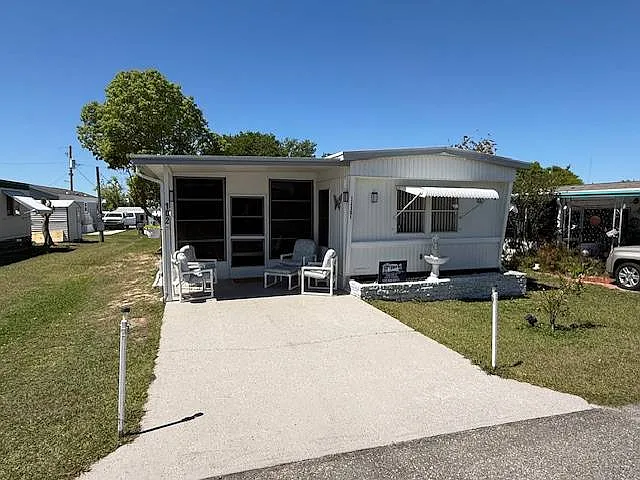
    Mobile home in Nokomis Florida
    Mobile home in Nokomis Florida

    Pros of Buying a Mobile Home

    1. Affordability

    One of the primary advantages of buying a mobile home is its affordability. Mobile homes typically have a lower upfront cost than traditional houses, making them an accessible option for individuals with limited budgets. The reduced price point also translates into lower property taxes and insurance premiums. 

    Moreover, mobile homes are often energy-efficient, potentially saving utility bills over time. This affordability factor can allow buyers to enter the housing market sooner and allocate resources to other essential aspects of their lives, making mobile homes an attractive choice for those seeking cost-effective housing solutions.

    2. Low Maintenance Cost

    Another significant benefit of purchasing a mobile home is the relatively low maintenance costs. These homes are typically designed with simplified systems and materials, making repairs and upkeep more affordable than traditional houses. The smaller living space also requires less time and effort to clean and maintain. 

    Many mobile home communities also offer maintenance services as part of their amenities, further reducing the burden on homeowners. This translates to potential savings in both time and money, allowing residents to enjoy a comfortable living environment with fewer worries about costly maintenance tasks.

    3. Environmentally Friendly

    Opting for a mobile home can be environmentally friendly due to its smaller size and efficient design. These homes generally have a smaller carbon footprint than larger traditional houses, requiring less energy for heating, cooling, and lighting. Moreover, many mobile home manufacturers prioritize using sustainable materials and energy-efficient appliances, contributing to reduced resource consumption. 

    Mobile homes can sometimes be powered by renewable energy sources like solar panels, further decreasing their environmental impact. Choosing a mobile home aligns with a more sustainable lifestyle, making it an appealing option for individuals seeking eco-friendly housing solutions.

    4. Mobility

    The mobility factor is a significant advantage of buying a mobile home. These homes are built on a chassis and can be easily transported to different locations, granting homeowners the flexibility to change their surroundings without the need to sell or purchase a new property. This aspect particularly appeals to individuals who value variety and wish to explore different living environments. 

    Whether for work, travel, or personal preferences, mobile homeowners can relocate while enjoying the comfort of their own space. This mobility provides a unique lifestyle opportunity that traditional homeownership cannot match, catering to those seeking a dynamic living experience.

    5. Flexibility

    A notable advantage of purchasing a mobile home is its flexibility. These dwellings offer adaptability in terms of both location and living arrangements. Mobile homeowners can choose their preferred community or setting, whether it’s a rural area, a bustling city, or a serene waterfront. 

    Additionally, mobile homes can be customized and expanded to meet changing needs, accommodating growing families or evolving lifestyles. This adaptability allows residents to personalize their living space according to their preferences. The combination of location and interior customization makes mobile homes an excellent option for those seeking a home that aligns with their unique vision and lifestyle.

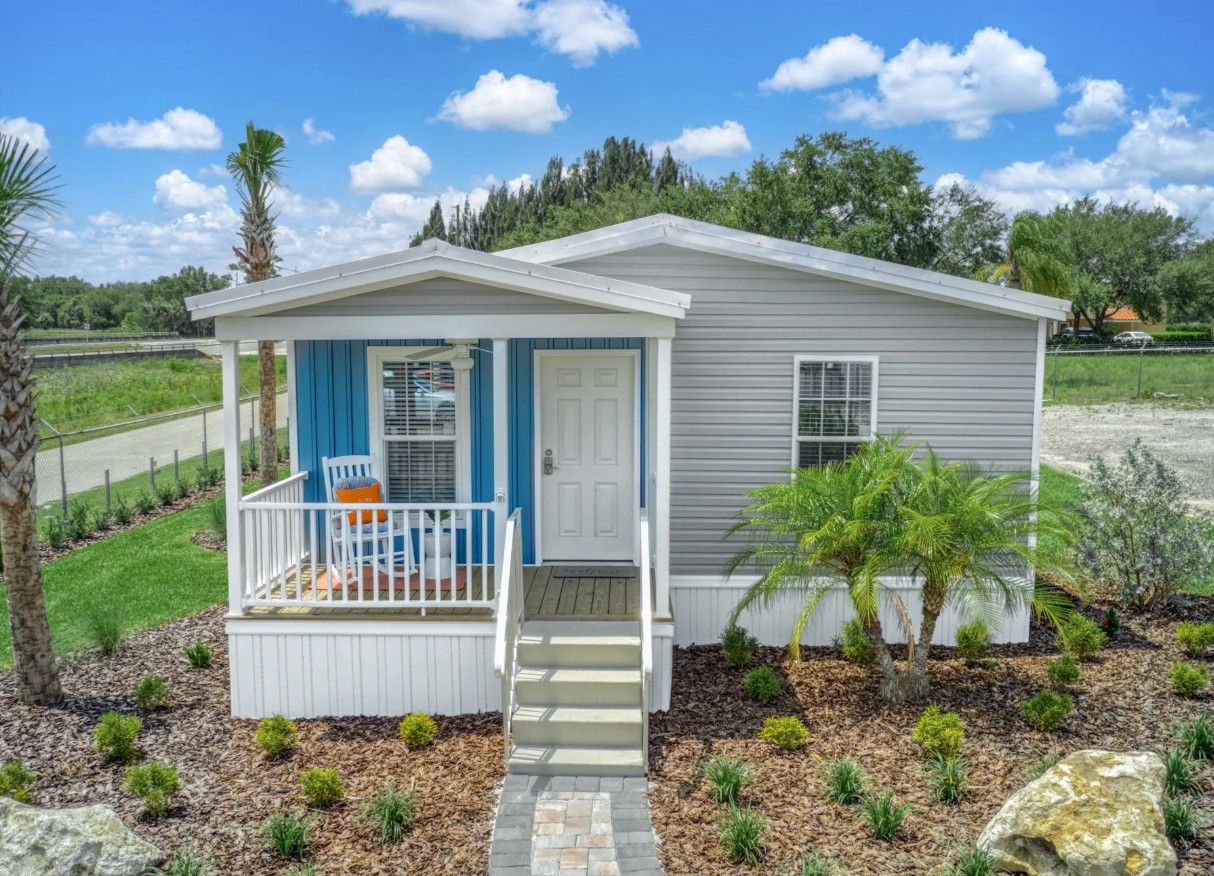
    Mobile Home in Sebring Florida - rewards in buying a mobile home
    Mobile Home in Sebring Florida

    6. Quick Construction and Assembly

    Rapid construction and assembly are key advantages of purchasing a mobile home. These homes are manufactured in controlled environments, ensuring consistent quality and reducing construction time. 

    Unlike traditional homes, which can take several months or even years to build, mobile homes can be produced and assembled in weeks. This quick turnaround time allows buyers to move into their new homes sooner, minimizing the wait and the associated costs. Additionally, the efficient assembly process can lead to cost savings, making mobile homes an attractive option for those needing a housing solution in a relatively short time.

    7. Access to High-End Locations

    Investing in a mobile home offers the unique advantage of accessing high-end locations without the hefty price tag. Mobile home communities often provide a cost-effective way to live in desirable areas such as beachfront, scenic landscapes, or upscale neighborhoods. This allows homeowners to enjoy the amenities and lifestyle of prestigious locations at a fraction of the cost of traditional real estate. 

    The affordability of mobile homes enables individuals to live in places they might otherwise find financially challenging, enhancing their overall quality of life. This access to sought-after locations is a compelling reason for many to consider mobile home ownership.

    8. Lower Taxes

    Mobile home ownership can lead to lower taxes, presenting a significant advantage for buyers. Property taxes are typically calculated based on the property’s value, and mobile homes often have a lower assessed value than traditional houses. This can result in reduced property tax liabilities for mobile homeowners. 

    Additionally, some regions offer tax incentives or exemptions for mobile homes, further lowering the overall tax burden. These tax advantages can free up financial resources for other expenses, making mobile homes an attractive option for individuals looking to minimize their tax obligations while still enjoying the benefits of homeownership.

    Cons of Buying a Mobile Home

    1. Depreciation

    One notable disadvantage of buying a mobile home is its potential for depreciation in value over time. Unlike traditional houses that can appreciate in value with proper upkeep and market conditions, mobile homes often lose value as they age. This depreciation can limit the potential for long-term financial gain and investment. 

    Furthermore, a mobile home’s overall resale value might be lower than traditional homes, which could impact the return on investment for homeowners. The depreciation factor underscores the importance of careful consideration when purchasing a mobile home and evaluating the long-term financial implications.

    2. Harder to Resell

    Reselling a mobile home can be challenging and a drawback of ownership. Mobile homes typically have fewer potential buyers due to the perception of lower quality and the association with mobile home parks. The limited appreciation in value and potential for depreciation also makes finding a buyer willing to pay a desirable price more difficult. 

    Additionally, the requirement to move the home can add complexity to the resale process. These factors collectively contribute to a slower and potentially less profitable resale process, making it important for prospective buyers to carefully assess their long-term plans before committing to mobile home ownership.

    3. Damage

    Mobile homes can be susceptible to damage from environmental factors and wear and tear, which is a notable disadvantage. Their lightweight construction and materials might not withstand severe weather conditions like storms, floods, or heavy winds as well as traditional houses. Repairs and replacements for specialized mobile home parts can also be costly and time-consuming. 

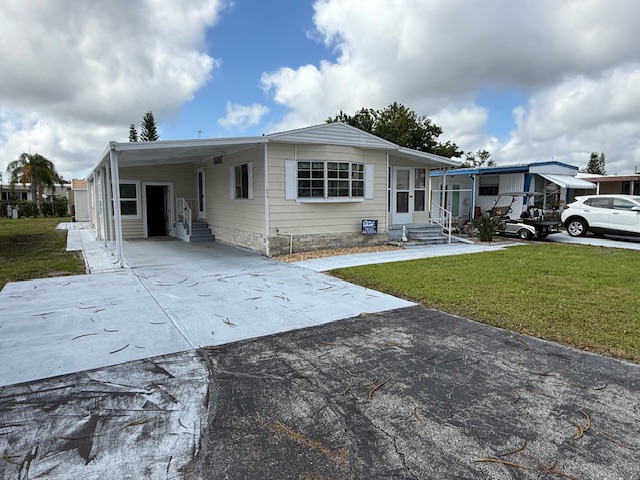
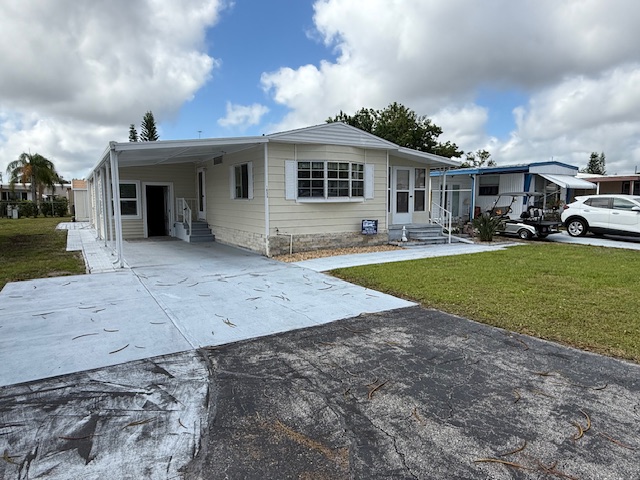
    Sarasota Fl, Mobile Home
    Sarasota FL, Mobile Home

    Additionally, the potential for poor workmanship during manufacturing or assembly could lead to structural problems over time. Homeowners must be vigilant in maintenance and inspections to prevent or address issues promptly. The vulnerability to damage underscores the need for careful consideration and regular upkeep when investing in a mobile home.

    4. Financing

    Securing financing for a mobile home can be more challenging than traditional houses, posing a significant drawback. Some lenders view mobile homes as riskier due to depreciation and lower resale value, leading to stricter lending terms and potentially higher interest rates. 

    Additionally, obtaining a mortgage for a mobile home on leased land, such as in a mobile home park, can be more complex. Limited availability of loans and higher borrowing costs can hinder potential buyers’ ability to afford or qualify for mobile home ownership, making the financing process a potential obstacle for those considering this option.

    5. Limited Design

    Mobile homes often come with limited design and customization options, which can be a downside. While some manufacturers offer variations in floor plans and finishes, the overall design flexibility is constrained compared to building or renovating a traditional home. This lack of customization might lead to a feeling of sameness among mobile homes and limit the ability to create a truly personalized living space. 

    Additionally, certain features commonly found in traditional homes, such as large kitchens or spacious bathrooms, may be compromised due to mobile homes’ smaller size and design limitations, impacting overall comfort and functionality.

    6. Park Policy

    Park owners often have control over aspects like rent increases, maintenance standards, and rules governing the community. Changes in park policies can affect homeowners’ living conditions and financial stability. Moreover, disputes with management over fees or regulations can arise, potentially leading to strained relationships and legal challenges. 

    The lack of complete control over the environment and potential conflicts with park policies underscore the need for thorough research and consideration before investing in a mobile home located within a community.

    The Bottom Line

    Buying a mobile home offers a range of advantages and disadvantages that should be carefully weighed before deciding. On the positive side, mobile homes are often more affordable than traditional houses, making homeownership accessible to a wider range of budgets. Their compact size leads to lower maintenance costs and reduced energy consumption, contributing to potential long-term savings. Additionally, the flexibility to choose locations, quicker construction, and access to high-end areas are alluring aspects of mobile home ownership.

    However, the potential for depreciation and difficulty in reselling can impact long-term financial gains. Limited design customization, vulnerability to damage, and challenges in obtaining financing are also important cons. Furthermore, the influence of park policies and management decisions in mobile home communities can affect homeowners’ quality of life and autonomy.

    Before purchasing a mobile home, individuals should conduct thorough research, assess their lifestyle and long-term goals, and carefully consider the pros and cons to make an informed choice that aligns with their needs and preferences.

    See Also:

  • Why Do People Buy Mobile Homes: 8 Shocking Reasons!

    Are you here because you are looking for positive and convincing reasons why people buy mobile homes? You are in the right place, so continue reading! Featured Medium author Jason Michaels said he used to own eight homes and not making any money until he invested in a mobile home. In this article, we are going to discover why people buy mobile homes.

    If you are looking to buy a mobile home and are still not 100% certain about your decision, this article will help you make the right choice.

    “My wife and I have owned eight homes, but none were as financially beneficial as the mobile home I bought years before we were married. I paid $19,500 and sold it a dozen years later for $45,000. I also collected more than $50,000 renting out rooms in my mobile while I lived in it.”, recounted Mr. Michaels.

    why people buy mobile homes
    Mobile Home for Sale in Sebring

    Living in a mobile home may sound strange to some people who haven’t experienced doing it, but for many who are enjoying their lives to the fullest, there are many reasons to be proud of being a mobile home owner. Although affordability and efficiency are some of the major reasons why people buy mobile homes, there are other good reasons many people fail to see.

    You may never have thought of buying a mobile home before but as we enter another year, mobile homes could be a profitable investment. Real estate investors were jumping into buying single-family homes last year in 2022, but this year in 2023, you can get a step ahead of them with the lower-cost mobile home units in high demand. 

    Mobile home parks and manufactured homes are not new and are not a thing of the past. Yes, there are some negative stereotypes mostly from people who lack knowledge about these homes, but the fact that 6.4% of the US population lives in mobile homes, these homes are surely worth the attention.

    Negative Stereotypes About Mobile Homes

    There are a few negative stereotypes about mobile homes but there are also a number of great reasons why people are buying them instead of single-family site-built homes.

    One of the myths about mobile homes is that they are built for poor people and use substandard construction materials.

    “Not everyone who lives in a trailer park is poor,” says Charles Becker, a professor of economics at Duke University, and one of a handful of academics nationwide who has extensively studied the subject.

    “And there are parts of the country, like Michigan, where living in a mobile home community doesn’t have the stigma it does in the south. You also have retirement communities in Florida where people aren’t poor at all,” he added. 

    According to the US Census. The number of occupants is not recorded but it’s estimated to total about 20 million people using mobile homes as their housing.

    According to the Manufactured Housing Institute, about 57% of the heads of mobile home households are in full employment and another 23% are retired. 

    Other negative stereotypes include shoddy, irrelevant to urban housing needs, parks are exploitative, and other ridiculous claims. Let’s leave these things to experts, as we are here not to debunk these false claims but to explain why people keep buying mobile homes despite these claims.

    Why Do People Buy Mobile Homes

    Living in a mobile home has advantages and disadvantages but because of the rising cost of traditional real estate, mobile homes are becoming popular not just because of price but because of other reasons you may not hear of before.

    1. Affordability – Mobile homes are more affordable than traditional site-built homes. 

    Since 23% of mobile homeowners are retired, let’s take a look at their income.

    According to the Social Security Administration, the maximum Social Security benefit you can receive each month in 2021 is $3,148 ($37,776/annum) for those at full retirement age. The average Social Security income per month in 2021 is $1,543 ($18,516/annum) ( after being adjusted for the cost of living at 1.3 percent.  

    According to some experts, the country’s average mobile home lot rent is $380 per month. However, the lot rent rate can vary depending on several factors and could start from as low as $100 and go as high as $2,000. Larger organizations usually present standardized lot rents compared to small parks.

    Looking at the above data, even a senior who is receiving the lowest monthly social security pension of $1,543 can still afford to pay the highest lot rent of $900. 

    This is not the case, however, when renting a traditional site-built home or apartment.

    The average American renter pays $1,326 a month in 2021. For those looking to move, prices are even higher in 2022. The average asking rent is now $1,900, with single-family houses averaging $2,018 a month, while a typical apartment costs $1,659.

    So how about the other 57% of full-time employees who prefer to live in mobile homes? Can they afford to rent traditional real estate homes and apartments?

    While the average American income depends heavily on the industry, field, and experience, according to Zippia, the median income in the U.S. as of 2022 is $44,225.

    Although a full-time American employee can afford to pay the average rent, the disparity between renting traditional stick-built real estate and buying a mobile home and renting a lot is too big to ignore. 

    For Michael Breeden, 27, picking a mobile home rather than a fixed home a year ago was all about freedom. “I know I could have got a foreclosed house if I wanted to but we can move this to where we want.”

    It’s been a largely happy 12 months in the 80ft home for his 23-year-old girlfriend Samantha, their 17-month-old baby Kelli Lynn, and Breeden’s mother, Mary McGee.

    Breeden, who works at a printing plant nearby, pays the park owner $325 a month for lot rental, rubbish collection, and water supply. There’s also $150 to pay monthly for electricity, $60 for property tax, and $220 to Samantha’s parents who lent them the $16,000 to buy the home.

    Since most mobile homes are set up on leased land and are considered motor vehicles, the lack of property taxes is another big thing that contributes to their affordability. Because most manufactured homes are paid in cash, owners enjoy living without paying a mortgage.

    1. Mobile – Mobile homes can be moved and transported to any mobile home park you want

    Mobile homes are called mobile homes for a reason. The name speaks for itself. Although mobile homes are not usually transported to another location once they are set up, they are easier to move than a site-built home when needed. 

    So, for example, if the mobile home owner can’t afford to pay the lot rent anymore but has no plan to sell their mobile home, they have the option to relocate to another mobile home park where the lot rent is lower. 

    There are other reasons why a mobile home is relocated and not just the increasing lot rent. Some owners want to have a new and different environment while living in the same house where they create memories. 

    Moving closer to a family is another reason especially when the owner is getting older and needs close family care, something that is hard to do if you own a traditional stick-built home.

    1. Great Choice for First-Time Homeowners – Mobile homes are perfect for couples who are just starting to build their own families.

    Many new couples struggle not only with their finances but also with their choice of living and mobile homes can solve this problem. Mobile homes come with many benefits such as easy customization. If you are a new home buyer and want to save every dollar while living in comfort, a mobile home is a perfect choice instead of renting a stick-built apartment. 

    There are stories of couples who started living in mobile homes but years later, they still do while saving a lot of money on mortgage and property taxes. After all, life savings is more important for them than buying a new single-family home.

    1. Mobile Homes are High-Quality – Mobile homes are built and installed according to strict standards. 

    Contrary to what some people believe that mobile homes are shoddy, they are built according to strict Federal and State housing standards and regulations, just as stick-built homes. Today’s manufactured homes are also designed aesthetically pleasing and can compete with modern real estate designs. Someone who is not knowledgeable about mobile homes may often mistake mobile homes for site-built homes.

    Mobile home buyers can choose among different floor plan designs from single rooms to luxurious spaces. And even though a mobile home is built with a basic floor plan, customization is easier than stick-built houses.

    1. Buying a Mobile Home is Better than Renting – You may be paying a monthly lot rent but you are not losing home ownership!

    Assuming you don’t have $15,000 cash to buy a mobile home, you can always apply for financing. Remember Dave Ramsay the finance personality? He mentioned in one of his podcasts that his mortgage was $257 per month. Add his mobile home tax, insurance, maintenance, and lot rent, he was paying less than $900 a month while owning a house. Compare that to someone who rents an apartment with the same amount. Both spend the same amount but Ramsay owns a house.

    “Before, when you were paying out X number of dollars in rent, that’s all you were losing. Now you’re paying out X number of dollars in rent and you’re losing money every day on the ownership of the thing, so you’ve done double dumb now.” He said.

    1. Mobile Homes Can Be Financed – You can get financing for a mobile home!

    Contrary to what some people believe that mobile homes can’t get financing, HUD programs banks will loan up to $69,678 on a mobile home on a rented lot, and up to $92,904 on a mobile home attached to a lot. According to the Consumer Financial Protection Bureau, “More than 2,000 institutions reported originating one or more manufactured housing purchase loans in 2012” (more recent statistics are unavailable).

    Although mobile home financing options are limited compared to traditional real estate homes, still, there are several ways to finance your mobile home. Visit our blog article “Are You Able To Get Financing When Buying A Sarasota Mobile Home?” to learn more. 

    1. Most Mobile Homes Have Nice Neighborhoods – Mobile home parks are peaceful!

    Although many mobile home parks are designed for 55+ people, especially in Florida, thousands of mobile home parks for all ages cater to young people. Most mobile home parks are strictly managed by park owners and managers, especially those mobile homes on leased land.

    One of the reasons why many mobile home parks have better and more peaceful neighborhoods than traditional real estate neighborhoods is that it is easier to oust mobile homeowners who do not follow the park policy.

    1. Mobile Homes are Energy Efficient and Environmental Friendly

    The younger generation is more environmentally conscious than the older generation, so a mobile home is a great option if you are a Millennial looking to purchase your first home.

    Modern mobile homes are built with eco-friendly materials that reduce waste to save money. Many modern manufactured homes are also equipped with solar panels and smart technology, reducing carbon footprints and using centralized electricity. 

    Conclusion

    “There is no perfect home,” and this saying applies to both mobile homes and traditional stick-built homes. Although mobile homes have their own disadvantages, their strengths outweigh their weaknesses, especially on the financial side. 

    The above reasons are just some of the things that prompt people to buy mobile homes. There are other reasons based on individual needs and preferences. If you plan to buy a mobile home, it is important to know your needs and financial considerations.

    We at The Mobile Home Dealer are always open to hearing your questions and helping you with all your mobile home needs. Feel free to contact us!

    See Also:

  • Mobile Mome Living: Is a Mobile Home Right for You?

    Mobile home living has evolved beyond its stereotypical image, and today, a diverse range of individuals find comfort, affordability, and flexibility in these compact residences. If you’re contemplating whether a mobile home is the right fit for you, it’s essential to understand the wide array of people who are choosing this lifestyle. In this article, we’ll explore the characteristics and motivations of those living in mobile homes, shedding light on the reasons why this housing option appeals to such a diverse group.

    Mobile home living
    Mobile home living
    1. Nomadic Adventurers: One of the most evident groups drawn to mobile home living is the community of nomadic adventurers. Individuals or families seeking the freedom to travel, explore new places, and experience different lifestyles often find the mobility of mobile homes highly appealing. From retirees embarking on a cross-country journey to digital nomads embracing remote work, mobile homes provide a residence that moves with its occupants, enabling a life on the road.
    2. Retirees and Empty Nesters: Mobile homes offer a practical and affordable solution for retirees and empty nesters looking to downsize. With reduced maintenance, lower utility costs, and often more accessible entry points, mobile homes provide a comfortable living space without the burdens of a larger, traditional home. Retirees find that the simplicity and efficiency of mobile homes align with their desire for a more relaxed and financially manageable lifestyle.
    3. First-Time Homebuyers: As housing markets become increasingly competitive, mobile homes present a viable entry point for first-time homebuyers. The lower upfront costs and reduced ongoing expenses make mobile homes an attractive option for individuals or couples eager to step into homeownership without the financial strain associated with traditional houses.
    4. Environmentalists and Minimalists: The tiny house movement and the growing emphasis on sustainable living have spurred interest in mobile homes among environmentalists and minimalists. The compact size and efficient use of resources align with the principles of minimalism, while the smaller environmental footprint appeals to those striving for more sustainable living practices.
    5. Remote Workers and Digital Nomads: The rise of remote work and digital nomadism has opened up new possibilities for mobile home living. Individuals who can work from anywhere are increasingly choosing mobile homes as their base, allowing them to combine the comforts of home with the flexibility to work from various locations.
    6. Budget-Conscious Individuals and Families: Affordability is a significant factor driving many individuals and families to choose mobile homes. With lower upfront costs and reduced monthly expenses compared to traditional houses, mobile homes offer a practical solution for those on a budget. This group includes individuals just starting their careers, young families, or those looking to allocate resources to other priorities.
    7. Temporary Housing Seekers: Mobile homes are often utilized as temporary housing solutions. Whether it’s during a home renovation, while building a permanent residence, or for seasonal work in different locations, mobile homes provide a comfortable and cost-effective alternative to traditional rental options.
    8. Community-Oriented Individuals: Mobile home parks and communities foster a unique sense of camaraderie among residents. Those who value a tight-knit community and appreciate the social aspects of living near neighbors find mobile home living an attractive option. The shared amenities and communal spaces in mobile home parks contribute to a sense of belonging and mutual support.

    Considerations Before Choosing Mobile Home Living

    1. Zoning and Regulations: Before committing to mobile home living, individuals should thoroughly research local zoning regulations. Some areas have restrictions on where mobile homes can be placed or limit the duration of residency. Understanding these regulations is crucial to avoiding legal complications.
    2. Maintenance and Upkeep: While mobile homes typically require less maintenance than traditional houses, regular upkeep is still essential. Individuals considering mobile home living should be prepared to address maintenance tasks and repairs promptly.
    3. Financing and Affordability: While mobile homes are generally more affordable than traditional homes, it’s essential to consider financing options. Some individuals may encounter challenges securing loans or mortgages for mobile homes, and understanding the financial aspects of this housing choice is crucial.
    4. Long-Term Goals: Consider your long-term goals and how well mobile home living aligns with them. Whether you’re seeking a temporary solution, a minimalist lifestyle, or a long-term home, understanding your objectives will help you determine if a mobile home is the right fit.

    The Bottom Line

    Mobile home living is a diverse and dynamic housing option that appeals to a broad spectrum of individuals with varying lifestyles, needs, and aspirations. Whether you’re a nomadic adventurer, a retiree seeking simplicity, a first-time homebuyer on a budget, or someone embracing remote work, the flexibility and affordability of mobile homes make them a viable choice.

    Before embarking on the journey of mobile home living, it’s crucial to conduct thorough research, understand local regulations, and carefully evaluate your personal preferences and long-term goals. With the right mindset and awareness, mobile home living can offer a unique and fulfilling lifestyle that caters to the diverse needs of its residents.


    See Also:

  • 5 Major Benefits of Mobile Home Living

    Mobile home living has gained popularity in recent years as an attractive housing option for people seeking affordability, flexibility, and a strong sense of community. This housing alternative offers a unique and cost-effective way to achieve the dream of homeownership while enjoying numerous advantages. In this comprehensive exploration of the subject, we will delve into the manifold benefits that mobile home living offers.

    Mobile homes, also known as manufactured homes or trailers, provide a lower entry point into the housing market, making homeownership more accessible to a broader range of individuals and families. Their customizable features, low maintenance requirements, and energy efficiency make them an attractive choice for those seeking a simplified lifestyle. Additionally, mobile home communities foster a strong sense of camaraderie and often include amenities such as recreation areas, security, and maintenance services.

    selling a mobile home
    Florida Mobile Home for Sale

    Through this article, we will explore the financial, lifestyle, and communal advantages of mobile home living, shedding light on why this housing option is on the rise and how it can improve the lives of those who choose it.

    1. Today’s Mobile Homes are Safe and Quality-Controlled

    Today’s mobile homes are a far cry from the stereotypes of the past. They have evolved significantly in terms of safety and quality control. Thanks to stringent manufacturing standards and regulations, mobile homes now offer a level of security and structural integrity that rivals traditional site-built homes.

    The construction of modern mobile homes adheres to rigorous building codes and industry standards. Advanced materials and construction techniques ensure durability and stability. These homes are inspected at various stages of production to ensure compliance with safety and quality measures, and they are designed to withstand various weather conditions, including hurricanes and earthquakes.

    Moreover, mobile home manufacturers prioritize energy efficiency and environmentally friendly features. Many mobile homes now come equipped with energy-efficient appliances, well-insulated walls, and advanced heating and cooling systems, allowing homeowners to reduce their carbon footprint and utility costs.

    Modern mobile homes are a testament to advancements in safety and quality control. They offer a secure, comfortable, and environmentally conscious housing option that appeals to a wide range of homeowners seeking affordability and modern amenities.

    2.  Purchasing a Manufactured Home Give Owners the Ability to Live More Simply

    Purchasing a manufactured home offers homeowners the opportunity to embrace a simpler way of living, which can be incredibly rewarding and liberating. In a world often marked by complexity and fast-paced living, these homes provide a respite from the hustle and bustle.

    One of the key advantages of manufactured homes is their affordability. With lower upfront costs compared to traditional site-built homes, they allow homeowners to live within their means and reduce financial stress. This financial freedom extends to lower maintenance expenses, as these homes are designed with ease of upkeep in mind. They often come equipped with modern, energy-efficient features that save money in the long run.

    Simplicity is also reflected in the reduced environmental footprint. Many manufactured homes are built with sustainability in mind, incorporating green materials and energy-efficient systems. This eco-conscious living contributes to a more straightforward, sustainable lifestyle.

    Furthermore, living in a manufactured home often means residing in a close-knit community. This sense of camaraderie fosters a simpler and more social way of life, where neighbors look out for one another.

    In essence, manufactured homes enable a more straightforward and fulfilling lifestyle, characterized by financial freedom, environmental consciousness, and a strong sense of community. They provide an opportunity to focus on what truly matters and simplify the complexities of modern living.

    3. You Won’t Break the Bank when Purchasing a Manufactured Home

    The decision to invest in a manufactured home offers a practical and budget-friendly housing solution that won’t break the bank. Unlike the steep costs associated with traditional site-built homes, the affordability of manufactured homes stands as a compelling advantage. These homes typically come at a considerably lower price point, making them an accessible option for a wide range of individuals and families.

    The savings begin with the initial purchase, where you can acquire a quality home without shouldering the enormous financial burden often associated with conventional housing. The construction process is highly efficient, streamlining costs and allowing manufacturers to offer competitive pricing without compromising on quality or safety.

    Moreover, ongoing maintenance and utility expenses tend to be more economical, given the modern materials and construction techniques that enhance energy efficiency and reduce repair needs. This affordability translates into financial flexibility, enabling homeowners to allocate resources to other essential aspects of their lives, such as education, travel, or personal investments.

    Choosing a manufactured home is a wise financial decision that empowers individuals and families to secure a comfortable and attractive living space without depleting their resources. It’s a pathway to homeownership that respects both your aspirations and your budget.

    4. Living in a Manufactured Home Park Give Owners a Sense of Community

    Living in a manufactured home park provides homeowners with a deep sense of community that is truly unique. These communities offer a social fabric and camaraderie that can be hard to find elsewhere.

    In a manufactured home park, you’re not just buying a home; you’re joining a close-knit neighborhood. The proximity of homes shared amenities, and often similar life stages of residents create a natural environment for social interaction. Neighbors become friends, and friendships often extend beyond your front door.

    Community events and activities are commonplace in these settings, fostering a sense of togetherness. From potlucks and barbecues to gardening clubs and book groups, there are numerous opportunities for social engagement. This supportive network is especially valuable for older adults, providing companionship and a safety net as they age in place.

    Furthermore, many manufactured home parks have homeowner associations that collectively make decisions about the park’s management, further enhancing the sense of community and allowing residents to have a say in their living environment.

    Mobile Home in Nokomis Florida
    Mobile Home in Nokomis Florida

    Living in a manufactured home park is not just about having a place to live; it’s about belonging to a community where friendships are easily formed, and a sense of unity prevails. This enriching social environment adds a profound dimension to the experience of home ownership.

    5. Purchasing a Manufactured Home is Environmentally Sound

    Opting for a manufactured home is not just a financially prudent choice but also an environmentally responsible one. These homes are designed with sustainability in mind, offering numerous benefits that reduce their environmental footprint.

    Manufactured homes often incorporate energy-efficient features such as advanced insulation, high-efficiency heating and cooling systems, and low-flow fixtures. These elements help decrease energy consumption, which, in turn, reduces greenhouse gas emissions and lessens the strain on the planet’s resources.

    Additionally, many manufacturers use eco-friendly materials and production methods. Sustainable materials, such as bamboo flooring and recycled-content countertops, are increasingly common in the construction of manufactured homes. The streamlined production process also generates less construction waste compared to traditional site-built homes.

    Another green advantage is the ability to install these homes in existing manufactured home communities, reducing the need for land development and preserving green spaces. This land-use efficiency minimizes urban sprawl and helps maintain local ecosystems.

    By choosing a manufactured home, homeowners contribute to a more sustainable and environmentally friendly housing option that aligns with the growing emphasis on ecological responsibility. These homes not only reduce environmental impact but also promote a healthier, more sustainable way of life.

    The Bottom Line

    The benefits of mobile home living are abundant and far-reaching. Today’s mobile homes, safe and quality-controlled, provide homeowners with a secure and comfortable living environment that is not only affordable but also environmentally conscious. They offer an opportunity to embrace a simpler way of life, with reduced financial burdens and a focus on community and sustainability.

    Purchasing a manufactured home is a financially prudent choice, allowing individuals and families to achieve homeownership without draining their resources. The affordability extends to lower maintenance and utility costs, providing financial freedom and flexibility for other life priorities.

    Furthermore, the sense of community in manufactured home parks is unparalleled, fostering friendships, social engagement, and a strong support network. Residents not only find a place to live but a place to belong.

    Additionally, manufactured homes are environmentally sound, with energy-efficient features, sustainable materials, and reduced land development. They contribute to a more eco-friendly housing option that aligns with the imperative to reduce our ecological footprint.

    In embracing mobile home living, one can enjoy the benefits of financial stability, a simpler lifestyle, a strong sense of community, and a commitment to environmental responsibility. It is an appealing and holistic housing choice that enriches the lives of those who choose it.

    See Also:

  • 10 Things You Need To Know When Moving Into a Mobile Home For the First Time

    Welcome to the world of mobile home living! Whether you’re downsizing, looking for a more affordable housing option, or simply feeling the allure of a nomadic lifestyle, moving into a mobile home can be an exciting and rewarding experience. But before you start packing up your belongings and hitching your new abode onto wheels, there are a few things you need to know. 

    This blog post covers everything from unpacking tips to getting acquainted with your new neighbors. So grab a cup of coffee (or tea!), and let’s dive into the wonderful world of mobile homes!

    1. Take Pictures of Your New Home as You Are Moving In

    Moving into a mobile home is an exciting milestone, and one of the first things you should do is capture the moment by taking pictures. As you begin to unload your belongings and settle in, it’s easy to overlook this simple yet important step.

    Why take pictures? Well, for starters, they serve as a visual record of the condition of your new home before you start rearranging furniture or making any modifications. This documentation can come in handy if there are any disputes with the park management or if you plan on selling your mobile home in the future.

    Not only that but snapping photos allows you to personalize your space from day one. You can use these images as inspiration when choosing paint colors, decor, or even planning out furniture arrangements.

    So grab your phone or camera and start clicking away! Take wide-angle shots of each room to capture its layout and size. Don’t forget to zoom in on any unique features or details that caught your eye during the viewing process.

    Remember, these photos are not just for nostalgia’s sake; they also serve a practical purpose. In case of unexpected damages or issues down the line, having visual evidence will make it easier to communicate with repair technicians or insurance providers.

    And don’t limit yourself to just interior shots – venture outside and snap some pictures of the exterior too! Documenting any existing landscaping, porches, decks, or storage sheds can help you plan future improvement projects.

    By taking pictures as you move into your new mobile home, you’re creating memories while also protecting yourself against potential headaches later on. So go ahead and channel your inner photographer – every snapshot will be worth it!

    2. Get To Know the Neighbors

    Moving into a mobile home for the first time can be an exciting and nerve-wracking experience. One of the best ways to ease your transition is by getting to know your new neighbors. These people will become part of your daily life in this close-knit community.

    When you move into a mobile home park, take some time to introduce yourself to those living around you. A simple hello or friendly wave can go a long way in establishing connections and making new friends. You never know, they might even become lifelong companions.

    Getting to know your neighbors has its benefits beyond just having someone nearby to chat with. They can provide valuable insights about the community, local services, and events happening in and around town. Plus, they may have helpful tips about maintaining your mobile home or navigating any challenges that arise along the way.

    Building relationships with your neighbors creates a sense of belonging within the community. It allows you to feel more connected and supported during both happy times and difficult situations. Whether it’s borrowing a cup of sugar or lending an ear when needed, these friendships can truly enhance your mobile home living experience.

    moving into a mobile home
    Sarasota Mobile Home for Sale with Wide Carport

    Remember that building relationships takes time and effort. Be open-minded, approachable, and respectful toward others to foster positive connections within your new neighborhood.

    So don’t hesitate! Take advantage of this opportunity by reaching out to get acquainted with those around you as soon as possible after moving into a mobile home for the first time

    3. Give Yourself A Full Day or Two to Unpack

    Give yourself a full day or two to unpack and settle into your new mobile home. Moving can be a hectic and tiring process, so it’s important to give yourself enough time to get everything in order. Take it slow and steady – Rome wasn’t built in a day, after all!

    Start by unloading the essentials first. This includes items like bedding, toiletries, and kitchen supplies. Having these things readily available will make your transition much smoother.

    As you unpack, take the time to organize your belongings in an efficient manner. It may be tempting to just throw everything into drawers or closets haphazardly, but taking the extra time now will save you frustration later on.

    While you’re settling in, don’t forget to explore your new surroundings. Take a walk around the park and introduce yourself to neighbors along the way. Getting acquainted with those around you can help create a sense of community and make your new home feel even more welcoming.

    During this process, remember that patience is key. It’s easy to feel overwhelmed when faced with piles of boxes and endless unpacking tasks. Taking breaks as needed will keep you refreshed and motivated.

    Remember that moving into a mobile home is an exciting adventure! Enjoy getting settled into your new space at your own pace without rushing through the process. And above all else, embrace this opportunity for a fresh start!

    4. Unpack the Essentials First

    Moving into a mobile home for the first time can be both exciting and overwhelming. One of the most important tasks you’ll need to tackle is unpacking. But before you start tearing open every box, it’s crucial to prioritize and unpack the essentials first.

    Start by focusing on setting up your bedroom. After all, a good night’s sleep is essential for your overall well-being. Unpack your bedding, pillows, and any other items that will help create a cozy sleeping environment.

    Next, move on to the kitchen. Unpacking essential cooking utensils, pots, and pans, as well as dishes and cutlery should be at the top of your list. This way, you’ll have everything you need to prepare meals without feeling stressed or disorganized.

    Don’t forget about bathroom necessities! Unpack towels, and toiletries like toothbrushes and toilet paper rolls so that you can freshen up after a long day of moving.

    Once these essentials are taken care of, focus on unpacking clothing items you’ll need immediately. Hang up clothes in closets or fold them neatly in drawers to ensure they’re easily accessible when getting ready each day.

    Remember that organizing doesn’t have to happen overnight – take breaks between tasks if needed but try not to procrastinate too much either! The sooner you get settled in with these essentials unpacked; the quicker it will feel like home sweet home.

    5. Meet the Park Management Team

    One important step when moving into a mobile home for the first time is to meet the park management team. These people will oversee and maintain the property, so it’s beneficial to establish a good relationship with them.

    When you initially meet the management team, take note of their names and contact information. This way, if any issues or questions arise in the future, you’ll know exactly who to reach out to.

    Building rapport with your park managers can also be helpful in case you ever need assistance or have concerns about your mobile home. They can provide guidance on community rules and regulations, as well as offer recommendations for local services such as maintenance or repairs.

    In addition to addressing any immediate concerns, getting acquainted with the park management team can help create a sense of belonging within your new community. They may even organize social events or activities that allow residents to connect and build relationships with one another.

    Meeting and establishing a positive connection with your park management team is an essential step toward ensuring a smooth transition into your new mobile home. By doing so, you’ll feel more supported and involved in your new living environment.

    6. Change Your Address

    One important task when moving into a mobile home for the first time is to change your address. This involves notifying various entities of your new location so that you continue to receive important mail and packages. Here are some steps to help make this process easier.

    First, start by updating your address with the post office. You can do this online or visit your local post office branch. Ensure to provide them with accurate information to ensure proper mail delivery.

    Next, don’t forget to update your address with any financial institutions you have accounts with, such as banks and credit card companies. It’s crucial to keep these records up-to-date for billing statements and other correspondence.

    Additionally, inform government agencies about your new address, including the IRS, Social Security Administration, and Department of Motor Vehicles. These agencies may send important documents or notifications that need prompt attention.

    Informing friends and family members about your address change is also essential. Consider sending out an email or making a social media announcement to let everyone know how they can reach you in the future.

    Remember to update any subscriptions or memberships you have. This includes magazines, newspapers, streaming services, gym memberships – anything that requires regular communication via mail.

    Taking these steps and changing your address promptly after moving into a mobile home for the first time will help ensure a smooth transition without missing any vital communications from various sources.

    moving into a mobile home
    Mobile Home Park, also called “Trailer Park” in Florida

    7. Familiarize Yourself with the Utilities

    When moving into a mobile home for the first time, it’s important to familiarize yourself with the utilities available in your new residence. Take some time to locate and understand how each utility functions.

    Start by finding the main water shut-off valve. This is crucial in case of any emergencies or repairs that may arise. Knowing where this valve is located can save you from potential water damage headaches in the future.

    Next, locate the electrical panel and understand how it works. Labeling each circuit breaker will come in handy when troubleshooting electrical issues or performing any necessary maintenance.

    If your mobile home has gas appliances, make sure you know where the gas meter and shut-off valve are located. It’s important to be able to quickly turn off the gas supply if needed.

    Take note of where your thermostat is located and learn how to adjust it according to your comfort level. Understanding how your heating and cooling systems operate will make living in your mobile home more comfortable year-round.

    Don’t forget about garbage disposal procedures and recycling guidelines within your park community. Familiarize yourself with these rules so that you can maintain a clean environment for everyone to enjoy.

    By taking the time to familiarize yourself with these utilities, you’ll feel more confident navigating through any potential challenges that may arise during your time living in a mobile home!

    8. Change the Locks of the Main Doors

    Changing the locks of your main doors is an important step to take when moving into a mobile home for the first time. While it may seem like an unnecessary task, it provides you with peace of mind and enhances the security of your new home.

    When you move into a mobile home park, there may have been previous tenants who had access to the keys. By changing the locks, you eliminate any potential risks associated with unauthorized entry. It also ensures that only you and those you trust have access to your home.

    To change the locks, consult with a locksmith or purchase new locksets from a hardware store. Make sure to choose high-quality locks that are durable and provide maximum security for your mobile home. Once installed, keep track of spare keys and consider investing in a keyless entry system for added convenience.

    By changing the locks on your main doors, you establish control over who can enter your mobile home and create a safe environment for yourself and your loved ones. It’s always better to be proactive when it comes to safety measures – taking this simple step will give you peace of mind as you settle into your new lifestyle in a mobile home community.

    9. Take a Drive Around the Park and Into the Town


    Now that you’ve settled in your new mobile home, it’s time to explore your surroundings! Taking a drive inside the park and into the town will help you get acquainted with your new neighborhood.

    As you meander through the park, roll down your windows and take in all the sights and sounds around you. Notice how each home is uniquely decorated, reflecting its owner’s personality. Wave at fellow residents as they pass by, building connections from day one.

    Venturing outside of the park allows you to discover nearby amenities such as grocery stores, restaurants, and recreational facilities. You might stumble upon charming local shops or find hidden gems that become part of your routine.

    During this exploration phase, pay attention to traffic patterns and alternate routes in case of congestion or road closures. Familiarize yourself with landmarks so that navigating becomes second nature.

    Taking a drive also gives you an opportunity to observe what activities are available within close proximity. Is there a community center where gatherings are held? Are there parks or walking trails for outdoor enthusiasts like yourself?

    By taking these drives inside the park and into town regularly, not only will you become more comfortable with your surroundings but also deepen your sense of belonging in this vibrant community. So buckle up and embark on this adventure – who knows what delightful surprises await around every corner?

    10. Set Your Goals

    When you’re moving into a mobile home for the first time, it’s important to set your goals. What do you hope to accomplish by living in this new space? Are you seeking financial stability, a simpler lifestyle, or the opportunity to travel more?

    Setting goals can help guide your decisions and actions as you settle into your new home. Perhaps you want to save money on housing expenses and use that extra cash for vacations or investments. Or maybe you want to downsize and declutter, creating a more minimalist lifestyle.

    Whatever your goals may be, take some time to reflect on them before moving in. Write them down and keep them somewhere visible as a reminder of what you’re working towards. This will help keep you motivated during the transition period.

    Remember that everyone’s goals are unique, so don’t compare yourself to others in the mobile home community. Focus on what matters most to YOU and make choices accordingly.

    As with any goal-setting process, it’s important to break larger objectives into smaller action steps. For example, if one of your goals is financial stability, create a budget and track your expenses regularly.

    Stay flexible with your goals too! Life circumstances may change along the way, so be willing to adjust as needed while keeping sight of what truly matters to you.

    By setting clear goals for yourself when moving into a mobile home for the first time, you’ll have direction and purpose throughout this exciting journey! So take some time now – before unpacking those boxes –to envision what success looks like for YOU in this new chapter of life.

    Conclusion

    Moving into a mobile home for the first time can be an exciting and adventurous experience. It offers a unique lifestyle and the opportunity to live in a community of like-minded individuals. However, there are some important things you need to know before making this transition.

    Keeping in mind the steps above will make your moving easy and fast.

    See Also:

  • Benefits of Living in a Mobile Home Retirement Community

    Mobile home retirement communities offer a unique lifestyle that combines comfort, convenience, and a strong sense of community. Whether you’re considering renting or purchasing a manufactured home, these communities provide numerous advantages that make them an attractive option for retirees. So let’s dive in and explore all the wonderful benefits that await you in a mobile home retirement community!

    Mobile Home Retirement Communities are Affordable

    One of the greatest advantages of living in a mobile home retirement community is the affordability it offers. Retirees are often looking for ways to stretch their retirement income, and these communities provide an excellent solution.

    Mobile homes are typically more affordable than traditional houses or apartments. They offer a cost-effective housing option without sacrificing comfort and convenience. You’ll find that the prices for manufactured homes in these communities are often significantly lower than other types of properties.

    Furthermore, mobile home retirement communities often have lower monthly expenses compared to other housing options. Many communities include amenities such as water, sewer, trash removal, and even landscaping services in their monthly fees. This means you won’t have to worry about additional utility bills or maintenance costs piling up.

    Additionally, property taxes on mobile homes tend to be less than those on traditional houses. This can result in substantial savings over time and allow retirees to allocate their funds toward other important aspects of their lives.

    Living in an affordable mobile home retirement community doesn’t mean sacrificing quality either. These communities offer well-maintained grounds, recreational facilities, social activities, and access to essential amenities like shopping centers, medical facilities, and entertainment options – all within close proximity.

    Payne Park Village in Sarasota
    Payne Park Village in Sarasota

    Mobile Home Retirement Communities are Desirably Located

    Mobile home retirement communities are not only affordable and easy to maintain, but they are also desirably located. These communities are often nestled in serene and picturesque settings, offering a peaceful retreat for retirees. Whether it’s by the beach, near a golf course, or surrounded by nature trails, mobile home retirement communities offer residents the chance to live in beautiful locations that cater to their desires.

    Imagine waking up each morning to stunning views of rolling hills or enjoying evening strolls along a tranquil lakefront. Mobile home retirement communities provide access to these desirable locations at a fraction of the cost compared to traditional housing options. Retirees can enjoy all the benefits of living in an idyllic setting without breaking the bank.

    Another advantage is that these communities are often conveniently situated near essential amenities such as grocery stores, medical facilities, and entertainment venues. Residents have everything they need within close proximity, making daily life more convenient and hassle-free.

    Additionally, many mobile home retirement communities are located near vibrant cities or popular tourist destinations. This offers retirees opportunities for cultural experiences, dining out at diverse restaurants, and attending local events and festivals – all just a short drive away from their cozy homes.

    Living in a desirably located mobile home retirement community means having easy access to outdoor recreational activities as well. From hiking trails and fishing spots to golf courses and swimming pools – there is always something fun waiting right outside your doorstep.

    One of the major attractions of mobile home retirement communities is their desirable location. They provide retirees with an opportunity to live amidst natural beauty while still being close enough to necessary amenities and exciting city life activities. So if you’re looking for an affordable way to retire comfortably while enjoying breathtaking surroundings – consider exploring mobile home retirement community options!

    Mobile Home Retirement Communities are Easy to Maintain

    One of the key benefits of living in a mobile home retirement community is how easy it is to maintain your home. Unlike traditional houses, which often require extensive upkeep and costly repairs, mobile homes are designed with simplicity in mind.

    Mobile homes typically have fewer square footage than traditional houses. This means less space to clean and maintain on a regular basis. With smaller rooms and less clutter, you can spend more time enjoying your retirement rather than constantly tidying up.

    Many mobile home communities offer maintenance services as part of their package. This means that if something does go wrong with your home, you won’t have to worry about finding a reliable contractor or paying for expensive repairs out of pocket. Instead, simply contact the community management team and they will take care of the issue for you.

    Mobile homes are built using durable materials that require minimal maintenance. They are often constructed with low-maintenance siding and roofing materials that can withstand harsh weather conditions without needing constant attention.

    Living in a mobile home retirement community allows retirees to enjoy an easier lifestyle when it comes to maintaining their homes. With smaller spaces to clean and access to maintenance services provided by the community, residents can focus on relaxing and enjoying their retirement years without the stress of constant upkeep.

    Mobile Home Retirement Communities Offer Social Connections

    Mobile home retirement communities offer more than just a place to live—they provide an opportunity for social connections that can enhance your retirement experience. Living in a mobile home community allows you to interact with like-minded individuals who are at a similar stage of life and share common interests.

    One of the main benefits of living in a mobile home retirement community is the sense of belonging and camaraderie that comes from being part of a close-knit community. You’ll have plenty of opportunities to engage in social activities, whether it’s joining a book club, participating in fitness classes, or attending community events organized by the park management.

    In addition to organized activities, mobile home retirement communities often have common areas such as recreation centers, swimming pools, and picnic areas where residents can gather and socialize. These shared spaces foster an environment where friendships can flourish and new connections can be made.

    Living among peers also means there will always be someone nearby to lend a helping hand or provide support when needed. Whether it’s sharing gardening tips, carpooling to appointments, or simply enjoying conversation over coffee in the mornings, having neighbors who understand your lifestyle can make all the difference.

    Research has shown that maintaining strong social connections is essential for overall well-being during retirement years. Loneliness and isolation are known risk factors for various health issues including depression and cognitive decline. By living in a mobile home retirement community with built-in opportunities for socializing, you’re proactively taking steps toward staying mentally and emotionally healthy as you age.

    So if you’re considering retiring in style without breaking the bank while still enjoying an active social life, exploring options within mobile home retirement communities may be worth considering!

    Lake Village Mobile Home Park
    Lake Village Mobile Home Park

    Mobile Home Retirement Communities have Lots of Amenities

    Mobile home retirement communities offer a wealth of amenities that cater to the needs and desires of their residents. These communities recognize the importance of providing a wide range of facilities and services to enhance the overall quality of life for retirees.

    One key benefit is access to recreational amenities. Many mobile home retirement communities feature clubhouse facilities where residents can gather for social events, fitness activities, or games. These well-equipped spaces often include amenities like swimming pools, fitness centers, libraries, and even craft rooms. Having these options right on your doorstep means you have endless opportunities to stay active and engaged.

    Additionally, some mobile home retirement communities provide organized activities and classes tailored specifically for senior citizens. From yoga sessions to art workshops or book clubs, there is always something happening to keep you entertained and connected with others in the community.

    Another advantage is the presence of outdoor spaces within these communities. Parks with walking trails or picnic areas allow residents to enjoy nature while promoting an active lifestyle. It’s wonderful having green spaces where you can relax or exercise in peace without needing to leave the community.

    Furthermore, many mobile home retirement communities understand that maintaining good health is essential as we age. As such, they often offer healthcare services onsite or have partnerships with nearby medical providers. This provides peace of mind knowing that assistance is readily available when needed.

    Living in a mobile home retirement community grants you access to numerous amenities designed specifically for seniors’ enjoyment and convenience. Whether it’s engaging in recreational activities at well-appointed clubhouses or taking advantage of organized events catered towards older adults – there truly are plenty of benefits waiting for those who choose this lifestyle!

    You Can Rent or Purchase Mobile Homes

    One of the great benefits of living in a mobile home retirement community is the flexibility to choose whether you want to rent or purchase a manufactured home. This offers residents the freedom to decide which option best suits their preferences and financial situation.

    For those who prefer not to commit to purchasing a home, renting a manufactured home provides an affordable housing solution without a long-term commitment. Renting allows individuals to enjoy all the perks and amenities of living in a retirement community without having to worry about maintenance or property taxes. It’s perfect for those who value convenience and flexibility.

    On the other hand, if you’re looking for more permanent residency, purchasing a manufactured home might be your ideal choice. Buying gives you full ownership rights and enables you to personalize your space according to your tastes and needs. Additionally, owning a mobile home can also be seen as an investment opportunity since it retains its value over time.

    Whether you choose to rent or purchase, living in a mobile home retirement community offers an array of advantages that cater specifically to retirees’ lifestyle needs. From affordability and convenience to social connections and numerous amenities, these communities truly provide everything one could desire during their golden years!

    Final Words

    Living in a mobile home retirement community offers numerous benefits that make it an attractive option for retirees looking to enjoy their golden years. These communities provide affordability, desirable locations, easy maintenance, social connections, and a wide range of amenities. Whether you choose to rent or purchase a manufactured home, you can find the perfect living arrangement that suits your needs and preferences.

    Embrace this unique way of life where comfort meets convenience by exploring the wonderful world of mobile home retirement communities today!

    See Also:

  • What Is The Expected Life Of A Mobile Home

    One of the most popular questions most people ask is “What is the expected life of a mobile home?”. Although this sounds like a simple question, the right answer can be more complicated than you think. 

    This question should not be taken lightly when considering buying a mobile home. It will always trigger another big question in return like “What are your plans for the mobile home?”

    Mobile Home for Sale in Sebring
    Mobile Home for Sale in Sebring
    • Do you plan to live in it full-time?
    • Will it be a holiday season mobile home?
    • Will it be an investment that can give you passive income by renting it out?
    • Do you plan to buy and flip it?
    • Do you plan to buy a brand-new mobile home or a used one?

    Your answer to the above questions will determine how long your mobile home will last.

    Before going deeper into details, we’ll give you a short and simple answer.

    According to the Department of Housing and Urban Development (HUD), mobile homes have a life expectancy of 30 to 55 years. Of course, it still goes down to how the mobile home is maintained. We feel this is a fair answer but in our experience, we see mobile homes that looked ready to get scrapped in just under 15 years, while others last for over 55 years and are still in great-looking condition. 

    The HUD estimate is a great reference but there are tons of factors that contribute to the longevity of a mobile home.

    Why Do Mobile Homes Tend To Live Shorter Than Traditional Homes?

    This is a question that many mobile homeowners and mobile home brokers would disagree with. There are plenty of mobile homes that last far longer than the estimated 55 years of the HUD.

    When the HUD created a uniform code that mobile home manufacturers must adhere to in 1976, the mobile home construction standard became higher. It’s been 46 years and still, there are many mobile homes built in 1976 that still stand in perfect condition. Take note, 46 years!  

    For example, this California mobile home (photo below) was built in 1963. That is exactly 60 years today and still, it is asking for $38,000 and is perfectly livable. There are other mobile homes built in the 50s and 60s that you may find for sale on some real estate websites and remember, this was before the HUD standardized the construction of mobile homes.

    Sarasota Mobile Home
    Sarasota Mobile Home

    Many of the best-maintained mobile homes are found in age-restricted and senior mobile home parks. Older people are mostly good at taking care of their homes and the things they care about. You can find many of these 45 to 55-year-old mobile homes in Florida, Texas, and Arizona. 

    The weather condition contributes a lot to the longevity of mobile homes. “In Florida where there is a lot of rain, humidity, and storms the average life of a mobile home tends to be shorter than those places that do not have the same extreme weather conditions. Although many of the mobile homes in Florida are considered older units, most have been kept up nicely”

    On the other hand, Arizona has some of the oldest but well-maintained mobile homes due to its drier climate. The drier climate has a minimum effect on mobile homes compared to the subtropical rains of Florida.

    Having said that, saying that mobile homes live shorter without balancing the given circumstances is just an overstatement.

    The Quality of The Materials Used In Mobile Home Construction

    Most mobile homes are made out of metal, wood, and vinyl, while stick-built homes are mostly made of concrete, metal, and wood. Although many of the mobile homes have footings that are made of poured concrete, mobile homes are not permanently attached to them. 

    The quality of materials used and how the mobile home is set up also play a bigger role in the longevity of mobile homes. 

    Having said that, mobile homes are built with high-quality materials and follow strict building standards. Mobile homes are lighter than traditional homes not because of low-quality materials but because of their lighter materials. Most of the actual materials used in both homes are almost the same except for the bricks and concrete used in stick-built houses.

    Another reason why mobile homes are lighter is the roofing. Most mobile homes use steel, composite, and rubber membrane roofing as opposed to stick-built homes’ traditional shingles.

    Mobile Homes’ Construction Process

    Mobile homes are constructed to last longer and are not meant to be temporary. The HUD construction standards set the uniform quality of mobile homes nationwide. This means that mobile homes that are manufactured below the given standards will not be approved to be used as permanent dwellings.

    Stick-built homes are built permanently on solid concrete foundations and many suffer cracks that result in the sinking of the house. Mobile homes, on the other hand, are built atop solid steel chassis and frames that could pretty much last forever. And since they are built to be transported, they are pretty flexible and sturdy. Since mobile homes are built in the factory, they are not made by bare hands so precision is needed. 

    The National Manufactured Housing Construction and Safety Standards ensure that mobile homes are built to uniform strength, durability, and stability, and the materials used are designed for maximum longevity yet we are told that mobile homes can only last between 30 to 55 years.

    Factors That Impacts The Longevity And Lifespan Of Mobile Homes 

    So what really impacts the lifespan of a mobile home?

    1. Improper Initial Installation

    Based on our experience, much evidence suggests that improper initial installation is one of the major reasons why a mobile home can have a shorter lifespan. As we discussed, the materials and construction process are all guided by high-quality standards, but the installation is not. The installation of a mobile home is technical and should not be done by inexperienced people. The initial installation should be checked by an experienced and certified inspector to make sure it is properly done.

    1. The Quality and Design Of Foundations

    The foundation has the most important job as it supports the whole weight of the mobile home. Just as in stick-built homes, when the foundation is poorly built, the house can collapse. The same applies to mobile homes. When part of the foundation cracks and breaks down, the mobile home can tilt and there can be an avalanche of problems when the house loses its balance. 

    The actual condition of the soil where the mobile home is sitting can also affect its longevity. If the land is not graded well or left loose, the foundation can sink over time and can create an imbalance in the structure sitting on top of it. Add rainwater that can deteriorate the land and you could have a major problem on your hands.

    There are many types and designs of foundations used in mobile homes. Some are expensive and some are cheap based on the type of land where the mobile home is to be set up. The location and soil conditions have a big role in deciding what type of foundation is needed in order for the home to be placed safely and correctly.

    1. Man-made Damage Due To Irresponsibilities

    Damage created by its owner is a big reason why a mobile home doesn’t last. While many people take very good care of their possessions, some people do not. This is evident in cars as well as some vehicles that are several years old and are in better shape than more recent models. Some 10-year-old cars smell like flowers while some several-months car smells like sewer. Although people don’t intentionally destroy their mobile homes, the lack of proper care, cleaning, and maintenance is a big factor in why the mobile home deteriorates faster than its natural depreciation.

    Finances also play a major factor in why owners are not taking care of their mobile homes. When the owner is in financial turmoil, the home is always the last thing to be taken care of. The lack of cleaning can attract mold, wet spots, and water leaks could turn badly water leaks, and everything. If these damages will not be taken care of immediately, expect the mobile home to give up sooner than later.

    Humans can create more damage than nature can give. For example, when the owner of a Florida mobile home goes back to Canada and stays there for four months, their mobile home can attract some problems such as mold, soft spots, and even termites. If the mobile home is not well prepared for its owner’s absence, a small issue can turn into something much larger fast. 

    1. Natural Disasters

    Natural disasters are responsible for much housing damage (both mobile homes and traditional homes) in critical areas like South Florida. A strong hurricane can totally wipe out the entire mobile home. But natural damage like water leaks on the roofing can be repaired immediately. Minor natural damages can not be a problem if the mobile home is properly maintained.

    How To Extend The Life Of Your Mobile Home

    Extending the serviceable life of your mobile home is not a difficult task to do if you are just responsible enough to take care of your shelter. As mentioned above, if you are buying a brand-new mobile home, make sure to have it installed properly. If, however, you are buying a used mobile home, proper maintenance is the key in order to giving your mobile home more years of existence

    Here are some simple tips to help you prolong the life of your mobile home

    1. Roof Maintenance

    The roof is the most important part of your mobile home as it protects everything under it. Water leaks can destroy the whole ceiling which can then destroy your appliances, furniture, and everything. The roof leak over a period of time if left unrepaired can cut the total cost of your mobile home in half and you may find yourself selling your home to a fixer-upper when you can’t afford to have it repaired anymore.

    1. Skirting

    Skirting is one of the most important features of a mobile home and not just for having good looks. Animals love the shade and the small space underneath your mobile home is a great place for rodents, snakes, and other insects like termites to live. cats, rabbits, raccoons, and even stray dogs can call this space their home if you don’t have skirting,  and this could give you a major headache, especially when a cat gives birth underneath your home.

    A handyman friend told me that he had a lot of experience finding all sorts of animal skeletons under many mobile homes he repaired and the new owners often find themselves horrified.

    1. General Maintenance and Cleaning

    Sometimes, a simple act can save a lot of money. One of my new neighbors bought a mobile home from an old friend who passed away a few years ago. The mobile home they purchased has an external faucet underneath the carport that was running, they did not know this until months after their purchase causing extensive water damage to the skirting of the mobile home. When Pat opened the faucet, it broke and the water showered all over the place. They were planning for a long California vacation. The plumber said the faucet would likely break even if it wasn’t checked and could result in massive repair costs as some power tools are stored nearby. Those power tools could have been soaked in the water.

    1. Immediate Action

    We know procrastination is a bad habit and could result in a myriad of problems. Wherever there is a small issue, make sure to act immediately and no not wait until a small problem becomes a large issue. For example, when you see a wet spot, investigate where it comes from and why. Some people ignore smaller issues only to find themselves spending a lot of money due to their negligence. 

    Final Words

    The longevity of a mobile home primarily rests on how we take care of it. Although natural disasters and bad weather can be a big factor, regular maintenance, and cleaning play a vital role in maintaining the good condition and value of our home. 

    If you are planning to buy a mobile home, don’t believe other people saying that mobile homes don’t last. Mobile homes last as long as the owner wants them to last.

    If you need more information about mobile homes, we are always happy and willing to give you more information. Contact The Mobile Home Dealer if you are looking to buy or sell a mobile home!

  • 2 Common Mobile Home Problems And How You Can Prevent Them!

    2 Common Mobile Home Problems And How You Can Prevent Them!

    What’s going on, everybody?! 2 Common Mobile Home Problems And How You Can Prevent Them!

    This is Mark with The Mobile Home Dealer.

    I want to thank you for taking a few minutes out of your busy day to learn about two of the more common problems that older mobile homes have and what you can do as a preventative measure to ensure if these problems do occur in your home how to mitigate them so that a small issue does not turn into a large disaster!

    The first problem we want to discuss today is of water damage to your mobile home.

    Water damage can happen in one of two ways.

    First, the issue can start through a small leak in your roof that then causes moisture damage to the rest of your home.

    Many times mobile home roofs have a 25 to 30-year warranty. Once this time is up, a new roof will need to be placed on top of the current roof in order to keep your house nice and dry. You will be able to get a few extra years out of that roof if you take proper precautions, such as sealing your roof every few years. Plan to replace that roof in your mobile home if your house is older than 30 years old and you got the original one on it.

    The second way water damage can occur is through the flooring system of your mobile home.

    Mobile homes have what is called a vapor barrier that is installed under the base of the home. If you have never seen one, it kind of looks like a large black trash bag that is attached to the bottom part of your house. The purpose of a vapor barrier is to keep the water that comes out of the ground away from your flooring components and flooring system keeping them nice and dry. If the vapor barrier is non-existent or seriously damage you may want to consider replacing it or you could have soft spots start to develop throughout your floors.

    Easy ways to fix these common issues are to make sure you get your roof inspected for leaks and if leaks are found to contact a licensed professional in order to do a patch job or to redo the entire roof.

    If you have soft spots beginning to emerge in your flooring then you might want to call a licensed professional to get that vapor barrier checked out so it is in proper working order and keeping the moisture away from your home’s flooring system.

    The second problem that we see in older mobile homes is termite damage.

    Termite damage can begin in the flooring, the subflooring, or the structure of the mobile home. If not handled quickly, then these darn little termites can grow their colonies extremely fast and really cause your home some serious problems.

    The base of your mobile home structure is wood. You have wood floors, and wood subfloors, the walls are wood based and the structural components underneath your roof are going to be wood. If you find that you have issues with termites it is not the end of the world! In fact, handling termites on a large scale is taken care of on a regular basis in most mobile home parks on a regular basis.

    2 Common Mobile Home Problems And How You Can Prevent Them

    If your home has termite issues, then termite tenting may be needing to be done. During the tenting process, the home will be covered in a large tarp for three to four days, a licensed professional will go in and deep clean your home getting rid of all those termites.

    One way to prevent a lot of these termite issues is to make sure that you keep up with your quarterly termite spraying service. This service is offered by several local professionals and will provide the first line of defense against any serious termite infestation that may occur in your mobile home in the future.

    If you are saving from hiring a termite service, another way is to check all wooden parts of your house directly attached to the ground. Wooden parts touching the ground especially when wet attract termites. Termites usually don’t climb through concrete or metal. You can prevent this by spraying common anti-termite chemicals, or sometimes, even used oil will do the job.

    There are other small-to-big problems that you may experience inside and outside your mobile home and disregarding these small issues could result in costly repair and maintenance in the future.

    It is always recommended that as a mobile homeowner, you should not disregard simple issues like small water leaks, molds, and other irregularities.

    Some mobile homeowners are forced to sell their homes for a cheaper price because there is a lot to repair and these repair costs always pull down the mobile home’s selling price. It is also hard to find buyers who are willing to spend thousands of dollars on repairs and extra waiting time while the house is undergoing renovation.

    A properly-maintained mobile home always demands a higher selling price when you decide to sell your house in the very near future.

    When you own a mobile home, you have a valuable asset that can be sold for a higher price if it is properly maintained. By taking care of your mobile home and keeping it in good condition, you will be able to sell it for a higher price when you decide to sell it in the future. To keep your mobile home in good condition, you should regularly clean it and perform any necessary repairs. You should also keep the exterior of your mobile home clean and free from debris. If you take care of your mobile home, it will continue to look its best and demand a higher selling price when you decide to sell it.

    Another one of the most common mobile home problems is leaks. Mobile homes are particularly susceptible to leaks because they are often not as well insulated as traditional homes. This can lead to water damage and mold growth. To prevent leaks, make sure to check your mobile home regularly for any signs of water damage and repair any leaks immediately.

    Another common problem with mobile homes is that they can be difficult to heat and cool evenly. This is due to the fact that mobile homes are often smaller than traditional homes and have less insulation. As a result, you may find that your mobile home is too hot in the summer and too cold in the winter. To combat this, you can invest in a good quality space heater or air conditioner.

    Finally, another common mobile home problem is that it can be difficult to keep clean. This is because dust and dirt can easily build up on the surfaces of your mobile home. To keep your mobile home clean, make sure to vacuum and dust regularly. You may also want to consider investing in a portable air purifier to help keep the air inside your mobile home clean and fresh.

    We hope this has given you a brief idea of the major issues that can happen to your home and how to prevent them.

    Guys, this is Mark Kaiser with The Mobile Home Dealer and we help mobile home Buyers and Sellers get to a better place in life.

    See Also:

  • Do Sarasota Mobile Home Appreciate Or Depreciate?

    Do Sarasota Mobile Home Appreciate Or Depreciate?

    Do Sarasota Mobile Home Appreciate Or Depreciate? The question is always asked to us at The Mobile Home Dealer, do mobile homes on leased land appreciate, or do they depreciate?

    Before we get into that answer, we need to do a quick review of what exactly is a mobile home on leased land.

    When purchasing a mobile home on leased land in Florida where you are physically owning the home but are paying a monthly lot rent payment to the park then that home is viewed as personal property, not real estate.

    As mentioned in a previous article, this will mean that the home is just like buying a vehicle as these homes have titles and not deeds associated with them.

    As we all know, cars will depreciate rapidly, especially when they are taken from brand-new cars to of used cars. Many times this will drop your car’s worth significantly once it is driven off the car lot and the first few miles are put on it.

    So, with that said, does the depreciation continue at the same rate for a mobile home on leased land as it does for an automobile?

    The answer to this largely depends on the condition of the property and how well it has been taken care of since it was originally delivered from the factory or previous owner to its current location that you see it in.

    One of the main ways a home will depreciate is if the structural components are not well taken care of.

    These will be the roof, your air conditioning system, and making sure the structure such as the walls and floors are free of severe water and termite damage.

    If any of these items are severely damaged or need to be replaced then, yes, the home will depreciate very, very quickly.

    If the home has basic wear and tear items on it and does not require a new roof or the flooring and wall system does not need to be redone, then we see the depreciation come at a much slower pace. Please note, in both instances, we see that the home will generally lose a little bit of money in home value, not gain value.

    What we have found as one of the main keys to focus on to maximize your investment is to do all you can to purchase the mobile home at or below what the market is calling for the home to be worth.

    Buying the mobile home at a discount will allow you, the Buyer, to have room in the value of the home to break and make a pretty good amount of money on the property when you go to sell it.

    The key here is just like the old saying goes, “you make your money at the time of purchase”.

    Do Sarasota Mobile Home Appreciate Or Depreciate

    Very rarely do we see mobile homeowners make a significant amount of money on their mobile homes regardless of what upgrades they put into the property.

    What we have seen, however, is that there are Owners that I see all the time who do break even or make a pretty substantial amount of money if they buy their home correctly and sell their home fast!

    If you own a mobile home in the Sarasota Florida area and are planning to sell it in the future, you must be aware that several factors contribute to the appreciation or depreciation of the value of your mobile home.

    Location. We heard this many times. “Location, location, location”. This is not just a cliche. There’s a truth behind it. When your mobile home has proximity to employment centers, business districts, tourist attractions, shopping centers, schools, and other establishments, the property always demands higher value than those that are not located in the same mobile home park.

    Age and condition of the mobile home. In the Sarasota Florida area, many of the mobile homes are built more than 20 years ago but this doesn’t mean that age of the mobile home can automatically reduce its value. The current condition of the property regardless of its age can make a huge difference. Keeping your mobile home properly maintained will keep its value. However, an old and poorly maintained mobile home can rapidly decrease its value.

    Size and improvement. Although costly improvements seldom affect the value, good renovation, and minor improvements can certainly help maintain its value.

    Population movement and season. In Sarasota Florida, the price of mobile homes mostly goes up during the summer season when people from the North are migrating to the Sunshine State. When there is a high demand and low supply, it is understandable that the price of goods will increase.

    Surrounding area. The future is hard to predict but what may happen in the future is another factor to consider when selling or buying a mobile home. If your property is sitting on a mobile home park where its surrounding areas are undergoing commercial development, this can increase the value of your mobile home.

    Sarasota mobile homes, like most other types of real estate, can appreciate or depreciate over time. Factors such as the age and condition of the mobile home, location, and local market conditions can all have an impact on the value of Sarasota mobile homes. Generally speaking, mobile homes can be appreciated if they are well-maintained and located in desirable areas. On the other hand, they can depreciate if they are outdated or the area around them is declining in value. Therefore, it is important to research the local real estate market before investing in a Sarasota mobile home to ensure that it is a sound investment.

    These are just some of the main factors that can affect the longevity of a mobile home venture and the valuation of the property.

    This is Mark Kaiser with the Mobile Home Dealer and we help mobile home Buyers and Sellers get to a better place in life.


    See Also:


  • What Is My Sarasota Mobile Home Worth? Volume 3

    What Is My Sarasota Mobile Home Worth? Volume 3

    Welcome back to the third installment of “What Is My Sarasota Mobile Home Worth?”

    Before we discuss today’s topic, let’s briefly review what we have covered over the past few weeks so we are all on the same page.

    Two weeks ago, we discussed the pros and cons of selling your mobile home fully furnished.

    Here, we discussed that even though the mobile home will often sell faster when fully furnished, it does not necessarily mean that it will sell for any more money once the house gets to the closing table.

    Last week, we discussed the importance of keeping up with your air conditioning service, regardless of if it is a window unit or central air conditioning system that cools your home. We further discussed that the cost of a new air conditioning system will not necessarily convert to more money at the closing table for you.

    Remember, a large part of the value derived from a new air conditioning system is staying cool during the many Florida hot months throughout the year!

    Today, we are going to review the importance of selling your home with all the appliances included.

    Many times we at The Mobile Home Dealer find Sellers who are looking to recoup as much money as they can when they go to sell their mobile home. We all can understand this thought process since we all want to make sure that we sell our homes for as much money as possible when it comes time to move on to the next step of our lives.

    Some mobile home Sellers we have encountered will get flustered with the sales process and go to remove their appliances to either move them into a new place they’re living in or sell them outright themselves before the sale of their home.

    PLEASE DO NOT DO THIS!

    Although I can certainly understand the desire to get the most money for everything in your home at the time of sale, I cannot suggest or condone removing your appliances from the home to try to make more money.

    What Is My Sarasota Mobile Home Worth? Volume 3This is such a problem because, like our previous topic of selling your home fully furnished, if you do not have appliances, the home will have a more difficult time selling!

    Mobile home Buyers can understand that they may need to purchase furniture if the home does not come fully furnished, but very few, if any, Buyers that we have ever sold to can wrap their heads around buying a mobile home without the basic appliances included.

    Not providing appliances in the sale of your mobile home will force the Buyer to make yet another purchase at the time of closing, and worse yet, during the time they see the home, it makes it that much more difficult for them to see themselves enjoying their new home right when they move in!

    Can a fully furnished mobile home sell fast? Based on our years of experience selling mobile homes, YES!

    Remember that most mobile home Buyers in the Sarasota, Florida, area are from other states, and buying furniture, or bringing their own, is not part of their buying plan. Of course, a fully-furnished home will sell faster than an unfurnished one if both are at almost the same price.

    Consider our suggestion if you want to sell your mobile home fast and avoid paying monthly lot rent. If you want to pay monthly lot rent and wait for a miracle to happen, do not buy any furniture.
    In addition, take note that buying furniture to fill the mobile home so the next owner can use it, is different from mobile home upgrades.

    For example, if you are looking to paint the home a fun beachy color, change the over-flooring, add custom shelving, or change out the bathroom fixtures, these certainly can liven up the home. However, although nice in nature, these upgrades are based on the owner’s personal preference and do not upgrade the structural integrity of the mobile home itself.

    Sure, these will make the home look newer or “beachy,” but it does not mean that the upgrades you put in here will bring you any more money when you look to sell the home.
    The reason is that there is no tangible value that can be passed on to the next owner.

    Most mobile home Buyers are looking for a turn-key property where they can buy the home, toss their keys on the counter, and get to the outdoor activities they have been dreaming about!

    No, going to the furniture store does not factor into this excitement.

    When looking to sell your mobile home for the most money, look to provide it fully furnished. We have seen that the home will sell faster, saving you several thousand dollars in possible lot rent payments. This additional income on the sale of your mobile home won’t exactly come to you in a cash payment, but it will stay in your bank account, which is all the more reason to consider selling your Sarasota mobile home fully furnished!

    Remember, guys, always make sure it is easy for a Buyer to buy from you, but not difficult!

    This is Mark Kaiser with The Mobile Home Dealer. We help mobile home Buyers and Sellers achieve better lives!


    See Also:


Reset password

Enter your email address and we will send you a link to change your password.

Get started with your account

to save your favourite homes and more

Sign up with email

Get started with your account

to save your favourite homes and more

By clicking the «SIGN UP» button you agree to the Terms of Use and Privacy Policy
Powered by Estatik