Tag: disadvantages of living in a mobile home

  • The Pros and Cons of Buying a Fixer-Upper Mobile Home

    Buying a fixer-upper mobile home is a unique path to homeownership and investment. Mobile homes are known for their affordability, and a fixer-upper can make this option even more accessible. However, purchasing a mobile home that needs repairs has its challenges. In this article, we’ll explore the pros and cons of buying a fixer-upper mobile home, particularly in the context of mobile home communities. Whether you’re an investor, a first-time buyer, or just curious, understanding these advantages and disadvantages can help you make a wise decision.

    Pros of Buying a Fixer-Upper Mobile Home

    1. Lower Purchase Price

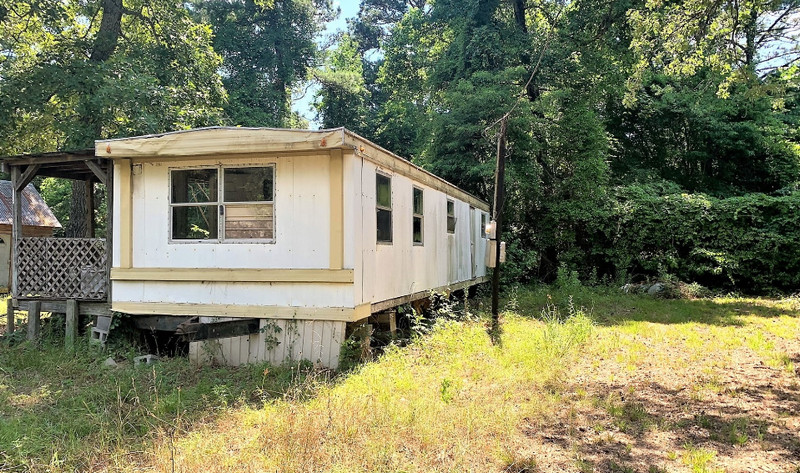
    One of the primary benefits of buying a fixer-upper mobile home is the lower initial cost. Since the home requires repairs, sellers usually offer it at a reduced price. For budget-conscious buyers, this lower price point makes homeownership more attainable. This is particularly attractive for people looking to enter the housing market without a significant financial burden.
    Fixer-Upper Mobile Home

    2. Customization Opportunities

    A fixer-upper mobile home allows you to create a living space tailored to your preferences. Instead of settling for someone else’s design, you can choose everything from paint colors to fixtures. This customization is appealing if you want a home that reflects your taste.

    3. Potential for Increased Value

    With the right renovations, a fixer-upper mobile home can increase in value. You can create a more valuable property by updating the home’s structure, appliances, and features. This increase in value is beneficial if you plan to sell the home in the future or rent it out.

    4. Opportunity to Learn New Skills

    Taking on a fixer-upper can help you develop valuable home repair and renovation skills. Working on a mobile home can teach you how to handle various maintenance, from painting to basic plumbing. These skills are beneficial not only for this home but for future projects.

    5. Access to Mobile Home Communities

    Many mobile homes are located in communities offering pools, clubhouses, and social events. Buying a fixer-upper mobile home in one of these communities gives you access to these benefits. Mobile home communities also provide a sense of community, which can be a positive aspect of living in these spaces.

    6. Lower Property Taxes

    Compared to traditional homes, mobile homes typically have lower property taxes. This can make a fixer-upper mobile home an even more affordable investment. In addition, some mobile home parks allow homeowners to rent the land, reducing property tax obligations further.

    Cons of Buying a Fixer-Upper Mobile Home

    1. Cost of Repairs and Renovations

    The biggest drawback of buying a fixer-upper mobile home is the cost of repairs. While the purchase price may be low, renovations can add up quickly. It’s crucial to estimate these costs before buying to avoid financial strain. Unforeseen repairs can become costly, such as replacing an old roof or fixing plumbing issues.

    2. Limited Financing Options

    Financing a fixer-upper mobile home can be challenging. Traditional mortgage lenders often hesitate to finance mobile homes, especially if they require significant repairs. This means buyers may need to explore alternative financing options, which could come with higher interest rates or shorter repayment periods.

    3. Age and Condition of the Mobile Home

    Many fixer-upper mobile homes are older models, which may need to meet modern building standards. Homes built before 1976, for instance, may need to comply with HUD safety regulations, which can limit renovation options. It’s essential to assess the age and condition of the mobile home before purchasing it.

    4. Resale Value and Appreciation

    Mobile homes tend to appreciate less than traditional homes, and some even depreciate over time. While renovations can add value, a fixer-upper mobile home may need to be understood at a different rate than a site-built home. This can affect your potential return on investment if you plan to sell the property in the future.

    5. Park Fees and Rules

    Many mobile homes are located in parks where residents rent the land. These parks often charge monthly fees to cover maintenance and amenities. In addition, some parks have strict rules on renovations or resales, which can limit your options. Understanding the community’s rules and fees before investing in a mobile home there is essential.

    6. Limited Space and Structural Constraints

    Mobile homes have less structural flexibility than traditional homes. This means that extensive renovations, like adding rooms or altering layouts, can be challenging or impossible. Buyers looking to make significant structural changes should be aware of these limitations.

    Key Considerations When Buying a Fixer-Upper Mobile Home

    1. Inspect the Property Carefully

    Before buying a fixer-upper mobile home, it’s essential to conduct a thorough inspection. Check for foundation, plumbing, roof, and electrical system issues. An inspection can help you understand the home’s condition and estimate the repair costs.

    2. Budget for Repairs

    Create a detailed budget that includes necessary repairs and upgrades. Set aside a contingency fund to cover unexpected costs, as repairs often uncover hidden issues. Staying within a budget ensures you don’t overspend on a property that may not have a high resale value.

    3. Research the Mobile Home Community

    Each mobile home community has its own rules, fees, and amenities. Some communities cater to retirees, while others focus on families or seasonal residents. Make sure the community aligns with your lifestyle and preferences. Review the park’s rules on renovations and rentals to ensure your investment strategy fits.

    4. Consider Resale Potential

    Think about the long-term prospects of your investment. Even if you plan to live in the home for many years, it’s helpful to consider how easy it will be to resell or rent out in the future. Homes in popular areas or well-maintained communities tend to have better resale potential.

    5. Know the Age of the Mobile Home

    The age of a mobile home can affect its value, financing options, and renovation potential. Homes built before 1976 may have fewer renovation options due to outdated materials and designs. Newer mobile homes typically offer better energy efficiency and meet higher safety standards, which can reduce maintenance costs.

    Examples of Florida Mobile Home Communities with Fixer-Upper Options

    1. Beacon Hill Colony, Lakeland

    This 55+ community offers a range of amenities and social activities. Fixer-uppers in this community provide access to community perks and are an excellent investment for retirees.

    2. Whispering Pines, Kissimmee

    Whispering Pines is a family-friendly community near Orlando’s attractions. Fixer-upper mobile homes in this location appeal to investors interested in renting to seasonal residents or families.

    3. Bay Lake Estates, Nokomis

    Located near the Gulf Coast, Bay Lake Estates offers residents access to beautiful beaches and warm weather. Fixer-upper mobile homes in this community may attract buyers looking for affordable coastal living.

    4. Spanish Lakes Fairways, Fort Pierce

    Spanish Lakes Fairways is another 55+ community with golf courses and other amenities. Fixer-uppers here are popular with retirees who want a comfortable lifestyle at a lower price point.

    Conclusion: Weighing the Pros and Cons

    Buying a fixer-upper mobile home has both rewards and challenges. Lower initial costs, customization options, and potential resale value make these homes attractive for budget-conscious buyers and investors. However, the costs of repairs, limited financing options, and park fees can be drawbacks.

    Before purchasing, carefully inspect the property, budget for repairs, and research the mobile home community. Understand your long-term goals and assess whether a fixer-upper aligns with them. A fixer-upper mobile home can be a rewarding and affordable investment with the right approach. But weighing the pros and cons is essential to ensure you make a well-informed decision.
     

    See Also:

  • The Benefits of Investing in a Mobile Home for Seasonal Living

    Investing in a mobile home for seasonal living offers numerous benefits. Many people choose mobile homes as a practical solution for seasonal stays. Florida and other warm states attract seasonal residents, often called snowbirds. These residents enjoy the comfort and convenience of mobile homes. Here are the key benefits of investing in a mobile home for seasonal living.

    1. Affordability

    Mobile homes are generally more affordable than traditional homes. This affordability allows you to invest in a comfortable living space. You can enjoy seasonal living without breaking the bank. Many mobile homes come with lower property taxes as well. This financial advantage makes mobile homes appealing to many buyers.

    Mobile Home for Seasonal Living

    2. Flexibility

    Mobile homes offer flexibility in living arrangements. You can choose from various models, sizes, and layouts. This versatility allows you to find a home that fits your needs. Seasonal living requires adaptability and mobile homes provide that. You can change your location each season if desired.

    3. Convenience

    Mobile homes are easy to maintain and manage. Many come with modern amenities, making daily life comfortable. You’ll find features such as kitchens, bathrooms, and laundry facilities. This convenience makes mobile homes ideal for seasonal living. You can focus on enjoying your time instead of worrying about upkeep.

    4. Community Living

    Many mobile home parks foster a sense of community. These parks often cater to seasonal residents. You can meet like-minded individuals and create lasting friendships. Social events and activities are common in these communities. Engaging with others enhances your seasonal living experience.

    5. Proximity to Recreational Activities

    Mobile homes are often located near recreational activities. This location allows you to enjoy outdoor pursuits easily. Many parks are near beaches, lakes, and golf courses. Living in a mobile home provides easy access to these attractions. You can spend your days enjoying nature and engaging in hobbies.

    6. Simplicity

    Investing in a mobile home simplifies your life. You can downsize from a larger home and reduce clutter. A smaller living space encourages a simpler lifestyle. You’ll have fewer possessions to manage and maintain. This simplicity can lead to a more fulfilling seasonal experience.

    7. Energy Efficiency

    Many modern mobile homes are energy efficient. They use advanced building materials and technology to reduce energy consumption. This efficiency can lead to lower utility bills. Saving money on energy costs is an attractive benefit for seasonal residents. You can enjoy a comfortable environment without excessive expenses.

    8. Customization Options

    Mobile homes can be customized to suit your tastes. Many manufacturers offer various design options and upgrades. You can personalize your space to make it feel like home. This customization adds a personal touch to your seasonal living experience. You can create a cozy atmosphere that reflects your style.

    9. Investment Potential

    Investing in a mobile home can yield long-term financial benefits. As property values increase, your investment may appreciate over time. Seasonal living in a desirable area can enhance this potential. You can also rent your mobile home when not in use. This rental income can help offset costs.

    10. Lower Insurance Costs

    Insurance for mobile homes is often lower than for traditional homes. This cost savings can benefit your overall budget. Lower insurance premiums make mobile home ownership more affordable. It’s essential to shop around for the best insurance rates. Consider getting quotes from multiple providers to find the best deal.

    11. Low Maintenance

    Mobile homes require less maintenance than traditional homes. Many modern mobile homes come with durable materials and fixtures. This durability reduces the need for frequent repairs. Seasonal residents can enjoy their time without worrying about constant upkeep. Less maintenance allows you to focus on relaxation and enjoyment.

    12. Accessibility

    Mobile homes are often designed with accessibility in mind. This feature benefits seasonal residents with mobility challenges. Many homes include ramps and wider doorways. Accessibility makes it easier for everyone to enjoy their space. You can comfortably invite friends and family to visit without concerns.

    13. Security Features

    Many mobile home parks have security features in place. Gated communities and on-site management enhance safety. Knowing your home is secure adds peace of mind. You can enjoy your seasonal living experience without worries about safety. This security is especially important for those who travel frequently.

    14. Short-Term Commitment

    Investing in a mobile home allows for a short-term commitment. Many buyers use mobile homes solely for seasonal living. You can spend a few months each year without long-term obligations. This flexibility is perfect for those who wish to escape harsh winters. You can enjoy the best of both worlds.

    15. Opportunity for Travel

    Owning a mobile home provides travel opportunities. You can explore different areas while enjoying the comforts of home. Many mobile homeowners choose to travel within Florida or to neighboring states. This travel option allows for new experiences and adventures. You can create unforgettable memories while living seasonally.

    16. Environmental Considerations

    Mobile homes can have a smaller environmental footprint. They require fewer materials to build than traditional homes. This aspect makes them a more sustainable choice. Additionally, many mobile home parks focus on eco-friendly practices. Choosing a mobile home aligns with environmentally conscious living.

    17. Easy Access to Services

    Mobile home parks often provide easy access to essential services. Grocery stores, healthcare facilities, and recreational options are typically nearby. This convenience enhances your seasonal living experience. You can focus on enjoying your time without worrying about daily needs.

    18. Pet-Friendly Options

    Many mobile home parks welcome pets. This feature is important for pet owners seeking seasonal living. You can enjoy your time with your furry companions. Parks often have amenities like dog parks or pet-friendly events. Living with pets adds joy to your seasonal experience.

    19. Sense of Belonging

    Living in a mobile home park fosters a sense of belonging. You become part of a community that shares similar interests. This social connection enhances your seasonal living experience. Many parks organize social events and gatherings. Engaging with your neighbors creates lasting friendships.

    20. Supportive Environment

    Mobile home parks often provide a supportive environment. Residents frequently help one another with various tasks. This community support can be invaluable, especially for seasonal residents. You can rely on your neighbors for assistance or companionship. This camaraderie makes seasonal living more enjoyable.

    Conclusion

    Investing in a mobile home for seasonal living offers numerous benefits. From affordability to a sense of community, mobile homes provide a practical solution. You can enjoy a comfortable and convenient lifestyle while exploring new areas. The investment potential, low maintenance, and accessibility are additional advantages. Embrace the joys of seasonal living by choosing a mobile home. Enjoy all that Florida and other warm states have to offer with your mobile home investment!


    See Also:

  • Common Problems Faced by Mobile Home Owners in Florida and How to Solve Them

    Owning a mobile home in Florida offers many benefits, such as affordability and flexibility. However, mobile home ownership also comes with its own set of unique challenges. From weather-related issues to maintenance concerns, mobile homeowners in Florida must be prepared to address these problems effectively. 

    mobile home problems

    1. Hurricane and Storm Damage

    Problem: Florida is known for its hurricane season, which runs from June to November. Mobile homes are particularly vulnerable to hurricane and storm damage due to their lighter construction and the fact that they are often not anchored as securely as traditional homes. High winds, heavy rains, and flooding can cause significant damage, including roof destruction, water damage, and even the total loss of the home.

    Solution: To protect your mobile home from hurricane and storm damage, take the following steps:

    • Install Hurricane Shutters: These can protect your windows from flying debris and reduce the risk of breakage during a storm.
    • Secure Your Home with Tie-Downs: Properly installed tie-downs can anchor your mobile home to the ground, making it more resistant to high winds. Check the condition of existing tie-downs regularly and replace any worn or damaged ones.
    • Elevate Your Home: If your mobile home is flood-prone, consider elevating it above the base flood elevation. This can help prevent water from entering your home during a storm surge or heavy rainfall.
    • Purchase Hurricane Insurance: Standard mobile home insurance may not cover all types of storm damage. Consider purchasing additional hurricane coverage to ensure your home is fully protected.
    • Prepare an Emergency Plan: Have an emergency plan, including evacuation routes, a list of emergency contacts, and a disaster supply kit. This will help you respond quickly and safely during a hurricane.

    2. Moisture and Mold Issues

    Problem: Florida’s humid climate can lead to moisture buildup inside mobile homes, which in turn can cause mold growth. Mold not only damages your home but can also pose serious health risks, including respiratory problems and allergic reactions.

    Solution: To prevent and address moisture and mold issues:

    • Improve Ventilation: Ensure your mobile home has adequate ventilation, especially in areas prone to moisture, such as the kitchen, bathroom, and laundry room. Use exhaust fans and consider installing a dehumidifier to reduce humidity levels.
    • Seal Leaks: Regularly inspect your home for leaks in the roof, windows, doors, and plumbing. Seal any leaks promptly to prevent moisture from entering your home.
    • Use Mold-Resistant Materials: When renovating or repairing your mobile home, opt for mold-resistant materials, such as drywall and paint. These can help reduce the risk of mold growth.
    • Clean and Dry Damp Areas: If you notice any water accumulation or damp areas, clean and dry them immediately. Mold can begin to grow within 24 to 48 hours, so prompt action is crucial.
    • Regular Inspections: Conduct regular inspections for signs of mold, especially in areas prone to moisture. If you find mold, clean it using a mixture of water and bleach or a commercial mold remover. If extensive mold growth occurs, consider hiring a professional mold remediation service.

    3. Skirting and Foundation Issues

    Problem: The skirting around a mobile home is essential for protecting the foundation and undercarriage from weather elements, pests, and debris. However, skirting can damage over time due to weather exposure, impact, or wear and tear. This can lead to heat loss, water damage, and pest infestations.

    Solution: To maintain the integrity of your mobile home’s skirting and foundation:

    • Regularly Inspect Skirting: Check your skirting for cracks, holes, or gaps. Repair any damage promptly to prevent water or pests from entering your home.
    • Install Ventilation Vents: Proper ventilation under the home helps prevent moisture buildup, which can lead to foundation problems. Ensure that your skirting has adequate vents and is not blocked.
    • Replace Damaged Sections: If parts of your skirting are severely damaged, replace them with new materials. Choose durable materials such as vinyl or metal that can withstand Florida’s climate.
    • Insulate the Foundation: Proper insulation around the foundation can help regulate temperature and prevent moisture problems. Consider adding insulation if your mobile home lacks insulation or is damaged.
    • Maintain Proper Drainage: Ensure water drains away from your mobile home rather than pooling around the foundation. This can be achieved by grading the soil around your home and installing gutter systems to direct rainwater away.

    4. Roof Maintenance and Leaks

    Problem: Mobile home roofs are susceptible to damage from the sun, wind, rain, and debris. Over time, this can lead to leaks, which can cause water damage, mold growth, and structural issues.

    Solution: To maintain your mobile home’s roof and prevent leaks:

    • Regular Roof Inspections: Inspect your roof at least twice a year, especially after severe weather events. Look for signs of damage, such as cracked or missing shingles, rust on metal roofs, or sagging areas.
    • Clean Gutters and Downspouts: Clogged gutters and downspouts can pool water on the roof, increasing the risk of leaks. Clean them regularly to ensure proper drainage.
    • Seal Roof Seams and Joints: Mobile home roofs often have seams and joints that can become weak points for leaks. Use roof sealant or tape to reinforce these areas and prevent water intrusion.
    • Apply a Roof Coating: A protective coating to your roof can extend its lifespan and improve its resistance to weather damage. Elastomeric coatings are popular for mobile homes as they provide a waterproof barrier and reflect sunlight, reducing heat buildup.
    • Address Leaks Promptly: If you notice a leak, address it immediately to prevent further damage. Identify the source of the leak and make the necessary repairs, whether patching a hole, replacing shingles, or resealing joints.

    5. Pest Infestations

    Problem: Florida’s warm climate is ideal for various pests, including termites, ants, rodents, and insects. These pests can cause significant damage to your mobile home, from chewing through electrical wires to weakening the structure.

    Solution: To protect your mobile home from pests:

    • Seal Entry Points: Inspect your home for cracks, gaps, and holes that pests could use to enter. Seal these entry points with caulk or weatherstripping.
    • Keep the Area Clean: Maintain a clean environment both inside and outside your home. Remove food scraps, garbage, and debris that could attract pests.
    • Use Pest Control Products: Apply pest control products, such as insecticides, rodent traps, and termite treatments, around your home to deter pests. Follow the manufacturer’s instructions carefully to ensure safe and effective use.
    • Hire a Pest Control Professional: If you have a persistent pest problem, consider hiring a professional pest control service. They can identify the type of pests, assess the extent of the infestation, and provide targeted treatments to eliminate them.
    • Trim Vegetation: Keep trees, shrubs, and grass trimmed and away from your mobile home. Overgrown vegetation can provide a pathway for pests to enter your home.

    6. Electrical System Failures

    Problem: Electrical issues are a common problem in mobile homes, especially in older models. Faulty wiring, overloaded circuits, and outdated electrical panels can lead to power outages, short circuits, and even fires.

    Solution: To maintain a safe and reliable electrical system in your mobile home:

    • Inspect Electrical Wiring: Have a licensed electrician inspect your mobile home’s wiring, especially if it’s an older model. Replace any damaged or outdated wiring to prevent potential hazards.
    • Upgrade the Electrical Panel: If your electrical panel is outdated or unable to handle your current power needs, consider upgrading it. A modern panel can reduce the risk of overload and improve the overall safety of your electrical system.
    • Use Surge Protectors: Protect your appliances and electronics from power surges by using surge protectors. This is especially important in Florida, where lightning strikes are common.
    • Avoid Overloading Circuits: Be mindful of how many devices you plug into a single outlet or circuit. Overloading can cause overheating and increase the risk of electrical fires.
    • Regular Maintenance: Perform regular maintenance on your electrical system, including checking outlets, switches, and circuit breakers. If you notice any issues, such as flickering lights, buzzing sounds, or tripped breakers, address them immediately.

    Conclusion

    Owning a mobile home in Florida comes with its share of challenges, but with proper maintenance and proactive measures, you can address these common problems effectively. By staying vigilant, investing in necessary upgrades, and seeking professional help, you can ensure your mobile home remains a safe, comfortable, and enjoyable place to live. Regular inspections, timely repairs, and a commitment to protecting your home from the unique risks posed by Florida’s climate will help you make the most of your mobile home ownership experience.


    See Also:


  • The Pros and Cons of Living in a Florida Mobile Home Park

    Living in a mobile home park in Florida can offer many people a unique and appealing lifestyle. While there are numerous benefits, there are also some potential drawbacks to consider. This article explores the pros and cons of living in a mobile home park in Florida, helping you decide whether this lifestyle is right for you.

    pros and cons of living in a mobile home

    Pros of Living in a Florida Mobile Home Park

    1. Affordability

    Lower Cost of Living

    • Mobile homes are generally more affordable than traditional houses. The initial purchase price is lower, and ongoing costs such as property taxes, insurance, and maintenance are typically reduced.
    • Many mobile home parks offer lot rent, including utilities and maintenance, further lowering the cost of living.

    2. Community Atmosphere

    Sense of Belonging

    • Mobile home parks often foster a strong sense of community. Neighbors look out for each other, creating a supportive and friendly environment.
    • Regular social events, clubs, and activities help residents build connections and friendships.

    Diverse Communities

    • Mobile home parks attract a diverse range of residents, including retirees, young families, and individuals of all backgrounds. This diversity can enrich the community and provide opportunities for learning and growth.

    3. Amenities and Activities

    Convenience and Recreation

    • Many mobile home parks offer various amenities, such as swimming pools, clubhouses, fitness centers, and recreational facilities. These amenities provide convenience and enhance residents’ quality of life.
    • Organized activities and events, such as potlucks, dances, and fitness classes, keep residents engaged and entertained.

    4. Flexible Living

    Customization and Personalization

    • Mobile homes offer flexibility in terms of customization and personalization. Owners can renovate and decorate their homes to suit their tastes and needs.
    • Mobile homes can be relocated if necessary, providing flexibility for those who may need to move for work or personal reasons.

    5. Safety and Security

    Secure Environment

    • Many mobile home parks have security measures in place, such as gated entrances, security patrols, and neighborhood watch programs. This added security helps ensure a safe living environment for residents.
    • The close-knit community atmosphere also contributes to a sense of safety, as neighbors look out for each other.

    6. Prime Locations

    Access to Amenities

    • Many mobile home parks in Florida are located in desirable areas with easy access to beaches, shopping centers, healthcare facilities, and recreational opportunities.
    • Living in a mobile home park can provide access to these amenities at a fraction of the cost of traditional housing in the same area.

    Cons of Living in a Florida Mobile Home Park

    1. Lot Rent and Fees

    Ongoing Costs

    • While mobile homes themselves are affordable, residents must also pay lot rent, which can vary widely depending on the park and location. Lot rent typically includes utilities and maintenance but can be a significant ongoing expense.
    • Some parks may also charge additional fees for amenities, services, or community improvements, which can add to the overall cost of living.

    2. Limited Space

    Smaller Living Area

    • Mobile homes generally offer less living space compared to traditional houses. This can be a challenge for families or individuals who need more room for their belongings or activities.
    • Limited outdoor space may also be a consideration, as lot sizes in mobile home parks can be smaller than those in traditional neighborhoods.

    3. Rules and Regulations

    Park Policies

    • Mobile home parks often have strict rules and regulations governing everything from exterior decorations and landscaping to noise levels and pet ownership. These rules are designed to maintain the park’s appearance and ensure a peaceful living environment but can feel restrictive to some residents.
    • Violating park rules can result in fines or even eviction, so it’s important to understand and adhere to all regulations.

    4. Resale Value

    Depreciation

    • Mobile homes tend to depreciate over time, similar to vehicles, rather than appreciating like traditional homes. This can make it challenging to build equity and profit from a sale.
    • The resale market for mobile homes can be limited, and finding a buyer may take longer than traditional homes.

    5. Stigma and Perception

    Negative Stereotypes

    • Mobile home parks can sometimes carry a negative stigma or perception despite their many advantages. Some people may associate mobile home living with lower socioeconomic status or substandard living conditions.
    • Overcoming these stereotypes can be frustrating for residents who appreciate mobile home parks’ benefits and quality of life.

    6. Maintenance and Repairs

    Upkeep Responsibilities

    • While lot rent often covers basic maintenance and utilities, residents are responsible for the upkeep and repair of their mobile homes. This can include tasks such as roof repairs, plumbing issues, and appliance maintenance.
    • Some mobile home parks may have restrictions on certain types of repairs or modifications, requiring approval from park management.

    Conclusion

    Living in a mobile home park in Florida offers a range of benefits, including affordability, a strong sense of community, access to amenities, and flexible living options. However, it’s essential to consider the potential drawbacks, such as lot rent, limited space, park rules, depreciation, and maintenance responsibilities.

    By weighing the pros and cons, you can determine if mobile home park living is the right choice for you and your family. For many, the advantages of an affordable, community-oriented lifestyle in a desirable location outweigh the challenges, making mobile home parks an attractive housing option in the Sunshine State.


    See Also:


  • Why Retire in a Florida Mobile Home Community?

    Retirement is a time to enjoy life to the fullest, and choosing the right place to settle down is crucial for a fulfilling retirement. Florida, known for its warm climate, beautiful beaches, and vibrant lifestyle, is a popular destination for retirees. Among the many housing options available, mobile home communities stand out as an attractive choice. This article explores the benefits of mobile home living for retirees, including affordability, community amenities, health care access, and testimonials from current residents.

    benefits of mobile home living

    Benefits of Mobile Home Living for Retirees

    Affordability

    One of the most significant advantages of mobile home living is affordability. Mobile homes generally cost much less than traditional homes, making them an excellent option for retirees on a fixed income. In addition to lower purchase prices, mobile homes often come with reduced property taxes and maintenance costs. Many mobile home communities in Florida also offer reasonable lot rents, which include utilities and maintenance, further enhancing their affordability.

    Flexibility

    Mobile homes offer a level of flexibility that is hard to find with other housing options. Retirees can choose from various floor plans and sizes, allowing them to find a home that suits their specific needs and preferences. Additionally, many mobile home communities in Florida are located in desirable areas, close to beaches, golf courses, shopping centers, and cultural attractions. This flexibility allows retirees to enjoy a lifestyle that meets their interests and desires.

    Sense of Community

    Mobile home communities are known for their close-knit, friendly atmosphere. These communities often have a strong sense of camaraderie, with residents looking out for one another. This sense of community can be particularly beneficial for retirees, providing social interaction and support. Many communities organize regular social events, such as potlucks, game nights, and holiday celebrations, fostering a sense of belonging and companionship.

    Maintenance and Upkeep

    One of the appealing aspects of mobile home living is the reduced responsibility for maintenance and upkeep. Many mobile home communities offer services such as lawn care, pest control, and general maintenance, allowing retirees to focus on enjoying their retirement without the burden of home repairs. This convenience is especially valuable for those who prefer a hassle-free lifestyle.

    Security

    Mobile home communities often have security measures in place, such as gated entrances, security patrols, and neighborhood watch programs. This added layer of security can provide peace of mind for retirees, knowing that their home and belongings are safe. Additionally, living in a community where neighbors know and look out for each other enhances overall safety and well-being.

    Community Amenities

    Recreational Facilities

    Mobile home communities in Florida frequently offer a range of recreational facilities designed to keep residents active and engaged. Common amenities include swimming pools, fitness centers, tennis courts, and walking trails. These facilities provide convenient opportunities for exercise and relaxation, contributing to a healthy and active lifestyle.

    Clubhouses and Social Activities

    Many mobile home communities feature clubhouses that serve as the social hub for residents. These clubhouses often host events such as bingo nights, craft classes, dance parties, and book clubs. Participating in these activities helps retirees build friendships and stay socially connected, which is essential for emotional well-being.

    Transportation Services

    Some mobile home communities offer transportation services for residents, making it easier to get to medical appointments, shopping centers, and recreational activities. This service is particularly beneficial for retirees who may no longer drive, ensuring they can maintain their independence and access necessary services.

    On-Site Services

    Many mobile home communities provide on-site services such as laundry facilities, beauty salons, and convenience stores. Having these services within the community adds to the convenience and ease of daily living, allowing retirees to access what they need without having to travel far.

    Health Care and Support Services

    Proximity to Medical Facilities

    Florida is home to numerous top-rated medical facilities and hospitals, many of which are located near mobile home communities. Easy access to quality health care is a significant advantage for retirees, ensuring they can receive timely medical attention when needed.

    Health and Wellness Programs

    Some mobile home communities offer health and wellness programs, including fitness classes, health screenings, and wellness seminars. These programs encourage residents to maintain a healthy lifestyle and provide valuable resources for managing health conditions.

    Support Services

    For retirees who may need additional assistance, many mobile home communities offer support services such as meal delivery, housekeeping, and personal care. These services help residents maintain their independence while receiving the support they need to live comfortably.

    Testimonials from Current Residents

    Jane and John Smith, Sarasota

    “We moved to a mobile home community in Sarasota five years ago and couldn’t be happier. The affordability allowed us to retire early, and we love the social activities and amenities. We’ve made so many friends here and enjoy the sense of community.”

    Mary Johnson, Tampa Bay Area

    “Living in a mobile home community has given me the freedom to enjoy my retirement without the stress of home maintenance. The community is friendly and welcoming, and I love being close to the beach and local attractions.”

    Bob and Susan Brown, Fort Myers

    “We chose a mobile home community in Fort Myers for its beautiful surroundings and active lifestyle. The recreational facilities are fantastic, and we appreciate the security and peace of mind that comes with living here.”

    Ellen White, Orlando

    “Moving to a mobile home community in Orlando was the best decision we ever made. The amenities and activities keep us busy, and the lower cost of living has made it possible for us to travel more. We highly recommend mobile home living for retirees.”

    Conclusion

    Retiring in a Florida mobile home community offers numerous benefits, from affordability and flexibility to a strong sense of community and access to excellent amenities. With reduced maintenance responsibilities, enhanced security, and proximity to top-rated medical facilities, mobile home living provides a comfortable and fulfilling retirement lifestyle. Testimonials from current residents highlight the satisfaction and happiness that come with choosing this housing option. For retirees seeking an affordable, active, and supportive environment, a mobile home community in Florida can be the perfect place to call home.


    See Also:


  • Why Owning a Mobile Home is Cheaper Than Renting in the Long Run

    Owning a mobile home versus renting offers a compelling financial advantage, especially over the long term. While renting provides flexibility and minimal upfront costs, the financial benefits of owning a mobile home extend far beyond initial comparisons. This article explores why a mobile home can be a more cost-effective choice in the long run, highlighting key financial considerations and advantages for homeowners.

    owning a mobile home

    Initial Costs and Affordability

    Mobile homes are often more affordable than traditional houses, making them accessible to a broader range of potential homeowners. The initial purchase price of a mobile home is typically lower than that of a site-built home, reducing the upfront financial burden. This affordability allows individuals and families to enter homeownership with lower initial costs than renting, where substantial security deposits and upfront rent payments are common.

    Equity Building and Investment

    One of the most significant advantages of owning a mobile home is the opportunity to build equity. Equity represents the portion of the property you own, which increases as you pay down the mortgage and the home appreciates. Unlike renting, where monthly payments contribute solely to the landlord’s income, homeownership allows you to invest in an asset that can potentially grow in value over time.

    Predictable Monthly Payments

    Owning a mobile home often provides more predictable monthly payments compared to renting. With a fixed-rate mortgage, your principal and interest payments remain stable over the loan term, providing stability and predictability in housing costs. In contrast, rent prices can fluctuate annually based on market conditions and landlord decisions, potentially leading to unpredictable increases that strain renters’ budgets.

    Tax Benefits

    Homeownership offers several tax advantages that can further enhance its affordability compared to renting. Mortgage interest and property tax payments are typically tax-deductible for homeowners who itemize their deductions, reducing taxable income and potentially lowering overall tax liability. These deductions can result in significant savings, making homeownership more financially advantageous.

    Freedom to Customize and Personalize

    Owning a mobile home allows you to customize and personalize your living space according to your preferences and needs. Whether it’s renovations, landscaping, or interior design, homeowners can make changes that enhance comfort and functionality without seeking permission from a landlord. This level of control over your living environment is a valuable benefit that renting cannot provide.

    Stability and Long-Term Planning

    Homeownership offers stability and the ability to plan for the long term. Unlike renting, where lease terms can change, or properties may be sold, owning a mobile home provides security and peace of mind. Homeowners can establish roots in their community, build relationships with neighbors, and plan for their future without the uncertainty associated with renting.

    Reduced Housing Expenses Over Time

    While initial homeownership costs may include mortgage payments, property taxes, and maintenance expenses, these costs can stabilize or decrease over time. As the mortgage principal is paid down and home values appreciate, the overall cost of homeownership relative to renting tends to become more favorable. In contrast, renters may face escalating rents that outpace income growth, leading to a higher percentage of income devoted to housing expenses.

    Investment in Lifestyle and Community

    Owning a mobile home represents an investment in financial terms, lifestyle, and community. Homeowners often feel greater pride and connection to their property and neighborhood, fostering a stronger community presence and social ties. Investing in quality of life and community can contribute to long-term happiness and well-being, enriching the homeowner experience.

    Conclusion

    Owning a mobile home offers numerous financial advantages over renting in the long run, from equity building and predictable payments to tax benefits and lifestyle advantages. While renting provides short-term flexibility, homeownership provides stability, financial growth, and the opportunity to invest in a tangible asset. For individuals and families considering their housing options, owning a mobile home represents a wise financial decision that can lead to greater economic security and personal satisfaction over time. By weighing the benefits of homeownership against renting, many find that the long-term advantages of owning a mobile home outweigh the initial considerations, making it a cost-effective and rewarding choice for the future.


    See Also:


  • Why Living in a Mobile Home is Better Than Renting an Apartment in Florida

    Florida’s sunny weather, beautiful beaches, and vibrant communities make it an attractive place to live. When deciding between renting an apartment and living in a mobile home in Florida, many factors come into play. While both options have their merits, living in a mobile home can offer several significant advantages over apartment living. From cost savings to a greater sense of community, here’s why living in a mobile home might be the better choice.

    living in a mobile home

    Cost Savings

    One of the most compelling reasons to choose a mobile home over an apartment is the potential for cost savings. Here’s how living in a mobile home can be more affordable:

    Lower Monthly Payments

    In Florida, the cost of renting an apartment can be quite high, especially in popular areas like Miami, Orlando, and Tampa. According to recent data, the average rent for a one-bedroom apartment in these cities ranges from $1,200 to $1,500 per month. In contrast, the monthly cost of living in a mobile home, including lot rent and mortgage (if applicable), often falls below this range. Many mobile home communities in Florida offer lot rents between $300 and $700 per month, making it a more budget-friendly option.

    Lower Utility Costs

    Mobile homes are typically more energy-efficient than apartments, which can lead to lower utility bills. Many mobile homes are designed with energy-saving features such as better insulation and energy-efficient windows. This means you’ll spend less on heating and cooling, which is particularly beneficial in Florida’s warm climate.

    Ownership and Investment

    Living in a mobile home can provide a sense of ownership and investment that renting an apartment cannot.

    Building Equity

    When you buy a mobile home, you’re making an investment. Even though mobile homes depreciate over time, you still build equity in your property. This is in contrast to renting an apartment, where monthly payments go towards your landlord’s equity, not your own.

    Freedom to Customize

    As a mobile homeowner, you have the freedom to customize and improve your living space. You can paint walls, remodel the kitchen, add a deck, or landscape your yard to suit your tastes. Renters, on the other hand, are often restricted by lease agreements that limit their ability to make changes to their living space.

    Privacy and Space

    Privacy and personal space are other significant advantages of living in a mobile home.

    Detached Living

    Most mobile homes are detached units, meaning you won’t have neighbors living above, below, or directly next to you as you would in an apartment. This separation can lead to a quieter, more private living environment.

    Outdoor Space

    Many mobile homes come with their own yards or outdoor spaces, providing more room for activities and relaxation. Whether you enjoy gardening, barbecuing, or simply lounging outside, having your own yard can enhance your quality of life. In contrast, apartments often have limited outdoor space, typically shared among all residents.

    Community and Amenities

    Mobile home communities in Florida often offer a range of amenities and foster a strong sense of community.

    Community Atmosphere

    Many mobile home parks in Florida are designed to foster a sense of community among residents. With planned events, social gatherings, and communal spaces, these communities can offer a supportive and friendly environment. In contrast, apartment living can sometimes feel impersonal, with less interaction between neighbors.

    Amenities

    Mobile home parks often provide amenities similar to those found in apartment complexes, such as swimming pools, fitness centers, clubhouses, and playgrounds. However, the cost of these amenities is usually included in the lot rent, which can be more affordable than the additional fees often charged by apartment complexes.

    Flexibility and Mobility

    Mobile homes offer a level of flexibility and mobility that apartments cannot match.

    Ease of Relocation

    If you decide to move, selling or relocating a mobile home can be easier than breaking an apartment lease. In some cases, you can even move your mobile home to a different location. This flexibility can be particularly advantageous if you need to relocate for work or personal reasons.

    Short-Term Living Options

    Many mobile home parks offer short-term rental options or lease-to-own agreements, providing flexibility for those who are not ready to commit to a long-term investment. This can be a great way to experience the benefits of mobile home living without a significant upfront cost.

    Safety and Security

    Contrary to some misconceptions, modern mobile homes are built to strict safety standards and can be a secure living option.

    Modern Construction Standards

    Today’s mobile homes are built to federal HUD standards, which ensure they are safe, durable, and energy-efficient. These standards cover everything from construction materials to fire safety, making modern mobile homes a reliable housing choice.

    Community Security

    Many mobile home parks in Florida have security measures in place, such as gated entrances, security cameras, and neighborhood watch programs. This can provide a greater sense of safety compared to some apartment complexes.

    Environmental Considerations

    Living in a mobile home can also be a more environmentally friendly option compared to renting an apartment.

    Smaller Footprint

    Mobile homes typically have a smaller footprint than apartments, which means they use fewer resources and have less environmental impact. The energy-efficient features of many mobile homes further reduce their carbon footprint.

    Green Living Options

    Some mobile home communities in Florida are specifically designed to promote sustainable living. These communities may offer features such as solar panels, rainwater collection systems, and community gardens, allowing residents to live a more eco-friendly lifestyle.

    Conclusion

    When considering the choice between living in a mobile home and renting an apartment in Florida, the benefits of mobile home living are clear. From cost savings and investment opportunities to greater privacy, flexibility, and community amenities, mobile homes offer a compelling alternative to apartment living. A mobile home may be the perfect fit if you’re looking for an affordable, customizable, and community-oriented housing option in Florida.


    See Also:

  • Can Immigrants Purchase Mobile Homes in Florida?

    With its warm climate, beautiful beaches, and vibrant communities, Florida beckons people from all walks of life, including immigrants, seeking a new place to call home. One attractive housing option is mobile homes, offering affordability and a sense of ownership. But can immigrants navigate the legalities of buying a mobile home in Florida? The answer is a resounding yes, with a few key considerations to ensure a smooth journey.

    mobile-home-for-sale-for immigrants

    Open Doors: Immigration Status and Ownership Rights

    The good news is that Florida law doesn’t restrict mobile home ownership based on immigration status. If you have the financial resources and meet the requirements set by the mobile home park and potential lenders, you can pursue your dream of owning a mobile home in the Sunshine State.

    Here’s a breakdown of the critical aspects:

    • Immigration Status: Whether you’re a documented immigrant, refugee, or someone with temporary protected status (TPS), you can generally buy a mobile home in Florida.
    • Financial Requirements: Securing financing or having sufficient funds for a cash purchase is crucial. Lenders might have their requirements regarding immigration status and proof of income.
    • Mobile Home Park Regulations: Individual mobile home parks may have their policies regarding residency, but these cannot be discriminatory based on immigration status.

    Important Note: It is always advisable to consult with an immigration attorney to understand how your specific immigration status might impact your overall financial standing and ability to secure loans in the United States.

    The Two Homes You’ll Own: Understanding Mobile Home Ownership

    Owning a mobile home in Florida comes with a unique twist. You’ll own the dwelling itself (the mobile home), but you’ll lease the land it sits on from the mobile home park owner. This distinction has implications for the buying process:

    • Financing Options: Traditional mortgages typically don’t apply to mobile homes because they are considered personal property. However, lenders offer special financing options for mobile homes, known as chattel loans. These loans function similarly to car loans, with the mobile home as collateral.
    • Title Transfer: The mobile home will have a title similar to a car, and the buying process involves transferring the title to your name upon purchase.

    Navigating the Purchase Process: Steps for Immigrant Homebuyers

    Now that you understand the legal landscape, here’s a roadmap for navigating the mobile home buying process in Florida:

    1. Secure Financing (Optional): While a cash purchase is possible, financing can help spread the cost. Explore lenders specializing in chattel loans for mobile homes. Be prepared to provide documentation regarding your income and immigration status as the lender requires.
    2. Find a Reputable Mobile Home Dealer or Park: Research mobile home dealers or communities that cater to immigrant buyers and understand the process for non-citizens.
    3. Choose Your Dream Mobile Home: Consider size, features, and overall condition within your budget.
    4. Park Approval and Lease Agreement: Once you choose a mobile home, gain approval from the mobile home park for residency. Review the lease agreement carefully, paying close attention to terms regarding rent, maintenance responsibilities, and park rules.
    5. Home Inspection and Title Transfer: Have a qualified inspector examine the mobile home to identify potential issues. Finalize the purchase by transferring the mobile home title to your name.

    Building Your Sunshine State Sanctuary: Additional Considerations for Immigrants

    While the core buying process is similar for everyone, here are some additional factors for immigrants to consider:

    • Language Barriers: If English isn’t your primary language, seek assistance from a translator or realtor familiar with the mobile home buying process to ensure clear communication throughout the transaction.
    • Cultural Differences: Mobile home park communities can have established social norms. Be open to learning about the park’s culture and fostering connections with your neighbors.
    • Tax Implications: Consult with a tax advisor to understand any potential tax implications associated with owning a mobile home in Florida, especially regarding property taxes.

    Resources and Support: Finding Help Along the Way

    The journey to mobile home ownership in Florida can be smooth with the right guidance. Here are some resources that can be helpful for immigrants:

    Turning Dreams into Reality

    Owning a mobile home in Florida can be a dream come true for many immigrants. It offers a sense of ownership, community, and a comfortable haven in the Sunshine State. While there might be additional considerations compared to US citizens, the process is achievable.

    Remember:

    • Knowledge is Power: Educate yourself about the legalities of mobile home ownership, financing options, and the buying process.
    • Embrace Support: Don’t hesitate to seek help from translators, immigration attorneys, or realtors assisting immigrant homebuyers.
    • Community Matters: Connecting with neighbors and fostering cultural understanding can enrich your mobile home park experience.

    With the proper preparation and a spirit of exploration, you can navigate the world of Florida mobile home ownership and turn your Sunshine State dreams into a beautiful reality. Living in a mobile home shouldn’t feel like living in a foreign land. You can transform your mobile home into a true sanctuary by understanding the legalities, seeking support, and embracing your new community. In this place, you feel secure, empowered, and welcome in the vibrant tapestry of Florida life.


    See Also:

  • The Advantages of Buying a Used Mobile Home

    Have you considered buying a used mobile home if you’re looking for a new place to call your own? While there may be some stigma surrounding these dwellings, don’t let that deter you. In fact, purchasing a used mobile home can come with some incredible benefits that just might make it the perfect choice for you. 

    From affordability and flexibility to customization options galore, we’re about to explore why choosing a used mobile home could be one of the best decisions you’ll ever make. 

    Mobile Home in Sebring Florida - Buying a Used Mobile Home
    Mobile Home in Sebring Florida

    Buying a used mobile home can offer several advantages, including cost savings and the potential for customization. Here are some of the key benefits:

    1. Cost Savings

    Purchasing a used mobile home offers significant financial benefits due to its affordability. Used mobile homes are typically far less expensive than their new counterparts. This attribute holds great appeal for individuals operating within budget constraints or searching for a cost-effective housing solution. 

    The reduced initial investment not only eases the burden on your wallet but also often translates into lower property taxes and insurance premiums, amplifying the overall financial advantages of choosing a used mobile home as a housing option. This substantial cost savings allows individuals to secure comfortable and functional living arrangements without breaking the bank.

    2. Lower Property Taxes

    When considering the advantages of purchasing a used mobile home, the prospect of reduced property taxes stands out. In numerous regions, property tax assessments for mobile homes are directly tied to the home’s appraised value. 

    As used mobile homes are typically more budget-friendly than new ones, this translates into a tangible financial benefit. Your property tax burden is proportionally lighter, making homeownership more economically viable. 

    By opting for a used mobile home, you’ll save on the initial purchase price and benefit from ongoing financial relief through lower property taxes, thereby enhancing this housing option’s overall affordability and appeal.

    3. Immediate Availability

    One compelling advantage of opting for a used mobile home is the convenience of immediate availability. Unlike the lengthy process associated with new construction, where you may wait months for your home to be built, used mobile homes are already in place and ready for occupancy. This quick turnaround allows you to move in without delay, which is especially advantageous when you have pressing housing needs or wish to avoid temporary living arrangements during construction. 

    Whether you’re a first-time homebuyer or seeking a swift relocation, the immediate availability of used mobile homes offers a hassle-free and time-efficient solution. It minimizes the waiting period and simplifies the transition to your new residence.

    4. Upgrades and Customization

    A noteworthy advantage of purchasing a used mobile home lies in the potential for immediate personalization. Many used mobile homes have benefited from previous owners’ upgrades and customizations, sparing you the time, effort, and cost of making these improvements yourself. 

    It’s common to discover used mobile homes featuring modernized kitchens, remodeled bathrooms, or upgraded flooring, enhancing both aesthetics and functionality. This pre-existing customization provides a head start in tailoring your living space to your preferences, and you can often find a used mobile home that aligns with your specific style and comfort requirements, allowing you to settle in quickly and enjoy a home that feels uniquely yours from day one.

    5. Established Communities

    Used mobile homes frequently reside within well-established mobile home parks or communities, which offer a host of appealing features. These communities often boast amenities such as swimming pools, clubhouses, and organized social activities. They create a strong sense of community and a structured environment that promotes social interaction and a fulfilling lifestyle. 

    These communal spaces foster a deeper sense of belonging and opportunities for recreation, making it an ideal choice for those seeking a close-knit neighborhood environment. In established mobile home communities, you enjoy the benefits of a cost-effective housing option and the added value of a vibrant and supportive social network.

    6. Reduced Depreciation

    Mobile homes typically experience depreciation over time, with the most substantial decline occurring in the initial years after purchase. The advantage of buying a used mobile home lies in sidestepping the sharpest part of this depreciation curve. By opting for a pre-owned mobile home, you can potentially safeguard a more significant portion of your investment. This means your housing asset retains more value, especially if the previous owners have maintained the property well. 

    Consequently, you can enjoy an affordable living arrangement without the same level of financial erosion experienced by those who invest in brand-new mobile homes, ultimately making your housing choice more economically sound.

    7. Environmentally Friendly

    Opting for a used mobile home is not only a cost-effective choice but also a sustainable one. When you buy a pre-owned mobile home, you’re essentially participating in recycling by reusing an existing structure. This eco-friendly approach helps reduce the environmental impact associated with new construction. It’s a conscious choice for individuals seeking to minimize their carbon footprint and support sustainable living. 

    By giving a second life to a mobile home, you’re contributing to resource conservation and minimizing the energy and materials required for new construction. In doing so, you make an environmentally responsible decision that aligns with the principles of sustainability, making your housing choice affordable and ecologically sound.

    8. Lower Insurance Costs

    Another compelling benefit of choosing a used mobile home is the potential for reduced insurance expenses. Insurance premiums for used mobile homes are typically more affordable than those for new counterparts. This contributes significantly to your overall cost savings, making homeownership even more budget-friendly. 

    buying a used mobile home
    Mobile Home in Nokomis, Florida

    The decreased insurance costs stem from the replacement value of a used mobile home is often lower than that of a new one, which leads to lower coverage costs. By selecting a pre-owned mobile home, you not only save on the initial purchase but continue to benefit from economical insurance rates, enhancing the financial appeal of this housing choice.

    9. Potential for Equity Building

    One often underestimated advantage of owning a used mobile home is the potential for long-term equity growth. When you also own the land where your mobile home is situated, you can accumulate equity over time, similar to traditional homeownership.

    As property values in the area appreciate, your investment can increase in value. This growth in equity provides a financial cushion and can be particularly advantageous if you plan to sell in the future or leverage your property for various financial needs. Essentially, ownership of both the mobile home and land offers you a valuable asset that can positively impact your long-term financial stability and security.

    The Bottom Line

    Purchasing a used mobile home can be a smart and practical choice for many individuals or families. They are more affordable than traditional houses and offer flexibility and customization options that allow you to create your dream living space.

    You can save money without compromising on quality by opting for a used mobile home. These homes often come with durable construction materials and modern amenities rivaling those in new houses. Proper maintenance and renovations can transform a pre-owned mobile home into a comfortable and stylish dwelling.

    When it comes to buying a used mobile home, there are several factors to consider. Start by researching reputable dealers or private sellers with good reviews and transparent pricing information. Take the time to visit different properties in person, inspecting them thoroughly for any signs of wear or damage.

    It’s important to note that while there are many advantages to buying a used mobile home, there are also potential drawbacks and challenges, such as maintenance and renovation costs, zoning restrictions, and the age and condition of the mobile home. It’s crucial to thoroughly inspect any used mobile home you’re considering and research the mobile home park or community where it’s located to ensure it meets your needs and expectations.

    See Also:

  • Buying More Than One Sarasota Mobile Home In The Same Park? Read This First!

    Buying a mobile home in the same park offers unique advantages and considerations. Firstly, it provides familiarity with the community, amenities, and neighbors. Secondly, it often streamlines the purchasing process, as the park management may facilitate the sale and transfer of ownership. Additionally, purchasing within the same park can offer continuity regarding maintenance standards and park regulations. However, buyers should still conduct thorough inspections and research to ensure the mobile home meets their needs and is in good condition. Overall, buying within the same park can offer convenience and a sense of belonging while still requiring careful attention to detail.

    Florida’s warm climate, beautiful white beaches, and the lack of state income taxes made the state a preferred choice for movers and mobile home dwellers. 

    Florida is second only to Texas in terms of the total number of mobile homes. Still, its relatively high standard and lower cost of living are attracting more movers from across the US.

    Because mobile homes are becoming increasingly popular in Florida places like Sarasota, many people buy multiple homes in the same park. If you are planning to do the same, this article will tell you exactly what you should know before owning multiple mobile homes in the same mobile home park in Sarasota.

    Many times, we at The Mobile Home Dealer have several people come to us monthly looking to purchase more than one mobile home within the same mobile home park throughout the Sarasota area.

    This could be because the Buyers are investors looking to fix up and rent or flip these additional mobile homes.

    deals on mobile homes in FloridThis is not always the case, as many times, other Buyers are looking to purchase a second mobile home within the same community for various reasons.

    Just last week, we sold a mobile home to an out-of-state Buyer whose husband was looking for a “project home” to work on after moving into their current home. This Buyer was a carpenter by trade and, after retiring recently, was not ready to quit working. He felt working on a project down the street from his home would help keep his physical and mental skills sharp.

    They planned to live in one home and take their time fixing up the other one. Once this project home was finished, they said they would want us to sell it for them, use the proceeds to purchase another mobile home in the same community, and repeat the process.

    Sounds easy enough, right?

    Unfortunately, not so fast.

    Each mobile home park in the greater Sarasota area has a park prospectus, which essentially consists of the park’s rules and regulations.

    This document will state when the trash is picked up, if a home can be moved from the park, what the rules are for animals, and how many homes one can own within the same park.

    Any would-be resident or sales agent needs to inquire about this document and make sure it is fully read and understood before looking to work or live within the park, as often, the questions or concerns you will eventually encounter will be answered in this document.

    Most parks throughout the Sarasota area have a limit on how many homes a resident can own at one time.

    The park owner sets this limit because he does not want to give too much authority to any single resident.

    To explain this, allow us to review a basic example below:

    For this example, let’s assume there are 100 total homes in the park, and within this park, there are no vacant lots, so every home that can be in the park is physically there. One resident moves in and, over time, buys 20 homes in the park, including their own. This means that one person owns 20% of the entire park. Let’s further assume that lot rent increases yearly, and the year the 20 home-owning residents own these homes, it increases by $20. When the rent increase comes out, the resident who owns the 20 homes tells the park they will not pay the increase and will remove their 20 homes if the rent does not stay the same.

    If this were to happen and the resident was to move all of their homes, then the park would lose 20% of all of their lot rent payments each month, which would cripple the profitability of the park with the owner.

    This simple example shows that a park will cap the number of homes a single resident can own because the park owner does not want any resident to have too much controlling power over the future outcome of the park’s lot rent.

    When looking to buy a second, third, or even fourth mobile home within the park where you reside, make sure you understand the rules and regulations prior to doing so so that there will be no issue with your plans to purchase mobile homes.

    Owning multiple mobile homes in the same park can be profitable if you plan to flip them. Still, without knowing the responsibilities of being a mobile home owner, the laws and regulations of the park, and the things you can and can’t do, can result in a bigger loss.

    Managing multiple mobile homes needs bigger maintenance money, so be prepared to have a deeper pocket.

    Buying multiple mobile homes also requires a fair amount of time and money and a longer reselling time.

    If you plan to buy, repair, and resell a mobile home, the best advice we can give is to do it one or two at a time, depending on the park’s regulation on how many mobile homes an owner can have.

    If you’re looking for a warm climate and beautiful white beaches, you may want to consider buying a mobile home in Sarasota, Florida. The state’s lack of income taxes makes it a preferred choice for movers and mobile home dwellers. Sarasota also has several golf courses, parks, and other recreational activities.

    See Also:

Reset password

Enter your email address and we will send you a link to change your password.

Get started with your account

to save your favourite homes and more

Sign up with email

Get started with your account

to save your favourite homes and more

By clicking the «SIGN UP» button you agree to the Terms of Use and Privacy Policy
Powered by Estatik