Tag: clearance mobile homes florida with prices

  • How to find affordable mobile home trailers for rent in Florida

    Finding affordable mobile home trailers for rent in Florida requires smart strategies and local market knowledge. Let’s explore the best ways to secure your next home.

    Best Areas to Look for Mobile Home Trailers for Rent

    The Sunshine State offers many locations with budget-friendly mobile homes. Cities like Jacksonville and Tampa have many rental options. Small towns often provide lower rates than major cities.

    Smart Search Methods for Your Next Home

    Start your search on specialized rental websites and local listings. Contact property managers and mobile home communities directly. Join Facebook groups focused on mobile home rentals.

    Key places to search include:

    • Local newspapers’ classified sections
    • Mobile home community bulletin boards
    • Real estate agents who specialize in mobile homes
    • Online marketplaces dedicated to manufactured housing

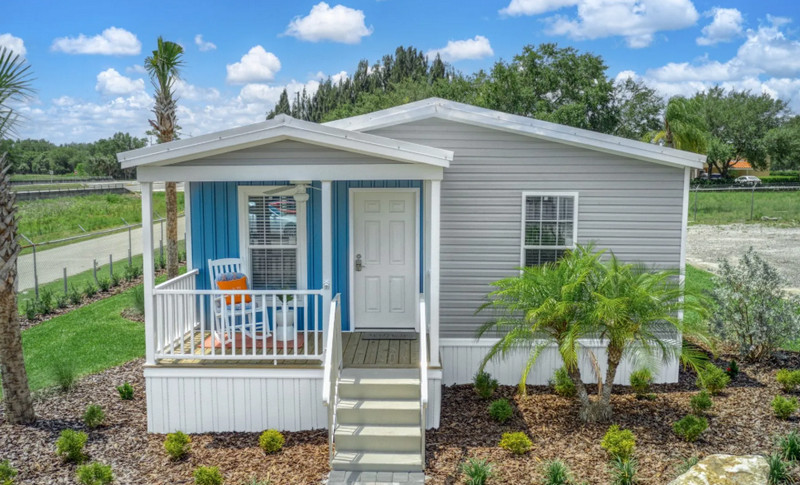
    mobile home trailers florida

    Money-Saving Tips When Renting Mobile Homes

    Smart planning helps reduce rental costs. Consider these money-saving strategies:

    • Pick locations away from tourist spots
    • Look for long-term lease options
    • Ask about rent-to-own programs
    • Search during off-peak seasons

    Understanding Mobile Home Parks

    Different parks offer various amenities and rules. Some parks include utilities in the rent. Others charge extra for services. Ask about:

    • Pet policies
    • Parking rules
    • Guest restrictions
    • Maintenance responsibilities

    What to Check Before Signing a Lease

    Before renting a mobile home trailer, inspect these items:

    • Roof condition
    • Plumbing system
    • Electrical wiring
    • Heating and cooling units
    • Window and door seals
    • Floor stability

    Finding Quality Mobile Home Communities

    Good communities make renting more pleasant. Look for these features:

    • Active management teams
    • Well-maintained common areas
    • Clear safety measures
    • Regular pest control

    Working with Property Managers

    Property managers help find mobile home trailers for rent within your budget. They know local markets well. Many offer multiple viewing options.

    Understanding Rental Costs

    Monthly costs vary by location and home size. Basic single-wide homes cost less than double-wide units. Some areas charge lot rent separately.

    Reading Rental Agreements

    Read every lease detail carefully. Check these points:

    • Rent payment dates
    • Security deposit terms
    • Maintenance duties
    • Late fee policies

    Preparing Your Application

    Strong applications improve approval chances. Gather these items:

    • Income proof
    • Rental history
    • References
    • Credit report
    • Background check
    • Pet records

    Moving Into Your Mobile Home

    Plan your move carefully. Take pictures before moving in. Document any existing damage. Keep records of all communications.

    Maintaining Your Rental

    Good maintenance keeps costs down. Clean regularly. Report problems quickly. Follow community rules carefully.

    Building a Good Rental History

    Pay rent on time. Keep the home clean. Follow park rules. Build good relationships with neighbors.

    Getting Your Security Deposit Back

    Meet all move-out requirements. Clean thoroughly. Fix any damage. Give proper notice before leaving.

    The mobile home rental market in Florida offers many options. Different areas have different prices. Some places include utilities. Others charge extra fees.

    Mobile home trailers for rent come in various sizes and styles. Single-wide units fit small families. Double-wide homes work for larger groups.

    Think about long-term costs. Ask about yearly rent increases. Check utility costs. Plan for maintenance expenses.

    Pick safe communities. Meet the neighbors. Check local crime rates. Look for good lighting and security measures.

    Research local rental laws. Know your rights. Understand your duties. Keep copies of all documents.

    Consider seasonal changes. Plan for hurricane season. Check insurance requirements. Prepare emergency plans.

    Look for signs of good maintenance. Check yard care standards. Notice how managers handle problems. Watch how residents treat common areas.

    Ask current residents about their experiences. Learn about management response times. Find out about common issues. Check community activities.

    Think about location benefits. Consider work commutes. Check nearby stores. Look for good schools.

    Review all costs carefully. Ask about hidden fees. Check utility rates. Plan for yearly increases.

    The right mobile home makes a great residence. Good planning leads to happy renting. Smart choices create comfortable homes.

    See Also:

  • Finding Your Perfect Mobile Home Dealer in Florida: A Complete Guide

    Choosing a trusted mobile home dealer starts with understanding the Florida housing market. We aim to help you make smart decisions about your future home.

    The Benefits of Mobile Home Living

    Living in a mobile home brings freedom and affordability. Modern mobile homes offer spacious layouts and quality construction. Many homeowners pick this option for its mix of comfort and value.

    How to Pick the Right Mobile Home Dealer

    The search for a good mobile home dealer needs careful planning. Here’s what to check before making your choice:

    • License and permits – Make sure the dealer follows Florida state rules
    • Business history – Look for dealers with at least five years of experience
    • Customer reviews – Read what past buyers say about their homes
    • Service quality – Ask about setup and after-sale support

    Financing Your Mobile Home Purchase

    Most mobile home dealers work with different lenders. They can help you find the best rates. The right dealer will explain all costs upfront.

    licensed mobile home dealer

    Mobile Home Types and Options

    Your local dealer should stock various home styles:

    • Single-wide homes for smaller lots
    • Double-wide homes for growing families
    • Triple-wide homes for luxury living
    • Custom-built options for special needs

    Location Matters: Finding the Right Spot

    A good mobile home dealer helps you pick the perfect location. They know local zoning laws and community rules. Many dealers connect buyers with the best mobile home parks.

    After-Sale Service and Support

    The best dealers stick with you after the sale. They help with:

    • Home setup and installation
    • Warranty claims
    • Maintenance tips
    • Emergency repairs
    • Park placement

    Price Range and Budget Planning

    Mobile homes fit many budgets. Your dealer should show you options in your range. They need to explain all costs clearly.

    The Mobile Home Buying Process

    Getting your new home takes several steps:

    • Pick your model and features
    • Choose a location
    • Apply for financing
    • Sign the contract
    • Schedule delivery
    • Complete setup

    Quality Standards and Inspections

    Top mobile home dealers follow strict quality rules. They check each home before delivery. This keeps you safe and happy in your new home.

    Why Choose Us

    The Mobile Home Dealer puts customers first. We offer:

    • Wide selection of homes
    • Clear pricing
    • Expert setup teams
    • Fast delivery
    • Strong warranties
    • Ongoing support

    Making Your Decision

    Take time to compare different mobile home dealers. Ask questions about their homes and services. Good dealers welcome your questions and give straight answers.

    Get Started Today

    Ready to find your perfect mobile home? Contact us now. We’ll guide you through each step. Our team makes buying a mobile home simple and stress-free.

    Final Tips for Success

    Keep these points in mind:

    • Compare at least three dealers
    • Ask for references
    • Check all paperwork
    • Get everything in writing

    Your new mobile home brings comfort and value. Pick the right dealer, and you’ll enjoy your home for years. We stand ready to help you start this exciting step.

    Now’s the time to contact a trusted dealer. Visit our showroom or call us today. Let’s find the perfect mobile home for you and your family.

    See Also:

  • Why Luxury Mobile Homes Are the Perfect Winter Escape in Florida

    Luxury mobile homes offer the perfect winter retreat in Florida. These homes combine comfort, style, and convenience for travelers looking to escape the cold. They provide a unique way to experience the Sunshine State without sacrificing amenities.

    What Makes Luxury Mobile Homes Stand Out?

    Luxury mobile homes provide more than just a roof over your head. They combine high-end finishes, smart layouts, and modern conveniences to rival traditional housing. These homes are designed with quality materials, offering comfort and durability.

    Luxury Mobile Homes

    Here are some standout features of luxury mobile homes:

    • Modern Kitchens: Stainless steel appliances, spacious countertops, and stylish cabinetry.
    • High-End Bathrooms: Walk-in showers, soaking tubs, and premium fixtures.
    • Ample Space: Open floor plans with separate bedrooms and living areas.
    • Energy Efficiency: Built with materials that reduce energy consumption.

    These features make them ideal for long-term stays, especially during the winter months.

    Why Choose Florida for a Winter Escape?

    Florida offers warm weather, beautiful beaches, and endless activities during winter. With average temperatures in the 70s, it’s a welcome change for those escaping the snow. Whether you love relaxing or exploring, Florida has something for everyone.

    Here’s why Florida is the perfect choice:

    • Year-Round Sunshine: Florida’s weather is pleasant even in December and January.
    • Affordable Living: Many areas offer lower costs compared to winter destinations like California.
    • Outdoor Activities: Golf, fishing, and nature trails are accessible year-round.
    • Diverse Locations: From Miami’s nightlife to the tranquility of the Keys, there’s variety for every preference.

    Choosing a luxury mobile home in Florida allows you to enjoy all of this without committing to permanent residence.

    The Benefits of Luxury Mobile Homes for Winter Travel

    Luxury mobile homes offer a flexible and comfortable way to travel. Unlike hotels or rentals, they provide a sense of home while on the move. Plus, they’re often located in welcoming communities with additional perks.

    Why they’re a great option:

    • Affordability: Avoid high hotel costs during peak seasons.
    • Convenience: Stay close to popular attractions without long commutes.
    • Privacy: Enjoy your own space with no shared walls or hallways.
    • Community Access: Many mobile home parks have pools, gyms, and social events.

    This combination of affordability and convenience makes them ideal for snowbirds seeking a cozy winter home.

    Top Florida Destinations for Luxury Mobile Home Living

    Florida has numerous destinations where luxury mobile homes shine. Each location offers unique attractions and charm.

    Here are some top picks:

    1. Orlando: Perfect for theme park lovers with easy access to Disney World and Universal Studios.
    2. Tampa Bay: Enjoy the Gulf Coast’s beaches, dining, and cultural attractions.
    3. The Florida Keys: Experience island life with stunning sunsets and vibrant marine life.
    4. Naples: Known for its upscale shopping, dining, and relaxing atmosphere.

    Choosing a location based on your lifestyle ensures the best winter escape experience.

    How to Find the Perfect Luxury Mobile Home

    Finding the right mobile home requires some planning. Knowing your budget, preferred location, and desired features is key. Many communities in Florida specialize in offering premium mobile homes with excellent amenities.

    Steps to find your ideal home:

    1. Set a Budget: Determine how much you’re willing to spend on your winter getaway.
    2. Research Communities: Look for mobile home parks that cater to seasonal residents.
    3. Check Amenities: Ensure the home and park offer everything you need, such as pools or Wi-Fi.
    4. Visit Before You Decide: Touring the home and community helps confirm your choice.

    Following these steps ensures you’ll find a mobile home that meets your needs.

    Tips for Enjoying Winter in a Luxury Mobile Home

    Maximize your winter escape with these helpful tips:

    • Pack Lightly: Focus on essentials since most luxury mobile homes have everything you need.
    • Explore Local Events: Attend festivals, markets, or concerts in your chosen area.
    • Stay Active: Use community amenities like fitness centers or walking trails.
    • Connect with Neighbors: Many communities host social gatherings for residents.

    These small steps can make your stay even more enjoyable and rewarding.

    Why Luxury Mobile Homes Are a Sustainable Option

    Luxury mobile homes aren’t just comfortable—they’re also eco-friendly. Many are designed with energy-efficient features, reducing your environmental impact.

    Sustainable benefits include:

    • Better Insulation: Keeps the interior temperature stable.
    • Energy-Efficient Appliances: Reduces electricity usage.
    • Smaller Footprint: Requires fewer resources to build and maintain.

    For travelers who care about sustainability, this is a bonus.

    Common Questions About Luxury Mobile Homes

    If you’re new to mobile home living, you might have questions. Here are answers to some common inquiries:

    • Are luxury mobile homes spacious? Yes, they offer open layouts with plenty of room for comfort.
    • Can I live in one full-time? Many people choose to make them their permanent residence.
    • How do I maintain a luxury mobile home? Regular cleaning and minor upkeep keep them in excellent condition.

    Having clear answers helps ensure a smooth transition to mobile home living.

    Final Thoughts on Luxury Mobile Homes in Florida

    Luxury mobile homes provide a practical and stylish winter escape. Florida’s warm weather and diverse attractions make it the perfect destination. With a little planning, you can enjoy all the benefits these homes offer while creating unforgettable memories.

    From their affordability to their comfort, luxury mobile homes continue to grow in popularity among winter travelers. Explore the many options available, and you’ll see why so many choose this lifestyle for their seasonal retreat.

    See Also:

  • Affordable Living: The Benefits of Trailer Homes for Sale in Florida

    If you’re searching for affordable living, trailer homes for sale in Florida offer excellent opportunities. These homes provide a cost-effective option for homeownership while delivering comfort and flexibility. Florida’s warm climate and variety of communities make trailer homes an appealing choice for many.

    1. Cost-Effective Housing Options

    Trailer homes are known for their affordability, especially when compared to traditional housing. In Florida, they provide a practical solution for individuals and families who want to own a home without stretching their budget.

    Key reasons for their cost-effectiveness include:

    • Lower purchase prices than standard homes.
    • Reduced maintenance costs due to smaller spaces.
    • Affordable taxes and insurance.

    Trailer homes allow buyers to focus on enjoying life rather than worrying about high expenses. They are perfect for retirees, young families, or anyone looking to minimize housing costs.

    trailer homes for sale Florida

    2. Ideal Locations Across Florida

    Florida offers a range of locations where trailer homes are available. Whether you prefer a bustling city or a quiet town, you’ll find options that fit your lifestyle.

    Popular locations include:

    • Central Florida: Known for its balance of city life and suburban charm.
    • South Florida: Perfect for those who enjoy tropical weather and diverse culture.
    • Florida Panhandle: Offers serene settings and lower living costs.
    • Gulf Coast: Known for its beautiful beaches and peaceful communities.

    These regions feature trailer homes in well-maintained parks or private lots, providing flexibility in location and amenities.

    3. Community Amenities and Features

    Trailer home communities often include various amenities, making them attractive to buyers. Many communities cater to specific lifestyles, such as retirees or families, and offer services that enhance daily living.

    Common features include:

    • Swimming pools and clubhouses for socializing.
    • Fitness centers and walking trails.
    • Gated entrances for added security.
    • Organized events for community interaction.

    Living in a trailer home community means enjoying these benefits without the high costs associated with other housing options.

    4. Flexible Lifestyle Choices

    Trailer homes in Florida support a flexible and comfortable lifestyle. They are ideal for people who prefer smaller, manageable spaces or want to live in areas with warm weather year-round.

    Advantages of this lifestyle:

    • Minimal upkeep compared to larger homes.
    • Opportunity to relocate more easily if necessary.
    • Access to outdoor activities and recreational opportunities.

    This flexibility makes trailer homes an excellent option for retirees, seasonal residents, or anyone seeking a simpler way of life.

    5. Environmental Benefits of Smaller Living Spaces

    Choosing a trailer home reduces your environmental footprint. Smaller homes consume fewer resources for heating, cooling, and maintenance, which lowers energy use.

    Key benefits of smaller spaces:

    • Lower utility bills.
    • Reduced material waste during construction.
    • Easier to maintain and keep clean.

    Many trailer homes also come with modern energy-efficient features, making them even more eco-friendly.

    6. Financing Options for Trailer Homes

    Financing a trailer home is often simpler and more affordable than financing a traditional house. Buyers have several options to make ownership more accessible.

    Financing tips:

    • Check for loans specifically designed for manufactured or mobile homes.
    • Consider working with community dealers who offer financing packages.
    • Explore government-backed loans for qualifying buyers.

    Understanding your financing options will help you find the right trailer home within your budget.

    7. Tips for Finding Trailer Homes for Sale in Florida

    Finding trailer homes for sale in Florida requires a bit of research and planning. These tips will make the process smoother:

    1. Search Online Listings: Use websites like Zillow, Realtor.com, or MHVillage to find available homes.
    2. Visit Communities: Check out local trailer parks to see homes in person and learn about amenities.
    3. Contact Dealers: Work with trusted mobile home dealers who can guide you through the options.
    4. Attend Open Houses: Visit open houses to get a feel for the layout and features of different models.

    Taking these steps will help you make an informed decision.

    8. Why Florida is Perfect for Trailer Home Living

    Florida offers the ideal environment for trailer home living. Its warm weather, abundant outdoor activities, and welcoming communities attract buyers from all over.

    Benefits of living in Florida:

    • Sunshine throughout the year.
    • Access to beaches, parks, and recreational areas.
    • Affordable cost of living compared to other states.

    Whether you’re a retiree or a family, Florida provides the perfect backdrop for a comfortable life in a trailer home.

    9. Considerations When Buying a Trailer Home

    Before purchasing a trailer home, it’s essential to consider a few factors. Knowing what to look for will ensure you make a good investment.

    Important considerations:

    • Condition of the Home: Inspect the home for structural issues or needed repairs.
    • Community Rules: Understand the regulations in the community where the home is located.
    • Monthly Costs: Account for lot rent, maintenance fees, and utilities.
    • Location: Choose an area that fits your lifestyle and daily needs.

    Careful planning will help you avoid unexpected surprises after your purchase.

    10. Advantages for Retirees and Seasonal Residents

    Trailer homes are particularly popular with retirees and seasonal residents. They provide an affordable way to enjoy Florida’s lifestyle without a permanent commitment.

    Reasons retirees choose trailer homes:

    • Lower maintenance compared to larger homes.
    • Access to 55+ communities with tailored amenities.
    • Opportunity to live in a warm climate year-round.

    Seasonal residents enjoy the flexibility of trailer homes, which allow them to travel or spend time in multiple locations throughout the year.

    Conclusion

    Trailer homes for sale in Florida offer a practical and affordable living option for anyone seeking a comfortable lifestyle. These homes provide something for everyone with various locations, amenities, and price ranges. Whether you’re looking for a retirement home, a seasonal getaway, or a permanent residence, trailer homes are an excellent choice in the Sunshine State.

    See Also:

  • How to Find Mobile Homes for Sale Near Me in Florida: A Comprehensive Guide

    If you’re looking for mobile homes for sale near me in Florida, you’ve come to the right place. Florida is a hotspot for mobile homes, offering affordability and convenience. Whether you want to live by the beach or enjoy a suburban setting, Florida has it all. This guide will help you find the perfect mobile home near your location.

    1. Start with Online Listings

    Online platforms are a great place to begin your search for mobile homes for sale near me. They offer detailed listings with photos, pricing, and features.

    Popular websites include:

    • Zillow: Provides a wide range of mobile homes with search filters for location and budget.
    • Realtor.com: Offers detailed property descriptions and contact information for agents.
    • MHVillage: Specializes in mobile home listings and includes community information.

    These platforms allow you to filter by location, price range, and home size. Many include maps to help you see how close the properties are to your preferred area.

    mobile homes for sale near me

    2. Visit Local Mobile Home Dealers

    Mobile home dealers are excellent resources for finding available homes near you. They often have a variety of new and pre-owned homes. Visiting a dealer allows you to inspect homes in person and ask questions.

    Advantages of visiting dealers:

    • Access to new models and floor plans.
    • Immediate help with financing options.
    • Professional advice on choosing the right home.

    Call ahead to schedule appointments, especially if you want to see specific models.

    3. Check Mobile Home Parks

    Mobile home parks are a popular choice for people seeking mobile homes for sale near me. These parks often have homes for sale within the community. Some parks even offer move-in ready homes with amenities like pools and clubhouses.

    Things to consider when exploring mobile home parks:

    • Community Features: Look for parks with amenities that suit your lifestyle.
    • Monthly Fees: Check the cost of lot rent or maintenance fees.
    • Rules and Regulations: Review community guidelines to ensure they align with your preferences.

    Many parks post listings on their websites or local bulletin boards.

    4. Explore Classified Ads

    Classified ads remain a useful tool for finding mobile homes. Both print and online classifieds can connect you with sellers directly.

    Check these sources:

    • Local Newspapers: Look for mobile home listings in the real estate section.
    • Craigslist: Offers a variety of homes for sale by owners and dealers.
    • Facebook Marketplace: Provides a platform to find mobile homes in your area and communicate with sellers.

    When using classified ads, always verify the seller’s details and inspect the property before making commitments.

    5. Work with a Real Estate Agent

    A real estate agent specializing in mobile homes can simplify your search. Agents have access to MLS listings and industry contacts that can uncover hidden opportunities.

    Benefits of working with an agent:

    • Personalized home searches based on your criteria.
    • Guidance through the buying process.
    • Assistance with paperwork and negotiations.

    When selecting an agent, choose someone familiar with mobile homes and local regulations.

    6. Drive Through Neighborhoods

    Sometimes, a simple drive around neighborhoods can lead you to mobile homes for sale. Many homeowners place “For Sale” signs outside their properties. This method can help you discover opportunities not listed online.

    What to look for during your drive:

    • Homes with visible “For Sale” signs.
    • Mobile home communities with vacancies.
    • Properties that fit your budget and style.

    Bring a notepad to jot down contact information or take pictures of homes that interest you.

    7. Attend Open Houses

    Open houses give you a chance to view mobile homes in person and ask questions. Sellers or agents will be present to provide information about the property.

    Tips for attending open houses:

    • Arrive early to have enough time to explore.
    • Prepare a list of questions about the home and community.
    • Take notes to compare different homes later.

    Open houses are often advertised online, in newspapers, or through community bulletin boards.

    8. Consider Your Budget

    Before purchasing a mobile home, set a clear budget. This step helps you focus on options within your price range. Don’t forget to account for additional costs like lot rent, utilities, and insurance.

    Ways to stick to your budget:

    • Use online calculators to estimate monthly costs.
    • Avoid homes that require major repairs unless you can handle the expenses.
    • Look for financing options through banks or mobile home dealers.

    Setting financial boundaries will make your search more efficient.

    9. Research Florida’s Mobile Home Regulations

    Florida has specific rules for buying and living in mobile homes. Understanding these regulations will help you make informed decisions.

    Key regulations to check:

    • Zoning laws dictate where mobile homes can be placed.
    • Permits are required for installation or modifications.
    • Safety standards for mobile home construction.

    You can find detailed information on Florida’s housing websites or through local government offices.

    10. Compare Communities

    Choosing the right community is as important as finding the perfect home. Compare communities based on location, amenities, and lifestyle.

    Things to evaluate:

    • Proximity to schools, shopping, and medical facilities.
    • Safety and maintenance of the community.
    • Access to recreational facilities like parks or fitness centers.

    Visiting multiple communities can help you decide which one feels like home.

    Key Tips for Finding the Right Mobile Home

    Here are some quick tips to streamline your search:

    1. Be Patient: Finding the right home takes time.
    2. Inspect the Home: Always schedule a walkthrough before buying.
    3. Negotiate: Don’t hesitate to negotiate the price or request repairs.
    4. Ask Questions: Clarify details about the home and community before making decisions.

    Conclusion

    Finding mobile homes for sale near me in Florida can be straightforward with the right approach. Start with online resources, visit local dealers, and explore mobile home parks. Don’t forget to work with a knowledgeable agent and stay within your budget. By following these steps, you’ll find a mobile home that fits your needs and lifestyle in the Sunshine State.

    See Also:


  • Top Locations in Florida to Find Manufactured Homes for Sale

    Manufactured homes for sale are becoming increasingly popular in Florida. These homes offer affordability, convenience, and a chance to own property in sought-after areas. With many locations to choose from, finding the perfect place can be exciting and rewarding. Below are some of the top locations in Florida to explore for manufactured homes.

    1. Central Florida: A Perfect Balance of Access and Affordability

    Central Florida stands out as a top location for manufactured homes for sale. Areas like Lakeland and Ocala provide a mix of affordability and accessibility. Lakeland, known for its proximity to major highways, offers convenient travel to Tampa and Orlando. Ocala, famous for its horse farms, provides a quieter lifestyle.

    Some features that make Central Florida appealing include:

    • Proximity to attractions like Walt Disney World and Universal Studios.
    • Access to medical facilities, schools, and shopping centers.
    • A mild climate that suits outdoor living year-round.

    Communities in this region often include amenities such as pools, clubhouses, and golf courses. With a wide range of prices, finding a manufactured home that fits your budget is simple.

    Manufactured homes for sale

    2. Tampa Bay Area: Coastal Living at an Affordable Price

    The Tampa Bay area is another excellent choice for manufactured homes. Cities like Clearwater, Largo, and St. Petersburg offer affordable housing options close to the Gulf Coast. The mix of beaches, cultural activities, and urban conveniences makes this region attractive to buyers.

    Why choose Tampa Bay?

    • Stunning waterfront views and beach access.
    • Thriving local markets and a vibrant dining scene.
    • Affordable living compared to other coastal areas in Florida.

    Many communities in Tampa Bay cater to retirees, with 55+ neighborhoods offering quiet settings and active lifestyles. These homes often come with modern designs and energy-efficient features.

    3. South Florida: A Tropical Paradise

    South Florida offers a unique combination of tropical beauty and cultural diversity. While the cost of living here can be higher, there are still affordable manufactured homes for sale. Popular areas include West Palm Beach, Fort Lauderdale, and Homestead.

    Key reasons to consider South Florida include:

    • Access to beautiful beaches and parks.
    • A diverse cultural scene with festivals, museums, and events.
    • Warm weather that lasts year-round.

    Communities here often feature lush landscaping, fitness centers, and proximity to entertainment hubs. For those seeking a vibrant lifestyle in a tropical environment, South Florida is a top choice.

    4. Florida Panhandle: Affordable and Scenic

    The Florida Panhandle is ideal for buyers seeking a slower pace of life. Cities like Pensacola, Panama City, and Tallahassee offer a mix of coastal and inland manufactured homes. This region is known for its affordability and natural beauty.

    Reasons to explore the Panhandle:

    • Lower cost of living compared to other parts of Florida.
    • Access to pristine beaches along the Gulf of Mexico.
    • Quiet, family-friendly communities.

    Many manufactured home communities in the Panhandle feature large lots and spacious layouts. This area is perfect for families or retirees looking for affordable options.

    5. Jacksonville Area: Northeast Florida’s Gem

    Jacksonville, the largest city in Florida, offers diverse options for manufactured homes for sale. Surrounding areas like Orange Park and St. Augustine add to the region’s appeal. Jacksonville caters to many lifestyles with its mix of urban amenities and suburban charm.

    Highlights of this area include:

    • A growing job market with opportunities in various industries.
    • Proximity to the St. Johns River and Atlantic Ocean.
    • Affordable housing compared to other large cities in Florida.

    Communities here range from affordable options to luxury manufactured homes with high-end features. The Jacksonville area offers something for everyone.

    6. Southwest Florida: A Retiree’s Dream

    Southwest Florida has long been a favorite among retirees. Cities like Naples, Fort Myers, and Punta Gorda provide scenic settings and a relaxed lifestyle. Manufactured homes for sale in this region often include access to golf courses and waterfront views.

    What makes Southwest Florida stand out?

    • Beautiful sunsets over the Gulf of Mexico.
    • Well-maintained neighborhoods with active social calendars.
    • Warm weather is perfect for outdoor activities.

    This region’s appeal lies in its mix of affordability and luxury. Buyers can choose from simple homes to upscale properties with premium finishes.


    Key Tips for Finding Manufactured Homes for Sale in Florida

    To make your search easier, consider these tips:

    1. Set a Budget: Know how much you’re willing to spend, including potential community fees.
    2. Research Communities: Look for neighborhoods that match your lifestyle and needs.
    3. Inspect the Property: Check the condition of the home and community amenities.
    4. Consider Location: Choose a region that fits your preferences for weather, activities, and proximity to family.

    7. Gainesville: A College Town with Affordable Options

    Gainesville, home to the University of Florida, offers affordable manufactured homes for sale. This city blends college-town charm with a peaceful suburban feel. Many neighborhoods cater to families, retirees, and students alike.

    Why choose Gainesville?

    • Access to top-notch medical facilities and schools.
    • A thriving local arts and music scene.
    • Affordable housing compared to larger cities in Florida.

    Manufactured homes in Gainesville often come with spacious yards and modern interiors. The city’s unique mix of culture and affordability makes it a hidden gem.

    8. Space Coast: High-Tech Living by the Beach

    The Space Coast, including cities like Melbourne and Cocoa Beach, is perfect for tech enthusiasts and beach lovers. This region is home to NASA’s Kennedy Space Center and a growing tech industry. Manufactured homes for sale here offer proximity to both work and play.

    What’s great about the Space Coast?

    • Easy access to beaches and rivers.
    • A booming job market in technology and aerospace.
    • Affordable living with plenty of outdoor activities.

    Communities here often feature water views and recreational facilities. Whether you’re working or retired, the Space Coast has something to offer.

    Conclusion

    Florida offers countless opportunities to find manufactured homes for sale in stunning locations. Whether you prefer Central Florida’s balance, Tampa Bay’s coastal charm, or South Florida’s tropical vibes, there’s a perfect place for everyone. With careful planning and research, you can discover a home that meets your needs and fits your budget. Start your journey today and enjoy the benefits of owning a manufactured home in the Sunshine State!

    See Also:

  • Florida Mobile Home Market Trends in 2025

    Florida’s mobile home market continues to grow, driven by demand for affordable housing and an influx of new residents. The Sunshine State’s unique climate, lifestyle, and cost-effective living make it a hotspot for mobile home buyers and renters. Here are the key trends shaping the mobile home market in 2025.

    Growing Demand for Affordable Housing

    Florida’s population is expanding rapidly, increasing demand for affordable housing options like mobile homes. High home prices and rental rates are pushing people toward mobile home living.

    Mobile homes provide an affordable alternative to traditional housing. They offer lower costs for both ownership and monthly living expenses. As inflation affects other housing options, mobile homes remain appealing for budget-conscious buyers.

    Florida mobile home market

    Increased Popularity Among Retirees

    Florida has long been a retirement destination, and mobile homes are a favorite choice for retirees. This trend is expected to continue in 2025.

    • Retirees prefer mobile homes for their affordability and low maintenance.
    • Many mobile home communities cater specifically to seniors, offering amenities like clubhouses, pools, and organized activities.
    • Florida’s warm climate and tax benefits for retirees add to the appeal.

    Eco-Friendly Mobile Homes on the Rise

    Sustainability, including mobile homes, is becoming a key factor in the housing market. In 2025, buyers will seek eco-friendly options.

    • Manufacturers are using recycled materials and energy-efficient designs to attract environmentally conscious buyers.
    • Solar panels, energy-efficient windows, and smart home features are becoming standard in new mobile homes.
    • Buyers see eco-friendly mobile homes as cost-effective and environmentally responsible.

    Technological Advancements in Mobile Homes

    Technology is transforming mobile homes, making them more modern and functional. In 2025, innovative features will be a significant trend.

    • Smart thermostats, lighting, and security systems are increasingly common in mobile homes.
    • Homebuyers appreciate the convenience and energy savings that technology provides.
    • Mobile home parks are upgrading to offer Wi-Fi and charging stations for electric vehicles.

    Shift Toward Long-Term Rentals

    Renting mobile homes will become more popular in 2025, especially among young professionals and families. Long-term rental demand is rising.

    • Renters see mobile homes as an affordable option compared to traditional apartments.
    • Long-term leases provide stability without the commitment of homeownership.
    • Mobile home parks are adapting to cater to renters by adding more amenities.

    Urbanization of Mobile Home Parks

    Mobile home parks in urban and suburban areas are gaining attention in 2025. These parks provide affordable housing near city centers.

    • Urban mobile home parks offer proximity to jobs, schools, and public transportation.
    • Developers are creating mixed-use parks with retail, dining, and recreational facilities.
    • Younger demographics are showing interest in urban mobile home living.

    Florida’s Regional Market Differences

    The mobile home market in Florida varies by region, with distinct trends shaping different areas in 2025.

    1. South Florida

    • South Florida sees high demand due to its vibrant cities and beaches.
    • Mobile home prices in this region are higher compared to other parts of Florida.
    • Many buyers here are seasonal residents or retirees seeking winter homes.

    2. Central Florida

    • Central Florida is attracting families and professionals with affordable prices and job opportunities.
    • This region is appealing because of proximity to Orlando’s attractions and growing cities like Lakeland.
    • Mobile home parks here offer diverse amenities and spacious layouts.

    3. North Florida

    • North Florida provides quieter living and lower costs, making it ideal for retirees and budget-conscious buyers.
    • This region is known for its natural beauty, including forests and rivers.
    • Buyers appreciate the slower pace and access to outdoor activities.

    Rising Prices and Investment Opportunities

    Mobile home prices in Florida are rising steadily in 2025. This growth is driven by high demand and limited supply.

    • Investors are increasingly interested in mobile homes as a profitable real estate option.
    • Parks are being redeveloped to cater to modern buyers, boosting property values.
    • Despite rising prices, mobile homes remain more affordable than traditional housing.

    Focus on Community Living

    Community living is a defining feature of Florida’s mobile home market in 2025. Residents value the sense of belonging these parks offer.

    • Mobile home parks host social events, creating a friendly and inclusive environment.
    • Shared amenities like clubhouses, pools, and fitness centers foster community interaction.
    • Buyers and renters are drawn to parks emphasizing safety, camaraderie, and a sense of neighborhood.

    Regulatory Changes and Challenges

    Florida’s mobile home market in 2025 will face some regulatory changes and challenges, including zoning laws and hurricane safety requirements.

    • Local governments are implementing stricter zoning regulations for new mobile home developments.
    • Mobile homes must meet updated hurricane safety standards to protect against severe weather.
    • While these regulations add costs, they enhance safety and long-term durability.

    Tips for Navigating the 2025 Mobile Home Market

    Buyers, renters, and investors can benefit from these tips for navigating the Florida mobile home market:

    • Research Communities: Visit parks to find one that matches your lifestyle and preferences.
    • Plan Your Budget: Account for costs like lot rent, utilities, and maintenance fees.
    • Check Amenities: Look for parks that offer the facilities you value most, such as pools or fitness centers.
    • Stay Informed: Keep up with market trends and regulations to make informed decisions.
    • Act Quickly: High demand means mobile homes sell and rent quickly, so act fast when you find the right option.

    Conclusion

    Florida’s mobile home market in 2025 is dynamic, offering opportunities for buyers, renters, and investors. With growing demand, technological advancements, and a focus on sustainability, mobile homes are a practical and appealing housing choice. Understanding market trends and regional differences can help you make the most of this thriving market. Whether you seek affordable living, community connections, or investment opportunities, Florida’s mobile home market is poised to deliver.


    See Also:


  • Cost of Living: Mobile Homes vs. Traditional Homes in Florida

    Housing costs in Florida continue to rise, leaving many people searching for affordable alternatives. Mobile homes offer a viable solution compared to traditional homes. Understanding the cost differences can help Floridians make informed financial decisions.

    1. Initial Purchase Price

    The initial purchase price of a mobile home is significantly lower than that of a traditional home. Depending on size and location, a mobile home costs $100,000 or less. Traditional homes in Florida can easily exceed $300,000, making them less accessible to many buyers.

    Mobile homes are especially appealing to first-time homebuyers and retirees. Lower upfront costs allow buyers to enter the housing market more efficiently. This affordability makes mobile homes a practical option for budget-conscious Floridians.

    mobile home cost florida

    2. Lot Costs and Fees

    Most mobile homes are placed on rented lots, which involve monthly fees. Lot rents in Florida typically range from $400 to $1,000. These fees cover land use and may include maintenance and community amenities.

    Traditional homeowners avoid lot rents but face higher property taxes and maintenance costs. Mobile home communities often provide shared facilities like pools, gyms, and clubhouses. These perks add value and reduce the need for external recreational expenses.

    3. Property Taxes

    Property taxes for mobile homes are generally much lower than those for traditional homes. Mobile homes classified as personal property incur lower tax rates. As real estate, traditional houses are taxed at higher rates based on assessed value.

    In Florida, mobile homeowners save thousands annually on property taxes. This tax advantage contributes to the overall affordability of mobile home living—lower taxes free up money for other essential expenses or savings.

    4. Insurance Costs

    Mobile home insurance costs vary but are often lower than traditional homeowners insurance. Florida’s location makes insurance essential due to hurricanes and storms. Mobile homes with hurricane tie-downs or reinforced structures qualify for discounted insurance rates.

    Traditional homes require comprehensive policies to cover high-value structures and contents. These policies cost more, especially in high-risk areas. Mobile home insurance offers a budget-friendly alternative while still providing adequate protection.

    5. Utility Costs

    Mobile homes are smaller and require less energy to heat or cool, resulting in lower utility bills compared to traditional homes. Modern mobile homes with energy-efficient upgrades further reduce electricity and water usage.

    Traditional homes with larger square footage often have higher heating, cooling, and lighting costs. Mobile homeowners benefit from Florida’s sunny climate by using solar energy for added savings. Lower utility bills enhance the financial advantages of mobile home living.

    6. Maintenance and Repair Expenses

    Maintenance costs for mobile homes are typically lower than for traditional homes. Due to the smaller structure, repairs for roofs, plumbing, and electrical systems cost less. Many homeowners can handle minor repairs themselves, saving on professional services.

    Traditional homes require more extensive maintenance and higher repair costs. Landscaping and exterior upkeep also add to expenses for more significant properties. Mobile home living reduces both time and money spent on home care.

    7. Financing Options

    Financing for mobile homes is more accessible and affordable for buyers with limited budgets. Loans for mobile homes usually have shorter terms and lower interest rates. Many lenders offer flexible options tailored to mobile home buyers.

    Traditional home mortgages often require larger down payments and longer loan terms. Higher debt burdens make traditional homeownership challenging for many Floridians. Mobile home financing provides a pathway to ownership with manageable financial commitments.

    8. Lifestyle Costs

    Mobile home communities often include pools, fitness centers, and social activities. These features reduce the need for costly memberships or recreational outings. Traditional homeowners must pay separately for similar benefits, adding to their overall costs.

    Community living fosters a sense of belonging and shared responsibility. This social aspect enhances the quality of life without significant expenses. For budget-conscious Floridians, mobile home communities offer affordable lifestyle perks.

    9. Mobility and Relocation Costs

    Mobile homes provide flexibility for those who may need to relocate. Moving a mobile home costs less than selling and purchasing a traditional home. Relocation fees range from $5,000 to $10,000, depending on distance and size.

    Traditional homes require extensive time and resources to sell, including agent fees and closing costs. Mobile homeowners can retain their property while exploring new opportunities. This flexibility reduces long-term financial stress and supports changing lifestyles.

    10. Longevity and Depreciation

    Mobile homes typically depreciate over time, unlike traditional homes, which are often appreciated. However, proper maintenance and upgrades can slow depreciation. Well-kept mobile homes in desirable locations may retain or increase their resale value.

    Due to their appreciation potential, traditional homes are seen as long-term investments. This makes them more attractive to buyers focused on building wealth. Mobile homes suit those prioritizing affordability and low ongoing costs over investment returns.

    11. Environmental Costs

    Mobile homes have a smaller environmental footprint compared to traditional homes. They require fewer materials to build and consume less energy to maintain. Many mobile homeowners adopt minimalist lifestyles, further reducing waste and resource use.

    Traditional homes require more energy and materials during construction and daily life. Mobile homes support eco-friendly living without sacrificing comfort, which appeals to Floridians seeking sustainable housing options.

    12. Safety and Weather Considerations

    Modern mobile homes include safety features like hurricane tie-downs and reinforced walls. These measures protect against Florida’s frequent storms and hurricanes. Upgrading safety features can lower insurance premiums and enhance peace of mind.

    While traditional homes are sturdier, they often require costly retrofitting in high-risk areas. Mobile homes with proper safety measures provide affordable protection against Florida’s extreme weather, making them a practical choice for budget-conscious residents.

    13. Resale Value

    Resale value varies significantly between mobile and traditional homes. Traditional homes often appreciate over time, offering long-term financial benefits. Though prone to depreciation, mobile homes can still command competitive prices if well-maintained.

    Location and market trends play critical roles in determining resale value. Mobile homes in popular communities with vital amenities tend to sell faster. Understanding these dynamics helps sellers maximize their returns.

    14. Emotional and Lifestyle Preferences

    Choosing between a mobile and a traditional home often depends on personal priorities. Some prefer the stability and investment potential of a traditional home, while others value the affordability and simplicity of mobile home living.

    Mobile homes suit those seeking a low-maintenance lifestyle without sacrificing comfort. Traditional homes appeal to those with long-term wealth-building goals. Evaluating personal needs helps Floridians make the best choice for their circumstances.

    15. Community and Social Benefits

    Mobile home parks foster close-knit communities with shared amenities and activities. This environment appeals to retirees, families, and first-time buyers seeking connection and support, while traditional neighborhoods may lack the same level of interaction.

    Community living offers financial and emotional benefits for mobile homeowners. Shared resources and collaborative living reduce overall costs. This social dynamic adds value to mobile home ownership in Florida.

    Conclusion

    Mobile homes and traditional homes each have unique costs and benefits for Floridians. Mobile homes offer affordability, flexibility, and lower ongoing expenses, while traditional homes provide investment potential and long-term stability.

    Understanding these cost differences helps Floridians choose housing that fits their budget and lifestyle. Whether prioritizing savings or long-term value, both options cater to different needs. Evaluating personal goals ensures a wise and satisfying housing decision.


    See Also:

  • What to Expect When Buying a Double-Wide Trailer

    Double-wide trailers, or manufactured homes, offer a great alternative to traditional houses. They provide more space than single-wide trailers, often have more modern amenities, and are generally more affordable than conventional homes. If you’re considering buying a double-wide trailer, you should know what to expect throughout the process. This guide will walk you through what to anticipate, from choosing the right model to understanding the costs and maintenance.

    What is a Double-Wide Trailer?

    A double-wide trailer is a manufactured home consisting of two separate sections that are transported to the site and then connected. These homes are larger than single-wide trailers, offering more living space and room for customization. The average double-wide home typically offers between 1,000 and 2,500 square feet of space, making them ideal for families or individuals who need more room without the expense of traditional homes.

    buying a double-wide trailer

    Choosing the Right Double-Wide Trailer

    Before purchasing a double-wide trailer, it’s essential to determine your needs and preferences. This will help you select the right model for your lifestyle and budget. Here’s what to consider:

    Size and Layout

    Double-wide trailers come in various sizes and layouts. Some are more compact, with two or three bedrooms, while others may have multiple bathrooms, larger living rooms, and upgraded kitchens. It’s important to evaluate how much space you need, considering that larger homes tend to cost more.

    Floor Plan Options

    Manufacturers offer a variety of floor plans, with designs ranging from basic layouts to high-end models. You may have options for open-concept living spaces, separate dining rooms, or even optional luxury features like fireplaces and walk-in closets. Consider how much space you want for entertaining, storage, and family needs.

    New vs. Used

    When buying a double-wide trailer, you must decide whether to purchase a new or used model. New trailers come with the latest features, energy-efficient designs, and warranties. However, they come at a higher cost. Used trailers, on the other hand, may offer savings, but you’ll need to assess the home’s condition carefully. Consider the potential repairs, updates, or improvements costs if you choose a used trailer.

    Energy Efficiency

    Modern double-wide trailers are typically built with better insulation and energy-efficient appliances, which can help you save on utility bills. Look for trailers that have Energy Star-rated appliances, energy-efficient windows, and superior insulation. These features will provide a more comfortable living environment and lower energy costs in the long run.

    Financing a Double-Wide Trailer

    One of the first questions potential buyers have is how to finance a double-wide trailer. Unlike traditional homes, manufactured homes are often considered personal property rather than real estate, affecting your financing options. Here’s what to expect:

    Loan Types

    Manufactured home loans come in two main types: chattel and real estate loans.

    1. Chattel Loans: These loans are for buyers who own the land where the trailer will be placed or are placing the trailer in a mobile home park. Chattel loans typically have higher interest rates and shorter terms than real estate loans, but they may be easier to secure.
    2. Real Estate Loans: If you plan to buy both the land and the trailer, you may qualify for a traditional mortgage. This type of loan often offers better interest rates and longer terms, but you’ll need to demonstrate that the home is permanently affixed to the land.

    Down Payment

    Depending on your credit score and the type of loan, down payments can range from 5% to 20%. Government-backed loans, such as those from the Federal Housing Administration (FHA), may require smaller down payments for qualified buyers.

    Credit Score and Loan Approval

    Like other home loans, your credit score will play a role in securing financing for a double-wide trailer. A higher credit score will give you lower interest rates and more favorable loan terms. If your credit is better, you may still be able to secure a loan but expect higher interest rates.

    Total Cost

    The total cost of buying a double-wide trailer includes not just the purchase price of the home but also other expenses. These can include land costs, permits, installation, utilities, and ongoing maintenance fees (such as park rent, if applicable). When considering a purchase, consider these additional expenses into your budget.

    Site Selection and Installation

    Once you’ve decided on a model and secured financing, the next step is choosing a site for your double-wide trailer. The location you choose will depend on whether you plan to place the trailer on your own land or in a mobile home park. Here’s what to keep in mind:

    Land Ownership

    If you own the land where your double-wide trailer will be placed, you must ensure that the site is zoned for a manufactured home. Local zoning laws can vary, so check with your local authorities to confirm that the land is approved for mobile home installation. You will also need to prepare the land, which could involve clearing, leveling, and adding necessary utilities like water, electricity, and sewage connections.

    Mobile Home Parks

    You may opt for a mobile home park if you don’t own land. These parks offer a designated place for your trailer, and some may even offer additional amenities such as clubhouses, fitness centers, and swimming pools. However, depending on the location and amenities, you’ll be required to pay lot rent, ranging from $300 to $1,000 or more per month.

    Installation

    After selecting the location, the trailer will be delivered to the site. Installation includes anchoring the home to the ground, connecting utilities, and setting up any additional features. Professional installation is critical to ensure the home is safe, properly sealed, and ready for occupancy. You may also need to work with contractors for any additional construction, such as building a deck or installing skirting around the trailer’s base.

    Costs Beyond the Purchase Price

    While the purchase price of a double-wide trailer is relatively low compared to a traditional home, ongoing costs must be considered. These can include:

    Lot Rent

    If your trailer is located in a mobile home park, lot rent is an ongoing monthly cost. Lot rent can range from $300 to $1,000 per month, depending on the park’s location and amenities. In some cases, you may be able to negotiate the rent with the park owner.

    Insurance

    Just like a regular home, a double-wide trailer needs insurance. Mobile home insurance covers damage to the home and liability in case of accidents. Insurance rates can vary, so it’s a good idea to shop around for the best coverage at an affordable price.

    Maintenance

    While double-wide trailers require less upkeep than traditional homes, they still need regular maintenance. This includes maintaining the roof, HVAC system, plumbing, and electrical systems. Periodic inspections can help detect issues early, preventing costly repairs later on.

    Utilities

    Utility costs for a double-wide trailer can vary depending on your location and setup. These include water, sewage, electricity, and sometimes propane for heating. If your trailer is part of a mobile home park, some of these utilities may be included in the lot rent.

    Resale Value of a Double-Wide Trailer

    Double-wide trailers depreciate in value over time, unlike traditional homes, which tend to appreciate. However, well-maintained double-wide trailers in desirable locations can hold their value better than others. If you decide to sell your trailer, factors such as location, condition, and demand in the local market will influence its resale price.

    Final Thoughts

    A double-wide trailer can be a great option for individuals or families seeking affordable housing in Florida. While the upfront cost is lower than a traditional home, you must consider additional expenses such as lot rent, insurance, and maintenance. Understanding the financing options, site requirements, and long-term costs is key to making an informed decision. With proper planning and research, a double-wide trailer can offer a comfortable and cost-effective living solution.


    See Also:


  • Mobile Homes vs. Condos: Which Is Better in Florida?

    Regarding finding affordable housing in Florida, two popular options stand out: mobile homes and condos. Both offer unique benefits, but your choice depends on your preferences, lifestyle, and budget. Whether you’re looking for a vacation spot or a permanent home, it’s essential to weigh the pros and cons of each option. In this article, we’ll compare mobile homes and condos in Florida to help you make an informed decision.

    Mobile Homes: What You Need to Know

    Mobile homes, or manufactured homes, are pre-built homes designed to be placed on a plot of land or in a mobile home park. They offer flexibility and can be more affordable than traditional housing. In Florida, mobile homes are popular for retirees, snowbirds, and first-time buyers seeking cost-effective living.

    mobile homes and condos florida

    Benefits of Mobile Homes

    1. Affordability
      Mobile homes are often much cheaper than condos, especially in popular areas of Florida. A mobile home can cost between $50,000 and $150,000, while condos can easily cost $200,000 or more, depending on the location.
    2. Space and Privacy
      Unlike condos, mobile homes typically provide more space and privacy. You own the entire home and often have more outdoor space, ideal for those who enjoy gardening, outdoor activities, or pets.
    3. Low Maintenance
      Mobile homes are often easier to maintain than traditional homes or condos. Since the properties are smaller, they generally require less upkeep. Many mobile home parks also take care of common areas, such as landscaping and road maintenance.
    4. Community Living
      Many mobile home parks are designed specifically for retirees or people who want to live in a tight-knit, community-oriented environment. These parks often have amenities such as clubhouses, swimming pools, and organized activities, making socializing and meeting new people easy.
    5. Customization
      Some mobile homes offer customization options, allowing owners to add personal touches. Depending on the model and age of the home, there may be room to make changes or upgrades.

    Drawbacks of Mobile Homes

    1. Lot Rent
      If you choose to live in a mobile home park, you’ll have to pay lot rent in addition to the cost of the home itself. Lot rents can vary widely depending on location and amenities, but they typically range from $300 to $1,000 per month.
    2. Depreciation
      Unlike traditional homes, mobile homes generally depreciate over time. This means they may not be a good investment if you plan to sell.
    3. Limited Amenities
      Mobile homes typically don’t offer condos’ luxury amenities, such as on-site fitness centers or concierge services. While mobile home parks may provide some amenities, they are generally more basic.
    4. Resale Value
      Because mobile homes depreciate, selling them may take longer, and you might not recover as much as you originally paid. The resale value can also be affected by the home’s condition, the community, and market trends.

    Condos: What You Need to Know

    Condos, short for condominiums, are individual units within a larger building or complex. The unit’s residents typically own them, but the land and common areas are owned collectively by all condo owners. In Florida, condos are often sought after by individuals or families looking for a low-maintenance, high-amenity lifestyle.

    Benefits of Condos

    1. Prime Locations
      Condos in Florida are often located in desirable areas, such as near the beach, downtown areas, or near major attractions. A condo can provide easy access to shopping, dining, and entertainment.
    2. Luxury Amenities
      Many condo communities offer many amenities, such as swimming pools, gyms, spas, concierge services, and gated security. These amenities can significantly improve your quality of life and save money on outside memberships.
    3. Maintenance-Free Living
      One of the biggest selling points of condos is their low maintenance. The condo association handles the upkeep of the building, landscaping, and shared spaces, so you don’t have to worry about repairs, lawn care, or other tasks associated with homeownership.
    4. Better Investment
      Condos typically appreciate in value over time, unlike mobile homes, which can lose value. If you’re looking for a long-term investment, a condo may provide a better return when it comes time to sell.
    5. Social Opportunities
      Condos often offer a social environment with access to organized activities, shared spaces, and close interactions with neighbors. This can be a great way to make new friends and be part of a community.

    Drawbacks of Condos

    1. Higher Initial Cost
      Condos are generally more expensive than mobile homes, especially in prime Florida locations. The cost of a condo can be significantly higher, with some condos reaching upwards of $500,000 or more.
    2. Monthly HOA Fees
      In addition to your mortgage payment, condo owners must pay monthly Homeowners Association (HOA) fees. These fees can range from $100 to $1,000 or more per month and cover building maintenance, amenities, and insurance. HOA fees can increase over time, making them a recurring cost.
    3. Limited Privacy
      Since condos are often part of larger buildings, you may have less privacy than a mobile home. Shared walls, elevators, and communal spaces can limit your sense of personal space. Noise from neighbors or visitors in common areas can also be an issue.
    4. Rules and Restrictions
      Condo associations typically have strict rules regarding the use of common areas, pets, and renovations. This may be a disadvantage if you value flexibility in your living space. Some condo communities also limit the ability to rent out your unit, affecting potential rental income.
    5. Resale Complications
      Although condos generally appreciate over time, their resale value can be influenced by market conditions and the overall condition of the building. If the complex experiences issues, such as poor management or high vacancy rates, it can negatively impact your selling ability.

    Comparing Mobile Homes and Condos in Florida

    When choosing between mobile homes and condos in Florida, there are several factors to consider:

    Cost

    Mobile homes are more affordable upfront, making them an attractive option for buyers on a budget. While condos may offer more luxury and amenities, the higher purchase price and ongoing HOA fees may be better for those looking to save money.

    Lifestyle

    Mobile homes often provide a quieter, more private lifestyle with larger outdoor spaces. Conversely, condos offer a more social, community-oriented living experience, with shared spaces and luxury amenities.

    Location

    Condos are typically located in prime areas, offering easy access to beaches, downtown areas, and entertainment. Mobile homes can be more spread out, and while they are often located in peaceful settings, they may not be as centrally located as condos.

    Maintenance

    Condos offer maintenance-free living, as the condo association takes care of common areas. Mobile homes, while generally requiring less upkeep than traditional homes, still involve some responsibility, especially if they are located in parks with limited services.

    Investment Potential

    Condos are more likely to appreciate in value over time, making them a better investment for those looking for long-term financial growth. Mobile homes, however, tend to depreciate, and their resale value can be lower than that of condos.

    Amenities

    Condos typically offer luxury amenities such as pools, gyms, and security services. Mobile home parks may provide amenities such as clubhouses or community centers, but they are usually more essential compared to condos.

    Which Is Better for You?

    Ultimately, deciding between a mobile home and a condo in Florida depends on your budget, lifestyle, and long-term goals.

    • A mobile home may be the better choice if you’re seeking an affordable, private space with lower upfront costs and are okay with basic amenities.
    • A condo might be more suitable if you’re looking for luxury, convenience, and a maintenance-free lifestyle in a prime location.

    Both options have advantages, so it’s essential to weigh the pros and cons before making your decision. With careful consideration, you can find the perfect home in sunny Florida that meets your needs.


    See Also:

Reset password

Enter your email address and we will send you a link to change your password.

Get started with your account

to save your favourite homes and more

Sign up with email

Get started with your account

to save your favourite homes and more

By clicking the «SIGN UP» button you agree to the Terms of Use and Privacy Policy
Powered by Estatik