Tag: clearance mobile homes florida

  • Prebuilt Homes vs. Mobile Homes: What’s the Difference?

    The housing market offers buyers a wide variety of options, including prebuilt and mobile homes. These housing types provide unique benefits but cater to different needs and lifestyles. Understanding the differences can help you make an informed decision about which suits you best.

    What Are Prebuilt Homes?

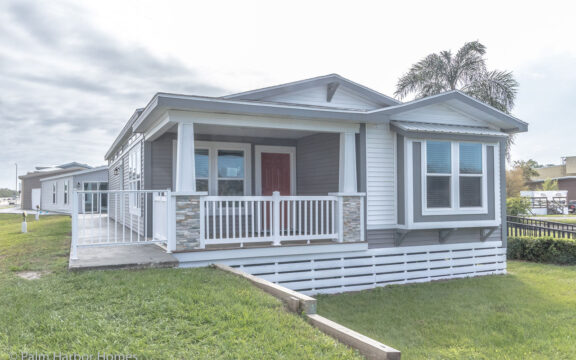
    Prebuilt homes, also called modular homes, are factory-built structures assembled in sections. Builders transport these sections to a permanent location, where workers piece them together. They follow local building codes and resemble traditional houses once complete.

    What Are Mobile Homes?

    Mobile homes, also known as manufactured homes, are entirely built in factories on a permanent chassis. They can be transported to different locations, making them versatile and portable. Unlike modular homes, they follow federal HUD codes rather than local building regulations.
    prebuilt and mobile homes florida

    Key Differences Between Prebuilt and Mobile Homes

    1. Construction Standards

    Prebuilt homes must meet local and state building codes. Mobile homes follow the federal HUD Code, which governs design, durability, and safety. This distinction affects the materials, construction methods, and overall quality of each type.

    2. Foundation Requirements

    Prebuilt homes require a permanent foundation, similar to traditional homes. Mobile homes can sit on temporary or semi-permanent foundations, such as piers or blocks. This makes mobile homes easier to relocate.

    3. Design and Customization

    Prebuilt homes offer extensive customization options, including layouts, materials, and finishes. Mobile homes typically have limited design flexibility, focusing on affordability and efficiency.

    4. Mobility

    Mobile homes are designed for transportation. Their chassis allows them to move from one location to another with ease. Prebuilt homes, once installed, cannot be relocated without extensive disassembly and costs.

    5. Cost

    Mobile homes are generally more affordable, with prices ranging from $40,000 to $80,000 for single-wide models. Prebuilt homes cost more, often starting at $100,000 and going higher depending on size and customization.

    6. Appreciation and Resale Value

    Prebuilt homes, like traditional houses, tend to appreciate in value over time. Mobile homes often depreciate, similar to vehicles, which affects long-term financial benefits.

    Advantages of Prebuilt Homes

    1. Quality and Durability

    Prebuilt homes adhere to local building codes, ensuring high construction standards. They often last as long as traditional homes.

    2. Customization Options

    Buyers can choose from various floor plans, finishes, and architectural styles. This flexibility allows homeowners to design their ideal space.

    3. Permanent Foundation

    Prebuilt homes sit on permanent foundations, making them eligible for standard home loans. This stability also contributes to higher resale values.

    4. Energy Efficiency

    Many prebuilt homes feature energy-efficient designs, including advanced insulation and energy-saving windows. These features reduce long-term utility costs.

    5. Better Financing Options

    Because prebuilt homes resemble traditional houses, lenders often provide conventional mortgages. These loans typically have lower interest rates.

    Disadvantages of Prebuilt Homes

    1. Higher Costs

    Prebuilt homes cost more upfront compared to mobile homes. Buyers must budget for land, foundation, and utilities.

    2. Installation Time

    Although faster than traditional construction, installing a prebuilt home takes longer than setting up a mobile home.

    3. Limited Mobility

    Once installed, prebuilt homes are permanent structures. Relocating them requires significant effort and expense.

    Advantages of Mobile Homes

    1. Affordability

    Mobile homes are a cost-effective housing option. They provide livable spaces at a fraction of the cost of prebuilt homes.

    2. Portability

    Mobile homes can move with you. This flexibility appeals to those who value travel or anticipate relocations.

    3. Faster Setup

    Setting up a mobile home takes days or weeks, making it a quicker housing solution than prebuilt options.

    4. Simplified Maintenance

    Smaller spaces mean fewer areas to maintain. Mobile homes also use simpler materials, reducing upkeep costs.

    5. Low Property Taxes

    Since mobile homes are often classified as personal property, their owners pay lower taxes compared to prebuilt home owners.

    Disadvantages of Mobile Homes

    1. Depreciation

    Mobile homes lose value over time. This makes them less appealing for buyers looking to build equity.

    2. Limited Customization

    Mobile homes come in standard layouts with fewer options for personalization. Buyers may struggle to find unique designs.

    3. Zoning Restrictions

    Many areas have zoning laws that restrict mobile home placement. This can limit where you live or park your home.

    4. Financing Challenges

    Traditional mortgages aren’t available for mobile homes. Buyers often rely on personal loans or chattel loans with higher rates.

    5. Weather Vulnerability

    Mobile homes are more vulnerable to extreme weather conditions. High winds and heavy storms can cause significant damage.

    Financial Considerations

    Initial Costs

    Mobile homes are cheaper to buy and install. Prebuilt homes require more investment, but they offer better long-term value.

    Financing Options

    Prebuilt homes qualify for conventional mortgages. Mobile homes often require alternative financing methods, such as personal loans.

    Long-Term Value

    Prebuilt homes appreciate over time, making them a better investment. Mobile homes depreciate, limiting their financial benefits.

    Insurance Costs

    Insurance premiums are often higher for mobile homes due to their mobility and construction materials. Prebuilt homes enjoy lower rates.

    Who Should Choose a Prebuilt Home?

    1. Long-Term Residents

    If you plan to stay in one location, a prebuilt home offers stability and better investment potential.

    2. Families

    Prebuilt homes provide more space and customization options, making them ideal for growing families.

    3. Buyers Seeking Equity

    If building wealth through homeownership is important, prebuilt homes offer better appreciation and resale value.

    4. Energy-Conscious Homeowners

    Prebuilt homes often include energy-efficient features that reduce long-term utility expenses.

    Who Should Choose a Mobile Home?

    1. Budget-Conscious Buyers

    If affordability is a priority, mobile homes provide a cost-effective housing solution.

    2. Travelers

    Mobile homes suit individuals who value flexibility and the ability to relocate easily.

    3. Short-Term Residents

    For temporary housing needs, mobile homes are quicker and cheaper to set up.

    4. Simplicity Seekers

    If you prefer a smaller space with minimal maintenance, mobile homes are a practical choice.

    Factors to Consider Before Deciding

    Location

    Research local zoning laws and land availability. Some areas restrict mobile homes or require specific permits.

    Lifestyle

    Evaluate your current and future lifestyle. Consider factors like family size, work location, and travel preferences.

    Budget

    Calculate all associated costs, including purchase price, land, utilities, and insurance. Ensure the total aligns with your financial goals.

    Future Plans

    Think about how long you plan to stay at home. Your decision should match your long-term housing needs.

    Resale Potential

    Consider the potential for appreciation or depreciation. This can impact your financial return if you decide to sell.

    Final Thoughts

    Prebuilt and mobile homes serve different purposes. Prebuilt homes offer customization, permanence, and better long-term value. Mobile homes provide affordability, flexibility, and quick setup. Understanding the differences helps you choose the best option for your lifestyle and goals.


    See Also:

  • Mobile Home Renovation Trends in Florida: What’s In and What’s Out

    Mobile home renovations have become increasingly popular in Florida as homeowners look to upgrade comfort, efficiency, and aesthetics. Mobile homes are ideal for making stylish upgrades without excessive costs, and many trends focus on creating a modern, functional, and relaxing space. Here, the latest trends in mobile home renovations are highlighted, showing what’s currently in style and what is becoming less popular among Florida’s mobile home communities.

    In: Open Floor Plans

    Open floor plans are highly sought after in mobile home renovations. This trend maximizes space and creates a more welcoming feel. By removing non-load-bearing walls, a seamless flow between kitchen, dining, and living areas is achieved. The open-concept design not only adds to the visual appeal but also improves functionality in smaller spaces.

    Mobile Home Renovation Trends in Florida

    Out: Dark Wood Paneling

    Dark wood paneling, once a staple in mobile home interiors, is now seen as outdated. This type of paneling can make rooms appear cramped and dim. Instead, lighter wall colors or textured wallpapers are preferred, as they create a sense of space and airiness. Painted wood or drywall options are also chosen to modernize the home’s appearance and brighten interiors.

    In: Eco-Friendly Materials and Energy Efficiency

    Eco-friendly materials are in high demand as homeowners aim to reduce their environmental impact. Energy-efficient windows, doors, and appliances are widely used in mobile home renovations. Sustainable materials like bamboo flooring, recycled metal, and low-VOC paints are increasingly popular. Eco-friendly choices lower energy costs, which is especially beneficial in Florida’s hot climate.

    Out: Basic Vinyl Flooring

    Basic vinyl flooring has been largely phased out due to its limited design options and environmental concerns. Laminate, tile, and luxury vinyl plank are more popular for durability and design flexibility. High-quality, water-resistant flooring is now preferred, especially in areas prone to humidity and moisture. Florida’s mobile homeowners are moving away from basic vinyl in favor of more stylish and sustainable options.

    In: Minimalistic Design and Clean Lines

    Minimalistic design, which focuses on clean lines and simple decor, is highly favored. This approach removes clutter and unnecessary items, creating a more spacious and tranquil environment. Minimalism also emphasizes quality over quantity, ensuring each item serves a purpose. This style fits well in mobile homes where efficient use of space is critical.

    Out: Overly Decorative and Cluttered Spaces

    Cluttered spaces with excessive decoration are seen as outdated. Heavy furniture and knick-knacks are less popular due to their space-consuming nature. Instead, the focus is on functional furniture and minimal decor that enhances rather than overwhelms the space. Florida’s mobile homeowners are embracing open, uncluttered spaces for a more modern look.

    In: Multi-Functional Furniture

    Multi-functional furniture has gained popularity for maximizing limited space. Pieces like fold-out desks, storage ottomans, and modular sofas are used to serve multiple functions. This trend is practical for mobile homes, where every inch of space matters. By incorporating furniture with storage capabilities, the need for additional storage units is reduced.

    Out: Bulky, Non-Essential Furniture

    Bulky furniture is no longer preferred in mobile home renovations. Large, heavy pieces consume valuable space and restrict movement. Instead, lightweight, streamlined furniture is used to create a more spacious feel. Furniture that can be easily moved or adjusted is favored for its flexibility in small living areas.

    In: Outdoor Living Spaces

    Outdoor living spaces have become a top priority in Florida mobile home renovations. Decks, patios, and small gardens are created to extend the home’s livable area. Outdoor spaces provide areas for relaxation and entertainment, adding both functionality and aesthetic appeal. Many homeowners include outdoor seating, grills, and plants to create a welcoming environment.

    Out: Plain, Unused Yards

    Plain yards with minimal landscaping are becoming less common. Homeowners are now investing in well-designed outdoor spaces that enhance the property’s value. Landscaping with native plants, creating pathways, or installing fences are popular updates. These elements make outdoor spaces more inviting and functional.

    In: Smart Home Technology

    Smart home technology is increasingly installed in mobile homes across Florida. Devices like smart thermostats, security cameras, and automated lighting improve convenience and safety. Energy-efficient technology is also preferred to control cooling costs in Florida’s warm climate. Home automation options are chosen for both security and energy management benefits.

    Out: Standard Electrical Systems

    Traditional, manual electrical systems are being replaced with smart technology. Standard lighting and thermostat systems are no longer preferred as they lack modern convenience. Smart technology allows for better energy efficiency and remote control capabilities, which are ideal for mobile homeowners looking for cost-effective options.

    In: Light and Neutral Colors

    Light and neutral color schemes are trending in mobile home interiors. Colors like white, beige, and soft gray create a bright and airy atmosphere. These shades reflect light, making small spaces appear larger. Neutral tones also provide a versatile backdrop for different decor styles and seasonal updates.

    Out: Bold, Dark Colors

    Bold, dark colors are losing favor in mobile home decor. These tones can make spaces feel cramped and heavy. Instead, lighter and softer colors are chosen to create a calm, open environment. Florida’s mobile homeowners are opting for lighter colors to help keep interiors cool and spacious.

    In: Energy-Efficient Windows and Doors

    Energy-efficient windows and doors are highly valued for their ability to regulate indoor temperatures. Insulated windows reduce energy consumption by maintaining cooler interiors, which is essential in Florida. Energy-efficient doors also provide added insulation and security, making them a worthwhile investment for mobile homes.

    Out: Standard Single-Pane Windows

    Single-pane windows, which lack insulation, are less commonly used. These windows are ineffective at keeping out heat, increasing energy bills in Florida’s climate. Insulated, double-pane windows are preferred for their energy-saving properties. This upgrade is essential for reducing cooling costs and improving home comfort.

    In: Coastal-Inspired Themes

    Coastal-inspired themes are widely popular in Florida, reflecting the state’s natural beauty. Colors like soft blues, sandy beiges, and seafoam greens are commonly used. Coastal decor includes natural elements like seashells, driftwood, and nautical accents. This theme complements Florida’s beach lifestyle and brings a relaxing vibe to mobile homes.

    Out: Traditional, Overly Formal Decor

    Traditional and formal decor styles are falling out of favor. Heavy curtains, ornate furniture, and dark colors are being replaced with lighter, casual styles. Florida’s mobile homeowners prefer relaxed, beach-inspired decor over overly formal elements that feel out of place.

    In: Space-Saving Kitchen Designs

    Space-saving kitchen designs are essential in mobile home renovations. Pull-out pantries, compact appliances, and wall-mounted storage are used to maximize efficiency. Open shelving is also popular for its visual appeal and accessibility. In small spaces, these design elements help create a functional, organized kitchen.

    Out: Standard Cabinets and Oversized Appliances

    Standard cabinets and large appliances are being phased out in mobile homes. These elements consume too much space and create a cluttered look. Instead, modular or built-in storage solutions are used to improve flow. Compact appliances are preferred to maximize counter space.

    In: Hurricane-Resistant Upgrades

    Hurricane-resistant upgrades are now standard in Florida mobile home renovations. Reinforced roofing, tie-down systems, and storm shutters are among the popular improvements. These features provide added protection against Florida’s frequent storms. Many mobile homeowners are investing in these upgrades for safety and peace of mind.

    Out: Basic Safety Measures

    Basic safety measures, like minimal tie-downs and standard windows, are no longer sufficient. Florida’s unpredictable weather requires more substantial protective features. Without hurricane-resistant upgrades, mobile homes are vulnerable to storm damage. Homeowners are moving away from basic measures in favor of robust solutions.

    In: Improved Bathroom Fixtures

    Upgraded bathroom fixtures are trending in mobile home renovations. Features like walk-in showers, modern faucets, and energy-efficient lighting are popular. These upgrades increase both comfort and resale value. Homeowners are also installing water-saving fixtures to reduce consumption and monthly bills.

    Out: Standard, Low-Cost Fixtures

    Standard bathroom fixtures are becoming less common in renovations. Low-cost fixtures can wear down quickly and lack aesthetic appeal. Instead, homeowners prefer durable and stylish fixtures that enhance the bathroom’s look. Investment in quality fixtures provides long-term satisfaction and durability.

    Final Thoughts on Mobile Home Renovation Trends

    Florida’s mobile home renovation trends reflect a move toward sustainability, functionality, and style. Open floor plans, minimalistic designs, and energy-efficient upgrades are popular choices. By adopting these trends, mobile homeowners can create a comfortable and modern living space. With hurricane-resistant features, smart technology, and improved outdoor spaces, mobile homes in Florida are being transformed into functional and resilient homes.


    See Also:


  • How Much Is the Cheapest Mobile Home in Florida in 2024-25?

    When considering a move to Florida, a mobile home is one of the most cost-effective housing options. With the state’s pleasant climate, beautiful scenery, and numerous amenities, many people find Florida an ideal place to live. But how much does the cheapest mobile home cost for 2024-25 in Florida? This article will explore the various factors that influence mobile home prices, the current market trends, and some of the most affordable options available in the Sunshine State.

    cheapest mobile home

    Factors Influencing Mobile Home Prices

    Before diving into the specifics of pricing, it’s essential to understand the factors that influence the cost of mobile homes. These factors include:

    1. Location
      • The price of mobile homes can vary significantly depending on their location. Homes in popular areas like Miami, Tampa, or Orlando are more expensive than those in rural or less populated regions.
    2. Size and Layout
      • The size of the mobile home and its layout can impact the price. Single-wide homes are typically less expensive than double-wide homes due to their smaller size and simpler construction.
    3. Age and Condition
      • Older mobile homes usually cost less than new ones. However, older homes may require more maintenance and repairs, adding to the overall cost.
    4. Community Amenities
      • Mobile home parks and communities that offer amenities such as swimming pools, clubhouses, and recreational facilities can have higher lot rents, affecting the overall cost of living.
    5. Ownership of Land
      • Whether the mobile home sits on owned or leased land significantly impacts the price. Homes on leased land are generally cheaper, but you must factor in monthly lot rent.

    Current Market Trends in Florida

    The mobile home market in Florida has been relatively stable, with slight price increases due to demand and inflation. As of 2024, the average cost of a new single-wide mobile home in Florida is approximately $45,000 to $60,000, while a new double-wide home can range from $80,000 to $100,000. However, the cheapest mobile homes can be found for much less, especially in rural or older communities.

    Finding the Cheapest Mobile Homes in Florida

    To find the cheapest mobile homes in Florida, it’s essential to consider the following steps:

    1. Research Online Listings
      • Websites like Zillow, Realtor.com, and MHVillage offer comprehensive listings of mobile homes for sale. Filtering by price will help you find the most affordable options.
    2. Visit Mobile Home Parks
      • Many mobile home parks have bulletin boards or offices listing homes for sale. Visiting these parks can give you an idea of the local market and available options.
    3. Contact Real Estate Agents
      • Real estate agents specializing in mobile homes can provide valuable insights and help you find affordable properties that meet your needs.
    4. Check Local Classifieds
      • Local newspapers and online classifieds like Craigslist often have listings for mobile homes at competitive prices.

    Examples of Affordable Mobile Homes in Florida

    Here are a few examples of some of the cheapest mobile homes available in Florida for 2024-25:

    1. Single-Wide Homes
      • In rural areas and smaller towns, single-wide mobile homes can be found for as low as $20,000 to $30,000. These homes are typically older models, but they can be a great option for those on a tight budget.
    2. Used Mobile Homes
      • Purchasing a used mobile home can significantly reduce costs. Depending on the age and condition, used single-wide homes can be found for $15,000 to $25,000, while used double-wide homes may range from $30,000 to $50,000.
    3. Fixer-Uppers
      • Homes that require some repairs or renovations can be purchased at a lower price. These fixer-uppers can often be found for under $20,000, providing a great opportunity for those willing to invest time and effort into improving.
    4. Bank Repossessions and Foreclosures
      • Occasionally, mobile homes are repossessed by banks or go into foreclosure. These homes are often sold at auction or through bank listings at significantly reduced prices. It’s possible to find repossessed homes for $10,000 to $20,000, though these deals require careful research and inspection.

    Cost Breakdown of Owning a Mobile Home

    Owning a mobile home involves more than just the purchase price. It’s essential to consider additional costs, including:

    1. Lot Rent
      • If your mobile home is located in a park or community, you will likely need to pay monthly lot rent. In Florida, lot rents can range from $300 to $700 per month, depending on the location and amenities offered.
    2. Utilities
      • Utility costs, including water, electricity, and sewage, can vary based on usage and local rates. On average, expect to pay $100 to $200 per month for utilities.
    3. Insurance
      • Mobile home insurance is essential to protect your investment. The cost of insurance varies based on factors such as the home’s value, location, and coverage level. On average, mobile home insurance in Florida costs between $300 and $600 per year.
    4. Maintenance and Repairs
      • Regular maintenance and occasional repairs are part of owning a mobile home. Budgeting for maintenance costs, such as HVAC servicing, roof repairs, and general upkeep, is crucial. On average, annual maintenance costs can range from $500 to $1,000.
    5. Property Taxes
      • If you own the land where your mobile home is located, you will need to pay property taxes. The tax rate varies by county, but on average, expect to pay around 1% to 2% of the home’s value annually.

    Financing Options for Affordable Mobile Homes

    If you need financial assistance to purchase a mobile home, several financing options are available:

    1. Chattel Loans
      • Chattel loans are designed for mobile homes classified as personal property. These loans typically have shorter terms and higher interest rates but are accessible for those buying homes on leased land.
    2. FHA Title I Loans
      • The Federal Housing Administration (FHA) offers Title I loans for mobile homes, which can be used for homes on leased or owned land. These loans have lower down payment requirements and competitive interest rates.
    3. Personal Loans
      • Personal loans, especially for smaller loan amounts, can be used to finance the purchase of a mobile home. These loans generally have higher interest rates and shorter repayment terms but offer flexibility.
    4. Seller Financing
      • Some sellers offer financing options directly to buyers. This arrangement can be beneficial if you need help securing a traditional loan. Terms and interest rates will vary based on the seller’s conditions.

    Conclusion

    The cheapest mobile homes in Florida for 2024-25 can be found for as low as $10,000 to $30,000, depending on location, age, and condition. By researching online listings, visiting mobile home parks, and exploring financing options, you can find an affordable mobile home that fits your budget. To ensure a comprehensive understanding of your financial commitment, it’s essential to consider all costs associated with owning a mobile home, including lot rent, utilities, insurance, maintenance, and taxes. With careful planning and research, you can find an affordable mobile home and enjoy the benefits of living in the beautiful state of Florida.


    See Also:


  • Is Buying a Brand New Mobile Home in Florida Worth It?

    Florida’s sunny weather, attractive lifestyle, and relatively lower cost of living make it a prime destination for mobile home living. For many prospective buyers, purchasing a brand-new mobile home is influenced by factors such as modern amenities, customization options, and the allure of a fresh start. However, the question remains: Is buying a brand-new mobile home in Florida worth it? This article delves into the pros and cons of purchasing a new mobile home, explores why a used mobile home might be a better option, and provides insights to help potential buyers make an informed decision.

    Rent-To-Own Mobile Homes

    Pros of Buying a Brand New Mobile Home

    1. Modern Features and Customization: New mobile homes come equipped with the latest features and amenities. Buyers can often choose from a variety of floor plans, finishes, and upgrades to personalize their home according to their preferences. This customization ensures that the home meets the specific needs and tastes of the buyer.
    2. Energy Efficiency: New mobile homes are built with modern materials and technologies that enhance energy efficiency. Features such as improved insulation, energy-efficient windows, and advanced heating and cooling systems can lead to lower utility bills and a reduced environmental footprint.
    3. Lower Maintenance Costs: A brand-new mobile home typically requires less maintenance and fewer repairs compared to an older home. The appliances, roofing, plumbing, and electrical systems are all new, reducing the likelihood of unexpected expenses.
    4. Warranty Coverage: New mobile homes usually come with warranties that cover various components of the home for a specified period. These warranties provide peace of mind and financial protection against potential defects or issues that may arise.
    5. Compliance with Current Standards: New mobile homes are built to meet the latest safety and construction standards. This includes compliance with HUD (U.S. Department of Housing and Urban Development) codes, which ensure the home is safe, durable, and well-constructed.

    Cons of Buying a Brand New Mobile Home

    1. Higher Initial Cost: The purchase price of a brand-new mobile home is generally higher than that of a used one. This higher cost can be a significant financial burden for some buyers and may require financing options that come with interest and additional fees.
    2. Depreciation: Like new cars, new mobile homes can depreciate quickly. The value of a brand-new mobile home may decrease significantly within the first few years, potentially resulting in a loss of equity for the owner.
    3. Financing Challenges: Securing financing for a mobile home can be more challenging than obtaining a traditional mortgage. Interest rates for mobile home loans are often higher, and lenders may require larger down payments. This can make the overall cost of ownership more expensive.
    4. Limited Appreciation: Unlike traditional real estate, mobile homes typically do not appreciate in value over time. This limited appreciation can impact the long-term investment potential of the property.
    5. Location Restrictions: Finding suitable land or a mobile home park that allows new mobile homes can be a challenge. Zoning regulations, park rules, and availability of lots can limit the options for placing a new mobile home in a desired location.

    Why a Used Mobile Home Can Be a Better Option

    1. Lower Purchase Price: One of the most significant advantages of buying a used mobile home is the lower initial cost. Used mobile homes are generally more affordable, making homeownership accessible to a broader range of buyers.
    2. Slower Depreciation: A used mobile home has already gone through the most significant depreciation period. This means that the value of the home is less likely to decrease rapidly, providing more stability for the owner.
    3. Established Communities: Used mobile homes are often located in established mobile home parks or communities. These communities may offer a sense of stability, with amenities such as clubhouses, pools, and social activities already in place. Additionally, living in an established community can provide a sense of belonging and social interaction.
    4. Potential for Negotiation: When purchasing a used mobile home, there is often room for negotiation on the price. Buyers may be able to secure a better deal by negotiating directly with the seller, especially if the home has been on the market for a while.
    5. Pre-Existing Upgrades: Many used mobile homes come with pre-existing upgrades and improvements made by previous owners. These upgrades, such as remodeled kitchens, updated bathrooms, or landscaped yards, can add value to the home without the additional cost to the buyer.

    Considerations When Buying a Used Mobile Home

    While there are clear advantages to purchasing a used mobile home, there are also important considerations to keep in mind:

    1. Condition and Maintenance: Used mobile homes may require more maintenance and repairs compared to new ones. It is essential to conduct a thorough inspection to assess the condition of the home and identify any potential issues.
    2. Limited Customization: Unlike new mobile homes, used ones offer limited customization options. Buyers must be willing to accept the existing layout, features, and finishes unless they are prepared to invest in renovations.
    3. Financing Options: Financing a used mobile home can still present challenges, though it may be easier than financing a new one. Buyers should explore various financing options and be prepared for potentially higher interest rates.
    4. Location and Community Rules: The location of a used mobile home may come with certain community rules and regulations. Buyers should review these rules to ensure they align with their lifestyle and preferences.

    Conclusion

    Deciding whether to buy a brand new or used mobile home in Florida depends on various factors, including budget, lifestyle, and long-term goals. Brand new mobile homes offer modern features, energy efficiency, and lower maintenance costs but come with higher initial costs and potential depreciation. On the other hand, used mobile homes provide affordability, slower depreciation, and the benefits of established communities but may require more maintenance and limited customization.

    Ultimately, the decision will depend on individual preferences and circumstances. Prospective buyers should carefully weigh the pros and cons of each option, conduct thorough research, and seek professional advice to make an informed choice. Whether opting for a brand new or used mobile home, Florida’s mobile home market offers diverse opportunities for comfortable and affordable living in the Sunshine State.


    See Also:


  • Repossessed Mobile Homes: Weighing the Pros and Cons Before You Buy

    The dream of homeownership can be a powerful motivator, and for budget-conscious individuals, repossessed mobile homes (repo mobile homes) can seem like an attractive option. These homes, which lenders have seized due to defaulted loans, are often sold at significantly lower prices than their non-repo counterparts. But before you jump at the chance to snag a seemingly great deal, it’s crucial to understand the pros and cons of buying a repo mobile home.

    repossessed mobile homes

    What is a Repo Mobile Home?

    A repo mobile home is a manufactured home repossessed by a bank or lending institution due to the owner’s failure to make loan payments. These homes are typically sold through auctions, private sales by lenders, or mobile home dealerships specializing in repossessed units.

    Pros of Buying a Repo Mobile Home

    • Significant Cost Savings: The primary advantage of buying a repo mobile home is the lower price tag. Repos can be considerably cheaper than similar new or used mobile homes, offering substantial savings. This makes homeownership more accessible for first-time buyers or those on a tight budget.
    • Potential for Quick Purchase: The repossession process can be swift, allowing you to move into your new home relatively quickly compared to the traditional home-buying process. This can be ideal if you must promptly find a new living situation.
    • Wide Variety of Options: Repossessed mobile homes come in various sizes, styles, and floor plans. You’ll likely find a selection with features that suit your needs and preferences, even within the repo market.

    Cons of Buying a Repo Mobile Home

    • Uncertain Condition: Unlike a new mobile home, you may need to learn the repo mobile home’s complete history or current condition. The previous owner may have neglected maintenance, leading to potential hidden problems like water damage, faulty electrical wiring, or structural issues. These repairs can significantly add to your overall costs.
    • Financing Challenges: Obtaining financing for a repo mobile home can be more challenging than for a traditional home. Many lenders may hesitate to offer loans for repossessed units due to the potential risks associated with their condition and resale value. This might necessitate paying cash or securing a loan with less favorable terms.
    • Limited Warranties or Guarantees: Unlike new mobile homes with manufacturer warranties, repo mobile homes typically have no warranties or guarantees. This means you’ll be responsible for any repairs or replacements that may be needed.
    • Potential for Title Issues: The repo mobile home might have outstanding liens or back taxes. Thorough title research is crucial to avoid inheriting these financial burdens after purchase.
    • Location Limitations: Repo mobile homes are often sold “as-is” where they stand. This means you may not have the flexibility to relocate the home to your desired location, especially if you don’t already own land suitable for a mobile home. Moving a mobile home can be expensive and requires permits and specific transportation arrangements.

    Are There Better Options?

    While repo mobile homes offer affordability, the potential downsides can be significant. Here are some alternative options to consider:

    • Used Mobile Homes: The market for used mobile homes is vast, and you might find well-maintained units within your budget. These homes may come with inspection reports and some remaining warranties, offering more peace of mind than repos.
    • Tiny Homes: Tiny homes are gaining popularity as a more affordable and eco-friendly housing option. They offer a smaller living space but can be an excellent fit for minimalist lifestyles or couples.
    • Manufactured Homes with Rent-to-Own Options: Some manufacturers or dealerships offer rent-to-own programs for manufactured homes. These programs allow you to try out the lifestyle before committing to a full purchase.

    Conclusion

    Buying a repo mobile home can be a tempting proposition, especially with the potential for significant cost savings. However, the associated risks and limitations should be considered. Carefully weigh the pros and cons, thoroughly inspect the home before purchasing, and consider alternative options before deciding. Remember, the most critical factor is finding a home that meets your needs and budget while offering long-term value and security.


    See Also:


  • Understanding Bedrooms in Double-Wide Mobile Homes

    Double-wide mobile homes, also known as manufactured homes, offer a spacious and affordable housing option. They’re constructed in sections in a factory setting and then transported to the final site for assembly. When considering a double-wide, many consider the number of bedrooms it can accommodate.

    double-wide mobile homes florida

    Standard Dimensions and Room Composition

    Double-wide mobile homes typically measure 28 feet wide by 60 feet or more in length. This allows for a comfortable living space that can be efficiently divided into rooms. While the exact layout can vary between manufacturers and models, most commonly, a double-wide will include at least three essential rooms: a living room, a kitchen, and a bathroom.

    Bedroom Variations and Considerations

    The number of bedrooms in a double-wide mobile home can range from 2 to 4. The specific configuration depends on several factors, including:

    Factor Description
    Overall Size Larger double wides, exceeding the standard length, naturally provide more space to incorporate additional bedrooms. Conversely, smaller double wides may prioritize a larger living area or more bathrooms over the number of bedrooms.
    Manufacturer and Model Different manufacturers offer a variety of floor plans, with some specializing in maximizing bedrooms or catering to specific needs. Researching various models will help you find the layout that best suits your bedroom requirements.
    Open Floor Plan vs. Compartmentalized Design Open floor plans create a spacious feel but may limit dedicated bedroom spaces. Conversely, compartmentalized designs with hallways can dedicate more square footage to individual bedrooms.


    Beyond Bedrooms: Additional Room Options

    While bedrooms are a primary concern, double wides can offer various other room possibilities. Here are some examples:

    • Florida Rooms: Enclosed porches offering additional living space, often used for relaxation or entertainment.
    • Den/Office: A dedicated space for work or hobbies.
    • Walk-in Closets: Providing ample storage solutions.
    • Laundry Rooms: Eliminating the need for separate laundry facilities.

    Expanding Your Space: Add-Ons and Extensions

    If you find a double wide that meets most of your needs but needs more in the bedroom department, there’s still hope! Depending on local regulations and the property layout, consider adding on to your mobile home.

    Two common extension options include:

    • Room Additions: Prefabricated room additions can be attached to the main structure, creating additional bedrooms or other desired spaces.
    • Sunrooms/Porches: Enclosed sunrooms or porches can be converted into functional bedrooms, although regulations and permits may apply.

    The Perfect Fit: Finding Your Ideal Double-Wide

    You’re well-equipped to begin your search with a clear understanding of the typical bedroom range in double-wide mobile homes (2-4 bedrooms) and the various factors influencing their layout. By considering your specific needs, exploring different manufacturers and models, and even factoring in potential add-on options, you’ll find the perfect double-wide mobile home with the ideal number of bedrooms for your lifestyle.

    In conclusion, double-wide mobile homes offer flexible living space that can accommodate a variety of bedroom configurations. By understanding the factors that influence bedroom count and exploring potential add-on options, you can find a double-wide that perfectly suits your needs.


    See Also:


  • Used Mobile Homes in Sarasota Florida Buying Guide

    Sarasota is a playground for people who love nature. Home to beautiful white-sand beaches, the city boasts thick mangroves and sprawling coastal parks to explore. 

    I believe that the reason why you stumbled into this article is that you are looking for used mobile homes in Sarasota, Florida. Don’t worry, you are on the right track to finding answers to your questions, and even more so, you will be packed with additional knowledge about used mobile homes in Sarasota Florida after reading this article.

    First thing first, why do people move to Sarasota, Florida?

    There are hundreds to even thousands of reasons why people are moving to this beautiful city and we cannot list everything so I will only provide some of the top and common reasons why many consider Sarasota as their next home.

    1.  Breathtaking white-sand beaches. Both visitors and residents love Sarasota beaches. People love walking along the Siesta Key beach. Once you experience it, you will understand why Sarasota is such a popular destination.
    1. Rich culture and arts community. White sandy beaches may be the most popular destination for most visitors but the city prides itself on rich culture and arts. If beach activity is not your forte, attractions like opera, theaters, museums, live music, galleries, and such are all waiting for you.
    1.  A family-oriented place. Sarasota is known to have a reputation as a friendly city where everyone is welcome. Sarasota communities are comprised of working-class locals, affluent visitors, and young professionals, and one of the best places in the country for retirees.
    1. Fishing. With the Gulf of Mexico at your doorstep, fishing is always one of the fun things to do. Sarasota is a popular destination for snowbirds during harsh winters in the North. The weather in Southwest Florida typically stays pretty mild throughout the winter, which allows local and visiting anglers to continue fishing all year round.
    1. Stunning and affordable real estate. Because the city is a popular destination, it is normal to have a wide selection of dwellings. From condos and apartments to mobile homes, Sarasota has it all. Owning a mobile home in Sarasota while enjoying the weather all year round is a no-brainer.

    Many people think that when a place is considered a tourist destination, the cost of living is expensive, and finding a home to buy or rent is difficult. Although this may sound true in the East and West Coasts touristry areas, Sarasota is different. Sarasota boasts over 100 mobile home parks and most of these parks host older mobile homes so finding a cheap used mobile home is not a problem.

    Three major advantages of buying a used mobile home in Sarasota Florida

    For some, the American Dream of living in a place where golf courses, shopping centers, natural parks, and white beaches – are just a dream. A lot of things can stand between the buyer and home ownership. Whether it is a competitive real estate market forcing them out of their hometown, or a low salary or credit score that is just not enough to buy a new house, their American Dream could remain a dream forever.

    Whatever the obstacles for owning a home for a buyer, a used mobile home is a more realistic way to live in a semi-affluent place like Sarasota without breaking the bank, and achieving that elusive American Dream! 

    Why choose to buy a used over a new mobile home in Sarasota Florida?

    1. Affordability 

    Cost savings is the number one reason most people consider when buying a mobile home in the Sarasota Florida area. While the median price of a new stick-built house in the City is $438K, a new single-wide mobile home costs an average of $81,700. To buy a used mobile home, one has to spend far less. There are used single-wide mobile homes in the Sarasota Florida area that cost as low as $20,000, and just need an extra couple of thousand dollars to repair.

    For example, when you buy a used mobile home for $20,000, you are paying less for the luxury features of a new mobile home. If you want to live in a mobile home with the same features as a newly built manufactured home, you still have the option to modify your house for a lower cost.

    1. Customization and Flexibility

    Buyers of used mobile homes have more options for customization than those who buy newly built mobile homes. It is normal in human nature “not to touch anything new because it could be ruined.” The same can be said for a newly built mobile home. Unless it is designed, customized, and manufactured for a specific buyer, new mobile homes don’t need improvement so the owner has no flexibility if they want something different, especially inside the house. 

    Used mobile homes are totally on another level. Sometimes, the buyer looks to buy used mobile homes that need extensive repair for a very low cost and spend the rest of their house money on customization. They are not only paying far lower compared to new mobile homes but also are getting exactly what they want.

    1. Great Investment for New Families

    We heard a lot of stories about new couples struggling to buy their new homes. Finding a house for the very first time is not an easy thing to do because as a new couple, you have to see your family three to ten years ahead. Will you buy a single-family home? What if you will have children in the next 5 years? Will you transfer to a bigger home? 

    If you are a new couple in Sarasota Florida and having the same dilemma, buying a used mobile home is your best option.

    Many couples who are financially conscious buy fixer-upper mobile homes for a very low price, spend a couple of thousand dollars on repairs, and live within while saving money for future real estate plans. When they save enough money to buy their dream house for their growing family, they just sell their mobile home. Although not all of them make a profit, being free of a mortgage payment for years while saving money is certainly a proven way to get ahead financially. But with the growing demand for used mobile homes in Florida, buying a used mobile home and flipping it after some time could actually be profitable.

    How to Buy a Used Mobile Home in Sarasota Florida

    If you never shopped for a used mobile home before, you may not even know where to begin. Buying a new mobile home is easier because you just need to contact the manufacturer and the park where the mobile home is to be installed, but buying a used mobile home in the Sarasota Florida area is a different ball game.

    Fortunately, used mobile home buyers can now use different methods of shopping even if one is out of Florida. We, at the Mobile Home Dealer, are experts in used mobile home brokerage in the Sarasota Florida area so you don’t need to spend hours and hours searching online, or going down here in person. We even have our own list of used mobile homes for sale here.

    The majority of used mobile homes in the greater Sarasota Florida area today are already set up for years in mobile home parks. One big advantage of buying a used mobile home that is already installed in the park is the utility set up such as electricity and water supply. Having these already set up minimizes your stress.

    Once you find a used mobile home that you want to buy, the first thing to do is to inquire at the mobile home park’s manager’s office. Most mobile home parks in Sarasota Florida offer leased land for mobile homeowners and as a buyer, you need to get park approval first before you are allowed to live in a particular park. If you find this process confusing or too complicated, you may consult with an experienced mobile home broker like The Mobile Home Dealer.

    Some useful tips when deciding to buy a used mobile home in Sarasota Florida

    1. Know and establish your budget. Knowing and establishing your budget is the most important thing to do before shopping for a used mobile home. Are you ready to spend your whole $20k in a used mobile home that does not require a repair, or buy a $ 15k used mobile home and spend the rest on repairs? Both have advantages and disadvantages but if you are looking for customization, the latter is your best option. You can even save money if you can lower the repair cost.
    1. Know your lifestyle and property requirements. Do you want to live simply, or with a little bit of luxury? What furnishings do you need? What type of flooring do you like? These things have effects on costs so you better be prepared.
    1. Narrow your lists of preferred neighborhoods and mobile home parks. As mentioned above, Sarasota Florida has more than 100 mobile home parks located in different neighborhoods. Each neighborhood is different from another. Know your needs like shopping, golfing, beaching, and other activities. If you are working in an urban city, pick a neighborhood that is closer to your work. If you want a peaceful community, pick a place far from urban areas.   
    1. Find a reliable and trusted mobile home broker. Having a trusted and expert broker like The Mobile Home Dealer will ease a lot of burden in finding, buying, and closing a mobile home buying process. Especially if you are living outside the state of Florida, buying a used mobile home here can be stressful. Having a trusted mobile home broker on your site will give you a lot of peace of mind.
    1. Do your homework. Once you find a trusted broker, it is your time to prepare everything. This includes your schedule of meetings with your broker and seller and the documents needed for park approval. Are you paying in cash or through financing? Most used mobile home transactions in the Sarasota Florida area are done on a cash-only basis. Although there is some financing available, the options are very limited. Make sure to be prepared to provide all details to the broker when they ask.

    Why Buying a Used Mobile Home in Sarasota Florida is a Good Investment

    Sarasota offers a great opportunity for mobile home investors. The continuous increase of traditional housing prices prompts many people, local and visitors alike, to move to mobile homes. The rising price is not the only reason why the demand for a used mobile home is increasing. People visit the city due to its attractions, and family activities. Students are moving to the Sarasota area to utilize the fantastic educational opportunities, and retirees choose the area for its tremendous climate.

    Whether you are buying a used mobile home and using it as your primary home or having it rented, there is always a great monetary value when a mobile home purchases to that of a stick-built home.  In fact, all people who own mobile homes can be considered investors because everyone knows they are going to sell their mobile homes later. This is not happening in traditional real estate where houses are getting inherited for generations. This makes mobile homes a good investment for non-investors. 

    Affordability is not the only reason why people buy and move to used mobile homes. Mobile homes are becoming a way of living, a growing trend, and a luxury for many.

    Conclusion

    While used mobile homes come with many advantages for buyers, they can also cause some long-term issues if you don’t know what to watch out for during the buying process. Arming yourself with the right questions to ask about used mobile homes, at the beginning of your search, will save you a lot of headaches in the long run.

    Used mobile homes can be an affordable and flexible alternative to expensive site-built homes for buyers. With the right tools and knowledge, you can find the perfect used mobile home in Sarasota Florida for your budget and lifestyle and move from renting to homeownership without putting yourself in financial peril.

    If you are planning on buying a used mobile home in the greater Sarasota Florida area, we, at The Mobile Home Dealer, are happy to assist you with the purchase requirements such as virtual showings, closing assistance, and title transfer of your new mobile home.  Contact Us anytime or message us through our Facebook page


    See Also:


  • How to Find Cheap Mobile Homes in Florida

    Florida, the Sunshine State, beckons with its warm weather, beautiful beaches, and vibrant lifestyle. However, for many, the high cost of traditional housing can overshadow the dream of living in Florida. Here’s where cheap mobile homes come in. Offering a budget-friendly alternative to single-family homes, cheap mobile homes can be a fantastic way to secure your own piece of the Florida dream.

    cheap mobile homes florida

    But what exactly constitutes “cheap” for a mobile home in Florida? Here’s a breakdown to set your expectations:

    • Single-Wide Mobile Homes: Prices for single-wide mobile homes can vary widely depending on factors like age, condition, location, and amenities. Generally, you can find cheap mobile homes in Florida in the $10,000 to $30,000 range. However, remember that homes in this price range may be older and require repairs or upgrades.
    • Double-Wide Mobile Homes: Double-wide mobile homes offer more space and amenities than single-wides. As a result, the price range for cheap double-wide mobile homes in Florida typically ranges between $20,000 and $50,000. Similar to single-wides, condition, and location significantly impact the price.

    Now that you have a ballpark figure for “cheap” mobile homes in Florida let’s delve into the strategies for finding them:

    1. Embrace the Power of Online Listings

    The internet has revolutionized how we search for real estate, and cheap mobile homes are no exception. Here are some key online resources to get you started:

    • Real Estate Websites: Major real estate websites like Zillow, Realtor.com, and Trulia allow you to filter listings by property type, price range, and location. Utilize the search filters to your advantage, focusing on mobile homes precisely and setting a price range that falls under your definition of “cheap.”
    • Mobile Home-Specific Websites: Mobile Home Village and ManufacturedHomes.com cater exclusively to the mobile home market. These platforms offer many listings, including cheap mobile homes in various Florida locations.
    • Classified Websites: Pay attention to the power of classified websites like Craigslist. Here, you can find cheap mobile homes for sale by owner (FSBO). This can be a great way to bypass realtor fees and negotiate directly with the seller. However, be extra cautious when dealing with FSBO listings and always conduct thorough research before finalizing any deal.

    2. Explore Local Resources

    While online resources are a great starting point, venturing beyond the digital realm can also yield results. Here are some local avenues to explore:

    • Mobile Home Communities: Contact mobile home communities directly and inquire about available units. Some communities might have listings for cheap mobile homes within their parks, or they may be able to connect you with residents looking to sell.
    • Community Bulletin Boards: Grocery stores, laundromats, and community centers often have bulletin boards where residents post local advertisements. Look for “For Sale” signs specifically mentioning mobile homes.
    • Local Newspapers: Although online classifieds have become dominant, some people still prefer traditional methods. Look through the real estate section of local newspapers for listings of cheap mobile homes.

    3. Consider Alternative Options

    Finding the perfect cheap mobile home may require some flexibility and a willingness to consider alternatives:

    • Foreclosures and Auctions: While these options can involve additional risks and require more research, foreclosures, and auctions can sometimes yield incredibly cheap mobile homes. Be prepared to act quickly and understand the legalities of foreclosure and auction purchases.
    • Fixer-Uppers: If you’re handy or can access affordable contractors, a cheap mobile home that needs some TLC could be a great deal. The initial cost might be lower, but factor in the potential renovation costs before making an offer.
    • Older Models: Older mobile homes are generally cheaper than newer models. However, they may have outdated features, require repairs, and potentially have higher energy costs. Thoroughly inspect any older mobile home before making a purchase.

    Final Words

    Finding a cheap mobile home in Florida requires research, patience, and a willingness to explore different avenues. Utilize online resources, leverage local connections, and consider alternative options to maximize your chances of finding the perfect home that fits your budget. Remember, a “cheap” mobile home doesn’t have to mean sacrificing comfort or livability. With careful planning and effort, you can find a great place to call home in the Sunshine State without breaking the bank.


    See Also:

  • Brand New vs. Used Mobile Home in Florida: Pros, Cons, and Finding the Right Fit

    Florida, with its sunshine, beaches, and diverse communities, is a popular destination for those seeking an affordable and vibrant lifestyle. Mobile homes, also known as manufactured homes, offer a compelling option for homeownership in the Sunshine State. But a crucial decision arises: should you opt for a brand-new mobile home or a pre-owned one?

    This article dives into the pros and cons of both new and used mobile homes in Florida, helping you navigate this vital choice. We’ll explore factors like affordability, financing, features, maintenance, and resale value, ultimately guiding you toward the mobile home that best suits your needs.

    used mobile home

    The Allure of the New: Advantages of Brand New Mobile Homes

    1. Modern Design and Amenities: Stepping into a brand-new mobile home is like entering a modern living space. Manufacturers constantly innovate, offering floor plans with open layouts, sleek finishes, and energy-efficient appliances. You’ll enjoy the latest trends in kitchens, bathrooms, and living areas, creating a comfortable and stylish home.
    2. Peace of Mind with Warranties: New mobile homes come with manufacturer warranties covering materials and workmanship defects. Knowing you’re protected against unexpected repairs for a set period provides peace of mind. Warranties typically last for one year on the entire home and may extend to specific appliances for longer durations.
    3. Energy Efficiency: Modern mobile homes have energy-efficient features like double-paned windows, advanced insulation, and high-efficiency HVAC systems. These features translate to lower utility bills yearly, a significant benefit in Florida’s warm climate.
    4. Low Maintenance Needs: Brand-new mobile homes require less initial maintenance than used ones. Since everything is new, you can expect a smooth transition into ownership without immediate repairs or replacements.
    5. Financing Options: Financing a brand new mobile home can be easier, particularly for those with good credit. Lenders are often more comfortable offering loans for new models with established warranties.

    Downsides of Brand New Mobile Homes

    1. Higher Price Tag: The undeniable appeal of a brand-new mobile home comes at a premium. You’ll pay more upfront compared to a used model.
    2. Depreciation: Like new cars, mobile homes depreciate in value over time. While this might not be a concern if you plan to live in it for a long time, it’s a factor to consider if resale is a future possibility.
    3. Limited Selection of Lots: Finding the perfect piece of land to set up your brand-new mobile home might require flexibility.  Mobile home communities often have specific restrictions on the types of homes they allow.

    The Value Proposition: Pros and Cons of Used Mobile Homes

    1. Significant Cost Savings: Used mobile homes offer a substantial financial advantage. You can potentially find a well-maintained pre-owned home for half the price of a new one. This makes homeownership attainable for a wider range of budgets.
    2. Unique Character: Used mobile homes can have a certain charm and character that may appeal to some buyers. You might find older models with unique features or layouts that are not readily available in new ones.
    3. Potential for Upgrades: Purchasing a used mobile home lets you personalize it to your taste and budget. You can renovate the interior with new paint, flooring, or fixtures, tailoring the space to your preferences.
    4. Established Communities: Used mobile homes are often situated in established communities with existing amenities like pools, clubhouses, and playgrounds. This fosters a sense of community and provides access to shared resources.

    Challenges of Used Mobile Homes

    1. Potential for Repairs: Unlike new models, used mobile homes may require repairs or replacements for worn-out appliances, fixtures, or roofing. Thorough inspections and budgeting for potential repairs are crucial.
    2. Financing Challenges: Financing a used mobile home can be more challenging, especially for older models.  Lenders may have stricter requirements or offer less favorable loan terms.
    3. Limited Warranties or None: Used mobile homes typically come with no warranties or limited coverage on specific appliances. The responsibility for repairs falls entirely on the homeowner.
    4. Outdated Features: Older mobile homes might have outdated finishes, appliances, and less energy-efficient construction compared to newer models. This can lead to higher utility bills and a less modern living experience.
    5. Resale Value: Reselling a used mobile home can be more difficult due to depreciation and potential limitations on financing for the buyer.

    So, Which One is Right for You?

    The decision between a new and used mobile home hinges on your priorities and financial situation. Here’s a breakdown to help you choose:

    Choose a Brand New Mobile Home if:

    • You prioritize modern design and energy efficiency.
    • You value peace of mind with warranties and lower initial maintenance needs.
    • You have good credit and can secure favorable financing terms.
    • You’re flexible with finding a suitable lot within a mobile home community.

    Choose a Used Mobile Home if:

    • Affordability is your primary concern.
    • You appreciate the potential for unique character and customization.
    • You’re comfortable budgeting for potential repairs and upgrades.
    • You’re interested in an established mobile home community with amenities.

    Finding the Perfect Fit

    Beyond the new vs. used debate, here are some additional factors to consider when searching for your ideal mobile home in Florida:

    • Location: Choose a location close to work, amenities, and essential services. Consider flood zones and proximity to desirable areas.
    • Community: Research mobile home communities for their reputation, amenities, age restrictions, and monthly lot rent.
    • Size and Layout: Determine the size that best suits your needs. Consider the number of bedrooms and bathrooms, living space, and storage options.
    • Condition: For used mobile homes, prioritize a thorough inspection by a qualified professional to identify any potential issues.
    • Hidden Costs: Factor in additional costs like property taxes, lot rent, utility bills, and potential homeowners’ association fees.

    Conclusion

    Finding the perfect mobile home in Florida requires weighing your priorities and financial situation.  Understanding the pros and cons of new and used models empowers you to make an informed decision. Remember, there’s no single “right” answer.

    Whether you’re drawn to a brand-new home’s modern appeal and peace of mind or the affordability and potential to customize a used one, Florida’s vibrant mobile home market offers diverse options. Embrace the research process, prioritize your needs, and soon, you’ll settle into your haven in the Sunshine State.


    See Also:

  • How You CAN Buy A Mobile Home Online!

    Ready to finally make the purchase you have been dreaming of for quite some time? Do you know that you can buy a mobile home online? If you are not convinced, continue reading.

    Has the time arrived when you are considering moving to the Sunshine State, either full-time or to escape the snowy winters?

    Do you live out of state and are concerned that the mobile home will be sold before you can see it in person?

    With how fast the real estate market is selling right now, one needs to be focused on moving as quickly as possible if and when they find the mobile home that meets their needs throughout the greater Sarasota, Florida, area.

    fenched-mobile-home

    In order to move as quickly as possible every Buyer should be open to utilizing the latest technology and being okay with buying a mobile home virtually without physically stepping foot into the property itself.

    Viewing a mobile home virtually can be a great way to get an idea of what the home will look like without having to go to the property physically. You can view the floor plan, see how the rooms are laid out, and get an idea of the size and scale of the home. Additionally, you can view the exterior of the home and get an idea of the property’s landscaping and amenities.

    Crazy idea, right?

    Not so!

    Here at The Mobile Home Dealer, we sell over half of our mobile home sites unseen to Buyers throughout the country and are quite familiar with addressing the most common concerns that Buyers seem to have.

    The Mobile Home Dealer is the only licensed mobile home brokerage firm in the state that relies heavily on virtual tours for the home to sell. Not only does this give all the Buyers a real and honest understanding of exactly what the home is, but we also go to lengths to make sure the Buyer knows exactly what the home is not.

    By showing the good and the bad parts of all our homes, we feel it allows the Buyer to understand exactly what they can expect when buying their mobile home without being present for the actual walk-through.

    If the Buyer feels they need more information on the home other than the standard virtual tour, then we are happy to set up a private virtual showing for the Buyer as well.

    Here, we utilize a number of different video call options so that the Buyer is able to get a personalized walk-through of the home where they can ask the Sales Agent more questions than perhaps what the virtual tour was able to show.

    When it comes to closing, we got that covered as well!

    As licensed mobile home Brokers in the state of Florida, we are responsible for collecting and paying on the buyer’s behalf all of the sales taxes, title, and registration fees that are required for the purchase and title transfer.

    Heck, we even got the Department Of Motor Vehicles ourselves to take the title out of the seller’s name and place it in the Buyer’s name.

    All of this comes at no extra charge to you, the Buyer of the mobile home.

    Why move to a mobile home anyway? 

    Moving from a traditional house to a mobile home can be discouraging since it requires a small learning curve. You should know certain essential aspects like living in a new community, how to keep it clean,  and what options you have on the market; some questions must be answered before buying a manufactured home. 

    1. Safety and Quality. Although many assume that mobile homes are very vulnerable to the passage of time, this is far from reality. For those who do not know manufactured homes, high-quality standards must pass and must comply with habitability regulations. This includes the newest models, the house’s heating and air conditioning systems, fire safety, plumbing, electrical systems, structural design, and construction.

    buy a mobile home online
    Mobile Home in Nokomis Florida

    2. Affordable Price. You can buy a mobile house for less than $10,000 and still include all the necessary comforts. The price range can vary and reach $200,000 or even more if the home is new and big. Whatever the options you choose, mobile homes are far cheaper than the site-built traditional houses.

    3. Flexibility. One of the most significant advantages of buying a mobile home is that you can acquire the model in a different community and install it on your chosen plot. As long as you are approved by the mobile home park, living in a mobile home has flexible options for both luxury and just normal living.

    4. Eco-friendly. Mobile homes are more respectful of the environment, making their mobility feasible for almost any terrain.

    5. Durability. It used to be said that a mobile home had worse materials or that it could have less life than traditional housing. However, the industry has advanced so much that many experts think that durability in front of a regular house is similar.

    6. Mobility. It is the main advantage of mobile homes compared to a fixed site-built house, which needs a concrete base to anchor to the ground definitively. For this reason, mobile homes can be installed in different locations (for example, in different campsites) throughout their useful life.

    So, if you are looking at buying a mobile home on leased land throughout the greater Sarasota Florida area and need a company that can help navigate the entire purchase process without you physically being present, then feel free to reach out to us anytime as we will be happy to help in any way that we can.


    This is Mark Kaiser with The Mobile Home Dealer. We help mobile home Buyers and Sellers improve their lives.

    See Also:

Reset password

Enter your email address and we will send you a link to change your password.

Get started with your account

to save your favourite homes and more

Sign up with email

Get started with your account

to save your favourite homes and more

By clicking the «SIGN UP» button you agree to the Terms of Use and Privacy Policy
Powered by Estatik