Tag: clearance mobile home skirting

  • Single Wide Mobile Home Skirting Ideas for Better Curb Appeal and Comfort

    Single Wide Mobile Home Skirting Ideas for Better Curb Appeal and Comfort

    Looking for single wide mobile home skirting ideas that improve both looks and function? You’re in the right place.

    Skirting serves more than just a decorative purpose. It helps regulate temperature, keeps animals out, and can even boost your home’s value. With the right skirting, your single wide mobile home can look cleaner, more complete, and better protected.

    Let’s look at some skirting ideas that are easy to install, budget-friendly, and durable.

    Why Skirting Matters for Single Wide Mobile Homes

    Skirting wraps around the base of your mobile home. It creates a barrier between the ground and your home’s underside.

    This barrier helps with:

    • Insulation: It can reduce heating and cooling costs.
    • Protection: Keeps moisture, pests, and debris away.
    • Appearance: Gives the home a more finished, tidy look.

    Choosing the right skirting makes your home more efficient and appealing.
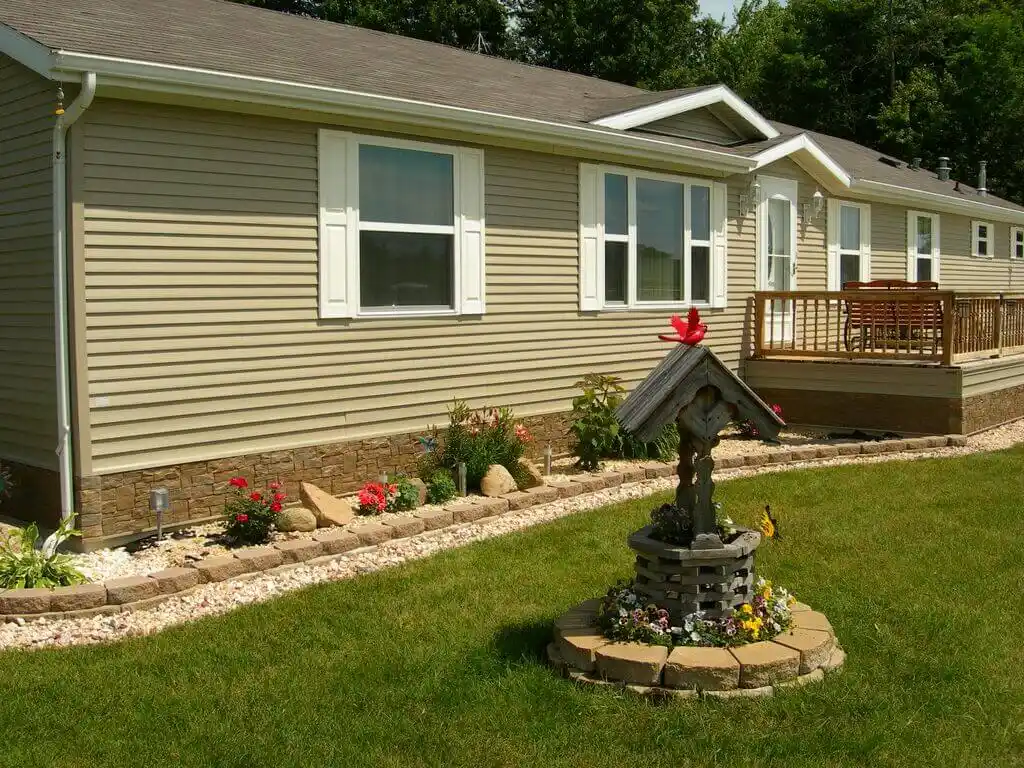
    single wide mobile home skirting ideas

    Popular Single Wide Mobile Home Skirting Ideas

    There are many materials you can use. Some are great for low budgets. Others last longer or look more like a traditional house.

    1. Vinyl Skirting

    Vinyl skirting is one of the most popular choices. It’s affordable, easy to find, and comes in various colors.

    Pros:

    • Lightweight and simple to install
    • Weather-resistant
    • Budget-friendly

    Cons:

    • Can crack in cold weather
    • May need replacing after a few years

    If you want a low-cost solution that still looks neat, vinyl is a solid choice.

    2. Faux Stone Skirting

    Looking for style? Faux stone skirting gives a natural look without the high price of real stone.

    Benefits include:

    • High curb appeal
    • Durable in different climates
    • Easy to clean

    Though more expensive than vinyl, faux stone lasts longer and adds charm to your mobile home.

    3. Metal Skirting

    Metal skirting—usually aluminum or galvanized steel—offers strong protection. It’s a smart choice in areas with wild animals or rough weather.

    Why people choose it:

    • Harder to damage
    • Fire-resistant
    • Long-lasting

    This option works best if you want security and strength.

    4. Concrete or Brick Panels

    Some owners prefer a solid look. Concrete or brick panels can make your home appear permanent.

    Advantages:

    • Very sturdy
    • High-end look
    • Fire- and weather-resistant

    This option can cost more upfront, but it lasts decades with little upkeep.

    5. Recycled Materials

    Looking to save money and reduce waste? You can use leftover wood, tin, or plastic for a unique skirting look.

    Ideas include:

    • Painted pallets
    • Corrugated metal sheets
    • Repurposed siding

    Just be sure the material is safe and secure for your climate.

    Creative Design Tips to Match Your Style

    You don’t need to stick to plain skirting. Use your single wide mobile home skirting ideas to show off your style.

    Try these:

    • Paint the skirting to match your trim
    • Add vents for better airflow
    • Use vertical panels for a modern look
    • Mixed materials, like wood and stone

    Mixing style and function helps your home stand out.

    Budget-Friendly Skirting Options

    Good skirting doesn’t need to break the bank. Here are ways to save money while still doing the job right:

    • Shop clearance or surplus materials
    • Install it yourself to avoid labor costs
    • Use pre-made kits that include all tools
    • Paint low-cost materials to improve their look

    Staying within budget is easier when you plan ahead.


    How to Install Skirting on a Single Wide Mobile Home

    Want to try installing it yourself? It’s doable with some basic tools and patience.

    Steps to follow:

    1. Measure the perimeter of your home
    2. Choose your material based on weather and style
    3. Prepare the ground by leveling it and clearing debris
    4. Install top and bottom tracks
    5. Cut panels to size and slide them in
    6. Add vents and an access door for maintenance 

    Check your local codes before starting, as some areas have specific rules.

    Skirting Maintenance Tips

    Once your skirting is in place, keep it looking and working well.

    Use these tips:

    • Check for cracks or holes every few months
    • Clean with a hose or soft brush
    • Look for loose panels after storms
    • Trim nearby plants that may cause damage

    Taking care of your skirting adds years to its life.

    When to Replace Your Skirting

    Over time, even strong materials can wear out. Replace your skirting if you see:

    • Warped or broken panels
    • Mold or rot
    • Gaps that let in animals
    • Increased energy bills

    A fresh look can also increase your home’s value if you’re thinking of selling.

    FAQ: Single Wide Mobile Home Skirting Ideas

    1. What is the purpose of skirting on a single wide mobile home?
      It protects the underside from pests, moisture and helps with insulation.
    2. What is the cheapest type of mobile home skirting?
      Vinyl skirting is usually the most affordable and easy to install.
    3. Can I install the skirting myself?
      Yes, with basic tools and a good plan, many homeowners install skirting on their own.
    4. How long does vinyl skirting last?
      It can last 5–10 years, depending on weather and maintenance.
    5. Does skirting improve energy efficiency?
      Yes, it helps keep temperatures stable and can lower energy bills.
    6. What is the best skirting for cold climates?
      Insulated vinyl or metal skirting works well in colder regions.
    7. Can I paint the mobile home skirting?
      Yes, many types, like vinyl, metal, or world can be painted.
    8. Do I need vents in my skirting?
      Yes, vents prevent moisture buildup and help air flow.
    9. How much does mobile home skirting cost?
      Prices range from $300 to $1,500, depending on size and material.
    10. Is skirting required by law?
      In many places, yes. Always check local codes before skipping it.


    Adding or updating your single-wide mobile home skirting is one of the best ways to improve both appearance and protection. Whether you prefer a classic look or something bold, the right skirting can make a big difference.

    For more ideas or help selling your mobile home, visit The Mobile Home Dealer.


    See Also:


  • The Best Vinyl Skirting for Mobile Homes
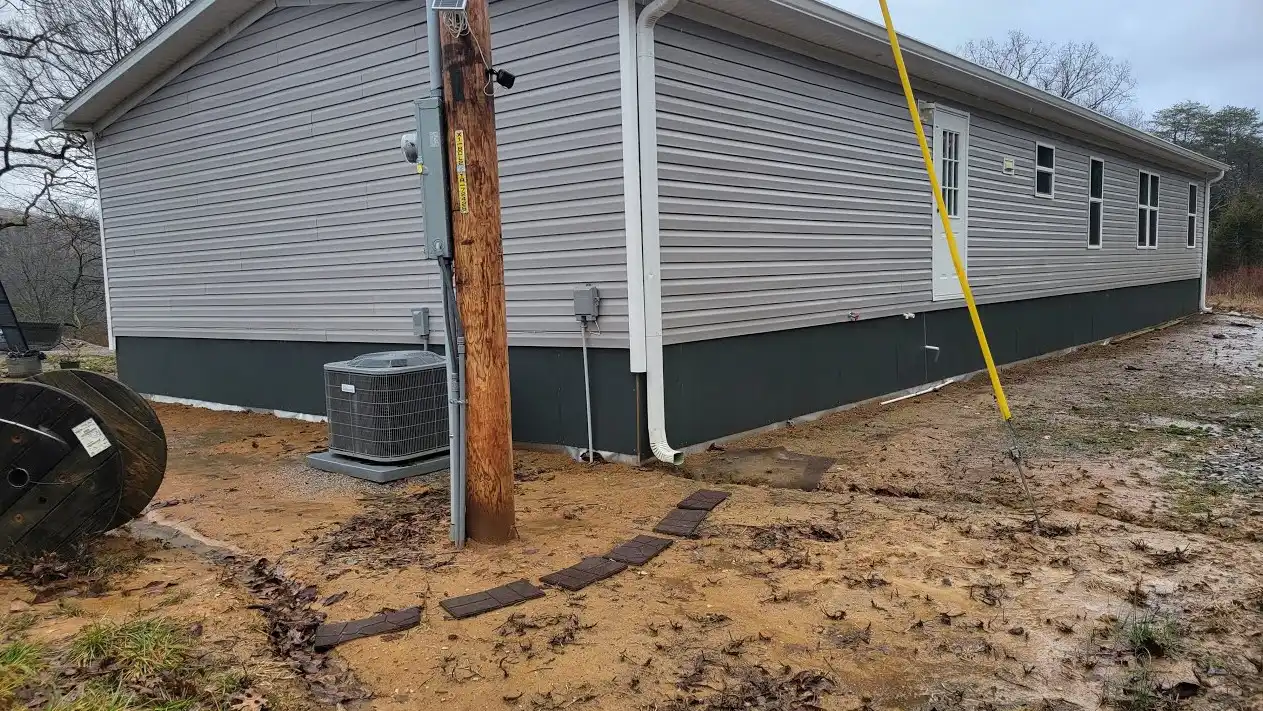
    The Best Vinyl Skirting for Mobile Homes

    Vinyl skirting for mobile homes is a great way to improve curb appeal and protect the underside of your home. With various styles and colors available, it is easy to find an option that suits your needs. This guide explores the best choices for durability, affordability, and style.

    Why Vinyl Skirting is a Great Choice

    Vinyl skirting is a top option for mobile homes because it is:

    • Affordable – Cost-effective compared to other materials.
    • Durable – Resistant to weather, moisture, and pests.
    • Easy to install – DIY-friendly with simple tools.
    • Low maintenance – Requires minimal upkeep over time.

    Different Types of Vinyl Skirting for Mobile Homes

    vinyl skirting for mobile homes

    Solid Vinyl Skirting

    Solid vinyl skirting offers full coverage and strong protection. It keeps animals out while improving the look of your home. This type is available in multiple colors to match different home styles.

    Vented Vinyl Skirting

    Vented skirting allows airflow under the home. This prevents moisture buildup and helps avoid mold or mildew. It is a great option for humid areas.

    Simulated Stone Vinyl Skirting

    This skirting mimics real stone but costs less and is easier to install. It gives mobile homes a modern, high-end appearance while maintaining the benefits of vinyl.

    Lattice Vinyl Skirting

    Lattice skirting provides partial coverage, allowing for airflow while adding a decorative touch. It works well for homeowners who want a stylish look with functional benefits.

    Factors to Consider When Buying Vinyl Skirting

    Material Quality

    High-quality vinyl resists cracking, warping, and fading. Thicker panels last longer and provide better protection.

    Weather Resistance

    Choose skirting that withstands extreme temperatures, wind, and moisture. UV-resistant options help prevent color fading.

    Installation Process

    Some vinyl skirting systems include snap-in panels for easy installation. Others may require additional tools or anchoring systems.

    Ventilation Needs

    Vented skirting prevents moisture buildup, which is essential in humid regions. If you use solid panels, ensure there are ventilation openings.

    Installation Tips for Vinyl Skirting

    • Measure accurately – Ensure you get the correct size panels for a snug fit.
    • Secure properly – Use the right fasteners to prevent wind damage.
    • Include vents – If using solid skirting, install vents to promote airflow.
    • Follow manufacturer guidelines – Proper installation ensures longevity and durability.

    Benefits of Vinyl Skirting for Mobile Homes

    Improves Home Appearance

    Vinyl skirting adds a finished look, covering exposed areas and pipes underneath the home.

    Protects Against Animals and Pests

    Skirting keeps rodents and insects from nesting under your home, reducing potential damage.

    Enhances Energy Efficiency

    By blocking wind and cold air, vinyl skirting helps maintain interior temperatures and reduce heating costs.

    Increases Home Value

    A well-installed skirting system can enhance curb appeal, making your home more attractive to buyers.

    How to Maintain Vinyl Skirting

    • Clean regularly – Use soap and water to remove dirt and prevent mold buildup.
    • Check for damage – Inspect for cracks, holes, or loose panels and replace as needed.
    • Ensure proper ventilation – Keep vents clear to maintain airflow and prevent moisture issues.
    • Reinforce in storm-prone areas – Secure panels with extra fasteners in windy regions.

    Frequently Asked Questions

    1. How long does vinyl skirting last?

    High-quality vinyl skirting can last 15–25 years with proper maintenance.

    2. Can I install vinyl skirting myself?

    Yes, many homeowners install it themselves using basic tools and instructions.

    3. Does vinyl skirting help with insulation?

    Yes, it blocks cold air and reduces energy loss in winter.

    4. How do I clean vinyl skirting?

    Use mild soap, water, and a soft brush or cloth to remove dirt.

    5. Is vented skirting better than solid skirting?

    Vented skirting is better for airflow, preventing moisture buildup.

    6. How do I measure for new skirting?

    Measure the perimeter and height from the ground to the home’s base.

    7. What colors are available?

    Vinyl skirting comes in white, gray, beige, brown, and simulated-stone designs.

    8. Can vinyl skirting withstand strong winds?

    Yes, when properly installed, it can withstand moderate winds. Extra fasteners help in windy areas.

    9. Does vinyl skirting require a permit?

    Check local building codes, as some areas require permits for installation.

    10. How do I replace damaged vinyl skirting panels?

    Remove the damaged panel, measure a replacement, and secure it in place.

    Vinyl skirting for mobile homes offers great protection, a polished look, and energy efficiency. With the right choice, you can enjoy a durable and attractive upgrade for years to come.

    See Also:

  • Why Mobile Home Underpinning is Essential for Longevity

    Mobile home underpinning is a key feature for maintaining the longevity of a home. It provides stability, protects against environmental damage, and improves energy efficiency. Without it, a home is more vulnerable to shifting, weather exposure, and pest infestations.

    What is Mobile Home Underpinning?

    Mobile home underpinning is the material that encloses the space beneath a home. It helps keep moisture, animals, and cold air from affecting the structure. Homeowners have different options, including vinyl, metal, and concrete-based materials.

    Benefits of Mobile Home Underpinning

    Underpinning provides several benefits that improve both function and appearance.

    • Structural Support – It reduces movement from shifting soil and strong winds.
    • Pest Prevention – It helps keep rodents and insects from entering.
    • Temperature Control – It blocks cold air in winter and keeps heat from escaping.
    • Moisture Protection – It reduces humidity buildup that can cause mold or wood rot.
    • Curb Appeal – It gives a finished look and increases resale value.

    Mobile home underpinning

    Choosing the Right Material

    Each material has its own advantages. Homeowners should consider durability, cost, and maintenance needs.

    Vinyl Underpinning

    Vinyl is a popular choice due to its affordability and flexibility. It is resistant to moisture and does not rust. However, it may be less durable against strong winds or heavy impact.

    Metal Underpinning

    Metal is durable and provides strong protection against damage. Aluminum and steel options last for many years but may require maintenance to prevent rust.

    Concrete Underpinning

    Concrete provides the highest level of protection. It is solid, long-lasting, and resistant to weather and pests. However, it is more expensive and requires professional installation.

    Installation Considerations

    Proper installation ensures the best results. Before beginning, measure the home’s perimeter and choose the right material.

    Steps for Installation

    1. Prepare the area – Remove debris and level the ground.
    2. Measure and cut panels – Ensure a proper fit.
    3. Secure the materials – Use a track system or fasteners for support.
    4. Seal any gaps – Prevent air and pest infiltration.
    5. Check for ventilation – Include vent panels to allow air circulation.

    Maintaining Mobile Home Underpinning

    Regular maintenance helps extend the life of the underpinning.

    • Inspect for damage – Look for cracks, rust, or loose panels.
    • Clean debris – Remove leaves and dirt to prevent moisture buildup.
    • Seal gaps – Check for openings and seal them to keep pests out.
    • Ensure ventilation – Clean vent panels to allow proper airflow.

    Common Issues and How to Fix Them

    Over time, mobile home underpinning may need repairs. Here are common problems and solutions:

    • Loose Panels – Secure them with screws or adhesive.
    • Cracks or Holes – Patch with matching material or sealant.
    • Rust on Metal – Treat with a rust inhibitor and repaint.
    • Warping in Vinyl – Replace damaged sections for a better fit.

    FAQ

    1. What is the best material for mobile home underpinning?

    The best material depends on the budget and climate. Concrete is durable, while vinyl is cost-effective.

    2. Does underpinning improve energy efficiency?

    Yes, it helps insulate the home by preventing heat loss and blocking cold air.

    3. How often should underpinning be inspected?

    Check it at least twice a year and after severe weather.

    4. Can I install the underpinning myself?

    Many homeowners can install vinyl or metal underpinning, but concrete usually requires professionals.

    5. What is the cost of mobile home underpinning?

    Prices vary by material. Vinyl is the cheapest, while concrete is the most expensive.

    6. Does underpinning prevent pests?

    Yes, it blocks rodents and insects from entering the crawl space.

    7. Can underpinning be painted?

    Some types, like metal and concrete, can be painted. Vinyl usually cannot.

    8. How long does underpinning last?

    With proper maintenance, it can last many years. Concrete lasts the longest.

    9. Should underpinning have ventilation?

    Yes, vents allow air to circulate and prevent moisture buildup.

    10. What happens if underpinning is not installed?

    Without underpinning, homes are exposed to moisture, pests, and energy loss.

    See Also:

  • Why Skirting for Mobile Homes is Essential for Energy Efficiency

    Skirting for mobile homes plays a big role in energy efficiency by sealing off the underside of the home. Without proper skirting, mobile homes lose heat in winter and allow excess moisture to build up, which can lead to damage. Choosing the right skirting helps lower energy bills and improves overall comfort.

    How Skirting for Mobile Homes Helps with Energy Efficiency

    Mobile homes sit above the ground, exposing the underside to changing weather conditions. Proper skirting acts as a barrier against wind, rain, and temperature fluctuations. This helps in several ways:

    • Prevents heat loss – Insulated skirting reduces cold air from entering under the home.
    • Blocks moisture – It stops humidity from seeping into the floor, reducing mold risks.
    • Stops pests – Animals and insects cannot nest under the home when skirting is in place.
    • Improves cooling – In summer, skirting prevents hot air from making floors uncomfortably warm.

    Choosing the Right Skirting for Mobile Homes

    The type of skirting makes a difference in energy savings. Here are some common options:

    Vinyl Skirting

    This is one of the most affordable choices. It provides basic protection but may not offer much insulation.

    Metal Skirting

    Aluminum and steel skirting are durable and provide good protection against wind and moisture.

    Insulated Skirting

    This is the best option for energy efficiency. It helps maintain indoor temperatures and reduces heating and cooling costs.

    Skirting for Mobile Homes

    Installation Tips for Skirting on Mobile Homes

    Proper installation ensures maximum energy efficiency. Here are key steps:

    1. Measure correctly – Take accurate measurements to avoid gaps and weak spots.
    2. Choose insulation – If using vinyl or metal, consider adding insulation panels behind the skirting.
    3. Seal gaps – Use caulking or foam sealant to close small openings.
    4. Allow ventilation – Include vented panels to prevent moisture buildup.
    5. Secure properly – Attach skirting firmly to avoid wind damage.

    Benefits of Skirting Beyond Energy Savings

    Skirting for mobile homes offers advantages beyond reducing energy costs:

    • Improves curb appeal – A well-skirted home looks more finished and attractive.
    • Increases lifespan of flooring – Less exposure to moisture keeps floors in good shape.
    • Boosts home value – A properly skirted home is more appealing to buyers.
    • Protects pipes – Helps prevent freezing in winter.

    Common Myths About Mobile Home Skirting

    “Skirting is just for looks.”

    While it does enhance appearance, skirting plays a big role in insulation and moisture control.

    “All skirting materials work the same.”

    Different materials provide varying levels of protection. Insulated skirting offers the best energy savings.

    “Ventilation isn’t necessary.”

    Too much sealing can trap moisture, leading to mold. Proper vents help balance airflow.

    How Much Does Mobile Home Skirting Save on Energy Bills?

    The exact savings depend on the material and insulation level. On average, well-installed skirting can reduce heating and cooling costs by 10% to 25%. In colder climates, insulated skirting prevents drafts, making heating systems work less.

    DIY vs. Professional Installation

    Some homeowners choose to install skirting themselves, while others hire professionals. Consider the following:

    • DIY installation – Cost-effective but requires time and proper tools.
    • Professional installation – Ensures a perfect fit and may come with warranties.

    Maintaining Skirting for Long-Term Efficiency

    To keep skirting effective, regular maintenance is key:

    • Inspect annually – Look for cracks, holes, or loose sections.
    • Clean vents – Make sure they are free from debris for proper airflow.
    • Repair damage quickly – Fix any broken panels before weather conditions worsen.

    FAQ About Mobile Home Skirting

    1. What is the best type of skirting for energy efficiency? Insulated skirting provides the best protection against heat loss and moisture.
    2. How much does mobile home skirting cost? Prices range from $500 to $3,000, depending on the material and installation method.
    3. Can I install mobile home skirting myself? Yes, but professional installation ensures better results and durability.
    4. How often should skirting be replaced? Quality skirting lasts 10 to 20 years, depending on maintenance and material type.
    5. Does skirting prevent pipes from freezing? Yes, it reduces exposure to cold air, helping keep pipes from freezing.
    6. What happens if my skirting has gaps? Gaps let in cold air and pests, reducing energy efficiency and increasing risks of damage.
    7. Does skirting increase property value? Yes, a well-maintained skirting system makes the home more attractive to buyers.
    8. Is ventilation necessary for mobile home skirting? Yes, proper vents prevent moisture buildup and mold growth.
    9. Can I paint the mobile home skirting? Most metal and wood skirting options can be painted for a better appearance.
    10. What is the cheapest skirting option? Vinyl skirting is the most affordable but may require insulation for better efficiency.

    See Also:


  • What Is Mobile Home Skirting?

    When looking at a mobile home, one may see that there is additional material attached to the side of the home between where the siding ends and the ground for which the mobile home sits begins. This material is called mobile home skirting.

    This is called the skirting of a mobile home.

    While the name is simple in nature, what it does and how it works are quite a bit more detailed.

    Mobile home skirting covers the space underneath a mobile home to protect it from animals, cold, snow, and water. Skirting protects the plumbing work and ensures pipes or ducts do not freeze during winter. An adequately installed skirt will provide storage space where one can tuck away items they don’t occasionally use.

    If you’re not sure of the material you need for skirting, there’s always an option to contact a professional to come and do an assessment and give a cost estimate. Experts will advise on the best product depending on the type of mobile home, budget, climate, and homeowner’s personal preferences.

    Mobile Home for Sale in Sebring
    Mobile Home for Sale in Sebring

    Mobile home skirting can be made of a variety of materials, but the most common type around the greater Sarasota, Florida, area is made of fiberglass, stone, aluminum, or plastic.

    Mobile home skirting is attached to an inner track of the bottom of the mobile home, each additional piece of skirting is then snapped or placed directly next to the previous skirting panel.

    For the skirting to work properly, it must fit on the track without any issue and be the length of space between the bottom of the mobile home and the ground on which it sits. If the skirting is not the correct length, then it will largely defeat the purpose of what the skirting does.

    The market is awash with skirting solutions for mobile homes. Popular options include Vinyl, concrete, metal foam, wooden foam, and faux rock.

    Before one hits the store, gathering the material they’ll need for their skirting is essential. First, they must know the overall dimension of the open space in terms of length, width, and height. These are some of the things their supplier will need answers to.

    Also, it saves on cost since one only needs to buy the right size for their home. Other materials include screws, long planks, chalk, and circular saw.

    The mobile home skirting is easy to fix, although you may need extra hands. So grab some pizza and call in that favor with a friend or two for a day to help with skirting.

    One of the main benefits of skirting on your mobile home is to prevent inviting pesky trouble-making critters under your home.

    Mobile homes have their plumbing running underneath the home, and if this is not protected, then animals can get under the home and burrow into the plumbing lines, often causing premature leaks in the plumbing system of the mobile home.

    As discussed in previous blogs, the flooring system of a mobile home is wood-based.

    If the skirting is not properly installed and maintained then, in addition to the plumbing having issues, the wood-based flooring can have premature damage done to it through animals chewing on the support beams of your flooring system.

    In order for your skirting to be kept in good shape, we here at The Mobile Home Dealer, strongly suggest you routinely walk your mobile home identify any issues you see with the skirting, and act quickly to get these issues taken care of.

    Mobile home skirting
    Mobile Home

    A simple walk of your property 1-2 times per month should suffice for the inspection.

    If any skirting looks like it has shifted off of the tracks, see to it that you get it back on the track quickly as some skirting products are brittle in nature, and if it is not sitting flat, it can lead to premature breakage of a skirting panel.

    Installing your own mobile home skirting

    If you want to install your mobile home skirting yourself, some companies do sell kits, but it can require a lot of expertise and hard work. When installing skirting, you also must check local requirements regarding inspections and permits — improper installation could void insurance claims or your home’s warranty.

    Suppose you choose to install the skirting yourself. In that case, it’s important to ensure that your home gets proper ventilation, and you have to get the correct amount of panels and accommodate for possible variations in height. Vinyl is typically the easiest material for a DIY skirting installation.

    If you have fiberglass or plastic skirting around your mobile home, make sure to take additional care of it when lawnmowing. Weed wackers can often clip the skirting, causing small holes that can lead to larger issues down the road.

    When protecting your mobile home we strongly suggest keeping your skirting in tip-top shape as it is a very inexpensive insurance policy for the safety of your mobile home’s plumbing and flooring system.

    The Mobile Home Dealers are licensed mobile home brokers in Sarasota, Florida, and the surrounding areas. We provide professional buy and/or sell assistance to our clients. If you have any questions, don’t hesitate to contact us by clicking this link. You may also visit our Facebook Page and send us a message

    This is Mark Kaiser with The Mobile Home Dealer. We help mobile home Buyers and Sellers improve their lives.

    See Also:

Reset password

Enter your email address and we will send you a link to change your password.

Get started with your account

to save your favourite homes and more

Sign up with email

Get started with your account

to save your favourite homes and more

By clicking the «SIGN UP» button you agree to the Terms of Use and Privacy Policy
Powered by Estatik