Tag: cheapest way to move a mobile home

  • How Much Does It Cost to Move a Mobile Home Within Florida?

    How Much Does It Cost to Move a Mobile Home Within Florida?

    The cost to move a mobile home within Florida depends on several factors, but it can be affordable and worthwhile.

    Mobile homes give homeowners flexibility, and moving them is part of that benefit. Whether you’re relocating across town or to another park in Florida, it’s good to understand the pricing. Planning ahead can help you save money and avoid unexpected delays.

    Factors That Affect the Cost to Move a Mobile Home Within Florida

    The overall cost isn’t just based on distance. Here are some of the main factors that affect the price:

    • Size of the home – Single-wide homes cost less to move than double or triple-wide homes. 
    • Distance traveled – Shorter distances are cheaper. Longer hauls take more fuel, labor, and permits. 
    • Set-up services – Disconnecting, transporting, and re-installing utilities all add to the total. 
    • Permits and escorts – Florida requires moving permits, and depending on size, escort vehicles may be needed. 
    • Condition of the home – Older homes may need reinforcement before the move.

    Moving a mobile home in Florida is a team job. Licensed movers must follow state laws to keep the process safe and smooth.
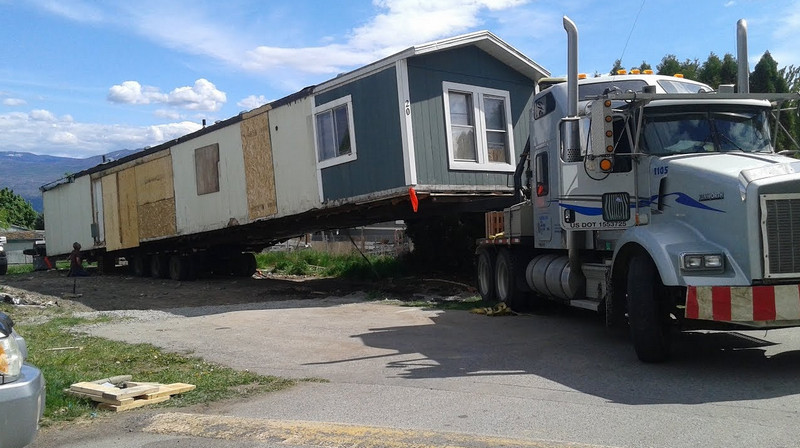
    cost to move a mobile home

    Typical Prices for Moving a Mobile Home in Florida

    The average cost to move a single-wide mobile home in Florida can range between $3,000 and $5,000 for short distances. Double-wide moves may cost $6,000 to $13,000 or more. This includes disconnecting utilities, transportation, and setting up at the new location.

    If you’re moving a single-wide trailer 20 miles, the cost can be around $2,000 to $3,500, depending on the route and condition.

    A longer move of over 50 miles may increase that price quickly. Always ask for a full quote upfront.

    What Is Included in the Cost to Move a Mobile Home Within Florida?

    When you receive an estimate, make sure to check what’s covered. Most mobile home movers in Florida include:

    • Permit applications 
    • Skirting removal and reinstallation 
    • Axle and tire prep 
    • Disconnection and reconnection of utilities 
    • Transportation with insurance 
    • Setup and leveling on the new site 

    If these aren’t included, your price could rise later. Ask about any extra fees so you’re not surprised after the job is done.

    How to Lower the Cost to Move a Mobile Home Within Florida

    Moving costs can be high, but there are ways to keep things within budget. Consider the tips below:

    • Move during the off-season – Rates may be lower in late fall or early winter. 
    • Prep your home yourself – Remove skirting and disconnect minor utilities. 
    • Get multiple quotes – Compare at least 3 mobile home movers in your area. 
    • Use a licensed mover – Avoid damage or delays from using non-certified movers. 

    Looking for the cheapest way to move a mobile home? That usually means handling some of the prep work yourself and choosing a mover who offers bundled services.

    Do You Need a Permit to Move a Mobile Home?

    Yes, you do. Florida law requires a moving permit, which varies by county. So, how much is a permit to move a mobile home? On average, it’s about $100 to $500, depending on the local building department.

    You’ll need proof of ownership and any back taxes paid before a permit is issued. The moving company often handles this part, but you should confirm during the quote.

    Using a Mobile Home Moving Cost Calculator

    If you want to estimate expenses ahead of time, try a mobile home moving cost calculator. This tool can help you plan your move based on the size of your home and the distance.

    Some websites also feature a cost to move a mobile home within Florida calculator, which includes typical permit costs and labor. These calculators give you a rough idea before calling for quotes.

    How to Move a Mobile Home for Free

    Yes, it is sometimes possible. Wondering how to move a mobile home for free? In some cases, a mobile home park or landowner may pay for the move if you bring your home to their site. They want to fill empty lots, so it’s worth asking if they offer any relocation incentives.

    Make sure to get any free move offer in writing. It should outline exactly what services are included and who’s paying for what.

    Pros of Moving a Mobile Home in Florida

    Despite the costs, moving a mobile home comes with many benefits:

    • You keep your current home – No need to shop for a new one. 
    • Customizable location – Choose a lot that better suits your needs. 
    • Possible savings – Some parks have lower lot rent or better amenities. 
    • Shorter move time – The whole process can take just a few days. 

    Florida remains one of the top states for mobile home living. With hundreds of parks and year-round sunshine, it’s an ideal place to stay mobile.

    FAQ: Mobile Home Moving in Florida

    How much does it cost to move a mobile home within Florida?

    Most moves range from $3,000 to $13,000, depending on size and distance.

    Can I move a mobile home myself?

    No, Florida law requires a licensed mover for transport.

    How much is a permit to move a mobile home in Florida?

    Permits usually cost between $100 and $500, depending on your county.

    How long does it take to move a mobile home?

    Most moves take between 2 and 7 days from start to finish.

    Is it cheaper to move or buy a new mobile home?

    In many cases, moving is cheaper, especially if your home is in good shape.

    Do I need to remove the skirting before the move?

    Yes, skirting needs to be removed for transport. Some movers include this in their service.

    How can I find a reliable mover in Florida?

    Check for licensed movers online or ask your local mobile home park for referrals.

    What’s the cheapest way to move a mobile home?

    Handle some prep work yourself and move during off-peak seasons to save.

    Are there mobile home moving cost calculators online?

    Yes, many moving company websites offer them for free.

    How much does it cost to move a single-wide mobile home?

    Prices for single-wide moves start around $2,000 for short distances.

    Final Thoughts

    The cost to move a mobile home within Florida can vary, but with smart planning, it’s manageable. Moving your mobile home gives you freedom without the hassle of buying a new property. Be sure to check permits, compare prices, and use a licensed mover. Florida continues to offer a great lifestyle for mobile homeowners who want to relocate with ease.


    See Also:


  • How Much Is a Permit to Move a Mobile Home in Florida?

    Many homeowners ask, how much is a permit to move a mobile home in Florida? The cost varies based on the location, home size, and local regulations. Understanding the process ensures a smooth relocation without delays.

    Where Do You Go to Get a Permit to Move a Mobile Home?

    To move a mobile home legally, obtaining a permit is required. Where do you go to get a permit to move a mobile home? The answer depends on the county.

    Steps to Obtain a Permit:

    • Visit the local building or zoning department.
    • Submit the required documents.
    • Pay the necessary permit fees.
    • Receive approval before scheduling the move.

    Each Florida county has its own application process, so checking with local authorities is necessary.

    how much is a permit to move a mobile home

    Permit to Move a Mobile Home FL Requirements

    Meeting state and local guidelines is essential when applying for a permit to move in FL requirements.

    Key Requirements:

    • Proof of ownership and title.
    • No outstanding taxes or liens on the home.
    • A licensed mobile home mover.
    • Compliance with Florida zoning laws.

    Confirming these details ahead of time avoids permit delays.

    Permit to Move a Mobile Home FL Cost

    Cost Breakdown:

    • Permit Fees: Vary by county but typically range from $100 to $500.
    • Inspection Fees: Some counties require inspections before approval.
    • Transport Costs: Licensed movers charge based on distance and home size.

    Planning ahead ensures all expenses are covered.

    How to Get a Permit to Move in FL

    The process is straightforward when following the correct steps. How to get a permit to move, involves completing paperwork and paying fees.

    Application Process:

    • Contact the county’s zoning office.
    • Complete the permit application form.
    • Submit ownership documents and tax clearance.
    • Schedule an inspection if required.
    • Pay the permit fee and receive approval.

    Staying organized makes the process efficient.

    How to Move a Mobile Home for Free

    Some homeowners seek ways to relocate without extra costs. How to move a mobile home for free is possible in certain cases.

    Free Moving Options:

    • Some mobile home parks cover relocation costs to attract residents.
    • State assistance programs may offer grants.
    • Buyers purchasing used mobile homes may agree to cover moving expenses.

    Checking for available incentives can help reduce moving costs.

    What Is the Age Limit on Moving a Mobile Home?

    Regulations restrict moving older homes. What is the age limit on moving a mobile home? Florida laws require homes to meet HUD standards.

    Moving Restrictions Based on Age:

    • Homes built before June 15, 1976, may not meet HUD codes.
    • Many counties restrict moving homes older than 20-25 years.
    • Inspection requirements may apply to ensure structural integrity.

    Verifying age regulations before planning a move prevents issues.

    How Long Does It Take to Get a Permit to Move a Mobile Home?

    Processing times vary by location. How long does it take to get a permit to move a mobile home? The time frame depends on the county’s workload.

    Estimated Approval Time:

    • Some permits are issued within a few days.
    • Others require inspections, which can take 1-2 weeks.
    • Delays may occur if the paperwork is incomplete.

    Applying early prevents last-minute problems.

    Final Considerations for Moving a Mobile Home

    Relocating a mobile home requires careful planning. Researching how much a permit to move and meeting Florida’s requirements ensures a hassle-free move. By preparing in advance, homeowners can avoid unexpected costs and delays.

    See Also:

  • Why Most Sarasota Florida Mobile Homes Are Not “Mobile”!

    More and more people are opting for mobile homes as a housing model and are also satisfied by the simplicity of mobile home living. Given the high prices and bustle of large cities, prefabricated mobile houses are presented as a real alternative to the traditional housing model. Cheaper, with more versatility, and more spacious than the traditional single-family homes. This is what new mobile home owner Belinda says when talking about the space of her home: “I have managed to gather my large family.” There are many customers who tell us about how wonderful it is to live in a home and how this housing model has completely surprised them.

    mobile home soft spots
    A mobile home in Sebring Florida

    What advantages do mobile homes offer?

    One of the main characteristics of mobile homes is their versatility since you can have your home in places where you don’t even own land. As long as you are approved by the mobile home park, you can buy any mobile home in a certain park and live there. Another advantage is, of course, its affordability. Mobile homes are far cheaper than traditional single-family onsite-build houses.

    Many sources mention mobility as one of the unique characteristics of mobile homes, but is this true?

    The term that is often used to describe the manufactured housing industry is the mobile home business.

    Even though the term has changed over the past several years the same asset is being discussed, homes that, at one time, were mobile.

    But the question then remains, are these homes still mobile homes?

    The direct answer is, that it depends.

    Let us explain!

    Any mobile home that is located within a mobile home park that is on leased land is viewed as and taxed as personal property in the state of Florida. as such, these homes have titles associated with their ownership of them and not deeds like a traditional stick and brick home do.

    These mobile homes are built in a climate-controlled factory and shipped, by way of the tractor-trailer, to the site where the home will eventually be set up and maintained by its owner.

    Although it may sound silly, no, these homes are not driven down the road by themselves!

    When the home is built it does have axels on them as well as tires that are attached to the underpinnings of the home.

    So, then, can this mobile home live up to the name mobile?!

    In the state of Florida, in order to get a permit for a mobile home to be moved it needs to be twenty years old or newer. At the time of this writing, the average age of a mobile home in the greater Sarasota Florida area is that of 1976 making it far older than 20 years of age.

    The answer here would be no, these homes should stay where they are until they are beyond repair and need to be demolished.

    Mobile home transfer companies can and will prepare a mobile home for removal from a park in order to be delivered to another homesite if they are twenty years old or newer. In fact, it is not uncommon at all to see these mobile home movers all over the state moving homes from a dealer’s lot to a park or from a park to another piece of land. Always note, though, that in order for this to be legally done the mobile will have to be permitted to be moved, and in order for it to receive a permit it needs to be twenty years old or newer from the manufacturing date on the title.

    When looking at buying a mobile home in and around the Sarasota Florida area always look at the age of the home along with the location and condition of the property in order to help give you a better idea of what can be done with the property.

    Mobile home in Florida
    Mobile home in Florida

    Many times we have met with Buyers and Sellers of mobile homes around Sarasota and they have asked if the home can be moved, or have stayed if the home does not sell fast then they will go ahead and move it to another park or their own piece of land they own.

    While these are all fair questions, they simply can not happen with the laws that Florida has in place for the safe transport of mobile homes.

    Moving.com has a comprehensive estimate for this. It depends on whether you choose to do a transport-only or a full-service move and the type of manufactured home you have (single-, double or triple-wide). Just to use an estimate, the transport-only move will cost anywhere between $700 and $3,500. The full-service move will cost $3,000-$14,000. The transport-only move for up to 60 miles is about $700-$1,000 for a single-wide, $2,000-$2,500 for a double-wide, and $2,600-$3,500 for a triple-wide.

    To move a single-wide mobile home using the full-service moving service and the same distance of up to 60 miles will cost about $3,000-$5,000. Full-service moves include disconnect, reconnect, and transport services. To move a double-wide mobile home will cost $4,000-$10,000. For triple-wide, expect to pay $10,000-$14,000 or more.

    If you are looking at buying a mobile home around Sarasota Florida feel confident that, generally speaking, where the home is currently residing is where it will be for the rest of time due to its age. Having this belief and understanding on the front end will allow you, as the mobile home Buyer, to better understand what can and cannot happen with your next mobile home purchase.

    This is Mark Kaiser with The Mobile Home Dealer and we help mobile home Buyers and Sellers get to a better place in life!

    See Also:

  • Can I Move a Mobile Home to My Property in Florida?

    Are you considering relocating a mobile home onto your property in Florida? While it might seem like a straightforward solution for affordable housing, there are regulations and considerations to navigate. This article explores the legal aspects, logistical challenges, and financial implications of “Can I move a mobile home to my property” in the Sunshine State?

    Can I move a mobile home to my property

    Florida Law and Mobile Home Relocation

    Florida has specific regulations regarding moving mobile homes, especially those exceeding 20 years old. Here’s a breakdown of the key legal aspects:

    • Age Restrictions: Pre-HUD mobile homes manufactured before June 15, 1976, generally cannot be relocated within Florida due to safety concerns.
    • Building Code Compliance: Mobile homes over 20 years old must meet current Florida building codes before being relocated. This might involve upgrades to ensure structural integrity and safety.
    • Permits and Approvals: It is crucial to obtain permits from local authorities. These typically include approvals for transportation, placement on your property, and any necessary site preparation work, such as foundation construction or utility connections.

    Required Documents for Moving a Mobile Home

    The specific documents you’ll need can vary depending on your locality, but generally, you’ll require:

    • Proof of Ownership: This could be your mobile home title or a bill of sale.
    • Moving Permit Application: This form is obtained from your local building department.
    • Engineering Certifications: If your mobile home requires upgrades to meet the code, you’ll need documentation from a licensed engineer.
    • Site Plans: Detailed plans outlining the intended location and foundation system for the mobile home on your property.
    • Mover’s License and Insurance: Ensure the company transporting your mobile home is licensed and carries adequate insurance.

    Pros and Cons of Moving a Mobile Home on Your Property

    Pros:

    • Affordability: Mobile homes offer a cost-effective housing option compared to traditional stick-built homes.
    • Customization: If you own a mobile home, you might have more freedom to personalize it within zoning regulations.
    • Familiarity: If you’re already comfortable living in a mobile home, relocating it to your property allows you to maintain your lifestyle.

    Cons:

    • Regulations and Costs: Meeting Florida’s relocation requirements can be complex and expensive, including permits, inspections, and potential upgrades.
    • Logistics and Expertise: Moving a mobile home is a specialized job requiring a licensed and insured mover.
    • Zoning Restrictions: Not all Florida communities allow mobile homes on private property. Check your local zoning regulations to avoid legal issues.
    • Financing Challenges: Obtaining traditional financing for a used mobile home on your land can take time and effort.
    • Potential Resale Value: Mobile homes generally depreciate, impacting your property’s resale potential.

    Additional Considerations

    • Mobile Home Condition: The age and condition of the mobile home significantly impact relocation feasibility and cost. Older homes might require extensive renovations to meet the code.
    • Property Suitability: Your property’s size and layout must accommodate the mobile home’s dimensions and foundation requirements. Consider access for the moving crew and utility connections.
    • Hidden Costs: Factor in unexpected costs like foundation construction, skirting installation, and utility hookups.

    Conclusion

    Deciding to “Can I move a mobile home to my property” in Florida requires careful research and planning. Understanding the legal framework, potential costs, and logistical challenges is crucial. Weigh the pros and cons thoroughly, considering your budget, long-term plans, and local regulations. Consulting a qualified mobile home relocation specialist and your local building department can provide invaluable guidance.


    See Also:


  • Can You Move a Mobile Home to Your Own Property?

    Many dream of owning their own land and placing a mobile home on it. Mobile homes, also known as manufactured homes, offer affordability, spacious living, and a sense of permanence on your own piece of ground. But before you dive headfirst into this venture, it’s crucial to ask:  “Can you move a mobile home to your own property?”

    Like most things in life, the answer isn’t a simple yes or no. Moving a mobile home to your own property is absolutely possible, but it requires careful planning, navigating regulations, and tackling logistical hurdles. This guide will equip you with the knowledge you need to determine if this path is right for you.

    Zoning and Permits: The Gatekeepers of Placement

    The very first step involves understanding the zoning regulations in your area.  Can you move a mobile home to your own property?” hinges on whether your land is zoned for manufactured homes.  Contact your local planning department to confirm zoning and inquire about any specific permits required for placing a mobile home. Don’t be afraid to ask questions – understanding these regulations upfront can save you time, money, and frustration.

    Can you move a mobile home to your own property

    Permits are another crucial element.  In most cases, you’ll need a permit to move the mobile home itself and a permit for setting it up on your property.  The specific permits required vary by location, so consulting your local building department is essential. They can advise you on the application process, fees, and necessary inspections.

    The Property Prepares: Setting the Stage for Your Mobile Home

    Assuming your land is zoned appropriately, and you’ve secured the necessary permits, it’s time to prepare your property for the mobile home’s arrival. This preparation involves several key steps:

    • Site Evaluation: A qualified professional should assess your land to ensure it can accommodate the size and weight of the mobile home. They’ll consider soil conditions, drainage, and potential foundation requirements.
    • Site Preparation: Based on the evaluation, your land might need grading, leveling, and foundation work. This ensures the mobile home sits level and has a stable base. Skirting, which encloses the underside of the home, may also be part of this preparation.
    • Utility Hookups: It is essential to disconnect utilities from the current location and arrange for hookups at the new site. This includes water, sewer, gas, and electrical lines. Planning for these connections beforehand streamlines the process.

    The Mobile Home Itself: Age, Condition, and Regulations

    The age and condition of the mobile home you intend to move into will also be factored into the equation.  Some states or municipalities restrict the age of mobile homes that can be relocated. Homes built before a certain date (often 1976) might not meet current safety and building code standards.  In such cases, the home might need to be brought up to code before possible relocation.

    A thorough inspection of the mobile home by a qualified professional is highly recommended. This inspection can identify any potential issues that might need to be addressed before the move.  Addressing these issues beforehand can prevent delays and unexpected costs during the relocation process.

    Calling in the Experts: Mobile Home Movers

    Moving a mobile home is a specialized task best left to professionals.  Licensed and insured mobile home movers possess the expertise, equipment, and permits necessary to transport your home to its new location safely.

    Researching reputable mobile home movers in your area is crucial.  Get quotes, inquire about their experience, and ensure they are licensed and insured.  Don’t be afraid to ask questions – a good mover will be transparent and address all your concerns.

    The Big Day: Moving Day Logistics

    Moving day itself is a complex orchestration. Here’s what to expect:

    • Preparation: The mobile home mover will disconnect utilities, secure the home for transport, and obtain any necessary permits for oversized loads.
    • Transportation: The actual move involves specialized equipment to transport the mobile home safely. Depending on the distance and route permits for oversized loads might be required.
    • Placement: Once at the new location, the mover will carefully position the mobile home on the prepared foundation and ensure proper leveling. Reconnecting utilities is also part of this process.

    Important Note: Throughout the moving process, clear communication with the mobile home mover is key. Discuss timelines, potential challenges, and any additional costs that might arise.

    Cost Considerations: Budgeting for Your Mobile Home Move

    The cost of moving a mobile home to your own property can vary depending on several factors, including:

    • Distance: The longer the distance the mobile home needs to be transported, the higher the cost.
    • Size and Weight: The size and weight of the mobile home will influence the moving equipment needed and the complexity of the move, impacting the cost.
    • Permits and Inspections: The fees associated with obtaining permits and inspections can add up. Obtaining quotes from different entities beforehand can help with budgeting.
    • Site Preparation:  The cost of preparing your land for the mobile home can vary depending on the required work, like grading, foundation installation, and utility hookups.
    • Condition of the Mobile Home:  If the mobile home requires repairs or upgrades to meet code requirements, these costs need to be factored in.

    By carefully considering these factors and getting quotes from qualified professionals, you can create a realistic budget for your mobile home relocation project.

    The Conclusion: Weighing the Pros and Cons

    While moving a mobile home to your own property offers the benefits of affordability and potentially more space, it’s not without its challenges. Here’s a quick recap to help you decide:

    Pros:

    • Affordability: Mobile homes generally offer a lower ownership cost than traditional site-built homes.
    • Customization: You can potentially personalize your land with landscaping and outdoor features to create your own unique space.
    • Sense of Permanence: Owning both the land and the mobile home provides a sense of stability and long-term ownership.

    Cons:

    • Regulations and Permits: Navigating zoning restrictions, permits, and inspections can be a complex process.
    • Moving Costs: Moving a mobile home, including permits, transportation, and site preparation, can be significant.
    • Financing Options: Financing options for mobile homes on private property can be more limited compared to traditional mortgages.

    Ultimately, the decision of whether to move a mobile home to your own property depends on your individual circumstances, budget, and risk tolerance.  By carefully researching the regulations, permits, and costs involved,  you can make an informed decision that aligns with your long-term goals.


    See Also:

  • Things to Consider Before Moving a Mobile Home in Florida

    With its sunny beaches, vibrant culture, and diverse communities, Florida has long been a popular destination for retirees, vacationers, and those seeking a change of pace. For many, the idea of living in a mobile home in Florida holds a unique appeal, offering affordability, flexibility, and a sense of independence. However, several crucial factors must be considered before embarking on moving a mobile home to the Sunshine State.

    The Appeal of Mobile Home Living in Florida

    Mobile homes, or manufactured homes, offer an attractive alternative to traditional housing. They are often more affordable than site-built homes, making homeownership a reality for many who might otherwise be priced out of the market. In Florida, where the cost of living can vary widely depending on the region, mobile homes provide an accessible housing option in both urban and rural areas.

    moving a mobile home

    Additionally, mobile homes offer flexibility in terms of location. Whether nestled in a cozy community or situated on a private lot, mobile homes allow residents to enjoy the Florida lifestyle without the constraints of a fixed foundation. This mobility particularly appeals to retirees or snowbirds who may wish to split their time between Florida and another location.

    Regulations and Restrictions

    Before making plans to move a mobile home to Florida, one must familiarize oneself with the state’s regulations and restrictions regarding manufactured housing. One of the most significant considerations is the age of the mobile home.

    In Florida, mobile homes over 20 years old are subject to stringent regulations regarding relocation. According to state law, mobile homes manufactured before June 15, 1976, commonly called “pre-HUD” homes, cannot be moved. Similarly, homes built after this date but more than 20 years old must meet specific requirements before relocation is permitted.

    Factors to Consider Before Moving a Mobile Home within the State of Florida

    For those considering the purchase or relocation of a mobile home in Florida that is more than 20 years old, several factors should be carefully evaluated:

    1. Structural Integrity: Older mobile homes may have experienced wear and tear over the years, potentially compromising their structural integrity. Before moving such a home, it is essential to assess its condition thoroughly. Hiring a licensed inspector to evaluate the home’s foundation, frame, roofing, and plumbing can provide valuable insights into its overall condition.
    2. Compliance with Building Codes: Mobile homes over 20 years old must meet current Florida building codes before being relocated. This may involve upgrades or modifications to ensure safety and structural standards compliance. Obtaining the necessary permits and approvals from local authorities is essential to avoid costly delays or complications during the relocation process.
    3. Transportation and Logistics: Moving a mobile home is a complex logistical undertaking that requires careful planning and coordination. Depending on size, weight, and condition, older homes may present additional challenges. Hiring a reputable mobile home moving company with experience handling older units can help ensure a smooth and efficient relocation process.
    4. Cost Considerations: Relocating a mobile home, particularly one over 20 years old, can be a significant financial investment. In addition to the cost of transportation and setup, there may be expenses associated with repairs, upgrades, and compliance with building codes. Prospective buyers should carefully evaluate these costs and factor them into their budget before deciding.
    5. Zoning and Land Use Regulations: Before relocating a mobile home to a specific site, verifying that the property is zoned for manufactured housing and complies with local land use regulations is essential. Some municipalities may have restrictions or requirements regarding the placement of mobile homes, including setback requirements, utility connections, and permitting processes.
    6. Community Restrictions: If the mobile home will be located within a community or park, it is crucial to review any applicable rules, regulations, and restrictions governing the use and occupancy of the property. Some communities may have age restrictions, pet policies, or architectural guidelines that must be adhered to.

    Requirements for Moving a Mobile Home Over 20 Years Old

    Moving a mobile home over 20 years old in Florida involves additional requirements and considerations due to the state’s regulations to ensure older units’ safety and structural integrity. Below are the specific requirements individuals need to fulfill when planning to relocate a mobile home that exceeds the 20-year threshold:

    1. Structural Inspection by a Licensed Engineer

    Before initiating the relocation process, owners of mobile homes over 20 years old must arrange for a comprehensive structural inspection conducted by a licensed engineer. This inspection is crucial for assessing the condition of the unit and identifying any structural deficiencies or safety hazards that may need to be addressed before relocation.

    2. Certification of Structural Integrity

    Following the structural inspection, owners must obtain certification from the licensed engineer confirming the structural integrity of the mobile home. This certification documents that the unit meets the necessary safety standards for transportation and placement on a new site.

    3. Compliance with Wind Resistance Standards

    Older mobile homes must comply with Florida’s wind resistance standards to mitigate the risks of hurricanes and strong winds. Owners may need to retrofit the unit with additional reinforcements or anchoring systems to ensure compliance with these standards.

    4. Permit Requirements

    Owners of mobile homes over 20 years old must obtain the requisite permits from local authorities before moving the unit. These permits typically include approvals for transportation, placement, and any necessary site preparation work, such as excavation or landscaping.

    5. Insurance Coverage

    Insurance coverage is crucial when moving a mobile home, especially older units that may be more susceptible to damage during transportation. Owners should ensure that their insurance policies adequately cover the relocation process, including any potential liabilities or damages that may arise.

    6. Coordination with Transportation Services

    Owners must coordinate with licensed mobile home transporters with experience handling older units. These professionals understand the unique challenges associated with relocating older mobile homes and can ensure the safe and compliant transportation of the unit to its new destination.

    7. Compliance with Local Zoning and Environmental Regulations

    In addition to state regulations, owners must comply with local zoning and environmental laws governing the placement of mobile homes. This may involve obtaining approvals from local zoning authorities and adhering to environmental protection guidelines to minimize the impact on surrounding ecosystems.

    8. Budget for Renovation and Upgrades

    Moving a mobile home over 20 years old often entails additional expenses for renovations and upgrades to ensure compliance with current safety and building codes. Owners should budget accordingly for these costs, including materials, labor, and any unforeseen expenses that may arise during the relocation process.

    9. Accessibility of Replacement Parts

    Given the age of the mobile home, owners should consider the accessibility of replacement parts for repairs and maintenance after relocation. Ensuring the availability of compatible components can help prevent delays and additional expenses in the future.

    10. Review of Community Regulations

    If relocating the mobile home to a community or park, owners should carefully review the regulations and guidelines set forth by the community association or park management. Some communities may have restrictions on the age or condition of mobile homes allowed within their premises, and adherence to these regulations is essential to avoid any issues post-relocation.

    Conclusion

    Moving a mobile home to Florida, especially one over 20 years old, requires careful consideration of various factors, including structural integrity, compliance with building codes, transportation logistics, cost considerations, zoning and land use regulations, and community restrictions. By thoroughly evaluating these factors and working with experienced professionals, prospective buyers can make informed decisions and ensure a smooth and successful relocation process. With proper planning and attention to detail, a mobile home in Florida can offer an affordable and enjoyable housing option amidst the state’s stunning landscapes and vibrant communities.


    See Also:

  • How Long Is Too Long When Moving Out Of Your Sarasota Mobile Home?

    When it comes to living in a manufactured home, the first obstacle you should overcome is the perceived stigma of staying in what is considered to be a ‘mobile’ house situated in a ‘trailer park’.  Some people still perceive mobile homes as substandard houses that are planted in less developed and desired areas. Today, nothing is further from the truth – modern mobile homes are classy and have won the hearts of many homeowners.

    Gone are the days of poor-quality manufactured homes that used to be towed behind tractors and grouped into unkempt and unregulated parks, especially on the outskirts of towns. The phrase ‘mobile house’ has not been in use since the 1970s when the United States Department of Housing and Urban Development implemented the HUD code. This code was to entirely revise and regulate the manufactured home industry.

    The HUD Code prescribes high standards of structural safety, integrity, accountability, and energy efficiency in homes that are built in a tightly controlled and cost-effective factory environment. This ensures that modern manufactured homes are constructed using high-quality materials and sophisticated tools.

    Mobile home on leased land
    Mobile home on leased land

    So the time has come, when you are ready to sell your Sarasota mobile home.

    You put the home on the market with a licensed broker, such as The Mobile Home Dealer, and you have the place sold!

    Now the next question is, how long do you need to collect your things and get ready to move out of your Sarasota mobile home and into your new home wherever that may be?

    This situation is very common and we feel that taking a few moments to discuss how long is reasonable and how long is too long to move out of your Sarasota mobile home is something many Buyers and Sellers are not familiar with.

    When you are looking at selling your Sarasota mobile home before the home ever goes on the market to sell we strongly suggest you review how long you will need to move along with locating the title of the home.

    We can not begin to tell you how many mobile homes we have sold for Sellers only to come to closing and not be able to locate the title to the home they are trying to sell!

    If this is your situation, please, please, please, take a few moments to look for and locate the title of your mobile home. Please note, that if you are selling a doublewide mobile home then there need to be two separate titles that you are able to locate, one for each side.

    After you have located the titles of your mobile home make sure you keep these in a safe place as these titles will need to be given to the licensed mobile home broker upon closing so that they can get the home out of your name and into the name of the new Buyers of your mobile home.

    The next item of business that will need to be addressed before putting your Sarasota mobile home up for sale is just how long you will need to get packed up and out of the home when it is sold.

    If you are using your mobile home as a winter retreat and are okay leaving everything in the home when it is sold then that is fine, just make sure you communicate these wishes to the mobile broker at the time of the listing of your home being taken.

    If you are living in the home full time or if you need to make a special trip down to the home to remove certain belongings then by all means take the time you need to get moved out as this is the mobile home you are selling.

    Taking your time and dragging your feet, though, are two different ways to approach a move.

    We, here at The Mobile Home Dealer, strongly suggest every Seller who needs to move out of their mobile home not take any longer than 30 days to do so upon an accepted offer and park approval has been granted to the new Buyer of a mobile home.

    The reason why we suggest 30 days be the maximum is because when the Buyer of your mobile home decides to purchase your home they are ready to pay for it and move into it right away. The Buyer is ready to move forward and separate from their money to begin making memories in the home they just purchased. Delaying this any longer than 30 days could create a separation from the buyer’s excitement and can very well lead to a Buyer not wanting to close on your mobile home.

    We strongly suggest that before you ever put your Sarasota mobile home on the market make sure you have located your title for the home and have laid out an easy-to-follow plan for a timeframe you can be moved out of your mobile home. Forgetting to do this may cause you issues that you could have easily avoided if you had taken the time to lay things out on the front end.

    manufactured home
    Mobile Home in Florida

    In addition, when you decide to sell your mobile home and you have enough time to declutter, it is always better to leave everything clean as some buyers can be distracted and turned off by things they don’t want to see. Yes, the documentation is the most important thing to secure and prepare, but the house itself should be presentable so anyone can move without delays.

    If you need more time, this can always be negotiated as long as you tell your broker in advance. If you already have a buyer, make sure that both of you agree on everything and everything must be put in writing.

    We have seen a lot of sales end up unsuccessful because the seller changes their mind, won’t cooperate, or is not ready. If you are really serious about selling your mobile home, avoid these issues and focus on complete preparation.

    Most successful mobile home sales always start with the seller’s complete preparation, followed by the cooperation of both the seller and the buyer. If you think there is something you are not sure of, you can always consult your broker, or contact The Mobile Home Broker for further assistance.

    Moving out of your mobile home for the first time is like your first kiss.

    You spend years imagining what it will be like and how you will feel and when it finally comes around you feel that nauseating combination of excitement and fear.

    Moving out of your mobile home is one of the biggest transitions you will experience in life. While the thought of leaving your parents’ rules, and your annoying little brother, and going to university or starting a new job can be exhilarating, it can also be overwhelming.

    The good news is, feeling nervous or overwhelmed is completely normal and there are ways to make your transition to independence a smooth journey.

    The Mobile Home Dealer are licensed mobile home broker in Sarasota Florida and the surrounding areas. We provide professional buy and/or sell assistance to our clients. If you have any questions, please get in touch with us by clicking this link. You may also visit our Facebook Page and send us a message.

    This is Mark Kaiser with The Mobile Home Dealer and we help mobile home Buyers and Sellers get to a better place in life.

    See Also:

  • The Do’s and Don’ts of Moving a Mobile Home Yourself

    The thought of moving a mobile home on your own might seem daunting, but with careful planning and the right information, it can be a feasible and cost-effective endeavor. In this comprehensive guide, we’ll explore the factors to consider, the steps involved, and the do’s and don’ts of moving a mobile home yourself.

    Understanding the Challenges

    Moving a mobile home is a complex process that involves various challenges, from legal considerations to technical aspects. Before deciding to move a mobile home yourself, it’s crucial to understand the potential challenges:

    moving a mobile home
    Moving a mobile home
    1. Legal and Permits:
      • Check local regulations and permits required for moving a mobile home. Different states and municipalities have specific rules regarding the relocation of mobile homes, and failure to comply can result in legal issues.
    2. Equipment and Tools:
      • Moving a mobile home requires specialized equipment such as a mobile home transporter, tow vehicle, and jacks. Assess whether you have access to or can rent the necessary tools for the job.
    3. Condition of the Mobile Home:
      • Evaluate the structural integrity of the mobile home. If it’s in poor condition, moving it may cause further damage. A professional inspection can help determine if the home is suitable for relocation.
    4. Utility Disconnection:
      • Disconnecting and reconnecting utilities like water, electricity, and gas is a crucial step. Ensure you understand the process and have the necessary permits for utility disconnection.

    The Do’s of Moving a Mobile Home Yourself

    1. Research Local Regulations:
      • Familiarize yourself with local laws and regulations governing the moving of mobile homes. Obtain the necessary permits and approvals from local authorities.
    2. Hire Professional Inspectors:
      • Before attempting to move the mobile home, hire professional inspectors to assess its structural integrity. Identify any issues that may arise during the move and address them beforehand.
    3. Secure the Right Equipment:
      • Ensure you have access to or can rent the required equipment, including a mobile home transporter, tow vehicle, and jacks. Confirm that the equipment is in good condition and meets safety standards.
    4. Create a Detailed Moving Plan:
      • Plan the move meticulously. Create a detailed schedule, outlining each step of the process, from disconnection of utilities to the final set-up at the new location.
    5. Notify Utility Providers:
      • Contact utility providers well in advance to schedule the disconnection and reconnection of services. Ensure compliance with local regulations and obtain any necessary permits.

    The Don’ts of Moving a Mobile Home Yourself

    1. Underestimate the Complexity:
      • Moving a mobile home is a complex task that requires careful planning and execution. Don’t underestimate the challenges involved, and be realistic about your abilities and resources.
    2. Skip Professional Inspections:
      • Avoid skipping professional inspections. A thorough assessment of the mobile home’s condition can prevent unexpected issues during the move and ensure the safety of the structure.
    3. Ignore Safety Protocols:
      • Safety should be a top priority. Follow all safety protocols and guidelines during the move. Use proper protective gear and equipment to minimize the risk of accidents.
    4. Neglect Permits and Regulations:
      • Neglecting permits and regulations can lead to legal consequences. Don’t proceed with the move without obtaining the necessary approvals from local authorities.
    5. Attempt the Move Alone:
      • Moving a mobile home is a team effort. Don’t attempt to move it alone. Enlist the help of experienced professionals or individuals with relevant expertise to ensure a smooth and safe relocation.

    Final Thoughts

    While moving a mobile home yourself is a challenging task, it can be accomplished with careful planning, adherence to regulations, and a commitment to safety. Before embarking on this journey, thoroughly research local laws, assess the condition of the mobile home, and secure the right equipment. By following the do’s and avoiding the don’ts outlined in this guide, you can increase the likelihood of a successful and stress-free move. Remember, when in doubt, consult with professionals who specialize in mobile home relocation to ensure a smooth and efficient process.


    See Also:

  • Mobile Home Moving Costs in 2023-2024

    Moving a mobile home is a substantial undertaking that involves meticulous planning and a clear understanding of the associated costs. From the apparent expenses like transportation fees to the hidden intricacies, being well-informed is crucial for a seamless and budget-friendly relocation. In this comprehensive guide, we will break down the types of mobile home moves, and the factors influencing costs, and provide practical tips on saving money throughout the process. Let’s embark on a journey to unravel the complexities of mobile home moving costs in 2023-2024.

    moving a mobile home
    Mobile homes are oversized cargo so extra care is needed when moving a mobile home.

    Types of Mobile Home Moves

    1. Transport-Only Moves: In a transport-only move, the moving company is responsible solely for transporting the mobile home from one location to another. This option is cost-effective but excludes services like disconnecting utilities or removing attached structures. Costs typically range from $1,000 to $3,500 for a 60-mile move.
    2. Full-Service Moves: Full-service moves to offer a hands-off experience, with the moving company handling tasks like disconnecting utilities and removing skirting or attached structures. This comprehensive service comes at a higher cost, ranging from $4,000 to $25,000 or more for a 60-mile move.

    Factors Affecting the Cost

    1. Distance of the Move: Longer distances result in higher costs, with some moving companies charging per mile. Long-distance moves across multiple states can exceed $20,000.
    2. Size and Weight of the Mobile Home: The dimensions and weight of the mobile home significantly impact the cost. Larger and heavier homes require more resources and specialized equipment, driving up expenses.
    3. Condition of the Mobile Home: The state of the mobile home can affect costs. Well-maintained homes may reduce labor costs, while older homes with structural issues could require repairs before moving.
    4. Labor Costs: The workforce required for tasks like disassembly and reassembly, utility disconnection, and setup at the new location influences costs. Labor costs can vary based on the moving company and the complexity of the move.
    5. Setup Services: Setting up the mobile home at the new location, including reconnecting utilities and installing skirting, adds to the cost, ranging from $3,000 to $4,000.
    6. Moving Materials: Towing equipment, tie-downs, and specialized packing materials contribute to the overall cost. These may be included in a full-service move but could be extra in a transport-only option.
    7. Permits and Inspections: Various permits, such as transit and installation permits, are required by local and state authorities. Inspection costs can range from $200 to $400.

    Cost Estimates by Type of Mobile Home

    1. Single-Wide Mobile Homes:
      • Full-Service (Up to 60 miles): $4,000 – $8,000
      • Transport-Only (Up to 60 miles): $1,000 – $3,500
      • Long-Distance (Over 100 miles): Up to $15,000
    2. Double-Wide Mobile Homes:
      • Full-Service (Up to 60 miles): $8,000 – $15,000
      • Transport-Only (Up to 60 miles): $3,000 – $7,000
      • Long-Distance (Over 100 miles): Up to $20,000
    3. Triple-Wide Mobile Homes:
      • Full-Service (Up to 60 miles): $12,000 – $25,000
      • Transport-Only (Up to 60 miles): $5,000 – $10,000
      • Long-Distance (Over 100 miles): Up to $30,000 or more

    Additional Mobile Home Moving Costs to Consider

    1. Switching Utilities: Reconnecting utilities at the new location may involve additional charges for professional services.
    2. Repairs and Maintenance: Pre-move repairs, if needed, can range from a few hundred to several thousand dollars.
    3. Setup Services: Installing skirting, decks, or ramps may incur extra costs ranging from $3,000 to $4,000.
    4. Escort Vehicles and Road Closures: Larger mobile homes may require escort vehicles and temporary road closures, adding to expenses.
    5. Additional Structures: Moving additional structures like sheds or garages can cost between $300 and $1,200 each.

    Legal Requirements and Permits

    1. State and County Permits: Necessary permits for transit and installation typically range from $100 to $500.
    2. Inspections: Pre-move inspections, costing $200 to $400, may be required by some states to ensure compliance with safety and building codes.

    DIY vs. Professional Movers

    1. Legal Restrictions on DIY Moves: DIY moves may not be legally permissible in many states due to special licenses and permits required for transporting oversized loads.
    2. Risks Involved: DIY moves come with risks of potential damage and accidents without the proper equipment and expertise.
    3. When to Hire Professionals: For long-distance moves, those requiring special permits, or those involving double-wide or triple-wide homes, hiring professionals is generally advisable.

    How to Save Money on Your Move

    1. Off-Season Moves: Moving during off-peak months can secure lower rates and better availability.
    2. DIY Tasks: Undertake smaller tasks like disconnecting utilities or disassembling smaller structures to cut costs.
    3. Pre-Move Repairs: If you have the skills, handle pre-move repairs yourself, but be cautious with structural repairs.

    Conclusion

    Moving a mobile home involves a complex process with various costs and considerations. Being well-informed, from choosing between transport-only and full-service moves to understanding legal requirements and hidden expenses, is crucial. To save money, consider off-season moves, perform DIY tasks where possible, and obtain multiple quotes from reputable moving companies. Planning and awareness of all factors involved will contribute to a smoother and more budget-friendly mobile home move. Good luck with your relocation!


    See Also:

  • How Much Does it Cost to Move a Double Wide Mobile Home in 2025?

    The cost to move a double wide mobile home in 2025 depends on many key factors. While moving this type of home is a big job, it’s still possible to do it safely and affordably. For many homeowners in Florida, relocating a mobile home makes more sense than selling and starting over.

    You can expect the cost to vary based on distance, permits, and setup. Let’s look at what to expect this year and how to plan for it without surprises.

    What Affects the Cost to Move a Double Wide Mobile Home in 2025?

    Several things go into the total cost of moving a double wide in 2025. While some parts stay steady, others change based on location or site conditions. Understanding these key details helps you plan smarter and save time.

    Here’s what affects your price:

    • Distance between your old and new site
    • Permits and inspections required by local laws
    • Setup services like blocking, anchoring, and utility hookups
    • Escort vehicles for transport, depending on state rules
    • Condition of the home (roof, axles, frame)

    Many moving companies provide full service, which includes disconnection, transport, and reinstallation. Others charge separately. So be sure to ask for a complete breakdown before booking.

    cost to move a double wide mobile home
    Mobile homes are oversized cargo so extra care is needed when moving a mobile home.

    Cost to Move a Double Wide Mobile Home in 2025: Base Price Breakdown

    Most double wide mobile home moves fall between $10,000 and $16,000 this year. This price includes disassembly, transport, and reassembly.

    If you’re staying within 50 miles, expect a cost around $13,000 on average. Long-distance moves or tricky site conditions may raise the cost above $20,000.

    Let’s look at how this breaks down:

    • Preparation (disconnecting utilities): $1,000 – $2,000
    • Transport and escort fees: $5,000 – $8,000
    • Permits and inspections: $500 – $3,000
    • Setup and reconnection: $3,500 – $6,000

    Some companies offer package pricing. Others charge based on each step. Either way, get written estimates before agreeing.

    Cost to Move a Double Wide Mobile Home in 2025 for 50 Miles

    Wondering how much it costs to move a double-wide 50 miles? In most cases, this will run between $11,000 and $14,000, depending on the route and terrain. Shorter distances help reduce fuel and escort fees, but setup work will still be required.

    Many movers offer lower rates for moves under 100 miles. But permit costs and setup fees will still apply.

    Permit Costs: Don’t Skip This Step

    If you’re asking how much is a permit to move a mobile home, the answer varies by city and county. In Florida, permits typically cost between $300 and $1,200.

    Your moving company can often handle the permit process. But you’re responsible for making sure the home meets all codes. Expect extra fees if your home needs updates or repairs before moving.

    Cheapest Way to Move a Mobile Home

    Looking for the cheapest way to move a mobile home? Focus on these cost-saving tips:

    • Choose a mover who offers full-service pricing
    • Move during off-peak months (spring and fall)
    • Prepare the site in advance to reduce hourly labor fees
    • Make sure the home is move-ready (no leaks, loose parts, or blocked access)

    Hiring an experienced mobile home mover saves money in the long run. They know the steps, and their crew works fast.

    How Much Does It Cost to Move a Single-Wide Mobile Home?

    If you’re comparing sizes, you may ask how much does it cost to move a single-wide mobile home. On average, the cost is $5,000 to $8,000, which is about half the price of a double wide.

    Because single-wides are smaller and lighter, they cost less to transport and set up.

    How Much Does It Cost to Move a Single-Wide Trailer 20 Miles?

    For very short distances, you may pay less. So how much does it cost to move a single-wide trailer 20 miles? Expect $3,500 to $5,500 for most basic moves. This includes permits, transport, and basic setup.

    Still, local terrain and access can change the cost. A narrow road or hilly site may add to the price.

    Other Fees to Expect During a Move

    Your mover may also charge for the following items:

    • Skirting removal and reinstallation
    • New utility hookups
    • Axle or tire replacement if needed
    • Releveling the home after setup
    • Cleanup of debris or old blocks

    Ask if these are included in your quote. That way, there are no surprises after the move.

    Benefits of Moving Your Double Wide Mobile Home

    While moving costs seem high, it can still be the right choice. Keeping your current home saves money compared to buying a new one.

    Benefits include:

    • Avoiding the cost of new construction
    • Staying in a familiar home you already like
    • Custom features or upgrades you’ve added
    • Keeping your home’s title and insurance in place

    Florida’s mobile home parks often allow moves in or out with the right permits. So whether you’re downsizing or relocating, this can be a smart option.

    FAQ About Moving Double Wide Mobile Homes

    How much does it cost to move a double wide mobile home in 2025?

    Most moves range from $10,000 to $16,000, depending on distance and site needs.

    Can I move a mobile home myself?

    No. You need licensed movers due to safety and permit laws.

    How long does it take to move a double wide?

    Usually 2–5 days. That includes prep, transport, and setup.

    Are permits needed for mobile home moves in Florida?

    Yes. Permits are required and often handled by the moving company.

    What is the cheapest way to move a mobile home?

    Hire a full-service mover, prepare your site, and move during off-peak seasons.

    How much does it cost to move a single-wide mobile home?

    Expect to pay between $5,000 and $8,000, depending on the location.

    Do I need insurance during the move?

    Yes. Most movers carry coverage, but you should confirm or add your own.

    Can I keep the same skirting after moving?

    Yes, if it’s in good condition. Reinstalling may cost extra.

    Is it cheaper to sell or move a mobile home?

    If your home is in good shape, moving it can be more affordable than buying new.

    Can a double wide be moved more than once?

    Yes, but repeated moves may weaken the structure over time.

    Final Thoughts

    The cost to move a double wide mobile home in 2025 depends on several key steps. With the right mover, permits, and planning, you can relocate your home without stress. Whether you’re going across the county or across town, it’s possible to do it safely and affordably.

    At The Mobile Home Dealer, we work with Florida buyers and sellers every day. Contact us for help moving or selling your home this year.

    See Also:


Reset password

Enter your email address and we will send you a link to change your password.

Get started with your account

to save your favourite homes and more

Sign up with email

Get started with your account

to save your favourite homes and more

By clicking the «SIGN UP» button you agree to the Terms of Use and Privacy Policy
Powered by Estatik