Tag: cheapest way to buy a mobile home

  • Hidden Costs of Buying a Repo Mobile Home

    Hidden Costs of Buying a Repo Mobile Home

    The hidden costs of buying a repo mobile home can surprise even the most prepared buyers. These homes offer great prices, but understanding the full expense can prevent unwanted stress later. If you’re considering this smart purchase, knowing what costs may appear after the sale will help you plan better.

    What Is a Repo Mobile Home?

    A repo mobile home is a property taken back by the bank after the previous owner defaulted on their loan. These homes are often sold “as-is” at lower prices. That makes them attractive for budget-conscious buyers looking for a good deal.

    The affordability of repo homes is a strong reason why many people go this route. But beyond the sale price, there are several unexpected expenses to keep in mind.
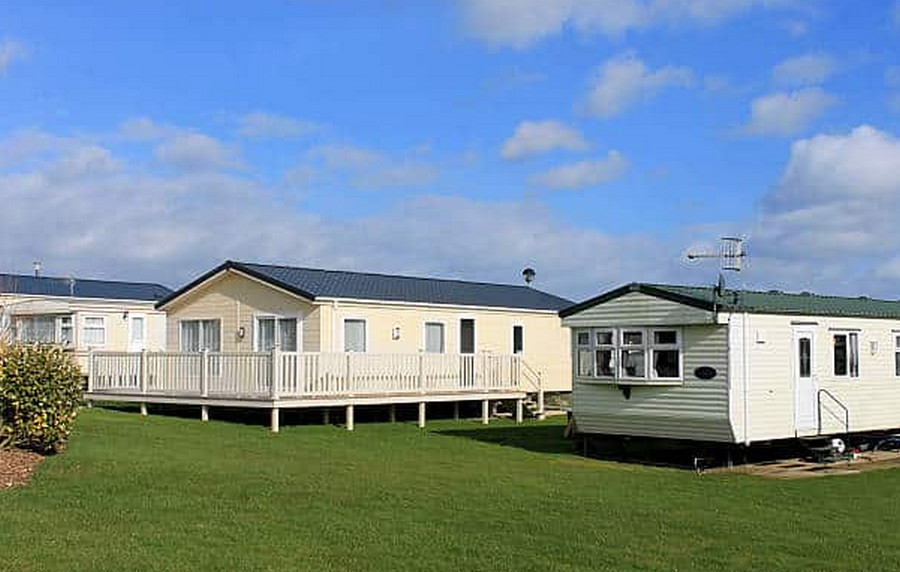
    costs of buying a repo mobile home

    Why Watch Out for the Hidden Costs of Buying a Repo Mobile Home?

    At first glance, a repo home can seem like a perfect fit. The price is low, and the home may still be in good condition. Still, it’s important to dig deeper. A well-priced home today might cost more tomorrow due to hidden fees and repair needs.

    Let’s look at the hidden costs of buying a repo mobile home that many buyers overlook.

    Common Hidden Costs to Expect

    Even when the home looks move-in ready, several expenses could follow the purchase. Below are the most common ones:

    1. Repairs and Renovations

    Most repo homes are sold as-is. This means the seller will not fix any issues. A home inspection helps, but unexpected problems can still show up.

    • Roof leaks
    • Plumbing issues
    • Damaged flooring
    • HVAC replacements

    You may need to budget thousands of dollars for these fixes, especially if the home sat empty for a while.

    2. Utility Hookups

    If the home was disconnected from utilities, getting services back will cost money. These can include:

    • Reconnecting water and sewer lines
    • Setting up electricity
    • Installing gas service

    This adds up quickly if you’re moving the mobile home to a new location.

    3. Site Preparation

    Before placing your new home on a lot, the land needs to be ready. This can mean:

    • Land clearing
    • Grading
    • Laying a proper foundation
    • Building driveways or access paths

    Even if you own land, preparing it can be a big task.

    4. Transportation Fees

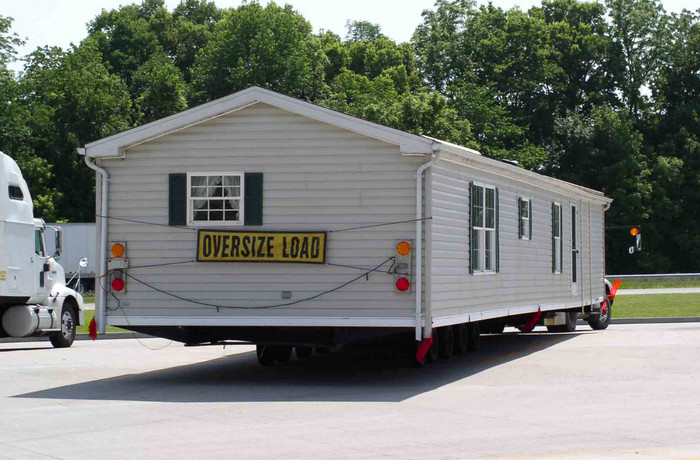
    Most repo homes need to be transported. Moving a mobile home is not cheap. You’ll need to pay for:

    • Disconnection
    • Permits
    • Transport crew
    • Reconnection at the new site

    Transportation may cost anywhere from $3,000 to $10,000, depending on distance and setup.

    5. Title Transfer and Legal Fees

    Every state requires a title transfer. That process often includes:

    • Notary services
    • State fees
    • Legal documents

    Some areas may ask for back taxes or lien settlements before the title gets transferred.

    Extra Costs You Might Not Expect

    Even beyond the basics, the hidden costs of buying a repo mobile home can pop up in other places. These include:

    • Insurance premiums (usually higher than for site-built homes)
    • Community fees (if the home sits in a mobile home park)
    • Monthly lot rent (can be several hundred dollars)
    • Permits and inspections (local governments may require approvals)

    Keeping track of these ahead of time helps you avoid surprises.

    Tips to Minimize the Hidden Costs of Buying a Repo Mobile Home

    There are smart ways to reduce your spending. Use these tips to stay ahead:

    • Hire a home inspector to check every detail of the home.
    • Get multiple transport quotes before agreeing to move home.
    • Buy from a trusted dealer who will be upfront about the home’s condition.
    • Ask for a full history of the home, including past repairs and any liens.

    You don’t have to rush. Take your time reviewing everything before committing.

    Negotiating the Price Helps, Too

    Even with added costs, repo homes can still be great deals. Here’s how to lower your final price:

    • Compare several similar homes in the area.
    • Use your inspection report as leverage to ask for a price cut.
    • Be honest about what you’re willing to spend.
    • Offer to close quickly in exchange for a discount.

    A few smart moves here can save thousands in the long run.

    Benefits Still Outweigh the Risks

    Despite the hidden costs of buying a repo mobile home, the rewards remain strong. These homes offer a low-cost path to ownership. For many people, the savings are worth the work. With a bit of planning, the hidden costs won’t be a deal-breaker.

    Bullet Recap: Hidden Costs Checklist

    Here’s a quick list of possible hidden costs:

    • Repairs and maintenance
    • Utility reconnections
    • Title transfer and taxes
    • Transportation and setup
    • Insurance and community fees

    Always budget 15% to 25% extra beyond the listed price to cover these.

    FAQ: Hidden Costs of Buying a Repo Mobile Home

    1. What is a repo mobile home?
      It’s a mobile home taken back by a lender after the owner defaults on payments.
    2. Are repo mobile homes cheaper?
      Yes, they often cost less than new or resale mobile homes.
    3. What are common hidden costs?
      These include repairs, utility setup, transport, title transfer, and taxes.
    4. Do I need to move the repo home?
      Usually, yes. You’ll pay for transportation unless it stays in place.
    5. How much does moving a mobile home cost?
      It can cost $3,000 to $10,000, depending on the location and size.
    6. Should I hire a home inspector?
      Absolutely. This helps you find hidden problems before you buy.
    7. Are there extra taxes?
      Yes, especially if back taxes are owed on the home.
    8. Will I need insurance?
      Yes, mobile home insurance is necessary and may cost more than traditional home insurance.
    9. Can I live in a repo home right away?
      Not always. You may need repairs and utility setup first.
    10. Are repo homes a good investment?
      Yes, if you’re prepared for the hidden costs and do your homework.


    See Also:

  • Do You Need a Mortgage to Buy a Mobile Home?

    You may need a mortgage to buy a mobile home, depending on how the home is classified. Some mobile homes qualify for traditional financing, while others require alternative loan options. Understanding your choices helps you secure the best funding.

    When Do You Need a Mortgage to Buy a Mobile Home?

    A mortgage applies if the mobile home is permanently attached to land and meets certain requirements. If the home is not fixed to a foundation, lenders may not offer a standard mortgage.

    Factors That Determine Mortgage Eligibility:

    • Home Classification – The home must be classified as real property, not personal property.
    • Permanent Foundation – The mobile home should be attached to land with a secure foundation.
    • Title Status – The home’s title must be converted from personal property to real estate.
    • Loan Amount – The home must meet the lender’s minimum loan requirements.

    Do You Need a Mortgage to Buy a Mobile Home

    Loan Options for Buying a Mobile Home

    If a mortgage is not available, there are other ways to finance a mobile home. Lenders offer different options based on the home’s classification and your financial status.

    Common Financing Choices:

    • Conventional Mortgages – Available if the home is permanently attached to land.
    • FHA Loans – Government-backed loans with lower down payment requirements.
    • Chattel Loans – Used for mobile homes classified as personal property.
    • Personal Loans – An option for buyers who do not qualify for traditional financing.
    • VA Loans – Available for eligible veterans purchasing mobile homes.

    How to Qualify for a Mortgage to Buy a Mobile Home

    Lenders set specific requirements for mobile home mortgages. Meeting these conditions improves approval chances.

    Typical Mortgage Requirements:

    • Credit Score – Higher scores increase loan approval chances and lower interest rates.
    • Down Payment – Some loans require at least 5-10% of the home’s value.
    • Debt-to-Income Ratio – Lenders check income stability and debt obligations.
    • Property Standards – The home must meet safety and construction guidelines.
    • Land Ownership – Some lenders require ownership of the land under the home.

    Advantages and Disadvantages of Using a Mortgage

    A mortgage provides benefits but also has some limitations. Weighing both helps in making the right decision.

    Benefits of a Mortgage:

    • Lower Interest Rates – Traditional mortgages often have better rates than personal loans.
    • Longer Repayment Terms – Monthly payments may be lower due to extended loan terms.
    • Opportunity to Build Equity – Owning a home with a mortgage helps increase long-term value.

    Drawbacks of a Mortgage:

    • Strict Requirements – Lenders enforce credit, income, and home classification rules.
    • Closing Costs – Borrowers pay fees for loan processing and legal documentation.
    • Risk of Foreclosure – Missing payments can lead to losing the home.

    Alternative Ways to Buy a Mobile Home Without a Mortgage

    If a mortgage is not an option, there are other ways to secure financing.

    Other Funding Methods:

    • Rent-to-Own Agreements – Buyers make monthly payments that go toward ownership.
    • Seller Financing – The seller provides a payment plan without a traditional lender.
    • Mobile Home Loans – Specialized lenders offer loans tailored for mobile homes.
    • Credit Union Financing – Some credit unions provide flexible terms for mobile home buyers.

    Steps to Secure the Right Loan for a Mobile Home

    Choosing the best financing option requires research and preparation. Follow these steps to improve approval chances.

    Key Steps:

    • Check Credit Report – Ensure there are no errors that could impact loan approval.
    • Determine Home Classification – Confirm whether the home qualifies as real or personal property.
    • Compare Loan Offers – Review interest rates and terms from multiple lenders.
    • Gather Required Documents – Have proof of income, identification, and home details ready.
    • Understand Loan Terms – Review all conditions before signing any agreement.

    What Happens If You Can’t Get a Mortgage?

    If mortgage approval is not possible, consider other ways to buy a mobile home. Some buyers use personal savings or alternative financing.

    Backup Options:

    • Save for a Larger Down Payment – A higher down payment can improve loan chances.
    • Improve Credit Score – Paying off debts and correcting errors can raise credit scores.
    • Seek a Co-Signer – A co-signer with strong credit can help secure loan approval.
    • Look for Lower-Priced Homes – Buying a more affordable home reduces loan needs.

    Final Thoughts on Mortgage to Buy a Mobile Home

    A mortgage to buy a mobile home is possible under specific conditions. If the home meets lender requirements, traditional financing is an option. When a mortgage is not available, other financing solutions can still make ownership possible. Researching loan options ensures the best financial decision for your situation.


    See Also:

  • How to Buy a Mobile Home with No Money Down

    You can buy a mobile home with no money down by finding the right financing options. Many lenders and programs offer solutions to help buyers with little to no upfront cash.

    Ways to Buy a Mobile Home with No Money Down

    Finding a mobile home loan without a down payment is possible. Here are some ways to achieve this goal:

    • USDA Loans – If the home is in a rural area, you may qualify for a zero-down loan.
    • VA Loans – Veterans and active-duty military members can use VA loans for mobile homes.
    • FHA Loans with Down Payment Assistance – Some FHA-approved lenders offer help to cover down payments.
    • Seller Financing – Some sellers allow direct payments without requiring a bank loan.
    • Rent-to-Own Agreements – These contracts let you apply rent payments toward ownership.

    Checking different loan programs can help you find the best option.

    How to Buy a Mobile Home with No Money Down

    Government-Backed Loans for No Money Down

    Several government-backed loans allow buyers to purchase mobile homes with no money down. These loans offer flexible terms and lower credit score requirements.

    • USDA Loans – Available for rural mobile homes with land included.
    • VA Loans – Zero down payment for eligible military members and veterans.
    • FHA Loans – Some lenders provide down payment assistance with FHA-insured loans.
    • Chattel Loans – These work for mobile homes not attached to land.

    Applying for these programs can reduce upfront costs and make homeownership more accessible.

    How to Improve Loan Approval Chances

    Lenders consider several factors before approving a no-money-down loan. Strengthening your financial profile increases the likelihood of approval.

    • Improve Your Credit Score – Higher scores lead to better loan terms.
    • Reduce Outstanding Debt – Lower debt-to-income ratios make lenders more confident.
    • Show Stable Income – Regular earnings demonstrate your ability to make payments.
    • Find a Co-Signer – A co-signer with good credit can help secure a loan.

    Taking these steps improves loan options and increases approval chances.

    Private Lender and Seller Financing Options

    Not all mobile home purchases require traditional bank loans. Private lenders and sellers offer flexible financing options.

    • Seller Financing – Sellers may allow buyers to pay directly over time.
    • Buy Here, Pay Here Dealers – Some mobile home dealers finance sales in-house.
    • Peer-to-Peer Lending – Borrowing from individuals may work for some buyers.
    • Credit Union Loans – Local credit unions often provide better loan terms.

    Exploring alternative financing can help you secure a mobile home with no money down.

    Rent-to-Own: A No Down Payment Option

    Rent-to-own agreements offer another path to mobile home ownership without upfront costs.

    • Part of Rent Goes Toward Purchase – Some landlords apply rent payments to the purchase price.
    • Live in the Home Before Owning – You can test the home before committing.
    • Flexible Terms – Some agreements adjust based on the buyer’s financial situation.

    Rent-to-own agreements help buyers secure a home while building financial stability.

    Why Choose The Mobile Home Dealer?

    The Mobile Home Dealer helps buyers find affordable homes with flexible financing. They specialize in connecting buyers with no-money-down options.

    • Extensive Inventory – Find homes that match your needs and budget.
    • Financing Assistance – Get help applying for loans with no down payment.
    • Experienced Team – Work with professionals who understand the buying process.
    • Transparent Pricing – Avoid hidden fees and surprises.

    Working with The Mobile Home Dealer simplifies the buying process and helps you secure a home faster.

    Steps to Buy a Mobile Home with No Money Down

    Follow these steps to find and finance a mobile home without a down payment.

    1. Check Loan Options – Research USDA, VA, FHA, and private loans.
    2. Improve Your Credit – Pay off debts and increase your credit score.
    3. Find a Suitable Mobile Home – Work with dealers or private sellers.
    4. Apply for Financing – Submit applications to lenders or negotiate seller financing.
    5. Review Loan Terms – Understand interest rates and repayment schedules.
    6. Finalize the Purchase – Sign contracts and complete the transaction.

    Taking these steps ensures a smooth buying process with no upfront costs.

    Final Thoughts

    Buying a mobile home with no money down is possible with the right approach. Loan programs, seller financing, and rent-to-own agreements offer paths to ownership. The Mobile Home Dealer can help buyers find the best financing options and simplify the process.


    See Also:


  • Hidden Costs to Consider When Purchasing a Mobile Home

    Purchasing a mobile home can seem like an affordable alternative to traditional homeownership, but it comes with hidden costs. Many buyers focus on the initial price, but overlooking additional expenses can lead to unexpected financial strain. This guide helps you navigate the hidden costs of buying a mobile home.

    1. Land and Lot Fees

    One of the most significant hidden costs involves the land or lot fees. These fees can add up quickly if you purchase a mobile home that requires renting land in a park.

    • Monthly lot rent: In mobile home parks, you will pay monthly rent for the land your home occupies.
    • Costs vary: Rent can range from $200 to $1,000, depending on location, amenities, and park rules.
    • Not included in mortgage: Lot rent is separate from your mortgage payment and may increase over time.

    2. Insurance Costs

    Mobile home insurance is often more expensive than traditional homeowners insurance. You must protect your home and its contents, especially in hurricane-prone areas like Florida.

    • Insurance policies: Mobile home policies typically cover the home structure, personal property, and liability.
    • Premium costs: Insurance premiums can range from $300 to $2,000 annually, depending on coverage and location.
    • Flood insurance: Additional flood insurance may be required, especially in flood-prone areas.

    mobile home hidden costs

    3. Maintenance and Repairs

    Mobile homes require maintenance to keep them in good condition. Many people need to pay more attention to the ongoing costs of repairs and upkeep.

    • Roof maintenance: Mobile home roofs are often flat or low-pitched, requiring regular inspections and maintenance.
    • Plumbing and electrical: Older homes may require updates to meet modern standards.
    • Foundation repairs: Mobile homes can shift over time, so you may need foundation repairs to prevent structural damage.

    4. Utilities and Energy Costs

    Utility costs vary widely based on your mobile home’s size, age, and location. Older mobile homes often have inefficient insulation, leading to higher energy bills.

    • Heating and cooling: Poor insulation can lead to higher heating and cooling costs, especially in extreme climates.
    • Electricity and water: Utility rates can increase depending on your local provider.
    • Water and sewer: Some parks charge for water and sewer services, while others include them in lot fees.

    5. Financing Costs

    Financing a mobile home is not always straightforward, and interest rates tend to be higher than traditional homes.

    • Higher interest rates: Mobile home loans usually have higher interest rates because lenders consider them riskier investments.
    • Loan term: Loan terms for mobile homes tend to be shorter than for traditional mortgages, which means higher monthly payments.
    • Down payment: You may need to make a larger down payment, mainly if the home is older or in a park.

    6. Property Taxes

    While mobile homes are generally less expensive than traditional homes, they are still subject to property taxes.

    • Tax assessments: Property taxes are based on the home’s value, which can fluctuate over time.
    • Local tax rates vary depending on the county or municipality, and some areas have higher property tax rates than others.
    • Tax increases: Be prepared for annual increases, which can impact your budget.

    7. HOA or Park Fees

    Many mobile home parks charge homeowners additional fees for amenities and services. These fees are often overlooked but can add significant costs.

    • Monthly park fees: Parks may charge fees for maintenance, security, or amenities like a clubhouse or pool.
    • Homeowner’s association (HOA): Some mobile home communities are governed by an HOA, which may charge monthly or annual fees.
    • Fee increases: These fees can increase over time, sometimes unexpectedly.

    8. Moving and Setup Costs

    If you purchase a mobile home that needs to be moved, you will incur additional expenses for transport and setup.

    • Transporting the home: The cost of moving a mobile home varies depending on its size and distance.
    • Setup costs: After the home is moved, you may need to pay for setup, including leveling, foundation work, and utility hookups.
    • Special permits: Some areas require permits for moving mobile homes, adding additional costs.

    9. Depreciation

    Unlike traditional homes, mobile homes tend to depreciate over time. This means the value of your investment may decline faster than you expect.

    • Declining value: Mobile homes generally lose value, especially as they age.
    • Market fluctuations: Local market conditions can impact the resale value of your home.
    • Financing challenges: Depreciation makes refinancing or selling your mobile home harder for a profit.

    10. Home Inspection Costs

    Before purchasing a mobile home, inspecting it to avoid hidden issues is wise. The cost of a professional home inspection is an additional upfront expense.

    • Inspection fees: Home inspection costs for mobile homes typically range from $300 to $500.
    • Potential repairs: An inspection may uncover foundation problems, plumbing leaks, or electrical hazards that need repair.
    • Negotiating repairs: You may need to negotiate the cost of repairs with the seller or adjust your offer.

    11. Upgrades and Customization

    To personalize your mobile home, be prepared for additional costs. Many buyers need to pay more attention to the price of upgrades or renovations.

    • Interior upgrades: Customizing interiors with new flooring, appliances, or paint can be costly.
    • Outdoor upgrades: If you own the land, add a deck, landscaping, or a fence.
    • Modernization: Older mobile homes may need to be updated to meet current standards or improve energy efficiency.

    12. Insurance Gaps

    While mobile home insurance covers certain aspects of the home, some areas might be excluded.

    • Personal property coverage: Not all policies cover personal belongings inside the mobile home, so you may need renter’s insurance.
    • Flooding or storm damage: Mobile homes are more vulnerable to weather damage, and standard insurance may not cover flooding or storms.
    • Additional coverage: You may need specialized coverage for extreme weather or other risks.

    13. Unforeseen Costs During Ownership

    Owning a mobile home comes with unexpected costs. Over time, issues may arise that were not initially apparent.

    • Repairs from wear and tear: As mobile homes age, they require more frequent repairs.
    • Replacement parts: Finding replacement parts for older mobile homes can be difficult and expensive.
    • Increased maintenance needs: Over time, wear and tear can require ongoing maintenance, increasing expenses.

    Conclusion

    While mobile homes offer affordability, they come with many hidden costs. It’s important to consider all expenses beyond the purchase price to avoid financial surprises. From land fees and insurance to maintenance and repairs, these costs can add up quickly. By understanding and preparing for these expenses, you can make a more informed decision when purchasing a mobile home. Always budget for the long-term costs to ensure your mobile home remains a wise investment.


    See Also:


  • Common Problems Faced by Mobile Home Owners in Florida and How to Solve Them

    Owning a mobile home in Florida offers many benefits, such as affordability and flexibility. However, mobile home ownership also comes with its own set of unique challenges. From weather-related issues to maintenance concerns, mobile homeowners in Florida must be prepared to address these problems effectively. 

    mobile home problems

    1. Hurricane and Storm Damage

    Problem: Florida is known for its hurricane season, which runs from June to November. Mobile homes are particularly vulnerable to hurricane and storm damage due to their lighter construction and the fact that they are often not anchored as securely as traditional homes. High winds, heavy rains, and flooding can cause significant damage, including roof destruction, water damage, and even the total loss of the home.

    Solution: To protect your mobile home from hurricane and storm damage, take the following steps:

    • Install Hurricane Shutters: These can protect your windows from flying debris and reduce the risk of breakage during a storm.
    • Secure Your Home with Tie-Downs: Properly installed tie-downs can anchor your mobile home to the ground, making it more resistant to high winds. Check the condition of existing tie-downs regularly and replace any worn or damaged ones.
    • Elevate Your Home: If your mobile home is flood-prone, consider elevating it above the base flood elevation. This can help prevent water from entering your home during a storm surge or heavy rainfall.
    • Purchase Hurricane Insurance: Standard mobile home insurance may not cover all types of storm damage. Consider purchasing additional hurricane coverage to ensure your home is fully protected.
    • Prepare an Emergency Plan: Have an emergency plan, including evacuation routes, a list of emergency contacts, and a disaster supply kit. This will help you respond quickly and safely during a hurricane.

    2. Moisture and Mold Issues

    Problem: Florida’s humid climate can lead to moisture buildup inside mobile homes, which in turn can cause mold growth. Mold not only damages your home but can also pose serious health risks, including respiratory problems and allergic reactions.

    Solution: To prevent and address moisture and mold issues:

    • Improve Ventilation: Ensure your mobile home has adequate ventilation, especially in areas prone to moisture, such as the kitchen, bathroom, and laundry room. Use exhaust fans and consider installing a dehumidifier to reduce humidity levels.
    • Seal Leaks: Regularly inspect your home for leaks in the roof, windows, doors, and plumbing. Seal any leaks promptly to prevent moisture from entering your home.
    • Use Mold-Resistant Materials: When renovating or repairing your mobile home, opt for mold-resistant materials, such as drywall and paint. These can help reduce the risk of mold growth.
    • Clean and Dry Damp Areas: If you notice any water accumulation or damp areas, clean and dry them immediately. Mold can begin to grow within 24 to 48 hours, so prompt action is crucial.
    • Regular Inspections: Conduct regular inspections for signs of mold, especially in areas prone to moisture. If you find mold, clean it using a mixture of water and bleach or a commercial mold remover. If extensive mold growth occurs, consider hiring a professional mold remediation service.

    3. Skirting and Foundation Issues

    Problem: The skirting around a mobile home is essential for protecting the foundation and undercarriage from weather elements, pests, and debris. However, skirting can damage over time due to weather exposure, impact, or wear and tear. This can lead to heat loss, water damage, and pest infestations.

    Solution: To maintain the integrity of your mobile home’s skirting and foundation:

    • Regularly Inspect Skirting: Check your skirting for cracks, holes, or gaps. Repair any damage promptly to prevent water or pests from entering your home.
    • Install Ventilation Vents: Proper ventilation under the home helps prevent moisture buildup, which can lead to foundation problems. Ensure that your skirting has adequate vents and is not blocked.
    • Replace Damaged Sections: If parts of your skirting are severely damaged, replace them with new materials. Choose durable materials such as vinyl or metal that can withstand Florida’s climate.
    • Insulate the Foundation: Proper insulation around the foundation can help regulate temperature and prevent moisture problems. Consider adding insulation if your mobile home lacks insulation or is damaged.
    • Maintain Proper Drainage: Ensure water drains away from your mobile home rather than pooling around the foundation. This can be achieved by grading the soil around your home and installing gutter systems to direct rainwater away.

    4. Roof Maintenance and Leaks

    Problem: Mobile home roofs are susceptible to damage from the sun, wind, rain, and debris. Over time, this can lead to leaks, which can cause water damage, mold growth, and structural issues.

    Solution: To maintain your mobile home’s roof and prevent leaks:

    • Regular Roof Inspections: Inspect your roof at least twice a year, especially after severe weather events. Look for signs of damage, such as cracked or missing shingles, rust on metal roofs, or sagging areas.
    • Clean Gutters and Downspouts: Clogged gutters and downspouts can pool water on the roof, increasing the risk of leaks. Clean them regularly to ensure proper drainage.
    • Seal Roof Seams and Joints: Mobile home roofs often have seams and joints that can become weak points for leaks. Use roof sealant or tape to reinforce these areas and prevent water intrusion.
    • Apply a Roof Coating: A protective coating to your roof can extend its lifespan and improve its resistance to weather damage. Elastomeric coatings are popular for mobile homes as they provide a waterproof barrier and reflect sunlight, reducing heat buildup.
    • Address Leaks Promptly: If you notice a leak, address it immediately to prevent further damage. Identify the source of the leak and make the necessary repairs, whether patching a hole, replacing shingles, or resealing joints.

    5. Pest Infestations

    Problem: Florida’s warm climate is ideal for various pests, including termites, ants, rodents, and insects. These pests can cause significant damage to your mobile home, from chewing through electrical wires to weakening the structure.

    Solution: To protect your mobile home from pests:

    • Seal Entry Points: Inspect your home for cracks, gaps, and holes that pests could use to enter. Seal these entry points with caulk or weatherstripping.
    • Keep the Area Clean: Maintain a clean environment both inside and outside your home. Remove food scraps, garbage, and debris that could attract pests.
    • Use Pest Control Products: Apply pest control products, such as insecticides, rodent traps, and termite treatments, around your home to deter pests. Follow the manufacturer’s instructions carefully to ensure safe and effective use.
    • Hire a Pest Control Professional: If you have a persistent pest problem, consider hiring a professional pest control service. They can identify the type of pests, assess the extent of the infestation, and provide targeted treatments to eliminate them.
    • Trim Vegetation: Keep trees, shrubs, and grass trimmed and away from your mobile home. Overgrown vegetation can provide a pathway for pests to enter your home.

    6. Electrical System Failures

    Problem: Electrical issues are a common problem in mobile homes, especially in older models. Faulty wiring, overloaded circuits, and outdated electrical panels can lead to power outages, short circuits, and even fires.

    Solution: To maintain a safe and reliable electrical system in your mobile home:

    • Inspect Electrical Wiring: Have a licensed electrician inspect your mobile home’s wiring, especially if it’s an older model. Replace any damaged or outdated wiring to prevent potential hazards.
    • Upgrade the Electrical Panel: If your electrical panel is outdated or unable to handle your current power needs, consider upgrading it. A modern panel can reduce the risk of overload and improve the overall safety of your electrical system.
    • Use Surge Protectors: Protect your appliances and electronics from power surges by using surge protectors. This is especially important in Florida, where lightning strikes are common.
    • Avoid Overloading Circuits: Be mindful of how many devices you plug into a single outlet or circuit. Overloading can cause overheating and increase the risk of electrical fires.
    • Regular Maintenance: Perform regular maintenance on your electrical system, including checking outlets, switches, and circuit breakers. If you notice any issues, such as flickering lights, buzzing sounds, or tripped breakers, address them immediately.

    Conclusion

    Owning a mobile home in Florida comes with its share of challenges, but with proper maintenance and proactive measures, you can address these common problems effectively. By staying vigilant, investing in necessary upgrades, and seeking professional help, you can ensure your mobile home remains a safe, comfortable, and enjoyable place to live. Regular inspections, timely repairs, and a commitment to protecting your home from the unique risks posed by Florida’s climate will help you make the most of your mobile home ownership experience.


    See Also:


  • Is Buying a Mobile Home a Good Option for Newlywed Couples?

    Deciding on the ideal housing option for newlyweds involves carefully considering financial, practical, and lifestyle factors. While traditional choices like renting or purchasing a house are common, buying a mobile home presents a unique opportunity that may appeal to newlywed couples seeking affordability, flexibility, and independence. This article explores whether buying a mobile home is a good option for newlywed couples, examining the benefits, considerations, and potential drawbacks of this housing choice.

    buying a mobile home

    Affordability and Lower Costs

    Affordability is one of the primary attractions of buying a mobile home for newlyweds. Mobile homes generally cost less than traditional houses, making them accessible to young couples navigating student loans, starting careers, or saving for future goals. The lower upfront costs, including down payments and monthly mortgage payments, can ease financial strain compared to purchasing a conventional home.

    Building Equity and Investment

    Despite being a more affordable housing option, buying a mobile home allows newlyweds to build equity over time. Equity represents the portion of the property’s value that the homeowners truly own, which increases as mortgage payments are made and the home potentially appreciates. This aspect of homeownership offers a long-term financial benefit that renting cannot provide, serving as an investment in the couple’s future financial stability.

    Flexibility and Customization

    Mobile homes offer flexibility regarding location and customization, which can appeal to newlyweds looking to personalize their living space. Unlike renting, where modifications may be restricted, mobile homeowners can renovate, decorate, and upgrade their homes according to their preferences and budget. This flexibility allows couples to create a space that reflects their personalities and accommodates their evolving needs as they start their life together.

    Lower Maintenance and Operating Costs

    Maintaining a mobile home typically costs less than maintaining a traditional house. Mobile homes are often smaller and need more systems and components to maintain, reducing both time and expenses associated with upkeep. Additionally, utilities and property taxes for mobile homes tend to be lower than those for larger homes, contributing to affordability for newlywed homeowners.

    Community and Lifestyle Considerations

    Choosing a mobile home can impact a couple’s community and lifestyle. Many mobile home parks offer community amenities such as recreational facilities, social events, and shared spaces. This environment can particularly appeal to newlyweds seeking a supportive community and opportunities to build relationships with neighbors. However, it’s essential to research and visit potential mobile home parks to ensure they align with the couple’s lifestyle preferences and expectations.

    Potential Drawbacks and Considerations

    While buying a mobile home offers several advantages, there are potential drawbacks and considerations that newlywed couples should weigh:

    • Resale Value: Mobile homes may depreciate over time, mainly if located in a park with aging infrastructure or restrictive rental agreements.
    • Land Ownership: Owning a mobile home typically does not include ownership of the land it sits on, necessitating renting a lot in a mobile home park or leasing land separately.
    • Financing Options: Securing financing for a mobile home purchase can be more challenging compared to traditional home loans, as mobile homes are considered personal property rather than real estate in some cases.
    • Future Plans: Consider whether a mobile home aligns with long-term plans, such as starting a family or advancing career opportunities that may require relocation.

    Conclusion

    Buying a mobile home can be a practical and financially advantageous choice for newlywed couples evaluating their housing options. Affordability, equity building, flexibility, and lower maintenance costs are significant benefits that appeal to couples starting their life together. However, it’s crucial to carefully weigh the unique considerations of mobile home ownership, including resale value, land ownership, financing challenges, and lifestyle preferences. By thoroughly researching options, visiting potential properties, and consulting with real estate professionals, newlyweds can make an informed decision that supports their financial goals and enhances their quality of life as they embark on this exciting new chapter together.


    See Also:

  • What Is The Offer Process For A Sarasota Mobile Home?

    Before we secure the mobile home for sale we first have to make sure that we have an accepted offer!

    But, how is that done?!

    We, here at The Mobile Home Dealer, follow a straightforward process that we have found to be as fair as possible for both the Buyer and Seller of the mobile home that is for sale.

    The first step we have to have done is a written offer. While we certainly can appreciate the excitement that a verbal offer provides when a Buyer takes a look at one of the mobile homes that we have under the listing contract, we cannot accept this. The reason for not accepting a verbal offer is that we want to always make sure there is a written record of exactly what was offered for the home, what was counter-offered, and what was finally agreed upon for the sale price of the mobile home.

    Having a written record of the entire transaction will help everyone involved see exactly how the purchase has progressed from the initial offer to the closing.

    After a written offer is made, for which we usually take all written offers via email, we then provide the written offer to the Seller to see if they want to accept the offer, counter offer or dismiss the offer as a whole.

    If the Seller decides to dismiss the written offer made by the Buyer then the offer process is over.

    If the Seller decides to counteroffer the Buyer then we will go back to the Buyer and let them know what the Seller requested to see if they want to accept, decline, or continue to counteroffer the Seller.

    mobile homes are selling
    Florida mobile home

    If the Seller accepts the written offer from the Buyer then we will notify the Buyer that they will then need to go forward and begin the process of getting the park approved within 24 hours of the accepted offer.

    Once we have an accepted offer we will then have to wait to get the Buyer approved by the park before they are able to move forward with giving the deposit for the home.

    The reason for this wait is that we, at The Mobile Home Dealer, are licensed bonded, and insured mobile home brokers with the state of Florida and we are not allowed to sell a mobile home to someone who is not park-approved.

    If we have an accepted offer and the Buyer is not approved then we can not sell them the home.

    If someone else comes forward and makes a written offer that is accepted and they have their park approval letter before the first Buyer is park approved then the second Buyer will be able to buy the home.

    The speed at which a Buyer makes a written offer gets it accepted and then gets approved by the park is of utmost importance because, at any time, there may be another Buyer that comes forward who is already park-approved and able to buy right away.

    Selling a mobile home can be complicated for many, especially those who don’t have proper knowledge of how to do it right. Doing it wrong could only complicate and lengthen the process.

    Selling your mobile home can be easy and quick if you’ll follow the essentials needed before selling it. Fix up all maintenance issues, consult professionals who know more about selling your mobile home, price your home at an acceptable rate, and plan everything before you post it for sale. Participating in online auctions, selling via a real estate broker, or advertising your mobile home online and offline are great ways to sell it fast.

    Marketing:

    So many times we see sellers not know how to market their home correctly and, as such, are stuck holding on to their property longer than anticipated. Or, worse yet, they take a lower offer on their home than what they could have gotten simply because they are taking the first and, oftentimes, the only offer that comes in the door. The less marketing that is done the fewer offers will present themselves.

    Any time of year is a great time to look for and sell a mobile home in and around the greater Sarasota Florida area.

    The reason for this is that folks are looking to move down to Florida all the time and are actively looking to purchase a safe, clean, and affordable home. This Buyer is not normally looking to buy only one or two times a year but, rather, year-round.

    The key to getting your mobile home sold all year round is to have the home priced correctly and marketed like crazy. Putting a For Sale sign in the front yard may get some calls but rarely will it provide a qualified Buyer. 

    Sun Shine RV Resort
    Sun Shine RV Resort

    Most snowbirds are looking for fun and are weighing their options between the current home they are renting and actually moving forward with the purchase of their own mobile home.

    With this understanding, we at The Mobile Home Dealer, feel that selling your mobile home any time of the year is the best time and not to hold out and gamble on a snowbird buying your mobile home right when they arrive or right before they look to leave.

    Deciding whether or not to put your mobile home for sale depends on several factors. In the first place, it is important to analyze in what situation is the sector; That is, if it is an optimal moment objectively speaking or if on the contrary, it is better to wait to see how the market evolves.

    Regardless of the above, each owner must carefully analyze what their economic and vital needs are. However, as we have said, it is a good time to put a mobile home for sale.

    As we have mentioned many times, the sales prices of mobile homes will continue to rise. Of course, within the limits considered normal, so, for now, experts discard a real estate bubble.

    This is Mark Kaiser with The Mobile Home Dealer and we help mobile home Buyers and Sellers get to a better place in life.

    See Also:

  • When is the Best Time to Buy a Mobile Home in Florida?

    Florida, the land of sunshine and sandy beaches, beckons those seeking a warm, affordable place to call home. One popular housing option in the Sunshine State is the mobile home. Mobile homes offer a cost-effective path to homeownership, but navigating the market to find the best deal requires strategic timing. So, when is the best time to buy a mobile home in Florida? This article delves into the factors that influence buying seasons and explores the pros and cons of purchasing a mobile home during different times of the year.Best Time to Buy a Mobile Home in Florida

    Weather’s Impact on Buying a Mobile Home in Florida

    Florida’s distinct seasons significantly impact the mobile home market. Understanding the influence of the weather can help you determine the optimal time to buy.

    • Spring (March-May): Spring in Florida offers pleasant weather, making it an attractive time to tour mobile homes. However, this coincides with peak tourist season, leading to increased competition from seasonal residents and full-time homebuyers. Due to higher demand, mobile home prices might be at their highest during this period.
    • Summer (June-August): Florida’s scorching summer heat can deter some potential buyers from actively searching for mobile homes. This can allow you to find motivated sellers willing to negotiate on price to avoid holding onto the mobile home during the hottest months. However, extreme heat can make inspecting a mobile home thoroughly uncomfortable, so be extra vigilant during summer viewings.
    • Fall (September-November): Fall offers a sweet spot for buying a mobile home in Florida. The weather becomes more temperate, making mobile home inspections more manageable. The peak tourist season has also subsided, leading to less competition from out-of-state buyers. This combination of factors can lead to a broader selection of mobile homes and potentially more attractive purchase prices.
    • Winter (December-February): Winter is Florida’s “high season” with ideal weather conditions. While this might seem like a perfect time to buy, it also coincides with the influx of snowbirds migrating south for the winter. This increased demand can drive up mobile home prices and make it more challenging to find the perfect deal.

    Beyond the Weather: Other Timing Considerations

    While weather plays a significant role, other factors influence the optimal time to buy a mobile home in Florida.

    • Holidays: Holidays like Thanksgiving, Christmas, and New Year’s can present opportunities for motivated sellers looking to close deals before the end of the year. Sellers might be more willing to negotiate on price during these periods to avoid holding onto the mobile home into the new year.
    • End of the Month/Quarter: Similar to holidays, the end of a month or quarter can be an excellent time to find deals on mobile homes. Salespeople or mobile home communities might be motivated to reach sales quotas and could be more open to negotiating prices to meet their targets.

    School Calendar: Families with school-aged children might prioritize buying a mobile home in a desirable school district. Consider the local school calendar when planning your mobile home search. Aim to buy outside peak moving times (typically around summer break) to avoid competition from other families seeking homes within specific school districts.

    Conclusion

    There’s no single “best” time to buy a mobile home in Florida. The optimal buying season depends on your priorities and risk tolerance. If you prioritize pleasant weather for viewings and are comfortable with potentially higher prices, spring or fall might be ideal. However, you might find better deals during the off-season if you’re budget-conscious and willing to brave the summer heat.

    By understanding how weather, holidays, and other factors influence the mobile home market in Florida, you can make informed decisions and find the perfect mobile home at a price that fits your budget. Remember, thorough research, being prepared to move quickly on good deals, and considering the long-term implications of your purchase are crucial elements in finding success in the Florida mobile home market. With the right timing and a strategic approach, you can make your dream of living in sunny Florida a reality.


    See Also:

  • Can You Get a Mortgage on a Mobile Home? Financing Options for Manufactured Homes

    While traditional stick-built houses are financed with mortgages, can you get a mortgage on a mobile home? The answer depends on the mobile home type and its location. For lenders, the key factor is whether the home is considered real property.

    This article explores the financing options available for manufactured homes, including those that qualify for traditional mortgages. We’ll also explore why some mobile homes aren’t eligible for mortgages and alternative financing solutions.

    can you get a mortgage on a mobile home

    Manufactured Homes vs. Mobile Homes: Understanding the Distinction

    Before diving into financing options, it’s crucial to understand the difference between manufactured homes and mobile homes. Though often used interchangeably, there’s a key distinction that impacts financing.

    • Manufactured Homes: Built in factories to federal building codes, these homes are generally placed on a permanent foundation and considered real property. They are often indistinguishable from traditional site-built homes and can be appreciated over time.
    • Mobile Homes: Built before June 1976, these homes don’t meet current federal building codes and typically sit on wheels. They are considered personal property and depreciate like vehicles.

    Financing Options for Manufactured Homes

    While traditional mortgages aren’t readily available for all manufactured homes, there are financing options to consider:

    1. FHA Loans: The Federal Housing Administration (FHA) offers Title I Property Improvement loans for manufactured homes meeting specific criteria. These loans can finance the purchase of a manufactured home and the land it sits on, provided the home meets FHA standards. Additionally, FHA Title II loans can finance existing manufactured homes that meet FHA requirements.
    2. VA Loans: Veterans Affairs (VA) loans are another option for veterans looking to finance a manufactured home. Similar to FHA loans, VA loans have specific requirements for the manufactured home and its land.
    3. USDA Loans: The United States Department of Agriculture (USDA) offers Rural Development loans for qualified manufactured homes in rural areas. These loans can be attractive due to lower down payment requirements and competitive interest rates.
    4. Conventional Mortgages: Can you get a mortgage on a manufactured home with a conventional loan? In some cases, yes. Freddie Mac and Fannie Mae, government-sponsored enterprises, offer loan programs for certain manufactured homes that meet their criteria. These homes must be permanently affixed to a foundation, meet specific size and age requirements, and be located on land owned by the borrower.
    5. FHA Streamline Loans: If you already own a manufactured home financed with an FHA Title I loan, you may be eligible for an FHA Streamline loan to refinance your existing mortgage with potentially lower interest rates or more favorable terms.
    6. Chattel Loans: Chattel loans are an option for manufactured homes not meeting the criteria for traditional mortgages. These loans are similar to car loans and are secured by the manufactured home, not the land. However, they typically have higher interest rates and shorter repayment terms than mortgages.

    Why Traditional Mortgages Aren’t Always Available for Mobile Homes

    There are a few reasons why traditional mortgages aren’t readily available for all mobile homes:

    • Depreciation: Unlike traditional homes that appreciate over time, mobile homes typically depreciate, making them less attractive to lenders.
    • Resale Value: Due to depreciation and their mobile nature, mobile homes can be harder to sell than traditional houses. This creates a risk for lenders if a borrower defaults on a mortgage.
    • Land Ownership: A manufactured home must be situated on land owned by the borrower to qualify for a traditional mortgage. Mobile homes located in mobile home parks, where the resident rents the land, are typically not eligible for mortgages.

    Final Thoughts

    While you can get a mortgage on a mobile home depending on the specific type of home and its situation, financing options are available for those looking to purchase a manufactured home. Exploring FHA loans, VA loans, USDA loans, and even conventional mortgages for qualifying manufactured homes can offer attractive financing terms.

    For mobile homes that don’t qualify for traditional mortgages, chattel loans provide an alternative, albeit with potentially higher interest rates. Ultimately, understanding the financing options available and the eligibility requirements for manufactured homes is crucial for making informed decisions when purchasing a non-traditional dwelling.


    See Also:


  • Why Consider Buying A Mobile Home In Florida?

    Why Consider Buying A Mobile Home In Florida? Are you or someone you know interested in moving to Florida?

    I imagine the answer to that question is yes, which is why you stumbled on this video in the first place!

    The manufacture and sale of prefabricated mobile homes have accelerated in the last five years, following a trend that began several decades ago. The reason is that mobile homes are much cheaper than conventional homes or an apartments, even costing 70% less per square foot.

    In addition, when new, they have the advantage of being transported to the park their owners want to move to.

    The growth of prefabricated mobile home sales demonstrates that the market is changing and accelerating. The public seeks more economical, environmentally respectful, and reliable alternatives, and mobile homes are perfect for this.

    Florida occupies the ninth position among the best US states to make summer trips along roads, despite the high gasoline prices, according to a report from the WalletHub personal finance portal. The so-called “Sunshine State” obtained a good score in 32 key metrics that Wallethub used to find the road destinations “more fun, panoramic and economic”, in addition to those who will make travelers make a fast-turning.

    The metrics cover the number of attractions, the conditions of the roads, the costs, the average price of gasoline, miles traveled, to nightlife options. Florida led in several attractions, was located in sixth place in terms of the lowest price of a three-star hotel room, and in seventh in nightlife options per capita.

    The United States offers thousands of possibilities for making a fun road trip. Undoubtedly, everyone’s most famous is that of the West Coast, but Florida is more and more a complete destination for a most entertaining road trip. If you ask yourself what to see in Florida beyond the famous thematic parks, keep reading because this might be why you should buy a mobile home in Florida.

    As a transplant to Florida myself, I can personally tell you that living down here for the past few years is something I wish I had done years before I finally made the decision to call The Sunshine State my home.

    One of the reasons I decided to move down to Florida years ago was the weather and the fun outdoor activities that the weather allows one to do year-round while they call this beautiful part of the country their home. The recent real estate buzz that the entire country is seeing is amplified that much more down here in Florida, where we tend to see more dramatic rises and falls in real estate prices than other common areas within the country.

    So, with interest rates still remaining low and real estate prices going higher and higher seemingly every day, where does that leave the person looking at purchasing a property in Florida for a reasonable price?

    Enter the world of mobile homes!

    Mobile homes are a fantastic, affordable option for those who are looking to call Florida home either permanently or for just a few months per year.

    Consider Buying A Mobile Home In Florida
    Pleasant Lake

    We at The Mobile Home Dealer specialize in selling mobile homes on leased land throughout the Gulf Coast of Florida. When we refer to leased land, we are referring to a transaction where the Buyer buys the mobile home and leases the land it resides on. This monthly lease payment for the land is called lot rent and is paid each month to the mobile home park where the home is located.

    I personally view this differently, as I look at it as a condo association does, as you are essentially getting the same thing you get when living in a condominium complex.

    These fees commonly cover the usage of the land and all of the resort-style amenities, for which there are several: your lawn care, your water bill, your sewer bill, your trash bill, and even sometimes your cable television bill!

    You really do get a lot of bang for your buck within a mobile home park just like living in a condo complex!

    When buying a mobile home on leased land, it is important to know that the dramatic rise and fall of real estate prices do not really affect this housing segment.

    Traditionally, the price you pay for the home is usually the price it will sell for a couple of years later.

    The good thing is that you do not see huge swings in price, so if you’re looking to buy now during a real estate craze you are not paying on an upswing, the bad thing is you are not buying an asset that appreciates all that much either.

    If you are looking for an affordable, carefree living experience in Florida and are frustrated with the current rise in real estate prices, I, for one, would invite you to consider a mobile home as your next housing purchase.

    The Mobile Home Dealer is a licensed mobile home broker in Sarasota, Florida, and the surrounding areas. We provide professional buy and sell assistance to our clients. If you have any questions, please get in touch with us by clicking this link. You may also visit our Facebook Page and send us a message.

    This is Mark Kaiser with The Mobile Home Dealer. We help mobile home Buyers and Sellers improve their lives.

    See Also:

Reset password

Enter your email address and we will send you a link to change your password.

Get started with your account

to save your favourite homes and more

Sign up with email

Get started with your account

to save your favourite homes and more

By clicking the «SIGN UP» button you agree to the Terms of Use and Privacy Policy
Powered by Estatik