A runner foundation for mobile home support gives stability and strength to the structure. It is one of the most common options used when setting up a mobile home.
This type of foundation includes two parallel concrete strips. These run the length of the mobile home and support the weight along both sides. Many mobile home owners choose this setup for its lower cost and simple construction.
If you are planning to set up a new home or move an existing one, this article helps explain why a runner foundation might be a great fit.
Benefits of a Runner Foundation for Mobile Home Owners
Many people choose runner foundations because they are practical and affordable. Here’s why they work well:
- Lower cost than full slab foundations
- Simple to install in many soil types
- Strong support along the main beams
- Easy access for future repairs under the home
- Meets code in most areas, depending on soil and frost lines
With proper setup, a runner foundation helps your home stay level and secure for many years. It also works well with mobile home skirting to protect the underside.
Because of its advantages, many installers recommend this type of base for single and double-wide homes.
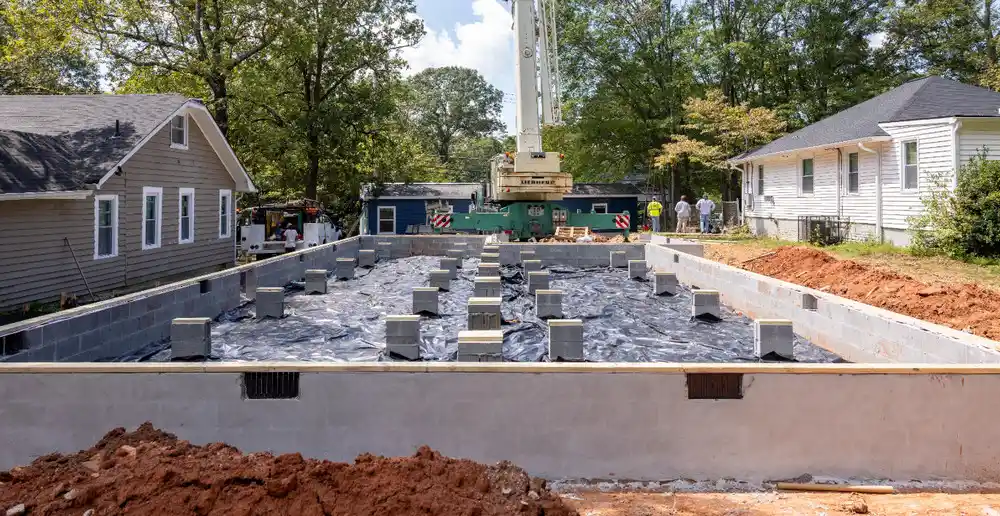
How a Runner Foundation Is Installed
The process is straightforward. Most licensed installers can complete it in just a few days.
Here’s what happens:
- Workers clear and level the site
- They dig trenches for the runners
- Concrete is poured into forms along the trenches
- Steel or wood beams are placed above the runners
- The mobile home is moved in and placed on piers or blocks
This setup gives your home a strong footing on both sides. Although the middle of the home is open, added blocks or footers can help support the center if needed.
Since this method is simpler than full slabs or basements, it saves time and labor.
Is a Runner Foundation Right for Every Mobile Home?
Not every site will work well for a runner foundation. Before you choose this type, it helps to check:
- Local building codes and zoning
- Frost depth and soil stability
- Slope and drainage of the lot
- Size and type of your mobile home
Runner foundations are more common in warmer states. In colder places, frost protection might require extra work. Still, even with added insulation or deeper trenches, it can be more affordable than full basements.
Always talk with a local installer. They will check your soil and city codes to help you make the right choice.
Common Materials Used in Runner Foundations
Several materials go into a runner foundation for mobile home support. Each one plays an important role in keeping your home stable.
These include:
- Concrete – Used for the long runners, it forms the main structure
- Steel – Rebar or mesh inside the concrete strengthens the runner
- Wood or metal beams – Support the mobile home above the runners
- Concrete blocks or piers – Used to support the beams and carry the weight
With the right materials, your foundation will last for decades with little maintenance.
Key Benefits of Mobile Homes on Runner Foundations
This type of setup helps protect your mobile home in several ways. Here are more benefits:
- Better air circulation under the home
- Simpler plumbing and electrical access
- Strong support in key areas
- Lower risk of settling when done right
Since air can move under the home, it helps prevent moisture problems. Plus, future repairs are easier because the area below is accessible.
When to Consider Other Foundation Types
While runner foundations work well in many places, some owners choose other options. These may include:
- Full concrete slabs
- Pier and beam setups
- Basement or crawl space foundations
You might need one of these if your area gets deep frost or if your lot has heavy clay soil. Still, most homeowners find a runner setup works just fine and meets all local codes.
Long-Term Care for Runner Foundations
Once your runner foundation is installed, very little work is needed to keep it in good shape.
Here are a few simple tips:
- Check for cracks or damage each year
- Make sure drainage pulls water away from the runners
- Look under the home after heavy storms
- Avoid heavy machinery near the foundation
If anything shifts or settles, a professional can make small adjustments. Since these changes are rare, many homeowners enjoy peace of mind.
What to Ask Before Installation
If you’re thinking about using a runner foundation for mobile home support, ask these questions first:
- Will this setup meet local zoning rules?
- Is my soil firm enough for concrete runners?
- How long will the installation take?
- Will this support my specific home size and weight?
- How does pricing compare to other options?
Asking early helps you avoid surprises later. It also helps you stay on budget.
FAQ: Runner Foundation for Mobile Home
- What is a runner foundation?
It’s two long concrete strips that support the weight of a mobile home. - Is it cheaper than other foundations?
Yes, it usually costs less than full slabs or basements. - Can you use it in cold states?
Yes, but it may need deeper runners and added insulation. - How long does it take to install?
Most crews finish in two to three days, depending on the weather. - Does it support double-wide homes?
Yes, with added center piers or supports. - Is a permit needed to install one?
Most cities require a permit. Check with your local office. - How long does it last?
Concrete runners can last 30 years or more with little care. - Can you move the home later?
Yes, homes on runners can be moved with the right equipment. - Do I need skirting with a runner foundation?
Skirting helps protect pipes and keeps animals out. It’s a smart choice. - Can I add tie-downs to a runner foundation?
Yes, tie-downs can be added for extra wind protection.
If you are setting up a mobile home and want a solid, affordable base, a runner foundation may be the right pick. It works well with many soil types and helps keep your home stable year-round. For help with selling or setting up your mobile home, visit The Mobile Home Dealer.
See Also:
