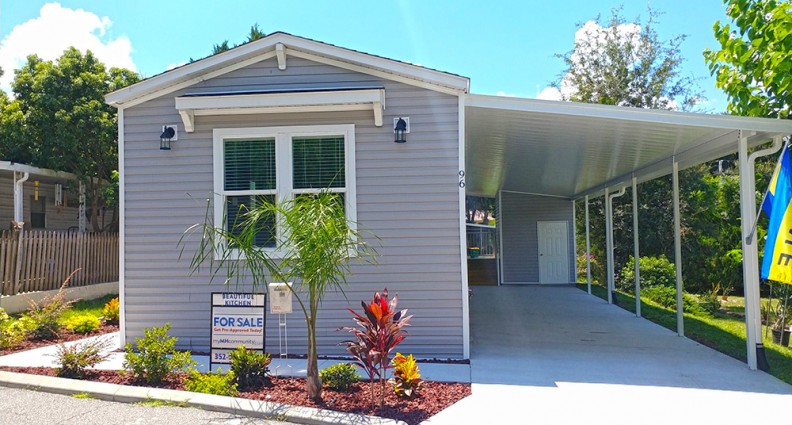
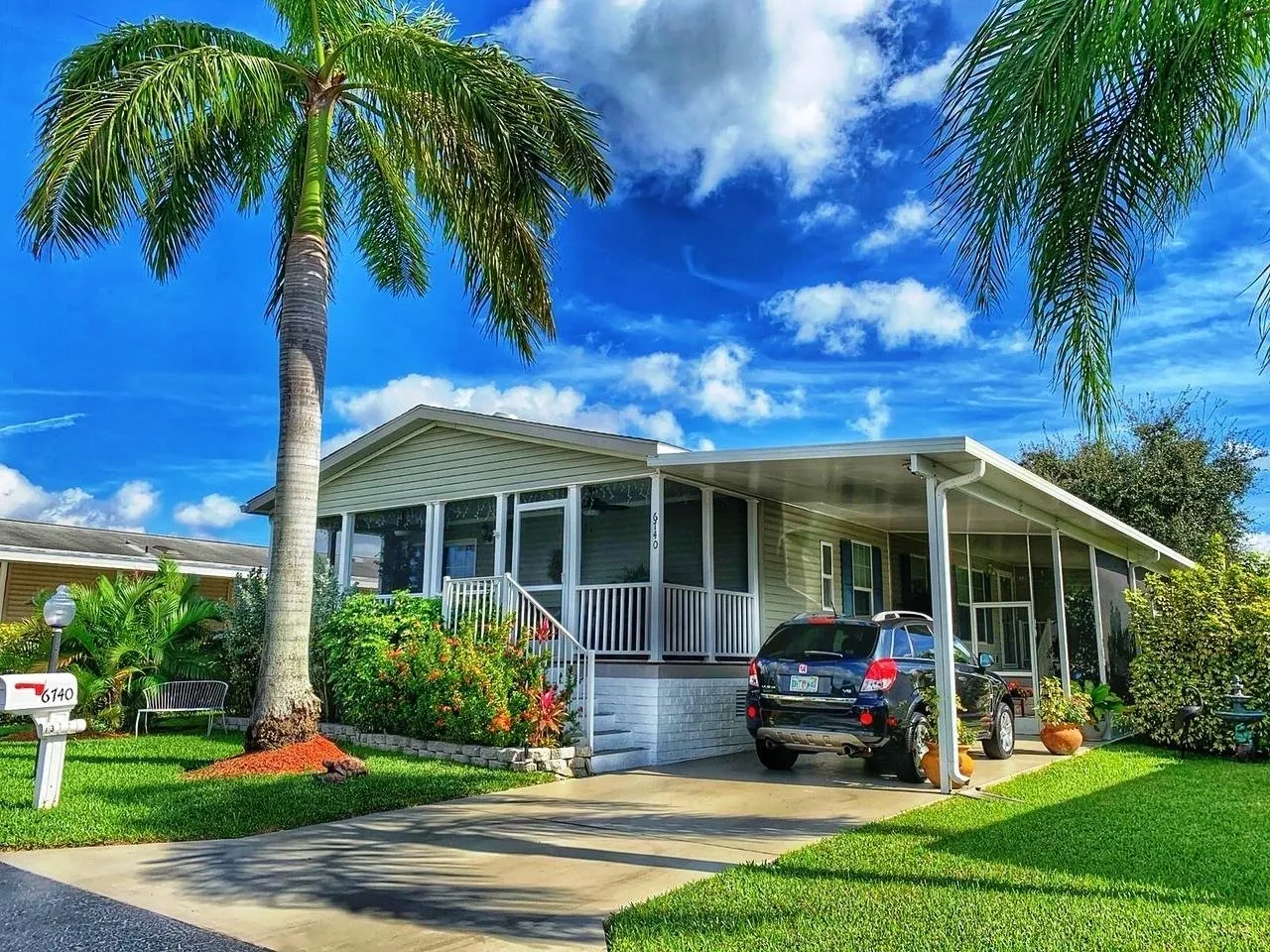
Tag: cheap mobile homes with land for sale in florida

  • Mobile Home Lots for Sale: Investing in the Right Property

    Finding the best mobile home lots for sale is an important step in owning or investing in a manufactured home. Choosing the right property impacts value, convenience, and long-term satisfaction. Whether purchasing for personal use or investment, understanding key factors ensures a smart decision.

    Benefits of Buying a Mobile Home Lot

    Owning a mobile home lot comes with several advantages. It provides security and flexibility compared to renting land.

    Key Benefits

    • Ownership stability – Avoid rent increases and lease limitations.
    • Customization – Modify landscaping and structures as desired.
    • Long-term investment – Land value often appreciates over time.
    • Potential rental income – Rent out space for extra revenue.

    Factors to Consider Before Purchasing

    Before purchasing mobile home lots for sale, research key aspects to find the best fit.

    mobile home lots for sale

    Location

    • Look for proximity to schools, work, and shopping.
    • Check local zoning laws and restrictions.
    • Ensure easy access to major roads and utilities.

    Lot Size and Layout

    • Confirm dimensions match home size requirements.
    • Consider space for parking, porches, and storage sheds.
    • Evaluate terrain and drainage to prevent flooding issues.

    Utilities and Infrastructure

    • Verify access to water, electricity, and sewage systems.
    • Look for lots with pre-installed utility connections.
    • Consider internet and cable service availability.

    Community Rules and Regulations

    • Some neighborhoods have restrictions on home size and design.
    • Homeowner associations may require fees and rule compliance.
    • Read community guidelines before purchasing.

    Types of Mobile Home Lots for Sale

    There are different types of mobile home lots available for purchase. Each option offers unique advantages.

    Private Land Lots

    • Offer complete ownership and flexibility.
    • Require personal maintenance and utility setup.

    Mobile Home Parks

    • Provide shared amenities like pools and clubhouses.
    • Often have monthly fees for services and upkeep.

    Co-op Communities

    • Residents collectively own the land.
    • Fees contribute to shared property maintenance.

    Steps to Buying a Mobile Home Lot

    Follow these steps to ensure a smooth purchasing process.

    1. Set a Budget

    • Determine a realistic price range.
    • Include additional costs like taxes and site preparation.

    2. Research Available Lots

    • Browse online listings for mobile home lots for sale.
    • Visit potential properties to assess suitability.

    3. Check Legal Requirements

    • Review zoning laws and building codes.
    • Ensure the land title is clear and free of disputes.

    4. Secure Financing

    • Explore loan options for land purchases.
    • Consider seller financing if available.

    5. Finalize the Purchase

    • Negotiate terms and complete paperwork.
    • Schedule a land survey before closing the deal.

    Investment Potential of Mobile Home Lots

    Buying mobile home lots for sale can be a profitable investment. Land value often increases, and rental demand remains strong.

    Ways to Generate Income

    • Renting lots – Lease to mobile homeowners for steady income.
    • Flipping land – Improve the property and resell at a higher price.
    • Developing parks – Invest in multiple lots for long-term returns.

    Common Mistakes to Avoid

    Avoiding these errors helps buyers make informed decisions:

    • Ignoring zoning laws – Ensure land use matches intended purpose.
    • Skipping inspections – Assess soil, drainage, and utility access.
    • Overlooking hidden fees – Budget for property taxes and maintenance.
    • Rushing into a purchase – Take time to compare options and negotiate.

    FAQ About Mobile Home Lots for Sale

    1. Can I place any mobile home on a lot?

    Zoning laws determine the types and sizes of homes allowed.

    2. Do mobile home lots appreciate in value?

    Land value often increases, especially in high-demand areas.

    3. Are mobile home parks a good investment?

    Yes, they provide rental income and community-based amenities.

    4. What should I check before buying a lot?

    Verify zoning laws, utilities, accessibility, and neighborhood restrictions.

    5. Can I finance a mobile home lot purchase?

    Yes, many lenders offer land loans for mobile home lots.

    6. Do I need homeowners insurance for a mobile home lot?

    Insurance is not required for land alone, but liability coverage is recommended.

    7. Can I build permanent structures on my mobile home lot?

    Some lots allow additional buildings, but check local zoning regulations.

    8. What utilities should I look for in a lot?

    Ensure access to water, electricity, sewage, and internet.

    9. How do I find mobile home lots for sale?

    Search online listings, visit real estate agencies, and check local advertisements.

    10. Are there tax benefits to owning a mobile home lot?

    Some areas offer tax deductions for land ownership and improvements.

    See Also:


  • Smart Tips for Buying Used Mobile Trailer Homes in Florida

    Finding affordable mobile trailer homes in the Sunshine State can open doors to homeownership. Let’s look at practical tips to help you make a good purchase decision.

    Location Matters: Where to Find the Best Deals

    Start your search in central Florida areas like Ocala or Lakeland. These regions offer many mobile home communities with lower prices. Check local real estate websites and visit communities directly. Look for parks near shopping centers, medical facilities, and public transportation.

    Checking Mobile Trailer Homes: Essential Inspection Points

    Before buying, inspect these key areas:

    • Roof condition and materials
    • Floor stability and potential water damage
    • Electrical system status and recent updates
    • Plumbing system function and pipe materials

    Smart Financial Planning

    Consider these costs when budgeting:

    • Monthly lot rent in mobile home parks
    • Insurance rates specific to mobile homes
    • Utility hookup fees and deposits
    • Property taxes based on location

    mobile trailer homes

    Age and Construction Quality

    Newer mobile trailer homes often have better building materials. Check the HUD certification tag on any home built after 1976. This tag proves the home meets federal safety standards.

    Weather Protection Features

    Florida’s weather demands good protection. Look for:

    • Hurricane straps and proper tie-downs
    • Impact-resistant windows
    • Good insulation ratings
    • Proper ventilation systems

    Legal Requirements and Documentation

    Get these papers ready:

    • Title search results
    • Property tax records
    • Insurance quotes
    • Park approval letters

    Smart Negotiation Strategies

    Research local mobile home prices first. Get several quotes from different sellers. Ask about included appliances and fixtures. Consider timing your purchase during off-peak seasons.

    Community Selection Tips

    Pick the right community by checking:

    • Park rules and restrictions
    • Monthly fees and what they cover
    • Community amenities and maintenance
    • Local crime rates and safety features

    Making the Purchase Official

    Work with professionals who know mobile homes. Use a real estate agent with mobile home experience. Get a qualified home inspector. Read all contracts carefully.

    Required Permits and Licenses

    Check local requirements for:

    • Moving permits if needed
    • Setup permits
    • Utility connection permits
    • Occupancy certificates

    Insurance Coverage

    Florida insurance rules need attention. Mobile homes need special coverage. Shop different insurance companies. Ask about hurricane and flood protection.

    Moving and Setup Costs

    Plan for these expenses:

    • Professional moving service fees
    • Site preparation costs
    • Utility connection charges
    • Setup and leveling fees

    Future Value Considerations

    Think about long-term value. Keep maintenance records. Make approved improvements. Follow community rules. Stay current with market trends.

    Regular Maintenance Tips

    Good care helps value. Clean gutters regularly. Check tie-downs yearly. Keep air conditioning serviced. Fix small problems quickly.

    Finding Good Help

    Build a service team:

    • Licensed mobile home movers
    • Certified repair technicians
    • Experienced inspectors
    • Mobile home insurance agents

    Final Purchase Steps

    Take these steps before closing:

    • Get everything in writing
    • Take detailed pictures
    • Save all inspection reports
    • Keep maintenance records

    With careful planning, buying a mobile home in Florida can lead to affordable homeownership. Take time with each step. Ask questions about anything unclear. Get professional help when needed. Make sure all paperwork stays organized.

    Remember these key points about mobile homes:

    • They offer affordable housing options
    • Many communities welcome new residents
    • Good maintenance keeps values steady
    • Professional help makes buying easier

    Follow these guidelines to find your ideal home. Take notes during visits. Compare different options. Keep good records. Stay patient during your search.

    Your new mobile home can become a great place to live. Pick good locations. Work with trusted professionals. Keep up with maintenance. Join community activities.

    Start your search today. Contact local agents. Visit different communities. Compare prices and features. Make smart choices based on facts.

    See Also:


  • Small Mobile Homes: Your Gateway to Affordable Florida Living

    The appeal of small mobile homes continues to grow as more people discover affordable living options in Florida. These compact dwellings bring smart solutions for anyone seeking a budget-friendly home in the Sunshine State.

    Cost Benefits of Mobile Home Living

    Living costs in Florida keep rising, but mobile homes offer a practical solution. A new mobile home costs 30-50% less than a traditional house. Monthly payments often stay under $1,000, including lot rent and utilities.

    Benefits include:

    • Lower property taxes save owners hundreds each year
    • Reduced maintenance costs make budgeting easier
    • Smaller utility bills help residents save money monthly
    • Insurance rates typically cost less than standard home policies

    small mobile homes

    Smart Solutions in Small Mobile Homes

    Modern small mobile homes pack amazing features into compact spaces. Builders now include smart storage solutions and multi-purpose areas. Open floor plans make these homes feel spacious and welcoming.

    Popular features include:

    • Built-in storage units maximize every corner
    • Sliding doors and movable partitions create flexible spaces
    • Energy-efficient appliances reduce monthly costs
    • Large windows bring in natural light

    Location Advantages in Florida

    Mobile home communities across Florida offer prime locations near beaches, shopping, and entertainment. Many parks provide amenities like:

    • Swimming pools and fitness centers
    • Community clubhouses for social events
    • Walking trails and green spaces
    • Organized activities and clubs

    Weather-Ready Construction

    Florida’s weather demands tough homes. Modern small mobile homes meet strict building codes. They withstand high winds and heavy rain. Quality materials and smart design protect against moisture and heat.

    Community Living Benefits

    Mobile home parks create friendly neighborhoods. Residents look out for each other and build lasting friendships. Regular social events bring neighbors together. Community rules keep properties neat and well-maintained.

    Financial Freedom Through Mobile Living

    Choosing a mobile home helps build savings. Lower costs mean more money for:

    • Travel and entertainment
    • Retirement savings
    • Emergency funds
    • Home improvements

    Managing a Mobile Home Purchase

    Buying a mobile home takes planning. Working with licensed dealers protects your investment. They help with:

    • Finding the right location
    • Checking park regulations
    • Understanding financing options
    • Arranging inspections

    Year-Round Outdoor Living

    Florida’s climate makes outdoor living possible all year. Small mobile homes often include:

    • Covered porches extend living space
    • Private gardens add beauty
    • Carports protect vehicles
    • Storage sheds keep tools handy

    Modern Amenities and Updates

    Today’s mobile homes include modern touches. Updates keep them current with housing trends. Popular additions include:

    • Smart home technology
    • Updated kitchens
    • Luxury bathrooms
    • Energy-saving features

    Making the Move Easy

    Moving to a mobile home needs planning. Start by:

    • Research different communities
    • Compare home styles and sizes
    • Check park rules and fees
    • Plan your moving timeline

    Long-Term Value

    Mobile homes keep their value with proper care. Regular maintenance protects your investment. Many owners see property values rise over time. Location and community quality affect resale prices.

    Getting Started

    Ready to explore mobile home living? Take these steps:

    • Visit different communities
    • Talk with current residents
    • Review your budget
    • Contact licensed dealers

    Small mobile homes bring affordable living to Florida. They create comfortable spaces without high costs. Smart designs and friendly communities make them attractive options. Consider joining the many happy mobile home owners enjoying Florida living.

    See Also:

  • Mobile Homes Rent to Own: A Path to Affordable Homeownership in Florida

    Mobile homes rent to own programs offer an accessible way for Floridians to achieve homeownership. This option combines affordability with flexibility, making it easier for buyers to secure a home. By leasing with the option to buy, renters can gradually work toward owning their mobile homes without a hefty upfront cost.

    1. How Rent-to-Own Mobile Homes Work

    Rent-to-own agreements allow tenants to lease a mobile home while working toward ownership. These contracts usually include a portion of the rent applied toward the eventual purchase price.

    Key features of rent-to-own agreements:

    • Option Fee: An initial payment secures the option to buy the home later.
    • Monthly Rent: Rent payments often include a portion credited toward the purchase.
    • Purchase Deadline: Agreements specify a timeline for completing the sale.

    This arrangement benefits renters by providing time to save money and build credit while living in the home.

    Mobile homes rent to own florida

    2. Advantages of Rent-to-Own Mobile Homes

    Rent-to-own agreements offer several benefits, especially for buyers with limited financial resources or credit challenges.

    Affordability

    • Lower upfront costs compared to traditional purchases.
    • Opportunity to lock in a purchase price, even if market rates rise.

    Flexibility

    • Time to decide if the home suits your needs.
    • Option to walk away if the agreement no longer fits your plans.

    Credit Building

    • Regular rent payments help demonstrate financial responsibility.
    • Time to improve credit before securing a mortgage.

    These advantages make mobile homes rent to own a practical path to ownership for many Floridians.

    3. Where to Find Mobile Homes Rent to Own in Florida

    Finding mobile homes rent to own in Florida is straightforward with the right tools and resources. Consider these options when starting your search.

    Online Listings

    Several platforms specialize in rent-to-own mobile homes:

    • Zillow: Filter search results to find rent-to-own opportunities.
    • MHVillage: Offers detailed listings, including rent-to-own options.
    • Facebook Marketplace: Connect with local sellers offering rent-to-own agreements.

    Mobile Home Parks

    Many mobile home parks in Florida offer rent-to-own options for new residents. Contact park managers to inquire about available homes and terms.

    Classified Ads

    Local newspapers and online classified sites like Craigslist often feature rent-to-own mobile homes. These listings allow buyers to negotiate directly with sellers.

    4. What to Consider Before Signing a Rent-to-Own Agreement

    Rent-to-own agreements can be beneficial, but it’s important to review all terms carefully. Ensure the contract aligns with your budget and goals.

    Key Points to Review

    • Option Fee Amount: Confirm the upfront payment is reasonable and applied toward the purchase.
    • Monthly Rent: Ensure the rent amount fits your budget, including the portion credited toward the purchase.
    • Maintenance Responsibility: Understand who handles repairs and upkeep during the lease period.
    • Purchase Price: Confirm the final price and whether it’s locked in or subject to change.

    By clarifying these terms, you can avoid surprises and ensure a smooth transition to ownership.

    5. Benefits of Mobile Home Living in Florida

    Florida’s climate and amenities make mobile homes an appealing choice. Rent-to-own options make it even easier to enjoy the benefits of living in the Sunshine State.

    Affordability

    • Mobile homes cost less than traditional homes, reducing monthly expenses.
    • Lower utility bills due to smaller living spaces.

    Convenient Locations

    • Many mobile home parks are close to beaches, shopping centers, and recreational areas.
    • Options available in rural settings or bustling communities.

    Community Living

    • Parks often include amenities like pools, clubhouses, and social events.
    • Opportunity to build connections with neighbors in a friendly environment.

    These advantages make mobile homes an attractive option for families, retirees, and seasonal residents.

    6. Steps to Successfully Buy a Mobile Home Through Rent-to-Own

    Navigating a rent-to-own agreement requires planning and attention to detail. Follow these steps to ensure a successful purchase.

    1. Set a Budget: Determine how much you can afford for the option fee and monthly rent.
    2. Inspect the Home: Check the condition of the home, including plumbing, electrical systems, and structure.
    3. Review the Contract: Understand all terms, including purchase deadlines and maintenance responsibilities.
    4. Save Regularly: Use the lease period to save for the final purchase or mortgage down payment.
    5. Track Payments: Keep records of rent payments applied toward the purchase price.

    These steps help you stay organized and prepared throughout the process.

    7. Common Questions About Rent-to-Own Mobile Homes

    Rent-to-own agreements can seem complex at first. Here are answers to common questions about these arrangements.

    Can I Back Out of the Agreement?

    Yes, but you may forfeit the option fee and payments credited toward the purchase.

    What Happens If I Miss a Payment?

    Missing payments could void the agreement. Communicate with the landlord if financial difficulties arise.

    Do I Need Good Credit to Qualify?

    Rent-to-own agreements often have more lenient credit requirements than traditional loans.

    Understanding these aspects ensures you make informed decisions about your housing options.

    8. Why Rent-to-Own is Ideal for First-Time Buyers

    Rent-to-own programs provide first-time buyers with an accessible path to homeownership. This option removes some of the barriers that often prevent buyers from purchasing a home outright.

    Financial Accessibility

    • Lower upfront costs reduce the financial burden on buyers.
    • Time to save for a down payment while living in the home.

    Gradual Transition to Ownership

    • Opportunity to test the home and location before committing.
    • Build equity during the lease period.

    These features make rent-to-own mobile homes a smart choice for those entering the housing market.

    9. Challenges to Watch Out For

    While rent-to-own agreements offer many benefits, they also come with risks. Be aware of potential challenges and plan accordingly.

    Unexpected Costs

    • Repairs or maintenance may fall on the tenant, depending on the agreement.
    • Additional fees for late payments or missed deadlines.

    Limited Flexibility

    • Breaking the lease may result in financial losses.
    • Long-term agreements can feel restrictive if your plans change.

    By understanding these risks, you can take steps to protect your investment.

    10. The Future of Rent-to-Own Mobile Homes in Florida

    Rent-to-own mobile homes provide a practical solution for affordable housing in Florida. With rising housing costs, these agreements offer a viable alternative for buyers seeking flexibility and affordability.

    Increased Accessibility

    • More communities and parks are offering rent-to-own options.
    • Sellers are becoming more open to flexible payment arrangements.

    Expanding Opportunities

    • Programs cater to diverse buyers, from retirees to young families.
    • Affordable housing initiatives support the growth of mobile home ownership.

    Rent-to-own mobile homes remain a popular choice for those seeking an affordable and attainable path to owning property in Florida.

    Conclusion

    Mobile homes rent to own programs offer a practical solution for affordable homeownership in Florida. These agreements allow buyers to secure housing while building toward ownership, all with lower upfront costs. By exploring listings, reviewing contracts, and planning ahead, you can achieve the dream of homeownership without breaking the bank. Start your search today and discover the benefits of rent-to-own living in Florida.

    See Also:

  • How to Navigate Mobile Homes for Sale by Owner in Florida

    If you’re considering mobile homes for sale by owner in Florida, you’re making a practical and cost-effective choice. Buying directly from an owner often eliminates extra fees, giving you a better deal. With the right approach, you can find the perfect mobile home while avoiding potential pitfalls.

    1. Benefits of Buying Mobile Homes for Sale by Owner

    Purchasing directly from an owner has several advantages. This process often simplifies negotiations and lowers costs.

    Key benefits include:

    • No Agent Fees: Save money by avoiding real estate commissions.
    • Direct Communication: Discuss details and negotiate terms directly with the owner.
    • Faster Transactions: Avoid waiting for third parties to complete paperwork.

    While buying from an owner has perks, it’s important to research and verify all details about the home.

    mobile homes for sale by owner in Florida

    2. Where to Find Mobile Homes for Sale by Owner

    Finding mobile homes for sale by owner in Florida is easier with the right resources. Start your search with these options.

    Online Platforms

    Online platforms make it simple to find homes in your preferred area. Popular websites include:

    • Craigslist: Browse local listings and contact sellers directly.
    • Facebook Marketplace: Connect with homeowners selling mobile homes nearby.
    • MHVillage: Find owner-listed mobile homes with detailed property descriptions.

    These platforms let you filter by location, price, and size, making your search efficient.

    Classified Ads

    Check classified ads in local newspapers or online directories. Many owners still use traditional methods to list their properties.

    Word of Mouth

    Ask friends, family, or coworkers for recommendations. They may know of someone selling a mobile home privately.

    3. Questions to Ask the Seller

    When buying directly from an owner, asking the right questions is critical. Clear communication ensures a smooth process.

    Important questions to ask:

    • Why are you selling the home?
    • What is the condition of the home?
    • Are there any outstanding loans or liens?
    • What repairs or maintenance have been completed recently?
    • What is included in the sale?

    Understanding these details helps you make an informed decision and avoid hidden surprises.

    4. Inspect the Home Thoroughly

    Inspecting the mobile home is a key step when purchasing from an owner. Look for issues that may require repairs.

    What to check:

    • Roof and Siding: Look for leaks, cracks, or visible damage.
    • Plumbing and Electrical: Ensure all systems work properly.
    • Floors and Walls: Check for soft spots, stains, or other damage.
    • Windows and Doors: Confirm they open, close, and lock securely.

    If possible, hire a professional inspector to assess the home for structural or mechanical issues.

    5. Understand the Community and Lot Terms

    Many mobile homes in Florida are located in parks or communities. Before buying, understand the terms and conditions of the lot.

    Questions to ask:

    • Is the lot included in the sale, or is it rented?
    • What are the monthly fees, if any?
    • Are there community rules or restrictions?
    • What amenities are available in the park?

    Knowing the community’s terms ensures there are no surprises after purchasing the home.

    6. Verify Ownership and Title

    Before finalizing your purchase, verify that the seller is the legal owner of the mobile home. This step is crucial to avoid potential legal complications.

    Steps to verify ownership:

    • Check the Title: Ensure it is clear of liens or outstanding loans.
    • Request Identification: Confirm the seller’s identity matches the name on the title.
    • Check Local Records: Verify the home’s ownership with the local county office.

    Completing these steps protects you from fraudulent transactions.

    7. Negotiate the Price

    One of the benefits of buying mobile homes for sale by owner is the ability to negotiate directly. Approach negotiations respectfully and be prepared to justify your offer.

    Tips for negotiation:

    • Research Comparable Prices: Look up similar homes in the area to understand market rates.
    • Point Out Repairs Needed: Use necessary repairs as leverage to negotiate a lower price.
    • Be Polite but Firm: Stay professional and express your interest in the home.

    Successful negotiations can save you money while ensuring both parties feel satisfied.

    8. Secure Financing

    If you need financing to purchase a mobile home, explore your options early. Many lenders offer loans specifically for mobile homes.

    Common financing options:

    • Personal Loans: Flexible loans through banks or credit unions.
    • Mobile Home Loans: Specialized loans for manufactured homes.
    • Seller Financing: Some owners may offer payment plans or rent-to-own agreements.

    Discuss financing terms with your lender to find the best option for your budget.

    9. Finalize the Sale

    Finalizing the sale requires careful attention to paperwork. Make sure all details are accurate before signing.

    Steps to finalize the sale:

    1. Sign a Bill of Sale: Document the terms and price agreed upon by both parties.
    2. Transfer the Title: Ensure the title is legally transferred into your name.
    3. Register the Home: Complete any required registration with your county or state.
    4. Pay Fees: Cover any applicable taxes, registration fees, or community transfer fees.

    Completing these steps ensures the sale is legally binding and protects your investment.

    10. Benefits of Buying Mobile Homes in Florida

    Mobile homes offer several benefits for buyers seeking affordable living in Florida. The state’s warm weather and diverse communities make it an attractive option.

    Reasons to consider mobile homes in Florida:

    • Affordability: Lower housing costs compared to traditional homes.
    • Flexibility: Many homes are located in parks with amenities and services.
    • Location Options: Choose from coastal areas, suburban neighborhoods, or quiet inland towns.

    These benefits make mobile homes a smart choice for retirees, families, and seasonal residents.

    Conclusion

    Mobile homes for sale by owner in Florida offer a cost-effective and convenient way to own property. By using online resources, asking the right questions, and inspecting the home thoroughly, you can secure a great deal. Take time to understand community terms, verify ownership, and negotiate confidently. With the right approach, you’ll find a mobile home that fits your needs and budget.

    See Also:

  • Florida Mobile Home Market Trends in 2025

    Florida’s mobile home market continues to grow, driven by demand for affordable housing and an influx of new residents. The Sunshine State’s unique climate, lifestyle, and cost-effective living make it a hotspot for mobile home buyers and renters. Here are the key trends shaping the mobile home market in 2025.

    Growing Demand for Affordable Housing

    Florida’s population is expanding rapidly, increasing demand for affordable housing options like mobile homes. High home prices and rental rates are pushing people toward mobile home living.

    Mobile homes provide an affordable alternative to traditional housing. They offer lower costs for both ownership and monthly living expenses. As inflation affects other housing options, mobile homes remain appealing for budget-conscious buyers.

    Florida mobile home market

    Increased Popularity Among Retirees

    Florida has long been a retirement destination, and mobile homes are a favorite choice for retirees. This trend is expected to continue in 2025.

    • Retirees prefer mobile homes for their affordability and low maintenance.
    • Many mobile home communities cater specifically to seniors, offering amenities like clubhouses, pools, and organized activities.
    • Florida’s warm climate and tax benefits for retirees add to the appeal.

    Eco-Friendly Mobile Homes on the Rise

    Sustainability, including mobile homes, is becoming a key factor in the housing market. In 2025, buyers will seek eco-friendly options.

    • Manufacturers are using recycled materials and energy-efficient designs to attract environmentally conscious buyers.
    • Solar panels, energy-efficient windows, and smart home features are becoming standard in new mobile homes.
    • Buyers see eco-friendly mobile homes as cost-effective and environmentally responsible.

    Technological Advancements in Mobile Homes

    Technology is transforming mobile homes, making them more modern and functional. In 2025, innovative features will be a significant trend.

    • Smart thermostats, lighting, and security systems are increasingly common in mobile homes.
    • Homebuyers appreciate the convenience and energy savings that technology provides.
    • Mobile home parks are upgrading to offer Wi-Fi and charging stations for electric vehicles.

    Shift Toward Long-Term Rentals

    Renting mobile homes will become more popular in 2025, especially among young professionals and families. Long-term rental demand is rising.

    • Renters see mobile homes as an affordable option compared to traditional apartments.
    • Long-term leases provide stability without the commitment of homeownership.
    • Mobile home parks are adapting to cater to renters by adding more amenities.

    Urbanization of Mobile Home Parks

    Mobile home parks in urban and suburban areas are gaining attention in 2025. These parks provide affordable housing near city centers.

    • Urban mobile home parks offer proximity to jobs, schools, and public transportation.
    • Developers are creating mixed-use parks with retail, dining, and recreational facilities.
    • Younger demographics are showing interest in urban mobile home living.

    Florida’s Regional Market Differences

    The mobile home market in Florida varies by region, with distinct trends shaping different areas in 2025.

    1. South Florida

    • South Florida sees high demand due to its vibrant cities and beaches.
    • Mobile home prices in this region are higher compared to other parts of Florida.
    • Many buyers here are seasonal residents or retirees seeking winter homes.

    2. Central Florida

    • Central Florida is attracting families and professionals with affordable prices and job opportunities.
    • This region is appealing because of proximity to Orlando’s attractions and growing cities like Lakeland.
    • Mobile home parks here offer diverse amenities and spacious layouts.

    3. North Florida

    • North Florida provides quieter living and lower costs, making it ideal for retirees and budget-conscious buyers.
    • This region is known for its natural beauty, including forests and rivers.
    • Buyers appreciate the slower pace and access to outdoor activities.

    Rising Prices and Investment Opportunities

    Mobile home prices in Florida are rising steadily in 2025. This growth is driven by high demand and limited supply.

    • Investors are increasingly interested in mobile homes as a profitable real estate option.
    • Parks are being redeveloped to cater to modern buyers, boosting property values.
    • Despite rising prices, mobile homes remain more affordable than traditional housing.

    Focus on Community Living

    Community living is a defining feature of Florida’s mobile home market in 2025. Residents value the sense of belonging these parks offer.

    • Mobile home parks host social events, creating a friendly and inclusive environment.
    • Shared amenities like clubhouses, pools, and fitness centers foster community interaction.
    • Buyers and renters are drawn to parks emphasizing safety, camaraderie, and a sense of neighborhood.

    Regulatory Changes and Challenges

    Florida’s mobile home market in 2025 will face some regulatory changes and challenges, including zoning laws and hurricane safety requirements.

    • Local governments are implementing stricter zoning regulations for new mobile home developments.
    • Mobile homes must meet updated hurricane safety standards to protect against severe weather.
    • While these regulations add costs, they enhance safety and long-term durability.

    Tips for Navigating the 2025 Mobile Home Market

    Buyers, renters, and investors can benefit from these tips for navigating the Florida mobile home market:

    • Research Communities: Visit parks to find one that matches your lifestyle and preferences.
    • Plan Your Budget: Account for costs like lot rent, utilities, and maintenance fees.
    • Check Amenities: Look for parks that offer the facilities you value most, such as pools or fitness centers.
    • Stay Informed: Keep up with market trends and regulations to make informed decisions.
    • Act Quickly: High demand means mobile homes sell and rent quickly, so act fast when you find the right option.

    Conclusion

    Florida’s mobile home market in 2025 is dynamic, offering opportunities for buyers, renters, and investors. With growing demand, technological advancements, and a focus on sustainability, mobile homes are a practical and appealing housing choice. Understanding market trends and regional differences can help you make the most of this thriving market. Whether you seek affordable living, community connections, or investment opportunities, Florida’s mobile home market is poised to deliver.


    See Also:


  • How to Find the Perfect Mobile Home Lot in Florida: Location, Size, and Rent Considerations

    Mobile homes have become an increasingly popular housing option in Florida, offering affordability, flexibility, and access to a wide range of communities. However, finding the perfect mobile home lot can be a crucial decision that impacts your living experience, long-term costs, and even the resale value of your home. This guide will help you navigate the process of selecting the ideal mobile home lot in Florida by focusing on key factors such as location, lot size, rent, and community features.

    mobile home lot florida

    1. Location: The First and Most Important Factor

    When it comes to buying a mobile home, location is a critical factor—just as it is in traditional real estate. Florida is a diverse state with a range of environments, from coastal areas to inland rural settings. Choosing the right location for your mobile home lot depends on your lifestyle preferences, job, and family needs.

    A. Urban vs. Rural Areas

    • Urban Areas: If you prefer being close to shopping centers, restaurants, hospitals, and entertainment, urban areas like Miami, Tampa, or Orlando may be ideal. Urban mobile home parks in these regions typically offer convenient access to public transportation and are closer to major highways. However, these lots may come at a higher price point, both in terms of purchase price and monthly lot rent.
    • Rural Areas: On the other hand, rural areas like Ocala, Sebring, or the Florida Panhandle provide quieter living environments with more space and nature. Lots in rural communities tend to be more affordable, but you might sacrifice proximity to certain amenities, like grocery stores or healthcare facilities.

    B. Climate and Weather Considerations

    Florida’s weather is a significant factor to consider. Coastal areas are more prone to hurricanes, which could require additional preparation, such as storm shutters or elevated foundations. Inland areas tend to have lower risks of hurricane damage but can be prone to flooding during heavy rains.

    C. Proximity to Work and Family

    Living close to work, family, and other important places like schools or hospitals can dramatically improve your quality of life. Before selecting a lot, consider the commute time to your job or family, as well as the availability of nearby public services. For retirees, proximity to healthcare facilities might be a top priority.

    2. Lot Size: How Much Space Do You Really Need?

    Another critical factor when choosing the perfect mobile home lot is the size of the lot. Mobile home lots in Florida can vary in size, from small compact spaces in densely populated parks to large, spacious lots in rural areas.

    A. Single-Wide vs. Double-Wide Mobile Homes

    • Single-Wide Mobile Homes: If you’re considering a single-wide mobile home, you will require less lot space. Single-wides are typically 14 to 18 feet wide and 66 to 90 feet long, which can comfortably fit on smaller lots. These lots are usually more affordable and may be found in both urban and rural parks.
    • Double-Wide Mobile Homes: Double-wide homes are larger, typically 20 to 32 feet wide and 66 to 90 feet long. You’ll need a larger lot to accommodate the extra space. Be sure to measure both the width and length of the lot before committing, especially if you plan on adding a porch, shed, or carport.

    B. Outdoor Space Considerations

    Outdoor space is an essential consideration for many mobile home owners. Do you want room for a garden, a deck, or even a pool? Large lots provide more flexibility for outdoor living and leisure, which is particularly important in sunny Florida. Additionally, larger lots tend to offer more privacy, which could enhance your quality of life.

    C. Lot Layout and Utility Access

    When selecting a lot, ensure that it has proper access to utilities such as water, sewage, and electricity. Consider the layout of the lot and whether it can accommodate these utilities without needing extensive infrastructure upgrades. Also, check the positioning of the home on the lot, ensuring there’s enough space for driveways, parking, or outdoor recreational areas.

    3. Rent Considerations: What Does Lot Rent Include?

    In Florida, many mobile home lots are leased rather than purchased, which means you’ll likely be paying monthly lot rent. Understanding the cost of lot rent and what it includes is crucial in finding the right lot for your budget.

    A. Average Lot Rent in Florida

    Lot rent varies greatly depending on the location and the amenities provided by the community. In more urban and desirable areas, lot rent can range from $600 to $1,000 or more per month. In rural areas, it might be as low as $300 to $500 per month. It’s important to budget for this monthly expense, as it will be a long-term commitment.

    B. What’s Included in Lot Rent?

    Not all lot rents are created equal. Some mobile home parks include basic utilities like water, sewage, and trash collection in the rent, while others charge extra for these services. In addition, many mobile home parks in Florida offer community amenities such as:

    • Clubhouses
    • Swimming pools
    • Fitness centers
    • Security services
    • Landscaping and maintenance

    Before committing to a lot, ask for a breakdown of what is included in the lot rent to avoid any surprise expenses.

    C. Rent Increases and Lease Terms

    Another factor to consider is the possibility of rent increases. Some mobile home parks raise lot rent periodically, so be sure to ask about the frequency and percentage of rent increases. Also, review the lease agreement carefully to understand the terms and conditions. Look for provisions related to rent stability, which may protect you from sudden, significant rent hikes.

    4. Community Features: What Makes the Park Feel Like Home?

    Choosing the right mobile home lot isn’t just about space and cost—it’s also about finding the right community. Florida is home to many mobile home parks that offer a variety of lifestyle options, from quiet, family-friendly communities to active 55+ retirement communities.

    A. Family-Friendly vs. 55+ Communities

    • Family-Friendly Communities: If you have a family, look for parks that offer kid-friendly amenities like playgrounds, schools, and recreational spaces. Family-friendly mobile home parks also tend to have more flexible rules regarding pets and outdoor activities.
    • 55+ Communities: If you’re a retiree or empty-nester, consider 55+ communities. These age-restricted parks often have more relaxed living environments with amenities catering to retirees, such as golf courses, swimming pools, and social clubs. These parks tend to have lower traffic and more quiet hours, making them ideal for those seeking peace.

    B. Park Rules and Regulations

    Every mobile home park in Florida has its own set of rules and regulations, which can vary greatly. Some parks have strict guidelines regarding landscaping, home maintenance, and even exterior decorations. It’s important to review these rules before purchasing a lot to ensure that the park’s culture aligns with your lifestyle. If you value independence and flexibility, look for parks with more relaxed regulations.

    C. Community Activities and Social Events

    If socializing and community involvement are important to you, seek parks that offer frequent activities, such as potlucks, bingo nights, or group outings. These events can help you build connections with your neighbors and enhance your overall living experience.

    5. Accessibility and Convenience: What’s Nearby?

    One of the most important factors in selecting a mobile home lot is the proximity to essential services and conveniences. Whether you’re living in Florida year-round or as a seasonal resident, it’s crucial to find a location that offers easy access to shopping, healthcare, and entertainment.

    A. Nearby Grocery Stores and Shopping Centers

    Living close to grocery stores, pharmacies, and retail outlets can save you time and hassle. Consider how often you shop for groceries or essentials and choose a lot that offers convenient access to these stores.

    B. Healthcare Facilities

    For retirees or those with health concerns, proximity to healthcare services is critical. Ensure that you have access to nearby hospitals, urgent care centers, or doctor’s offices in case of emergencies or regular medical needs.

    C. Recreational Activities

    Florida is known for its recreational activities, such as golfing, boating, and beach-going. If you have a hobby or activity that’s important to you, choose a mobile home lot that offers easy access to your favorite pastimes. Many mobile home parks in Florida are located near golf courses, state parks, and beaches, which can add tremendous value to your lifestyle.

    Conclusion

    Choosing the perfect mobile home lot in Florida involves a combination of personal preferences, practical considerations, and long-term financial planning. By carefully evaluating factors such as location, lot size, rent, community amenities, and nearby conveniences, you can find a lot that perfectly suits your needs and enhances your mobile home living experience. Take your time, research multiple parks and lots, and don’t hesitate to ask questions. The right lot is out there—now it’s time to find it!


    See Also:


  • How to Find the Best Mobile Home Deals in Florida

    Florida is a dream destination for many due to its year-round sunshine, vibrant communities, and wide range of outdoor activities. Mobile homes offer an affordable and flexible housing option in this sought-after state, allowing residents to enjoy the Florida lifestyle without the high costs associated with traditional homeownership. However, finding the best deals on mobile homes in Florida requires knowledge of the market, keen research, and careful consideration of various factors. This guide will walk you through how to find the best mobile home deals in Florida, while also explaining why you should choose The Mobile Home Dealer when making this important purchase.

    deals on mobile homes in Florid

    1. Understand the Florida Mobile Home Market

    Before you dive into finding a mobile home, it’s essential to understand the current Florida mobile home market. Florida is home to more than 3,000 mobile home parks, offering a diverse selection of properties for potential buyers. These parks range from age-restricted communities for retirees to family-friendly neighborhoods, meaning there’s something for everyone.

    However, the mobile home market in Florida can fluctuate due to factors such as weather, demand, and changes in regulations. Hurricane season, for example, often leads to shifts in market demand, while popular areas like Sarasota, Tampa, and Orlando tend to command higher prices. Having a general understanding of these trends will give you a better sense of what to expect when shopping for a mobile home.

    2. Research Mobile Home Communities

    One of the most important aspects of purchasing a mobile home is choosing the right community. Mobile home parks in Florida can vary significantly in terms of amenities, lifestyle offerings, and costs. Some factors to consider when evaluating mobile home parks include:

    • Amenities: Does the community offer pools, fitness centers, or clubhouses? Some parks cater to retirees, offering golf courses, organized events, and social clubs, while others are more family-oriented.
    • Location: Consider proximity to local amenities such as shopping, healthcare facilities, beaches, and entertainment venues.
    • Lot Rent: Many mobile homes are placed on rented lots, meaning you’ll pay a monthly fee for the land your home sits on. Lot rent can vary greatly, so factor this into your budget.
    • Community Rules: Some parks have strict rules regarding home aesthetics, landscaping, pets, and community activities, so it’s important to find a park that aligns with your lifestyle.

    Researching online forums, visiting mobile home communities in person, and speaking with residents are great ways to get a feel for the type of park that fits your needs and budget.

    3. Look for New vs. Pre-Owned Mobile Homes

    Once you’ve narrowed down your preferred communities, the next step is deciding whether to buy a new or pre-owned mobile home. Both options have their pros and cons.

    • New Mobile Homes: Buying new offers the benefit of customization and peace of mind regarding the condition of the home. New homes often come with warranties, modern energy-efficient appliances, and the latest design features. However, new homes tend to cost more upfront and may require higher insurance premiums.
    • Pre-Owned Mobile Homes: Pre-owned homes generally offer significant savings compared to new homes, especially in popular areas. Additionally, you may find that pre-owned homes are already set up in desirable communities, making the move-in process easier. The downside is that older homes might require more maintenance or upgrades to meet current safety standards, so a thorough inspection is a must.

    4. Inspect Before You Buy

    Whether you’re buying new or pre-owned, a home inspection is critical. Inspections help uncover potential issues such as structural damage, plumbing problems, or outdated electrical systems. Florida’s humid climate, frequent storms, and high temperatures can cause wear and tear on mobile homes over time, so you’ll want to ensure the home is in good condition before finalizing any purchase.

    Here are a few things to pay attention to during an inspection:

    • Roof and Skirting: Check for leaks, damaged shingles, or sagging areas on the roof. Skirting should be free from cracks and properly secured to prevent water or pests from entering underneath the home.
    • Foundation and Flooring: Look for signs of water damage or warping, particularly in the bathroom, kitchen, and around windows.
    • Plumbing and Electrical: Make sure the plumbing is free from leaks and that the electrical system meets current safety codes.

    Consider hiring a professional mobile home inspector who is familiar with the specifics of manufactured homes and Florida’s unique environmental challenges.

    5. Shop Around for Financing

    Financing a mobile home differs from financing a traditional home. Mobile homes, particularly those located in parks where the land is rented, are considered personal property rather than real estate, which means traditional mortgage options may not apply. However, many lenders offer mobile home loans, and it’s important to shop around for the best rates.

    Chattel loans, for example, are commonly used to finance mobile homes on leased land. Additionally, some mobile home communities may offer in-house financing or special deals for buyers. When comparing lenders, consider factors such as interest rates, down payment requirements, and loan terms.

    6. Consider Resale Value

    While mobile homes provide affordable housing, their value depreciates over time, much like vehicles. However, certain factors can help maintain or even increase the resale value of your mobile home. Location is key, as homes located in desirable communities or near popular areas like Florida’s Gulf Coast or central tourist regions tend to retain value better. Additionally, making upgrades such as energy-efficient appliances, a new roof, or upgraded flooring can boost resale value when the time comes to sell.

    Why You Should Choose The Mobile Home Dealer

    When it comes to buying a mobile home in Florida, finding the right dealer is crucial to getting the best deal and ensuring a smooth purchasing process. The Mobile Home Dealer is a highly respected name in Florida’s mobile home market, and for good reason. Here’s why you should consider them for your next mobile home purchase:

    1. Local Expertise: The Mobile Home Dealer specializes in the Florida market and understands the nuances of buying and selling mobile homes in the state. Their agents are well-versed in local regulations, weather considerations, and market trends, ensuring you make a well-informed decision.
    2. Wide Selection of Homes: Whether you’re looking for a cozy pre-owned home in a quiet retirement community or a brand-new home with the latest features, The Mobile Home Dealer offers a diverse inventory to meet your needs. Their selection includes homes in some of the most sought-after communities across Florida, ensuring you have access to prime locations at competitive prices.
    3. Transparency and Trust: The Mobile Home Dealer prides itself on transparency throughout the buying process. They provide clear, honest information about each property, and their agents work closely with buyers to ensure they understand all the costs involved, from lot rent to potential future maintenance.
    4. Customer Service: Buying a mobile home can be daunting, especially for first-time buyers. The Mobile Home Dealer takes the stress out of the process by offering personalized customer service. Their team is dedicated to helping you find the right home that fits both your budget and lifestyle. From answering questions to guiding you through financing, they are with you every step of the way.
    5. Expert Negotiators: The Mobile Home DealersDealer’s agents are experienced in negotiating the best deals for their clients. Whether you’re buying a brand-new mobile home or a pre-owned one, they know how to find the best value in the market, helping you save money while ensuring you get a home that suits your needs.

    Conclusion

    Finding the best mobile home deals in Florida requires research, patience, and a clear understanding of the market. By evaluating mobile home communities, considering new versus pre-owned options, and conducting thorough inspections, you can ensure you’re making a sound investment. When it comes time to make your purchase, choosing a reputable dealer like The Mobile Home Dealer can help simplify the process, provide expert guidance, and secure the best possible deal. Whether you’re searching for a full-time residence or a seasonal getaway, The Mobile Home Dealer is a trusted partner in Florida’s mobile home market.

    See Also:


  • Selling a Mobile Home in Florida: FSBO vs. Mobile Home Broker

    Selling a mobile home in Florida can be an exciting, yet sometimes challenging, process. Whether you’re looking to downsize, upgrade, or relocate, one of the most important decisions you’ll face is how to sell your mobile home. The two most common options for sellers are For Sale By Owner (FSBO) and working with a Mobile Home Broker. Both methods have their advantages and disadvantages, and the best choice depends on your specific circumstances, goals, and comfort level with the sales process.

    for sale by owner in florida mobile home

    In this article, we’ll explore the pros and cons of FSBO versus using a mobile home broker to help you determine which path is right for you. Plus, we’ll highlight why choosing The Mobile Home Dealer can be the best decision when selling your mobile home in Florida.

    For Sale By Owner (FSBO)

    For Sale By Owner (FSBO) means that you, as the mobile home owner, are responsible for all aspects of the sale. This approach can be appealing to those who want full control over the selling process and want to avoid paying broker commissions.

    Pros of FSBO:

    1. No Commission Fees
      One of the most significant advantages of selling FSBO is that you won’t have to pay a broker’s commission, which can range from 5% to 10% of the sale price. By eliminating the broker, you may be able to pocket more money from the sale.
    2. Complete Control
      With FSBO, you are in charge of every aspect of the transaction. You can set your own price, manage the marketing, show the home on your schedule, and negotiate directly with buyers.
    3. Personal Connection
      If you prefer a more personal approach to selling, FSBO allows you to build a direct relationship with potential buyers. This may lead to a smoother negotiation process since you know your home better than anyone else.

    Cons of FSBO:

    1. Time-Consuming
      Selling a mobile home by yourself can take a significant amount of time. You’ll need to market the home, manage inquiries, schedule showings, negotiate, and handle all the paperwork involved in the sale. This can be overwhelming for those with full-time jobs or other commitments.
    2. Limited Marketing Exposure
      Marketing a mobile home effectively requires knowledge of where to list your property and how to attract potential buyers. Most FSBO sellers have limited access to MLS (Multiple Listing Service), which brokers typically use. You may also struggle to generate leads without professional help.
    3. Pricing Challenges
      Setting the right price for your mobile home is crucial to a successful sale. Many FSBO sellers either underprice or overprice their homes, which can lead to losing money or prolonged time on the market. Without a broker’s guidance, it can be difficult to determine the accurate value of your home.
    4. Legal and Paperwork Complexity
      Selling a mobile home in Florida involves legal documents, transfer of titles, park approvals (if applicable), and adherence to local regulations. For an inexperienced seller, navigating this paperwork can be confusing, and mistakes can result in delays or even legal issues.

    Mobile Home Broker

    A Mobile Home Broker is a licensed professional who specializes in helping clients buy and sell mobile homes. When you work with a broker, they take care of many of the tasks that can be overwhelming or complex for the average seller.

    Pros of Using a Mobile Home Broker:

    1. Expert Guidance
      A mobile home broker has in-depth knowledge of the market and can provide valuable advice on pricing, marketing strategies, and buyer negotiations. They understand the nuances of selling mobile homes, including the specific paperwork and regulations required in Florida.
    2. Access to a Larger Buyer Pool
      Brokers have access to listing platforms and marketing channels that you may not be able to reach on your own. This increased exposure can lead to a quicker sale and potentially higher offers.
    3. Professional Marketing
      Brokers typically handle all marketing efforts, including professional photos, listings on multiple platforms, social media promotion, and email campaigns. This increases the chances of attracting qualified buyers.
    4. Negotiation Skills
      An experienced broker knows how to negotiate effectively on your behalf, ensuring you get the best possible price for your home. They can also help manage buyer objections, inspections, and any issues that arise during the negotiation process.
    5. Less Stress and Time Commitment
      A broker handles the heavy lifting, from setting up showings to managing offers and completing paperwork. This reduces the time and stress involved, allowing you to focus on other aspects of your life while ensuring the sale is completed smoothly.

    Cons of Using a Mobile Home Broker:

    1. Broker Commission
      The primary downside of using a broker is the cost. Brokers typically charge a commission, which can range from 5% to 10% of the final sale price. However, many sellers find that the broker’s services and expertise more than justify the cost.
    2. Less Control
      Some sellers may feel like they have less control over the sale process when working with a broker. Decisions such as pricing and marketing strategies are typically influenced by the broker’s advice, which may not always align with the seller’s preferences.

    FSBO vs. Mobile Home Broker: Which Is Right for You?

    Choosing between FSBO and using a mobile home broker depends on your specific situation and comfort level with the sales process.

    • FSBO might be a good option if you have experience selling homes, are comfortable handling negotiations, and have the time and resources to manage the marketing and paperwork yourself. If you are looking to save on commission fees and want complete control over the sale, FSBO could work for you.
    • Mobile Home Broker is ideal for those who want to sell quickly, avoid the hassle of handling legal documents and marketing, and tap into a larger pool of buyers. If you value professional expertise and want a stress-free selling experience, working with a broker will likely result in a smoother process and possibly a better sale price.

    Why Choose The Mobile Home Dealer?

    If you decide that working with a mobile home broker is the best option for you, The Mobile Home Dealer LLC should be your top choice in Florida. Here’s why:

    • Expertise in Mobile Home Sales
      The Mobile Home Dealer LLC specializes exclusively in mobile home transactions on leased land, meaning we understand the unique challenges and opportunities that come with selling mobile homes in Florida. Our team has the experience to guide you through every step of the process.
    • Comprehensive Marketing Strategy
      We don’t just list your home; we promote it to a wide audience using cutting-edge marketing strategies. Our team leverages social media, listing platforms, email campaigns, and even traditional marketing methods to ensure your mobile home gets maximum exposure.
    • Accurate Pricing and Fast Sales
      Pricing your mobile home correctly is crucial, and we have the tools and expertise to help you set a competitive price based on the current market. This ensures your home sells quickly and for the best possible price.
    • Stress-Free Experience
      Selling a home can be stressful, but when you work with The Mobile Home Dealer, we handle everything for you—from marketing and showings to negotiations and paperwork. Our goal is to make the sale of your mobile home as easy and seamless as possible.
    • Highest Standards of Integrity
      At The Mobile Home Dealer, we operate based on core values of honesty, quality, and urgency. We stand by our work and are committed to doing what we say we will do—on time and with transparency.
    • Tailored Service
      We recognize that each mobile home sale is different, and we take the time to understand your unique situation. Whether you’re looking to sell quickly, get the highest price, or find a buyer who meets specific criteria, we will work with you to achieve your goals.

    Conclusion

    Selling a mobile home in Florida doesn’t have to be overwhelming. Whether you choose to go the FSBO route or hire a mobile home broker, understanding the pros and cons of each option will help you make the best decision for your situation.

    If you’re looking for a hassle-free experience with expert guidance and maximum exposure, The Mobile Home Dealer LLC is the right choice. We’re here to help you every step of the way, ensuring that your mobile home sale is successful, smooth, and rewarding. Reach out to The Mobile Home Dealer today and let us make selling your mobile home a breeze!


    See Also:

  • The Impact of Location on Mobile Home Prices in Florida: What Buyers Need to Know

    When it comes to buying a mobile home in Florida, one of the most critical factors influencing price and desirability is location. Florida’s diverse geography, ranging from coastal beaches to inland areas, combined with its popularity as a retirement destination, creates a wide spectrum of mobile home prices. This article will explore how different locations across the state affect mobile home prices and what buyers need to consider when choosing the best area for their investment.

    mobile home prices in Florida

    1. Coastal Areas vs. Inland Regions

    Coastal Areas

    Florida’s coastal areas are some of the most sought-after locations for mobile home buyers, especially retirees and those looking for a vacation home. The allure of living near the ocean, with easy access to beaches and water-based activities, drives up demand—and consequently, prices—in these regions.

    • Higher Prices: Mobile homes in coastal areas typically command higher prices due to their proximity to the ocean, scenic views, and access to amenities like marinas, waterfront restaurants, and tourist attractions. The premium for coastal living can be significant, especially in popular areas like Naples, Sarasota, and the Florida Keys.
    • Weather Considerations: However, living near the coast also comes with the risk of hurricanes and flooding, which can affect insurance costs and maintenance needs. Buyers should factor in these additional expenses when considering a coastal mobile home.

    Inland Regions

    In contrast, Florida’s inland regions offer more affordable options for mobile home buyers. These areas, which include parts of central and northern Florida, are further from the beaches but still provide a warm climate and access to natural attractions like springs, lakes, and parks.

    • Lower Prices: Mobile homes in inland areas generally have lower price tags, making them more accessible for first-time buyers or those on a tighter budget. Cities like Ocala, Gainesville, and Lakeland offer more affordable housing options without sacrificing quality of life.
    • Less Crowded: Inland regions tend to be less crowded than coastal areas, providing a quieter, more laid-back lifestyle. For buyers looking for peace and tranquility, these locations can be ideal.

    2. Retirement Communities and Their Impact on Prices

    Florida is renowned for its retirement communities, which are particularly popular among mobile home buyers. These communities are often designed to cater to the needs and preferences of retirees, offering amenities like clubhouses, golf courses, swimming pools, and organized social activities.

    Age-Restricted Communities

    Many retirement communities in Florida are age-restricted, typically requiring residents to be 55 or older. These communities are highly desirable for retirees looking for a vibrant social environment and a hassle-free lifestyle, where many services and activities are conveniently located within the community.

    • Higher Prices: The amenities and lifestyle offered by retirement communities often come with a premium price. Mobile homes in these communities tend to be more expensive than those in non-restricted areas, reflecting the added value of the community features.
    • Resale Value: On the flip side, homes in well-maintained retirement communities often hold their value better and can be easier to sell, as there is consistent demand from other retirees looking to relocate to Florida.

    Non-Age-Restricted Communities

    Not all mobile home communities in Florida are age-restricted. Non-age-restricted communities attract a more diverse group of residents, including younger families and working professionals. These communities may not offer the same level of amenities as retirement communities but often provide a more affordable entry into the mobile home market.

    • Affordable Options: Non-age-restricted communities generally offer lower-priced mobile homes, making them a good option for budget-conscious buyers. These communities can still provide a sense of community and often include amenities like playgrounds, dog parks, and communal gathering spaces.
    • Family-Friendly: For younger buyers or those with families, non-age-restricted communities may offer a more dynamic environment with a broader range of social activities and services.

    3. Urban vs. Rural Locations

    Urban Areas

    Mobile homes located in or near urban areas, such as Miami, Tampa, Orlando, and Jacksonville, benefit from the convenience of city living. These locations offer easy access to employment opportunities, healthcare facilities, shopping centers, and cultural attractions.

    • Higher Demand and Prices: Due to their proximity to urban centers, mobile homes in these areas are often in high demand, leading to higher prices. Buyers may pay a premium for the convenience of being close to work, entertainment, and essential services.
    • Investment Potential: Mobile homes in urban areas also have strong investment potential, as the demand for affordable housing near cities is likely to remain high. This can make them a good choice for buyers looking for a property that will appreciate over time.

    Rural Locations

    For those seeking a more secluded, rural lifestyle, Florida’s countryside offers plenty of mobile home options at a lower cost. Rural areas provide vast open spaces, a slower pace of life, and the opportunity to live close to nature.

    • Lower Cost: Mobile homes in rural areas tend to be more affordable, with lower land and housing costs. This can be an attractive option for buyers looking to stretch their budget further.
    • Privacy and Space: Rural locations often offer more privacy and larger lot sizes, allowing homeowners to enjoy outdoor activities, gardening, or even small-scale farming.
    • Limited Amenities: However, living in a rural area may mean limited access to amenities and services. Buyers should consider the distance to the nearest town or city for essential services like healthcare, shopping, and entertainment.

    4. Proximity to Tourist Destinations

    Florida’s status as a top tourist destination also impacts mobile home prices, particularly in areas close to popular attractions like Walt Disney World, Universal Studios, and the Everglades.

    Tourist Hotspots

    Mobile homes located near major tourist destinations often attract buyers looking for a vacation home or rental property. The proximity to attractions can make these homes more desirable, driving up prices.

    • Higher Prices: Locations near tourist hotspots like Orlando or the Gulf Coast tend to have higher mobile home prices due to the demand from vacationers and short-term renters.
    • Rental Income Potential: For buyers interested in generating rental income, purchasing a mobile home near a tourist destination can be a profitable investment, especially during peak travel seasons.

    Off-the-Beaten-Path Locations

    Conversely, mobile homes in areas that are further from major tourist attractions tend to be more affordable. These off-the-beaten-path locations can offer a peaceful, quiet lifestyle away from the hustle and bustle of tourism.

    • Affordable Living: Buyers seeking a more relaxed environment may find better deals in locations that are less influenced by tourism. These areas can still offer natural beauty and charm without the premium price tag.
    • Year-Round Residency: Off-the-beaten-path locations may be better suited for year-round living, as they are less likely to be affected by seasonal tourism fluctuations.

    5. Impact of Local Regulations and Zoning

    Local regulations and zoning laws can also significantly affect mobile home prices in Florida. Each county or city may have different rules regarding where mobile homes can be placed, lot sizes, and community standards.

    Zoning Laws

    Zoning laws dictate where mobile homes can be placed, which can impact availability and price. Areas with more flexible zoning laws may offer a wider range of options, while strict zoning can limit choices and drive up prices in designated mobile home areas.

    • Research Required: Buyers should thoroughly research local zoning laws before purchasing a mobile home to ensure they understand the regulations that may affect their property.
    • Community Standards: Some communities have strict standards for mobile home appearance and maintenance, which can influence the overall price of homes in the area. Adhering to these standards may require additional investment in home upkeep.

    Conclusion

    Location is a key factor in determining the price and desirability of mobile homes in Florida. Whether you’re drawn to the coastal beauty, the affordability of inland regions, the amenities of retirement communities, or the tranquility of rural living, understanding how location impacts mobile home prices is essential for making an informed purchase. By considering the factors outlined in this article, you can find the perfect mobile home that meets your needs and fits your budget in the diverse and dynamic Florida market.


    See Also:


Reset password

Enter your email address and we will send you a link to change your password.

Get started with your account

to save your favourite homes and more

Sign up with email

Get started with your account

to save your favourite homes and more

By clicking the «SIGN UP» button you agree to the Terms of Use and Privacy Policy
Powered by Estatik