Tag: california mobile home earthquake bracing

  • People Ask: Can a Mobile Home Collapse?

    Mobile homes, also known as manufactured homes, offer many people an affordable and convenient housing option. But with their distinct construction style, some residents might wonder—are mobile homes susceptible to collapse? The answer, like most things in life, is nuanced.

    Built to Withstand, But Vulnerable Under Certain Conditions

    Modern mobile homes adhere to strict federal building codes set by the Department of Housing and Urban Development (HUD). These codes ensure structural integrity and make them capable of withstanding everyday wear and tear.  However, mobile homes can be vulnerable under extreme circumstances, such as:

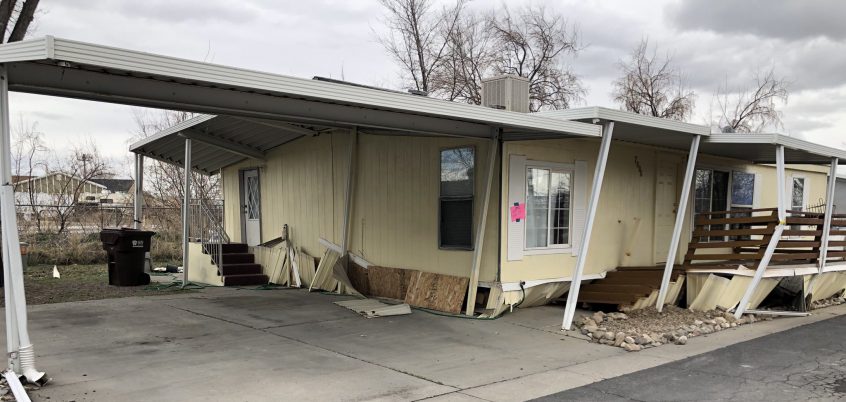
    Can a Mobile Home Collapse
    A collapsed mobile home
    • Severe Weather: Heavy snow accumulation, strong winds, or excessive rain can put a strain on the roof, potentially leading to collapse, especially for flat roofs that don’t allow for proper drainage.
    • Improper Installation: Mobile homes need to be securely anchored to their foundation. Failure to follow proper installation procedures, use of inadequate anchoring systems, or settling the foundation can compromise the home’s stability.
    • Deterioration: Over time, exposed parts of the mobile home, like the roof and siding, can deteriorate due to weather and neglect. This can weaken the structure and increase the risk of collapse.
    • Lack of Maintenance: Regular maintenance is crucial for any home, and mobile homes are no exception. Inspecting the roof, foundation, and anchoring system for signs of damage and addressing them promptly can prevent major issues.

    Staying Safe in Your Mobile Home

    While there’s a chance of collapse under extreme circumstances, there are steps you can take to minimize the risk and ensure your safety:

    • Know Your Wind Zone: The US is divided into wind zones with varying wind speed possibilities. Your mobile home should be anchored according to the wind zone regulations for your area.
    • Regular Inspections: Schedule annual inspections by qualified professionals to assess the condition of your home’s roof, foundation, anchoring system, and electrical wiring.
    • Winterize Your Home: If you live in an area with heavy snowfall, take steps to remove snow accumulation from the roof to prevent overloading.
    • Heed Weather Warnings: Pay close attention to weather forecasts and warnings. If a severe storm is expected, take precautions, such as securing outdoor furniture and seeking alternative shelter if necessary.
    • Maintain Your Home: Promptly address any minor leaks, cracks, or signs of wear and tear to prevent them from becoming bigger problems.

    Mobile Home Safety Beyond Collapse

    While collapse is a concern, other safety factors are important for mobile home residents:

    • Fire Safety: Mobile homes are more susceptible to fire than traditional houses. Install smoke and carbon monoxide detectors throughout your home and practice a fire escape plan with your family.
    • Mold and Moisture Issues: Mobile homes are susceptible to mold growth if not properly ventilated. Ensure proper ventilation, especially in kitchens and bathrooms, and address any moisture leaks immediately.

    Mobile Homes vs. Traditional Houses

    It’s important to remember that traditional houses are not without their vulnerabilities.  They can be susceptible to damage from strong winds, tornadoes, earthquakes, and floods.  Ultimately, mobile homes and traditional houses require proper maintenance and awareness of potential risks to ensure safety.

    Making an Informed Decision

    If you’re considering buying a mobile home, here are some additional tips:

    • Research the Age and History: Generally, older mobile homes may have a different level of structural integrity than newer ones. Research the age of the home and inquire about any major repairs or renovations it may have undergone.
    • Hire a Mobile Home Inspector: Before finalizing a purchase, have a qualified mobile home inspector assess the home’s condition.
    • Review Park Regulations: Mobile home parks often have anchoring, maintenance, and exterior modification regulations. Familiarize yourself with these regulations before buying.

    Living Safely and Securely in a Mobile Home

    By following safety precautions and conducting regular maintenance, mobile homes can be safe and secure places to live.  Understanding the potential risks and taking steps to mitigate them allows you to enjoy the affordability and convenience of mobile home living with peace of mind.

    Conclusion

    Mobile homes offer a valuable housing option for many, but it’s natural to have concerns about their safety. While there’s a possibility of collapse under extreme circumstances like severe weather or improper installation, modern mobile homes built to HUD code are generally sturdy.  The key to staying safe lies in proactive measures:

    • Understanding your wind zone and ensuring proper anchoring
    • Conducting regular inspections by qualified professionals
    • Performing preventative maintenance and addressing any signs of damage promptly
    • Being aware of weather forecasts and taking precautions during severe weather events

    Remember, safety goes beyond collapse.  Mobile home residents should also prioritize fire safety by installing smoke detectors and practicing escape plans, and be mindful of potential mold and moisture issues by ensuring proper ventilation.

    Ultimately, both mobile homes and traditional houses have vulnerabilities. With proper maintenance and awareness of potential risks, however, both can be safe and secure places to live.

    Living in a mobile home doesn’t mean sacrificing safety. By making informed decisions when buying, following safety guidelines, and taking preventative measures, you can turn your mobile home into a comfortable and secure haven for you and your family.
     

    See Also:

  • Unlocking the Potential: How Retrofitting an Older Manufactured Home Can Benefit You

    Manufactured homes, often called mobile homes or trailers, have been popular housing choices for decades. Many people opt for these homes due to their affordability, flexibility, and quick installation. However, older manufactured homes may have outdated features, poor insulation, and inefficiencies that can impact comfort and energy costs. Retrofitting or upgrading these homes with modern improvements can bring many benefits, ranging from increased energy efficiency to enhanced comfort and safety. This article will explore the advantages of retrofitting an older manufactured home and how it can positively impact homeowners.

    mobile home retrofitting

    Understanding Retrofitting

    Retrofitting involves improving or upgrading an existing structure to enhance its performance, efficiency, and functionality. In older manufactured homes, retrofitting typically addresses insulation, energy efficiency, structural integrity, and overall comfort issues.

    Benefits of Retrofitting an Older Manufactured Home

    1. Improved Energy Efficiency

    One of the primary benefits of retrofitting an older manufactured home is improved energy efficiency. Older homes often need more insulation and have outdated heating and cooling systems, leading to higher energy bills. Retrofitting can include adding insulation to walls, floors, and ceilings, installing energy-efficient windows and doors, and upgrading heating, ventilation, and air conditioning (HVAC) systems. These improvements can significantly reduce energy consumption and lower utility costs over time.

    2. Enhanced Comfort

    Retrofitting can also enhance comfort levels within the home. Homeowners can maintain more consistent indoor temperatures year-round by addressing insulation deficiencies and sealing air leaks. Additionally, upgrading HVAC systems can provide better airflow and more precise temperature control, creating a more comfortable living environment for residents.

    3. Increased Property Value

    Retrofitting an older manufactured home can increase its property value. Energy-efficient upgrades and modern amenities appeal to homebuyers and can make the home more attractive on the real estate market. Additionally, retrofitting can address structural issues or code violations, enhancing the home’s value and desirability.

    4. Extended Lifespan

    By retrofitting an older manufactured home, homeowners can extend its lifespan and reduce the need for costly repairs in the future. Upgrading structural components, such as roofing, siding, and foundation systems, can enhance durability and resilience against weather-related damage. Modernizing plumbing, electrical, and HVAC systems can prevent potential issues and ensure the home remains functional for years.

    5. Health and Safety Benefits

    Retrofitting can also improve the health and safety of occupants. Upgrading to energy-efficient windows and doors can enhance indoor air quality by reducing drafts and preventing moisture buildup, which can lead to mold and mildew growth. Additionally, retrofitting can include installing carbon monoxide detectors, smoke alarms, and other safety features to protect against potential hazards.

    6. Environmental Impact

    Retrofitting older manufactured homes to improve energy efficiency can have a positive environmental impact. By reducing energy consumption, homeowners can lower their carbon footprint and contribute to environmental conservation efforts. Additionally, using sustainable building materials and practices during retrofitting further minimizes the home’s environmental impact.

    Retrofitting Options

    There are several retrofitting options available for older manufactured homes, depending on the specific needs and budget of the homeowner:

    1. Insulation Upgrades: Insulation to walls, floors, and ceilings can improve thermal performance and energy efficiency.
    2. Window and Door Replacement: Upgrading to energy-efficient windows and doors can enhance insulation and reduce air leaks.
    3. HVAC System Upgrades: Installing a high-efficiency HVAC system can improve comfort and reduce energy consumption.
    4. Roofing and Siding Replacement: Upgrading roofing and siding materials can improve durability and weather resistance.
    5. Plumbing and Electrical Upgrades: Updating plumbing and electrical systems can ensure safety and functionality.
    6. Energy-Efficient Appliances: Installing energy-efficient appliances can reduce energy consumption and utility costs.
    7. Solar Panel Installation: Adding solar panels can provide renewable energy and reduce utility bills.

    Conclusion

    Retrofitting an older manufactured home offers many benefits for homeowners, ranging from improved energy efficiency and comfort to increased property value and environmental sustainability. By investing in upgrades and improvements, homeowners can enhance their homes’ performance, longevity, and overall quality while enjoying lower utility costs and a more comfortable living environment. Whether addressing insulation deficiencies, upgrading HVAC systems, or installing energy-efficient appliances, retrofitting is a cost-effective way to modernize older manufactured homes and unlock their full potential.


    See Also:

Reset password

Enter your email address and we will send you a link to change your password.

Get started with your account

to save your favourite homes and more

Sign up with email

Get started with your account

to save your favourite homes and more

By clicking the «SIGN UP» button you agree to the Terms of Use and Privacy Policy
Powered by Estatik