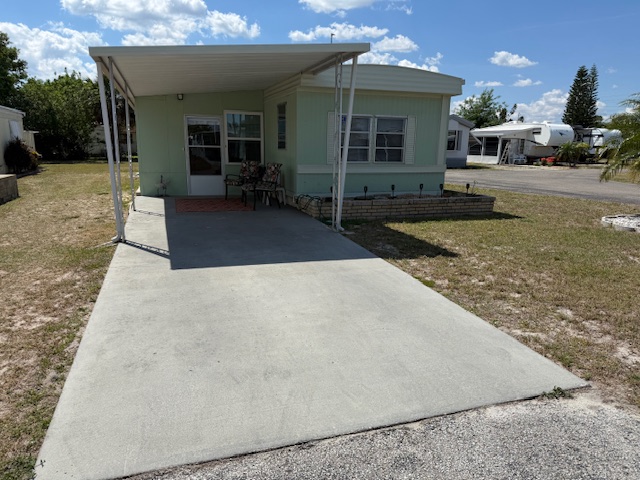
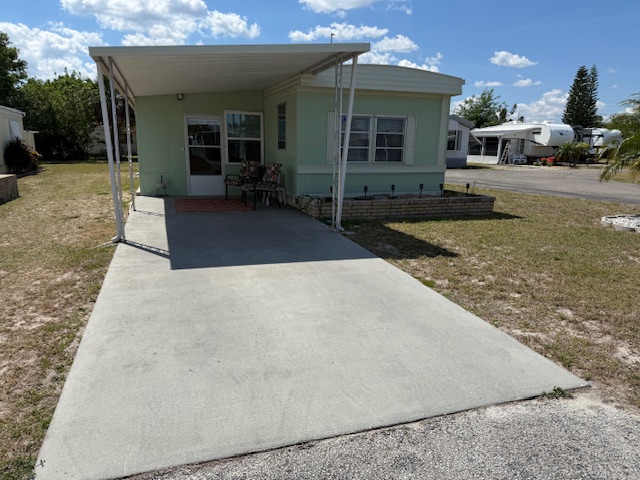
Tag: buying a mobile home from owner in florida

  • Top 10 Tips for First-Time Mobile Home Buyers in Florida

    Buying a mobile home can be an excellent option for those looking for affordable housing in Florida. Whether you’re seeking a retirement retreat, a vacation spot, or a permanent residence, mobile homes offer flexibility, cost savings, and community living. However, purchasing a mobile home involves unique considerations compared to buying a traditional house. This guide offers the top 10 tips to help first-time mobile home buyers in Florida navigate the process confidently and successfully.

    Buying a Mobile Home

    1. Understand the Different Types of Mobile Homes

    Before diving into the market, it’s crucial to understand the different types of mobile homes available. In Florida, mobile homes can be categorized into two main types: single-wide and double-wide.

    • Single-wide homes are narrower and can be towed as a single unit, making them more affordable and easier to move.
    • Double-wide homes are larger and more spacious, typically transported in two sections and joined at the site. These homes offer more room but are less mobile.

    Decide which type best suits your needs, budget, and space requirements.

    2. Research Florida’s Mobile Home Market

    Florida’s mobile home market is vast, with numerous options ranging from luxury communities to more modest settings. Start by researching the areas where you’re interested in buying. Consider factors such as proximity to amenities, climate, community features, and overall safety.

    Check online listings, visit mobile home parks, and talk to residents to get a feel for different neighborhoods. This research will help you make an informed decision about where you want to live.

    3. Get Pre-Approved for Financing

    Securing financing for a mobile home can be different from getting a mortgage for a traditional house. Mobile homes are considered personal property, not real estate, so they may not qualify for a conventional mortgage. Instead, you might need a chattel loan, FHA loan, or a personal loan.

    It’s essential to get pre-approved for financing before you start shopping. This will give you a clear idea of your budget and make you a more competitive buyer when you find the right home. Additionally, having pre-approval in hand shows sellers that you’re serious, which can give you an edge in negotiations.

    4. Consider the Total Cost of Ownership

    When budgeting for a mobile home, consider all the associated costs, not just the purchase price. These costs can include:

    • Lot rent: If you’re buying a mobile home in a park, you’ll likely pay monthly rent for the land it sits on.
    • Utilities: Mobile home parks often include utilities in the lot rent, but not always, so be sure to check.
    • Insurance: Mobile home insurance is essential to protect your investment. Rates can vary based on location, the home’s age, and other factors.
    • Property taxes: If you own the land under your mobile home, you’ll be responsible for property taxes.

    Factor these expenses into your budget to ensure you can comfortably afford your new home.

    5. Inspect the Home Thoroughly

    Just like with any property purchase, it’s vital to inspect a mobile home thoroughly before buying. If the home is pre-owned, hire a professional inspector who specializes in mobile homes to check for potential issues such as:

    • Structural integrity: Ensure the home is level and free of significant structural damage.
    • Roof condition: Check for leaks, which are common in older mobile homes.
    • Plumbing and electrical systems: Verify that these systems are up to code and functioning properly.
    • Pests: Look for signs of pests, especially termites, which can cause extensive damage.

    A thorough inspection can save you from unexpected repairs and expenses down the road.

    6. Understand Florida’s Mobile Home Regulations

    Florida has specific regulations regarding mobile homes, especially in terms of installation, zoning, and insurance. Make sure you understand these rules before purchasing. Key regulations include:

    • Installation standards: Florida requires mobile homes to be installed by licensed professionals following specific guidelines to ensure safety and stability.
    • Zoning laws: Zoning regulations vary by county and can affect where you can place your mobile home.
    • Insurance requirements: Florida’s unique weather conditions, including hurricanes, mean that mobile homes must meet specific insurance standards. Ensure your home meets these standards to avoid insurance issues.

    Familiarizing yourself with these regulations will help you avoid legal complications and ensure your home is safe and compliant.

    7. Consider Resale Value

    While mobile homes are generally more affordable than traditional houses, they tend to depreciate over time. However, certain factors can help maintain or even increase the resale value of your mobile home:

    • Location: Homes in desirable communities or near amenities tend to hold their value better.
    • Upgrades and maintenance: Regular maintenance and upgrades, such as adding energy-efficient windows or modernizing the kitchen, can improve your home’s value.
    • Land ownership: Owning the land under your mobile home can significantly increase its resale value compared to renting a lot.

    Keep these factors in mind if you plan to sell your mobile home in the future.

    8. Check Community Rules and Amenities

    If you’re considering buying a mobile home in a park or community, review the community’s rules and amenities carefully. Communities can vary widely in terms of regulations, facilities, and atmosphere. Some communities cater to specific age groups, such as 55+ parks, while others are open to all ages.

    Check the rules for pets, outdoor storage, and home modifications. Also, consider the amenities offered, such as pools, clubhouses, and organized activities. Choose a community that aligns with your lifestyle and preferences.

    9. Work with a Mobile Home Specialist

    Buying a mobile home is different from buying a traditional home, so working with a real estate agent or broker who specializes in mobile homes can be beneficial. These professionals understand the nuances of the mobile home market and can guide you through the process, from finding the right home to negotiating the best deal.

    A specialist can also help you navigate financing options, understand community rules, and ensure all legal requirements are met.

    10. Plan for the Future

    When buying a mobile home, think about your long-term needs. Consider how the home and community will suit you in the future. Are you planning to start a family, or do you foresee needing more space? Is the location convenient for your work, healthcare, and social activities?

    Also, consider how the home will age and what maintenance it will require over time. Planning for the future ensures that your mobile home will continue to meet your needs for years to come.

    Conclusion

    Buying a mobile home in Florida can be a rewarding experience, offering affordable and flexible housing options. By following these tips, first-time buyers can navigate the process with confidence, ensuring they find a home that meets their needs and fits their budget. With careful planning and consideration, your mobile home can be a comfortable and valuable investment for the future.


    See Also:

  • How to Avoid Common Pitfalls When Buying a Mobile Home in Florida

    Buying a mobile home in Florida can be an excellent decision, whether you’re looking for a permanent residence, a vacation getaway, or an affordable retirement option. However, like any major purchase, there are potential pitfalls that could turn your dream into a costly mistake. This guide will help you navigate the process and avoid common issues, ensuring a smooth and successful mobile home purchase.

    Buying a Mobile Home in Florida

    1. Not Understanding the Difference Between Mobile and Manufactured Homes

    One of the first things to clarify when buying a mobile home is the distinction between a “mobile home” and a “manufactured home.” Although these terms are often used interchangeably, there are important differences:

    • Mobile Home: Technically, this term refers to homes built before June 15, 1976, when the U.S. Department of Housing and Urban Development (HUD) implemented strict construction and safety standards. Mobile homes built before this date may not meet current safety standards.
    • Manufactured Home: These homes are built after June 15, 1976, and comply with HUD regulations. They are constructed in a factory and transported to their final location. Manufactured homes are generally safer, more durable, and more energy-efficient than older mobile homes.

    When shopping for a home, make sure you know which type you’re looking at and whether it meets current standards.

    2. Skipping the Home Inspection

    One of the biggest mistakes buyers make is neglecting to get a thorough home inspection before purchasing a mobile home. While this is important for any property, it’s especially crucial for mobile homes, which may have unique issues such as:

    • Structural Problems: Older mobile homes may have structural weaknesses or damage that isn’t immediately visible. Issues with the foundation, walls, or roof can lead to costly repairs down the road.
    • Water Damage: Mobile homes are particularly susceptible to water damage, especially in Florida’s humid climate. Water damage can lead to mold, rot, and structural instability.
    • Electrical and Plumbing Issues: Older homes may have outdated electrical systems or plumbing problems. These issues can be expensive to fix and pose safety hazards.

    A qualified inspector will identify these problems and give you a clearer picture of the home’s condition, allowing you to make an informed decision.

    3. Overlooking the Land Lease vs. Ownership

    In Florida, mobile homes can be placed on land that you either own or lease. Each option has its pros and cons:

    • Land Lease: If you lease the land, you’ll pay a monthly fee to the park or landowner. While this can lower the initial cost of buying a mobile home, it also means you don’t own the land, which could limit your long-term investment potential. Additionally, land lease fees can increase over time, affecting your budget.
    • Land Ownership: Owning the land where your mobile home is located can be a better long-term investment. It provides stability and the potential for property value appreciation. However, this option is typically more expensive upfront.

    Before making a purchase, consider your financial situation and long-term goals. Make sure you fully understand the terms of the land lease, including any potential fee increases.

    4. Ignoring Park Rules and Regulations

    If you’re planning to place your mobile home in a mobile home park, it’s vital to review the park’s rules and regulations. These rules can vary widely and may include restrictions on:

    • Home Age and Condition: Some parks only allow homes that meet specific age or condition requirements. Make sure your home qualifies before making a purchase.
    • Pet Policies: Many parks have strict rules about pets, including breed restrictions and size limits. If you have pets, confirm that they’ll be allowed.
    • Rent Increases: Some parks have rent control, while others do not. Understanding the potential for rent increases can help you budget effectively.
    • Maintenance Requirements: Parks may have rules about how you maintain your home and yard. Failure to comply could result in fines or even eviction.

    Understanding these rules in advance can prevent future conflicts and ensure that the park is a good fit for your lifestyle.

    5. Underestimating Total Costs

    While mobile homes are often more affordable than traditional homes, buyers sometimes underestimate the total costs involved. Beyond the purchase price, consider the following expenses:

    • Site Preparation: If you’re placing a mobile home on vacant land, you’ll need to prepare the site, which may involve grading, installing utilities, and laying a foundation.
    • Transportation and Installation: Moving a mobile home to its final location and setting it up can be expensive. Make sure you get quotes for these services before purchasing.
    • Insurance: Mobile home insurance is necessary to protect your investment, but premiums can vary widely based on the home’s age, location, and condition. Shop around for the best rates.
    • Taxes: In Florida, mobile homes are subject to either property tax or an annual license tax, depending on whether you own the land. Be sure to budget for these ongoing expenses.

    By accounting for these additional costs, you can avoid surprises and ensure that the home fits within your budget.

    6. Not Researching Financing Options

    Financing a mobile home is different from financing a traditional home, and the options available to you may vary based on whether the home is classified as real property or personal property. Common financing options include:

    • Chattel Loans: These are loans for homes that are classified as personal property (typically homes on leased land). Chattel loans often have higher interest rates and shorter terms than traditional mortgages.
    • FHA Loans: The Federal Housing Administration (FHA) offers loans specifically for mobile homes, both with and without land. These loans typically have favorable terms but require the home to meet certain criteria.
    • Personal Loans: Some buyers opt for personal loans, especially for older mobile homes or homes not attached to land. While these loans are easier to obtain, they often come with higher interest rates.
    • Traditional Mortgages: If your mobile home is permanently attached to land and classified as real property, you may qualify for a traditional mortgage with lower interest rates and longer terms.

    Researching these options and understanding the requirements can help you secure the best financing for your situation.

    7. Failing to Consider Resale Value

    While mobile homes can be a great investment, it’s important to consider their resale value before making a purchase. Factors that can impact resale value include:

    • Location: Mobile homes in desirable areas, especially near beaches or retirement communities, tend to hold their value better than those in less popular locations.
    • Age and Condition: Newer homes or those that have been well-maintained are more likely to retain their value over time.
    • Park Reputation: If your home is in a mobile home park, the reputation and management of the park can affect your home’s resale value. Parks with high rent increases or poor maintenance can drive down property values.
    • Market Trends: Like any real estate, the mobile home market can fluctuate. Understanding current trends in Florida’s mobile home market can help you make a more informed decision.

    By considering these factors, you can choose a home that not only meets your needs today but also offers good potential for resale in the future.

    8. Not Consulting with a Professional

    Finally, one of the most critical steps in buying a mobile home is consulting with professionals who can guide you through the process. These may include:

    • Real Estate Agents: An Agent  who specializes in mobile homes can help you find the right property, negotiate the best price, and navigate the legal aspects of the purchase.
    • Financial Advisors: If you’re unsure about how much you can afford or how to structure your financing, a financial advisor can provide valuable insights.
    • Attorneys: If you’re buying a mobile home on leased land, it may be wise to consult with an attorney to review the lease agreement and ensure your rights are protected.
    • Inspectors: A qualified home inspector can identify potential problems with the property before you commit to the purchase.

    These professionals can help you avoid common pitfalls and ensure that your mobile home purchase is a positive experience.

    Conclusion

    Buying a mobile home in Florida can be a smart and rewarding investment, but it’s essential to be aware of the potential pitfalls. By understanding the differences between mobile and manufactured homes, conducting thorough inspections, considering land lease vs. ownership, and accounting for all costs, you can avoid common mistakes. Additionally, researching financing options, considering resale value, and consulting with professionals will help ensure that your mobile home purchase is a success.

    With careful planning and attention to detail, you can enjoy all the benefits of mobile home ownership in the Sunshine State while avoiding the common pitfalls that could lead to costly surprises.


    See Also:

  • When is the Best Time to Buy a Mobile Home in Florida?

    Florida, the land of sunshine and sandy beaches, beckons those seeking a warm, affordable place to call home. One popular housing option in the Sunshine State is the mobile home. Mobile homes offer a cost-effective path to homeownership, but navigating the market to find the best deal requires strategic timing. So, when is the best time to buy a mobile home in Florida? This article delves into the factors that influence buying seasons and explores the pros and cons of purchasing a mobile home during different times of the year.Best Time to Buy a Mobile Home in Florida

    Weather’s Impact on Buying a Mobile Home in Florida

    Florida’s distinct seasons significantly impact the mobile home market. Understanding the influence of the weather can help you determine the optimal time to buy.

    • Spring (March-May): Spring in Florida offers pleasant weather, making it an attractive time to tour mobile homes. However, this coincides with peak tourist season, leading to increased competition from seasonal residents and full-time homebuyers. Due to higher demand, mobile home prices might be at their highest during this period.
    • Summer (June-August): Florida’s scorching summer heat can deter some potential buyers from actively searching for mobile homes. This can allow you to find motivated sellers willing to negotiate on price to avoid holding onto the mobile home during the hottest months. However, extreme heat can make inspecting a mobile home thoroughly uncomfortable, so be extra vigilant during summer viewings.
    • Fall (September-November): Fall offers a sweet spot for buying a mobile home in Florida. The weather becomes more temperate, making mobile home inspections more manageable. The peak tourist season has also subsided, leading to less competition from out-of-state buyers. This combination of factors can lead to a broader selection of mobile homes and potentially more attractive purchase prices.
    • Winter (December-February): Winter is Florida’s “high season” with ideal weather conditions. While this might seem like a perfect time to buy, it also coincides with the influx of snowbirds migrating south for the winter. This increased demand can drive up mobile home prices and make it more challenging to find the perfect deal.

    Beyond the Weather: Other Timing Considerations

    While weather plays a significant role, other factors influence the optimal time to buy a mobile home in Florida.

    • Holidays: Holidays like Thanksgiving, Christmas, and New Year’s can present opportunities for motivated sellers looking to close deals before the end of the year. Sellers might be more willing to negotiate on price during these periods to avoid holding onto the mobile home into the new year.
    • End of the Month/Quarter: Similar to holidays, the end of a month or quarter can be an excellent time to find deals on mobile homes. Salespeople or mobile home communities might be motivated to reach sales quotas and could be more open to negotiating prices to meet their targets.

    School Calendar: Families with school-aged children might prioritize buying a mobile home in a desirable school district. Consider the local school calendar when planning your mobile home search. Aim to buy outside peak moving times (typically around summer break) to avoid competition from other families seeking homes within specific school districts.

    Conclusion

    There’s no single “best” time to buy a mobile home in Florida. The optimal buying season depends on your priorities and risk tolerance. If you prioritize pleasant weather for viewings and are comfortable with potentially higher prices, spring or fall might be ideal. However, you might find better deals during the off-season if you’re budget-conscious and willing to brave the summer heat.

    By understanding how weather, holidays, and other factors influence the mobile home market in Florida, you can make informed decisions and find the perfect mobile home at a price that fits your budget. Remember, thorough research, being prepared to move quickly on good deals, and considering the long-term implications of your purchase are crucial elements in finding success in the Florida mobile home market. With the right timing and a strategic approach, you can make your dream of living in sunny Florida a reality.


    See Also:

  • 9 Compelling Reasons to Invest in a Mobile Home in Florida

    Florida, with its year-round sunshine, stunning beaches, and diverse attractions, is not just a vacation destination; it’s an ideal place to call home. If you’re contemplating a change of scenery or considering a new home purchase, the prospect of a mobile home in Florida might be the perfect solution. In this article, we’ll explore nine compelling reasons why investing in a mobile home in the Sunshine State is a decision that could enhance your lifestyle and provide an array of benefits.

    invest in mobile home
    Double-wide Mobile Home

    1. Affordability

    One of the primary reasons to consider a mobile home in Florida is the affordability factor. Compared to traditional houses, mobile homes offer a more cost-effective housing solution without compromising on comfort or quality. With a range of options to choose from, you can find a mobile home that fits your budget while still enjoying the perks of Florida living.

    2. Warm Climate

    Florida is renowned for its tropical climate, offering warm temperatures throughout the year. Investing in a mobile home allows you to fully embrace the outdoor lifestyle, enjoying sunny days, mild winters, and a comfortable living environment. Say goodbye to the hassles of shoveling snow and hello to endless days of outdoor activities in the Florida sun.

    3. Community Living

    Many mobile home parks in Florida foster a strong sense of community. Living in a mobile home community provides opportunities to socialize with neighbors, participate in community events, and build lasting friendships. This communal atmosphere adds an extra layer of support and camaraderie to your living experience.

    4. Beach Proximity

    Imagine having the beach as your backyard. Florida’s extensive coastline means that no matter where you choose to settle, you’re likely to be close to sandy shores and sparkling waters. A mobile home in Florida offers the chance to enjoy the beach lifestyle, whether it’s a morning stroll along the shore or a day of water activities with family and friends.

    5. Low Maintenance

    Mobile homes are designed for efficiency and ease of maintenance. With a smaller footprint compared to traditional houses, you’ll spend less time and effort on upkeep. This leaves you with more freedom to explore Florida’s attractions, engage in hobbies, or simply relax and enjoy your surroundings.

    6. Tax Advantages

    Florida is one of the few states that does not impose a state income tax. This can significantly impact your overall financial picture, leaving you with more disposable income. Additionally, property taxes in Florida are relatively reasonable, making mobile home ownership an economically sound decision.

    7. Diverse Attractions

    From theme parks and cultural events to nature reserves and vibrant city life, Florida offers a diverse array of attractions. Owning a mobile home in Florida allows you to easily explore and experience everything the state has to offer without the burden of high housing costs.

    8. Retirement Haven

    Florida has long been a popular retirement destination, and for good reason. The warm climate, low taxes, and abundance of recreational activities make it an ideal place for retirees. Investing in a mobile home during your retirement years not only provides a comfortable living arrangement but also allows you to allocate your resources to experiences and adventures.

    9. Investment Potential

    As Florida’s population continues to grow, so does the demand for housing. Investing in a mobile home can be a wise financial decision, with the potential for property appreciation over time. Whether you plan to make it your permanent residence or use it as a vacation home, a mobile home in Florida is an investment in both your present and future.

    Conclusion

    In conclusion, the decision to buy a mobile home in Florida is not just about affordable housing; it’s a lifestyle choice that opens the door to a world of possibilities. From the warm climate and beautiful beaches to community living and diverse attractions, Florida has much to offer. Consider the nine compelling reasons outlined in this article, and you may find that a mobile home in the Sunshine State is the perfect choice for your next chapter in life.


    See Also:

  • What Does “The Season” Mean For Sarasota Mobile Homes?

    What Does “The Season” Mean For Sarasota Mobile Homes?

    What does “The Season” mean regarding mobile homes in Sarasota, Florida?

    Does “The Season” even exist?

    If it does, when is that time?

    We hear all the time that many mobile home Sellers around the Sarasota area will hold onto their homes and look to sell them during the season.

    What does this even mean?

    Well, when one hears the season it is specifically referring to the snowbird season, which is loosely defined as the months of December, January, February, and March as this is the time of year when the most out-of-state visitors come to the state of Florida to enjoy great weather and beautiful beaches.

    Many mobile homeowners, around the Sarasota area, use their mobile homes as their second home that they use during this time and, oftentimes, will keep them vacant the rest of the year.
    You can see which areas of Sarasota have a heavier snowbird population when driving through the parks in, say, the middle of July, as there will be several empty streets at that time of year, many of which will be full during the winter months with out-of-town residents looking to escape the cold for the winter.

    Mobile homes located within mobile home parks are the best affordable option for housing.

    These homes will be bought and sold throughout the year, regardless of what Holiday, month, or any other issue that’s going on, as they simply provide the best bang for your buck when it comes to housing in the Sarasota area.

    What we, at The Mobile Home Dealer, see is that the homeowners who hold on to a home, they really do not want to live in or pay for in hopes of selling it during the winter, are many times let down by how many other homes are up for sale at that time.

    More homes on the market create more competition and pricing, which is great for Buyers, but not so much for Sellers.

    This is exactly the reason why we stress to all our Sellers to look to sell their home 12 months a year as opposed to only the four months when everyone else is trying to sell their home within the park.
    Less inventory available on the market creates more demand, which as we see all the time leads to a higher price point when looking to sell your mobile home.
    Does a season exist in mobile home sales within Sarasota, Florida?

    What Does “The Season” Mean For Sarasota Mobile Homes?Yes, it certainly does. If you are looking to sell your mobile home the best season, sell it 365 days a year!

    With all the focus on the high real estate market everywhere throughout the country, one must think, when is the best time to sell your mobile home on leased land?
    Is there a better or worse time of year to sell your mobile home when your home is located within a mobile home park?

    Should you wait and sell the home until all the other homes in the community are sold, so that you are the only one for sale in that exact mobile home park?

    Will selling your mobile home during the time of year when more snowbirds are in the area be a better time to sell your property for more money? Or when they are leaving?

    This is a question that can be asked the opposite way too, should you look to sell your Sarasota Florida mobile home in the Fall before the snowbirds arrive for the snowbird season?

    While both questions could be looked at in detail we, here at The Mobile Home Dealer, do not believe that there is a right time or a wrong time to sell your mobile home so long as your home is priced right and marketed correctly.

    Let us explain.

    If the Seller of a Sarasota mobile home looks to sell their mobile home to a snowbird at the start of the snowbird season then they are betting on the fact that the snowbird is going to be coming down to the greater Sarasota area without lodging in place as the Buyer will more than likely want to move into their new property right away.

    If the Seller of a Sarasota mobile home is looking to sell their mobile home to a snowbird at the end of the snowbird season then they are betting on the fact that the snowbird is going to spend a chunk of money right before they head back to their out of state primary residence before they head home.

    Either bet is exactly that, a gamble that we feel does not need to be taken.

    Mobile homes on leased land in the Sarasota Florida area are one of the last affordable housing options for those who are looking to call the Sunshine State either their winter retreat or their full-time residence.

    When looking to sell your Sarasota mobile home we feel that the best time of the year to sell is twelve months a year!

    The Mobile Home Dealers are licensed mobile home brokers in Sarasota Florida and the surrounding areas. We provide professional buy and/or sell assistance to our clients. If you have any questions, please contact us by clicking this link. You may also visit our Facebook Page and send us a message.

    This is Mark Kaiser with The Mobile Home Dealer and we help mobile home Buyers and Sellers get to a better place in life.


    See Also:


Reset password

Enter your email address and we will send you a link to change your password.

Get started with your account

to save your favourite homes and more

Sign up with email

Get started with your account

to save your favourite homes and more

By clicking the «SIGN UP» button you agree to the Terms of Use and Privacy Policy
Powered by Estatik