Tag: best way to heat a mobile home without furnace

  • How to Protect Your Mobile Home During Winter

    How to Protect Your Mobile Home During Winter

    As cold weather approaches, it’s smart to protect your mobile home during winter to stay warm and worry-free. With a little preparation, your home can stay comfortable, efficient, and dry all season long.

    Why It’s Smart to Prepare Your Mobile Home for Winter

    Winter weather can be tough on any home, but mobile homes need a little more care. That’s because they often have exposed plumbing, thinner walls, and lightweight materials. The good news? You can avoid cold drafts, frozen pipes, and high energy bills with some smart winter prep.

    Check and Seal Doors and Windows

    Doors and windows let in more cold air than you might expect. Take time to:

    • Inspect all windows and doors for gaps
    • Apply weather stripping where needed
    • Use caulk to seal small cracks
    • Consider thermal curtains for added warmth

    These small steps will help trap heat inside and keep your energy costs low.
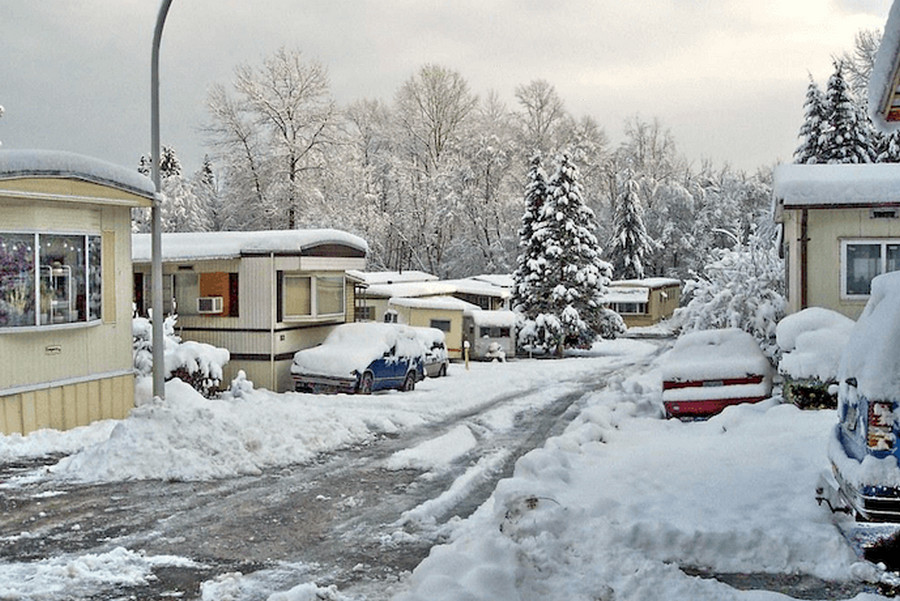
    Protect your mobile home during winter

    Insulate the Right Areas

    Good insulation helps protect your mobile home during winter. It keeps your space warm and makes your heater work less.

    Focus on insulating:

    • Under the floor and skirting
    • Inside walls (if accessible)
    • Around ceiling vents and roof edges

    If your mobile home doesn’t have enough insulation, adding more will make a noticeable difference.

    Wrap Your Pipes Before Temperatures Drop

    Frozen pipes are one of the most common winter issues for mobile homes. Prevent this by wrapping all exposed pipes with foam insulation or heat tape.

    Also, follow these tips:

    • Let faucets drip on freezing nights
    • Keep cabinet doors open to let warm air reach the pipes
    • Disconnect garden hoses and drain outside spigots

    These simple actions can save you from expensive repairs later on.

    Service Your Heating System

    To keep your mobile home warm and safe, give your heating system a check-up before winter.

    Make sure to:

    • Replace or clean the furnace filter
    • Inspecting vents and ducts for leaks or blockages
    • Test your thermostat for accuracy
    • Clean space heaters and keep them clear of flammable items 

    If your heating system struggles or makes strange noises, call a professional.

    Keep the Air Dry and Comfortable

    Cold air outside and heating indoors can create humidity problems. Condensation leads to mold, mildew, and musty smells.

    Manage humidity by:

    • Using a dehumidifier in bathrooms and kitchens
    • Running exhaust fans while cooking or showering
    • Wiping condensation from windows daily
    • Keeping the home well-ventilated 

    A balanced environment makes your mobile home healthier and more comfortable.

    Inspect the Roof and Remove Snow

    Don’t overlook your mobile home’s roof. It needs to be strong enough to handle snow, ice, and moisture.

    Take these steps:

    • Inspect the roof for weak spots, cracks, or peeling seams
    • Reseal or repair areas as needed
    • Use a roof rake to remove snow buildup
    • Check the gutters and downspouts for blockages

    Snow can get heavy fast, so keeping the roof clear will help avoid damage.

    Add Skirting for Better Protection

    Mobile home skirting blocks cold wind from blowing underneath your home. It helps maintain warmth and protects your pipes.

    Good skirting:

    • Reduces drafts and heat loss
    • Keeps animals from sheltering underneath
    • Improves overall energy efficiency

    Check skirting for damage or holes and repair them before snow arrives.

    Prepare for Power Outages

    Power outages can happen during any storm. It’s smart to be ready in case one hits your area.

    Keep these items on hand:

    • Battery-powered lanterns or flashlights
    • Extra blankets and warm clothes
    • Non-perishable food and water
    • A backup power source, like a generator

    Also, install and test carbon monoxide detectors for safety when using alternative heat sources.

    Use Floor Rugs and Curtains for Extra Warmth

    Small touches go a long way. Area rugs help block cold air from floors, while thick curtains help insulate windows.

    Here are a few more quick tips:

    • Use door draft stoppers
    • Close off unused rooms to save energy
    • Keep furniture away from vents for proper airflow

    These simple tricks help create a cozier mobile home during the winter season.

    Check Exterior Vents and Access Points

    Before winter arrives, walk around your mobile home and inspect exterior vents, plumbing access, and electrical inlets.

    Be sure to:

    • Seal any gaps or openings with foam or weatherproof tape
    • Remove debris from vent covers
    • Check crawl space doors and skirting panels

    This helps prevent animals, cold air, and moisture from getting inside.

    FAQ: Protect Your Mobile Home During Winter

    1. How do I protect my pipes from freezing?
      Wrap them with foam insulation or heat tape and let faucets drip during cold nights.
    2. Do I need to winterize my mobile home every year?
      Yes. It keeps your home efficient and avoids costly damage.
    3. What kind of insulation works best for mobile homes?
      Fiberglass, spray foam, or rigid foam boards are all good choices.
    4. How often should I check my roof during winter?
      Check after each snowstorm or heavy wind to look for damage.
    5. Can I use portable heaters safely in my mobile home?
      Yes, but keep them away from flammable items and use models with automatic shut-offs.
    6. Should I cover windows with plastic film?
      Yes. Plastic window insulation kits help stop drafts and retain heat.
    7. How can I stop cold air from getting under my home?
      Install or repair skirting to block airflow underneath your mobile home.
    8. Is it safe to use a generator for backup power?
      Yes, but keep it outside and away from doors and windows to avoid carbon monoxide buildup.
    9. How do I prevent condensation in my mobile home?
      Use exhaust fans, wipe windows, and place a dehumidifier in key rooms.
    10. Do mobile homes need special thermostats?
      Standard programmable thermostats work well; just make sure yours is compatible with your heating system.

    Protect your mobile home during winter by taking action now. These steps not only improve comfort but also help save on bills and prevent damage. A well-prepared home means peace of mind through the coldest months.

    For more mobile home tips, visit The Mobile Home Dealer — your trusted source for all things mobile living.


    See Also:


  • How to Keep a Mobile Home Cool in the Summer

    How to keep a mobile home cool in the summer? This is a common concern for homeowners looking to stay comfortable during hot months. Mobile homes can heat up quickly, but there are effective ways to maintain a cooler indoor temperature. Using a mix of insulation, ventilation, and smart cooling strategies makes a big difference.

    Why Mobile Homes Heat Up Quickly in the Summer

    Mobile homes can retain heat due to their construction. Thin walls, metal roofs, and limited insulation make them more sensitive to high temperatures. However, small changes can improve airflow and reduce indoor heat buildup.

    Factors That Affect Mobile Home Temperatures

    • Roof Material – Metal roofs absorb heat, raising indoor temperatures.
    • Insulation Quality – Poor insulation allows heat to enter easily.
    • Ventilation – Without airflow, warm air stays trapped inside.
    • Window Placement – Direct sunlight through windows increases heat indoors.

    Understanding these factors helps homeowners find the best cooling solutions.

    How to keep a mobile home cool in the summer diy, How to keep a mobile home cool in the summer in the winter, Best way to heat a mobile home without furnace, How much does it cost to insulate underneath a mobile home, How to keep mobile home warm in winter, Why is my mobile home so cold, Cheapest way to heat a mobile home

    How to Keep a Mobile Home Cool in the Summer with Better Insulation

    Insulation is one of the best ways to regulate indoor temperatures. Proper insulation reduces heat absorption and keeps cool air inside.

    Ways to Improve Insulation:

    • Install thermal curtains to block sunlight and reduce heat.
    • Upgrade roof insulation to prevent heat from entering.
    • Seal windows and doors to stop warm air from seeping in.
    • Use foam board insulation on exterior walls for extra protection.

    Improving insulation keeps temperatures lower and reduces air conditioning costs.

    Using Ventilation to Reduce Heat Indoors

    Good ventilation helps remove trapped hot air. A well-ventilated mobile home stays cooler without relying heavily on air conditioning.

    Effective Ventilation Strategies:

    • Install roof vents to allow hot air to escape.
    • Use exhaust fans in kitchens and bathrooms.
    • Open windows in the evening to let cool air inside.
    • Place box fans near doors to improve air circulation.

    Proper ventilation reduces stuffiness and creates a more comfortable environment.

    How to Keep a Mobile Home Cool in the Summer Without High Energy Costs

    Many cooling methods work without increasing electricity bills. Using these techniques lowers temperatures while keeping costs manageable.

    Cost-Effective Cooling Solutions:

    • Close blinds and curtains during peak sunlight hours.
    • Use ceiling fans to circulate air efficiently.
    • Cook outdoors to prevent extra heat from appliances.
    • Replace incandescent bulbs with LED lights, which produce less heat.

    Combining these steps makes cooling more efficient without increasing expenses.

    Choosing the Right Air Conditioning for a Mobile Home

    Air conditioning is an effective way to stay cool, but choosing the right system matters. Mobile homes need units suited for their size and layout.

    Best Air Conditioning Options:

    • Window AC units work well for smaller spaces.
    • Ductless mini-split systems provide cooling without large ducts.
    • Central air conditioning is ideal for larger mobile homes.
    • Portable air conditioners can be moved as needed.

    Selecting an energy-efficient AC system reduces electricity costs while keeping indoor temperatures comfortable.

    How to Cool a Mobile Home Naturally

    Natural cooling methods help lower temperatures without relying on appliances. These methods work well alongside air conditioning.

    Ways to Keep a Mobile Home Cool Naturally:

    • Plant trees near windows to provide natural shade.
    • Use reflective roof coatings to reduce heat absorption.
    • Place a damp towel near fans to create cooler airflow.
    • Keep windows open at night for fresh, cool air.

    These strategies help maintain a cooler home while reducing energy use.

    Keeping a Mobile Home Cool During Extreme Heat

    Extreme summer heat requires extra precautions. Preparing ahead ensures indoor temperatures stay manageable even on the hottest days.

    Tips for Handling Extreme Heat:

    • Stay hydrated and wear light clothing indoors.
    • Avoid using heat-generating appliances during the hottest part of the day.
    • Use cooling gel pads on beds and furniture for extra comfort.
    • Check air filters regularly to maintain AC efficiency.

    Taking these steps improves comfort and prevents overheating indoors.

    Final Thoughts on Keeping a Mobile Home Cool in the Summer

    How to keep a mobile home cool in the summer? A mix of insulation, ventilation, and smart cooling methods helps maintain a comfortable indoor temperature. Small adjustments, such as improving airflow and reducing heat absorption, make a big difference. With the right approach, mobile homeowners can stay cool while keeping energy costs low.

    See Also:

  • Snowbird Essentials: Setting Up Your Mobile Home for Winter

    Setting up your mobile home for winter is essential for snowbirds heading south for the season. Proper preparation ensures comfort and safety while you’re away so you can enjoy your winter escape with peace of mind.

    Preparing the Exterior of Your Mobile Home for Winter

    Addressing the exterior is the first step in preparing your mobile home for winter. Start by inspecting the roof for signs of damage. Look for missing shingles or leaks that could lead to problems when the weather gets colder. Seal any gaps to prevent drafts and water entry.

    Next, check the skirting around your mobile home. The skirting helps keep cold air from entering underneath the house and can prevent pipes from freezing. Make sure the skirting is secure and properly sealed. If you live in a colder area, consider adding additional insulation to the skirting to help maintain warmth inside.

    Setting Up Your Mobile Home for Winter

    Finally, inspect the windows and doors. Ensure that all seals are tight to prevent air leaks. If necessary, add weatherstripping or caulking around the frames for extra insulation. These simple steps will help maintain a comfortable indoor temperature during winter.

    Winterizing the Plumbing System

    One of the most important tasks when setting up your mobile home for winter is winterizing the plumbing system. Water damage from frozen pipes can be expensive, so taking precautions is essential.

    Start by draining all water from the pipes. Turn off the main water supply and open all faucets to let any remaining water escape. Next, drain the water heater by turning off the power or gas and letting the water flow out.

    If you’re leaving the mobile home for an extended period, adding antifreeze to the toilet and drain traps is a good idea. This prevents water from freezing in the pipes while you’re away.

    Finally, inspect any exposed pipes outside the home and insulate them to prevent freezing during cold weather. Pipe insulation is inexpensive, easy to install, and offers excellent protection against the cold.

    Preparing the Interior for Cold Weather

    Once the exterior and plumbing are ready, you can focus on the interior of your mobile home. The goal is to maintain a consistent temperature to prevent freezing and damage.

    Check the heating system to ensure it’s working correctly. If necessary, have it serviced, and replace any filters to improve efficiency. Also, make sure no obstructions are blocking the vents or ducts.

    Consider installing a programmable thermostat to set the temperature while you’re away. This will help maintain a steady temperature without wasting energy. Set the thermostat to a temperature above freezing but low enough to save on heating costs.

    In addition, cover any unused vents or doors to rooms that won’t be used during the winter. This helps focus the heat where needed and prevents cold air from entering unused spaces.

    Protecting Your Mobile Home from Pests

    Before you leave for the winter, take steps to prevent pests from entering your mobile home. Insects and rodents often seek shelter in warmer places, and your mobile home can be a target.

    Seal any cracks or gaps around windows, doors, and pipes. Look for any entry points and close them with caulking or weatherstripping. It’s also helpful to store food in sealed containers to keep pests from being attracted to your home.

    Another way to protect your home is to use natural deterrents. For example, peppermint oil can be sprayed around doorways and windows to repel rodents. A few simple precautions can prevent pest problems during the winter months.

    Maintenance Checks Before Leaving

    Before locking up your mobile home for the winter, thoroughly inspect its systems. Check the electrical system, ensuring that no wires are frayed or damaged. This will help avoid any electrical issues while you’re away.

    Inspect the appliances, such as the refrigerator and stove, to ensure they are turned off and properly disconnected. This can prevent power surges and reduce energy consumption.

    You should also check the condition of any fire extinguishers or smoke detectors, replace batteries, and ensure everything is in working order. Safety is key, and these precautions are essential before leaving for the winter.

    Winterizing Your Mobile Home’s Exterior Items

    If your mobile home has any exterior items, such as outdoor furniture, grills, or decorations, it’s important to store or cover them adequately. Prolonged exposure to cold and wet conditions can damage these items.

    Store portable items like furniture or barbecues inside the mobile home or in a shed if possible. If that’s not an option, protect them from the elements with tarps or covers.

    For those who enjoy gardening, bring in any potted plants or cover your garden beds. Freeze-resistant covers are available to protect plants and shrubs during the colder months.

    Setting Up for Energy Efficiency

    Maximizing energy efficiency is another essential part of preparing your mobile home for winter. Since colder months can lead to higher heating bills, it’s necessary to ensure your home is as energy-efficient as possible.

    Start by checking your insulation. Adding extra insulation in the attic and under the floors can help maintain a comfortable temperature. Insulating around windows and doors will also reduce heat loss.

    Use energy-efficient lighting and appliances to reduce electricity consumption. When you’re away, unplug electronics and appliances to prevent energy drain. This simple step can make a big difference in your energy bills.

    Preparing for Emergencies

    Finally, preparing for potential emergencies while you’re away is essential. Set up an emergency contact person who can check on your mobile home if needed. Provide them with key access and emergency contact numbers for the utility companies in case of issues.

    Consider leaving a spare key with a trusted neighbor or friend. This way, someone can access your mobile home if there’s an urgent issue, such as a water leak or heating failure.

    Keep an emergency kit in your mobile home if you’re concerned about potential weather hazards. The kit should include flashlights, batteries, blankets, and bottled water for power outages or other emergencies.

    Conclusion: Ensuring Your Mobile Home is Winter-Ready

    In conclusion, setting up your mobile home for winter requires a little preparation but can save you from expensive repairs and discomfort. From protecting your plumbing to ensuring your home is energy-efficient, taking the time to winterize your mobile home pays off in the long run.

    By following these simple steps, snowbirds can confidently leave their mobile homes, knowing they are ready to handle the colder months. This way, you can enjoy your winter getaway without any worries.

    See Also:

  • Keeping Warm: Essential Mobile Home Heating Maintenance Tips

    As winter’s chill sets in, ensuring your mobile home’s heating system is in top condition becomes paramount. Mobile homes have unique heating challenges, often requiring special attention and maintenance to keep them warm and comfortable throughout the colder months. Whether you’re a new mobile homeowner or a seasoned one, understanding how to maintain your mobile home heating system can save you money, prevent breakdowns, and, most importantly, keep you warm when you need it the most.

    mobile home heating system

    Understanding Your Heating System

    Before diving into maintenance tips, it’s crucial to understand the type of heating system your mobile home uses. Most mobile homes are equipped with one of the following heating systems:

    1. Forced Air Furnaces: These are mobile homes’ most common heating systems. They distribute heat through ducts and vents powered by gas, oil, or electricity.
    2. Electric Baseboard Heaters: These heaters are mounted along the baseboard of each room and provide heat through convection.
    3. Heat Pumps: Heat pumps provide heating and cooling by extracting heat from the air outside and transferring it inside during winter.
    4. Wood Stoves or Pellet Stoves: Some mobile homeowners opt for wood or pellet stoves for their heating needs, especially in rural areas.

    Each heating system has its maintenance requirements, but there are general tips that apply to most types.

    Maintenance Tips

    1. Regular Inspections

    Schedule annual inspections for your heating system, preferably before the start of winter. A professional HVAC technician can identify potential issues and perform necessary maintenance tasks.

    2. Clean or Replace Filters

    Clean or replace your furnace filters regularly, typically every one to three months, depending on usage. Clogged filters reduce airflow, making your heating system work harder and less efficiently.

    3. Check Thermostat Settings

    Ensure your thermostat is set correctly for the desired temperature. Consider investing in a programmable thermostat to optimize energy usage and maintain consistent comfort levels.

    4. Seal Air Leaks

    Inspect windows, doors, and any other openings for air leaks. Seal gaps with weatherstripping or caulking to prevent warm air from escaping and cold air from entering your home.

    5. Insulate Ductwork

    Properly insulate your ductwork to minimize heat loss as air travels from your furnace to the vents. Insulation helps maintain warmer air temperatures throughout your home and improves energy efficiency.

    6. Clean Vents and Registers

    Regularly clean vents and registers to remove dust, dirt, and debris that can obstruct airflow. Ensure that furniture or other objects do not block vents to allow for optimal air circulation.

    7. Monitor Carbon Monoxide Detectors

    Carbon monoxide (CO) leaks can be deadly. Install carbon monoxide detectors in your home and test them regularly to ensure they function correctly. If you suspect a CO leak, evacuate your home immediately and contact emergency services.

    8. Maintain Outdoor Units

    If you have a heat pump or an outdoor HVAC unit, keep it clear of debris such as leaves, branches, and snow. Proper airflow around the unit is essential for efficient operation.

    9. Schedule Professional Maintenance

    While there are maintenance tasks you can do yourself, such as changing filters and cleaning vents, some jobs require professional expertise. Schedule annual maintenance checks with a qualified HVAC technician to keep your heating system running smoothly.

    10. Monitor Energy Usage

    Keep track of your energy usage and bills to identify any unusual spikes, which could indicate potential issues with your heating system. Addressing problems early can prevent costly repairs down the road.

    11. Consider Insulating Skirting

    If your mobile home has skirting, consider insulating it to prevent cold air from infiltrating underneath your home. This can help maintain a warmer indoor temperature and reduce heating costs.

    12. Use Ceiling Fans Wisely

    In the winter, set your ceiling fans to rotate clockwise at a low speed to help distribute warm air more evenly throughout your home. This can reduce the workload on your heating system and improve overall comfort.

    13. Plan for Power Outages

    Mobile homes are susceptible to power outages during winter storms. Have a backup plan for heating, such as a generator or alternative heating source, to stay warm during emergencies.

    14. Keep Heating Vents Open

    Avoid closing heating vents or blocking them with furniture, curtains, or rugs. Blocked vents restrict airflow and can lead to uneven heating throughout your home.

    15. Monitor Humidity Levels

    Maintain optimal indoor humidity levels (between 30% and 50%) to maximize comfort and prevent dry skin and respiratory problems. Consider using a humidifier if your home’s air is too dry.

    Conclusion

    Proper maintenance of your mobile home’s heating system is essential for staying warm and comfortable during winter. By following these maintenance tips and staying proactive, you can ensure your heating system operates efficiently, prolong its lifespan, and avoid costly repairs. Remember, it’s always better to be proactive than reactive when it comes to your comfort and safety. Stay warm and cozy all winter with a well-maintained heating system in your mobile home.


    See Also:

Reset password

Enter your email address and we will send you a link to change your password.

Get started with your account

to save your favourite homes and more

Sign up with email

Get started with your account

to save your favourite homes and more

By clicking the «SIGN UP» button you agree to the Terms of Use and Privacy Policy
Powered by Estatik