Tag: best manufactured home insurance companies

  • Who Insures Mobile Homes in Florida? Everything Buyers Need to Know

    Who Insures Mobile Homes in Florida? Everything Buyers Need to Know

    Who insures mobile homes in Florida is one of the most common questions buyers ask. Whether you’re living in a retirement community or a family-oriented park, protecting your mobile home matters.

    Florida’s weather can shift quickly. Because of that, having the right insurance helps protect your investment from damage, theft, or accidents.

    Why Mobile Home Insurance in Florida Matters

    Florida remains one of the most popular states for mobile home living. The climate, community options, and affordability attract thousands each year.

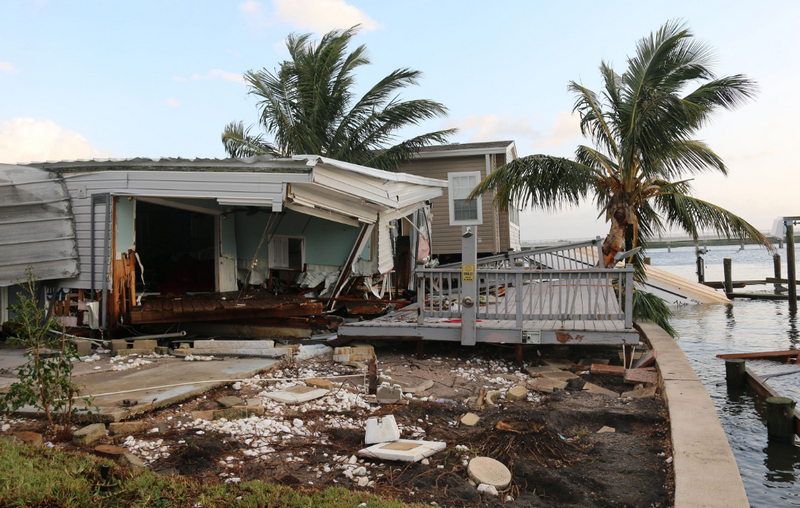
    But with that comes risk. Hurricanes, heavy rains, and flooding affect many areas. Insurance helps mobile homeowners recover quickly when damage happens.

    Most insurance policies for mobile homes cover:

    • Fire and storm damage
    • Theft and vandalism
    • Liability for accidents
    • Damage to attached structures like porches and carports
      Who-Insures-Mobile-Homes-in-Florida

    Some plans even include living expenses if your home becomes uninhabitable.

    Who Insures Mobile Homes in Florida?

    Multiple companies insure mobile homes in Florida. These include national providers and Florida-based agencies. Most specialize in covering homes in hurricane-prone areas.

    Well-known providers include:

    • Foremost Insurance
    • American Modern
    • Citizens Property Insurance
    • Assurant
    • State Farm 

    Each company has different pricing models and coverage limits. Most will consider the home’s age, location, and condition. Some offer better rates for homes in managed parks or those with hurricane straps.

    What Affects the Cost of Insurance?

    Insurance prices vary from one homeowner to another. While Florida homes near the coast cost more to insure, those inland tend to see lower premiums.

    Here are the main cost factors:

    • Location: High-risk zones near water or flood areas raise premiums.
    • Home age and construction: Newer homes with hurricane protection qualify for discounts.
    • Coverage level: Basic policies cost less but cover fewer risks.
    • Deductibles: Higher deductibles reduce monthly payments but increase out-of-pocket costs. 

    In Florida, the average mobile home insurance premium ranges from $900 to $1,800 per year. That range depends on size, condition, and exact location.

    Benefits of Insuring Your Mobile Home

    Mobile home insurance protects more than your walls and roof. It adds peace of mind. When storms hit or accidents happen, you won’t face repair bills alone.

    Most policies also include:

    ✓ Personal property coverage
    ✓ Guest injury liability
    ✓ Emergency living expenses
    ✓ Loss from theft or vandalism

    Florida requires proof of insurance in some parks. Having coverage can help when applying for financing or renting space in a community.

    Where to Find the Right Policy

    You can get mobile home insurance through:

    • Local agents familiar with Florida parks
    • Online comparison sites
    • National insurance company offices 

    Before signing, compare at least three quotes. Ask about flood coverage, which often costs extra. Review exclusions carefully so there are no surprises later.

    Extra Amenities and Add-Ons

    Mobile home insurance can include extras. You may want to protect outdoor structures, appliances, or even golf carts.

    Common add-ons include:

    ✓ Shed or outbuilding coverage
    ✓ Equipment breakdown
    ✓ Debris removal
    ✓ Mold or water damage protection

    These upgrades cost more, but they help if a storm hits or a pipe bursts.

    Living in a Mobile Home Community

    Florida mobile home parks offer more than low-cost housing. Many include clubhouses, pools, lawn service, and gated security.

    These added amenities improve life and may reduce your insurance rate. Managed parks often require hurricane anchors, fire alarms, or other safety features.

    These upgrades lower risk and attract better premiums from insurance companies.

    Tips for Lowering Your Premium

    You can cut your insurance cost without sacrificing protection. Many Florida homeowners save money by taking a few simple steps:

    • Install hurricane straps or roof bracing
    • Add deadbolt locks and security lights
    • Increase your deductible
    • Bundle insurance with auto or life coverage
    • Choose a community with strict safety rules 

    Always ask your agent about possible discounts. Many offer lower rates to retirees, veterans, or residents in age-restricted parks.

    Who Insures Mobile Homes in Florida: Final Thoughts

    Insuring your mobile home in Florida protects your home, your belongings, and your future. Several companies serve this market, offering flexible plans for a wide range of budgets and property types.

    Whether you live in Tampa, Orlando, or along the Gulf Coast, mobile home insurance gives you financial protection against the unexpected.

    FAQs: Who Insures Mobile Homes in Florida?

    1. Do I need insurance for my mobile home in Florida?

    Yes, especially if you live in a park or finance your home. It protects against damage and loss.

    2. How much does mobile home insurance cost in Florida?

    Most policies range from $900 to $1,800 per year depending on location and coverage.

    3. Can I get insurance if my home is older than 20 years?

    Yes. Many insurers cover older homes if they meet safety standards.

    4. Is flood insurance included?

    No. You must buy it separately, usually through the National Flood Insurance Program.

    5. Who insures mobile homes in Florida near the coast?

    Companies like Citizens and Foremost often cover coastal areas, but prices are higher.

    6. Will insurance cover a hurricane?

    Yes, if windstorm coverage is part of your policy. Always confirm that it’s included.

    7. Does insurance cover my personal items?

    Yes, most plans include personal property protection up to a set amount.

    8. Can I reduce my insurance premium?

    Yes. Safety upgrades, higher deductibles, and bundling help lower costs.

    9. Do I need insurance if I own the land?

    Yes. Damage, theft, or liability risks still apply even if you own the property.

    10. What documents do I need to get started?

    You’ll need your home’s age, size, VIN (if applicable), and park location if renting land.

    See Also:

  • Who Insures Mobile Homes in Florida?

    Who insures mobile homes in Florida? Many homeowners ask this question when looking for coverage to protect their property. Several insurance companies provide policies specifically designed for mobile homes. These policies help cover damage from storms, fire, theft, and other unexpected events. Finding the right insurance ensures homeowners have financial protection and peace of mind.

    Why Mobile Home Insurance Matters in Florida

    Florida is a great place to own a mobile home, but the state’s weather can be unpredictable. Hurricanes, heavy rains, and high winds increase the need for strong coverage. Insurance helps homeowners recover quickly from unexpected damage.

    Benefits of Mobile Home Insurance:

    • Covers storm and hurricane damage
    • Protects against fire and theft
    • Includes liability coverage for injuries on the property
    • Helps with temporary housing if the home is unlivable after an accident

    Having the right policy makes homeownership safer and more secure.

    Who insures mobile homes in Florida

    Who Insures Mobile Homes in Florida? Top Providers

    Many companies offer insurance coverage for mobile homes in Florida. Each provider has different policies, so comparing options helps homeowners find the best fit.

    1. Citizens Property Insurance Corporation

    Citizens Property Insurance is a state-backed provider that covers mobile homes when private companies will not. This option is available to homeowners who cannot secure coverage elsewhere.

    2. American Modern Insurance Group

    This company specializes in mobile home insurance. Their policies cover wind damage, fire, and theft, offering flexible options for Florida homeowners.

    3. Foremost Insurance Group

    Foremost is a well-known provider offering mobile home coverage. They provide full replacement cost coverage, liability protection, and options for older homes.

    4. Assurant

    Assurant provides insurance for both mobile and manufactured homes. Their policies include personal property coverage and extra protection against hurricanes.

    5. Allstate

    Allstate offers policies for mobile homes that include weather damage, liability, and personal belongings coverage. Their discounts help homeowners save on premiums.

    Finding the right provider depends on the home’s location, condition, and personal coverage needs.

    What Does Mobile Home Insurance Cover?

    Insurance policies vary, but most provide protection against common risks.

    Standard Coverage Includes:

    • Dwelling protection – Repairs or replaces the home after covered damage.
    • Personal property coverage – Protects belongings like furniture and electronics.
    • Liability coverage – Covers legal costs if someone is injured on the property.
    • Additional living expenses – Pays for temporary housing if repairs are needed.

    Each policy may include different terms, so reviewing coverage details is important.

    How to Choose the Right Mobile Home Insurance in Florida

    Selecting the best insurance policy requires careful comparison. Homeowners should look at coverage options, pricing, and customer service.

    Key Factors to Consider:

    • Hurricane and flood protection – Florida’s weather makes this coverage important.
    • Replacement cost vs. actual cash value – Replacement cost policies provide more coverage.
    • Deductible amounts – Higher deductibles lower premiums but increase out-of-pocket costs.
    • Discount opportunities – Some providers offer discounts for safety features or multiple policies.

    A policy that fits the homeowner’s budget and needs provides the best protection.

    How Much Does Mobile Home Insurance Cost in Florida?

    The cost of insurance depends on several factors, including location, home age, and coverage level.

    Factors That Affect Pricing:

    • Location – Coastal areas have higher premiums due to hurricane risks.
    • Home age and condition – Older homes may cost more to insure.
    • Safety features – Homes with storm-resistant materials may qualify for discounts.
    • Coverage limits – More coverage leads to higher premiums.

    On average, mobile home insurance in Florida ranges from $500 to $2,000 per year. Comparing multiple quotes helps find the best rate.

    How to Save Money on Mobile Home Insurance

    Homeowners can take several steps to lower insurance costs while maintaining strong coverage.

    Ways to Reduce Premiums:

    • Install storm shutters and impact-resistant windows
    • Choose a higher deductible to lower monthly payments
    • Bundle mobile home and auto insurance for discounts
    • Maintain a good claims history to avoid rate increases

    Taking preventive measures makes a home safer and helps lower insurance costs.

    Who Insures Mobile Homes in Florida? Finding the Best Fit

    Who insures mobile homes depends on location, home condition, and personal needs. Comparing policies, understanding coverage options, and taking advantage of discounts help homeowners find the best insurance. With the right provider, mobile home owners in Florida can feel secure, knowing their property is protected.

    See Also:


  • Mobile Home Insurance for Hurricanes: What Florida Residents Need to Know

    Mobile homes in Florida face unique challenges during hurricane season. Given their lightweight structures, mobile homes are more vulnerable to high winds and flooding. For residents, adequate insurance coverage is essential. Mobile home insurance is designed to protect against these natural disasters, yet many owners lack a comprehensive understanding of its terms and benefits. Here, key aspects of mobile home insurance for hurricanes are discussed to ensure all residents are well-prepared.

    Understanding Mobile Home Insurance Coverage

    In Florida, standard mobile home insurance typically covers damages caused by wind, hail, and fire. However, damage from flooding may not be included in the primary policy. Additional coverage, such as a separate flood insurance policy, is often needed to cover this risk. Standard policies can include structural coverage, personal property protection, and liability insurance. Coverage limits and policy specifics vary by provider, making it essential to read the policy thoroughly.

    mobile home insurance for hurricanes

    Types of Coverage Needed for Hurricane Season

    A comprehensive policy should include several types of coverage for full protection. Structural coverage should protect the mobile home’s frame, roof, and exterior fixtures. Personal property coverage is necessary to replace or repair belongings damaged by hurricanes. Liability coverage is also recommended to cover potential injury claims from visitors during or after a storm. Additional coverage for living expenses is often available and should be considered. This coverage assists with temporary housing costs if evacuation becomes necessary due to storm damage.

    Additional Coverage Options to Consider

    Many insurance companies offer additional hurricane-specific options. Flood insurance, which is not typically included, should be considered by all Florida residents. Windstorm insurance may also be available, which is especially useful in hurricane-prone areas. Extended replacement cost coverage can protect against inflation in repair costs due to high demand after hurricanes. These additional options can provide more peace of mind during hurricane season, even if they increase the monthly premium.

    The Role of Deductibles in Hurricane Insurance

    Insurance deductibles are a key factor to consider when choosing a policy. Deductibles are the amounts paid out of pocket before coverage begins. In hurricane-prone areas, insurance companies often apply a separate hurricane deductible. This deductible is usually a percentage of the total coverage amount. Florida residents should confirm their deductible structure and choose an amount they can afford to pay. High deductibles lower premiums but increase upfront costs when a claim is filed.

    Evaluating Insurance Providers for Hurricane Coverage

    Florida residents should evaluate several insurance providers to find the best fit. Each provider may have different policies, coverage limits, and premiums. An insurance provider should have experience with hurricane claims, as well as a reputation for reliable service. Online reviews, financial stability ratings, and recommendations from other mobile homeowners should be considered. A provider’s response time to claims should also be evaluated, as timely assistance is critical after a hurricane.

    Understanding Policy Exclusions for Hurricanes

    Policy exclusions are terms that limit the situations in which coverage applies. Many mobile home insurance policies include exclusions for specific types of storm damage. Understanding these exclusions is essential for full preparedness. Certain exclusions may apply to items kept outside the home, like sheds or vehicles. Flooding is typically excluded and must be covered by a separate policy. Careful review of exclusions allows residents to make informed choices and avoid costly surprises after a storm.

    The Importance of Flood Insurance in Florida

    Flooding is a major risk during hurricanes, but it is often not covered under standard policies. Separate flood insurance should be considered to protect the mobile home and belongings. Flood insurance is typically offered through the National Flood Insurance Program (NFIP) and private insurers. The NFIP provides policies specifically designed for high-risk flood zones. With flood insurance, residents are better protected against the significant damage that storm surges can cause.

    How Windstorm Insurance Protects Mobile Homes

    Windstorm insurance specifically covers damage caused by strong winds, including those from hurricanes. For mobile homeowners, windstorm insurance offers critical protection against severe weather. Wind damage can affect roofs, windows, and siding, leading to costly repairs. In many Florida areas, separate windstorm policies are required due to the high hurricane risk. A windstorm policy provides a focused layer of protection against common storm-related damage.

    Reviewing Your Policy Annually

    Policy reviews should be conducted at least once a year. Mobile home values and coverage requirements can change over time. Hurricane season in Florida brings unpredictable weather, so yearly policy adjustments are recommended. Increases in property value, updates to local regulations, and changes in weather patterns may require additional coverage. Reviewing the policy ensures that residents stay prepared for evolving risks and avoid coverage gaps.

    Keeping an Inventory of Insurance Claims

    An inventory of all personal belongings should be kept and updated regularly. In case of damage, this inventory will simplify the claims process. Photos, receipts, and item descriptions should be included in the inventory. Digital backups are recommended, especially in case physical records are lost. This documentation helps speed up claims and ensures all damaged or lost items are accounted for. Keeping this information in a secure and accessible place is advised.

    How to File a Hurricane Insurance Claim

    A hurricane insurance claim should be filed promptly after a storm. Providers should be contacted as soon as it is safe to do so. Damage should be documented with photos, including close-ups of specific areas and overall property views. A detailed list of damages should be submitted along with the claim. Claims should be tracked through each stage until resolved. Adjusters may require access to the property, so coordinating an inspection time with the provider is essential.

    Temporary Housing Coverage for Mobile Home Owners

    Temporary housing coverage is especially valuable in the aftermath of a hurricane. If the mobile home becomes uninhabitable, temporary housing expenses can be covered. This coverage may include hotel stays, food expenses, and other related costs. For Florida mobile home residents, temporary housing coverage offers security during difficult times. Each policy may have different limits on these expenses, so terms should be reviewed carefully.

    Policy Adjustments After Storm Damage

    After significant damage, the insurance policy should be re-evaluated. Repair costs may increase, and the home’s overall value may change. Policy adjustments ensure continued protection against future storms. In Florida, rebuilding after a hurricane can be costly, so the policy should reflect these expenses. An insurance agent can provide guidance on adjusting limits to maintain adequate coverage.

    Choosing a Higher Coverage Limit

    Higher coverage limits may be worth considering in hurricane-prone areas. Higher limits increase the level of protection for the mobile home and personal belongings. For Florida mobile homeowners, this may mean adding protection against common types of damage, such as roof or structural repairs. A higher limit is especially beneficial when rebuilding costs are high. While higher premiums may be required, the investment in peace of mind can be worthwhile.

    Essential Steps Before and During Hurricane Season

    Before hurricane season, all insurance information should be reviewed and organized. Emergency contacts, policy numbers, and claim filing information should be readily available. An evacuation plan should be created and discussed with family members. Personal documents should be stored in a waterproof container, and emergency supplies should be stocked. With these preparations, mobile home residents can reduce risks and ensure a safer hurricane season.

    Getting Support from Insurance Agents

    Insurance agents can provide valuable assistance with hurricane coverage. A knowledgeable agent will help residents understand policy terms, deductibles, and exclusions. After a storm, an agent can guide residents through the claims process, ensuring prompt support. Many agents in Florida specialize in hurricane insurance and can offer tailored advice. Consulting with an agent ensures that mobile home residents are properly covered for hurricane season.

    Staying Informed on Hurricane-Related Insurance Laws

    Florida’s insurance laws are often updated to reflect hurricane risks and homeowner needs. Staying informed on changes can help mobile homeowners adjust their policies accordingly. Legal changes may impact deductibles, exclusions, or claim procedures. Reliable sources, such as government websites or local news, should be consulted for updates. Insurance providers may also send updates to policyholders on relevant legal changes.

    Final Thoughts on Hurricane Insurance

    In Florida, mobile home insurance is essential to withstand hurricane season. A well-rounded policy with windstorm, flood, and liability coverage provides the best protection. Deductibles, exclusions, and coverage limits must be understood to avoid unexpected costs. Each resident should maintain an up-to-date policy that matches the home’s current value and risk level. By taking these steps, mobile home residents can protect themselves and their property through each hurricane season.


    See Also:

  • The Cost of Mobile Home Insurance in Florida and Why You Should Get One

    Florida’s allure extends far beyond theme parks and pristine beaches. It’s a state where many seek an affordable yet comfortable lifestyle, often turning to mobile homes as a viable housing option. However, like traditional houses, mobile homes require insurance to protect against unforeseen circumstances. But how much does mobile home insurance cost in Florida? Understanding the factors influencing the price can help you make informed decisions when securing coverage for your mobile home.

    mobile home insurance in florida

    The Power of Protection: Why Mobile Home Insurance Matters

    Mobile homes, despite their affordability, represent a significant financial investment. Unforeseen events like hurricanes, fire, or theft can cause substantial damage, burdening you financially. Mobile home insurance acts as a safety net, providing financial protection and peace of mind in the event of a covered loss.

    Here’s a breakdown of the primary types of coverage typically offered in mobile home insurance policies:

    • Dwelling Coverage: This policy protects your mobile home from damage caused by covered perils such as fire, wind, hail, vandalism, and theft.
    • Personal Property Coverage: Covers your belongings inside the mobile home in case of a covered loss.
    • Liability Coverage: Protects if someone gets injured or their property is damaged on your property.

    Factors Affecting Mobile Home Insurance in Florida

    The cost of mobile home insurance in Florida is more than just a one-size-fits-all answer. Several factors influence the final premium you’ll pay:

    • Location: Living in a coastal region prone to hurricanes typically results in higher insurance costs than inland areas.
    • Coverage Options: The type and amount of coverage you choose will significantly impact the premium. Higher dwelling coverage and broader coverage for personal property will naturally cost more.
    • Deductible: The deductible is the amount you’ll pay out of pocket before your insurance kicks in. A higher deductible generally translates to a lower premium.
    • Age and Condition of the Mobile Home: Insurance companies may consider older or poorly maintained mobile homes to be at higher risk, leading to higher premiums.
    • Claims History: Having a history of filing claims can increase your insurance costs.
    • Manufacturer and Model: Your mobile home’s construction quality and features can influence the insurance premium.
    • Park Amenities: Mobile home parks with security features and amenities like fire hydrants might qualify for discounts.

    Exploring Additional Coverage Options

    While the standard coverage options mentioned earlier provide a solid foundation, there are additional coverages you might consider:

    • Flood Insurance: Standard mobile home insurance doesn’t cover flood damage. If you live in a flood-prone area, consider purchasing separate flood insurance.
    • Windstorm Coverage: In windstorm-prone areas like Florida, windstorm coverage may be offered as a separate policy or endorsement to your mobile home insurance.

    Strategies for Lowering Your Premium

    Here are some tips for lowering your mobile home insurance cost in Florida:

    • Shop Around: Compare quotes from insurance companies to find the best rate.
    • Increase Your Deductible: A higher deductible will lower your premium but ensure you can afford the upfront cost in case of a claim.
    • Maintain Your Mobile Home: Regular maintenance can help prevent problems and potentially qualify you for discounts some insurance companies offer.
    • Bundle Your Policies: Bundling your mobile home insurance with other policies, like auto insurance from the same company, can often lead to discounts.
    • Ask About Discounts: Many insurers offer discounts for security systems, being a senior citizen, or having a claims-free history. Be sure to inquire about available discounts.

    Securing Your Sunshine State Dream

    Mobile home insurance in Florida is crucial for protecting your affordable living space. Understanding the factors influencing the cost and exploring options to lower your premium empower you to make informed decisions. By shopping around, choosing the right coverage options, and potentially implementing cost-saving measures, you can secure affordable insurance that provides peace of mind for your mobile home in the Sunshine State.


    See Also:


  • How Much is Mobile Home Insurance Cost in Florida

    Florida, the Sunshine State, attracts many residents seeking a warm climate and beautiful beaches. But whether you’re a permanent resident or a snowbird escaping the winter chill, if you own a mobile home in Florida, you’ll need proper insurance protection. But how much does mobile home insurance cost in Florida?

    While there’s no one-size-fits-all answer, understanding the factors that influence rates and the average costs can help you budget and shop for the best coverage. This comprehensive guide will delve into the world of Florida mobile home insurance, exploring costs, factors affecting premiums, and tips for getting the best deal.

    Understanding Mobile Home Insurance in Florida

    Mobile home insurance, also known as manufactured home insurance, functions similarly to traditional homeowner’s insurance. It protects your dwelling against various perils, including fire, theft, vandalism, and weather-related damage. However, there are crucial distinctions to consider.

    mobile home insurance cost in Florida

    Unlike traditional homes built on foundations, mobile homes are considered personal property. This can affect coverage options and pricing. Additionally, Florida’s unique weather patterns, particularly hurricane threats, significantly impact mobile home insurance costs in the state.

    How Much Does Mobile Home Insurance Cost in Florida?

    The big question: how much can you expect to pay for mobile home insurance in Florida?  According to various sources, the average cost of mobile home insurance in Florida falls between $894 and $1,349 annually. However, this is just a starting point. Your individual premium can be significantly higher or lower depending on several factors.

    Factors Affecting Mobile Home Insurance Costs in Florida

    Here’s a breakdown of the key factors that influence your mobile home insurance premium in Florida:

    • Location: Living near the coast or in a hurricane-prone area will undoubtedly increase your premium. The higher risk of wind damage translates to higher insurance costs for providers.
    • Age and Condition of Your Mobile Home: Newer mobile homes generally have lower premiums compared to older ones. The overall condition of your home also plays a role, with well-maintained homes attracting lower rates.
    • Coverage Limits: The amount of coverage you choose directly affects your premium. Higher coverage limits for dwelling and belongings will result in a higher premium.
    • Deductible: A deductible is the amount you pay out of pocket before your insurance kicks in. Opting for a higher deductible lowers your premium but increases your initial financial responsibility in case of a claim.
    • Claims History: A history of previous claims can significantly raise your rates. Maintaining a clean claims history is crucial for keeping your premiums low.
    • Mitigation Measures: Installing hurricane shutters or wind mitigation devices can demonstrate proactive risk reduction and potentially earn you discounts on your premium.

    Additional Considerations for Florida Mobile Home Insurance

    While the factors above significantly impact your premium, here are some additional points to consider:

    • Windstorm Coverage: In Florida, windstorm coverage is often a separate policy from your standard mobile home insurance. Understanding the cost and importance of windstorm coverage is crucial, especially in coastal areas.
    • Flood Insurance: Standard mobile home insurance doesn’t cover flood damage. Depending on your location and flood risk, purchasing separate flood insurance might be necessary.

    Getting the Best Deal on Mobile Home Insurance in Florida

    Now that you understand the cost factors and additional considerations, how can you ensure you’re getting the best possible rate on your Florida mobile home insurance? Here are some valuable tips:

    • Shop Around: Don’t settle for the first quote you receive. Get quotes from multiple insurance companies to compare rates and coverage options.
    • Increase Your Deductible: Raising your deductible can lower your premium. However, ensure you can comfortably afford the higher out-of-pocket expense in case of a claim.
    • Bundle Your Policies: Consider bundling your mobile home insurance with other policies, such as auto insurance, with the same company. Bundling often leads to discounts.
    • Ask for Discounts: Many insurance companies offer discounts for things like having security systems, being a senior citizen, or maintaining a good credit score.
    • Work with an Independent Agent: An independent agent can represent multiple insurance companies and can help you shop around and find the best coverage for your needs.

    The Takeaway: How Much is Mobile Home Insurance in Florida?

    There’s no single answer to “how much is mobile home insurance in Florida?”  The cost depends on various factors specific to your situation. However, by understanding these factors and following the tips above, you can shop around confidently and find the best possible coverage at an affordable price. Remember, proper mobile home insurance is an essential investment that protects your valuable property and provides peace of mind in the Sunshine State.


    See Also:

Reset password

Enter your email address and we will send you a link to change your password.

Get started with your account

to save your favourite homes and more

Sign up with email

Get started with your account

to save your favourite homes and more

By clicking the «SIGN UP» button you agree to the Terms of Use and Privacy Policy
Powered by Estatik