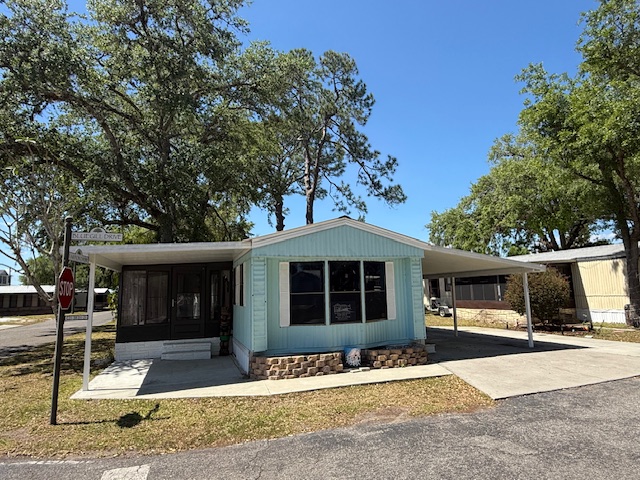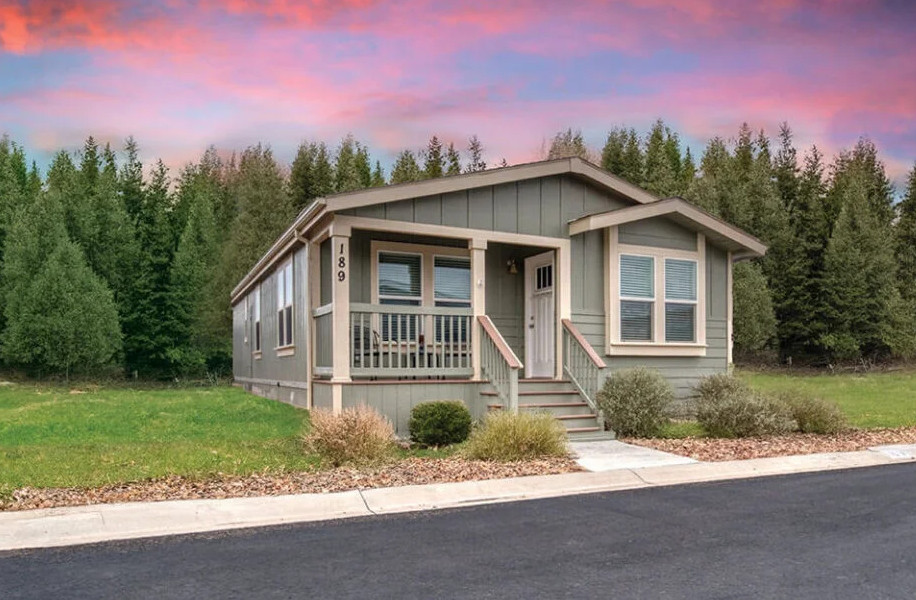
Tag: are mobile homes safe

  • Are Mobile Homes Worth It? A Closer Look at Costs, Comfort, and Convenience

    Are Mobile Homes Worth It? A Closer Look at Costs, Comfort, and Convenience

    Are mobile homes worth it? Many people across Florida and beyond are asking this question. As home prices continue to rise, mobile homes are becoming a serious option for those seeking affordability and freedom.

    The Cost Advantage of Mobile Homes

    When comparing mobile homes to traditional site-built houses, the biggest difference is cost. Mobile homes cost significantly less per square foot. This makes them attractive to first-time buyers, retirees, and anyone on a budget.

    A new single-wide mobile home can cost between $40,000 and $70,000. Double-wide units usually range from $75,000 to $120,000. Even with added costs like lot rent and utilities, the monthly expense is often far lower than a mortgage.

    ✔ Lower purchase price
    ✔ Lower monthly living costs
    ✔ Reduced property taxes
    ✔ No large maintenance bills

    Mobile homes often sit in parks or on leased land. This setup lets buyers avoid high land costs while still enjoying homeownership.

    Are Mobile Homes Worth It for Amenities?

    Today’s mobile homes offer many of the same amenities found in traditional homes. Modern designs include:

    ✔ Open-concept floor plans
    ✔ Updated kitchens with energy-efficient appliances
    ✔ Central heating and cooling
    ✔ Stylish bathrooms
    ✔ Walk-in closets and storage options

    Some mobile home parks offer additional benefits like swimming pools, clubhouses, and lawn care. These extras can improve daily life without increasing housing costs.
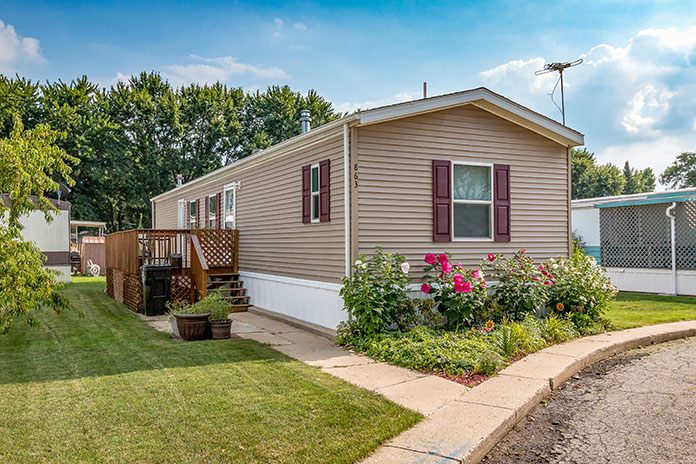
    are mobile homes worth it

    Flexibility and Independence

    Another reason people choose mobile homes is flexibility. You can move your home if needed or change locations later. This option appeals to people who don’t want to stay tied to one spot forever.

    Also, most mobile homes come without heavy restrictions like homeowners associations (HOAs). That means you can decorate, remodel, or upgrade without facing extra fees or approvals.

    Are Mobile Homes Worth It for Long-Term Living?

    With regular upkeep, mobile homes can last for decades. Many newer models are built with strong materials and follow national housing codes. These improvements help them stand up to weather and everyday use.

    They also require less maintenance than larger homes. That saves both time and money year-round.

    Community Living

    Living in a mobile home park has its benefits. You’ll often find a strong sense of community. Many parks host events, activities, and shared spaces where residents can socialize and connect.

    For older adults, 55+ parks offer quiet environments tailored to a simpler lifestyle.

    Common Misunderstandings About Mobile Homes

    Some people still think of mobile homes as temporary or low-quality. That’s outdated thinking. Modern mobile homes are built to high standards. In fact, many offer more energy efficiency than older site-built houses.

    Another myth is that mobile homes don’t increase in value. While it’s true they may not appreciate like traditional homes, the low upfront cost means you still come out ahead in many cases.

    Resale and Rental Options

    Many mobile home owners eventually sell for a profit. Others rent them out for extra income. In popular areas, mobile homes on leased land remain in high demand. That makes them a good option for future flexibility.

    Whether you live in the home full-time or use it as a rental, it can help build long-term financial security.

    Should You Buy a Mobile Home?

    Here are a few signs a mobile home might be right for you:

    ✔ You want to own a home without a large mortgage
    ✔ You like the idea of a smaller, manageable space
    ✔ You want freedom from HOAs or large property taxes
    ✔ You prefer affordable living with modern comfort

    If any of these apply, mobile homes may be worth your attention.

    FAQs About Mobile Homes

    What is the average cost of a mobile home?

    Single-wide mobile homes start around $40,000. Double-wides can reach $120,000 or more.

    Do mobile homes come with appliances?

    Most modern units include essential appliances like stoves, refrigerators, and washers.

    Can I finance a mobile home?

    Yes. Many lenders offer loans specifically for mobile homes.

    Is lot rent included in the purchase price?

    No. Lot rent is a separate monthly fee, usually between $300 and $700.

    Can I remodel a mobile home?

    Yes, and most upgrades are easier and cheaper than in traditional homes.

    How long do mobile homes last?

    With proper care, they can last 30 to 50 years or more.

    Do mobile homes require special insurance?

    Yes, but the cost is often lower than traditional home insurance.

    Can I sell a mobile home later?

    Yes. Many owners successfully resell or rent out their homes.

    Do I pay property taxes on a mobile home?

    You may pay a small fee, but it’s usually far less than traditional property taxes.

    Are mobile homes allowed everywhere?

    Some areas restrict them. Always check local zoning laws before buying.

    Final Thoughts

    So, are mobile homes worth it? For many buyers, the answer is yes. With lower prices, fewer restrictions, and plenty of comfort, mobile homes offer a smart alternative to traditional houses. They give people a way to own property without the high cost or long-term risk.

    Whether you’re retiring, downsizing, or buying your first home, mobile homes can offer the freedom and savings you need.

    If you’re ready to see what mobile homes in Florida can offer, contact The Mobile Home Dealer today. We help people across the state find homes that fit their life and budget.

    Call us now to learn more or visit www.sellmobilehome.com.

    See Also:

  • Do Mobile Homes Depreciate Faster Than Traditional Homes?

    Many people ask, do mobile homes depreciate faster than traditional homes? The answer depends on several factors, including maintenance, location, and market conditions. While mobile homes tend to lose value over time, they can still be a great housing option and a smart investment.

    Do Mobile Homes Depreciate or Appreciate?

    One common question is, do mobile homes depreciate or appreciate? Traditional homes often gain value due to land ownership and long-term demand. Mobile homes, however, are considered personal property unless permanently attached to land. This classification affects how they gain or lose value over time.

    do mobile homes depreciate faster

    Factors That Impact Mobile Home Value:

    • Land Ownership: Homes on owned land may appreciate.
    • Condition and Maintenance: Well-maintained homes hold value longer.
    • Market Trends: Demand for mobile homes affects resale prices.
    • Upgrades and Renovations: Modern features can slow depreciation.

    With the right care and location, mobile homes can retain value and offer a comfortable living space.


    Are Mobile Homes a Good Investment for Rental Property?

    Investors often wonder, are mobile homes a good investment for rental property? Mobile homes can be a profitable option for landlords due to lower purchase costs and strong rental demand.

    Benefits of Renting Out a Mobile Home:

    • Lower Upfront Costs: Mobile homes cost less than traditional houses.
    • Steady Rental Demand: Affordable housing is always needed.
    • Lower Property Taxes: Mobile homes often have lower tax rates.
    • Flexible Investment: Homes can be moved if necessary.

    With the right market and upkeep, renting out mobile homes can provide a steady income.

    Are Mobile Homes Good to Live In?

    Many people ask, are mobile homes good to live in? These homes offer affordability, flexibility, and comfort for individuals and families.

    Advantages of Living in a Mobile Home:

    • Lower Living Costs: Utility bills and maintenance expenses are often lower.
    • Community Living: Many mobile home parks offer amenities and social events.
    • Flexible Lifestyle: Mobile homes provide options for relocation.
    • Customizable Interiors: Many models allow upgrades and personal touches.

    For those seeking an affordable and comfortable home, mobile homes provide an excellent living option.

    Do Mobile Homes Depreciate Faster Than Traditional Homes?

    The question remains, do mobile homes depreciate faster? In many cases, mobile homes lose value over time, but this does not mean they lack benefits.

    Factors That Affect Depreciation Rates:

    • Age of the Home: Newer models hold value better.
    • Location: Homes in desirable areas may maintain value.
    • Land Status: Homes on owned land appreciate more than those on leased lots.
    • Upkeep and Repairs: Well-maintained homes experience slower depreciation.

    By taking good care of a mobile home and choosing the right location, depreciation can be minimized.

    Are Mobile Homes Safe?

    Another common concern is, are mobile homes safe? Modern mobile homes meet strict safety standards and can withstand harsh weather conditions.

    Mobile Home Safety Features:

    • Upgraded Construction Materials: Newer models use durable materials.
    • Wind Resistance: Homes built to HUD standards can endure strong winds.
    • Fire Safety: Many homes include smoke alarms and fire-resistant materials.
    • Proper Anchoring: Secure installation reduces storm risks.

    With proper setup and maintenance, mobile homes provide a safe and secure living environment.

    Final Thoughts

    So, do mobile homes depreciate faster? In most cases, they do lose value quicker than traditional homes, but with proper care, land ownership, and maintenance, mobile homes can be a great investment and a comfortable place to live. Whether purchasing for personal use or rental income, mobile homes offer affordability, flexibility, and many benefits.

    See Also:

  • How Mobile Home Parks Handle Hurricane Evacuations

    Hurricane evacuations in mobile home parks require careful planning and quick action to ensure safety. Residents face unique challenges due to the construction of mobile homes and their vulnerability to high winds. Park managers, residents, and local officials work together to create and execute evacuation plans.

    The Importance of Preparedness in Mobile Home Parks

    Preparedness is key for mobile home parks in hurricane-prone areas. Mobile homes are more susceptible to wind damage compared to traditional homes. Additionally, their lightweight structure makes them unsafe during hurricanes. Evacuating residents early can save lives and reduce injuries.

    To prepare for hurricanes, mobile home parks often:

    • Develop detailed evacuation plans
    • Share emergency information with residents
    • Coordinate with local authorities and shelters

    These steps ensure that everyone knows what to do before a storm arrives.

    Hurricane evacuations mobile home

    How Mobile Home Parks Create Evacuation Plans

    Identifying Local Risks

    Park managers assess the risks specific to their location. This includes understanding flood zones, storm surge levels, and evacuation routes. By knowing these risks, parks can create effective plans tailored to their community.

    Communication With Residents

    Clear communication helps residents stay informed and prepared. Many parks share updates with flyers, text alerts, and social media. Regular meetings before hurricane season also give residents a chance to ask questions.

    Designating Emergency Contacts

    Mobile home parks often assign emergency coordinators to help residents during evacuations. These individuals provide guidance, share resources, and address concerns.

    Steps Residents Take During Hurricane Evacuations

    Residents play an active role in hurricane evacuations. Understanding evacuation procedures and acting promptly are essential for safety.

    Preparing Emergency Kits

    Residents should have emergency kits ready before hurricane season begins. Kits typically include:

    • Non-perishable food and water for three days
    • Flashlights, batteries, and a portable radio
    • Medications, first aid supplies, and important documents

    Having these items on hand ensures residents are ready to leave quickly.

    Securing Mobile Homes

    Before leaving, residents can take steps to reduce damage to their homes. These include:

    • Anchoring the mobile home to its foundation
    • Boarding up windows with plywood
    • Securing outdoor furniture and loose items

    These precautions protect the property and minimize debris during the storm.

    Following Evacuation Routes

    Residents should follow designated evacuation routes to reach safe locations. These routes are chosen to avoid areas at high risk of flooding or storm surge. Park managers often provide maps to guide residents.

    Coordination With Local Authorities

    Mobile home parks collaborate with local emergency services to execute evacuation plans effectively. Coordination helps ensure that residents have access to transportation, shelters, and real-time updates.

    Providing Shelters

    Many counties designate shelters for mobile home residents during hurricanes. These shelters are reinforced to withstand strong winds and heavy rain. Some parks even arrange transportation to these facilities for residents without vehicles.

    Sharing Real-Time Updates

    Local authorities update storm conditions, road closures, and shelter availability. Parks relay this information to residents using their communication systems.

    Challenges in Mobile Home Park Evacuations

    Despite thorough planning, evacuations can face several challenges. Understanding these issues helps parks improve their strategies for future storms.

    Lack of Transportation

    Not all residents have access to reliable transportation. This can delay evacuations and put lives at risk. Parks often address this by coordinating buses or shuttles.

    Language Barriers

    In some communities, language barriers can hinder communication. Providing evacuation instructions in multiple languages ensures all residents understand the plan.

    Reluctance to Evacuate

    Some residents hesitate to leave their homes due to concerns about theft or property damage. Educating residents about the risks of staying behind helps address these fears.

    Recovery Efforts After a Hurricane

    Once the storm passes, recovery efforts begin. Mobile home parks work to repair damage, restore utilities, and help residents return safely.

    Assessing Damage

    Park managers inspect the property to identify structural damage, flooding, or debris. This assessment determines the steps needed for repairs.

    Restoring Utilities

    Restoring power, water, and other utilities is a priority after hurricanes. Parks often work with local providers to expedite this process.

    Assisting Residents

    Many parks offer support to residents during recovery. This includes connecting them with disaster relief programs, temporary housing, and counseling services.

    Tips for Improving Hurricane Evacuation Plans

    Mobile home parks can enhance their evacuation strategies by focusing on these areas:

    • Early preparation: Start planning before hurricane season begins.
    • Regular drills: Practice evacuation procedures with residents to improve readiness.
    • Updated communication tools: Use multiple channels to share updates quickly.
    • Partnerships with local agencies: Build relationships with emergency services to access resources.

    Frequently Asked Questions

    Are Mobile Home Residents Required to Evacuate?

    Yes, in many cases, local authorities mandate evacuations for mobile home residents during hurricanes. These homes cannot withstand hurricane-force winds.

    How Long Does an Evacuation Typically Last?

    Evacuations can last several days, depending on the severity of the storm and the time needed for recovery.

    What Happens if a Resident Chooses Not to Evacuate?

    Residents who stay behind during mandatory evacuations may face fines or limited access to emergency services.

    Final Thoughts on Hurricane Evacuations

    Hurricane evacuations in mobile home parks involve coordination, preparation, and clear communication. Park managers, residents, and local authorities can minimize risks and ensure safety by working together. With a focus on readiness and quick action, mobile home communities can weather the storm effectively.

    See Also:

  • The Pros and Cons of Living in a Florida Mobile Home Park

    Living in a mobile home park in Florida can offer many people a unique and appealing lifestyle. While there are numerous benefits, there are also some potential drawbacks to consider. This article explores the pros and cons of living in a mobile home park in Florida, helping you decide whether this lifestyle is right for you.

    pros and cons of living in a mobile home

    Pros of Living in a Florida Mobile Home Park

    1. Affordability

    Lower Cost of Living

    • Mobile homes are generally more affordable than traditional houses. The initial purchase price is lower, and ongoing costs such as property taxes, insurance, and maintenance are typically reduced.
    • Many mobile home parks offer lot rent, including utilities and maintenance, further lowering the cost of living.

    2. Community Atmosphere

    Sense of Belonging

    • Mobile home parks often foster a strong sense of community. Neighbors look out for each other, creating a supportive and friendly environment.
    • Regular social events, clubs, and activities help residents build connections and friendships.

    Diverse Communities

    • Mobile home parks attract a diverse range of residents, including retirees, young families, and individuals of all backgrounds. This diversity can enrich the community and provide opportunities for learning and growth.

    3. Amenities and Activities

    Convenience and Recreation

    • Many mobile home parks offer various amenities, such as swimming pools, clubhouses, fitness centers, and recreational facilities. These amenities provide convenience and enhance residents’ quality of life.
    • Organized activities and events, such as potlucks, dances, and fitness classes, keep residents engaged and entertained.

    4. Flexible Living

    Customization and Personalization

    • Mobile homes offer flexibility in terms of customization and personalization. Owners can renovate and decorate their homes to suit their tastes and needs.
    • Mobile homes can be relocated if necessary, providing flexibility for those who may need to move for work or personal reasons.

    5. Safety and Security

    Secure Environment

    • Many mobile home parks have security measures in place, such as gated entrances, security patrols, and neighborhood watch programs. This added security helps ensure a safe living environment for residents.
    • The close-knit community atmosphere also contributes to a sense of safety, as neighbors look out for each other.

    6. Prime Locations

    Access to Amenities

    • Many mobile home parks in Florida are located in desirable areas with easy access to beaches, shopping centers, healthcare facilities, and recreational opportunities.
    • Living in a mobile home park can provide access to these amenities at a fraction of the cost of traditional housing in the same area.

    Cons of Living in a Florida Mobile Home Park

    1. Lot Rent and Fees

    Ongoing Costs

    • While mobile homes themselves are affordable, residents must also pay lot rent, which can vary widely depending on the park and location. Lot rent typically includes utilities and maintenance but can be a significant ongoing expense.
    • Some parks may also charge additional fees for amenities, services, or community improvements, which can add to the overall cost of living.

    2. Limited Space

    Smaller Living Area

    • Mobile homes generally offer less living space compared to traditional houses. This can be a challenge for families or individuals who need more room for their belongings or activities.
    • Limited outdoor space may also be a consideration, as lot sizes in mobile home parks can be smaller than those in traditional neighborhoods.

    3. Rules and Regulations

    Park Policies

    • Mobile home parks often have strict rules and regulations governing everything from exterior decorations and landscaping to noise levels and pet ownership. These rules are designed to maintain the park’s appearance and ensure a peaceful living environment but can feel restrictive to some residents.
    • Violating park rules can result in fines or even eviction, so it’s important to understand and adhere to all regulations.

    4. Resale Value

    Depreciation

    • Mobile homes tend to depreciate over time, similar to vehicles, rather than appreciating like traditional homes. This can make it challenging to build equity and profit from a sale.
    • The resale market for mobile homes can be limited, and finding a buyer may take longer than traditional homes.

    5. Stigma and Perception

    Negative Stereotypes

    • Mobile home parks can sometimes carry a negative stigma or perception despite their many advantages. Some people may associate mobile home living with lower socioeconomic status or substandard living conditions.
    • Overcoming these stereotypes can be frustrating for residents who appreciate mobile home parks’ benefits and quality of life.

    6. Maintenance and Repairs

    Upkeep Responsibilities

    • While lot rent often covers basic maintenance and utilities, residents are responsible for the upkeep and repair of their mobile homes. This can include tasks such as roof repairs, plumbing issues, and appliance maintenance.
    • Some mobile home parks may have restrictions on certain types of repairs or modifications, requiring approval from park management.

    Conclusion

    Living in a mobile home park in Florida offers a range of benefits, including affordability, a strong sense of community, access to amenities, and flexible living options. However, it’s essential to consider the potential drawbacks, such as lot rent, limited space, park rules, depreciation, and maintenance responsibilities.

    By weighing the pros and cons, you can determine if mobile home park living is the right choice for you and your family. For many, the advantages of an affordable, community-oriented lifestyle in a desirable location outweigh the challenges, making mobile home parks an attractive housing option in the Sunshine State.


    See Also:


  • Can Mobile Homes Be Used As Investment Properties?!

    Can Mobile Homes Be Used As Investment Properties?!

    It seems like when you turn on any reality TV show that has to do with selling a home or remodeling a home, it always goes back to single-family homes, doesn’t it? Can Mobile Homes Be Used As Investment Properties?!

    You know the type of show is I’m referring to you.

    For sake of not wanting to mention any specific show on this video, it is safe to say that anyone who has ever a channel surfed over the past decade knows these shows.

    One thing that I think is always interesting is that I have personally never seen a show explaining the benefits of investing in mobile homes as investment properties as these shows always focus on that a single-family home or sometimes an apartment complex.

    Although apartment buildings and single-family home rentals certainly are the tried and true way to put one’s money in if they are looking at purchasing a piece of real estate for investment purposes, I always ask myself why doesn’t someone do a show about investing in mobile homes on leased land as possible rental properties?

    My goal today in this brief video is to give you a very, very basic understanding of mobile homes as investment vehicles when used as rental homes.

    First, let’s go over the basics so we are all on the same page about what we are talking about here.

    As we have discussed several times in the past, mobile homes on leased land are viewed as and taxed as used vehicles in the state of Florida which means that you do not pay property taxes on the home. We have also discussed in the past that most mobile homes in and around the Gulf Coast of Florida are older than 1976 models which means that it is difficult to obtain a mortgage or loan on them as nearly all pre-owned homes of that age are sold and purchased in cash. We have also discussed lot rent, it is the monthly carrying cost most all parks have which covers the usage of land as well as basic utilities, such as water, sewer, trash, and lawn care. Additionally, we have mentioned in the past that most mobile home parks in the area allow rentals so long as they are either seasonal or annual rentals.

    We are all aware of the need for affordable housing options as apartment wait lists are continuing to increase. The apartment rents go up accordingly as well. Buying a single-family home right now as an investment property is just plain bananas with how high the real estate market is swelling at the time of this video.

    With all that understood, let’s peel back the onion a little bit here.

    Most mobile homes only have lot rent as a monthly carrying cost for the owner that they need to pay each month. Most apartments do not offer to-your-door parking or a lot of times even laundry services within the apartment unit for the base price of the rent. As we all know many people are moving to Florida right now looking for more affordable places to live than ever before. Mobile homes on leased land usually don’t carry debt as we have mentioned which brings down the owners’ liability when looking to rent the property.

    With all of these things mentioned, do you see all the immediate needs that mobile home rentals meet right out of the shoot?

    Mobile homes on leased land are fantastic investment vehicles for those folks who are looking to invest but do not want to take on debt or get into a bidding war with other investors trying to purchase traditional real estate!

    Can Mobile Homes Be Used As Investment Properties

    Furthermore, the fix & flip investment strategy usually works great with mobile homes. Let’s say you purchase a mobile home for $10,000 and fix it for $5,000. You can sell it for $25,000. A $10,000 quick profit is not a bad idea especially if you are into a fixer-upper business strategy.

    Mobile homes are cheap and in Florida, they are not taxed as real estate. People who can’t afford conventional homes always look into buying mobile homes. Not only that they are easier to manage, mobile homes in Sarasota Florida are mostly located inside mobile home parks that are easily accessible. If you are selective during your buying process, your mobile home can appreciate its value and can build your wealth over time. 

    Any investment that involves real estate has its pros and cons and investing in a mobile home can also be risky if you are not fully prepared and lack knowledge on how to do it properly. The reward can be greater than your expectations if you do it perfectly

    Assuming you are looking to purchase a mobile home to live in, there are a number of pros that may make this type of investment appealing.

    For starters, mobile homes are generally much cheaper than traditional stick-built homes, so you will likely have a lower mortgage payment and/or be able to pay cash for your home outright.

    Additionally, most mobile home parks offer a sense of community that can be appealing, especially for retirees or those looking for a more affordable lifestyle.

    Finally, mobile homes tend to appreciate at a rate similar to traditional homes, so you can expect your investment to grow over time..

    We look forward to answering any questions you have on mobile home investing and we will be happy to answer additional questions in the coming weeks through our video series on this topic. Feel free to contact us directly with a specific question or drop a comment and a question in the comments below.

    The Mobile Home Dealer are licensed mobile home broker in Sarasota Florida and the surrounding areas. We provide professional buy and/or sell assistance to our clients. If you have any questions, please contact us by clicking this link. You may also visit our Facebook Page and send us a message.

    This is Mark Kaiser with The Mobile Home Dealer and we help mobile home Buyers and Sellers get to a better place in life.

    See Also:

Reset password

Enter your email address and we will send you a link to change your password.

Get started with your account

to save your favourite homes and more

Sign up with email

Get started with your account

to save your favourite homes and more

By clicking the «SIGN UP» button you agree to the Terms of Use and Privacy Policy
Powered by Estatik