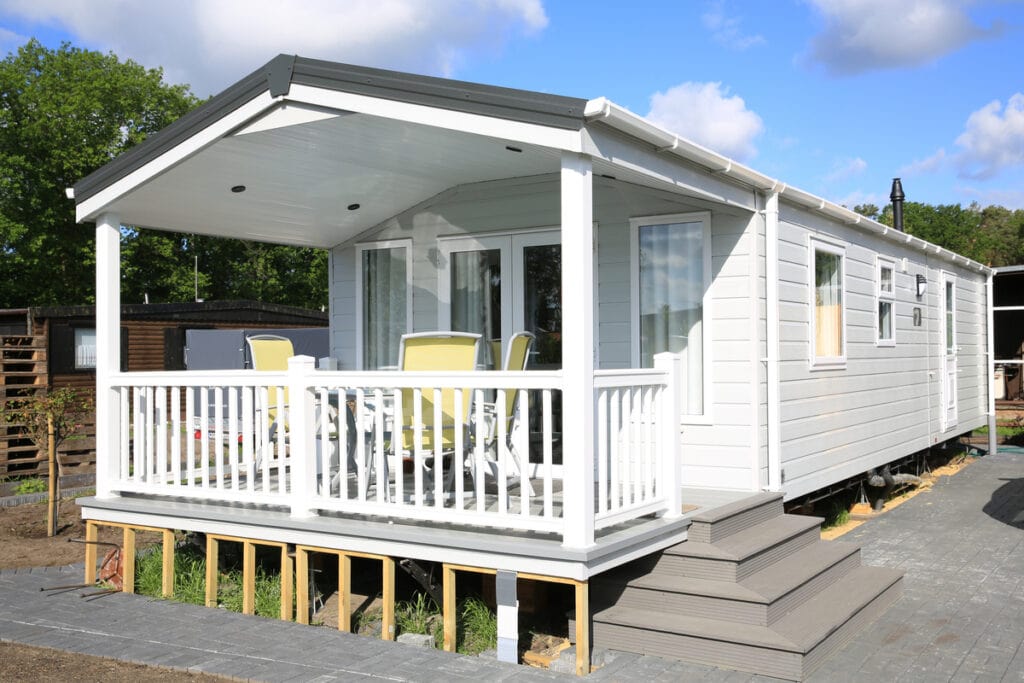
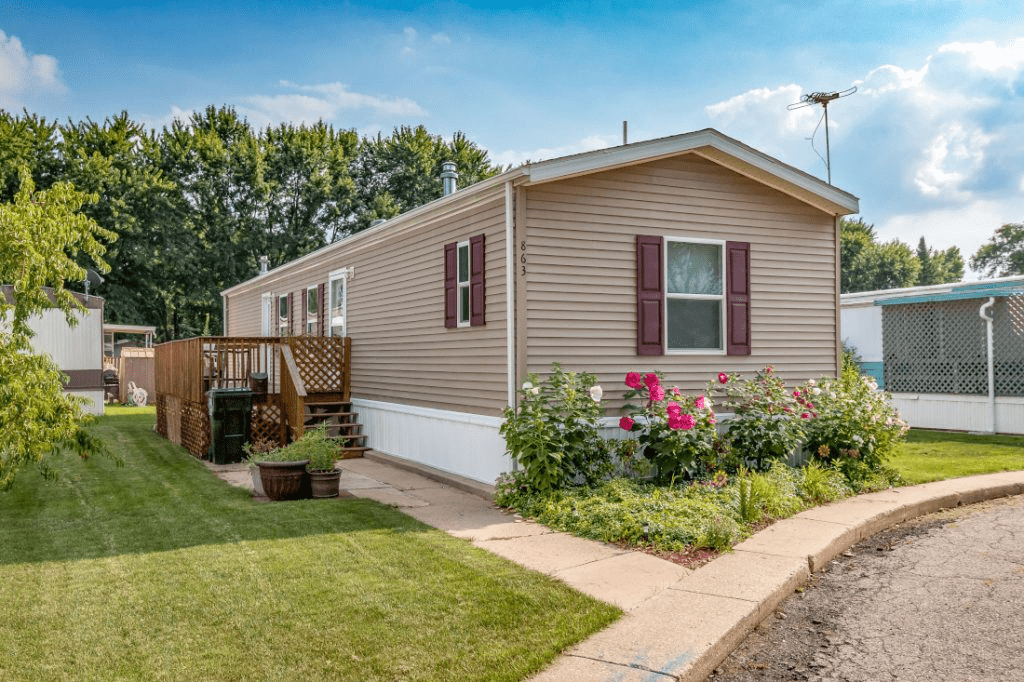
Tag: are mobile homes a good investment for rental property

  • How Profitable Is the Mobile Home Rental Business?

    How Profitable Is the Mobile Home Rental Business?

    The mobile home rental business has become a smart option for real estate investors in Florida and beyond. With lower startup costs and steady rental demand, many people are turning to this business model. But how profitable is it? The answer depends on location, management, and strategy—but in many cases, it’s more rewarding than traditional rentals.

    Why Mobile Home Rentals Work

    Renting out mobile homes brings in regular income at a lower entry cost than standard housing. These homes attract long-term tenants looking for affordable living. In Florida, especially, retirees and working families often choose mobile homes for their mix of comfort and price.

    Owners can either rent out land with a home or lease the home in a mobile home park. Each setup has its pros and cons, but both can bring solid returns if handled well.
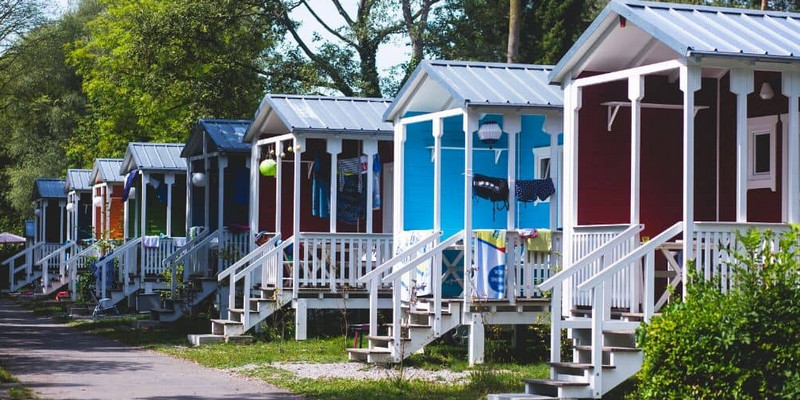
    How Profitable Is the Mobile Home Rental Business

    Costs Are Lower Than Traditional Rentals

    Buying a mobile home costs less than a single-family home or apartment unit. Lower upfront costs mean investors can enter the market without borrowing too much.

    Here are some common startup costs:

    • Used mobile home: $10,000 to $50,000
    • Lot rental or park fee: $300 to $800/month
    • Repairs and setup: $2,000 to $10,000
    • Insurance and taxes: Varies by area

    These expenses are generally much less than buying a rental house. Because of that, your profits can come faster.

    Income Potential From a Mobile Home Rental Business

    Monthly rental income from a mobile home in Florida can range from $600 to over $1,200. If you own the land, your returns are higher. If the home is in a park, you’ll pay lot rent, which will reduce your margin, but you’ll have fewer property maintenance responsibilities.

    Let’s look at a basic example:

    • Monthly rent: $1,000
    • Lot rent: $500
    • Net income: $500/month
    • Annual profit: $6,000

    If you own 5 mobile homes with this setup, you could bring in $30,000 per year. With a good location and low vacancies, these numbers can grow even more.

    Benefits of This Type of Investment

    The mobile home rental business offers more than just extra income. Here’s what makes it appealing:

    • Lower cost of entry
    • Fewer repairs than site-built homes
    • Steady demand for affordable housing
    • Flexible rental options
    • Fast return on investment

    This kind of rental business is ideal for investors who want stable income without spending a fortune to get started.

    How to Start a Mobile Home Rental Business

    If you’re thinking about getting into this space, follow these simple steps:

    1. Research the local market
      Look at rent prices, demand, and available parks or land. 
    2. Choose your investment strategy
      Buy a home in a park, or buy both the land and the home. 
    3. Buy your first mobile home
      Find a used home in good shape or one that needs only light repairs. 
    4. Prepare the home for tenants
      Clean, inspect, and update anything that’s broken. 
    5. List the home and find tenants
      Advertise online or through local bulletin boards. 
    6. Set up contracts and rules
      Use a rental agreement that protects you and your tenant.

    Once your first home is up and running, you can scale your business by buying more.

    How to Make Money Renting Mobile Homes

    Profit comes from keeping homes full and costs low. Here are a few ways to keep your cash flow strong:

    • Avoid long vacancies by marketing well and offering clean, safe homes. 
    • Use good screening tools to find reliable tenants. 
    • Maintain the homes to avoid big repair bills later. 
    • Raise rent slowly as market prices rise. 
    • Offer rent-to-own options for added income and lower turnover. 

    A well-run rental can pay off the home in just a few years. After that, your profits grow quickly.

    Are Mobile Homes a Good Investment for Rental Property?

    Yes, they are. Especially in areas like Florida, mobile homes remain in high demand. Many people want affordable housing, but also value having a place of their own. For investors, this means stable tenants and strong returns.

    Compared to traditional rentals, mobile homes cost less but bring in steady income. As long as you stay on top of maintenance and tenant needs, these homes often outperform single-family rentals.

    Is Buying a Mobile Home Better Than Renting?

    From a tenant’s point of view, owning can build equity over time. But for investors, offering rentals means cash flow now without the long wait of home appreciation. The smart move depends on your goals, but mobile home rentals can serve both sides well.

    Frequently Asked Questions

    How much money do I need to start a mobile home rental business?

    You can start with as little as $10,000 if buying a used home and renting the lot.

    Is a mobile home rental business risky?

    All rentals carry risk, but mobile homes are lower-cost and often have steady demand.

    Can I rent out a mobile home in a park?

    Yes, many parks allow you to rent your home to others. Always check the park rules first.

    How long does it take to see profit?

    Some investors break even in the first year, especially if the home is already in good shape.

    What type of tenants usually rent mobile homes?

    Retirees, working families, and people seeking affordable living often choose mobile homes.

    Do I need a license to rent out mobile homes?

    Rules vary by state, but in many cases, you don’t need a special license to rent.

    What are the tax rules for mobile home rentals?

    They follow standard rental income rules. You’ll report the income and can deduct expenses.

    Is it better to own the land or rent the lot?

    Owning the land means higher profits, but it also comes with more responsibility.

    What happens if a tenant stops paying rent?

    You’ll follow state eviction laws, just like with any other rental property.

    Can I scale this business?

    Yes. Once you learn the process, adding more homes becomes easier and faster.

    Final Thoughts

    The mobile home rental business offers a smart, profitable way to enter real estate investing. Florida’s demand for affordable housing continues to grow, making this market strong for investors. With low startup costs and solid income potential, mobile homes are more than just affordable housing—they’re an opportunity.

    By starting small, staying organized, and putting your tenants first, you can build a rental business that pays for years to come.


    See Also:
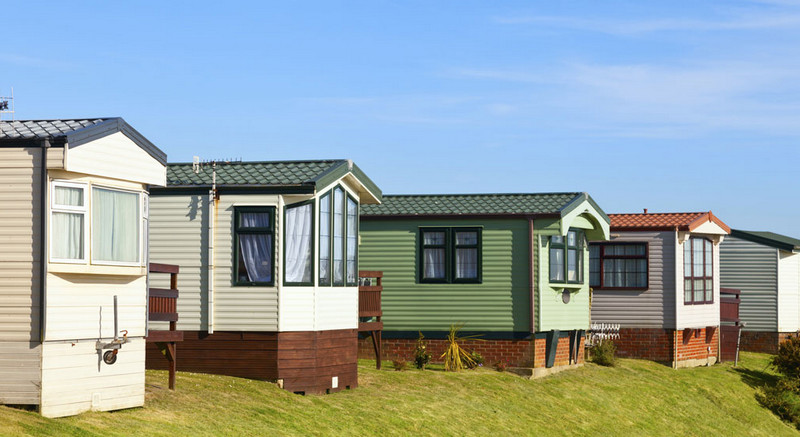
     

  • Are Mobile Homes a Good Investment? Here’s Why Many Buyers Say Yes

    Are Mobile Homes a Good Investment? Here’s Why Many Buyers Say Yes

    Are mobile homes a good investment? For many buyers across Florida, the answer is yes. Mobile homes offer a unique blend of affordability, flexibility, and long-term potential. Whether you’re a first-time buyer or someone searching for rental income, mobile homes deserve serious attention.

    Understanding Mobile Homes as a Long-Term Investment

    The cost of traditional housing continues to climb. As a result, more people are considering mobile homes as an affordable alternative. Unlike many single-family homes, mobile homes require less upfront capital. This lower barrier to entry opens up investment opportunities for more people.

    Here’s what makes mobile homes a strong investment option:

    • Lower purchase price: Easier entry into real estate.
    • Fewer maintenance costs: Smaller square footage means less upkeep.
    • Quick rental potential: High demand in many Florida retirement areas.
    • Flexible resale market: You can sell in a park or on private land.

    Each of these benefits appeals to investors who want a cost-effective property that offers both stability and profit.

    Are Mobile Homes a Good Investment

    Are Mobile Homes a Good Investment in Today’s Market?

    Yes, they are. In Florida, mobile homes continue to gain popularity. With rising demand for affordable housing, many investors are seeing solid returns. Mobile homes often carry lower monthly costs than traditional houses, but they can still generate steady income.

    Even as the market shifts, mobile homes remain attractive for several reasons:

    • They fit within tight budgets.
    • Buyers can own land or rent lots.
    • They’re ideal for seasonal renters, retirees, and long-term tenants. 

    These factors create constant interest, especially in areas like Sarasota, Tampa, and Orlando.

    Benefits of Mobile Home Park Investing

    If you’re considering an even broader investment option, mobile home park investing might catch your interest. Owning a park means you earn lot rent from each home, even if you don’t own the homes themselves. This lowers your management costs and increases cash flow.

    Benefits of mobile home park investing include:

    • Monthly rent from multiple tenants.
    • Less wear and tear on your own structures.
    • Strong tenant retention in well-managed parks.

    Many parks in Florida are filled with long-term residents who enjoy the community atmosphere and cost savings.

    Why This Strategy Works Well for Beginners

    Mobile home investing for beginners can be one of the simplest ways to start in real estate. Since mobile homes are more affordable, there’s less risk. Many new investors start by buying one home in a park and renting it out. Over time, they scale their efforts by adding more units.

    Here’s why beginners choose this path:

    • Less money upfront.
    • Simple repair needs.
    • Steady income stream.
    • A clear path to scaling. 

    When managed wisely, this strategy helps build consistent income without major expenses.

    Mobile Homes as a Rental Property

    Are mobile homes a good investment for rental property? Absolutely. Many owners enjoy consistent monthly income without high overhead. In areas with strong rental demand, like retirement communities or cities near the beach, rental mobile homes fill quickly.

    Some reasons rental mobile homes succeed include:

    • Affordability for tenants.
    • Limited competition in some markets.
    • Easy customization and improvements.
    • Flexible move-in options. 

    You can boost your profit by upgrading interiors or offering fully furnished homes for seasonal tenants.

    Mobile Home Investing Strategy that Works

    A smart mobile home investing strategy often begins with research. Knowing your market, setting realistic goals, and keeping an eye on costs will set you up for success. Many Florida investors use this approach:

    1. Buy below market value: Look for motivated sellers.
    2. Update with simple improvements: Paint, flooring, and fixtures go a long way.
    3. Rent in high-demand areas: Beaches, parks, or retirement hubs.
    4. Scale when ready: Add more homes or buy a park. 

    This repeatable strategy helps investors create steady income without stretching themselves too thin.

    Key Takeaways for Mobile Home Investors

    It’s clear that mobile homes can be smart financial choices. Whether you’re looking to own one unit or manage a full park, there’s room to grow. Many Florida investors enjoy low maintenance, high demand, and excellent returns.

    Let’s recap the biggest reasons investors are drawn to mobile homes:

    • Affordable purchase price.
    • Strong rental demand.
    • Multiple exit strategies.
    • Easy entry for beginners.

    Frequently Asked Questions

    What is the average return on investment for mobile homes?

    Returns can vary, but many investors see 8%–12% yearly.

    Do mobile homes lose value quickly?

    Not always. Well-maintained homes in good parks hold value over time.

    Can I finance a mobile home like a regular house?

    Yes, but terms may differ depending on the home’s age and location.

    Is it better to own the land or just the home?

    Owning the land gives you more control and long-term savings on lot rent.

    Are mobile homes easy to rent out?

    Yes, especially in Florida. Many renters look for affordable options.

    What should I look for in a mobile home park?

    Clean facilities, strong management, and good locations attract long-term tenants.

    Can I flip mobile homes for profit?

    Yes. Many investors buy low, fix them, and sell for a profit.

    How much does it cost to maintain a mobile home?

    Costs are usually lower than traditional homes, around $500–$1,000 per year.

    Is mobile home investing safe for beginners?

    Yes. With research and planning, it’s one of the easiest ways to start.

    How long does it take to rent a mobile home?

    Many homes rent within weeks, especially in Florida retirement communities.

    Final Thoughts

    So, are mobile homes a good investment? All signs point to yes. Whether you’re renting, flipping, or owning a park, the potential is strong. Florida continues to be one of the best states for mobile home investing thanks to warm weather, high demand, and affordable prices.

    With the right approach, mobile homes can build lasting income for years to come.


    See Also:


  • Do Mobile Homes Depreciate Faster Than Traditional Homes?

    Many people ask, do mobile homes depreciate faster than traditional homes? The answer depends on several factors, including maintenance, location, and market conditions. While mobile homes tend to lose value over time, they can still be a great housing option and a smart investment.

    Do Mobile Homes Depreciate or Appreciate?

    One common question is, do mobile homes depreciate or appreciate? Traditional homes often gain value due to land ownership and long-term demand. Mobile homes, however, are considered personal property unless permanently attached to land. This classification affects how they gain or lose value over time.

    do mobile homes depreciate faster

    Factors That Impact Mobile Home Value:

    • Land Ownership: Homes on owned land may appreciate.
    • Condition and Maintenance: Well-maintained homes hold value longer.
    • Market Trends: Demand for mobile homes affects resale prices.
    • Upgrades and Renovations: Modern features can slow depreciation.

    With the right care and location, mobile homes can retain value and offer a comfortable living space.


    Are Mobile Homes a Good Investment for Rental Property?

    Investors often wonder, are mobile homes a good investment for rental property? Mobile homes can be a profitable option for landlords due to lower purchase costs and strong rental demand.

    Benefits of Renting Out a Mobile Home:

    • Lower Upfront Costs: Mobile homes cost less than traditional houses.
    • Steady Rental Demand: Affordable housing is always needed.
    • Lower Property Taxes: Mobile homes often have lower tax rates.
    • Flexible Investment: Homes can be moved if necessary.

    With the right market and upkeep, renting out mobile homes can provide a steady income.

    Are Mobile Homes Good to Live In?

    Many people ask, are mobile homes good to live in? These homes offer affordability, flexibility, and comfort for individuals and families.

    Advantages of Living in a Mobile Home:

    • Lower Living Costs: Utility bills and maintenance expenses are often lower.
    • Community Living: Many mobile home parks offer amenities and social events.
    • Flexible Lifestyle: Mobile homes provide options for relocation.
    • Customizable Interiors: Many models allow upgrades and personal touches.

    For those seeking an affordable and comfortable home, mobile homes provide an excellent living option.

    Do Mobile Homes Depreciate Faster Than Traditional Homes?

    The question remains, do mobile homes depreciate faster? In many cases, mobile homes lose value over time, but this does not mean they lack benefits.

    Factors That Affect Depreciation Rates:

    • Age of the Home: Newer models hold value better.
    • Location: Homes in desirable areas may maintain value.
    • Land Status: Homes on owned land appreciate more than those on leased lots.
    • Upkeep and Repairs: Well-maintained homes experience slower depreciation.

    By taking good care of a mobile home and choosing the right location, depreciation can be minimized.

    Are Mobile Homes Safe?

    Another common concern is, are mobile homes safe? Modern mobile homes meet strict safety standards and can withstand harsh weather conditions.

    Mobile Home Safety Features:

    • Upgraded Construction Materials: Newer models use durable materials.
    • Wind Resistance: Homes built to HUD standards can endure strong winds.
    • Fire Safety: Many homes include smoke alarms and fire-resistant materials.
    • Proper Anchoring: Secure installation reduces storm risks.

    With proper setup and maintenance, mobile homes provide a safe and secure living environment.

    Final Thoughts

    So, do mobile homes depreciate faster? In most cases, they do lose value quicker than traditional homes, but with proper care, land ownership, and maintenance, mobile homes can be a great investment and a comfortable place to live. Whether purchasing for personal use or rental income, mobile homes offer affordability, flexibility, and many benefits.

    See Also:

  • Do Mobile Homes Depreciate?

    Do mobile homes depreciate? Many people believe they lose value over time, but that is not always true. While some factors can lead to depreciation, proper maintenance and location can help a mobile home retain or even increase its worth.

    What Affects Mobile Home Value?

    Several factors determine whether a mobile home gains or loses value. A well-kept home in a desirable location can appreciate over time.

    Key Factors That Influence Value:

    • Location – Mobile homes in high-demand areas hold value better.
    • Land Ownership – Homes on owned land are more likely to appreciate.
    • Home Condition – Regular maintenance helps prevent value loss.
    • Upgrades – Modern features and improvements can increase resale value.
    • Market Demand – More buyers in the market can help prices stay strong.

    Do Mobile Homes Depreciate

    Can Mobile Homes Appreciate in Value?

    Although some mobile homes depreciate, many factors contribute to appreciation. Homes that receive upgrades and sit on owned land often increase in value.

    Ways to Boost Mobile Home Value:

    • Install energy-efficient features – Lower utility costs attract buyers.
    • Keep the home well-maintained – Repairs and upkeep prevent deterioration.
    • Improve landscaping – A clean yard adds curb appeal.
    • Upgrade appliances – Modern kitchens and bathrooms raise home value.

    Why Land Ownership Matters

    Owning the land under a mobile home plays a major role in its value. A mobile home on rented land may depreciate faster than one on owned property.

    Benefits of Owning the Land:

    • Increases stability – Permanent placement makes the home feel more secure.
    • Easier resale – Buyers prefer homes with included land.
    • Better financing options – Traditional loans may be available.

    How Proper Maintenance Protects Value

    Regular maintenance keeps a mobile home in good condition, which helps maintain or increase its worth. Homes that look well-kept attract more buyers and sell at higher prices.

    Maintenance Tips:

    • Inspect the roof – Prevent leaks and structural damage.
    • Check plumbing and wiring – Ensure all systems work properly.
    • Keep the exterior clean – A fresh coat of paint helps maintain curb appeal.
    • Update insulation – Proper insulation lowers energy costs and improves comfort.

    The Role of Location in Mobile Home Value

    Location has a strong impact on whether a mobile home appreciates. Homes in growing communities or near desirable amenities often hold value better than those in less popular areas.

    Features of Good Locations:

    • Nearby schools and shopping – Convenience increases demand.
    • Strong job market – Areas with employment growth attract homebuyers.
    • Safe neighborhoods – Security boosts property appeal.

    Financing Options and Their Impact on Value

    Financing plays a part in mobile home value. Traditional mortgages are available for homes on permanent foundations, while chattel loans apply to those on rented lots.

    Common Financing Options:

    • Conventional Loans – Available for mobile homes classified as real property.
    • FHA Loans – Government-backed options with low down payments.
    • Chattel Loans – Used for homes classified as personal property.

    Mobile Homes vs. Traditional Homes

    While traditional homes often appreciate, mobile homes can hold value with the right conditions. Investing in upgrades and maintaining the home properly helps protect long-term worth.

    Key Differences:

    • Construction Type – Mobile homes are built off-site and transported.
    • Land Ownership – Traditional homes always include land.
    • Financing Options – Mobile homes have specific loan types.

    What Homeowners Can Do to Maintain Value

    Taking proactive steps ensures a mobile home remains a solid investment. Owners who stay on top of repairs and upgrades can see positive returns.

    Smart Strategies:

    • Keep records of maintenance – Proof of upkeep reassures buyers.
    • Upgrade when possible – Modern features improve appeal.
    • Choose a good location – Buying in a growing area boosts value potential.

    Final Thoughts on Mobile Home Depreciation

    Do mobile homes depreciate? Not always. The right location, maintenance, and land ownership can help maintain or increase their value. Taking care of the home and making smart upgrades keeps it a worthwhile investment.


    See Also:


  • Common Pitfalls of Mobile Home Investing in Florida

    The pitfalls of mobile home investing in Florida can cost time, money, and peace of mind. Many investors enter this market without fully understanding its challenges. By identifying these common mistakes, you can avoid unnecessary risks and improve your chances of success.

    Overlooking Local Regulations

    Florida has specific rules for mobile homes, and ignoring them can lead to serious problems. Each county and city may have different zoning laws, building codes, and permit requirements. Failing to research these rules could result in fines or delays.

    Key Considerations for Local Regulations:

    • Check zoning laws to ensure mobile homes are allowed in the area.
    • Verify that the home meets Florida’s wind zone standards.
    • Obtain proper permits before making upgrades or repairs.

    Skipping this step often leads to unexpected costs and legal issues. Always consult local authorities before finalizing any investment.

    Pitfalls of Mobile Home Investing

    Ignoring Lot Ownership Details

    Mobile homes can be placed on owned land or rented lots. Overlooking the details of lot ownership is a common mistake. Investors must factor in monthly fees and lease terms when the home sits on rented land.

    Issues with Rented Lots:

    • Sudden rent increases can impact profits.
    • Unclear lease agreements may result in disputes.
    • Rules in mobile home parks can limit renovation plans.

    Owning the land under the mobile home offers more control and stability. However, land ownership comes with its responsibilities, including property taxes and maintenance.

    Failing to Inspect the Property

    Skipping a thorough inspection is a frequent pitfall of mobile home investing. Many mobile homes have hidden issues that can become costly repairs. Structural damage, water leaks, and outdated electrical systems are common problems.

    What to Inspect:

    • Roof and siding: Look for leaks, cracks, or signs of wear.
    • Foundation: Check for shifting or instability.
    • Plumbing and wiring: Test for functionality and safety.

    Hiring a professional inspector is often worth the cost. Inspections can reveal issues that impact the home’s value and profitability.

    Underestimating Maintenance Costs

    Mobile homes require ongoing maintenance to remain livable and compliant with regulations. Many investors underestimate these costs, leading to financial strain. Regular upkeep includes repairing the roof, replacing skirting, and maintaining HVAC systems.

    Common Maintenance Tasks:

    • Replacing damaged flooring or windows
    • Servicing heating and cooling systems
    • Addressing plumbing or electrical issues

    Neglecting maintenance reduces the home’s value and tenant satisfaction. Plan for routine upkeep to avoid falling behind on repairs.

    Overpaying for a Mobile Home

    Paying too much for a mobile home is a common mistake, especially for new investors. The market value of a mobile home depends on factors like location, age, and condition. Overpaying can limit potential profits or cause financial losses.

    Tips to Avoid Overpaying:

    • Compare similar properties in the area.
    • Consider the cost of repairs and upgrades.
    • Negotiate with sellers to lower the price.

    Performing due diligence helps ensure you get a fair deal and maintain profitability.

    Overestimating Rental Income

    Investors often assume mobile homes will generate consistent rental income. While this is possible, overestimating rental potential can lead to disappointment. Factors like local demand, park rules, and competition affect how much rent you can charge.

    How to Set Realistic Expectations:

    • Research average rental rates in the area.
    • Consider vacancy rates and tenant turnover.
    • Account for expenses like utilities and lot fees.

    You can create a more accurate financial plan by setting achievable income goals.

    Neglecting Tenant Screening

    Choosing the wrong tenants can lead to late payments or property damage. Some investors skip thorough screening processes to save time, which often results in long-term problems.

    Steps for Tenant Screening:

    • Check credit history and income stability.
    • Conduct background checks for criminal records.
    • Contact previous landlords for references.

    Proper screening helps protect your investment and ensures a more positive rental experience.

    Failing to Budget for Unexpected Expenses

    Mobile home investing often involves unforeseen costs. Repairs, legal fees, and tenant issues can strain your budget if you’re unprepared. Without a financial buffer, unexpected expenses may reduce your returns.

    Common Unexpected Costs:

    • Emergency repairs, such as plumbing or HVAC failures
    • Legal disputes with tenants or contractors
    • Changes in local tax rates or insurance premiums

    Setting aside a portion of your emergency budget can help you handle surprises without financial stress.

    Relying on Outdated Market Information

    The mobile home market in Florida is dynamic. Prices, demand, and regulations can change over time. Using outdated information can lead to poor investment decisions.

    How to Stay Informed:

    • Monitor real estate trends in your area.
    • Join online forums or local investor groups.
    • Work with a real estate agent familiar with mobile homes.

    Staying current with market conditions ensures you make informed choices and avoid costly mistakes.

    Skipping Insurance Coverage

    Some investors neglect to purchase adequate insurance for their mobile homes. This decision can backfire if hurricanes, fire, or vandalism damage the property. Florida’s weather makes insurance a necessary expense.

    Types of Insurance to Consider:

    • Property insurance for damage or loss
    • Liability insurance for tenant injuries
    • Flood insurance if the property is in a flood zone

    Proper insurance coverage protects your investment from unforeseen events.

    Tips for Avoiding Common Pitfalls

    Avoiding these mistakes can make your investment more successful. Consider the following tips to minimize risks:

    • Research local regulations and market conditions.
    • Inspect properties thoroughly before buying.
    • Budget for repairs, maintenance, and emergencies.
    • Screen tenants carefully to reduce potential problems.
    • Stay informed about changes in Florida’s housing market.

    Taking these precautions helps you make smarter investment decisions.

    Frequently Asked Questions

    Is Mobile Home Investing Profitable in Florida?

    Yes, mobile home investing can be profitable if you avoid common pitfalls and plan carefully. The affordable entry costs and high demand for affordable housing make it an attractive option.

    How Much Should I Budget for Repairs?

    Set aside 10%–20% of your initial investment for repairs and maintenance. This ensures you can address issues promptly without affecting your cash flow.

    Can I Invest Without Owning the Land?

    Yes, but investing in rented lots requires careful consideration. Understand the terms of the lease and potential risks before committing.

    Final Thoughts on Mobile Home Investing

    Understanding the pitfalls of mobile home investing in Florida is essential for long-term success. Avoiding these common mistakes can protect your investment and maximize returns. Conduct thorough research, plan your budget, and stay proactive to navigate this market effectively. With careful planning, mobile home investing can offer steady income and growth opportunities.

    See Also:


  • Mobile Home Depreciation: How to Maintain Value Over Time in Florida

    Mobile homes, often referred to as manufactured homes, are an affordable housing option that appeals to many individuals and families in Florida. However, one of the primary concerns for mobile homeowners is depreciation. Unlike traditional homes that tend to appreciate over time, mobile homes often face depreciation due to various factors. In this article, we will explore strategies to slow down depreciation and maintain or even increase the value of your mobile home in Florida.

    Mobile Home Depreciation

    Understanding Mobile Home Depreciation

    Before diving into maintenance strategies, it’s crucial to understand what depreciation is and why it affects mobile homes more than traditional homes.

    What is Depreciation?

    Depreciation refers to the decrease in the value of an asset over time, often due to wear and tear, aging, or obsolescence. For mobile homes, several factors contribute to depreciation:

    • Location: The neighborhood’s desirability can impact the home’s value.
    • Condition: The overall condition of the mobile home, including structural integrity and aesthetics, plays a significant role.
    • Market Trends: Economic factors and trends in the real estate market can influence property values.

    Why Do Mobile Homes Depreciate Faster?

    • Manufacturing Perception: Mobile homes are often viewed as less desirable than traditional homes, leading to lower market values.
    • Financing Challenges: Financing options for mobile homes can be limited, impacting resale value.
    • Land Ownership: Many mobile homes are placed in mobile home parks where land ownership differs from traditional homeownership.

    Despite these challenges, there are proactive steps you can take to maintain or increase the value of your mobile home.

    Tips to Maintain and Increase Your Mobile Home’s Value

    1. Regular Maintenance and Repairs

    Keeping your mobile home in good condition is the first step in slowing depreciation. Regular maintenance not only preserves the home’s aesthetics but also ensures its structural integrity.

    • Inspect the Roof: Regularly check for leaks, damages, or signs of wear. A well-maintained roof can prevent significant issues down the line.
    • HVAC System Maintenance: Schedule annual inspections and cleanings for your heating and cooling systems to ensure they operate efficiently.
    • Plumbing and Electrical Checks: Regularly inspect plumbing and electrical systems to identify and fix issues early.

    2. Enhance Curb Appeal

    First impressions matter, especially in real estate. Enhancing the curb appeal of your mobile home can significantly impact its perceived value.

    • Landscaping: Maintain a neat lawn, plant flowers, and trim shrubs to create an inviting exterior.
    • Exterior Upgrades: Consider repainting or updating the siding. New paint or upgraded materials can give your home a fresh look and protect it from the elements.
    • Porches and Decks: Adding or maintaining a porch or deck can enhance outdoor living space and increase property appeal.

    3. Interior Updates

    Updating the interior of your mobile home can also contribute to its value. Focus on modernizing key areas to attract potential buyers or renters.

    • Kitchen Remodels: Upgrading appliances, cabinets, and countertops can significantly boost your home’s value.
    • Bathroom Improvements: Simple fixes like new fixtures, paint, or flooring can make a big difference.
    • Flooring Upgrades: Consider replacing worn-out carpets with laminate or vinyl flooring, which can offer a more modern look and durability.

    4. Energy Efficiency Improvements

    Energy-efficient upgrades can appeal to environmentally conscious buyers while also reducing utility bills. These improvements can make your mobile home more desirable in the market.

    • Insulation: Proper insulation can significantly reduce heating and cooling costs. Inspect and upgrade insulation in walls, ceilings, and floors as needed.
    • Energy-Efficient Windows: Replacing old windows with energy-efficient ones can improve comfort and reduce energy costs.
    • Solar Panels: Installing solar panels can increase the home’s value and attract buyers looking for sustainable living options.

    5. Know Your Market

    Understanding the local real estate market is essential for making informed decisions about your mobile home. Keeping abreast of trends and market conditions can help you position your home effectively.

    • Monitor Comparable Sales: Track the sale prices of similar mobile homes in your area to gauge your home’s market value.
    • Engage with Local Real Estate Agents: Work with agents who specialize in mobile home sales to gain insights into market conditions and trends.

    6. Proper Insurance Coverage

    Having the right insurance coverage can protect your investment and ensure that you can recover financially from potential damages. Consider the following:

    • Comprehensive Insurance Policies: Invest in comprehensive insurance that covers not just the mobile home but also personal belongings and liability.
    • Regular Policy Reviews: Periodically review your insurance policy to ensure it aligns with your home’s current value and condition.

    7. Choose the Right Mobile Home Park

    If your mobile home is located in a park, the park’s quality and management can affect your home’s value.

    • Research Parks: Before moving into a mobile home park, research the park’s reputation, amenities, and management. Well-maintained parks tend to have higher property values.
    • Community Involvement: Participate in park activities and meetings to foster a sense of community and keep up with improvements or changes that could impact your home’s value.

    8. Renovation and Upgrading

    Strategic renovations can lead to a significant increase in value. Consider larger projects that can enhance your home’s marketability:

    • Additions: If space allows, consider adding rooms or extending existing spaces to increase square footage.
    • Outdoor Features: Installing a patio, shed, or fencing can enhance outdoor living and appeal.

    9. Stay Organized with Documentation

    Keep thorough records of all maintenance, upgrades, and repairs performed on your mobile home. This documentation can be beneficial when selling your home, as it shows potential buyers the care and attention you’ve given it.

    10. Be Mindful of Depreciation Trends

    Lastly, stay informed about the overall trends in mobile home values and depreciation. Awareness of economic shifts, interest rates, and housing demands can help you make proactive decisions about your mobile home.

    Conclusion

    While mobile homes in Florida face unique challenges related to depreciation, homeowners can take proactive steps to maintain and even increase their value. By focusing on regular maintenance, enhancing curb appeal, making strategic interior and exterior upgrades, and staying informed about the local market, you can ensure your mobile home remains a valuable investment for years to come. Ultimately, the effort you put into your mobile home will pay off when it comes time to sell or rent, allowing you to enjoy the benefits of homeownership in the Sunshine State.


    See Also:

  • Why Mobile Homes Are a Smart Investment in Florida

    Mobile homes, also known as manufactured homes, have long been considered an affordable and practical housing option. In recent years, mobile homes have gained recognition as a smart investment opportunity, especially in Florida. Known for its warm climate, growing population, and vibrant economy, Florida presents an ideal environment for mobile home investments. This article explores why mobile homes are a smart investment in Florida, covering affordability, demand, potential returns, and other key benefits.

    mobile home investment

    Affordability

    One of the most compelling reasons mobile homes make for a smart investment in Florida is their affordability compared to traditional site-built homes. As housing prices continue to climb across the state, mobile homes offer an attractive alternative for both investors and homebuyers.

    Lower Purchase Price

    Mobile homes typically cost significantly less than site-built homes. According to recent data, the average cost of a mobile home in Florida is approximately $80,000 to $120,000, while the median price of a site-built home can be several times higher. This lower initial investment allows investors to enter the real estate market without needing to secure large mortgages or financing options.

    Lower Property Taxes

    In Florida, mobile homes situated on leased land are not subject to the same property taxes as site-built homes. Instead, mobile homeowners pay a smaller tax in the form of a tag fee, much like an automobile registration. This can save mobile home investors a substantial amount of money in property taxes over time, making mobile homes a more cost-effective investment option.

    Affordable Maintenance

    Mobile homes are also generally less expensive to maintain. Their smaller size means lower utility bills, and repairs or upgrades tend to be more affordable compared to traditional homes. For investors, lower maintenance costs can increase profitability and reduce the need for extensive renovations.

    Strong Demand for Affordable Housing

    Florida’s population has been steadily increasing, with thousands of new residents moving to the state each year. This population growth creates a strong demand for affordable housing, making mobile homes an attractive option for many residents, particularly retirees, first-time buyers, and low-to-middle-income families.

    Appeal to Retirees

    Florida has long been a popular destination for retirees, thanks to its warm weather, lack of state income tax, and abundance of retirement communities. Mobile homes in 55+ communities are especially attractive to retirees who are looking for an affordable, low-maintenance lifestyle. As the baby boomer generation continues to retire in large numbers, the demand for mobile homes in retirement-friendly locations is expected to remain high.

    Housing Crisis Solutions

    The increasing cost of traditional homes in Florida has contributed to a growing affordable housing crisis. Many residents, particularly in cities like Miami, Tampa, and Orlando, are being priced out of the traditional housing market. Mobile homes provide a solution to this issue by offering a more affordable alternative for people seeking homeownership without the burden of a large mortgage.

    Investors who recognize this trend can capitalize on the demand for affordable housing by investing in mobile homes, whether for resale or as rental properties.

    Rental Income Opportunities

    Mobile homes in Florida also present strong opportunities for investors looking to generate passive income through rental properties. As demand for affordable rentals continues to rise, especially in key areas of Florida, mobile homes can offer attractive returns on investment.

    Higher Rental Yields

    Compared to traditional homes, mobile homes can often generate higher rental yields, especially when they are located in desirable areas or mobile home parks with amenities like pools, clubhouses, and recreational facilities. The lower initial investment means that even modest rental income can result in significant cash flow for investors.

    Less Tenant Turnover

    Mobile homes in retirement communities or family-friendly parks often experience less tenant turnover compared to apartment buildings or single-family homes. Tenants in mobile home communities are more likely to settle down for the long term, reducing vacancy rates and creating a stable income stream for landlords.

    Vacation Rentals

    Florida is a top tourist destination, attracting millions of visitors each year. Mobile homes located near popular attractions such as Disney World, the Florida Keys, and Gulf Coast beaches can be used as short-term vacation rentals, offering investors the potential to earn high seasonal rental income. Vacationers often seek affordable accommodations, and mobile homes can provide an appealing alternative to pricier hotels or vacation homes.

    Land-Lease Parks and Investment Flexibility

    Another factor that makes mobile homes a smart investment in Florida is the flexibility offered by land-lease communities. In these parks, investors can own the mobile home itself while leasing the land it sits on, reducing the total cost of ownership.

    Lower Upfront Costs

    In a land-lease park, the cost of the land is not included in the purchase price of the home, making the investment more affordable upfront. While owners pay a monthly lot rent, the overall cost is often significantly lower than purchasing land outright, allowing investors to allocate their resources more effectively.

    Minimal Land Management Responsibilities

    Since the investor is leasing the land, the responsibility for maintaining common areas and infrastructure, such as roads, utilities, and landscaping, typically falls on the park owner. This reduces the amount of time and effort required from investors, allowing them to focus on managing their homes and tenants.

    Appreciation Potential

    Although mobile homes have historically been viewed as depreciating assets, this perception is changing. Several factors are contributing to the appreciation of mobile homes in Florida, making them an increasingly attractive investment.

    Improved Construction Standards

    Modern manufactured homes are built to high standards, often using durable materials and construction techniques that rival traditional homes. The HUD Code, established in 1976, ensures that mobile homes are constructed to meet strict safety and efficiency guidelines. As a result, newer mobile homes hold their value better than older models, making them a more stable investment.

    Location Matters

    Mobile homes located in desirable areas, such as coastal communities or near popular retirement destinations, tend to appreciate in value. Additionally, mobile homes in well-maintained parks with amenities and strict regulations often see higher appreciation rates. Investors who carefully choose the location of their mobile home can benefit from long-term appreciation, especially as demand for affordable housing continues to grow.

    Why Choose Florida for Mobile Home Investments?

    Florida offers several advantages that make it an ideal state for mobile home investments.

    No State Income Tax

    Florida’s lack of state income tax is a significant benefit for both residents and investors. For investors, this means that rental income or profits from selling a mobile home are not subject to state taxation, which can increase overall returns on investment.

    Favorable Climate

    Florida’s warm, sunny climate attracts people year-round, particularly retirees and snowbirds from colder states. Mobile home communities in Florida are often designed with outdoor living in mind, offering amenities such as pools, walking trails, and golf courses. This lifestyle is particularly appealing to retirees and vacationers, ensuring a steady stream of interested buyers and renters.

    Growing Population

    Florida is one of the fastest-growing states in the U.S., with its population expected to continue rising in the coming decades. As more people move to the state for work, retirement, or lifestyle reasons, the demand for affordable housing, including mobile homes, will only increase. This growing population ensures a constant pool of potential buyers and renters for mobile home investors.

    Conclusion

    Mobile homes are a smart investment in Florida for several reasons, including their affordability, strong demand for affordable housing, rental income potential, flexibility in land-lease parks, and appreciation potential. For investors looking to enter the real estate market or diversify their portfolios, mobile homes offer a low-cost, high-return opportunity.

    The unique benefits of investing in Florida—such as no state income tax, a favorable climate, and a growing population—further enhance the appeal of mobile homes as a lucrative and sustainable investment. Whether you’re interested in generating rental income, reselling for a profit, or capitalizing on the growing demand for affordable housing, mobile homes in Florida present a promising investment option.


    See Also:


  • How to Turn Your Mobile Home in Florida into a Rental Investment

    Turning a mobile home in Florida into a rental investment can be a smart financial move, especially given the growing demand for affordable housing in the state. Florida’s diverse population, large retirement community, and vacation-driven economy create significant opportunities for mobile home rentals. Whether you’re renting to long-term tenants, retirees, or seasonal vacationers, mobile homes can generate consistent income if managed properly.

    mobile home rental investment

    This guide will walk you through the essential steps for turning your mobile home into a rental investment, covering legal requirements, market demand, and tips for maximizing rental income.

    1. Understand Local Zoning Laws and Regulations

    Before turning your mobile home into a rental property, you must ensure it complies with Florida’s zoning laws and regulations. Mobile homes are governed by both state and local laws, which can vary depending on the county or city where your property is located. Here are key points to keep in mind:

    • Zoning Laws: Zoning laws determine whether your mobile home can be rented out, especially if it’s located on private land. Check with local zoning offices to confirm that renting a mobile home in your area is permitted.
    • Mobile Home Park Rules: If your mobile home is in a park, review the park’s rules regarding rentals. Some parks may prohibit renting or have specific regulations you must follow, such as tenant screening, lease length, or additional fees.
    • Licensing and Registration: In Florida, you may need to register as a landlord or obtain a business license to legally rent out your mobile home. It’s essential to check with your local government and the Florida Department of Business and Professional Regulation (DBPR) to ensure compliance.
    • Safety and Building Codes: Your mobile home must meet Florida’s building and safety standards. If your home is older, you may need to make upgrades to ensure it’s safe for tenants. Inspections and permits may also be required before renting.

    2. Determine the Market Demand

    The next step is to evaluate the demand for mobile home rentals in your area. Understanding market demand will help you price your rental competitively and target the right tenant demographic. Here’s how to assess the market:

    • Research Comparable Rentals: Look for similar mobile homes being rented out in your area. Compare factors like size, location, amenities, and rental rates. Websites like Zillow, Craigslist, and local real estate listing services can give you a good sense of what renters are paying.
    • Target Audience: Determine who your ideal tenants will be. Mobile home rentals in Florida appeal to various groups, including:
      • Retirees: Florida is known for its large retirement population, and many retirees look for affordable, low-maintenance homes in 55+ communities.
      • Families: All-age mobile home parks may attract families looking for budget-friendly housing.
      • Vacationers: In popular vacation spots like Orlando or near Florida’s beaches, mobile homes can be marketed as seasonal or short-term vacation rentals.
      • Workers: In areas near major cities or construction projects, mobile home rentals can attract workers seeking temporary housing.
    • Seasonal Demand: Florida experiences seasonal fluctuations in demand, especially in areas popular with tourists. If your mobile home is near the coast or a vacation destination, you can capitalize on the snowbird season (winter months) when northern visitors seek rentals.

    3. Prepare Your Mobile Home for Tenants

    Once you’ve confirmed that you can rent your mobile home and understand the market demand, it’s time to prepare the property for tenants. A well-maintained, attractive home will not only help you secure tenants quickly but also enable you to charge a higher rent.

    • Clean and Repair: Start by thoroughly cleaning the interior and exterior of the mobile home. Ensure all appliances, plumbing, and electrical systems are in good working order. Address any necessary repairs, such as fixing leaks, replacing broken fixtures, or upgrading insulation for energy efficiency.
    • Update for Appeal: Consider making affordable upgrades to increase your home’s appeal. Simple improvements like new flooring, fresh paint, updated appliances, or modern lighting can make a big difference in attracting renters.
    • Furnish or Unfurnished?: Decide whether you’ll offer your mobile home furnished or unfurnished. A furnished mobile home can appeal to vacationers and short-term renters, while long-term tenants may prefer an unfurnished space they can personalize.
    • Safety Features: Install essential safety features like smoke detectors, carbon monoxide detectors, and secure locks on doors and windows. You may also want to provide emergency contact information and an evacuation plan in case of hurricanes or other natural disasters.

    4. Set a Competitive Rental Price

    Pricing your mobile home rental correctly is critical to attracting tenants while maximizing your investment returns. The key is to strike a balance between affordability and profitability. Here’s how to set your price:

    • Calculate Expenses: First, determine your monthly expenses, including mortgage payments (if applicable), insurance, property taxes, maintenance costs, utilities (if you include them), and any fees associated with the mobile home park. You’ll need to cover these expenses through rental income.
    • Compare Market Rates: Look at the rental rates of comparable mobile homes in your area. Adjust your pricing based on your home’s size, location, and features. For example, a mobile home near a beach or in a gated community can command a higher rent than one in a rural area.
    • Factor in Seasonal Pricing: If you’re offering your mobile home as a vacation rental, consider adjusting the price based on the season. You may charge higher rates during peak tourist seasons and lower rates during off-peak months.

    5. Create a Lease Agreement

    A well-drafted lease agreement protects both you and your tenants by outlining the terms and conditions of the rental. In Florida, lease agreements for mobile homes must comply with state laws governing landlord-tenant relationships. Here are key elements to include:

    • Rental Terms: Specify the lease length (e.g., month-to-month, six months, or yearly), rental amount, due date, and payment method. Include any late fees or penalties for missed payments.
    • Security Deposit: Florida law allows landlords to collect a security deposit, which must be held in a separate account. Clearly state the amount of the deposit, conditions for its return, and how it will be used to cover damages.
    • Maintenance Responsibilities: Outline who is responsible for maintenance and repairs. Typically, the tenant is responsible for keeping the home clean and reporting any issues, while the landlord handles major repairs.
    • Utilities and Fees: Specify which utilities (if any) are included in the rent and which are the tenant’s responsibility. If your mobile home is in a park, mention any additional fees tenants may need to pay, such as lot rent or HOA fees.
    • House Rules: If applicable, include any rules set by the mobile home park, such as pet restrictions, parking regulations, or noise limits.

    6. Market Your Mobile Home Rental

    Now that your mobile home is ready to rent, it’s time to advertise and attract potential tenants. Here are some effective marketing strategies:

    • Online Listings: Post your mobile home on popular rental websites like Zillow, Craigslist, Apartments.com, or vacation rental platforms like Airbnb or Vrbo for short-term rentals.
    • Social Media: Use social media platforms like Facebook Marketplace or local groups to promote your rental. Many communities in Florida have Facebook groups dedicated to rental properties or mobile home parks.
    • Local Advertising: Consider placing ads in local newspapers, community bulletin boards, or within mobile home parks if allowed.
    • Word of Mouth: Don’t underestimate the power of word-of-mouth marketing. Let friends, family, and neighbors know you have a mobile home available for rent.

    7. Maximize Your Rental Income

    Once your mobile home is rented, there are several ways to increase your rental income and make your investment more profitable:

    • Offer Short-Term Rentals: In tourist-heavy areas, you can maximize income by offering your mobile home as a short-term or vacation rental during peak seasons. This allows you to charge higher nightly or weekly rates compared to long-term rentals.
    • Provide Additional Services: If you’re renting to vacationers, consider offering extras like cleaning services, laundry facilities, or beach equipment for an additional fee.
    • Regular Maintenance: Keep your mobile home in excellent condition by performing regular maintenance. A well-maintained property reduces the risk of costly repairs and keeps tenants satisfied, reducing turnover.

    Conclusion

    Turning your mobile home in Florida into a rental investment can be a profitable venture if done correctly. By understanding the legal requirements, researching the market demand, preparing your home for tenants, and pricing it competitively, you can create a steady stream of rental income. Whether you’re targeting long-term tenants or vacationers, Florida’s diverse market offers plenty of opportunities for mobile home rental investments.


    See Also:


  • Why Mobile Homes Are a Great Investment in Florida’s Real Estate Market

    Florida’s real estate market has long been a hotspot for investors, and with good reason. The Sunshine State offers a unique combination of favorable weather, a booming tourism industry, and a large population of retirees, making it a prime location for real estate investments. While traditional homes have always been popular, mobile homes are gaining traction as an attractive investment option. In this article, we will explore why mobile homes are a great investment in Florida’s real estate market, covering affordability, demand, potential for rental income, and key factors to consider when investing in mobile homes.

    mobile homes are a great investment

    1. Affordability: A Low-Cost Entry into Real Estate Investing

    One of the most significant advantages of investing in mobile homes in Florida is their affordability. Compared to traditional single-family homes or condos, mobile homes are considerably less expensive. This lower cost of entry makes mobile homes an ideal investment for those looking to dip their toes into the real estate market without breaking the bank.

    The affordability of mobile homes is especially appealing in Florida, where property prices have steadily increased in recent years. While the median price for a single-family home in Florida can be daunting, mobile homes offer a more accessible alternative. Investors can purchase mobile homes at a fraction of the cost of a traditional home, allowing them to start building their real estate portfolio sooner rather than later.

    In addition to the lower purchase price, mobile homes often come with lower property taxes and insurance costs. This further reduces the overall investment cost, making mobile homes an attractive option for budget-conscious investors.

    2. High Demand: Catering to a Growing Market

    Florida is home to one of the largest populations of retirees in the United States, and many of them are drawn to mobile homes. The affordability, low maintenance, and community-focused lifestyle of mobile home parks make them an appealing choice for retirees looking to downsize and simplify their lives.

    In addition to retirees, mobile homes also cater to a growing market of working-class families and individuals who are priced out of traditional housing options. As housing affordability becomes an increasing concern, more people are turning to mobile homes as a viable alternative.

    The high demand for mobile homes in Florida means that investors can often find a steady stream of potential buyers or tenants. This demand is especially strong in areas with large retirement communities, popular tourist destinations, and regions experiencing rapid population growth.

    3. Potential for Rental Income: A Lucrative Investment Strategy

    Investing in mobile homes for rental income can be a lucrative strategy in Florida. The combination of high demand and affordable housing makes mobile homes an attractive option for renters, particularly in areas where traditional housing is scarce or unaffordable.

    Mobile home parks often have a strong sense of community, with amenities such as clubhouses, swimming pools, and recreational facilities that appeal to renters. This sense of community, combined with the affordability of mobile homes, can lead to high occupancy rates and stable rental income for investors.

    Moreover, the lower purchase price of mobile homes means that investors can achieve a higher return on investment (ROI) compared to traditional rental properties. With proper management and maintenance, mobile homes can provide a steady stream of rental income, making them a viable long-term investment.

    4. Flexibility in Investment Options: Buying and Selling or Renting

    Investing in mobile homes offers flexibility in terms of investment strategies. Investors can choose to buy and hold mobile homes for rental income, or they can buy, renovate, and sell for a profit. This flexibility allows investors to tailor their investment approach based on their financial goals and market conditions.

    For those looking to generate passive income, renting out mobile homes can provide a reliable cash flow. On the other hand, investors who prefer a more hands-on approach can focus on buying undervalued mobile homes, making improvements, and selling them for a profit. This strategy, known as “flipping,” can be particularly profitable in Florida’s competitive real estate market.

    Additionally, some investors choose to invest in mobile home parks rather than individual mobile homes. Owning a mobile home park allows investors to generate income from lot rent, which can provide a stable and consistent cash flow. This option also offers the potential for value appreciation as the demand for affordable housing continues to rise.

    5. Minimal Maintenance and Upkeep: A Low-Pressure Investment

    One of the appealing aspects of investing in mobile homes is the minimal maintenance and upkeep required compared to traditional homes. Mobile homes are typically smaller and less complex in design, which means fewer systems to maintain and repair. This can result in lower ongoing maintenance costs, making it easier for investors to manage their properties.

    Additionally, many mobile home parks take care of common area maintenance, landscaping, and amenities, further reducing the burden on individual investors. This low-pressure investment model allows investors to focus on growing their portfolio rather than dealing with the day-to-day responsibilities of property management.

    6. Market Resilience: A Stable Investment in Economic Downturns

    Mobile homes have proven to be a resilient investment during economic downturns. During times of economic uncertainty, demand for affordable housing tends to increase, as more people look for cost-effective living options. Mobile homes, being one of the most affordable housing options available, often experience stable demand even in challenging economic conditions.

    Florida’s real estate market, in particular, has shown resilience due to its diverse economy and strong appeal to retirees and tourists. This stability makes mobile homes a safer investment choice compared to more volatile real estate assets.

    7. Strategic Location: Investing in Prime Florida Areas

    Location is a critical factor in real estate investment, and Florida offers numerous prime locations for mobile home investments. Coastal regions, tourist destinations, and areas with large retirement communities are particularly attractive for mobile home investors.

    Popular areas such as Tampa, Sarasota, and the Gulf Coast offer a combination of high demand and potential for property value appreciation. Investing in mobile homes in these regions can provide investors with both rental income and the possibility of capital gains as property values rise.

    Furthermore, Florida’s growing population and increasing demand for affordable housing create opportunities for investors to enter emerging markets within the state. Identifying and investing in up-and-coming areas can lead to significant returns as these regions develop.

    8. Community Appeal: The Draw of Mobile Home Parks

    Mobile home parks are often tight-knit communities where residents enjoy a sense of belonging and camaraderie. Many parks offer amenities such as swimming pools, clubhouses, and social activities, creating an appealing environment for residents.

    This sense of community is particularly attractive to retirees and seniors, who often seek a lifestyle that promotes social interaction and convenience. As an investor, owning property in a well-managed mobile home park can lead to high occupancy rates and long-term tenant retention, contributing to a stable and profitable investment.

    9. Environmental and Economic Benefits: A Sustainable Investment

    Mobile homes are often seen as a more sustainable housing option due to their smaller size and lower energy consumption compared to traditional homes. This environmental appeal is increasingly important as more people seek eco-friendly living options.

    In addition to the environmental benefits, mobile homes offer economic advantages for both investors and residents. The lower cost of living in a mobile home can provide financial relief for residents, while investors benefit from the potential for steady returns in a growing market.

    Conclusion

    Investing in mobile homes in Florida offers numerous benefits, from affordability and high demand to potential rental income and market resilience. The flexibility in investment options and minimal maintenance requirements make mobile homes an attractive choice for both new and experienced investors. As Florida’s population continues to grow and the demand for affordable housing rises, mobile homes are likely to remain a valuable asset in the state’s real estate market.

    Whether you’re looking to generate rental income, flip properties for profit, or invest in a mobile home park, Florida’s mobile home market presents a wealth of opportunities. With the right strategy and a keen understanding of the market, investing in mobile homes in Florida can be a rewarding and profitable venture.


    See Also:


  • Is Buy-to-Rent a Mobile Home Good Investment?

    The housing market is a vast and ever-evolving landscape, with investors constantly seeking new opportunities. One option that has recently gained traction is the “buy-to-rent” strategy with mobile homes. But before you jump on this bandwagon, it’s crucial to weigh the pros and cons carefully.

    The Allure of Mobile Home Rentals

    Mobile homes offer several enticing benefits for potential landlords:

    • Lower Entry Costs: Compared to traditional homes, mobile homes generally boast lower purchase prices, making them accessible to a wider range of investors. This affordability can be particularly attractive for first-time investors or those with limited capital.
    • Higher Potential Yields: Mobile homes often command higher rental income relative to their purchase price, leading to potentially higher yields. This can be attributed to the lower cost of land ownership (in most cases) and the generally strong demand for affordable housing options.
    • Easier Maintenance: Mobile homes, due to their smaller size and simpler construction, typically require less maintenance than traditional houses. This translates to lower upkeep costs and less time spent on repairs.
    • Faster Occupancy: The affordability and availability of mobile homes often attract tenants quickly, leading to shorter vacancy periods and steadier cash flow.

    Challenges to Consider

    However, the buy-to-rent mobile home strategy is not without its drawbacks:

    • Depreciation: Unlike traditional homes, which tend to appreciate over time, mobile homes typically depreciate. This means you could potentially lose money when it comes time to sell.
    • Financing Limitations: Securing financing for mobile homes can be more challenging than traditional homes. Some lenders may not offer mortgages for mobile homes or offer them at higher interest rates.
    • Park Restrictions: If you place your mobile home in a park, you will be subject to the park’s rules and regulations. These can include limitations on renovations, rent control, and pet ownership, which may impact your investment flexibility and tenant appeal.
    • Stigma and Resale Challenges: Mobile homes still face a stigma in some parts of society, making them harder to sell. Also, finding buyers for used mobile homes can be more challenging than traditional homes.mobile home investment - buy-to-rent

    Making an Informed Decision

    So, is buy-to-rent a mobile home a good investment? The answer, like most things in life, is: it depends. Here are some key factors to consider:

    • Your Investment Goals: Are you looking for long-term capital appreciation or short-term cash flow? Mobile homes tend to be better suited for the latter.
    • Your Risk Tolerance: Can you handle the potential for depreciation and resale challenges?
    • Your Market Research: Have you thoroughly researched the local market for mobile home rentals and resale values?
    • Your Property Management Skills: Are you comfortable handling tenant relations and property maintenance, or will you hire a property manager?

    Beyond the Basics

    If you’re still interested in pursuing the buy-to-rent mobile home strategy, here are some additional tips to boost your chances of success:

    • Focus on Quality: Choose newer mobile homes that are in good condition to minimize repair costs and maximize tenant appeal.
    • Location Matters: Select a mobile home park in a desirable location with high occupancy rates and good amenities.
    • Negotiate Wisely: Don’t be afraid to negotiate the purchase price of the mobile home and the lot rent.
    • Maintain Well: Regularly maintain the mobile home to ensure its safety and longevity.
    • Screen Tenants Carefully: Thorough tenant screening can help minimize eviction issues and property damage.

    The Bottom Line

    Buy-to-rent a mobile home can be a profitable investment strategy, but it’s not without risks. Careful consideration, thorough research, and a solid market understanding are essential for success. By weighing the pros and cons and making informed decisions, you can increase your chances of achieving your investment goals with mobile homes.

    Remember, real estate investing, like any investment, carries inherent risks. This article is for informational purposes only and should not be considered financial advice. Always consult with a qualified financial advisor before making any investment decisions.

    I hope this information helps you decide whether a buy-to-rent mobile home is the right investment for you. Please feel free to leave any questions or comments below.


    See Also:

Reset password

Enter your email address and we will send you a link to change your password.

Get started with your account

to save your favourite homes and more

Sign up with email

Get started with your account

to save your favourite homes and more

By clicking the «SIGN UP» button you agree to the Terms of Use and Privacy Policy
Powered by Estatik