Tag: are manufactured homes the same as mobile homes

  • How Safe are Mobile Homes During Hurricanes?

    Mobile homes are an affordable housing option, but they come with certain risks, especially during hurricanes. Many people wonder how safe mobile homes are in such extreme weather conditions. Hurricanes are powerful storms that can cause severe damage, and mobile homes can be vulnerable due to their lightweight structure and limited foundation. However, understanding the factors that affect their safety can help you take the necessary steps to protect yourself and your property.

    1. Mobile Homes vs. Traditional Homes in Hurricanes

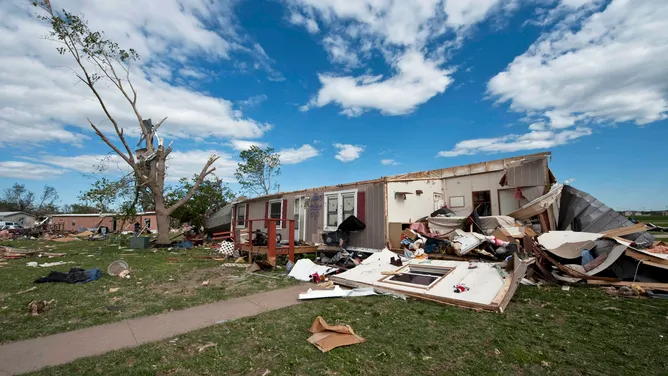
    Mobile homes are generally more susceptible to damage during hurricanes than traditional site-built homes. This is because mobile homes are often constructed with lighter materials and are anchored to the ground with less robust foundations. Traditional houses, on the other hand, are usually built to higher standards with more durable materials.
    how safe mobile homes

    Mobile homes are more likely to be affected by the high winds and flying debris associated with hurricanes. The winds can easily lift a poorly anchored mobile home or cause it to overturn. However, not all mobile homes are equally vulnerable. The level of safety depends on the mobile home’s age, construction quality, and how well it is anchored.

    2. The Importance of Anchoring and Skirting

    One of the most critical factors in determining the safety of a mobile home during a hurricane is how well it is anchored. Mobile homes must be securely fastened to their foundations to prevent them from being blown away or overturned.

    Mobile homes are typically anchored using tie-downs or anchors that are attached to the ground or a concrete slab. These anchors help keep the mobile home in place during high winds. If your mobile home is not anchored correctly, it becomes more vulnerable to storm damage.

    Additionally, skirting around the base of the mobile home can help reduce the wind’s ability to get underneath it. Proper skirting provides additional stability and minimizes the chances of uplift.

    3. Age and Condition of the Mobile Home

    The age and condition of a mobile home are crucial when evaluating its safety during a hurricane. Older mobile homes, particularly those built before 1976, may not be as safe as newer models. This is because mobile home building codes and safety standards have significantly improved in recent years.

    In 1976, the U.S. government implemented stricter safety standards for mobile homes, including requirements for better anchoring and more durable materials. Mobile homes built after this date are generally safer and more resilient against severe weather conditions. If you own an older mobile home, investing in upgrades, such as enhanced anchoring systems, new roofing, and better windows, is essential to improve its safety.

    4. Hurricane-Resistant Mobile Homes

    Some newer mobile homes are specifically designed to be more resistant to hurricanes. These homes are built to higher standards and are often marketed as “hurricane-rated” or “storm-resistant.” These mobile homes may have reinforced frames, more robust materials, and better anchoring systems.

    Buying a mobile home in a hurricane-prone area is worth considering homes designed to withstand extreme weather. Look for homes that meet or exceed local building codes for wind resistance. Many of these homes are designed to handle winds up to 140 miles per hour or more, which is typical for strong hurricanes.

    5. Location and Community Considerations

    The safety of a mobile home during a hurricane is also influenced by its location. If your mobile home is in a well-established mobile home park with good infrastructure, it may be safer than if it is located in a more remote area.

    Mobile home parks in hurricane-prone areas should have specific safety protocols, such as evacuation plans and emergency shelters. Many parks also enforce rules that require homes to be adequately anchored, which can provide an added layer of safety.

    Before purchasing a mobile home, check the safety measures in place in the community. Ensure that the park is well-maintained and has a solid track record of responding to hurricanes and other natural disasters.

    6. Preparing Your Mobile Home for a Hurricane

    Proper preparation is vital to reducing the risk of damage to your mobile home during a hurricane. Here are some critical steps to take before a storm hits:

    • Install strong anchors and tie-downs: Ensure your mobile home is anchored securely to the ground. If necessary, hire professionals to inspect and upgrade the anchoring system.
    • Reinforce windows and doors: Install storm shutters or plywood over windows to protect them from flying debris. Reinforce doors with heavy-duty locks and deadbolts.
    • Check the roof: Ensure that the roof is in good condition and secure. High winds can cause shingles to lift, leading to water damage inside the home.
    • Remove outdoor objects: Secure or remove outdoor furniture, debris, and other items that could become projectiles in high winds.
    • Have an evacuation plan: Know the evacuation routes from your mobile home park and plan to leave early if a hurricane warning is issued.

    While these preparations can help mitigate some risks, the safest option in the event of a significant hurricane is to evacuate the area entirely.

    7. When to Evacuate

    Evacuating before a hurricane makes landfall is the safest option, particularly if you live in a mobile home. If local authorities issue an evacuation order, leaving as soon as possible is crucial. Mobile homes, even those that are properly anchored, are still more likely to be damaged than traditional homes.

    If you are still determining whether your mobile home is in a safe location, pay attention to the wind speed and storm surge warnings. If the winds are expected to exceed 100 miles per hour or if a storm surge is predicted, evacuate immediately.

    8. Insurance and Coverage Options

    Insurance is essential to owning a mobile home, especially in hurricane-prone areas. Standard homeowner’s insurance policies do not typically cover damage caused by hurricanes, so additional coverage is essential.

    Consider purchasing flood insurance and a separate mobile home policy that covers wind damage. Many insurance companies offer policies specifically for mobile homes, including hurricane-related coverage. Make sure you fully understand your policy’s coverage limits and exclusions.

    9. The Role of Community Planning

    In some cases, mobile home parks have unique disaster preparedness plans. These plans may include evacuation shelters, emergency supplies, and guidance on when to evacuate. It’s essential to be aware of these plans and follow them in the event of a hurricane.

    Some mobile home communities may also have weather-resistant shelters or designated safe areas where residents can go during a hurricane. Please speak with your park management about their hurricane preparedness plans and what steps they take to ensure the safety of residents.

    10. Conclusion

    While mobile homes are more vulnerable during hurricanes than traditional homes, there are many ways to improve their safety. Proper anchoring, hurricane-resistant features, and thorough preparation can significantly reduce the risks. However, in the case of a significant storm, evacuation is still the safest option.

    If you live in a hurricane-prone area, ensure your mobile home is as safe as possible. Take advantage of any available community resources and always stay informed about weather conditions. With the proper precautions, you can reduce the potential damage and keep yourself and your family safe during hurricane season.


    See Also:

  • Are Mobile Homes Safe in Florida?

    Nestled amidst the swaying palm trees and bathed in the warm sunshine, Florida beckons with its allure of coastal living and vibrant communities. However, for those considering mobile homes in the Sunshine State, a pertinent question arises: Are mobile homes safe in Florida? Given the state’s susceptibility to hurricanes, tropical storms, and occasional severe weather conditions, concerns about the structural integrity and safety of mobile homes are understandable. In this exploration, we will delve into the factors that determine the safety of mobile homes in Florida, examining building codes, hurricane resistance measures, and the resilience of these dwellings in the face of the state’s unique weather challenges. As we navigate this inquiry, a comprehensive understanding will emerge, shedding light on the safety considerations for those contemplating mobile homes living in the picturesque yet occasionally turbulent landscape of Florida.

    There are several misconceptions and myths surrounding mobile homes that can perpetuate negative stereotypes. It’s important to address these myths to provide a more accurate and fair understanding of the reality of living in a mobile home. Here are some common myths and the corresponding realities:

    Myth 1: Mobile Homes Are Not Safe: Reality: While mobile homes may have unique vulnerabilities in certain weather conditions, they can be made safe through proper anchoring, building code adherence, structural reinforcements, and other measures. Modern manufactured homes are designed with safety standards in mind.

    Mobile Home in Sebring Florida
    Mobile Home in Sebring Florida

    Myth 2: Mobile Homes Are Poorly Constructed: Reality: Mobile homes are constructed in controlled factory environments, where quality control measures are implemented. Many modern mobile homes are built to high standards, utilizing advanced materials and technology.

    Myth 3: Mobile Homes Are Temporary or Inferior Housing: Reality: Mobile homes are available in a variety of sizes, styles, and configurations, making them suitable for both temporary and permanent living. Some people choose mobile homes as a cost-effective and viable housing option.

    Myth 4: Mobile Homes Depreciate Rapidly in Value: Reality: While mobile homes may not appreciate in value at the same rate as traditional site-built homes, their depreciation can vary depending on factors like location, condition, and the overall real estate market. Proper maintenance and improvements can help preserve value.

    Myth 5: Mobile Home Communities Are Undesirable: Reality: Mobile home communities can vary widely in terms of appearance, amenities, and sense of community. Some mobile home communities offer well-maintained grounds, shared facilities, and a sense of belonging.

    Myth 6: Mobile Homes Lack Amenities and Comfort: Reality: Many modern mobile homes come equipped with modern amenities such as updated kitchens, bathrooms, heating, cooling, and energy-efficient features. They can offer comfortable living spaces comparable to traditional homes.

    Myth 7: Mobile Homes Are Only for Low-Income Individuals: Reality: Mobile homes can attract a diverse range of residents, including individuals seeking affordable housing, retirees looking to downsize, and people who value the convenience and lifestyle mobile home communities offer.

    Myth 8: Mobile Homes Are Not Energy-Efficient: Reality: Modern mobile homes can be designed with energy-efficient features like insulation, high-quality windows, and energy-efficient appliances. They can be equipped to meet or exceed energy efficiency standards.

    Myth 9: Mobile Homes Are Difficult to Finance: Reality: Financing options for mobile homes are available, including traditional mortgage loans, personal loans, and loans specifically designed for manufactured homes. Lenders often consider factors such as credit history, down payment, and the home’s age and condition.

    Myth 10: Mobile Homes Have Limited Resale Value: Reality: Mobile homes can have resale value, especially if they are well-maintained and located in desirable communities. Factors such as location, condition, and market demand can influence resale value.

    It’s important to consider individual circumstances, preferences, and local regulations when assessing the suitability of living in a mobile home. While there are misconceptions, mobile homes can provide a viable and affordable housing solution for many individuals and families.

    The Safety of Mobile Homes in Florida

    Mobile homes, also known as manufactured homes, can be found in various parts of Florida due to the state’s warm climate and housing affordability. However, the safety of mobile homes in Florida can be influenced by several factors:

    Hurricanes and Severe Weather: Florida is prone to hurricanes and tropical storms, which can bring strong winds and heavy rainfall. While mobile homes are more vulnerable to these weather events compared to traditional homes, newer manufactured homes built to stricter codes may offer better resistance to hurricanes. Some mobile homes are designed to meet wind zone ratings, which indicate their ability to withstand wind speeds typical in different areas.

    Building Codes: Florida has specific building codes and regulations for manufactured homes to ensure they are constructed to withstand the state’s weather conditions. These codes are intended to enhance the safety and resilience of mobile homes.

    Location: The location of the mobile home within Florida can impact its safety. Homes located in high-risk flood zones or areas prone to storm surges are more vulnerable to flooding and water damage during hurricanes.

    Foundation and Anchoring: Proper installation and anchoring of the mobile home are crucial for its stability and safety. Homes that are not securely anchored can be more susceptible to damage during severe weather.

    Maintenance: Regular maintenance and upkeep of the mobile home are important for its safety. This includes inspecting the roof, windows, doors, and other structural components to ensure they are in good condition.

    Community Standards: Many mobile homes are located in communities or parks with their own rules and regulations. Some communities may have additional requirements for safety measures, such as anchoring systems or storm shutters.

    Insurance: Having appropriate insurance coverage for your mobile home is essential in Florida, especially given the risk of hurricanes and severe weather. Ensure that your insurance policy covers damage caused by hurricanes and related perils.

    Upgrades and Retrofitting: Depending on the age of the mobile home, retrofitting or upgrading certain features can enhance its safety. This might include reinforcing the roof, installing impact-resistant windows, and improving the anchoring system.

    Mobile home in Nokomis Florida
    Mobile home in Nokomis Florida

    Mobile Homes are Well-made

    Factory-built homes, which include both manufactured homes and modular homes, can indeed be well-made and offer a range of benefits. However, the quality of factory-built homes can vary based on factors such as the manufacturer’s reputation, construction standards, materials used, and compliance with building codes. Here are some key points to consider:

    1. Consistent Construction Standards: Factory-built homes are constructed in controlled environments, which can lead to more consistent construction quality. Manufacturers often follow standardized construction processes that ensure uniformity and adherence to building codes.

    2. Enhanced Quality Control: Factory-built homes undergo rigorous quality control checks throughout the manufacturing process. These checks help identify and address potential issues before the home is delivered to its final location.

    3. Customization: Many factory-built homes offer a level of customization, allowing buyers to choose from various floor plans, finishes, fixtures, and features. This ensures that the home meets the buyer’s preferences and needs.

    4. Energy Efficiency: Factory-built homes are designed with energy efficiency in mind. They often incorporate modern insulation, windows, heating, and cooling systems that can lead to reduced energy consumption and lower utility bills.

    5. Shorter Construction Time: Factory-built homes can be constructed more quickly than traditional site-built homes. Since they are not subject to weather delays and other on-site factors, the construction process can be more efficient.

    6. Affordability: Factory-built homes can be more cost-effective compared to traditional homes. The controlled manufacturing environment, efficient construction process, and economies of scale can contribute to lower costs.

    7. Compliance with Building Codes: Manufactured homes and modular homes are subject to building codes established by the U.S. Department of Housing and Urban Development (HUD) and state/local authorities. This ensures that they meet safety, structural, and construction standards.

    8. Durability: When properly designed and constructed, factory-built homes can be durable and long-lasting. High-quality materials, skilled craftsmanship, and adherence to standards contribute to the overall durability of the home.

    9. Variability in Quality: While many factory-built homes are well-made, it’s essential to research and choose reputable manufacturers known for producing quality homes. Lower-priced models or homes from less reputable manufacturers may not meet the same quality standards.

    10. Inspection and Certification: Before a factory-built home is delivered to its final location, it is typically inspected by third-party agencies to ensure compliance with building codes and quality standards.

    What are the Preventive Measures of Mobile Homes Against Hurricanes in Florida?

    Mobile homes in hurricane-prone areas like Florida are more vulnerable to the effects of strong winds and heavy rainfall. However, there are several preventive measures you can take to enhance the safety and resilience of your mobile home against hurricanes:

    1. Choose a Safe Location:

    • If possible, locate your mobile home in a designated safe area that is less prone to flooding and storm surges. Avoid low-lying areas and flood zones.

    2. Secure Anchoring:

    • Ensure that your mobile home is properly anchored to the ground according to Florida’s wind zone requirements. Proper anchoring can significantly reduce the risk of the home being lifted or moved by strong winds.
    Mobile Home for Sale in Sebring
    Mobile Home for Sale in Sebring

    3. Reinforce Roof and Walls:

    • Strengthen the roof and walls of your mobile home by adding hurricane straps or clips to provide better resistance to strong winds.

    4. Impact-Resistant Windows and Doors:

    • Install impact-resistant windows and doors to protect against flying debris and high winds. These specially designed windows and doors can help prevent damage to the interior of your home.

    5. Trim Trees and Remove Debris:

    • Trim trees and branches that are close to your mobile home to reduce the risk of them falling onto your home during a storm.
    • Remove any loose items, debris, or potential projectiles from around your mobile home that could become hazards in high winds.

    6. Storm Shutters:

    • If your mobile home is not equipped with impact-resistant windows, consider installing storm shutters to protect windows and doors from flying debris.

    7. Reinforce Skirting:

    • Reinforce the skirting around the base of your mobile home to prevent it from being lifted by strong winds. Use sturdy materials and secure them tightly to the ground.

    8. Secure Porches and Additions:

    • If you have porches, decks, or other additions, make sure they are securely attached to your mobile home and properly anchored.

    9. Maintain Drainage:

    • Ensure that the drainage system around your mobile home is clear and functioning properly to prevent flooding.

    10. Emergency Plan:

    • Have a well-defined emergency plan in place that includes evacuation routes, emergency contacts, and a designated safe location.

    11. Insurance:

    • Make sure your mobile home is adequately insured against hurricane damage. Review your insurance policy to understand what is covered and consider adding additional coverage if necessary.

    12. Stay Informed:

    • Stay informed about weather forecasts and updates from local authorities. Follow evacuation orders if they are issued.

    13. Retrofitting and Upgrades:

    • Consider retrofitting your mobile home with additional structural reinforcements and upgrades, such as hurricane straps, reinforced doors, and roofing improvements.

    While mobile homes can be made safer through adherence to codes, regulations, and preventive measures, it’s important to recognize that they still have inherent limitations compared to site-built homes. If you are considering living in a mobile home in Florida, it’s recommended to conduct thorough research, work with reputable manufacturers, and consult with experts in mobile home safety and hurricane preparedness to ensure that your home is as safe as possible in the event of severe weather.

    Remember that each mobile home is unique, and preventive measures may need to be tailored to your specific circumstances. It’s advisable to consult with experts who specialize in mobile home safety and hurricane preparedness for personalized recommendations.

    See Also:

Reset password

Enter your email address and we will send you a link to change your password.

Get started with your account

to save your favourite homes and more

Sign up with email

Get started with your account

to save your favourite homes and more

By clicking the «SIGN UP» button you agree to the Terms of Use and Privacy Policy
Powered by Estatik