Tag: are manufactured homes safe in florida

  • How to Protect Your Mobile Home from Florida’s Humidity

    Florida’s year-round humidity can damage mobile homes. High moisture levels cause mold, mildew, structural damage, and health issues. Protecting your home from these effects requires proactive measures and regular maintenance. You can ensure your home remains safe, comfortable, and in good condition by staying vigilant.

    Understand the Impact of Humidity

    Florida’s humidity levels often exceed 70%, creating a breeding ground for mold and mildew. Excess moisture can damage wood, weaken insulation, and warp floors. It also invites pests like termites, which thrive in damp environments. Managing humidity effectively is essential to maintain your home’s value and livability.

    Steps to Protect Your Mobile Home

    1. Seal Doors and Windows

    Check the seals around your doors and windows for gaps or cracks. Poorly sealed openings allow moisture to seep inside, increasing humidity levels. Replace worn-out weatherstripping or use caulk to seal gaps. Tight seals also improve energy efficiency, keeping your home cooler and reducing air conditioning costs.
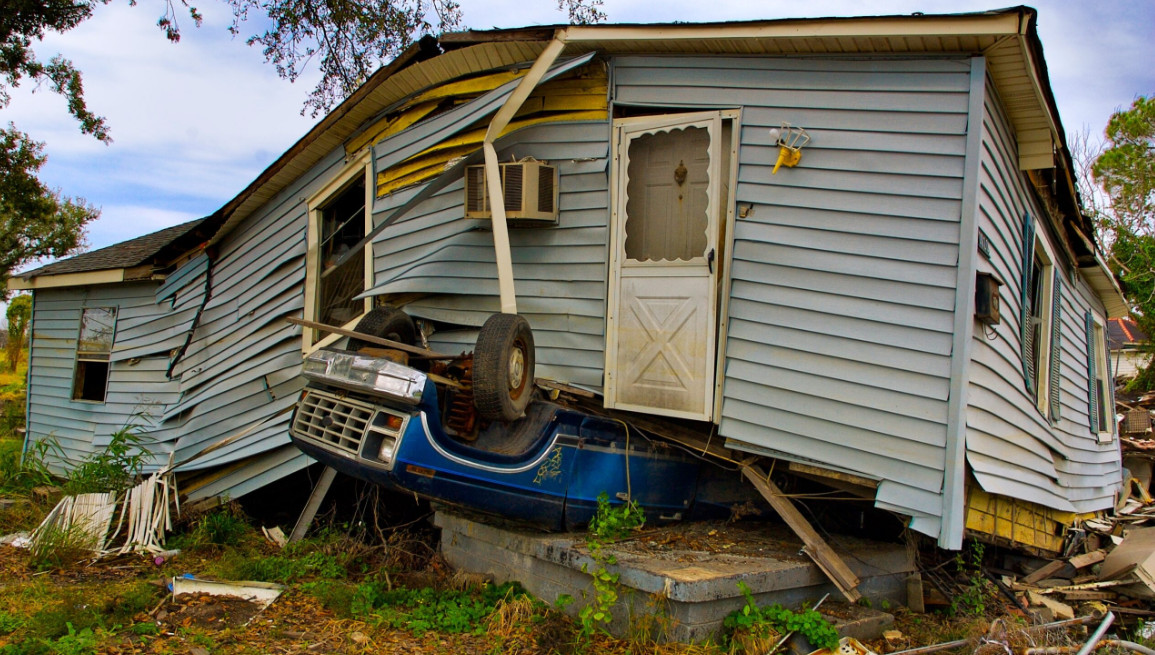
    How to Protect Your Mobile Home

    2. Use a Dehumidifier

    A dehumidifier reduces indoor moisture levels, making your home less susceptible to mold and mildew. Choose a dehumidifier based on your home’s size and humidity levels. Portable units work well for small spaces, while whole-home dehumidifiers are ideal for larger mobile homes. Empty the water reservoir regularly or opt for models with automatic drainage.

    3. Install Vapor Barriers

    Vapor barriers act as shields against ground moisture. Install them beneath your mobile home to prevent dampness from rising into your floors. These barriers are typically made from durable plastic sheets and are easy to install. Ensure they cover the entire underside of your home for maximum protection.

    4. Maintain Proper Ventilation

    Good ventilation helps air circulate, preventing moisture buildup. Use exhaust fans in kitchens and bathrooms to remove steam from cooking and showers. Open windows on cooler days to let fresh air in. Ceiling fans can also help circulate air and reduce humidity levels indoors.

    5. Check the Roof Regularly

    A leaky roof can introduce significant amounts of moisture into your mobile home. Inspect your roof for cracks, missing shingles, or damaged flashing. Repair any issues immediately to avoid water damage. Consider adding a roof coating to seal the surface and reflect sunlight, which reduces interior temperatures and humidity.

    6. Inspect Your Skirting

    Mobile home skirting helps regulate temperature and humidity beneath your home. Damaged or poorly installed skirting allows moisture to accumulate under the structure. Check for cracks, gaps, or loose panels and repair them promptly. Ventilated skirting can improve airflow while still providing protection.

    7. Monitor Indoor Humidity Levels

    Use a hygrometer to measure indoor humidity levels. Aim to keep the humidity between 30% and 50% to prevent mold and structural issues. If levels rise above this range, take corrective actions like using a dehumidifier or increasing ventilation.

    8. Use Mold-Resistant Materials

    If you’re renovating or repairing your mobile home, choose mold-resistant materials. Mold-resistant drywall, paint, and insulation effectively minimize the impact of Florida’s humidity. These materials are more durable and require less maintenance over time.

    9. Clean Air Conditioning Filters Regularly

    Air conditioning systems help control indoor humidity, but dirty filters can reduce their effectiveness. Clean or replace filters every 30 to 60 days to maintain efficiency. Also, check for any leaks in your air conditioning system that might contribute to moisture buildup.

    10. Avoid Overwatering Landscaping

    Landscaping near your mobile home can inadvertently raise humidity levels. Avoid overwatering plants or lawns near the structure. Ensure that water drains away from your home by grading the soil to slope outward. Installing gutters and downspouts can also help direct water away from the foundation.

    Preventing Mold and Mildew

    Mold and mildew thrive in humid conditions, making them common problems in Florida mobile homes. They can damage surfaces, cause unpleasant odors, and pose health risks. Here’s how to combat mold and mildew effectively:

    • Clean Surfaces Regularly: Wipe down walls, ceilings, and other surfaces with a solution of water and white vinegar.
    • Fix Leaks Immediately: Repair plumbing or roof leaks as soon as they occur to prevent moisture buildup.
    • Use Desiccants: Place moisture-absorbing products like silica gel or activated charcoal in closets and enclosed spaces.
    • Keep Fabrics Dry: Wash and dry curtains, rugs, and upholstery frequently to remove any trapped moisture.

    Long-Term Maintenance Tips

    Protecting your mobile home from Florida’s humidity requires consistent effort. Establish a maintenance routine to keep your home in top condition:

    • Schedule Annual Inspections: Hire professionals to inspect your roof, plumbing, and skirting for potential moisture issues.
    • Monitor Exterior Paint: Repaint your home every few years with moisture-resistant paint to prevent water infiltration.
    • Upgrade Insulation: Invest in high-quality insulation that resists humidity and keeps your home comfortable.
    • Check Flooring: Inspect for signs of warping or soft spots, which could indicate hidden moisture damage.

    Benefits of Protecting Your Home

    By taking proactive steps, you’ll enjoy numerous benefits, including:

    • Lower Maintenance Costs: Preventing humidity damage reduces the need for costly repairs.
    • Healthier Living Environment: Controlling moisture eliminates mold and mildew, improving air quality.
    • Enhanced Durability: Proper maintenance extends the lifespan of your mobile home.
    • Energy Efficiency: Sealing gaps and improving ventilation reduce energy usage and utility bills.

    Conclusion

    Florida’s humidity can be harsh on mobile homes, but you can protect your investment with consistent care and intelligent strategies. Sealing openings, improving ventilation, and promptly addressing moisture issues can create a safe and comfortable living space. A little effort now can save you significant time and money.

    See Also:

  • How to Prepare Your Mobile Home for Hurricane Season in Florida

    Florida is no stranger to hurricanes. Every year, from June to November, residents brace themselves for the possibility of these powerful storms. For mobile home owners, the threat is even more significant due to the nature of these structures. Preparing a mobile home for hurricane season in Florida is not only a smart decision; it’s essential for ensuring your home’s and loved ones’ safety. This guide will walk you through the necessary steps to secure your mobile home and mitigate potential damage during hurricane season.

    Prepare Your Mobile Home for Hurricane

    Understanding the Risks

    Mobile homes are particularly vulnerable during hurricanes due to their lightweight construction and less secure anchoring than traditional homes. High winds can easily lift or overturn a mobile home, and flying debris can cause significant damage. Additionally, flooding, which often accompanies hurricanes, can severely threaten mobile homes, especially those in low-lying areas.

    Step 1: Assess and Reinforce Your Mobile Home’s Anchoring System

    One of the most critical steps in preparing your mobile home for hurricane season is ensuring that it is securely anchored. The anchoring system is designed to keep the mobile home in place during strong winds, reducing the risk of it being lifted or overturned.

    1. Check Existing Anchors: Start by inspecting the existing anchoring system. Look for any signs of wear, rust, or damage. If the anchors are old or appear compromised, they should be replaced immediately.
    2. Install Additional Anchors: If your mobile home doesn’t have enough anchors, consider installing additional ones. Modern mobile homes are typically anchored with tie-downs, which are steel straps that connect the home to ground anchors. The more tie-downs and anchors your home has, the more secure it will be during a hurricane.
    3. Professional Inspection: It’s a good idea to have a professional inspect the anchoring system. They can ensure that it meets the required standards for hurricane resistance. In Florida, the Department of Highway Safety and Motor Vehicles (DHSMV) has specific guidelines for mobile home tie-downs, which you can refer to when reinforcing your home.

    Step 2: Protect Windows and Doors

    Windows and doors are among the most vulnerable parts of a mobile home during a hurricane. Protecting these areas can prevent wind and water from entering your home, which can cause significant damage.

    1. Install Storm Shutters: Storm shutters are one of the best ways to protect your windows. These can be made of aluminum, steel, or even heavy-duty polycarbonate. For mobile homes, roll-down or accordion-style shutters are convenient options as they can be quickly deployed when a hurricane is approaching.
    2. Use Plywood for Temporary Protection: If storm shutters are not an option, consider using plywood as a temporary measure. Cut the plywood to fit over your windows and doors, ensuring a snug fit. Attach the plywood securely to the window frames using screws, not nails, to withstand high winds better.
    3. Secure Exterior Doors: Check that all exterior doors are securely fastened and have at least three hinges and a deadbolt lock. Reinforce door frames if necessary, and consider installing a storm door for added protection.

    Step 3: Clear the Surroundings and Secure Loose Objects

    Flying debris can cause significant damage during a hurricane. It’s crucial to clear your mobile home’s surroundings and secure any loose objects that could become dangerous projectiles in high winds.

    1. Trim Trees and Shrubs: Trim back any trees or shrubs near your mobile home to prevent branches from breaking off and damaging your home during a storm. Pay particular attention to any dead or weak branches.
    2. Secure or Store Outdoor Items: Furniture, grills, planters, and other objects should be secured or moved indoors. In strong winds, these items can become airborne and damage your home or neighboring properties.
    3. Check Skirting: The skirting around your mobile home can help protect the underside of your home from flying debris and high winds. Ensure the skirting is intact and securely fastened.

    Step 4: Prepare for Flooding

    Flooding is a common consequence of hurricanes, and mobile homes are particularly at risk due to their proximity to the ground. Preparing for potential flooding is a critical part of hurricane readiness.

    1. Elevate Important Items: If your mobile home is in a flood-prone area, elevate valuable items and electronics off the floor. Place these items on higher shelves or move them to a higher level if possible.
    2. Use Sandbags: Sandbags can help divert water away from your home. Place sandbags around the perimeter of your mobile home, particularly around doors and any low-lying areas that are prone to water intrusion.
    3. Check Your Sump Pump: If your mobile home has a basement or crawl space, ensure that your sump pump is in working order. A battery-operated backup pump is also a good idea in case of power outages.
    4. Consider Flood Insurance: Regular homeowner’s insurance typically doesn’t cover flood damage. If you live in a flood-prone area, consider purchasing flood insurance to protect your investment.

    Step 5: Create an Emergency Plan

    Even with the best preparations, there’s always a risk that a hurricane could cause significant damage. An emergency plan is essential for ensuring your safety and that of your loved ones.

    1. Know Your Evacuation Routes: Familiarize yourself with local evacuation routes and plan where you will go if you need to evacuate. Identify several options, such as staying with family, friends or at a designated shelter.
    2. Prepare an Emergency Kit: Assemble an emergency kit that includes essential items such as water, non-perishable food, medications, flashlights, batteries, a first-aid kit, and important documents. Keep the kit in an easily accessible location.
    3. Have a Communication Plan: Establish a communication plan with your family members. Make sure everyone knows how to reach each other in case you are separated during an evacuation.
    4. Plan for Pets: Include pets in your emergency plan if you have pets. Have carriers, food, and water ready, and know which shelters or hotels in your area accept pets.
    5. Monitor Weather Updates: Stay informed about the latest weather updates and heed local authorities’ warnings or evacuation orders. If the power goes out, use a battery-powered or hand-crank radio to receive updates.

    Step 6: Review and Update Insurance Coverage

    Ensuring that your insurance coverage is up to date is vital to hurricane preparation. Review your policy to understand what is covered and consider making adjustments if necessary.

    1. Understand Your Coverage: Mobile home insurance policies typically cover wind damage, but you should check for any exclusions or limitations. Ensure that your policy covers the full value of your home and belongings.
    2. Consider Additional Coverage: As mentioned earlier, standard mobile home insurance doesn’t usually cover flood damage. Purchasing flood insurance is a wise decision if you’re in a high-risk flood zone.
    3. Document Your Property: Take photos or videos of your mobile home and its contents. This documentation can be invaluable when filing an insurance claim after a hurricane.
    4. Store Insurance Documents Safely: Keep copies of your insurance policies and contact information for your insurance agent in a waterproof container or a secure digital location. This ensures you can access them if you need to file a claim.

    Step 7: After the Storm

    Once the hurricane has passed, it is essential to assess the damage and take appropriate actions to ensure your safety and begin the recovery process.

    1. Wait for Official All-Clear: Don’t return to your home until local authorities have declared it safe. Hidden dangers, such as downed power lines or unstable structures, could prevent you from doing so.
    2. Inspect Your Home: Carefully inspect your mobile home for any damage. Look for structural damage, water intrusion, and any potential safety hazards such as gas leaks.
    3. Document the Damage: Take photos of any damage before making temporary repairs. This documentation will be important when filing insurance claims.
    4. Make Temporary Repairs: If it’s safe to do so, make temporary repairs to prevent further damage, such as covering broken windows or holes in the roof with tarps. Keep all receipts for materials used in repairs, as your insurance may reimburse you for them.
    5. Contact Your Insurance Company: Report the damage to your insurance company immediately. Be prepared to provide documentation and a detailed description of the damage.

    Conclusion

    Preparing your mobile home for hurricane season in Florida is a multi-step process that requires careful planning and attention to detail. By securing your home, protecting windows and doors, preparing for flooding, and having an emergency plan in place, you can significantly reduce the risks associated with hurricanes. Additionally, reviewing your insurance coverage ensures that you are financially protected in the event of damage. While no one can predict the exact impact of a hurricane, taking these steps will help you safeguard your home and loved ones, giving you peace of mind during hurricane season.


    See Also:


  • Are Hurricanes A Problem For Sarasota Mobile Home Owners?

    Are Hurricanes A Problem For Sarasota Mobile Home Owners?

    Hurricane season is upon us!

    With the recent tropical storm Elsa that just went through the Sarasota area it is time to look at how much of a problem hurricanes and tropical storms are for Sarasota mobile homeowners.

    Many times we hear that mobile homes are not as sturdy as single-family homes, and when a hurricane comes the owner of the mobile home will kiss it goodbye as it will fly away in the wind.

    But is that really true or is that a myth that has been told over and over?

    Mobile homes are actually much more storm-resistant than most people give them credit for and we at The Mobile Home Dealer see just how well they hold up throughout storms each and every year.

    Mobile homes have more stringent standards than regional and national building codes for traditional on-site built homes. This is due to the fact that additional factors are being considered while moving the structure. The Manufactured Housing Institute (MHI) is working hard to clear up the myths and negative stereotypes about mobile homes and inform the public that modern manufactured homes built after 1976 are subject to rigorous federal standards”.

    “The standards for manufactured housing are subject to robust compliance and quality assurance regulations, sometimes more stringent than those for traditional site-built homes,” says Richard Jennison, President, and CEO of MHI.  “The building materials in today’s manufactured home are the same as those used in site-built homes. The homes are engineered for wind safety based on the geographic region in which they are sold.”

    In other parts of the country where hurricanes are not a problem, mobile homes are built to withstand winds up to 136 miles per hour.

    Most mobile homes throughout the Sarasota area have what are called hurricane tie-downs attached to the home itself. When properly installed and maintained mobile home hurricane tie-downs will keep your home safe and level throughout an upcoming storm.

    Mobile home tie-downs are large metal rids that will help prevent the high winds from a hurricane from lifting or moving your mobile home off of its concrete pad. The anchors (also knowns as straps) are driven deep into the ground and anchor your mobile home so that it stays safe and sound throughout the storm season. Pending on what type of soil condition your home sits on will determine what type of tie-down is used but, generally speaking, an auger anchor is the most common material that is used. These tie-downs are put on all four corners of your mobile home itself and many times they are added to the front, sides, and rear of your carport as well.

    Tie-downs come in two forms and are easy to tell when looking at a mobile home which type of tie-down your home has.

    The most common tie-down that you will see in Sarasota is the over-the-top tie-down system. This system is one of the originals that helps keep mobile homes safe from the high winds of hurricanes and can be seen when looking at a mobile home by seeing that the end of the tie-down strap hangs down under the home.

    Frame anchors are also used as a hurricane tie-down and are usually used on newer models of mobile homes. This is not nearly as common in the Sarasota area as the average age of a mobile home in and around Sarasota County is 1979.

    Are Hurricanes A Problem For Sarasota Mobile Home Owners

    Update: “Florida law requires all mobile homes to be anchored with hurricane straps.  

    Aside from tie-downs, there are also safety measures that can help mobile homeowners stay safe during the hurricane. This includes keeping the surrounding areas of your mobile home free from other things like a portable carport and other things that may be attached to your house. These things can damage your house or your neighbors’ houses when hit by a strong wind. Make sure the exterior wall of your mobile home is clear of all debris that could cause damage to your or your neighbors’ homes.

    If you are not convinced by the above safety measures, buying mobile home insurance can give you peace of mind. Mobile home insurance can cover not only storm damage but also fire and other physical destructions, legal liabilities, and other unforeseen damages based on different circumstances. 

    Mobile Homes Facts

    • Mobile homes provide affordable and quality homes for more than 22 million low-to-moderate-income Americans.
    • $26,000 is the median annual household income of mobile homeowners
    • Mobile homes represent 7.3 percent of all the US occupied housing units
    • Based on US Census data, mobile homes have an average square foot cost of $44, far cheaper than $94 per square foot of traditional homes.

    When purchasing a mobile home feel confident that the common belief that mobile homes will just “blow away” during a hurricane is simply not true. Mobile homes with tie-downs are safe and sound and will hold up well to most hurricanes that pass through the Sarasota area!

    The Mobile Home Dealer are licensed mobile home broker in Sarasota Florida and the surrounding areas. We provide professional buy and/or sell assistance to our clients. If you have any questions, please get in touch with us by clicking this link. You may also visit our Facebook Page and send us a message.

    This is Mark Kaiser from The Mobile Home Dealer and we help mobile home Buyers and Sellers get to a better place in life.

    See Also:

Reset password

Enter your email address and we will send you a link to change your password.

Get started with your account

to save your favourite homes and more

Sign up with email

Get started with your account

to save your favourite homes and more

By clicking the «SIGN UP» button you agree to the Terms of Use and Privacy Policy
Powered by Estatik